RSNA AI Showcase Booth Planning: Clinical Workflow, Human Review, and Integration


How should exhibitors plan an RSNA AI Showcase booth?
An RSNA AI Showcase booth should make the clinical AI workflow easy to evaluate: where the AI enters the imaging process, what output it produces, how a radiologist or clinical user reviews it, and what happens next. The booth should also support integration discussion, visible product proof, screen-based demos, and deeper clinical or technical questions without slowing the main demonstration.
Radiology AI products are rarely evaluated as standalone software. At the RSNA AI Showcase, the product usually sits inside a broader imaging or clinical workflow: an image or study enters the process, the AI produces a finding, prioritization, measurement, recommendation, or workflow action, and a radiologist or clinical user decides what happens next.
Showing the AI output alone is therefore not enough. Visitors need enough context to understand where the tool enters the workflow, what changes after the AI is used, where human review remains, and how the result connects with reporting, PACS, image review, enterprise imaging, or another clinical system. AI Showcase planning still sits within the larger RSNA exhibit environment, so freight, installation, booth size, McCormick Place coordination, and broader show logistics should stay aligned with the exhibitor’s overall RSNA booth planning.
Those requirements then shape the booth itself: screen positions, demo stations, review points, technical follow-up, storage, and the amount of space needed around the demonstration. A focused 20x20 booth can support one primary clinical AI workflow and a nearby follow-up conversation, while larger or more complex programs may need additional room for multiple workflows, integration views, or specialist review. The same planning questions also appear at other AI-focused events, although the proof buyers expect and the way they evaluate the product can change by show. AI trade show booth planning brings those different event environments together.
Why Exhibitors Choose Circle Exhibit
Clear scope, transparent quote review, nationwide booth support, and efficient setup planning for qualified rental and custom exhibit projects.
48hr
Setup Window
10+
Years Since 2014
U.S.
Trade Show Support
Real
Booth Project Proof
Booth size should follow the number of clinical workflows, screens, devices, storage needs, and technical conversations the team needs to support.
A 10x20 booth works for one primary clinical workflow, a clear screen demo, compact staff position, light storage, and short buyer conversations.
A 20x20 booth gives more room to separate the main clinical AI demo from human review, technical follow-up, and nearby support storage.
A 20x30 booth supports several demo points, clinical scenarios, integration views, and a clearer transition from product demonstration to specialist review.
An island booth works for multiple AI products, specialties, or demo teams, with enough separation between high-traffic demonstrations and deeper clinical or technical evaluation.
For radiology AI exhibitors, the RSNA medical imaging booth planning article gives a broader look at booth layout, demo zones, graphics, booth size, logistics, and show-site preparation. This AI Showcase page stays focused on the details that matter most for medical imaging AI booths: screen-based software demos, workflow explanation, clinical use case messaging, and buyer conversations around adoption, integration, and product value.
An RSNA AI Showcase booth needs to do more than display software on a large screen. The environment should help visitors follow the clinical workflow, inspect the AI output, understand where human review remains, and continue into integration or technical questions when the product earns deeper attention.
The main demonstration should show where the AI fits into a recognizable imaging or clinical process. Visitors need enough context to understand what the system receives, what it does, and why the result matters to the next step in care or workflow.
A detection, score, measurement, prioritization, or recommendation should be shown together with the point where a radiologist or clinical user reviews or acts on it. This keeps the product from appearing as an automated answer without clinical context.
If the product connects with PACS, reporting, enterprise imaging, viewers, cloud platforms, or other systems, the booth should make that relationship understandable without turning the first demo into an architecture presentation.
Some visitors will move quickly from the clinical use case into validation, interoperability, deployment, or adoption questions. A nearby review point lets those conversations continue without occupying the main demonstration area.
The RSNA AI Showcase brings together radiology AI software, medical imaging AI tools, workflow platforms, and related healthcare AI products in one focused exhibit environment.
The AI Showcase is located in South Hall A at McCormick Place, creating a concentrated environment for medical imaging AI exhibitors and interested attendees.
Radiologists may focus on clinical workflow and AI output, while IT and technical buyers look at integration, interoperability, deployment, and system fit. The booth should support both levels of evaluation.
Not Sure Which Booth Size You Need?
Not every exhibitor knows whether a 10x20, 20x20, 20x30, or larger booth is the right fit. Circle Exhibit can help review your event goals, product display needs, demo areas, meeting space, storage, budget scope, and setup timeline before you choose a booth size.
The Human Review Point Can Disappear From the Demo
Integration Is Often Invisible on the Screen
1
Choose the Clinical Scenario the Demo Needs to Prove
2
3
4
Rental Booth for Focused AI Software Demos
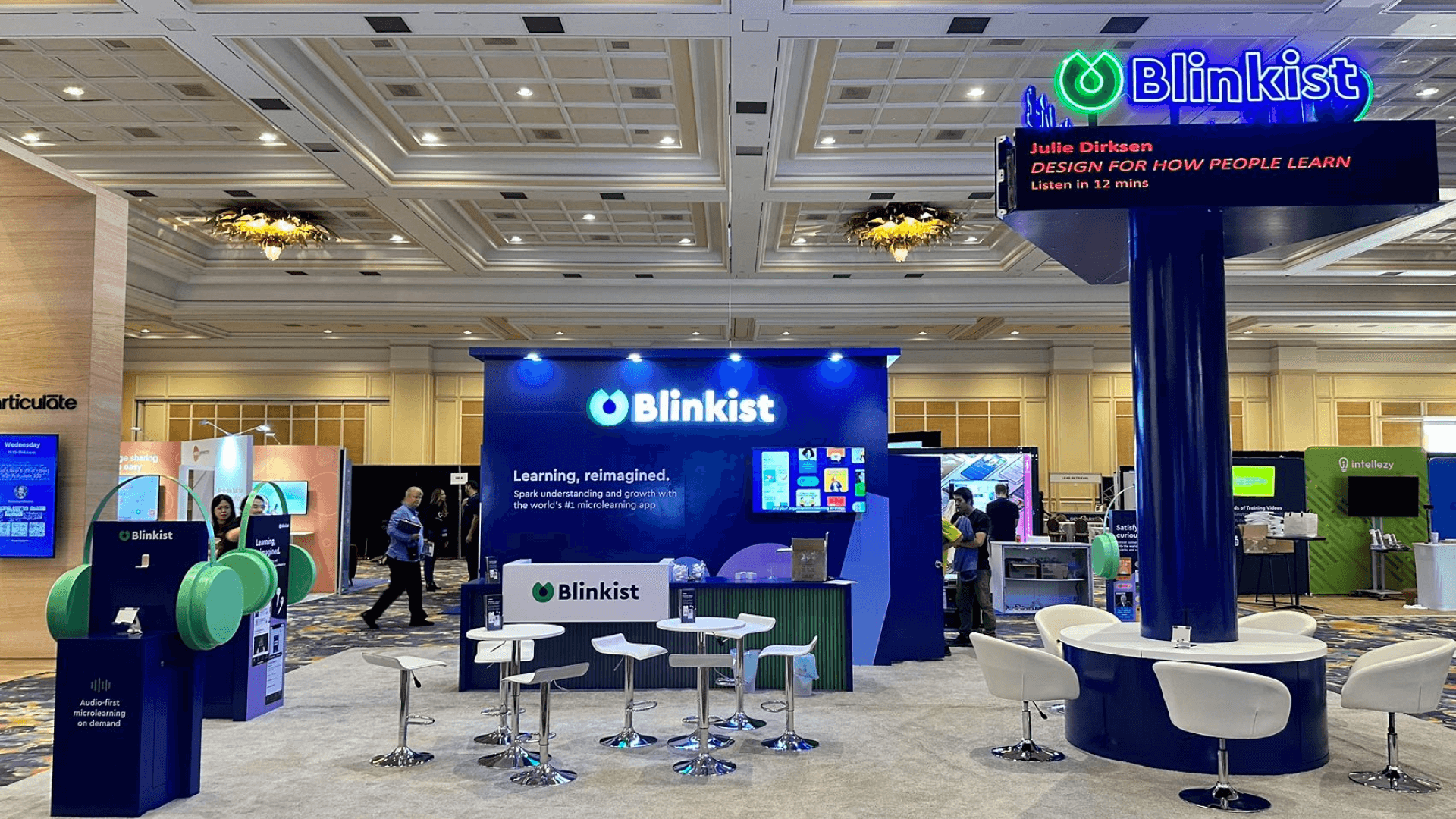
A focused AI product does not always need a heavy custom build. A clean rental booth can give the team the essentials: one or two screens, a demo counter, short use case graphics, hidden storage, and enough room for visitors to understand the software without crowding the aisle.
Custom Build for Multi-Workflow AI Platforms
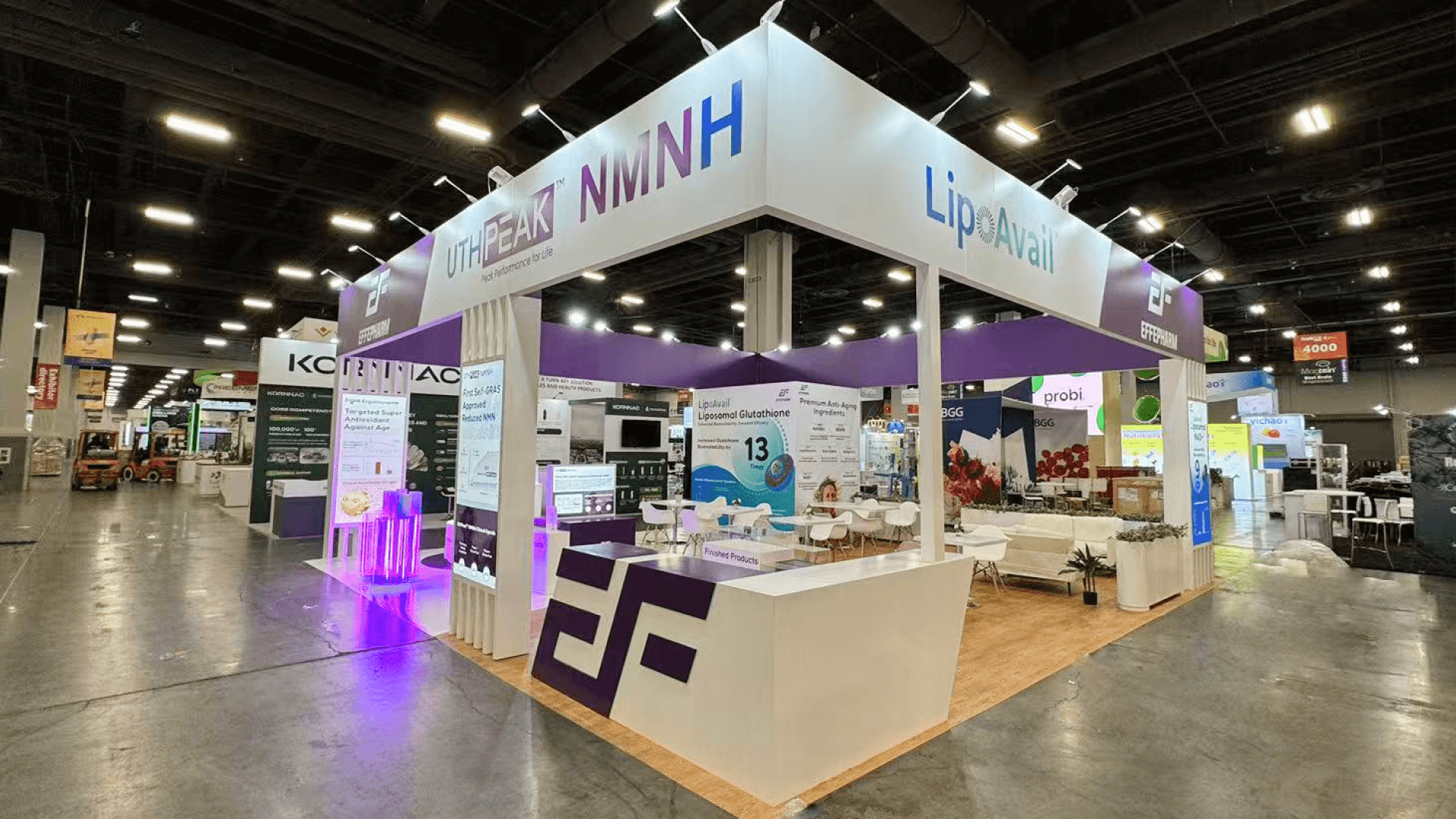
When the product covers several workflows, integrations, or clinical use cases, the booth may need a more controlled setup. Custom elements can help separate demo stations, guide visitors through the software story, support private meetings, and make the AI platform feel easier to evaluate.
Hybrid Booth for Demo Flow and Buyer Conversations
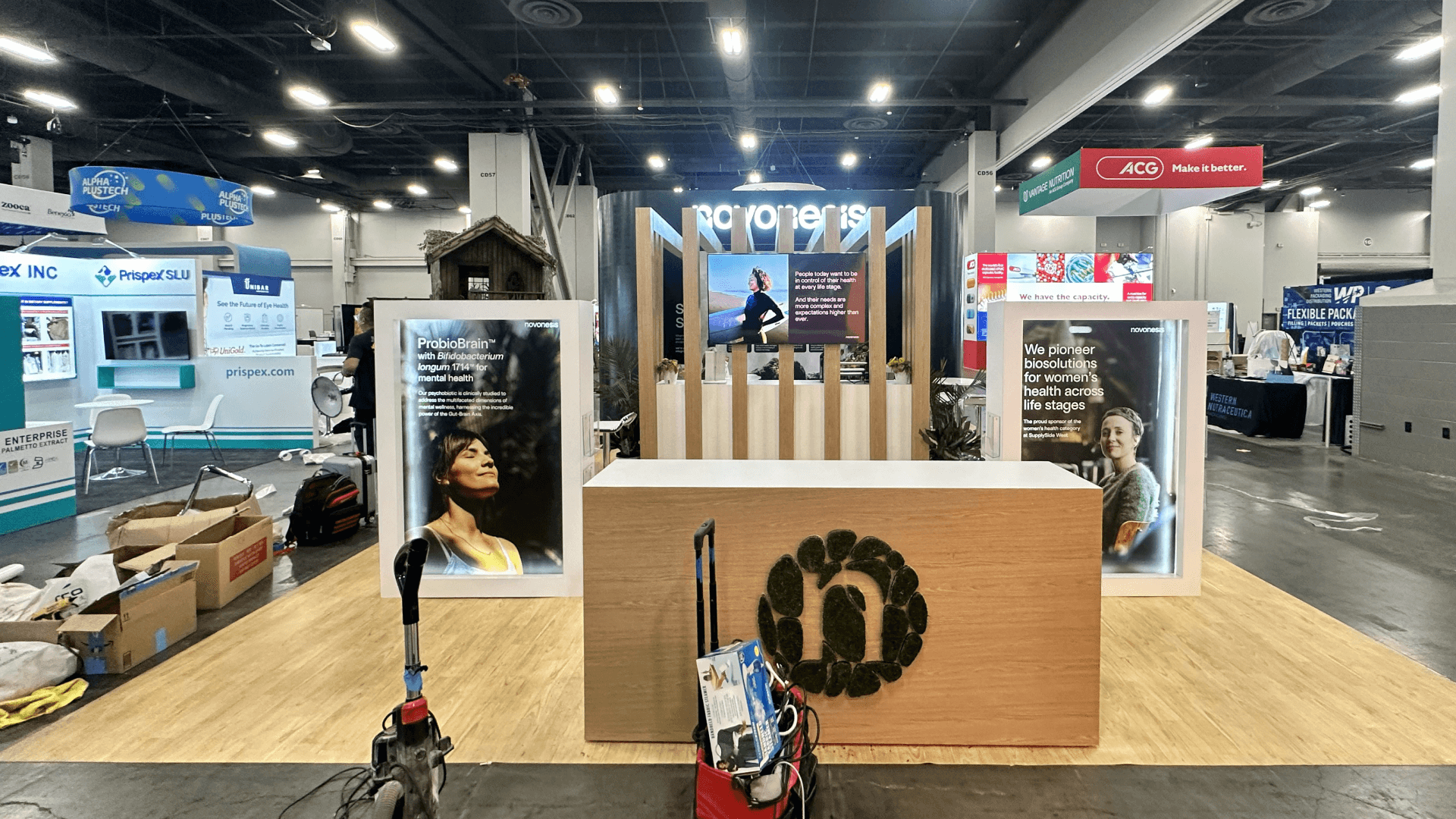
For many AI Showcase exhibitors, the best result comes from customizing the parts visitors actually use. Screen placement, workflow labels, demo counters, meeting space, and storage can be planned carefully while the main structure stays flexible and show-ready.
The AI Showcase is located in South Hall A at McCormick Place. Final screen positions, demo equipment, staff access, storage, and technical support should follow the actual booth assignment and move-in schedule rather than being treated as separate from show-site setup.
RSNA provides complimentary Wi-Fi for AI Showcase exhibitors, with hardline internet available separately. If a clinical AI demo depends on cloud services, remote data, APIs, PACS access, or other live connections, the team should confirm whether the available connection matches the reliability the demonstration actually requires.
Backup devices, prepared demo states, local files, adapters, chargers, and technical references should stay close enough for staff to recover quickly without entering the main visitor view. This is especially useful when the same clinical workflow needs to be demonstrated repeatedly throughout exhibit hours.
RSNA Technical Exhibits run Nov. 29–Dec. 2 from 10 a.m. to 5 p.m. CT, and exhibits are expected to be show-ready before opening. In the finished booth, run the full sequence from clinical context and AI output through human review, technical handoff, and reset—not just a screen and connectivity check.
Need an RSNA AI Showcase Booth Rental or Demo Exhibit Plan?
RSNA AI Showcase exhibitors often need a booth that makes software feel practical: clear screens, short use case graphics, a clean demo counter, hidden storage, and enough room for serious buyer conversations. A rental-based booth can work for focused software demos, while a hybrid approach may be better when the product has several workflows or multiple demo stations.
What type of booth works well for RSNA AI Showcase exhibitors?
A 10x20 booth can work for one focused software demo, while a 20x20 booth gives more room for screens, storage, and buyer conversations. A 20x30 or larger booth is useful when the product has several workflows or multiple demo stations.
How should radiology AI software be presented in the booth?
Why is screen placement important for an AI Showcase booth?
Is a 20x20 booth enough for an RSNA AI Showcase exhibitor?
What should exhibitors prepare before finalizing the booth design?
READY TO PLAN YOUR NEXT BOOTH?
Let’s Build a Booth That Fits Your Event
Share your event name, booth size, city, timeline, product display needs, and design references. Circle Exhibit will review your project direction and help you choose a rental-friendly or custom exhibit path.
3000+
Booth Projects Supported
50+
U.S. Event Cities
Transparent
Quote Review
The main RSNA event page gives broader context for medical imaging exhibitors planning booth size, demo zones, McCormick Place setup, graphics, and show-site execution.
A practical size reference for AI exhibitors that need a screen-based demo area, hidden storage, buyer conversations, and a layout that does not feel crowded.
Useful when AI use cases, interface visuals, workflow messaging, and product labels need to become clearer on the show floor.
A better fit when the booth needs careful planning around screen placement, demo counters, meeting space, visitor flow, and product explanation.
Local support for exhibitors planning booth build, graphics, setup, and show-site execution around Chicago trade shows and McCormick Place.
Broader exhibit design, build, graphics, logistics, and show-site support for exhibitors planning booths across U.S. trade shows.