
AI Trade Shows for Exhibitors
AI exhibitors do not meet the same buyer at every show. An AI-native conference, enterprise platform event, cloud ecosystem, or industry expo can change what visitors already understand, what they want to see, and how much technical proof the booth needs to support.
Explore major AI trade shows by event environment, then move into the planning page that matches your product, demo, meeting needs, and booth size.

How should exhibitors compare AI trade shows?
Start with the buyer environment rather than the event name alone.
At an AI-native show, visitors may already understand the category and want to compare products, workflows, or technical depth. At an enterprise or industry event, the booth may first need to show where the AI solution fits before moving into a deeper demo.
That difference affects messaging, demo length, staffing, meeting space, screens, connectivity, and booth size.
AI Trade Shows by Event Environment
AI events differ in buyer expectations, demo depth, technical review, and meeting needs. Explore each environment to find the planning path that fits your product and audience.
AI-Native Events
These shows put AI itself near the center of the buyer conversation. The booth usually needs less category education and more useful proof.

HumanX
HumanX brings enterprise AI buyers close to product, technical, and commercial conversations. A strong booth makes the business problem easy to recognize, supports a repeatable product proof, and gives qualified visitors a clear path into a deeper discussion.
Explore HumanX booth planning
For startup teams:

Ai4
Ai4 brings AI leaders, solution providers, enterprise buyers, and technical teams into the same environment. Exhibitors need to decide what belongs in the open booth demo and what should move into a specialist or buyer conversation.
Explore Ai4 booth planning
For teams participating in scheduled buyer introductions, Ai4 Match buyer-to-booth planning looks at what still needs to happen after the first meeting.

AI & Big Data Expo North America
AI and data exhibitors often need to show workflows, analytics, system outputs, or platform capabilities without turning the booth into a long technical presentation. The first proof point should be visible quickly, with deeper evaluation available for the right visitor.
Explore AI & Big Data Expo booth planning
Enterprise AI, Cloud & Platform Events
Here, visitors may already understand the larger platform or ecosystem. The exhibitor's job is to make its own role clear.

Oracle AI World
Oracle partners may work across AI, data, infrastructure, applications, and industry solutions. The booth should show what the partner adds and connect those capabilities around a customer problem rather than presenting every product family as a separate story.
Explore Oracle AI World booth planning
For multi-product sponsors, Oracle AI World industry scenario booth planning goes deeper into connected workflows and specialist conversations.
AWS re
AWS re booths often need to move from a clear customer use case into a short live demo, architecture discussion, or scheduled meeting. Screens, specialist handoffs, equipment storage, and reliable demo support can matter as much as the visible structure.
Explore AWS re booth planning

Gartner IT Symposium/Xpo
CIOs and senior technology leaders are evaluating business relevance as well as technical fit. The booth should establish the problem and proof first, then leave room for questions around integration, governance, security, deployment, or implementation.
Explore Gartner IT Symposium/Xpo booth planning
Applied AI Events
At broader industry shows, AI is part of a larger workflow. Visitors often need the application context before technical depth becomes useful.

CES AI Product Demos
CES places AI alongside devices, robotics, software, automation, and other technology categories. An AI demo needs to make the input, system action, output, and practical use case understandable before visitors move into deeper product detail.
Explore CES AI product demo booth planning

HR Tech AI Solutions
At HR Tech, AI is evaluated inside recruiting, workforce, analytics, automation, and employee workflows. Buyers may also bring IT, security, procurement, or implementation questions into the same booth conversation.
Explore HR Tech AI solution demo planning
Need help planning a booth for one of these shows? Review more Las Vegas trade show booth case studies.
What Changes Between AI Trade Shows?
The product may stay the same. The evaluation path often does not.
Buyer Context
At an AI-native event, visitors may already know the category and want to understand why one solution is different. At an industry show, the booth may first need to connect AI to a recognizable business or operating problem.
Demo Depth
Some events support a fast workflow demonstration. Others generate architecture, integration, implementation, or technical questions that need a second layer of conversation.
Proof & Technical Review
A claim on a graphic is rarely enough for a serious AI buyer. The booth may need a product interaction, workflow, output, use case, or technical specialist who can support the next question.
Meeting Flow
Walk-up demos, qualified technical discussions, scheduled buyer meetings, and executive conversations should not all depend on the same screen or staff position.
That is why the event environment should be clear before the physical layout is locked.

Booth Size Planning for AI Exhibitors
Booth size should follow what needs to happen at the same time—not the number of AI features the company offers.
10x20
One Focused Demo Path
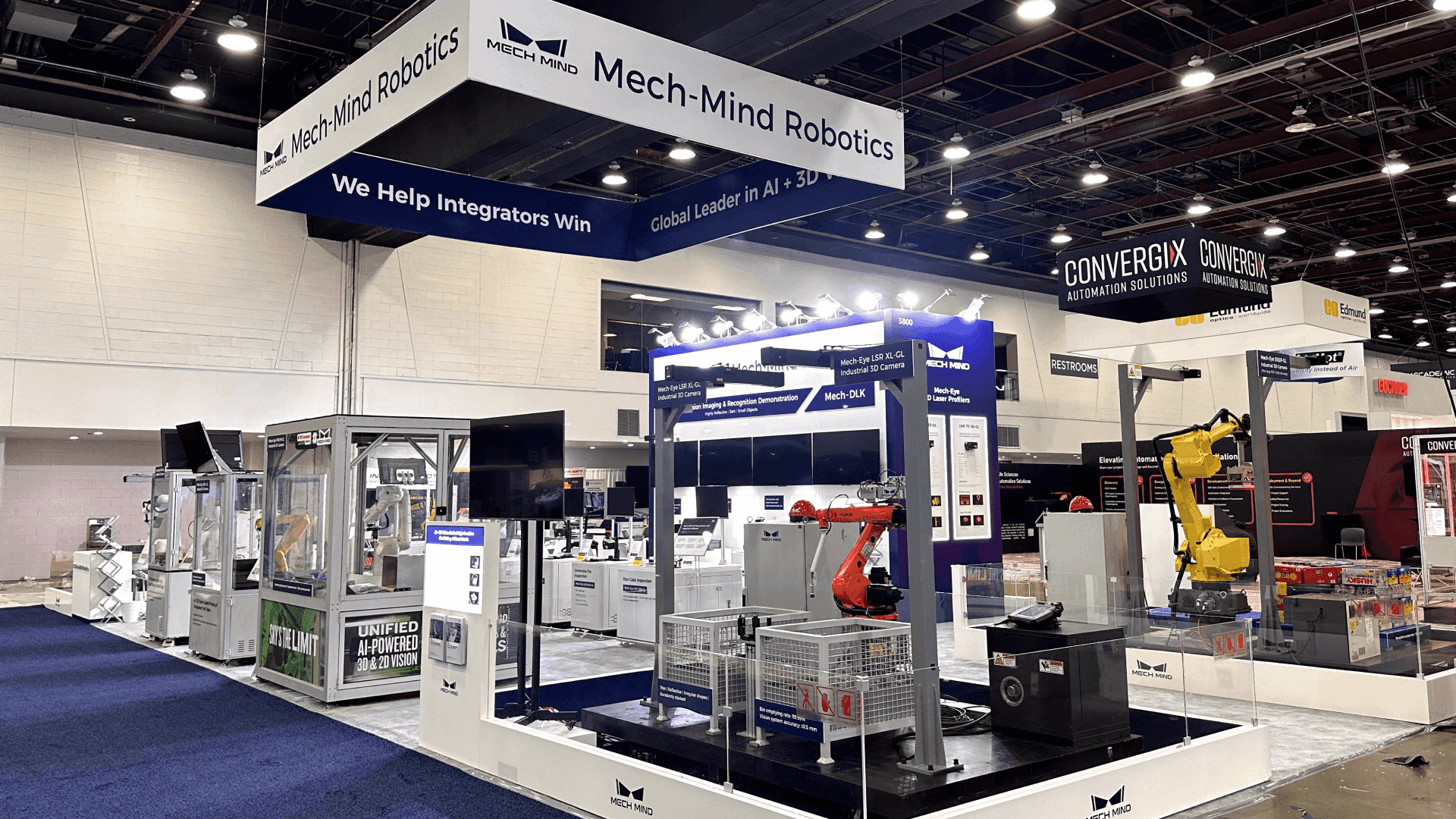
A 10x20 booth works well when one main use case, one demo position, and mostly short conversations can carry the exhibit.
View 10x20 Booth
20x20
Demo + Buyer Conversation
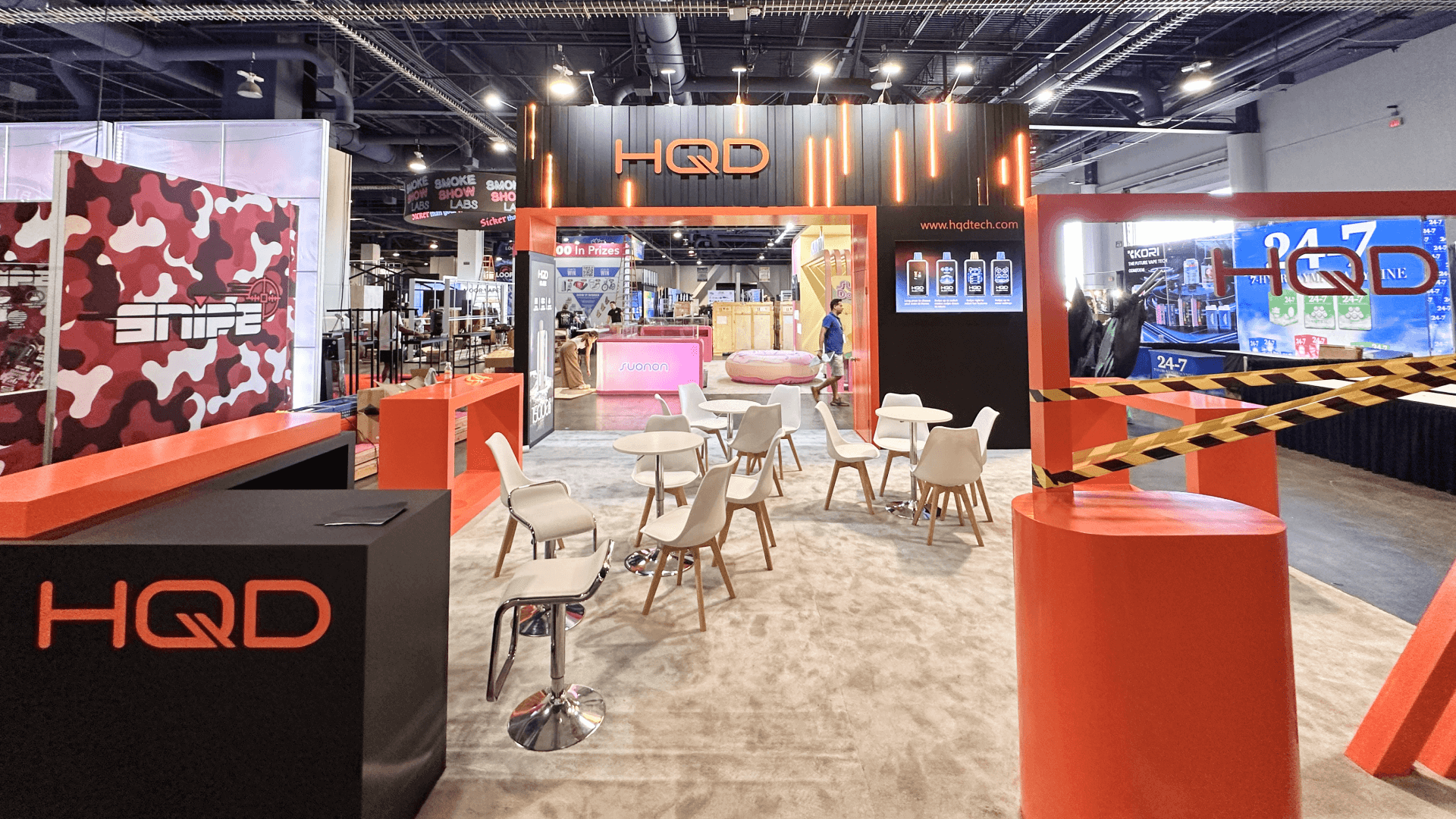
A 20x20 booth gives the team more room to keep a visible demo active while technical or commercial conversations continue nearby.
View 20x20 Booth
20x30
Multiple Demos or Meeting Needs
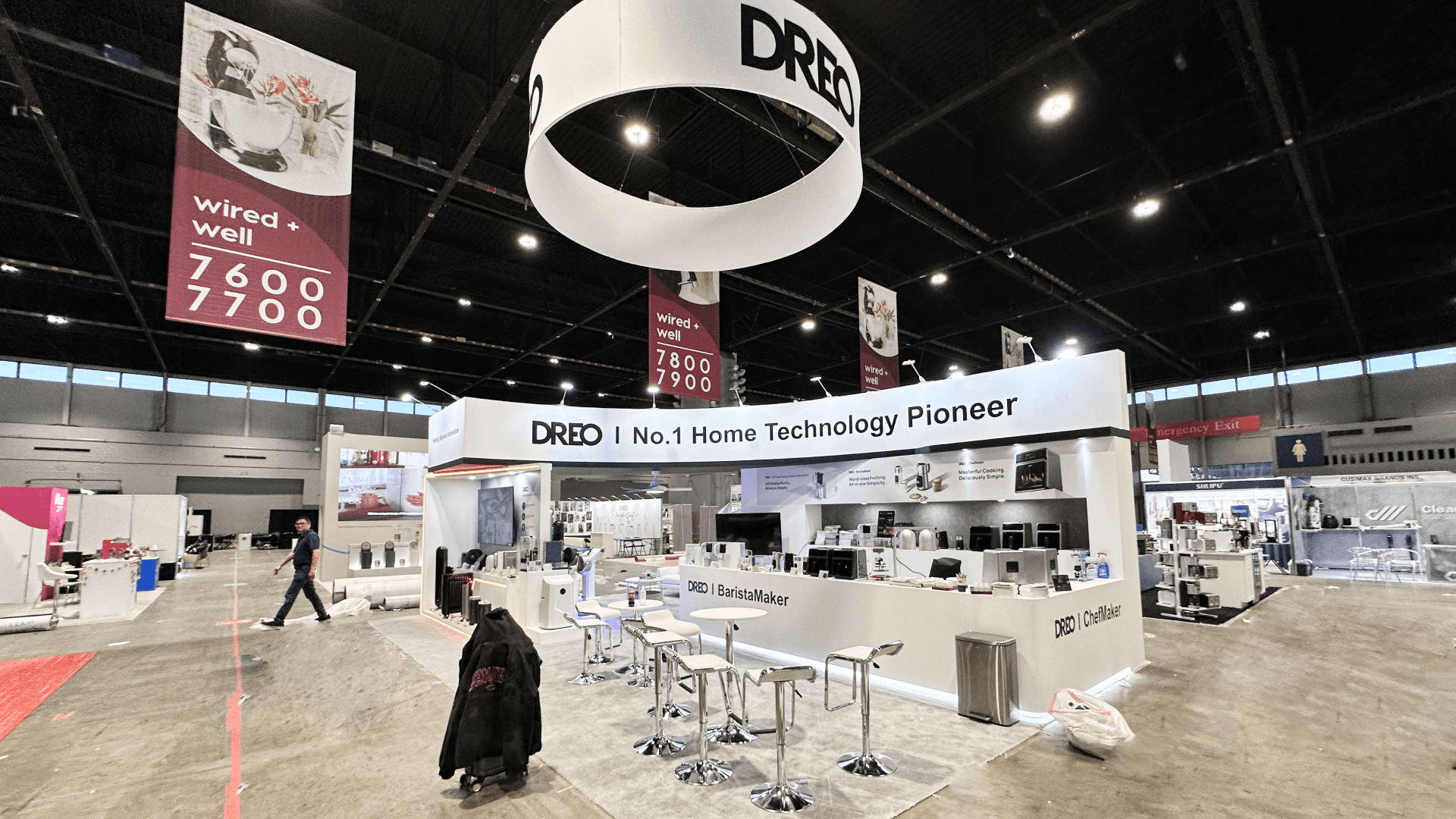
A 20x30 booth becomes useful when several workflows, specialists, screens, or scheduled meetings need to operate without competing for the same space.
View 20x30 Booth
Larger island booths make sense when multiple product teams, presentations, executive meetings, or more complex technical systems need independent working zones.
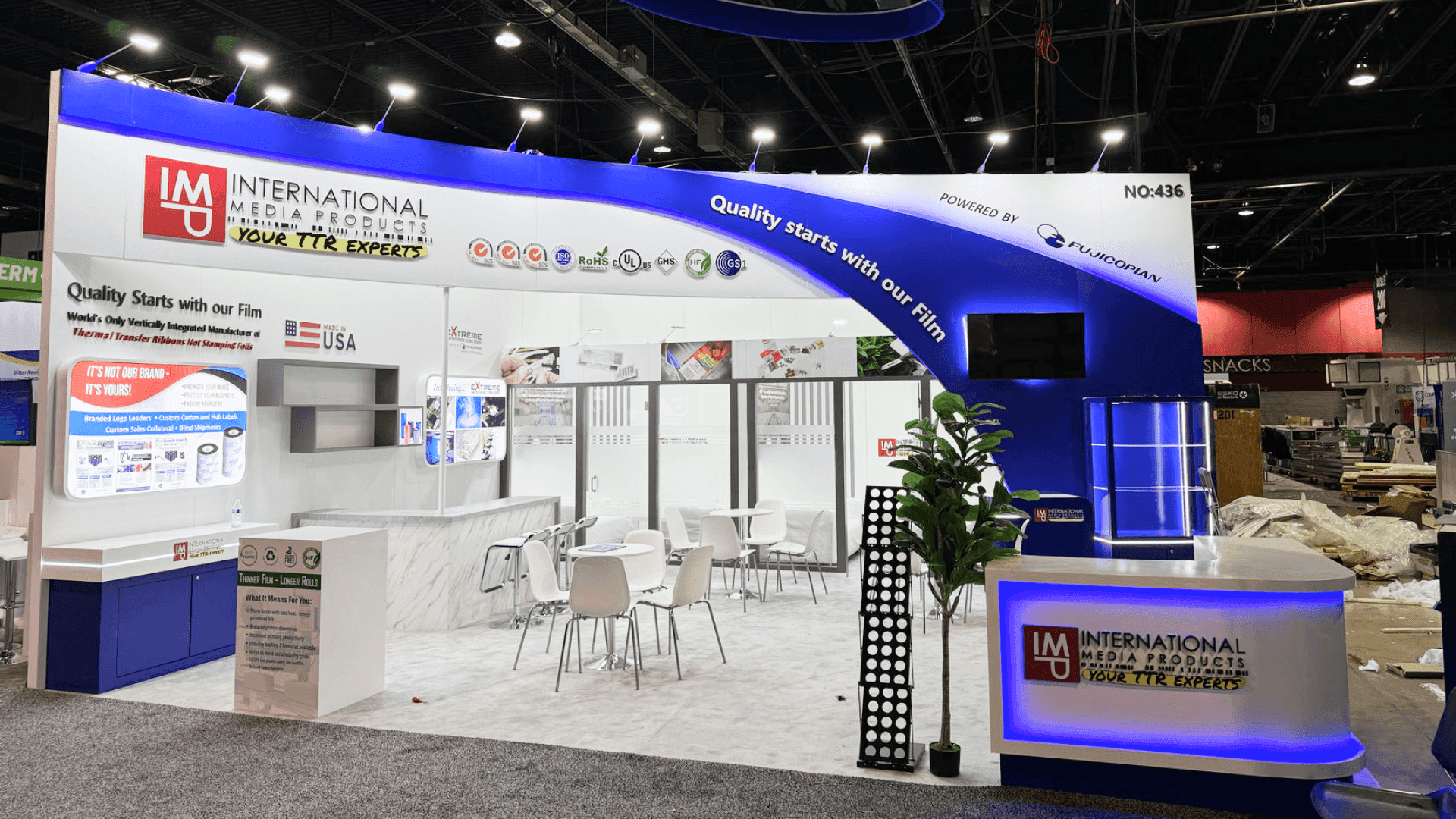
Not Sure Which Booth Size Fits the Show?
Start with four questions:
How many demos need to run at the same time?
How many people need to watch each demo?
Does the booth need technical or private follow-up space?
What equipment, screens, storage, power, or connectivity must remain active throughout the show?
Circle Exhibit can review those requirements before the team commits to a rental, custom, or hybrid exhibit direction.
AI Booth Planning Resources
Once the right event environment is clear, these pages go deeper into the booth itself.
AI Trade Show
Booth Design
For turning the product brief, buyer, proof, brand, and physical requirements into a workable exhibit direction.
Read the AI trade show booth design guide
AI Booth
Layout Planning
For demo positions, visitor flow, screens, meetings, equipment storage, and staff movement.
Explore AI trade show booth layout planning
From AI Concept to Buildable Exhibit
For checking structure, materials, AV, utilities, fabrication, logistics, and installation before an early booth concept moves into production.
Turn an AI booth design into a buildable exhibit

From Demo Requirements to a Buildable Booth
AI booth planning becomes a physical project once screens, devices, visitor flow, meetings, storage, power, and connectivity are defined.
A focused software demonstration may fit comfortably into a customizable rental structure. Several demo paths, integrated media, specialty equipment, semi-private meetings, or stronger architectural requirements may justify a custom or hybrid exhibit.
The build direction should follow what the booth has to do—not simply whether the company is an AI brand.
For projects that need technical coordination, Circle Exhibit can connect booth design, fabrication, graphics, pre-show logistics, installation, and final show-floor setup around the actual event requirements.
Discuss Your AI Booth Project
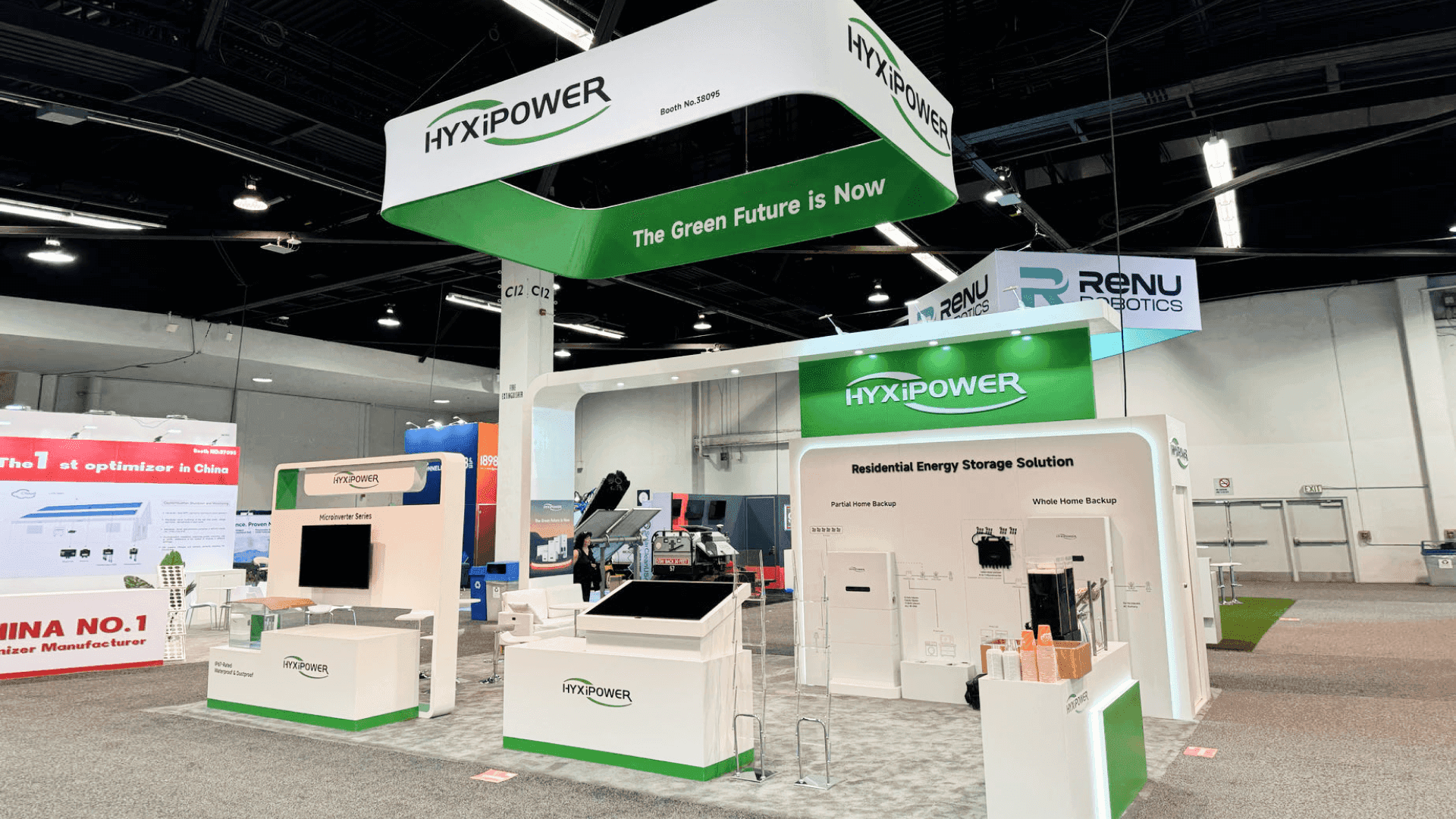
Real Booth References for AI and Technical Products
Real projects from software, connected-device, data, and security exhibitors show how digital demos, technical products, screens, meetings, and visitor flow translate into physical booth space.
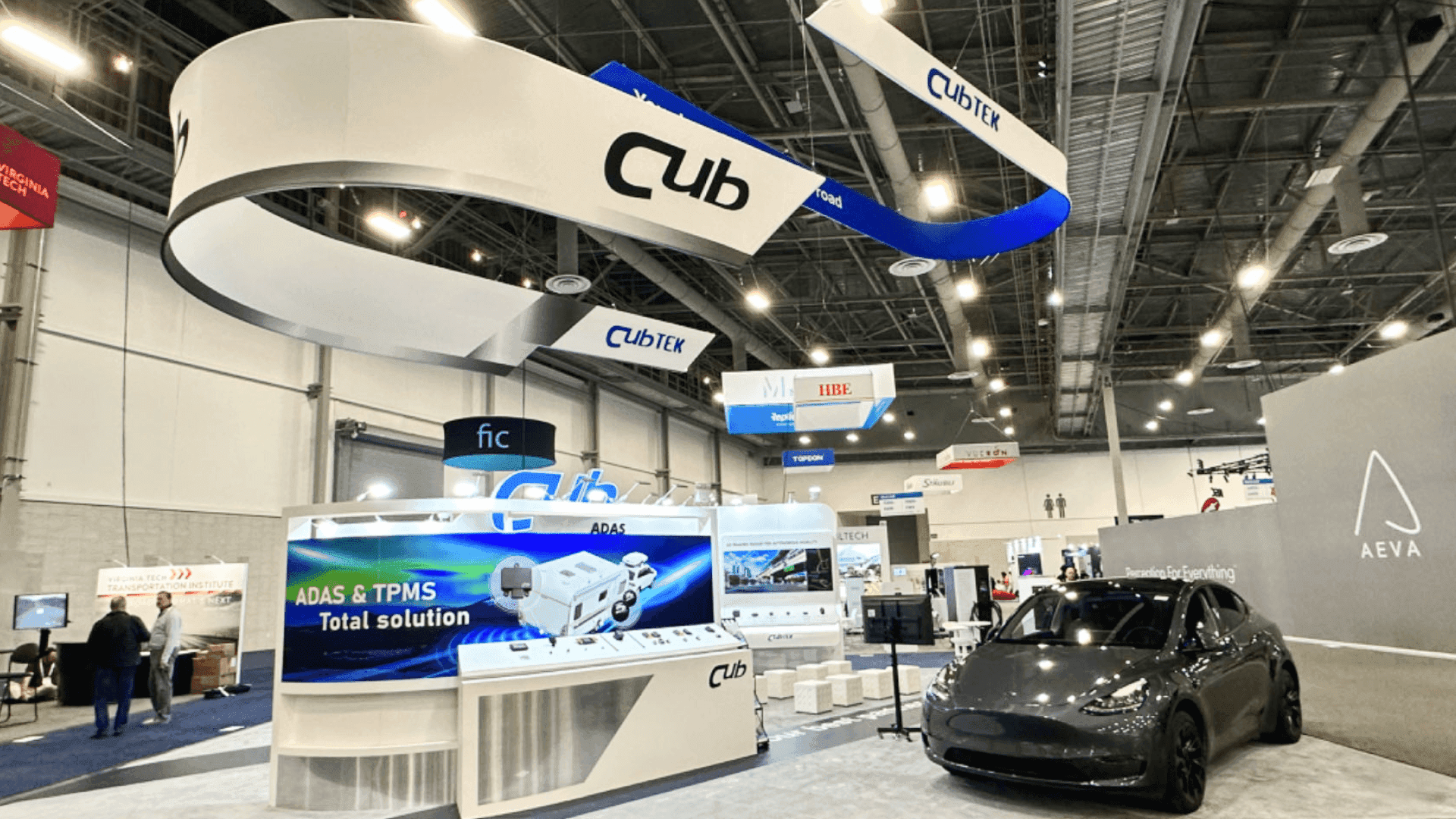
AUTOMOTIVE TECHNOLOGY · LARGE ISLAND
CUB-TEK — CES 2024
Automotive Technology & Vehicle Demo Booth
A large island exhibit built around automotive technology, vehicle display, technical product messaging, and open visitor circulation. The project is a useful reference for AI-enabled automotive, sensing, ADAS, and other technical products that need both physical equipment and digital explanation in the same booth.
Best reference for:Automotive AI,ADAS,Computer,Vision,Sensors,AI-enabled hardware,CES product demos
View CUB-TEK Project →

DATA & HARDWARE TECHNOLOGY · LARGE ISLAND
UGREEN — ISC West 2024
Large Island NAS Technology Demo Booth
A large technology exhibit combining physical products, digital screens, overhead visibility, and conversation areas. The layout shows how technical hardware and data-focused products can stay visible while supporting deeper product discussions.
Best reference for:AI infrastructure,Data platforms,Edge / compute products,Hardware-enabled AI
View UGREEN Project →
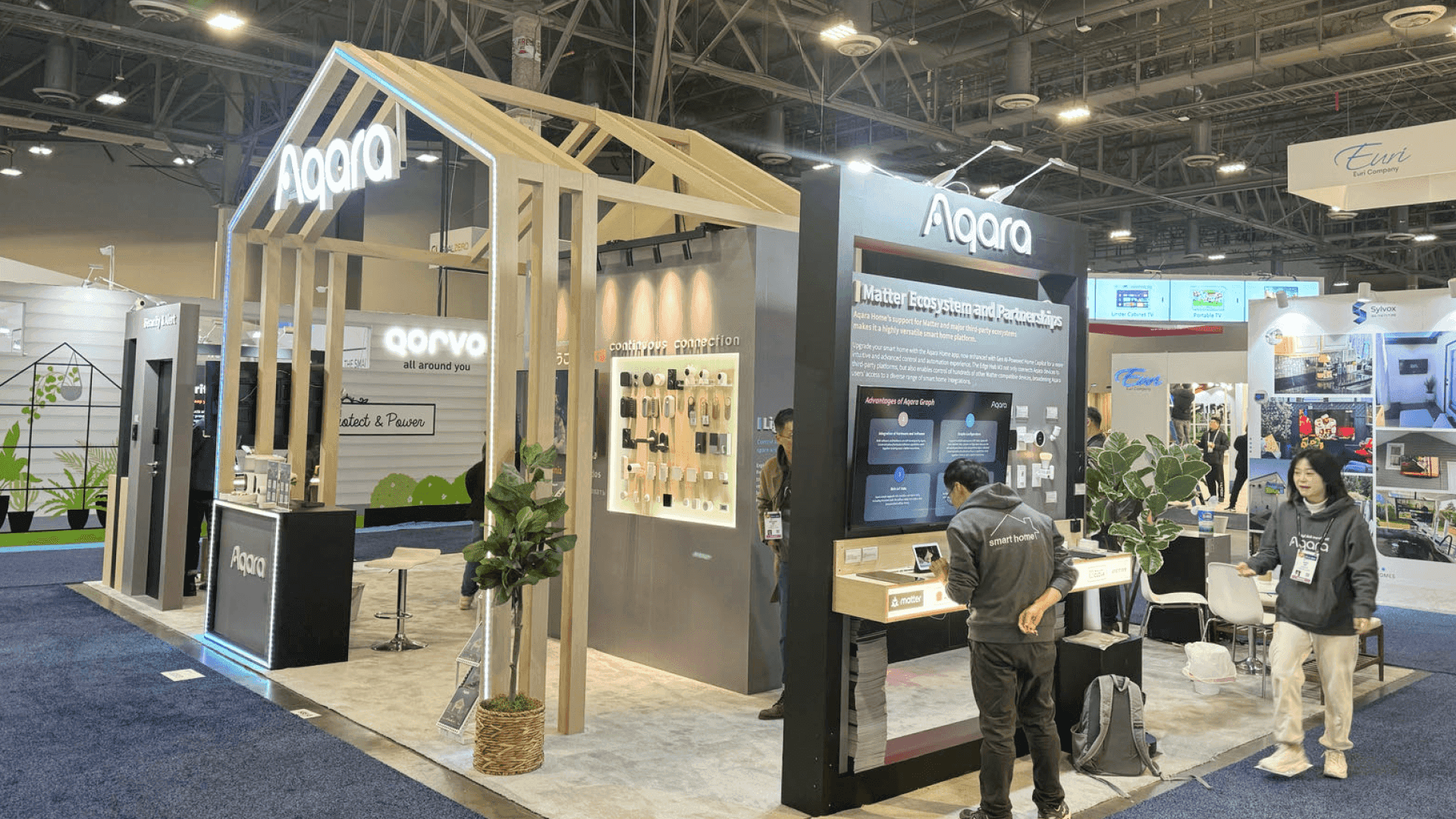
CONNECTED DEVICES · 20x30
Aqara — CES 2024
20x30 Smart Home Technology Demo Booth
A connected-product exhibit organized around smart-home devices, security, lighting, and ecosystem demonstrations. A house-frame structure helped visitors understand products in context rather than viewing each device as an isolated display.
Best reference for:Applied AI, IoT, Smart devices, AI-enabled products, CES AI exhibitors
View Aqara Project →
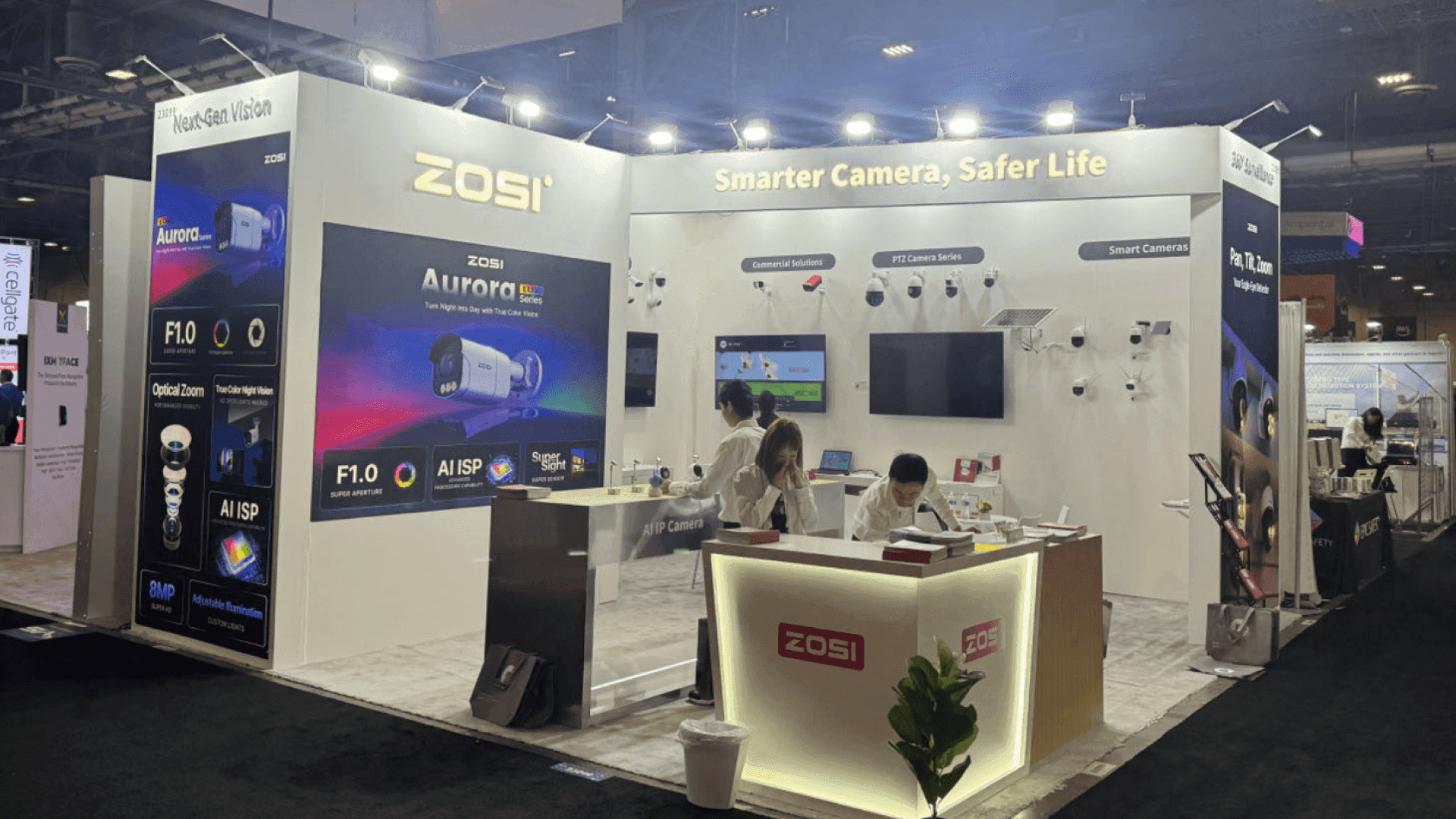
SECURITY TECHNOLOGY · 20x20
ZOSI — ISC West 2024
20x20 Security & Surveillance Technology Booth
A compact security technology exhibit built around surveillance products, visual monitoring, and buyer conversations. The project is a useful reference for technical products that depend on screens, system outputs, and clear product explanation inside a limited footprint.
Best reference for:Computer vision, AI security, Video analytics, Monitoring platforms, Technical dashboards
View ZOSI Project →
AI Exhibitors at Las Vegas Technology Shows
Many AI companies also exhibit inside broader Las Vegas technology environments such as CES, cloud conferences, enterprise software events, cybersecurity shows, and other technical exhibitions.
For the city-specific view—including Las Vegas venues, booth sizes, technology-show environments, and local execution—use the Las Vegas technology trade show booth planning collection.
This page remains focused on the cross-event AI planning decision.
Plan Around the Event, Not the AI Label
A booth does not become useful because it contains more AI language, more screens, or more product features.
Start with the event and the buyer:
What will this visitor already understand?
What still needs to be proven?
Who needs to handle the next question?
How many demos or conversations must run at the same time?
Those answers give the booth a clearer starting point than a generic list of capabilities.
They also make it easier to determine the right footprint, demo setup, graphics, meeting space, technical infrastructure, rental or custom direction, and show-site plan.
Frequently Asked Questions
What are the main types of AI trade shows?
AI exhibitors may participate in AI-native events, enterprise and cloud-platform conferences, or broader industry shows where AI is part of a specific workflow. The buyer context and level of technical evaluation can be different in each environment.
Should an AI company use the same booth at every trade show?
What booth size works for an AI software exhibitor?
How should exhibitors choose between an AI-native event and an industry event?
Planning an AI Trade Show Booth?
Share the event, booth size, product or workflow you need to demonstrate, meeting requirements, technical equipment, timeline, and any existing design references.
Circle Exhibit can review the project around the actual show environment and help define a practical rental, custom, or hybrid exhibit path—including design, fabrication, graphics, logistics, installation, and show-site coordination.