RSNA Booth Planning for Medical Imaging Exhibitors



What should exhibitors consider when planning an RSNA booth?
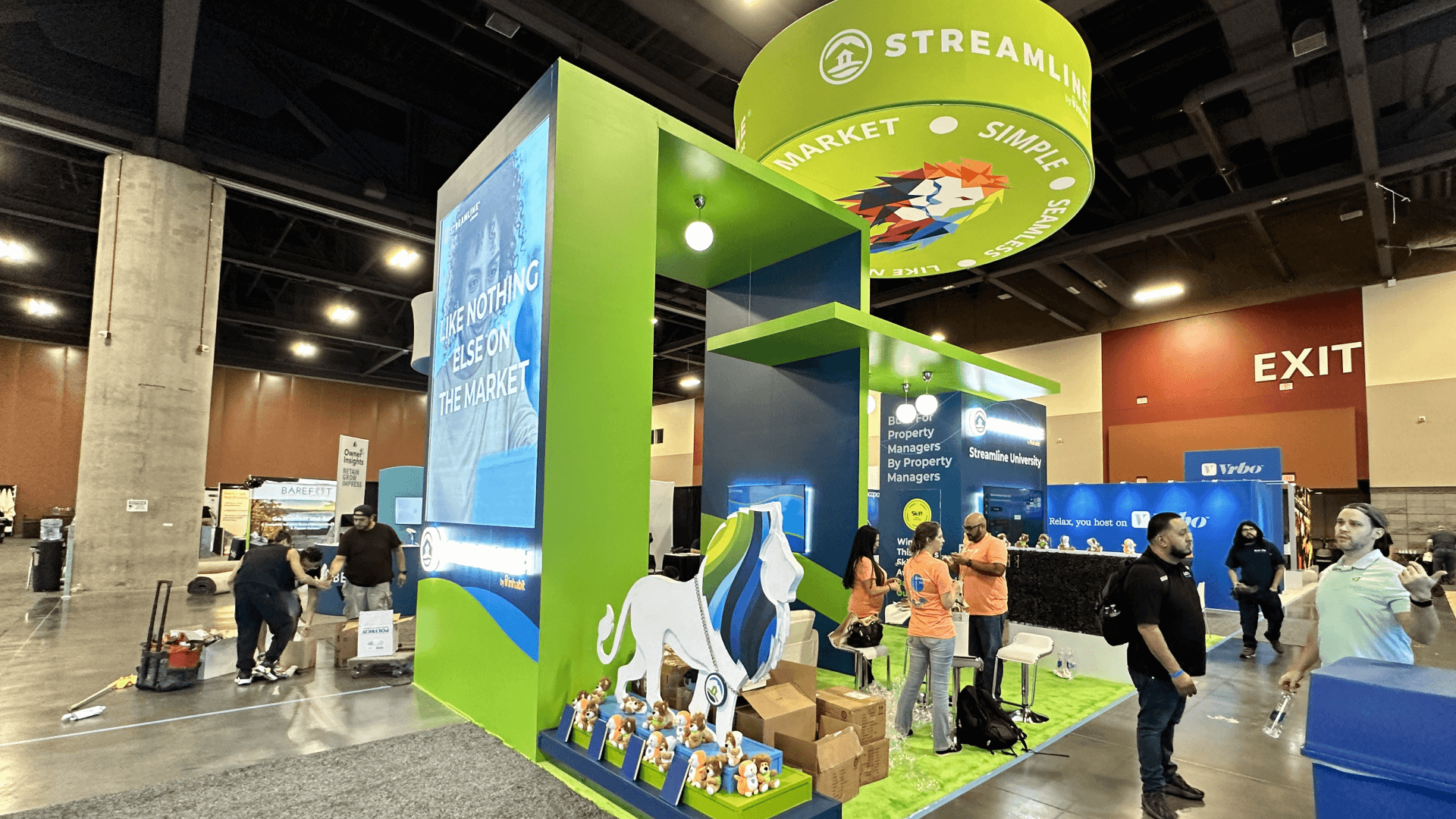
RSNA exhibitors should plan the booth around how medical imaging products will be understood in a live show-floor setting. Imaging equipment, radiology software, AI platforms, workflow tools, and diagnostic solutions often need clear demo zones, readable screens, technical explanation, storage, and space for private buyer conversations. Booth size, graphics, logistics, and McCormick Place setup should be confirmed before the booth design is finalized.
RSNA booths usually need to explain healthcare technology without making the space feel too dense. Many exhibitors are not showing simple product samples. They may need to present imaging equipment, radiology software, AI platforms, diagnostic workflows, PACS integrations, or clinical decision-support tools that buyers need to understand before they move into a deeper conversation.
The booth should help visitors see what the product does, where it fits, and why it matters in a clinical or imaging workflow. A medical imaging company may need a screen-based demo area, a controlled equipment display, a small meeting space, and graphics that translate product value into a clear booth story. For exhibitors with AI-driven imaging tools or software workflows, RSNA AI Showcase booth planning can support a more focused demo strategy.
For teams preparing for McCormick Place, the practical side should be settled early: booth size, screen placement, demo flow, storage, freight timing, installation sequence, and final show-site checks. Circle Exhibit supports RSNA exhibitors through Chicago trade show booth builder support and graphics and brand presentation support. For exhibitors that need more room for equipment, software demos, meetings, and visitor flow, 20x30 booth planning is often a strong fit.
Why Exhibitors Choose Circle Exhibit
Clear scope, transparent quote review, nationwide booth support, and efficient setup planning for qualified rental and custom exhibit projects.
48hr
Setup Window
10+
Years Since 2014
U.S.
Trade Show Support
Real
Booth Project Proof
RSNA exhibitors should choose booth size around what needs to be demonstrated, how much explanation the product requires, and whether the booth needs private conversations. A software-focused exhibitor may need screens and meeting space, while an imaging equipment company may need a larger footprint for product placement, visitor clearance, and show-site logistics.
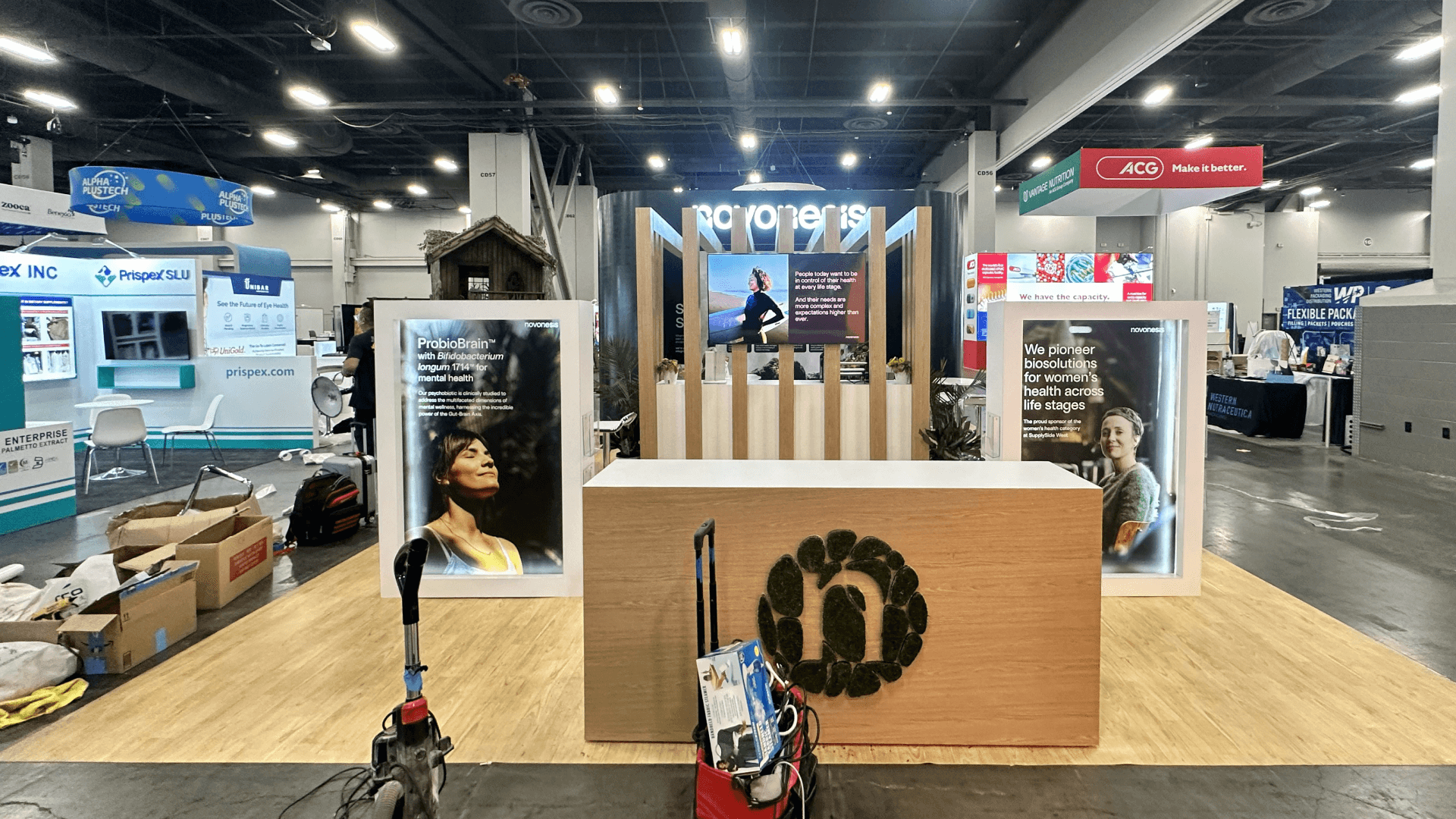
A 10x20 booth can work for a focused software platform, AI tool, or workflow solution when the booth uses one strong screen area, concise graphics, a small counter, and a clear path for quick product explanation.
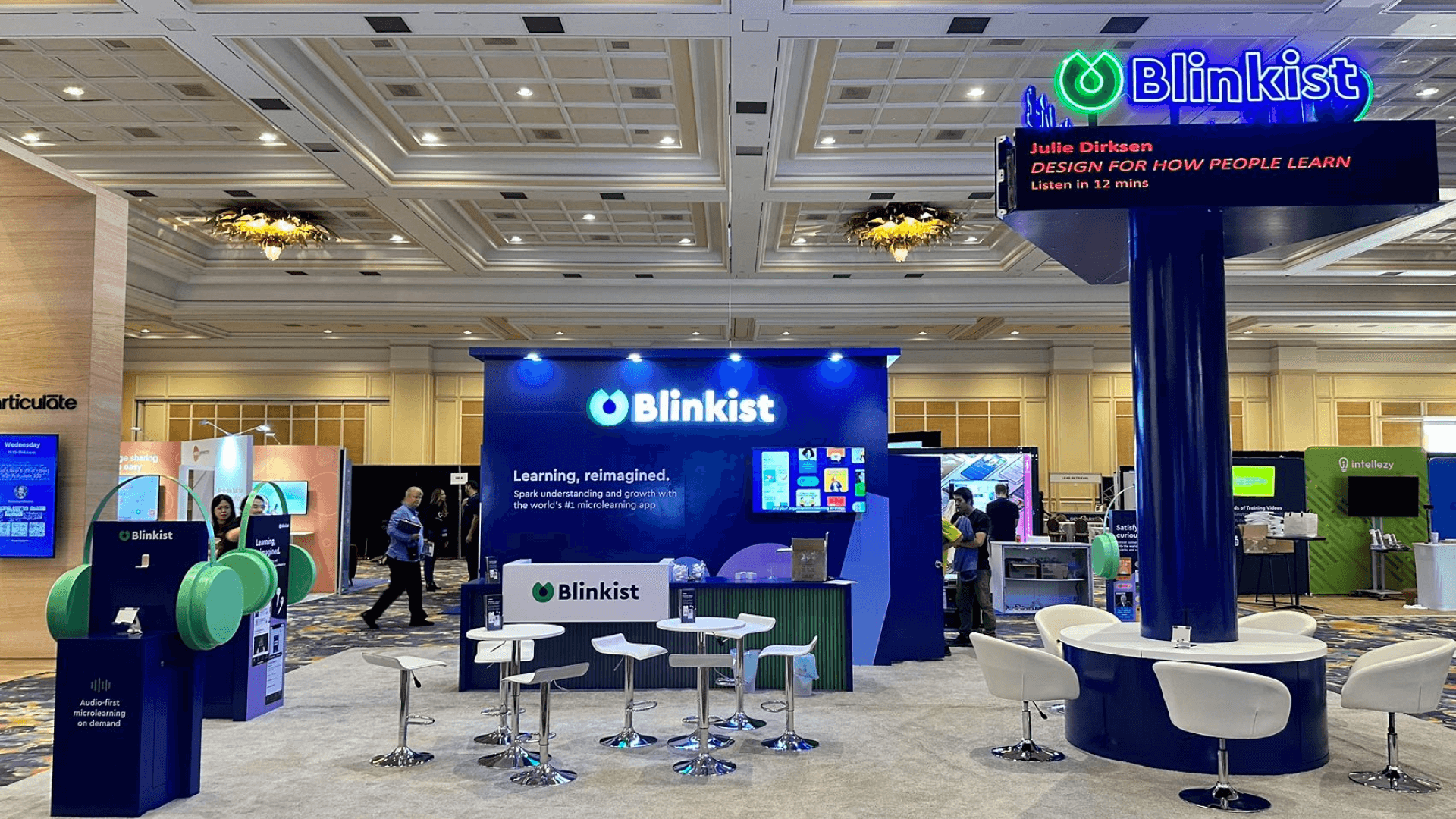
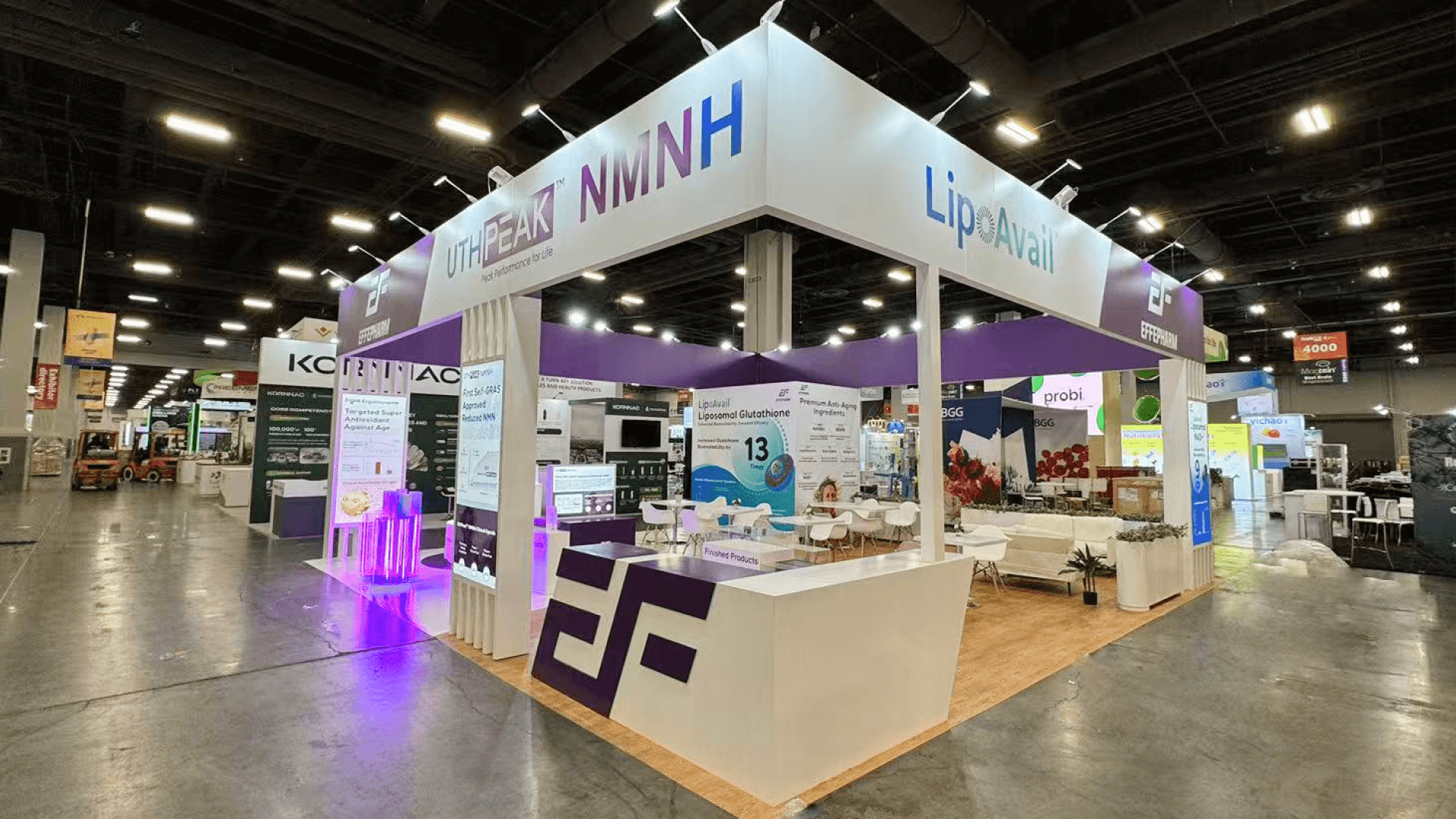
A 20x30 layout is useful for exhibitors showing imaging software, diagnostic workflow tools, small equipment displays, or several demo stations. It gives the team enough room to explain different product applications without crowding the aisle.
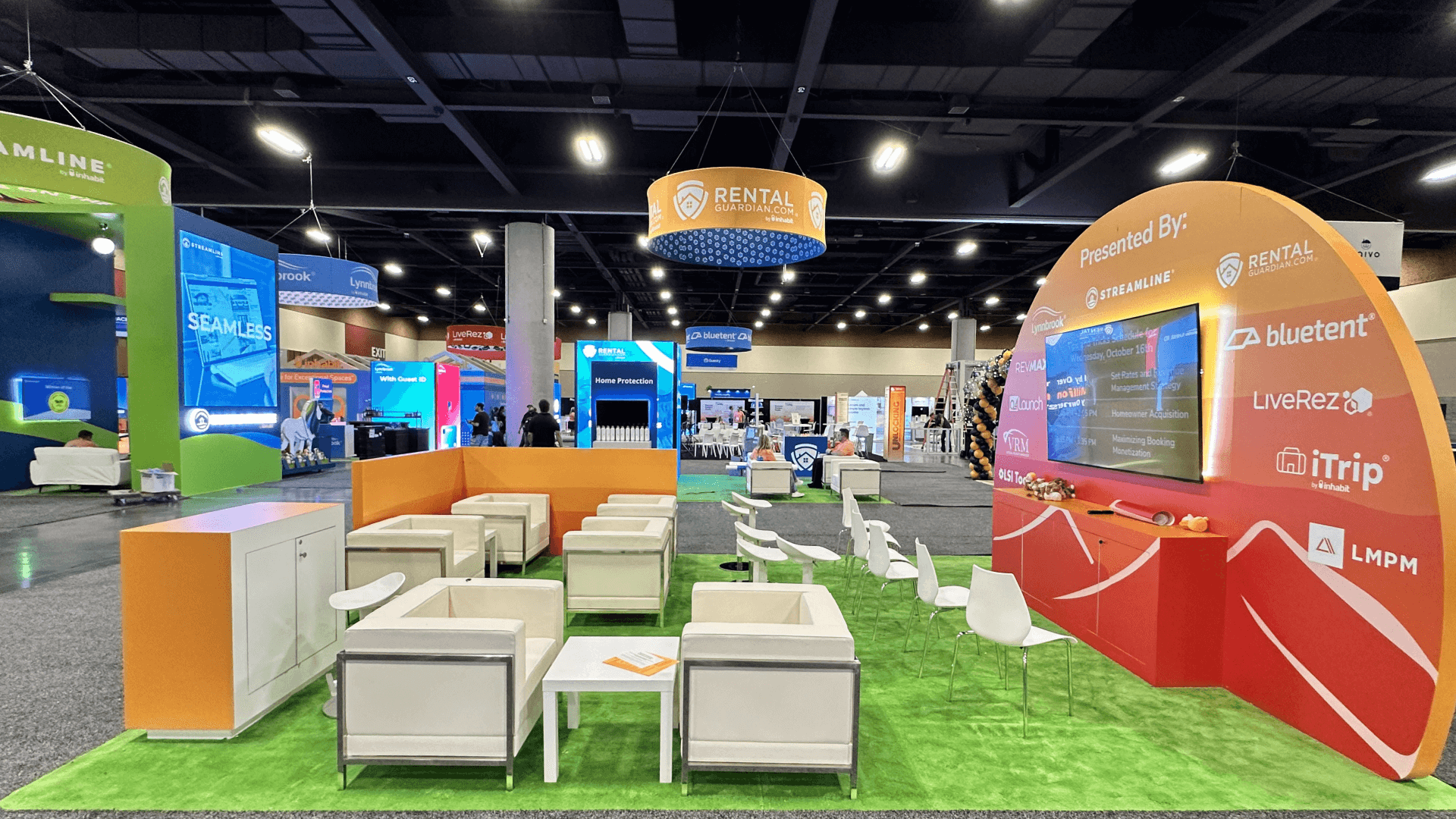
A 20x20 booth gives more room for screen-based demos, product explanation, storage, and buyer conversations. It works well when the exhibitor needs to separate quick booth traffic from more qualified discussions.
A 30x40 or larger booth is better for exhibitors bringing imaging equipment, larger technology displays, private meeting rooms, or multiple product zones. This size helps the booth support both technical demonstration and serious buyer conversations.
For medical imaging exhibitors, the RSNA medical imaging booth planning article gives a broader look at booth layout, demo zones, graphics, booth size, logistics, and show-site preparation. This RSNA Event page stays focused on the show-level booth planning needs at McCormick Place, while RSNA AI Showcase booth planning is better for exhibitors planning radiology AI software demos, workflow screens, and clinical use case messaging.
<p dir="auto">RSNA booths should make medical imaging products easier to understand, not harder. The display needs to support clinical context, technical explanation, screen visibility, buyer trust, and enough space for conversations that may involve several decision-makers.</p>
Radiology software, AI platforms, PACS tools, and workflow products often need clear screen placement. Visitors should be able to see the demo without blocking the booth entrance or crowding around one monitor.
Imaging products can involve clinical workflow, diagnostic value, speed, accuracy, integration, or patient care outcomes. Booth graphics should explain the product in short, readable language that supports the demo instead of replacing it.
Equipment displays and workflow tools need space to be seen in context. The booth should show how the product fits into a radiology department, imaging center, hospital workflow, or diagnostic process.
RSNA visitors may include clinical, technical, and purchasing decision-makers. A quieter meeting area helps the team move beyond a quick demo into a more serious conversation about use case, integration, and next steps.
RSNA brings together the radiology and medical imaging community, with exhibitors presenting diagnostic imaging equipment, healthcare technology platforms, radiology software, AI tools, workflow systems, and related solutions.
RSNA takes place at McCormick Place in Chicago, where exhibitors should plan freight timing, move-in coordination, installation access, storage, and final show-site checks before the booth opens.
The booth should support equipment display, screen-based demos, workflow explanation, technical graphics, buyer meetings, hidden storage, and a calm environment for clinical and technology conversations.
Not Sure Which Booth Size You Need?
Not every exhibitor knows whether a 10x20, 20x20, 20x30, or larger booth is the right fit. Circle Exhibit can help review your event goals, product display needs, demo areas, meeting space, storage, budget scope, and setup timeline before you choose a booth size.
Screen Visibility Can Shape the Demo Experience
Equipment Displays Need More Than Floor Space
1
Start with the Main Product Use Case
2
3
4
Rental Booth for Radiology Software Demos
When the booth is built around one clear software or workflow story, a rental structure is usually enough. A clean 10x20, 20x20, or 20x30 layout can support screens, a demo counter, branded graphics, hidden storage, and a simple path from quick interest to a product conversation.
Custom Build for Imaging Equipment or Multi-Zone Exhibits
RSNA exhibitors with larger equipment, several product areas, private rooms, or specialty lighting usually need more control than a standard rental package can provide. A custom build gives the team room to shape how visitors see the equipment, move through the booth, and understand the full imaging technology environment.
Hybrid Booth for RSNA Show-Site Readiness
A hybrid booth is often the practical middle ground for RSNA. The structure can stay efficient, while screens, demo counters, graphics, meeting space, storage, and McCormick Place setup details are adjusted around the product story instead of forcing everything into a generic layout.
Medical imaging booths may involve equipment, monitors, demo stations, counters, and meeting rooms. The installation sequence should match how these items arrive and how the booth needs to be checked before opening.
Before visitors arrive, the team should check screen visibility, cable management, lighting, graphics placement, and whether the demo area is easy to understand from the aisle.
RSNA booth teams often need brochures, product sheets, demo tools, cleaning items, and meeting materials. Hidden storage keeps the booth clean while keeping these items close to the team.
The booth should give staff a clear path for moving qualified visitors from a quick demo into a meeting area. This is especially useful when clinical, IT, and purchasing conversations happen in the same booth.
Need an RSNA Booth Rental or Custom Exhibit Plan?
RSNA exhibitors often need a booth that balances screen-based demos, product explanation, meeting space, storage, and show-site execution. A rental-based structure can work for focused software and AI demos, while a hybrid or custom approach may be better for imaging equipment, larger product zones, or private meeting needs.
What type of booth works well for RSNA exhibitors?
A 10x20 booth can work for a focused software or AI demo, while a 20x20 or 20x30 booth gives more room for screens, meetings, storage, and product explanation. Larger booths are better for imaging equipment, multi-zone demos, or private meeting rooms.
How should medical imaging products be presented at RSNA?
Why does RSNA booth planning need screen and demo flow planning?
Is a 20x30 booth a good fit for RSNA?
What should exhibitors prepare before finalizing an RSNA booth design?
READY TO PLAN YOUR NEXT BOOTH?
Let’s Build a Booth That Fits Your Event
Share your event name, booth size, city, timeline, product display needs, and design references. Circle Exhibit will review your project direction and help you choose a rental-friendly or custom exhibit path.
3000+
Booth Projects Supported
50+
U.S. Event Cities
Transparent
Quote Review
A focused planning page for exhibitors showing radiology AI software, healthcare AI demos, workflow messaging, screen-based product explanation, and buyer conversation areas.
A useful fit when the booth needs several demo stations, a small meeting area, product explanation space, and enough room for visitors to move through the display.
Helpful for radiology products, imaging platforms, and AI tools that need clearer booth graphics, product labels, interface visuals, and buyer-facing messaging.
Relevant when the booth involves screens, equipment, storage, freight timing, installation sequence, and McCormick Place setup planning.
Local support for exhibitors planning booth build, setup, graphics, logistics, and show-site execution around Chicago trade shows and McCormick Place.
Broader exhibit design, build, graphics, logistics, and show-site support for exhibitors planning trade show booths across U.S. events.