Solar Energy, Renewable Energy, Clean Technology, PV Modules, Solar Inverters, Solar Racking, EPC, Utility-Scale Solar

Solar Energy, Renewable Energy, Clean Technology, PV Modules, Solar Inverters, Solar Racking, EPC, Utility-Scale Solar

RE+ Solar Booth Planning for PV and Clean Energy Exhibitors

📍

Las Vegas

·

NV

·

US

🌆

Las Vegas Convention Center

📅

-

  • 📍

    Las Vegas

    ·

    NV

    ·

    US

  • 🌆

    Las Vegas Convention Center

  • 📅

    -

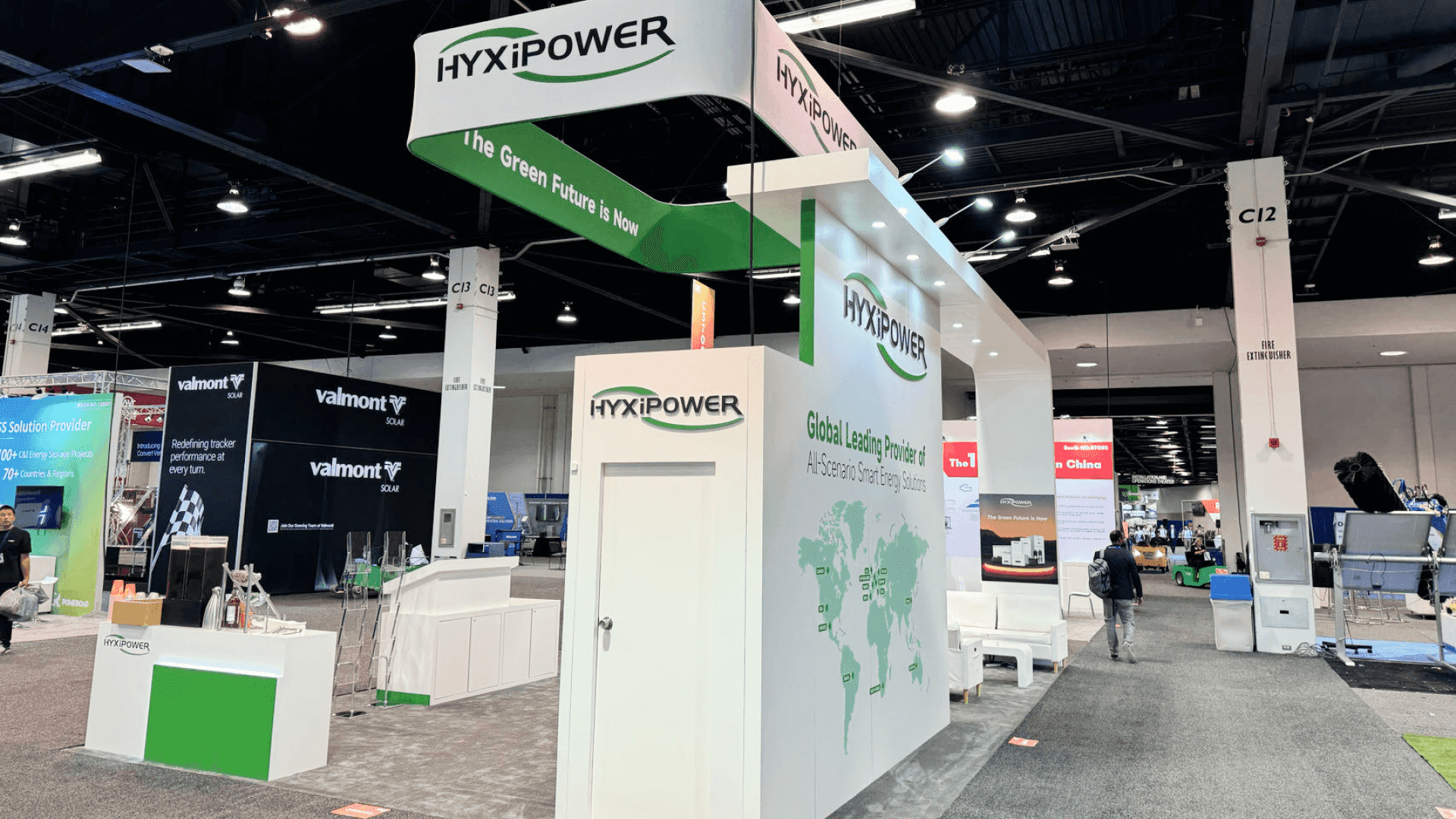
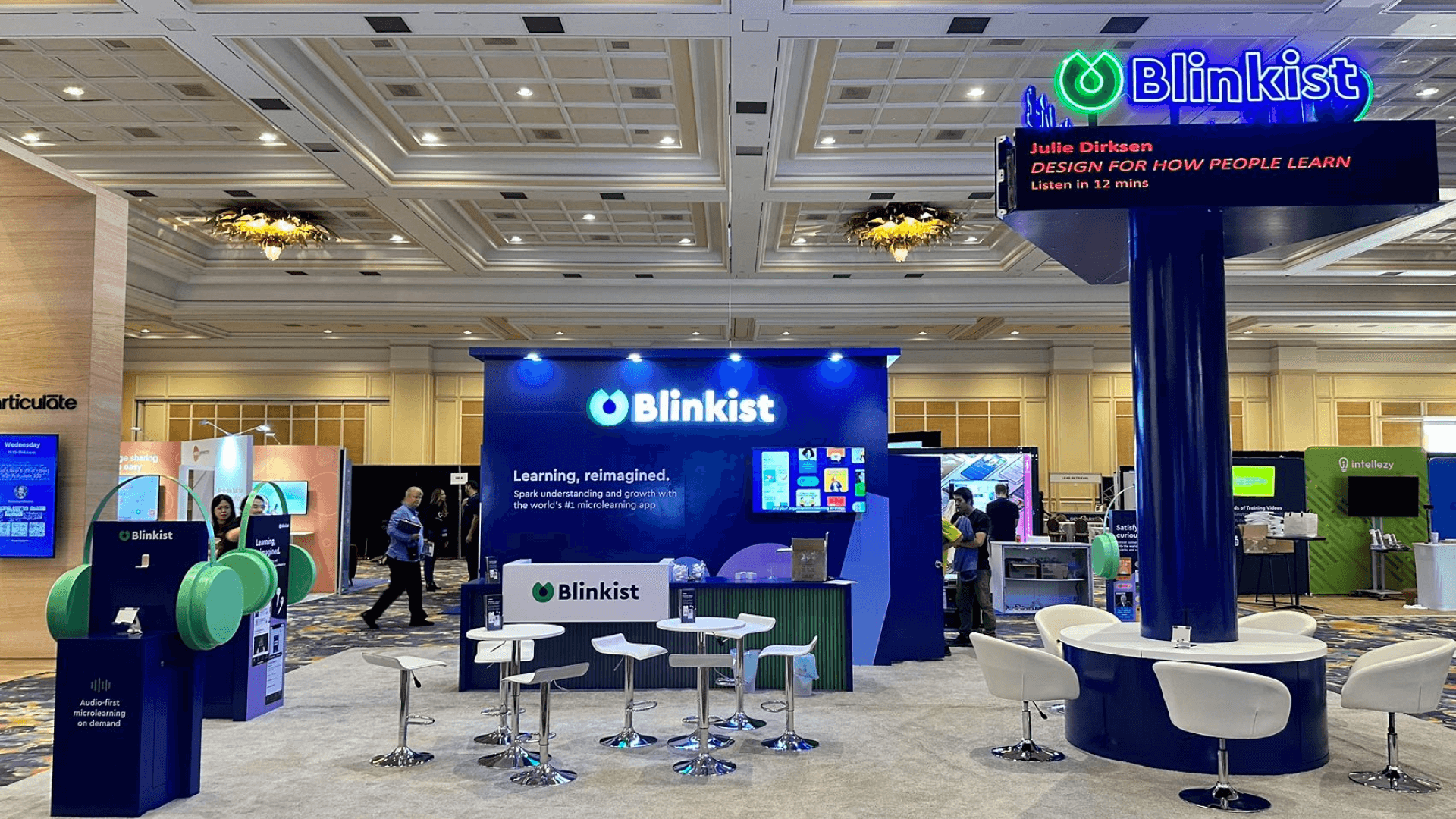
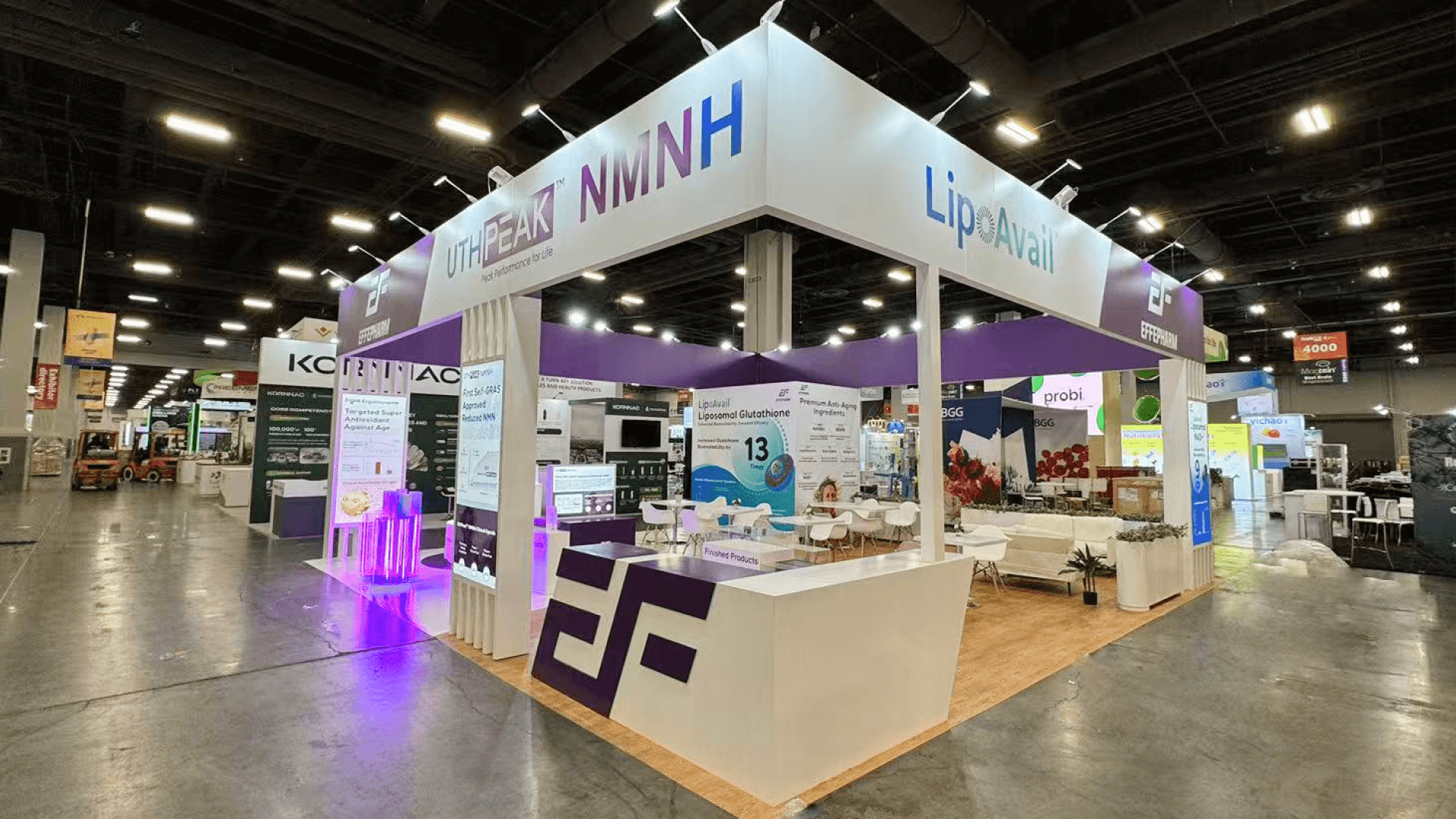
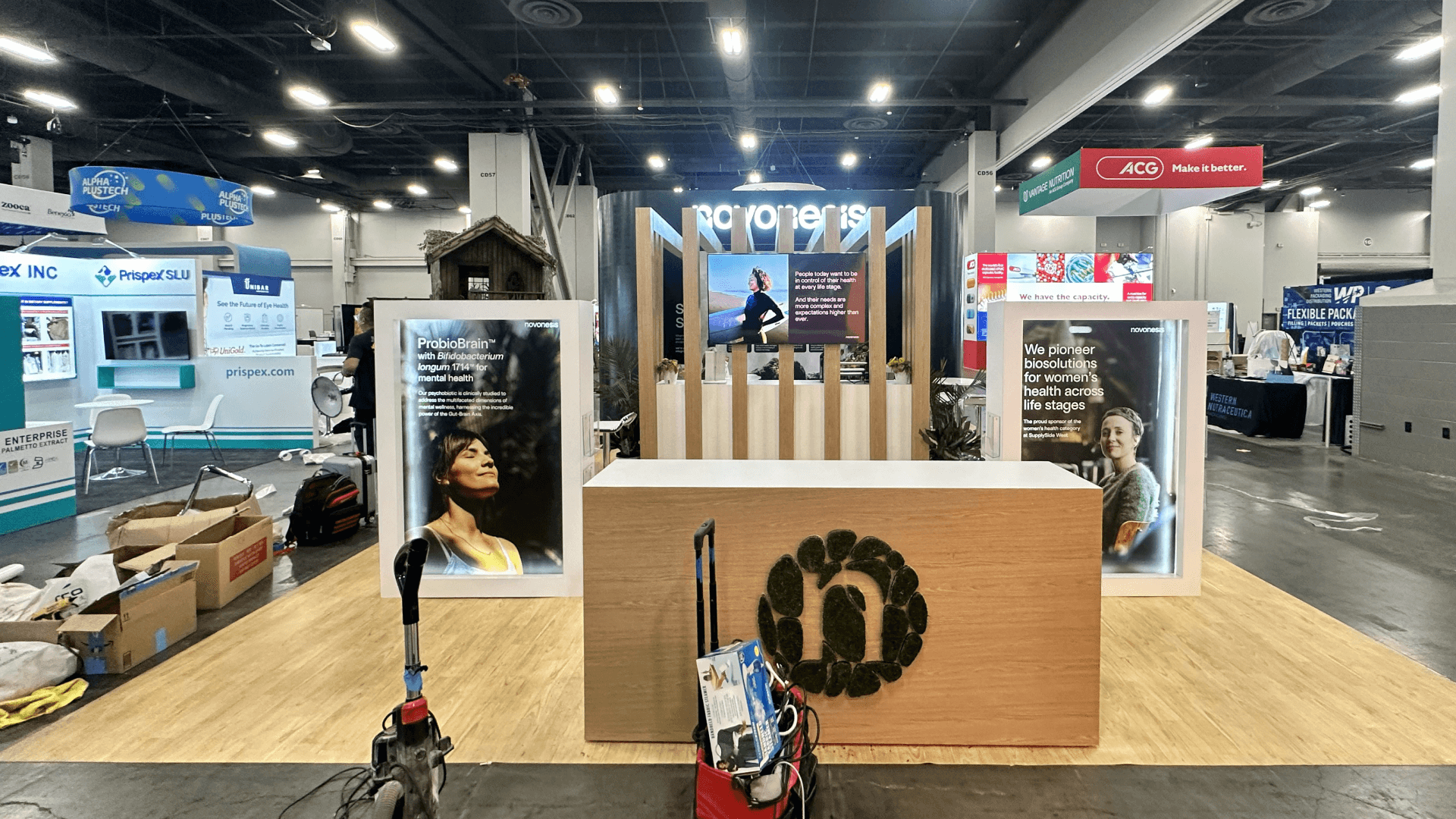
RE+ solar booth with PV module display, branded graphics, inverter demo counter, and visitor flow planning
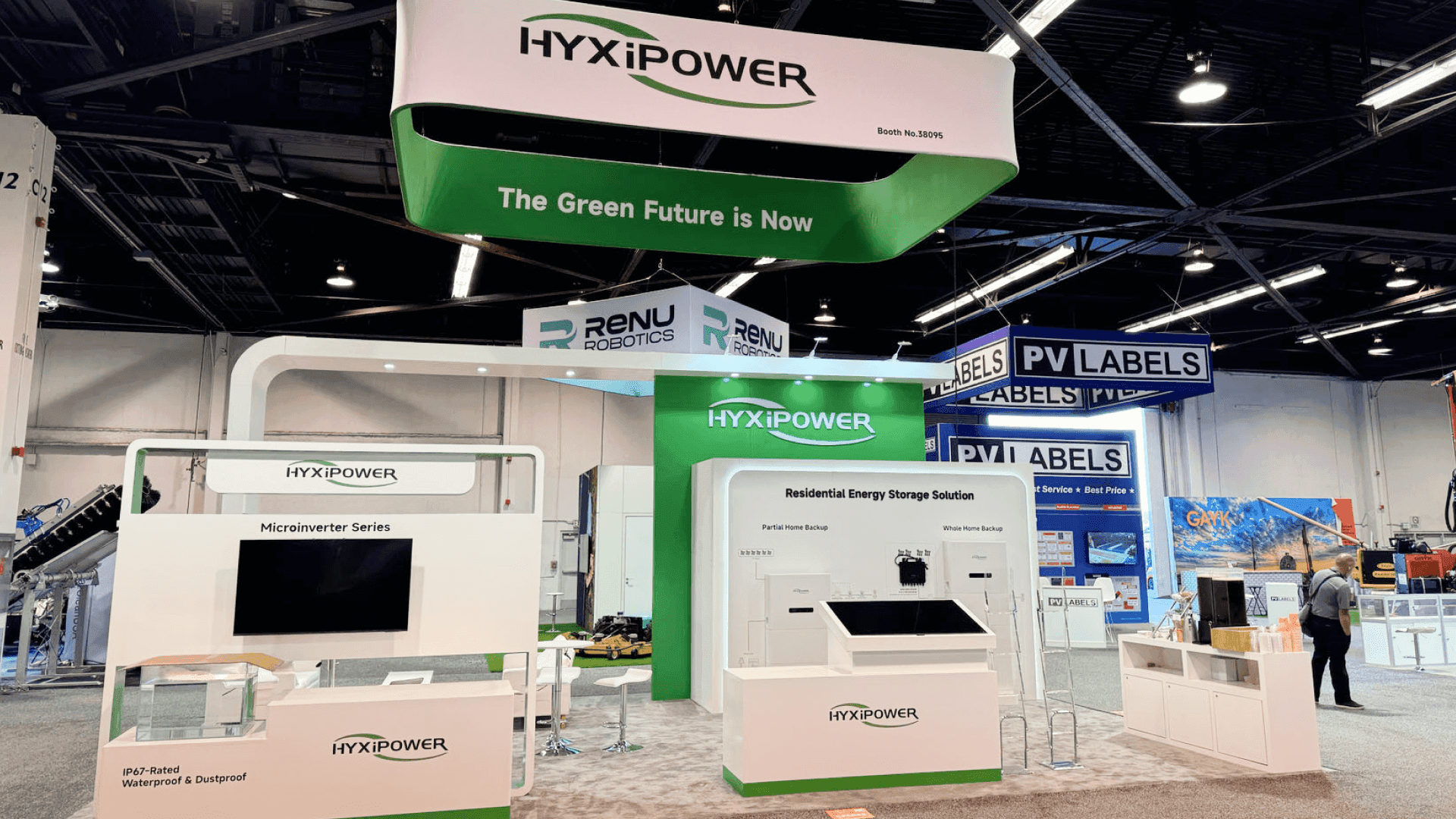
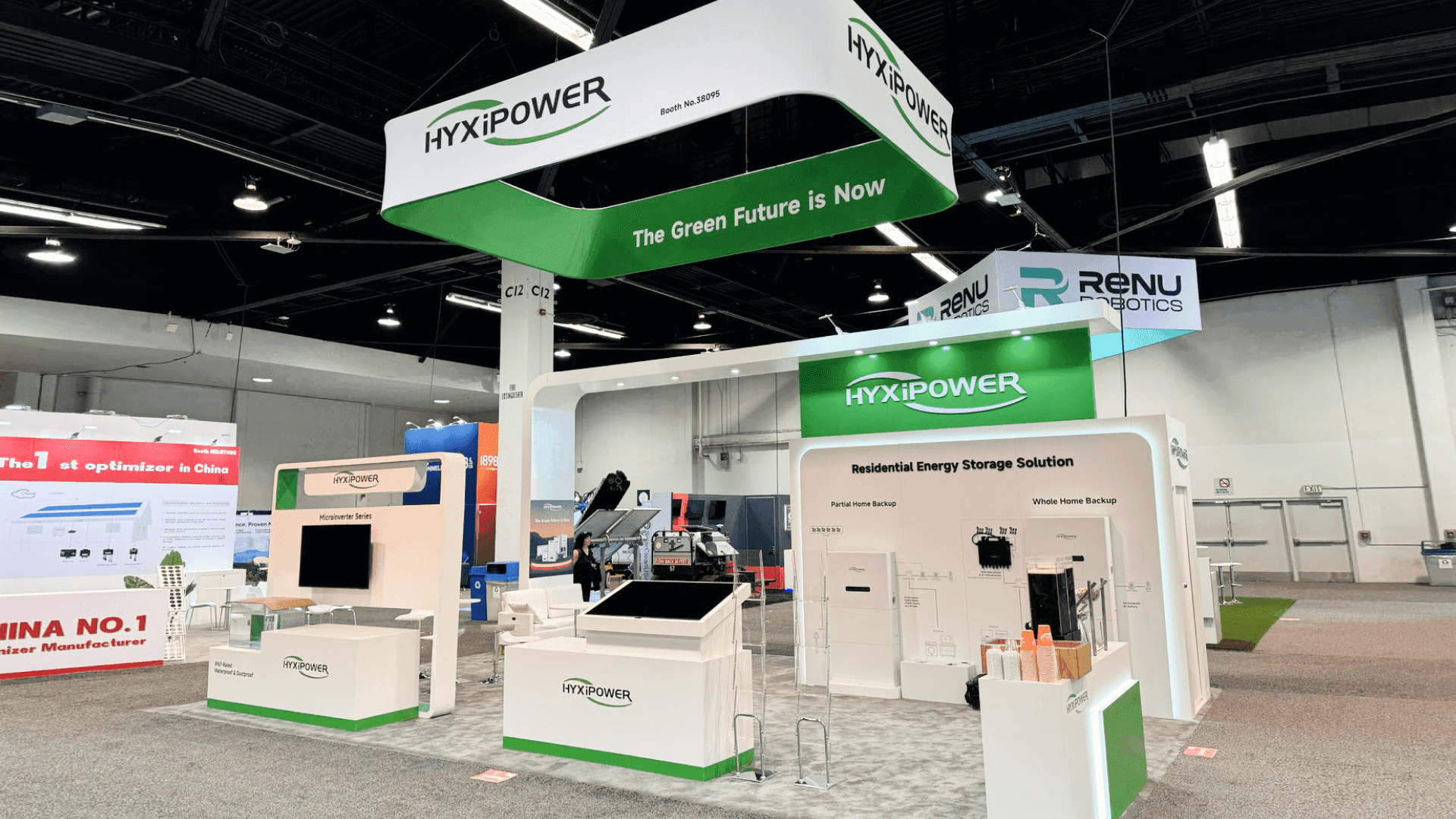
20x30 RE+ solar booth with inverter demo counter, PV product messaging, dashboard screen, storage, and meeting space
RE+ solar project display booth layout with solar system graphics, product labels, meeting area, branded surfaces, and Las Vegas setup

HyxiPower RE+ 2024 20x30 Solar and Energy Storage Booth

RE+ solar booth with PV module display, branded graphics, inverter demo counter, and visitor flow planning
20x30 RE+ solar booth with inverter demo counter, PV product messaging, dashboard screen, storage, and meeting space
RE+ solar project display booth layout with solar system graphics, product labels, meeting area, branded surfaces, and Las Vegas setup

HyxiPower RE+ 2024 20x30 Solar and Energy Storage Booth

How should exhibitors plan an RE+ solar booth?

An RE+ solar booth should be planned around PV module visibility, inverter demo placement, racking or mounting samples, project workflow graphics, EPC buyer conversations, meeting space, storage, power access, freight timing, drayage, and LVCC installation sequence. The booth should help visitors understand the solar application quickly before moving into technical or project-specific discussions.

OVERVIEW

OVERVIEW

An RE+ solar booth needs to make a technical product story easy to understand from the aisle. Solar exhibitors may need to present PV modules, inverter technology, mounting systems, racking samples, project workflow diagrams, monitoring dashboards, EPC services, or utility-scale solar applications. The booth should help visitors understand what the solar product does, where it fits in a project, and why it matters before a technical conversation begins.

A strong solar booth is not only a product display. PV modules need visibility, inverter demos need clear counter placement, and project graphics should explain the system flow without overwhelming visitors. For solar exhibitors, the layout should support different visitor types: installers comparing specs, EPC teams reviewing project fit, developers asking about scale, and buyers looking for a reliable supplier.

For RE+ solar exhibitors preparing a booth in Las Vegas, Las Vegas trade show booth builder support can help connect booth design, fabrication, solar display planning, graphics, logistics, and show-site installation into one clear execution plan. A 20x30 booth planning approach can give solar brands room for PV samples, inverter demos, buyer conversations, and storage, while graphics and brand presentation support helps align product labels, project diagrams, dashboard visuals, and branded booth surfaces.

Booth Size Planning for RE+ Solar Exhibitors

Booth Size Planning for RE+ Solar Exhibitors

RE+ solar exhibitors usually choose booth size based on the number of PV modules, inverter demos, racking samples, project graphics, meeting points, and staff roles they need. A 20x20 booth can work for one focused solar product story, while 20x30 gives more room for a module display, demo counter, storage, and EPC conversations; for larger solar brands with multiple product lines, project workflow graphics, and more private buyer meetings, 30x40 can create a clearer separation between product viewing and technical discussion.

20x20 RE+ Solar Demo Booth

20x20 RE+ Solar Demo Booth

A 20x20 booth can work for one focused solar product story, such as a PV module sample, inverter demo, dashboard screen, or compact racking display. It is best when the booth needs a clear technical explanation without multiple product zones.

30x40 RE+ Solar System Booth

30x40 RE+ Solar System Booth

A 30x40 booth can support larger solar presentations with module displays, inverter areas, mounting samples, project workflow graphics, semi-private conversations, and stronger aisle visibility. It is useful when exhibitors need to explain a complete solar system or utility-scale project story.

20x30 RE+ Solar Product Booth

20x30 RE+ Solar Product Booth

A 20x30 booth gives solar exhibitors more room for PV module visibility, inverter demo counters, project graphics, storage, staff movement, and EPC buyer conversations. This size is often a strong fit for solar companies with one main product line and several supporting proof points.

Large Island Solar Exhibit

Large Island Solar Exhibit

A larger island booth can support multiple solar product zones, overhead branding, private meetings, demo counters, partner conversations, and a more controlled visitor path. This is better for solar brands presenting several product categories or large-scale project capabilities.

Related RE+ Solar Booth Planning Resources

Related RE+ Solar Booth Planning Resources

Use these RE+ booth planning resources to compare solar display layouts, booth size decisions, graphics, and Las Vegas show-site execution before finalizing a solar booth. Start with the main RE+ booth planning page, compare 20x30 booth planning for PV module and inverter demo layouts, review graphics and brand presentation support for solar product messaging, and connect the full execution plan with Las Vegas trade show booth builder support.

RE+ Solar Booth Display Needs

RE+ Solar Booth Display Needs

RE+ solar booths should be planned around how visitors see the PV product, understand the solar application, compare technical value, and move into a project conversation. Many exhibitors need module displays, inverter demo counters, racking samples, project workflow graphics, monitoring screens, product labels, storage, meeting space, power access, and staff positions that support both quick aisle interest and deeper EPC or developer discussions. The booth should make solar products visible without turning the space into a crowded sample wall.

PV Module Visibility

PV Module Visibility

Solar panels and PV module samples should be positioned so visitors can see the product clearly from the aisle and understand the application before asking for technical details. Angled displays, labels, and nearby graphics can help explain the module story.

Inverter Demo Placement

Inverter Demo Placement

Inverter demos, monitoring screens, and technical counters should be placed where visitors can read the display and hear the explanation. Power access, cable routing, counter height, and staff position should be planned together.

Solar Project Storytelling

Solar Project Storytelling

Solar exhibitors often need to explain project scale, installation use case, system performance, EPC fit, or utility-scale value. Workflow graphics, diagrams, and short product labels should help visitors understand the full solar solution.

Buyer Meeting Flow

Buyer Meeting Flow

Solar buyers may need short technical explanations, longer procurement conversations, or project-specific meetings. The booth should move qualified visitors from product recognition into a focused conversation area without blocking the main display.

Event Facts

Event Facts

Parent Event

Parent Event

RE+ is the parent event for this solar booth planning page, with a focus on solar exhibitors preparing PV module displays, inverter demos, racking samples, project graphics, and show-site booth execution at the Las Vegas Convention Center.

Solar Planning Focus

Solar Planning Focus

This page focuses on RE+ solar booth planning, including PV module visibility, inverter demo placement, solar project storytelling, EPC buyer conversations, branded graphics, meeting space, storage, power access, logistics, drayage, and installation planning.

Recommended Booth Sizes

Recommended Booth Sizes

20x20, 20x30, and 30x40 booths are common planning sizes for RE+ solar exhibitors. A 20x30 booth is often a strong fit for module displays and inverter demos, while 30x40 gives more room for larger solar system storytelling and buyer conversations.

Exhibiting Challenges

Exhibiting Challenges

Challenges 1

Making PV Modules Easy to Understand

Making PV Modules Easy to Understand

Solar modules can be visually large but technically difficult to explain quickly. The booth should show the product clearly while using labels, graphics, and staff positioning to connect the module with its application and value.

Solar modules can be visually large but technically difficult to explain quickly. The booth should show the product clearly while using labels, graphics, and staff positioning to connect the module with its application and value.

Challenges 2

Balancing Product Samples and Booth Flow

Balancing Product Samples and Booth Flow

Solar exhibitors often want to show modules, racking, inverter samples, screens, and project visuals in one space. The layout should prevent samples from blocking aisle movement or competing with the main solar message.

Solar exhibitors often want to show modules, racking, inverter samples, screens, and project visuals in one space. The layout should prevent samples from blocking aisle movement or competing with the main solar message.

Challenges 3

Explaining Solar Project Value

Explaining Solar Project Value

Many solar products are evaluated by project fit, performance, reliability, installation method, cost, and scale. Booth graphics and demo counters should help visitors understand the product’s role in a real solar project.

Many solar products are evaluated by project fit, performance, reliability, installation method, cost, and scale. Booth graphics and demo counters should help visitors understand the product’s role in a real solar project.

Challenges 4

Supporting EPC and Developer Conversations

Supporting EPC and Developer Conversations

RE+ visitors may include EPC contractors, developers, installers, procurement teams, and utilities. The booth should support both quick product explanations and deeper project-specific conversations without forcing every discussion into the aisle.

RE+ visitors may include EPC contractors, developers, installers, procurement teams, and utilities. The booth should support both quick product explanations and deeper project-specific conversations without forcing every discussion into the aisle.

Challenges 5

Coordinating Power and Demo Screens

Coordinating Power and Demo Screens

Solar booths often rely on inverter screens, monitoring dashboards, product videos, and technical displays. Power access, cable routing, screen placement, and counter locations should be confirmed before production.

Solar booths often rely on inverter screens, monitoring dashboards, product videos, and technical displays. Power access, cable routing, screen placement, and counter locations should be confirmed before production.

Challenges 6

Managing Freight and Show-Site Setup

Managing Freight and Show-Site Setup

PV samples, racking displays, counters, screens, graphics, and booth structures need a clear freight and installation sequence. Early planning helps reduce rework during LVCC move-in and keeps the solar display ready before show open.

PV samples, racking displays, counters, screens, graphics, and booth structures need a clear freight and installation sequence. Early planning helps reduce rework during LVCC move-in and keeps the solar display ready before show open.

Preparation Steps

Preparation Steps

1

Define the Solar Product Story

Before choosing booth structure or graphics, define what visitors should understand first: the PV module, inverter, racking system, project workflow, performance value, or solar application. This story should guide the full booth layout.

Before choosing booth structure or graphics, define what visitors should understand first: the PV module, inverter, racking system, project workflow, performance value, or solar application. This story should guide the full booth layout.

2

Map Product Samples and Demo Counters

Map Product Samples and Demo Counters

Plan where module samples, inverter displays, racking references, dashboard screens, and demo counters should sit inside the booth. Each product point should support the visitor path instead of competing for attention.

Plan where module samples, inverter displays, racking references, dashboard screens, and demo counters should sit inside the booth. Each product point should support the visitor path instead of competing for attention.

3

Align Graphics with Technical Explanation

Align Graphics with Technical Explanation

Solar graphics should explain application, performance, project scale, installation method, or system flow without becoming too text-heavy. Labels, diagrams, and branded surfaces should support staff explanation.

Solar graphics should explain application, performance, project scale, installation method, or system flow without becoming too text-heavy. Labels, diagrams, and branded surfaces should support staff explanation.

4

Confirm Logistics and Installation Details

Confirm Logistics and Installation Details

Before final approval, confirm freight timing, drayage, crate order, flooring, electrical needs, screen placement, graphic dimensions, product staging, installation sequence, storage access, and final booth handoff.

Before final approval, confirm freight timing, drayage, crate order, flooring, electrical needs, screen placement, graphic dimensions, product staging, installation sequence, storage access, and final booth handoff.

Rental vs Custom Build for RE+ Solar Booths

Rental vs Custom Build for RE+ Solar Booths

Rental Booth for Focused Solar Displays

A rental booth in Las Vegas can support branded graphics, PV module references, inverter demo counters, screen placement, storage, lighting, and a professional booth structure. It is a strong option when the product story is focused and the booth needs to be adapted for future shows.

Custom Build for Complex Solar Presentations

A Las Vegas trade show booth builder may be a better fit when the booth requires custom module displays, reinforced product areas, integrated lighting, overhead branding, specialized counters, or a layout that cannot be solved with a standard rental system.

Hybrid Structure for Solar Booth Flexibility

Some RE+ solar exhibitors use a hybrid approach: rental structure, custom demo counters, solar-specific graphics, product labels, screen support, and show-specific layout planning. This can balance cost, speed, and presentation quality while keeping the solar story clear.

Local Execution Notes

Local Execution Notes

Solar Booths Need Early Product Staging Plans

Solar Booths Need Early Product Staging Plans

RE+ solar booth planning should connect PV samples, inverter demos, racking displays, graphics, storage, power access, freight timing, and installation sequence early. Product staging affects both booth appearance and show-site setup.

LVCC Layout Should Support Technical Buyer Flow

LVCC Layout Should Support Technical Buyer Flow

At LVCC, solar exhibitors should review how visitors will see the product from the aisle, enter the booth, speak with staff, and move into a meeting area. A clear visitor path helps technical conversations start without blocking the main display.

Rental and Custom Build Choices Should Match the Solar Display

Rental and Custom Build Choices Should Match the Solar Display

A Las Vegas trade show booth rental can work for solar exhibitors who need branded graphics, module displays, counters, and screen support around a focused product story. A custom build may be better for heavier product samples, custom racking displays, overhead branding, or more complex solar presentation environments.

Final Demo Checks Should Happen Before Handoff

Final Demo Checks Should Happen Before Handoff

Solar exhibitors should review module alignment, inverter demo visibility, screen content, product labels, cable routing, storage access, lighting direction, and meeting flow before final booth handoff. A booth can look complete but still underperform if technical display points are not checked from the visitor side.

Need an RE+ booth rental for a solar product display?

A rental booth can support focused RE+ solar displays with branded graphics, PV module references, inverter demo counters, screen placement, lighting, storage, meeting space, and show-site installation support. It can be a practical option for exhibitors who need a professional solar presentation environment without building a fully custom structure.

Frequently Asked Questions

Frequently Asked Questions

Frequently Asked Questions

What is an RE+ solar booth?

An RE+ solar booth is a trade show booth planned around solar products such as PV modules, inverters, racking systems, monitoring dashboards, EPC services, or utility-scale solar project solutions. It usually includes product displays, graphics, demo counters, meeting space, storage, and show-site installation planning.

What booth size works best for RE+ solar exhibitors?

How should solar panels be displayed in a trade show booth?

Should an RE+ solar booth be rental or custom built?

What should exhibitors prepare before approving an RE+ solar booth design?

Related Planning Links title Related RE+ Solar Booth Planning Links

Related Planning Links title Related RE+ Solar Booth Planning Links

Related Planning Links title Related RE+ Solar Booth Planning Links

Use these related pages to compare RE+ booth planning, solar display layouts, booth size decisions, graphics support, project examples, and Las Vegas booth execution before finalizing a solar exhibit.

Use these related pages to compare RE+ booth planning, solar display layouts, booth size decisions, graphics support, project examples, and Las Vegas booth execution before finalizing a solar exhibit.

Use these related pages to compare RE+ booth planning, solar display layouts, booth size decisions, graphics support, project examples, and Las Vegas booth execution before finalizing a solar exhibit.

Use these related pages to compare RE+ booth planning, solar display layouts, booth size decisions, graphics support, project examples, and Las Vegas booth execution before finalizing a solar exhibit.

Use these related pages to compare RE+ booth planning, solar display layouts, booth size decisions, graphics support, project examples, and Las Vegas booth execution before finalizing a solar exhibit.

Use these related pages to compare RE+ booth planning, solar display layouts, booth size decisions, graphics support, project examples, and Las Vegas booth execution before finalizing a solar exhibit.

re+  trade Booth builder
RE+ Solar Booths

RE+ Solar Booth Planning
Event Time

-

Venue

Las Vegas Convention Center

Organizer

Solar Energy Industries Association (SEIA) & Smart Electric Power Alliance (SEPA)

Exhibitor Scale

Solar module manufacturers, PV system brands, inverter companies, solar racking providers, EPC contractors, utility-scale solar suppliers, monitoring software companies, solar developers, clean energy distributors, and renewable energy technology exhibitors.

Audience Type

Solar developers, EPC contractors, installers, utility professionals, clean energy investors, distributors, project owners, procurement teams, engineering teams, and renewable energy buyers.

Typical Booth Size

20x20, 20x30, and 30x40

Related Case Studies

Related Case Studies

Related Case Studies

Related Articles

Related Articles

Related Articles