NPE Bottle Zone Booth Planning for Bottling and Packaging Exhibitors



How should exhibitors plan an NPE Bottle Zone booth?
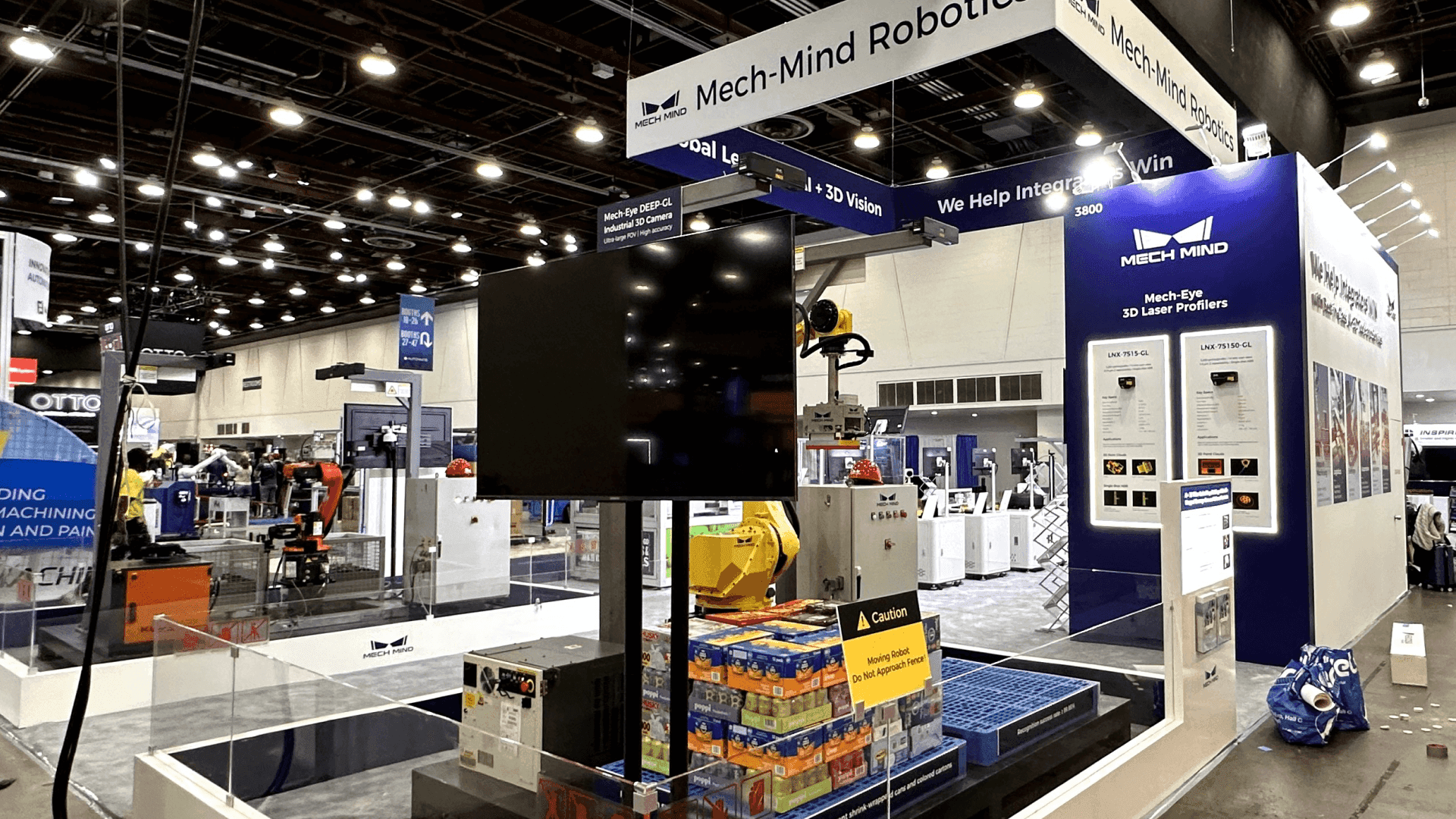
An NPE Bottle Zone booth should guide visitors from materials and preforms through molding, filling, capping, labeling, and inspection. The layout needs machinery clearance, utilities, safe viewing, process graphics, container samples, storage, and discussion space without interrupting the live demo.
The NPE Bottle Zone spans bottle and container production, from PET processing, molds, preforms, and closures to blow molding, filling, capping, labeling, and inspection. A booth should lead with the production stage buyers are there to evaluate, then use samples, screens, and graphics to connect it to the wider process.
Visitors should be able to move from the main production benefit to the machine, process sequence, container sample, finished result, and technical contact without entering the operator area. Machine clearance, utilities, screen positions, sample fixtures, and viewing space should be resolved during design and engineering planning. The NPE2027 booth planning guide covers the wider show context.
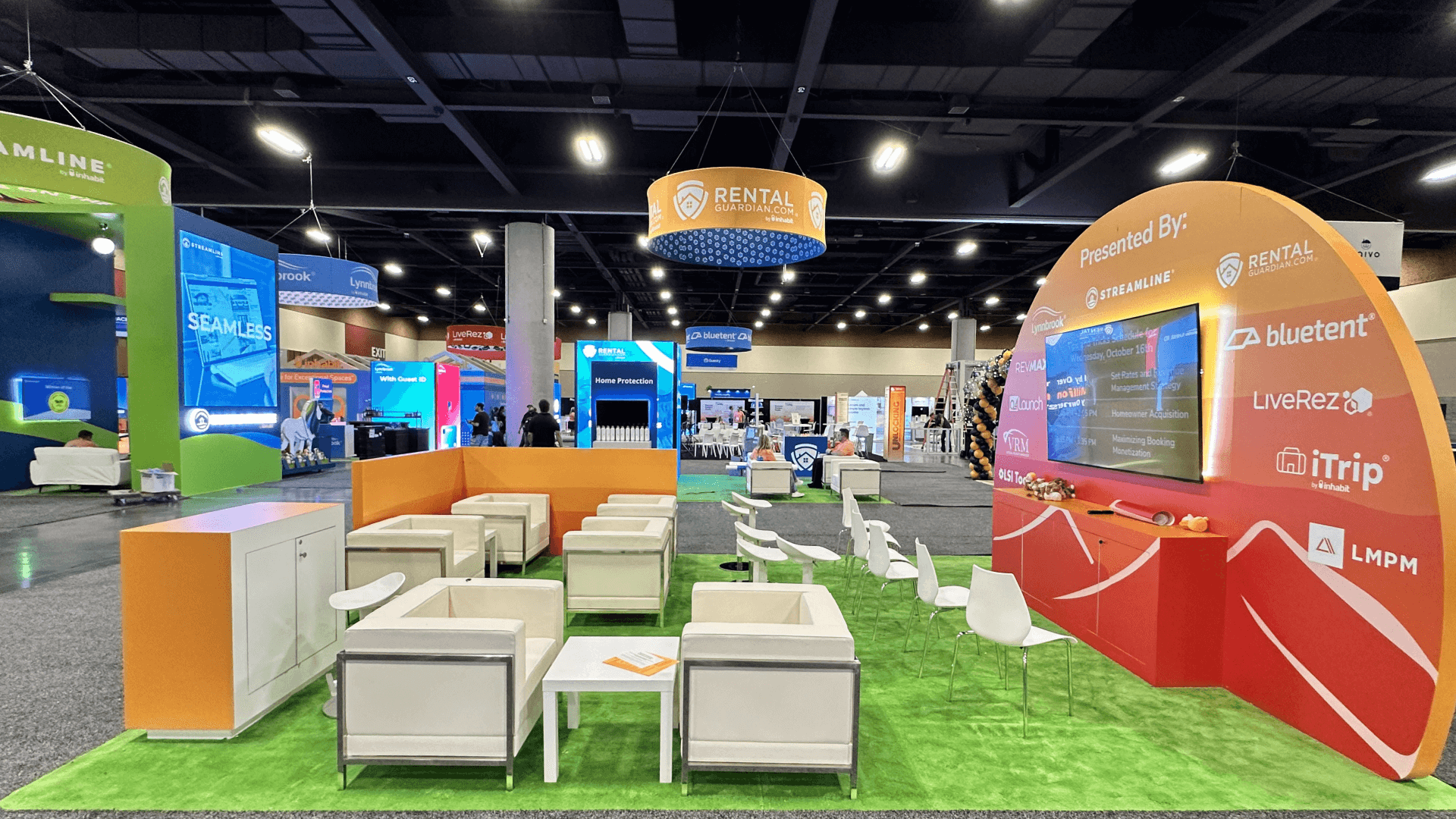
At the OCCC, machine dimensions, freight sequence, utilities, and installation access can shape the layout before fabrication. A reusable Orlando trade show booth rental may suit components, samples, screens, or compact equipment, while a 20x30 booth layout gives operating machinery, visitor viewing, storage, and technical meetings more separation.
Why Exhibitors Choose Circle Exhibit
Clear scope, transparent quote review, nationwide booth support, and efficient setup planning for qualified rental and custom exhibit projects.
48hr
Setup Window
10+
Years Since 2014
U.S.
Trade Show Support
Real
Booth Project Proof
Bottle Zone booth size should follow the equipment footprint, operating clearance, visitor viewing, utilities, container samples, storage, and technical meeting needs. Extra space should improve machine access or make the bottle-production process easier to follow.
A 10x20 booth suits preforms, caps and closures, molds, labels, barrier materials, resins, container samples, or compact tabletop systems. The layout can support one focused product family, sample handling, concise graphics, and concealed storage.
A 20x30 booth provides more separation for blow molding, filling, capping, labeling, inspection, or connected handling equipment, along with process graphics, finished containers, visitor viewing, storage, and technical meetings.
A 20x20 booth can hold one compact machine or guided demonstration, with an open viewing area, container samples, one main screen, storage, and a small discussion point outside the operator path.
For several machines or connected production stages, a 30x40 booth offers space for multiple viewing positions, overhead identification, container families, operator access, hidden storage, and enclosed technical discussions.
The live bottling equipment demo guide covers machine startup, operator access, safe visitor viewing, container output, screen timing, sample replenishment, shutdown, and reset so each demonstration can follow a consistent show-floor routine.
Bottle Zone exhibits should make the production sequence easy to follow without feeling like a crowded factory floor. Machinery, samples, screens, utilities, operators, and technical discussions each need a defined place.
Allow for guarding, operator access, maintenance clearance, utility connections, cable routes, and visitor viewing. Booth structures should not block the machine or draw visitors into the work area.
Group samples by production stage or application. Preforms, molds, caps, closures, labels, raw materials, and finished bottles should show how the system changes or completes the product.
Use graphics to explain the full production line and screens to show internal motion, high-speed stages, inspection details, or processes visitors cannot see directly. Screen content should support the equipment, not repeat a general company video.
Keep containers, preforms, tools, spare parts, cleaning supplies, and staff materials in concealed storage. Place technical discussions outside the main viewing area so demonstrations can continue without interruption.
The Bottle Zone brings together more than 70 suppliers across bottle manufacturing, materials, molds, automation, processing equipment, and packaging systems.
NPE2027 will take place at the Orange County Convention Center in Orlando, with exhibits across the West and South Buildings during the five-day show.
Visitors can compare PET processing, blow molding, molds, preforms, closures, labeling, filling, capping, inspection systems, raw materials, and finished containers.
Not Sure Which Booth Size You Need?
Not every exhibitor knows whether a 10x20, 20x20, 20x30, or larger booth is the right fit. Circle Exhibit can help review your event goals, product display needs, demo areas, meeting space, storage, budget scope, and setup timeline before you choose a booth size.
Machinery Taking Over the Footprint
Keeping Visitors Outside the Work Area
1
Set the Demo Result
2
3
4
Rental Booth for Components and Compact Systems
A reusable Orlando trade show booth rental can suit preforms, closures, molds, labels, materials, container samples, screens, and compact demonstrations with standard equipment clearances.
Custom Build for Large Operating Machinery
Custom fabrication is better suited to machine bases, guarding, unusual clearances, integrated utilities, elevated branding, or several connected production stages. Fabrication and prebuild checks can confirm these interfaces before move-in.
Hybrid Booth for Equipment, Samples, and Meetings
A hybrid booth combines reusable walls, screens, storage, and meeting space with custom machine interfaces, utility access, and safety details. It works well when one equipment display leads the booth but the surrounding structure can be reused.
Place and level large equipment before walls, counters, storage, graphics, or meeting areas restrict access.
Power, compressed air, water, drainage, network, AV, and service connections should remain accessible to operators and outside visitor paths.
Keep preforms, bottles, caps, labels, tools, cleaning materials, spare components, and backup samples close to staff but out of the main display.
Before opening, test startup, normal operation, staff handoffs, screen timing, container output, sample replenishment, visitor viewing, shutdown, and reset as one complete workflow.
Orlando Booth Rental for NPE Bottle Zone Exhibitors
A reusable rental booth suits preforms, closures, molds, labels, container samples, screens, and compact equipment demos. Exhibits with operating machinery can add custom interfaces, utility access, guarding, and storage through a hybrid build.
How much clearance should be reserved around operating bottling equipment?
Clearance should account for operator movement, guarding, service access, utilities, heat, cable paths, material loading, container output, and visitor viewing. The required perimeter should be confirmed from the actual machine and demonstration plan rather than estimated from the equipment footprint alone.
Which utilities may a Bottle Zone machine demonstration require?
How should preforms, closures, molds, and finished containers support the machine display?
Can multiple bottle-production stages share one booth?
When is a 30x40 booth more suitable for Bottle Zone exhibitors?
READY TO PLAN YOUR NEXT BOOTH?
Let’s Build a Booth That Fits Your Event
Share your event name, booth size, city, timeline, product display needs, and design references. Circle Exhibit will review your project direction and help you choose a rental-friendly or custom exhibit path.
3000+
Booth Projects Supported
50+
U.S. Event Cities
Transparent
Quote Review
Plan machine clearances, utilities, safety perimeters, screens, container samples, storage, visitor sightlines, and technical meetings before fabrication begins.
Confirm equipment openings, bases, structural connections, graphic fit, utility access, storage, and installation details before booth components ship.
Coordinate equipment documentation, freight timing, delivery order, utility requirements, machine positioning, and show-site contacts before move-in.
Sequence machinery placement, booth construction, graphics, utilities, safety details, screen testing, and final demonstration readiness.
Use a 30x40 layout when multiple machines, several production stages, overhead identification, container samples, storage, and enclosed technical discussions need separate areas.