Money20/20 Fintech Demo Booth Planning for Software and Payment Platforms



How should exhibitors plan a fintech demo booth for Money20/20?
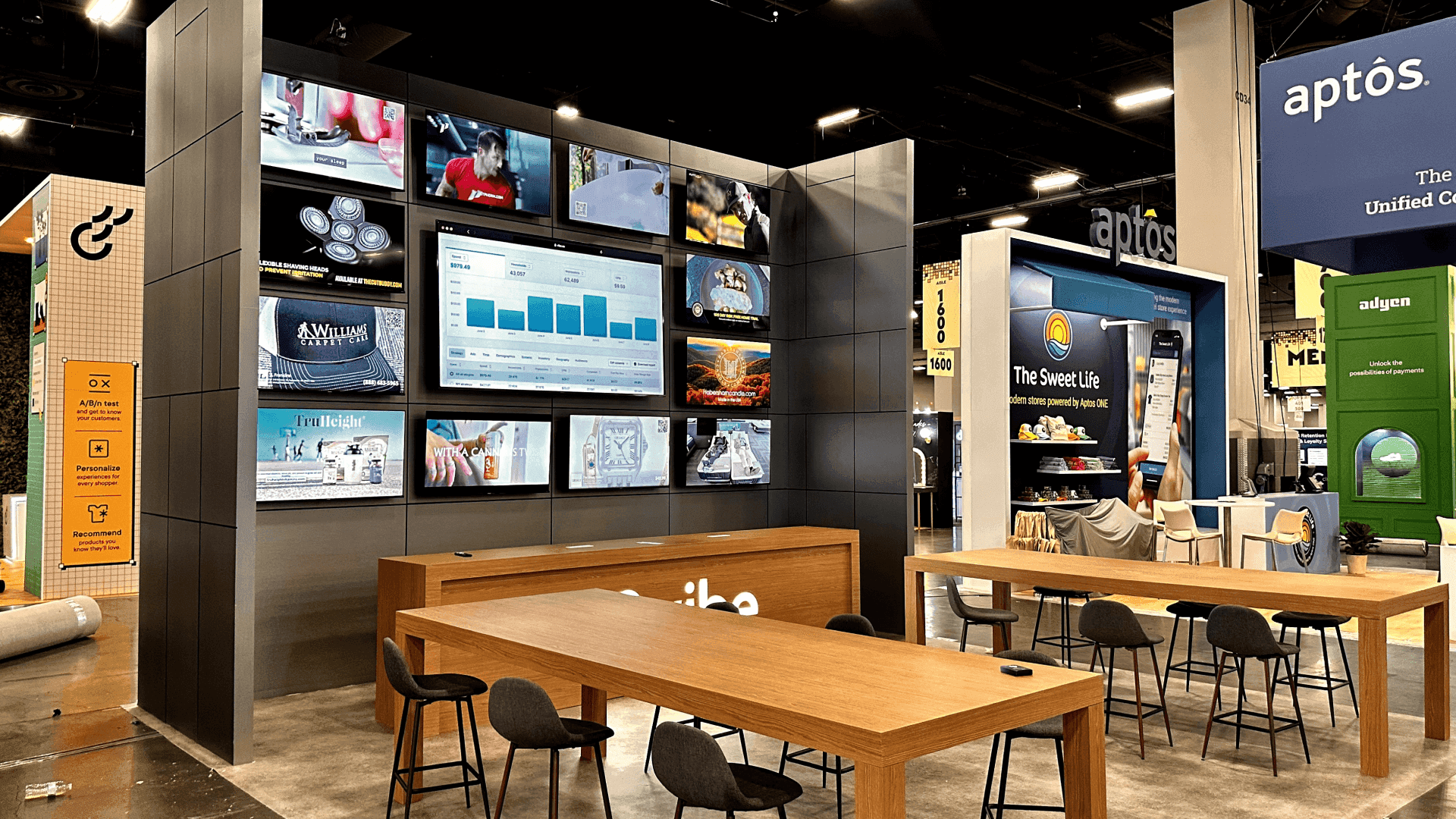
Build the booth around one repeatable path: explain the problem, show the most useful product proof, qualify the visitor, and move the right buyer into a deeper conversation. Screen roles, demo stations, viewing space, staff, storage, connectivity, and reset procedures should all support that flow.
At the broader Money20/20 USA booth-planning level, exhibitors first decide what belongs inside the booth and what can happen elsewhere. This page starts later: live product proof is already part of the program, and the challenge is making the demo work under real show-floor traffic.
A visitor may be watching from several feet away while another is already using the product with staff, and a qualified buyer may be asking questions that no longer require the screen. A 20x20 booth can absorb those overlapping behaviors when the demo is short and the handoff is disciplined. Parallel stations or longer conversations make 20x30 easier to operate.
Because the event runs at The Venetian Las Vegas, The Venetian Expo also affects the technical plan. Power, connectivity, equipment, screen mounting, and final installation details should follow the current Money20/20 sponsor requirements.
Why Exhibitors Choose Circle Exhibit
Clear scope, transparent quote review, nationwide booth support, and efficient setup planning for qualified rental and custom exhibit projects.
48hr
Setup Window
10+
Years Since 2014
U.S.
Trade Show Support
Real
Booth Project Proof
The footprint is partly a throughput problem. Active users, observers, waiting visitors, staff, viewing distance, follow-up conversations, charging, and support storage all consume usable floor area.
A 10x20 booth works when one proof point, one guided interaction, standing conversation, and limited support storage cover the program.
A 20x30 booth helps when several demonstrations run together or qualified buyers need a separate place to continue talking.
A 20x20 booth gives shared viewing, guided interaction, staff conversations, and compact support space enough room to coexist.
A 30x40 booth suits programs with several workflows, larger screen systems, multiple staff teams, meetings, and dedicated technical support.
Live demos become harder to operate when viewers, active users, and deeper conversations compete for the same footprint. A sponsor space strategy helps determine which conversations still need to stay beside the product and which can move to another meeting environment.
For digital-asset products, The Intersection messaging also helps define what the demo needs to prove before screens, staff roles, and handoff flow are planned.
Every display element should help the visitor understand the product faster or move into a better conversation. A screen without a clear role only adds visual and spatial noise.
Explain the problem and use case before showing a dashboard. Visitors need to know why the workflow matters before interpreting it.
Use the main screen for the clearest product story or shared proof point rather than a loop of generic brand video.
Give staff room to navigate the product, answer specific questions, and adjust the demonstration without blocking other viewers.
Once the discussion becomes commercial or technical, the buyer should be able to move away so the station remains available for the next visitor.
This page is for fintech exhibitors whose booth depends on live software, payment, banking, identity, AI, or infrastructure demonstrations.
Money20/20 USA runs October 18–21, 2026 at The Venetian Las Vegas.
The useful outcome is not a completed product tour. It is a buyer who understands enough to ask the right sales, technical, or implementation question.
Not Sure Which Booth Size You Need?
Not every exhibitor knows whether a 10x20, 20x20, 20x30, or larger booth is the right fit. Circle Exhibit can help review your event goals, product display needs, demo areas, meeting space, storage, budget scope, and setup timeline before you choose a booth size.
Separating Viewers From Active Users
Running More Than One Interaction
1
Choose the One Story to Prove
2
3
4
Rental When the Demo Fits the System
A Las Vegas trade show booth rental works when standard screen mounts, counters, walls, cable access, and storage already support the demo flow.
Custom When Technology Shapes the Structure
Custom fabrication is more useful when viewing angles, equipment access, hidden hardware, cabling, or screen structures need to be resolved as part of the architecture.
Modular When the Demo Travels
A reusable modular system makes sense when the operating flow stays consistent across events while graphics, screens, or product content change.
Power, connectivity, screens, devices, and mounting requirements can change the footprint. Confirm them before fabrication becomes difficult to revise.
Structure and graphics need to be settled before screens, devices, network connections, and the final demo environment are tested in place.
Power access, charging points, network hardware, and replacement devices should stay reachable to staff without creating clutter or trip points.
Check account state, devices, connectivity, charging, screen content, staff handoff, and readiness for the next visitor as one operating cycle.
Rental Booths for Fintech Demos
Use a rental booth when modular structure can support screens, demo stations, cable access, storage, and buyer conversations.
How many demo stations should a Money20/20 fintech booth have?
Base the number on demo duration, simultaneous users, staff coverage, viewing space, and the amount of waiting traffic the footprint can absorb.
Should a fintech booth use one large screen or several demo stations?
What booth size works for a live software demo?
When should the demo move into a deeper conversation?
Does a live demo need backup content?
READY TO PLAN YOUR NEXT BOOTH?
Let’s Build a Booth That Fits Your Event
Share your event name, booth size, city, timeline, product display needs, and design references. Circle Exhibit will review your project direction and help you choose a rental-friendly or custom exhibit path.
3000+
Booth Projects Supported
50+
U.S. Event Cities
Transparent
Quote Review
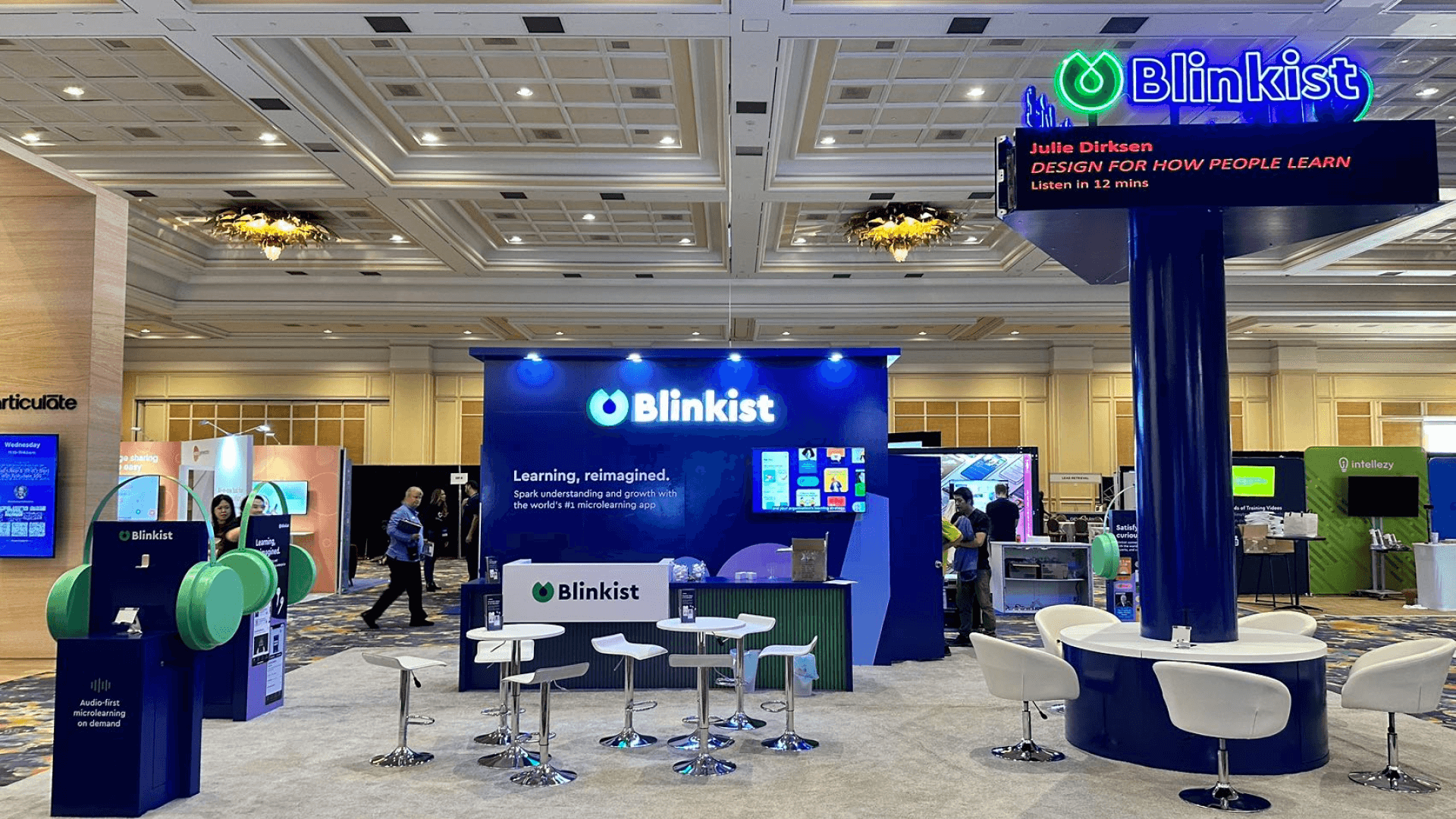
A 20x20 footprint suits one primary demo flow when shared viewing, guided interaction, staff conversations, and compact support space need to coexist.
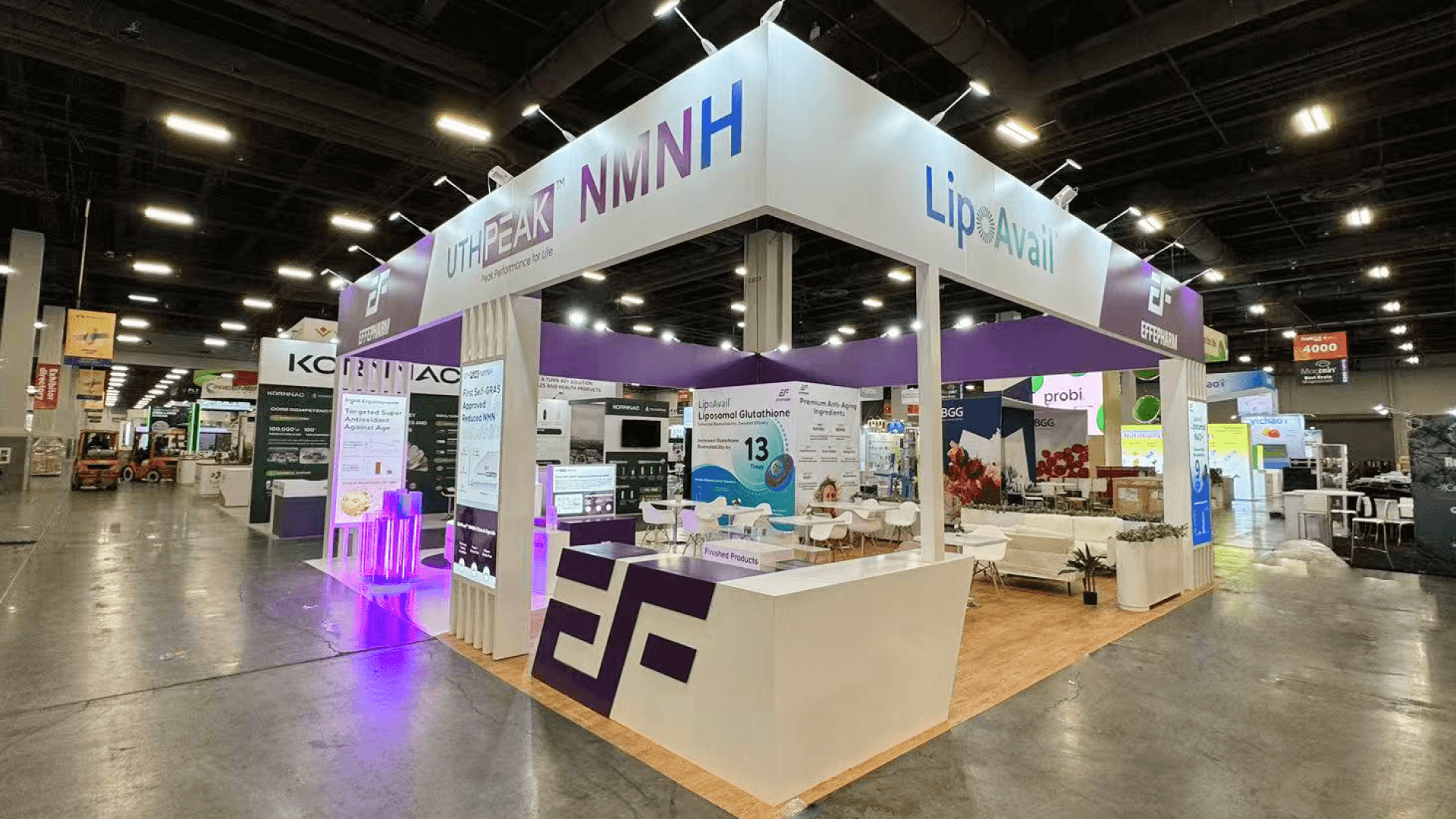
A 20x30 footprint gives parallel demonstrations and longer buyer conversations more room to operate without competing for the same circulation path.
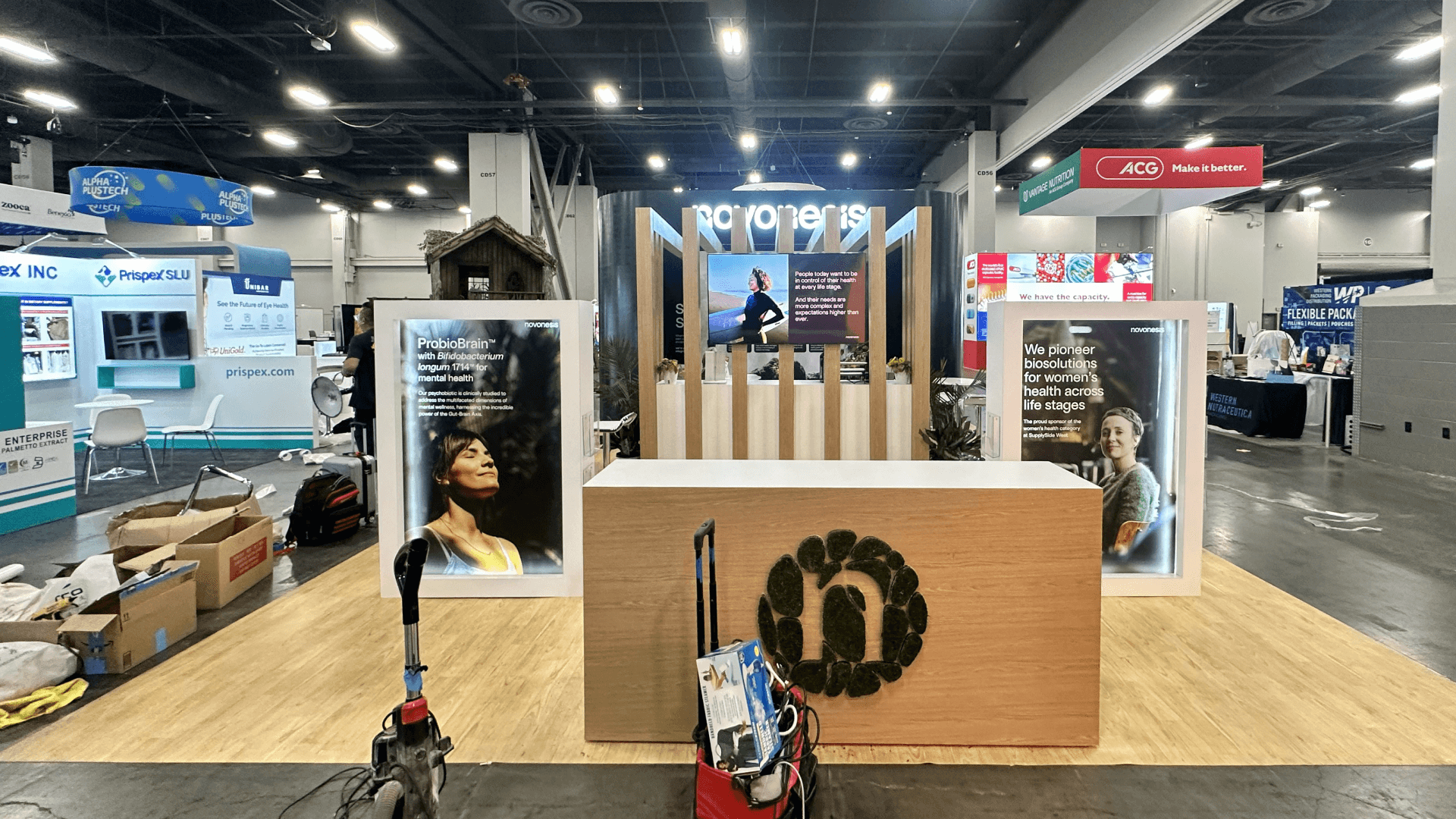
Integrated screens, equipment access, cable paths, storage, and structural support may need to be resolved before fabrication begins.
Demo technology works best when structure, graphics, screens, devices, connectivity, and final testing happen in the right sequence.
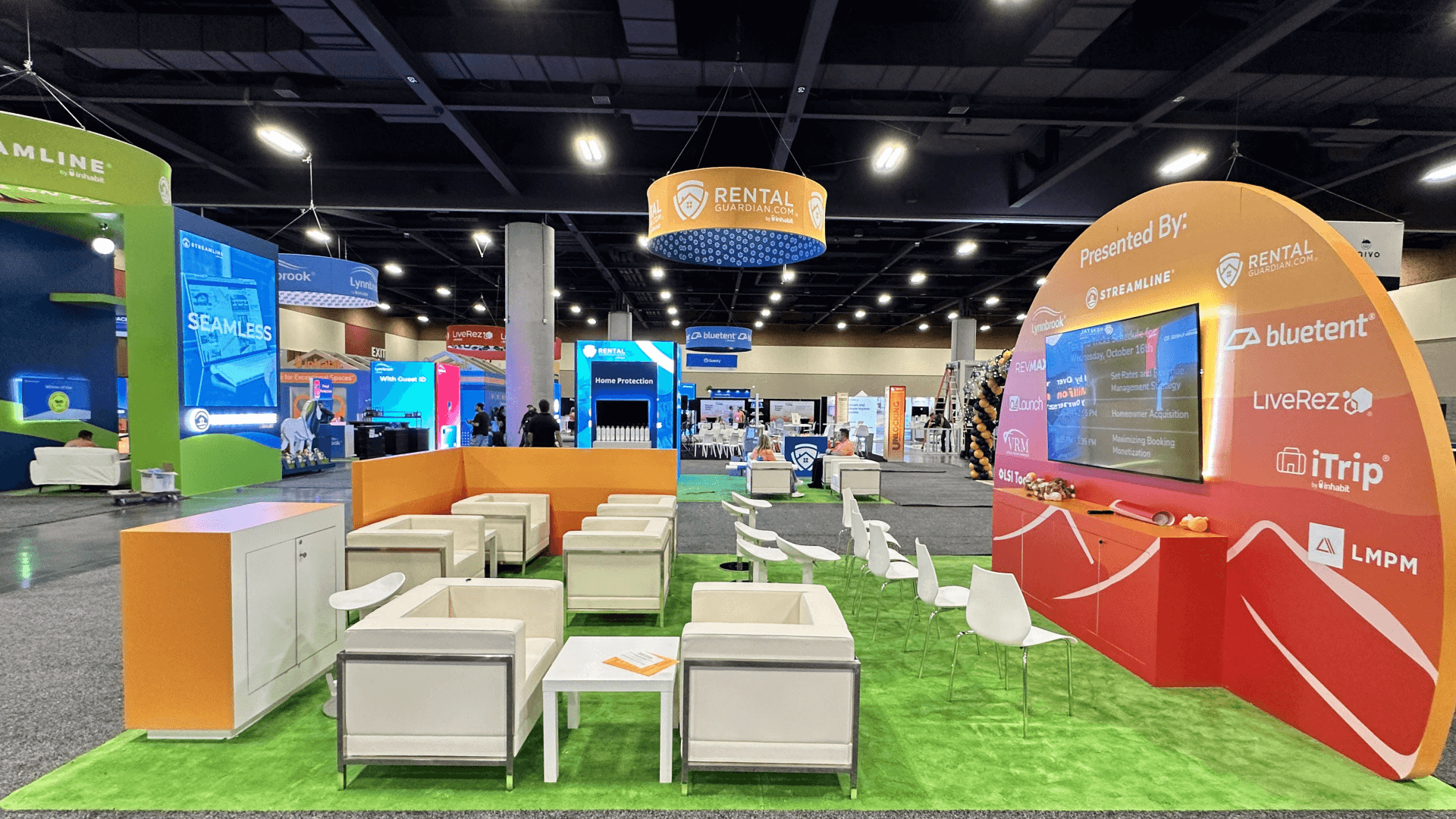
Clear aisle messaging helps visitors understand the use case before they reach a detailed product interface or guided workflow.