ITC Vegas Booth Planning



How should exhibitors plan an ITC Vegas booth?
At ITC Vegas, the booth has to do three things quickly: show the right insurance buyer what problem you solve, demonstrate the relevant workflow, and make it easy to continue the conversation. Booth size, screens, demo stations, meeting space, storage, and staffing should follow that sequence rather than compete for floor space.
ITC Vegas brings carriers, brokers, MGAs, independent agents, insurtechs, investors, and technology providers into the same buying environment, but they are not all looking for the same thing. A carrier team may want to understand integration or underwriting workflow, while an agent or broker may care more about how the product fits into everyday work. The booth needs to make that first point of relevance clear before asking a visitor to spend time on a deeper demo.
From there, the path is straightforward: recognize the problem, see the relevant workflow, ask a useful question, then decide whether the conversation should stay at the booth or continue in a longer meeting. ITC’s different buyer environments make that flow especially important. Exhibitors focused on independent agents have a different set of priorities, covered in ITC Agents booth planning. ITC also belongs to the wider group of Las Vegas technology trade shows, but its mix of insurance buyers, software demos, and business meetings gives the booth a distinct job.
Once the visitor flow is clear, the plan has to work on the show floor. Structure, graphics, screens, power, freight, storage, installation, and final demo testing all need to support the same booth brief. For teams that need those pieces carried from design through production and installation, trade show booth design and build in Las Vegas becomes part of the execution plan.
Why Exhibitors Choose Circle Exhibit
Clear scope, transparent quote review, nationwide booth support, and efficient setup planning for qualified rental and custom exhibit projects.
48hr
Setup Window
10+
Years Since 2014
U.S.
Trade Show Support
Real
Booth Project Proof
Use booth size to solve a capacity problem. The number of workflows, simultaneous demos, staff, longer conversations, screens, and storage matter more than choosing a footprint because it looks more substantial.
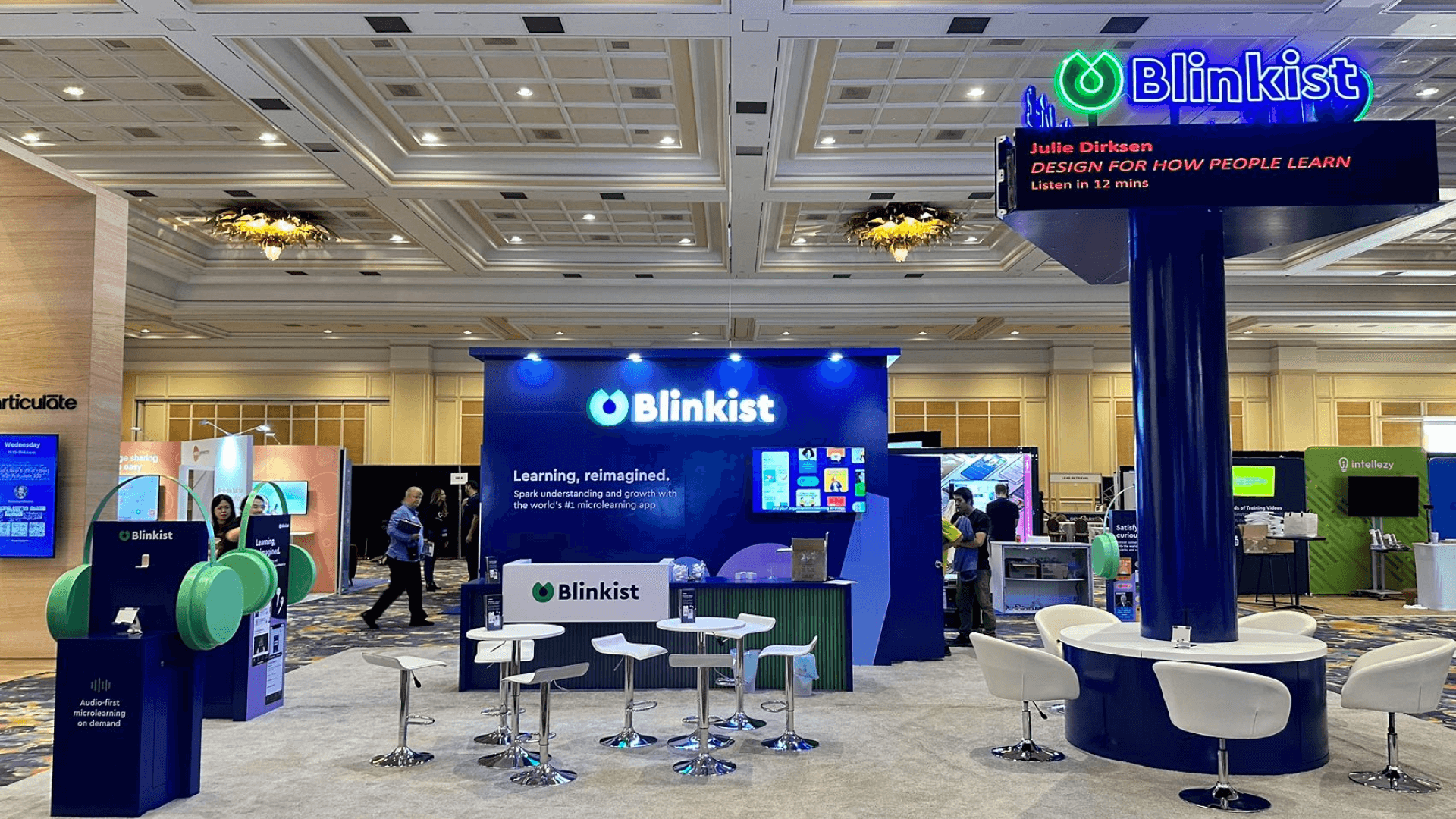
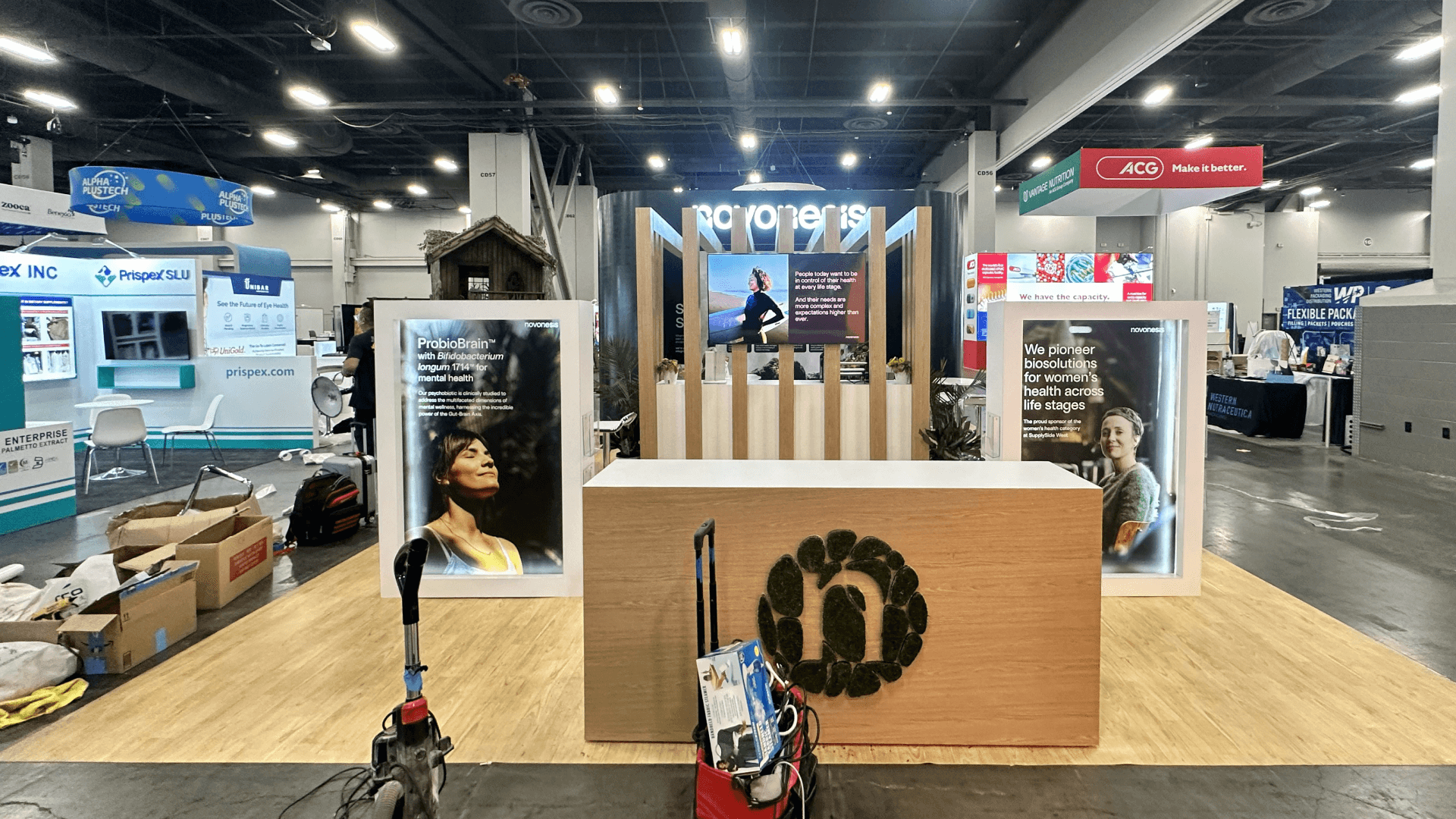
A 10x20 booth works best when the team can explain one main product story through one or two compact demo points, clear aisle messaging, and short buyer conversations. Avoid giving away useful demo space to meeting furniture too early.
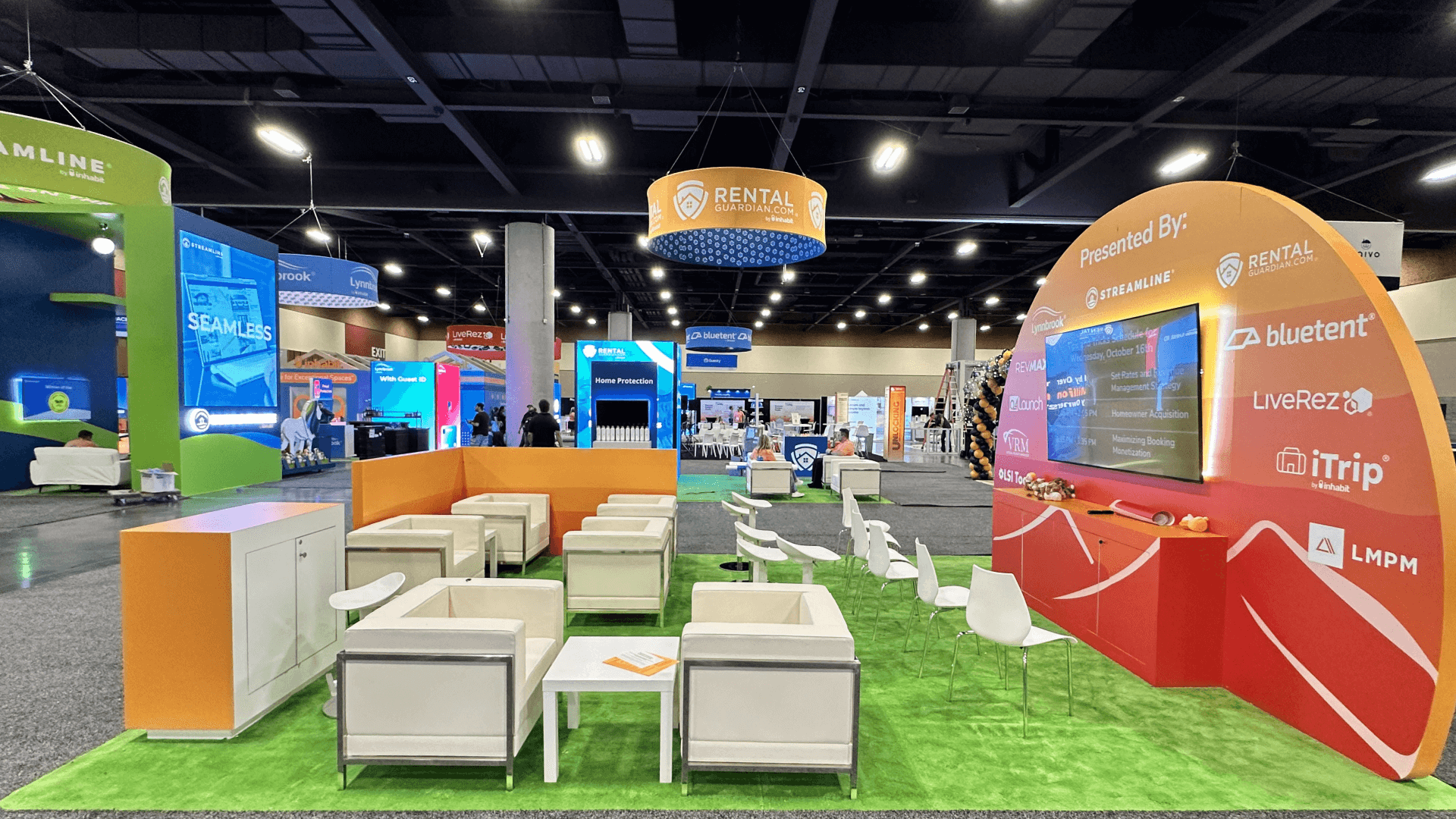
A 20x30 booth becomes useful when one part of the team needs to keep demonstrations moving while qualified buyers continue into longer discussions.
A 20x20 booth starts to earn its space when more than one demo or conversation needs to happen without making every visitor share the same screen or staff member.
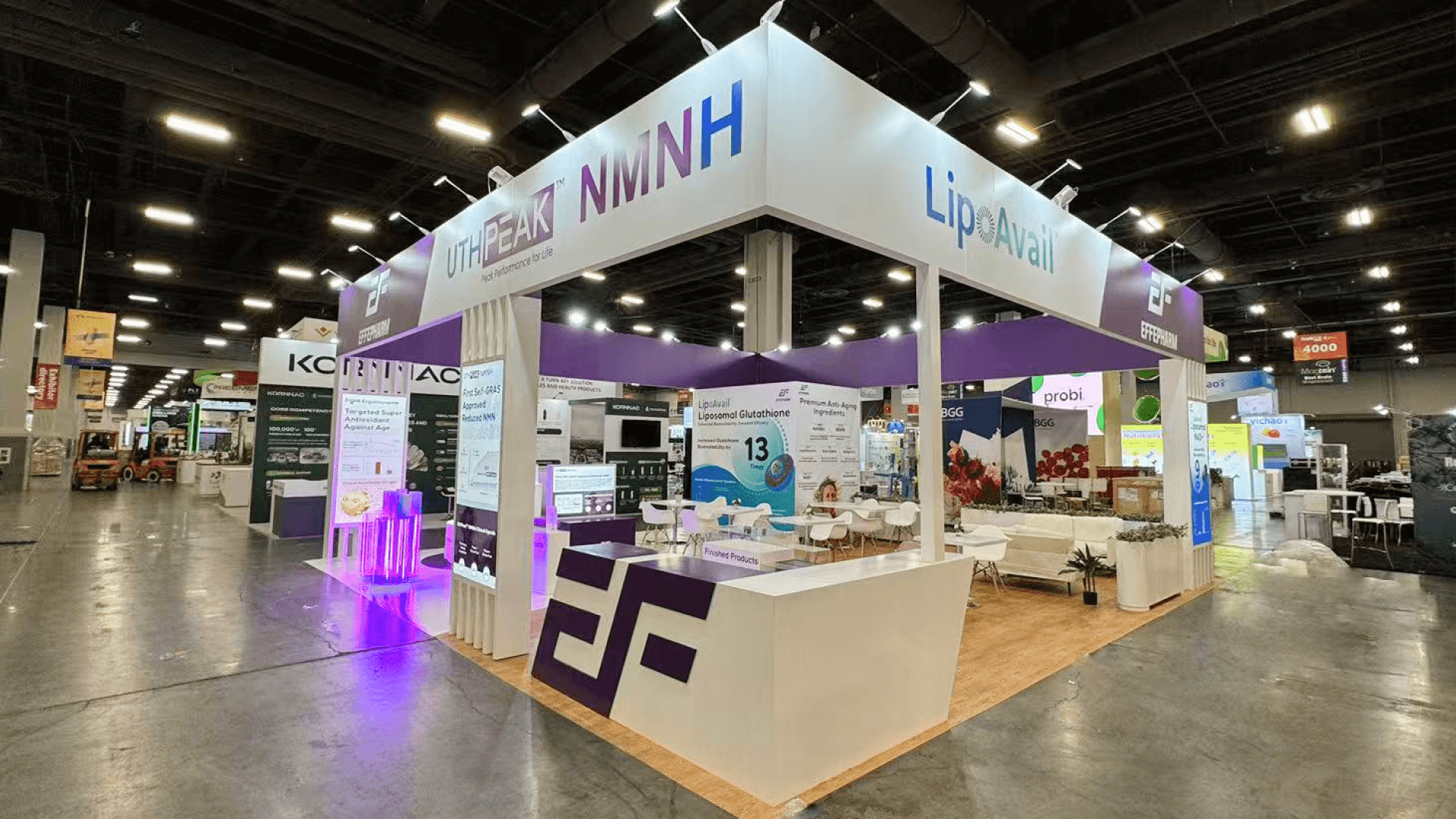
A 30x40 booth makes more sense when several product stories, large screens, meetings, hospitality, and staff teams genuinely need separate zones.
Meeting space is one of the main footprint decisions at ITC Vegas because longer buyer conversations do not all need to remain inside the exhibit. How Much Meeting Space Does an ITC Vegas Booth Really Need? explains which discussions benefit from staying close to the live demo, which can move to ITC meeting areas, and when the remaining meeting load is strong enough to justify a larger booth.
The booth does not need to explain every capability at once. It needs to help the right insurance buyer recognize the problem, see enough of the workflow to judge relevance, and know where the conversation goes next.
The first graphic should tell visitors what insurance problem the product addresses. Role-specific details can wait until the right buyer has stopped.
Use each demo point to show a real workflow or use case. Several screens repeating different versions of the same marketing presentation do not create more clarity.
A buyer who wants technical, purchasing, integration, or partnership detail should be able to continue without standing in front of the next demo.
Chargers, cables, spare devices, literature, and staff items need an assigned place so the booth can reset without turning operational clutter into part of the visitor experience.
ITC Vegas brings carriers, brokers, MGAs, agents, insurtechs, investors, and technology providers together around insurance workflows, technology evaluation, partnerships, and business conversations.
ITC Vegas 2026 runs September 29–October 1 at Mandalay Bay, with the main Expo Floor open September 30 and October 1.
The wider ITC program includes the Main Expo, a dedicated ITC Agents expo, a 1:1 Meeting Zone, distribution-focused environments, startup areas, and live product-demo programming.
Not Sure Which Booth Size You Need?
Not every exhibitor knows whether a 10x20, 20x20, 20x30, or larger booth is the right fit. Circle Exhibit can help review your event goals, product display needs, demo areas, meeting space, storage, budget scope, and setup timeline before you choose a booth size.
Too Much Product Story Before the Buyer Sees the Use Case
Long Demos Can Take Over the Booth
1
Pick the First Buyer Story
2
3
4
Rental for Focused Demo Booths
A Las Vegas trade show booth rental works well when branded walls, screens, counters, storage, and a clean demo flow can handle the visitor task without custom architecture.
Custom When the Structure Has a Job
Custom fabrication becomes more relevant when the booth itself needs to separate meetings, carry larger AV systems, integrate unusual product features, or support several distinct visitor zones. In that case, Las Vegas exhibit fabrication and show-site execution becomes part of the planning decision.
Use Custom Elements Only Where They Matter
A reusable structure can still include custom counters, graphics, lighting, AV integration, or demo components. Not every part of the booth needs to be bespoke for the visitor experience to feel specific.
ITC requires approval for 20x20 booths and larger. Keep structure, dimensions, and major design decisions stable before the August 10 submission deadline.
Advance warehouse shipping runs August 31–September 16, while direct-to-show shipping begins September 28. Choose the route before final freight instructions are released.
ITC separates move-in by booth type. 20x20 and larger exhibits move in September 28, while inline booths move in September 29. Coordinate freight and crew around the assigned window.
Before show opening, test screens, internet-dependent demos, devices, lead capture, graphics, storage access, and the handoff from the first message to the buyer conversation.
Need a Flexible Booth Rental for ITC Vegas?
If your ITC booth needs branded walls, demo screens, counters, storage, and meeting space without committing to a fully custom structure, a rental-based exhibit can keep the build flexible while still supporting a polished insurance technology presentation.
What should an ITC Vegas booth include?
Start with a clear insurance problem, a focused workflow demo, space for questions, lead capture, practical storage, and reliable screens or devices. Add meetings and additional demo zones only when the visitor task requires them.
How should exhibitors choose booth size for ITC Vegas?
How long should an ITC Vegas product demo be?
Does ITC's 1:1 Meeting Zone reduce the need for booth meeting space?
What should be confirmed before an ITC booth goes into production?
READY TO PLAN YOUR NEXT BOOTH?
Let’s Build a Booth That Fits Your Event
Share your event name, booth size, city, timeline, product display needs, and design references. Circle Exhibit will review your project direction and help you choose a rental-friendly or custom exhibit path.
3000+
Booth Projects Supported
50+
U.S. Event Cities
Transparent
Quote Review
Use this page when the brief calls for a reusable or rental-based structure with branded walls, screens, counters, storage, and meeting elements.
Use local builder support when the project needs custom fabrication, EAC coordination, installation planning, or more complex show-site work.
Use the venue page for freight, utilities, installation, and long-term execution context at Mandalay Bay.
Use 20x20 planning when multiple demos, staff positions, storage, and a small meeting function need to share one footprint.
Use 20x30 planning when demo activity and longer buyer conversations need clearer separation.