HLTH Diagnostics Area Booth Planning for Diagnostic Technology Exhibitors
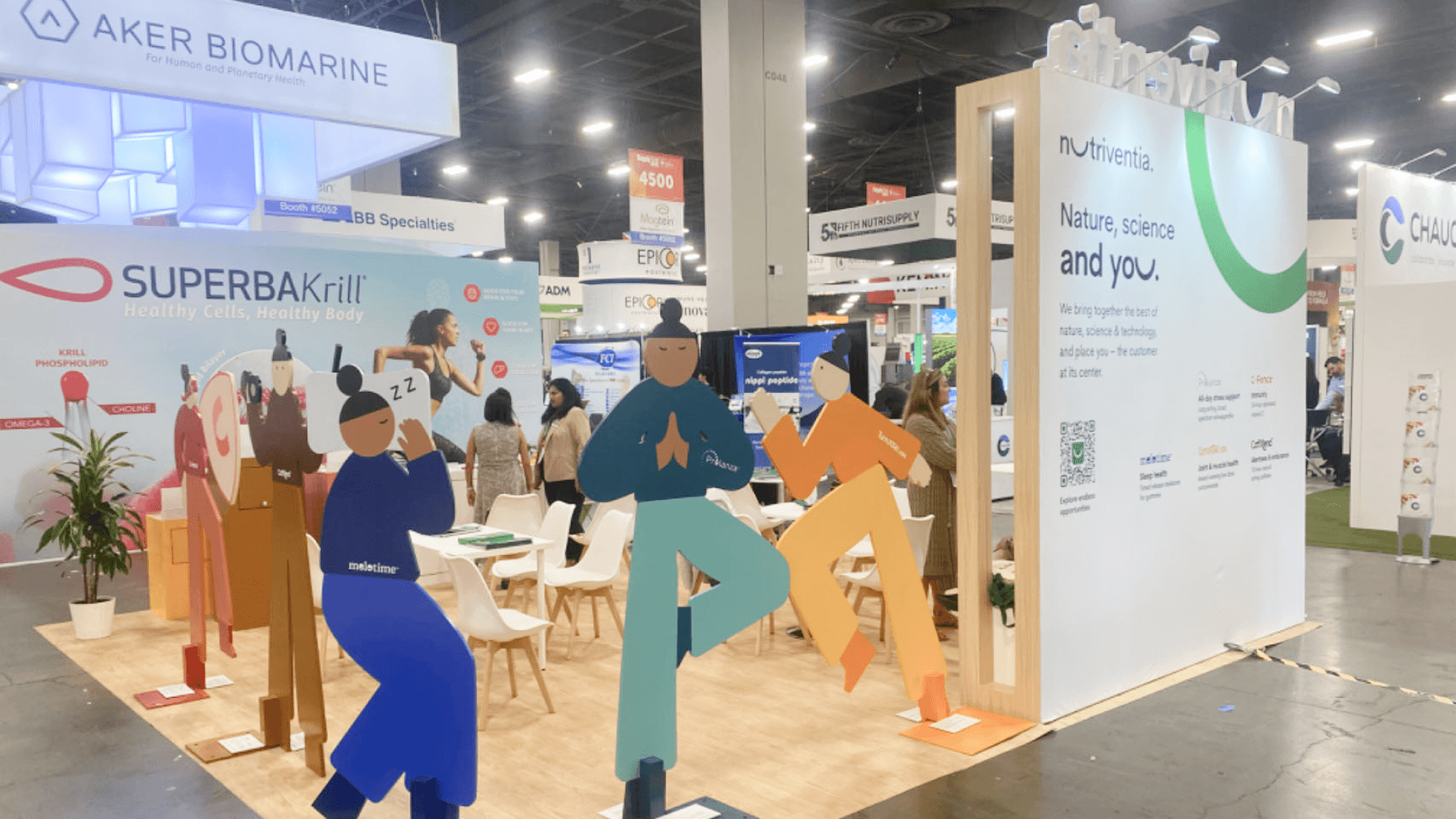

What should a HLTH Diagnostics Area booth make clear?
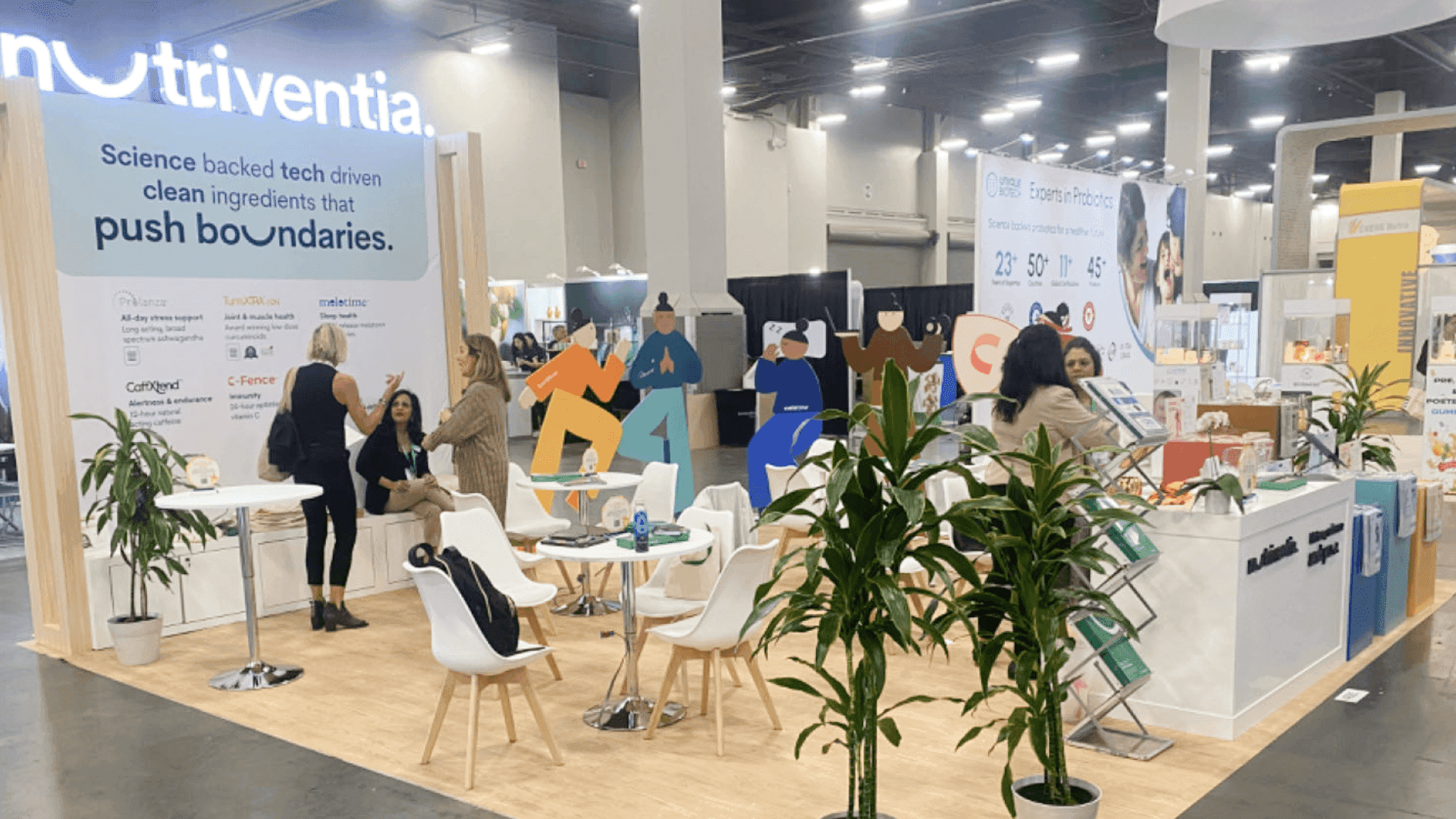
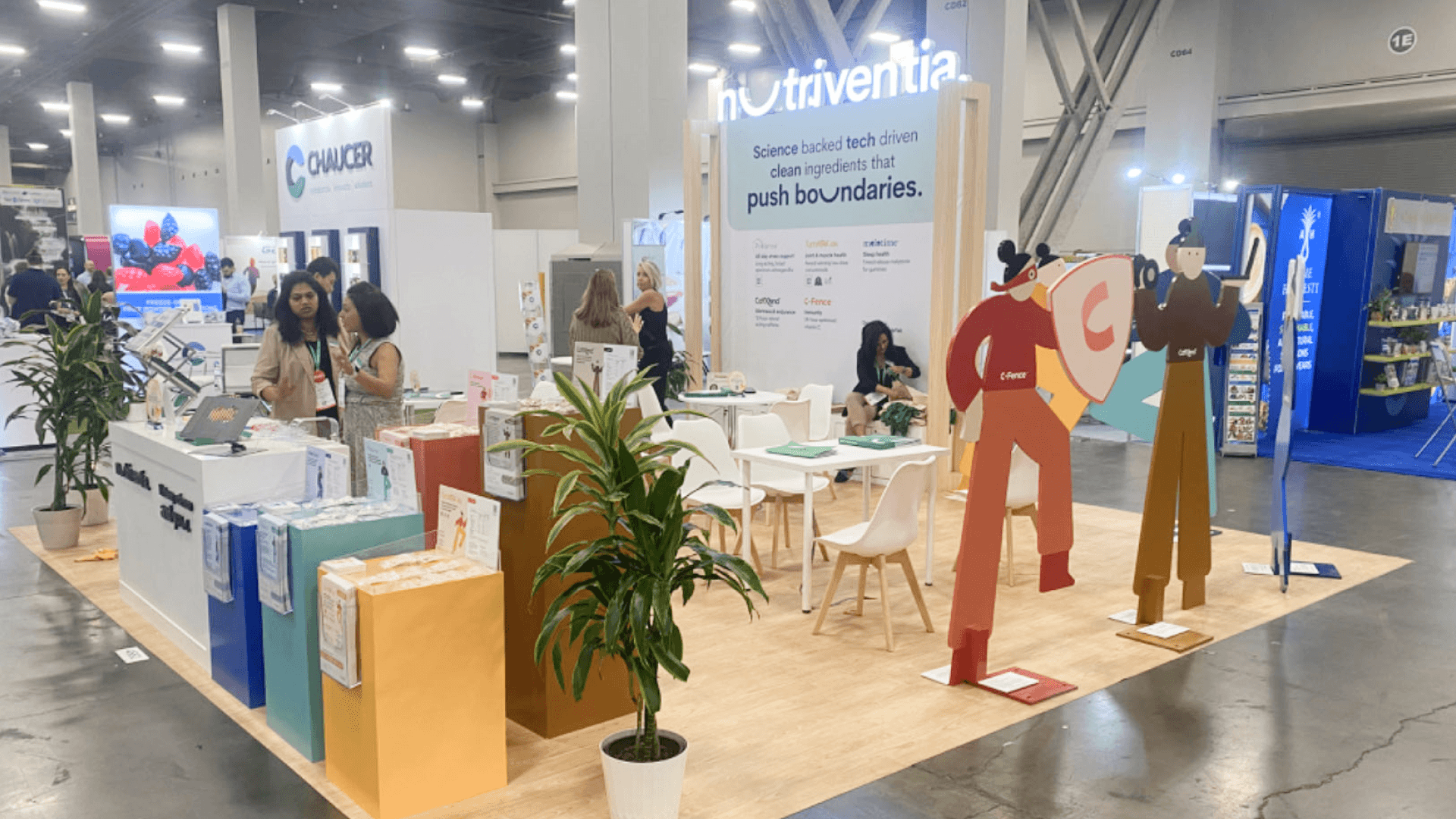
A HLTH Diagnostics Area booth should show where the device or platform enters the diagnostic workflow, what happens during the demonstration, and what result or decision follows. Product visibility, screen content, operator clearance, storage, and technical discussion space should work together so buyers can evaluate the technology without turning the booth into a crowded equipment display.
The Diagnostics Area is a focused part of HLTH booth planning, where the product story often begins with a device, test, platform, or diagnostic process rather than a broad healthcare category. Visitors need to understand where the technology fits in the workflow before they can judge its clinical, technical, or commercial relevance.
The booth should connect the product itself with what happens before and after the test or analysis. A live demonstration can then show the workflow and result, while nearby space gives buyers room to ask the technical, integration, or implementation questions that usually follow.
Why Exhibitors Choose Circle Exhibit
Clear scope, transparent quote review, nationwide booth support, and efficient setup planning for qualified rental and custom exhibit projects.
48hr
Setup Window
10+
Years Since 2014
U.S.
Trade Show Support
Real
Booth Project Proof
Diagnostics exhibitors need to account for equipment dimensions, operator clearance, viewing space, screens, storage, and the time buyers spend around each demonstration.
A 10x20 booth can support one compact diagnostic product or software-led platform when the demo has a short, controlled sequence.
A 20x30 footprint becomes useful when several devices, demonstrations, or technical discussions need their own working areas.
A 20x20 booth provides more room to show the product, explain the workflow on screen, and keep technical discussion away from the operator.
When equipment dimensions or service access become significant, product clearance should be established before walls, counters, or meeting zones are finalized.
Diagnostic exhibits can reach the limits of a standard booth package quickly when devices need working clearance, operators need room to demonstrate, screens have to explain the workflow, and technical conversations continue beside the product. The footprint alone does not decide whether the exhibit should stay turnkey or move into space-only.
What matters is whether those functions can still work comfortably within the official package. When equipment, storage, demo space, and technical discussion begin to depend on one another, the HLTH turnkey vs space-only booth planning guide provides the next decision step.
The exhibit should connect the physical product to the diagnostic process and make the result meaningful enough for the next technical or commercial question.
Visitors should be able to see what the device or platform is doing without looking past staff, cables, or support equipment.
Screens or graphics should connect the product to the step before it, the analysis itself, and what happens next.
Display the output in a way that shows why it matters to the laboratory, clinician, or healthcare organization evaluating it.
A qualified discussion should be able to move away from the active demo without taking the operator or equipment out of service.
HLTH's Diagnostics Area focuses on technologies involved in detection, testing, diagnostic intelligence, and precision medicine, with live product demonstrations across the area.
The Diagnostics Area sits within HLTH USA 2026 at The Venetian Expo Center in Las Vegas.
Lab, health-system, R&D, regulatory, investor, and commercial visitors may all need to understand where the technology fits into a real diagnostic process.
Not Sure Which Booth Size You Need?
Not every exhibitor knows whether a 10x20, 20x20, 20x30, or larger booth is the right fit. Circle Exhibit can help review your event goals, product display needs, demo areas, meeting space, storage, budget scope, and setup timeline before you choose a booth size.
Hardware and Software Can Tell Different Stories
A Result Without Context Is Just Data
1
Start with the Question the Test Answers
2
3
4
Turnkey for Software or a Compact Device
A turnkey package can work when the demonstration needs little more than a monitor, compact equipment position, and standard furniture.
Rental for a Flexible Product Environment
A Las Vegas trade show booth rental can support branded walls, screens, counters, storage, and compact equipment without specialized architecture.
Custom When Equipment Controls the Layout
Custom fabrication becomes more relevant when large devices, several demo stations, integrated storage, or specialized installation requirements define the space.
Device size, operating clearance, counters, screen positions, and access requirements should be confirmed before production.
Power, data, computers, monitors, adapters, and cable paths should be planned from the equipment list rather than added later.
Diagnostic equipment, accessories, and demo materials should be labeled so the installation team can position them without reopening the entire shipment.
Before opening, test the product, workflow screen, result display, operator position, backup content, and storage access together.
Rental Booths for Diagnostic Product Demonstrations
A rental booth can support diagnostic devices, workflow screens, counters, storage, and technical discussion space when the equipment does not require highly specialized custom structure. The layout should still be built around product clearance, operator access, and the actual demonstration sequence.
How should a diagnostic device and screen be shown together?
The device should remain the physical reference point while the screen explains the workflow, analysis, or result that cannot be understood from the product alone.
How much clearance does a diagnostic demo need?
When does a diagnostic booth need more storage?
How should diagnostic results be explained on the show floor?
When is a 20x30 diagnostics booth justified?
READY TO PLAN YOUR NEXT BOOTH?
Let’s Build a Booth That Fits Your Event
Share your event name, booth size, city, timeline, product display needs, and design references. Circle Exhibit will review your project direction and help you choose a rental-friendly or custom exhibit path.
3000+
Booth Projects Supported
50+
U.S. Event Cities
Transparent
Quote Review
The Main Hub covers the broader HLTH audience, exhibit formats, meetings, and show-site context.
Useful when a product demo needs a screen, operator clearance, storage, and space for technical follow-up.
Useful when several products or demo sequences need to operate without sharing the same working area.
Useful when equipment positions, counters, screens, clearance, and buyer discussion zones need to be resolved before production.
Useful when diagnostic equipment, accessories, freight timing, and installation order need to stay aligned.