HLTH AI Zone Booth Planning for Healthcare AI Exhibitors

What makes a HLTH AI Zone booth different?
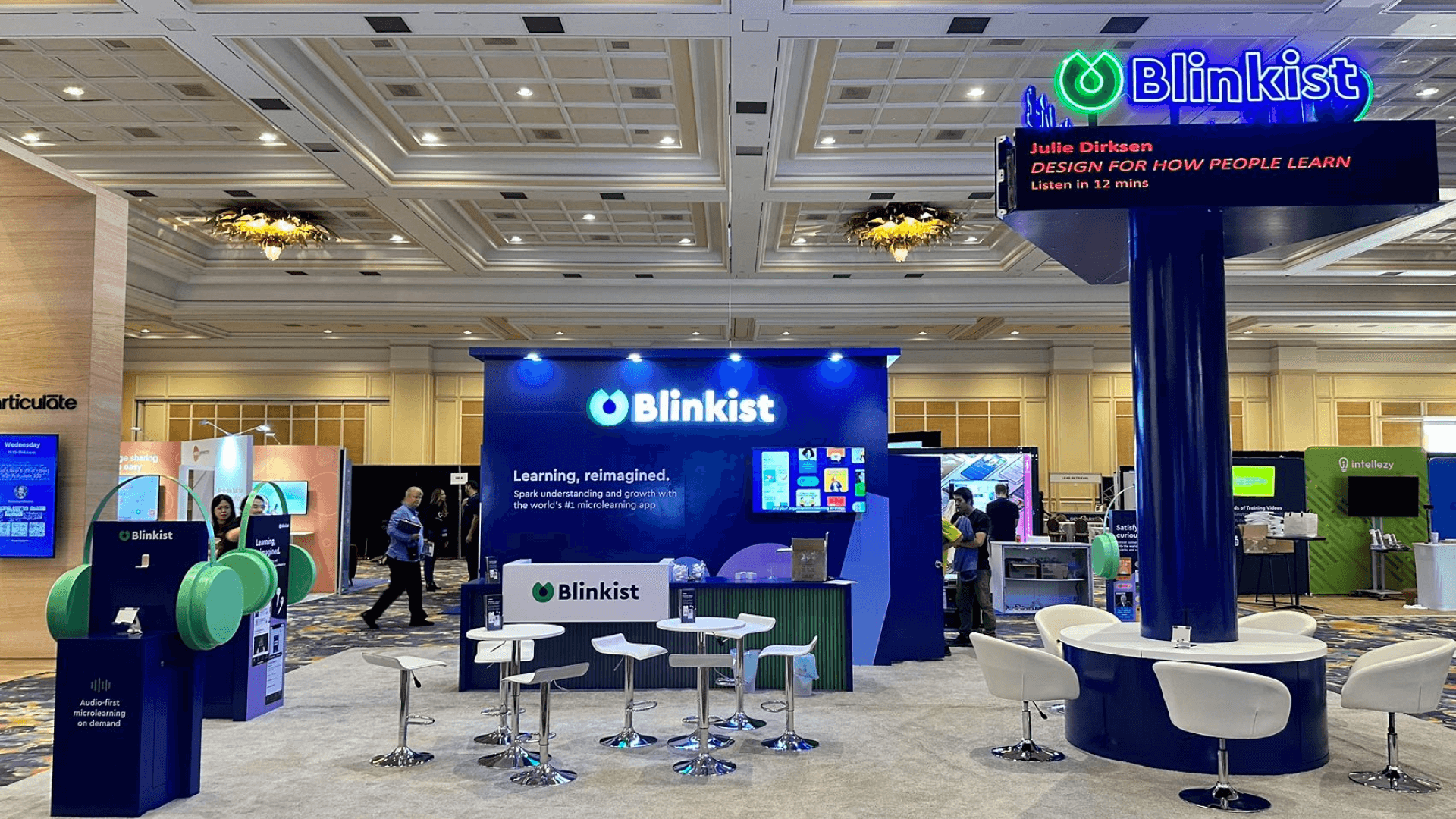
A HLTH AI Zone booth should make one healthcare AI use case understandable before the visitor starts exploring the software. The live demo needs a clear screen angle, a simple workflow, and an obvious handoff to staff, while storage, connectivity, and ground-supported visibility keep the booth functional when several visitors stop at once.
The AI Zone is a specific live-demo environment within HLTH booth planning. Visitors are not simply looking for an AI claim; they need to understand where the technology enters a clinical, operational, payer, or patient workflow and what changes when it is used.
That makes the live demonstration the center of the booth experience. Screen position, visitor standing space, staff handoff, backup content, and booth visibility should help someone move naturally from seeing the use case to watching the demo, asking a question, and continuing the conversation.
Why Exhibitors Choose Circle Exhibit
Clear scope, transparent quote review, nationwide booth support, and efficient setup planning for qualified rental and custom exhibit projects.
48hr
Setup Window
10+
Years Since 2014
U.S.
Trade Show Support
Real
Booth Project Proof
For AI exhibitors, footprint decisions are driven less by product size and more by how many demos and conversations need to happen at the same time.
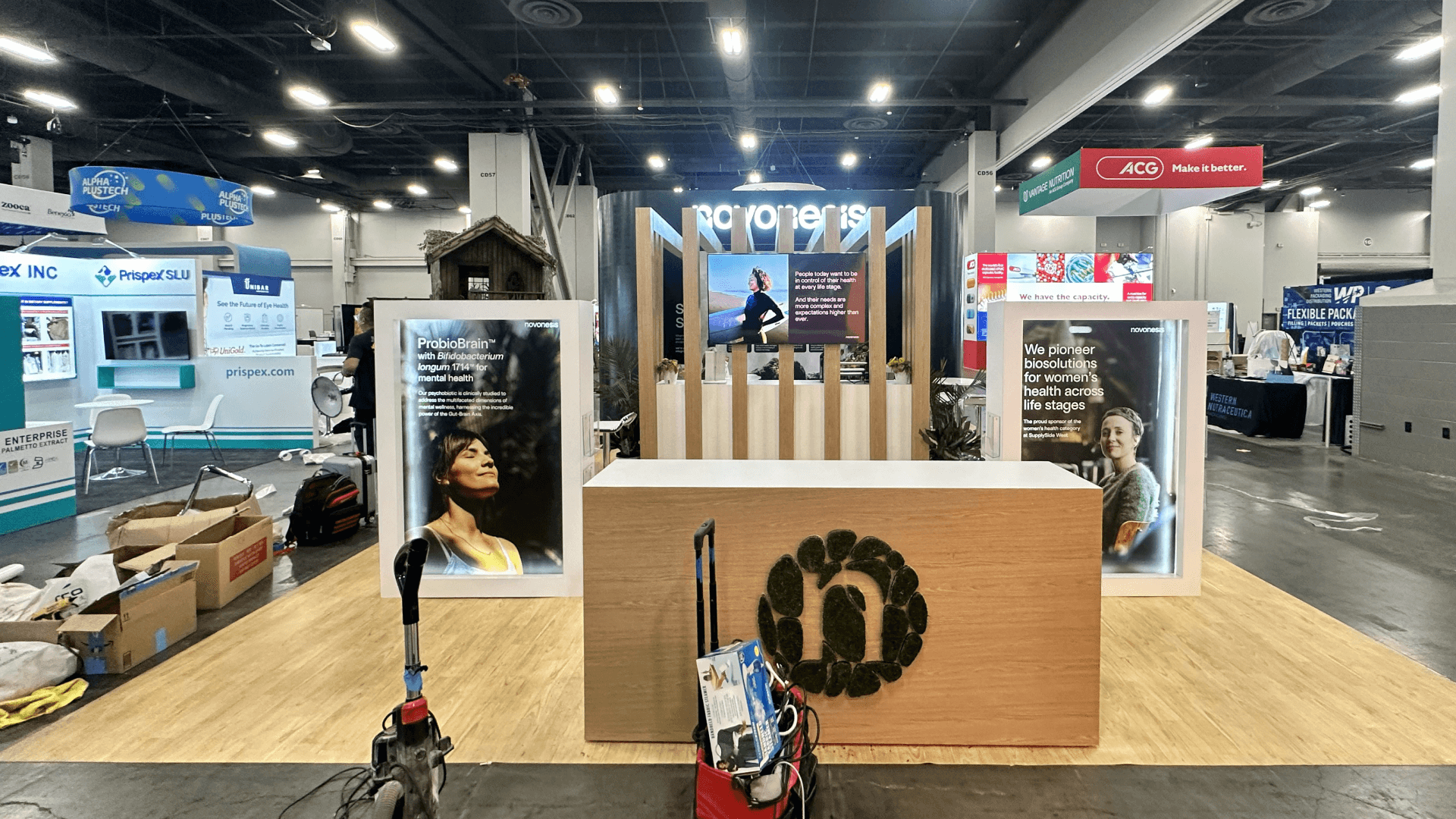
A 10x20 booth can work when one demo carries the story and staff can handle follow-up without creating a separate meeting zone.
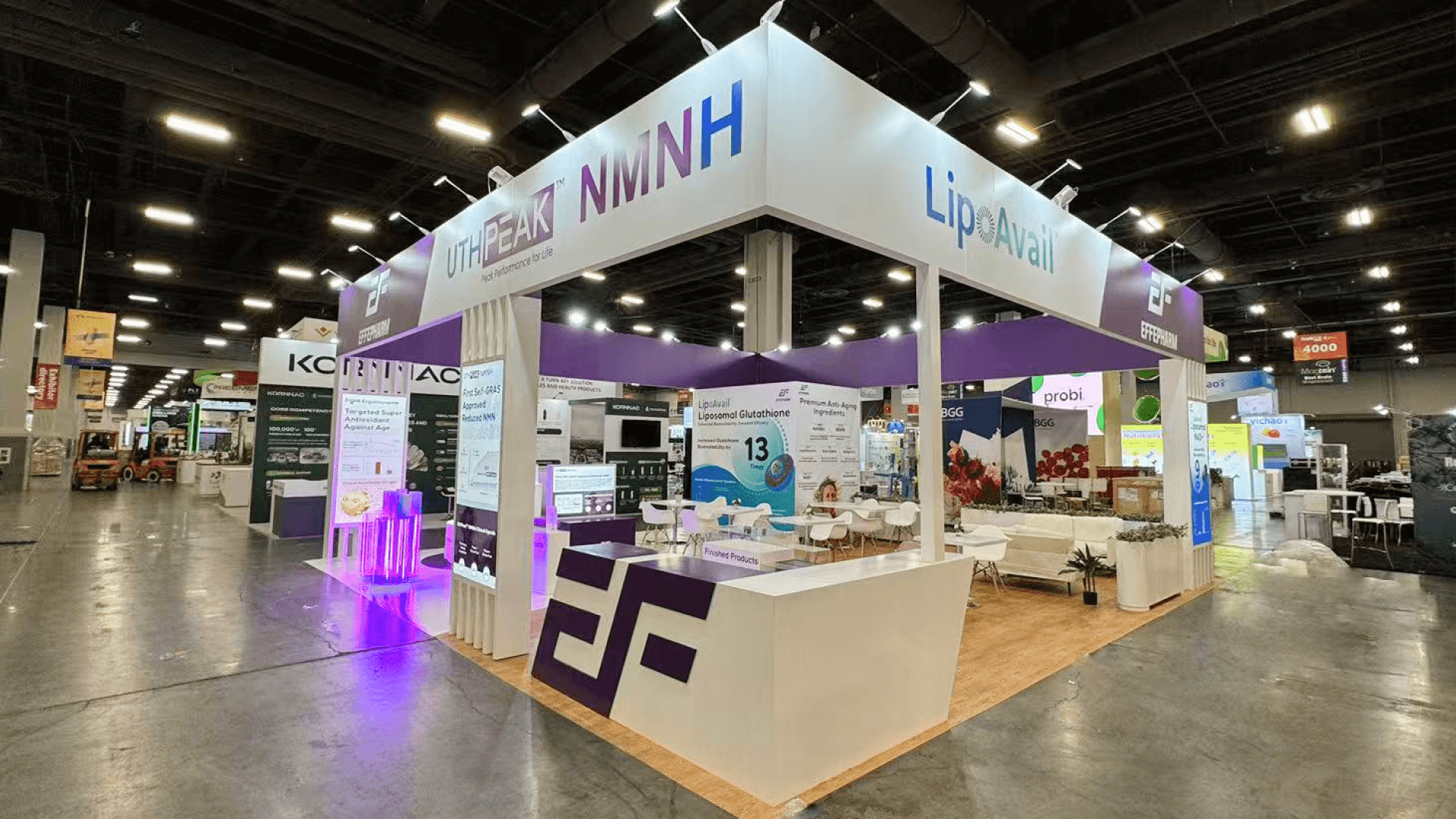
A 20x30 footprint becomes useful when technical staff, sales staff, and multiple demo points need to work at the same time.
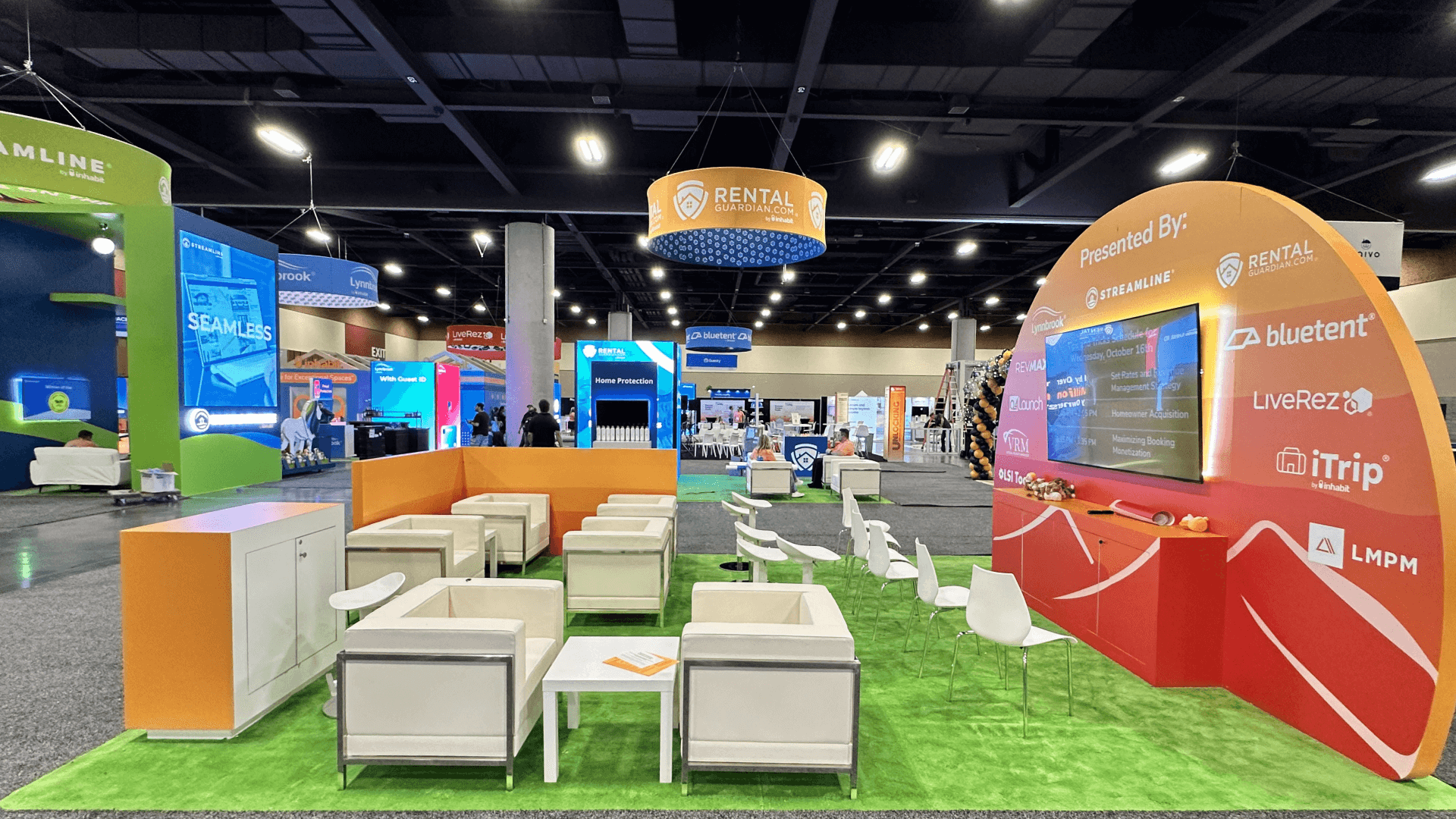
A 20x20 booth gives viewers more breathing room and lets a qualified conversation move away from the main screen.
More space allows stronger zoning, but the structure still needs to create its visual presence from the floor rather than overhead rigging.
A strong AI demo does not need to carry the entire buyer conversation. Once a visitor starts asking about integration, implementation, deployment, or operational fit, the booth needs a clear handoff from the demonstration to the right sales or technical person. That becomes even more important when scheduled buyer meetings are already happening elsewhere through Market Connect.
The deeper question is not how long the demo should run, but what the booth should accomplish before that next conversation begins. That relationship is explored in HLTH Market Connect booth meeting planning.
A useful AI booth is less about displaying technology and more about making the demonstration easy to see, understand, discuss, and repeat.
The screen should reveal the healthcare workflow or decision before staff explain the deeper technology behind it.
Visitors should be able to see the demonstration without standing in the operator's working space or blocking circulation.
Once the use case is clear, staff need somewhere to answer buyer-specific questions without stopping the next demonstration.
Devices, charging, login changes, and backup content should be handled outside the visitor's main line of sight.
The HLTH AI Zone centers on real healthcare AI applications, live demonstrations, and conversations around how AI fits into clinical and business workflows.
The AI Zone sits within HLTH USA 2026 at The Venetian Expo Center in Las Vegas.
Space-only AI Zone booths of 20x20 or larger cannot suspend elements above the booth, changing how larger exhibits create vertical presence.
Not Sure Which Booth Size You Need?
Not every exhibitor knows whether a 10x20, 20x20, 20x30, or larger booth is the right fit. Circle Exhibit can help review your event goals, product display needs, demo areas, meeting space, storage, budget scope, and setup timeline before you choose a booth size.
Crowds Form Around the Screen
Buyers Want the Workflow, Not the Feature List
1
Choose the Moment Worth Demonstrating
2
3
4
Turnkey When One Demo Carries the Story
A standard turnkey booth can work when one screen and a compact staff setup are enough to explain the AI application.
Rental When the Demo Needs More Control
A Las Vegas trade show booth rental can add branded walls, integrated screens, storage, and conversation space without requiring custom architecture.
Custom When Demo and Architecture Become One System
Custom fabrication is more useful when several demos, integrated technology, storage, or ground-supported visual structure need to be designed together.
For larger space-only booths, vertical branding and screen visibility need to be solved before the structure is finalized.
Internet requirements, device access, accounts, demo data, and backup content should be treated as one operating system.
Cables, adapters, chargers, routers, and spare devices need accessible positions that do not become part of the display.
A final rehearsal should cover the normal demo and what staff will show if connectivity or the live environment fails.
Rental Booths Built Around Live AI Demos
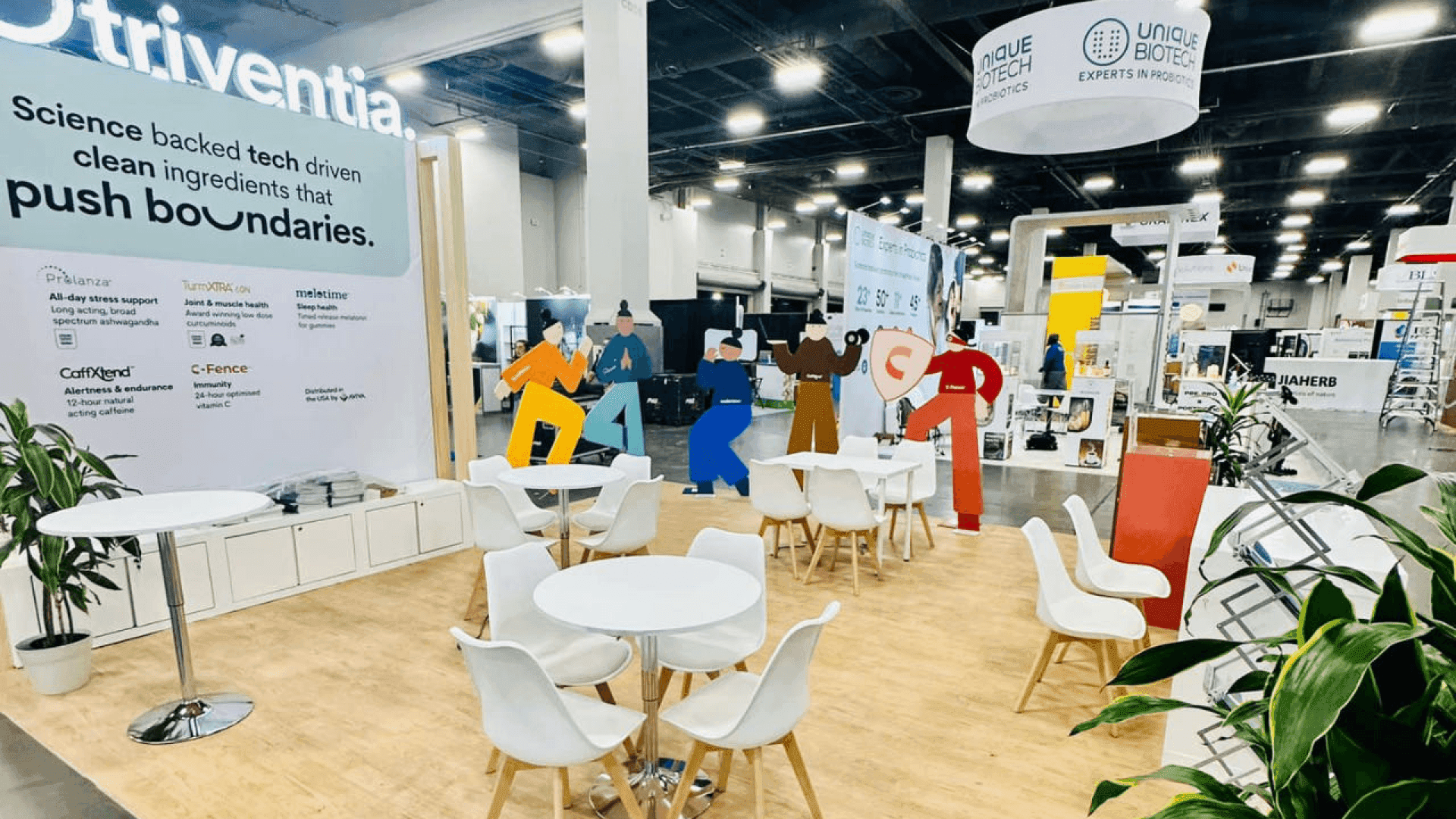
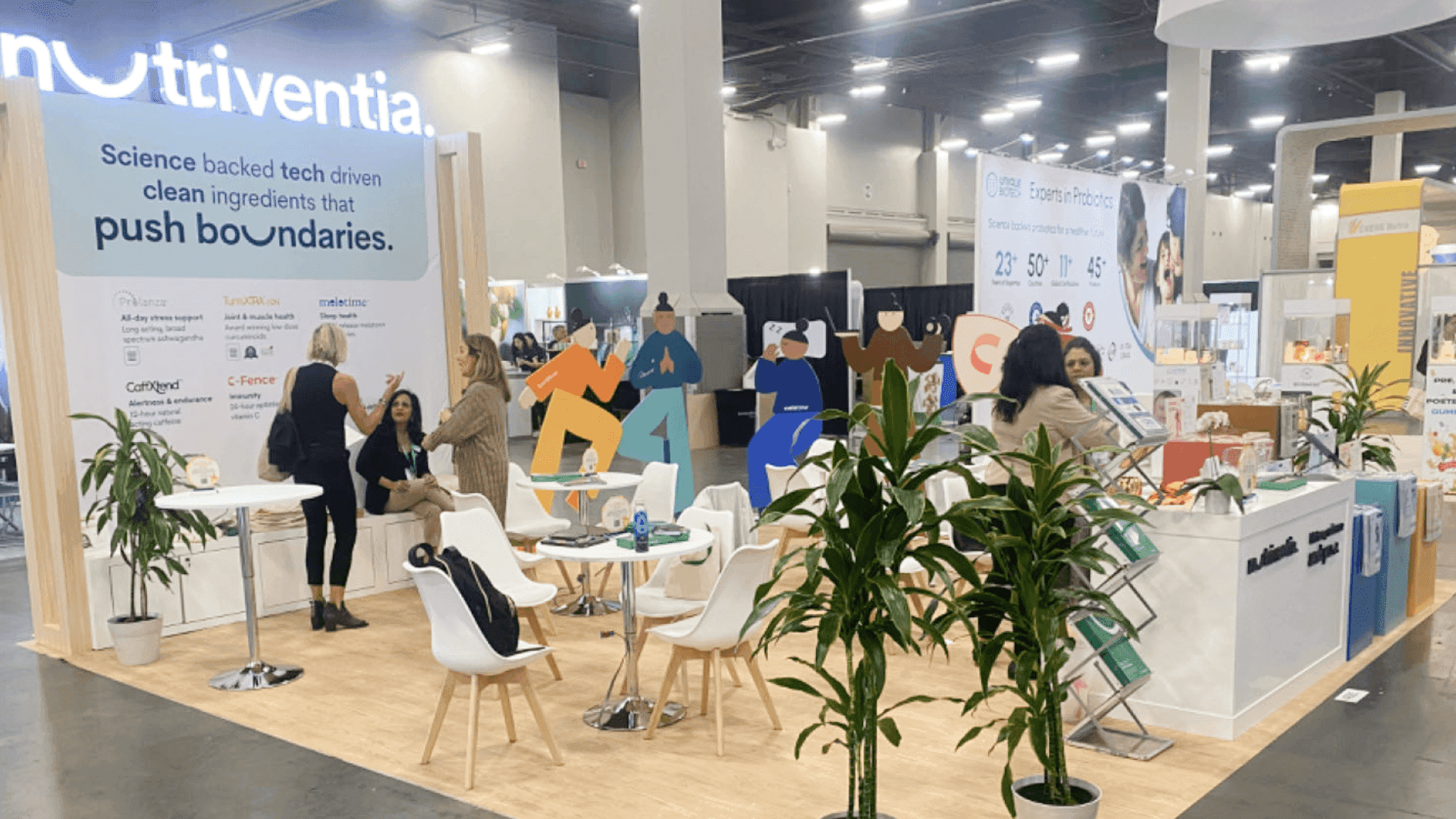
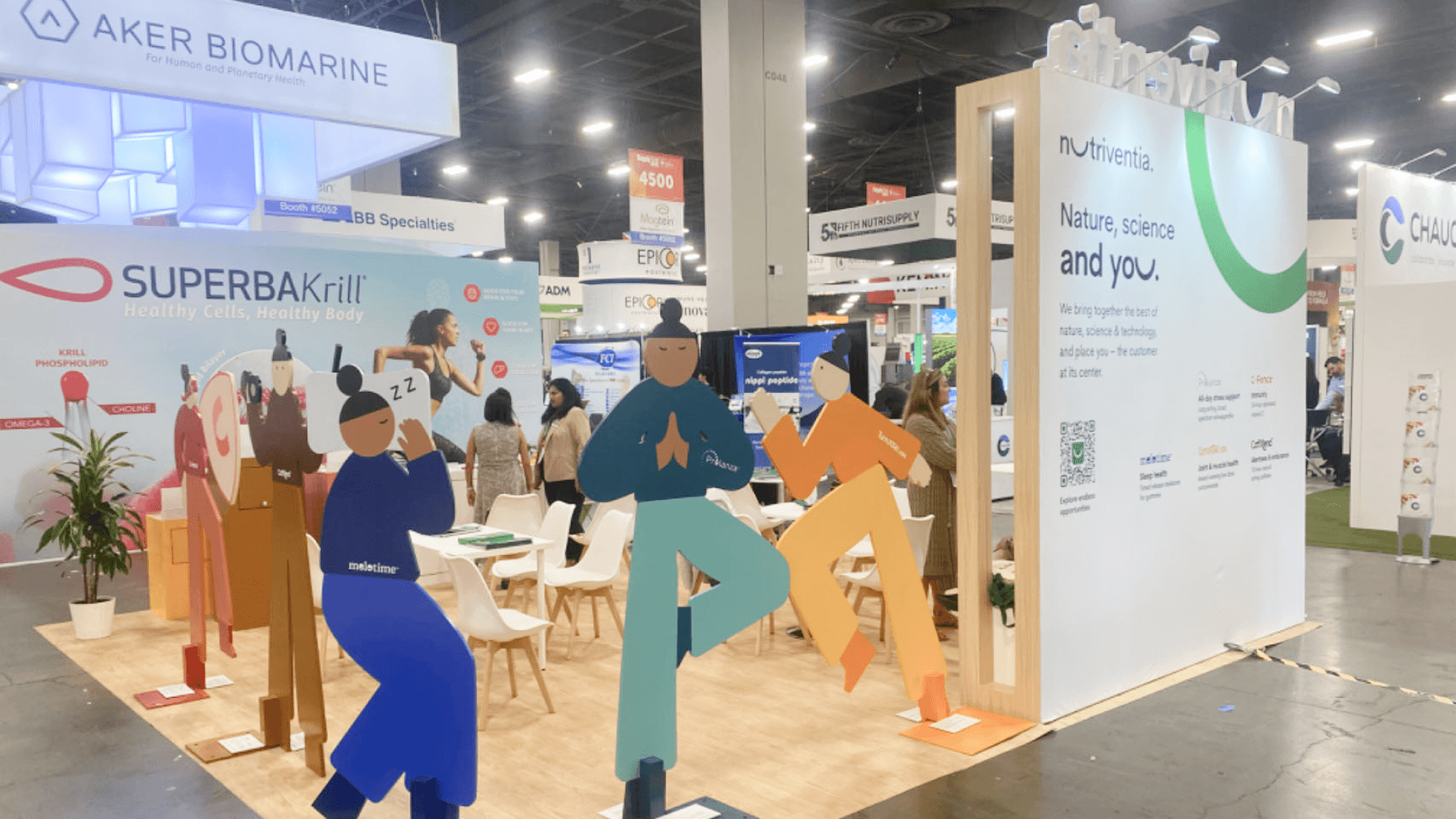
An AI Zone rental booth can combine ground-supported branding, integrated screens, concealed storage, and space for buyer follow-up around one live demo workflow. This approach is useful when the technology experience needs more control than a standard turnkey booth but does not require fully custom architecture.
How much should a HLTH AI demo show?
Show enough to make the healthcare workflow and value clear. Secondary features can follow once the visitor understands the main use case.
Can a HLTH AI Zone booth use a hanging sign?
What if the AI demo depends on live internet?
Does an AI booth need a separate meeting area?
What should be tested before the AI Zone opens?
READY TO PLAN YOUR NEXT BOOTH?
Let’s Build a Booth That Fits Your Event
Share your event name, booth size, city, timeline, product display needs, and design references. Circle Exhibit will review your project direction and help you choose a rental-friendly or custom exhibit path.
3000+
Booth Projects Supported
50+
U.S. Event Cities
Transparent
Quote Review
The Main Hub covers the broader HLTH audience, exhibit formats, meetings, and show-site context.
Useful when one active AI demo needs storage and enough separation for follow-up conversations.
Useful when several demo points or sales and technical roles need to operate at the same time.
Useful when screen sightlines, visitor standing space, demo stations, and staff movement need to be resolved together.
Useful when aisle messaging and ground-supported visual hierarchy need to explain the AI story before the live demo begins.