HD Expo + Conference Booth Planning

How should exhibitors plan an HD Expo booth?
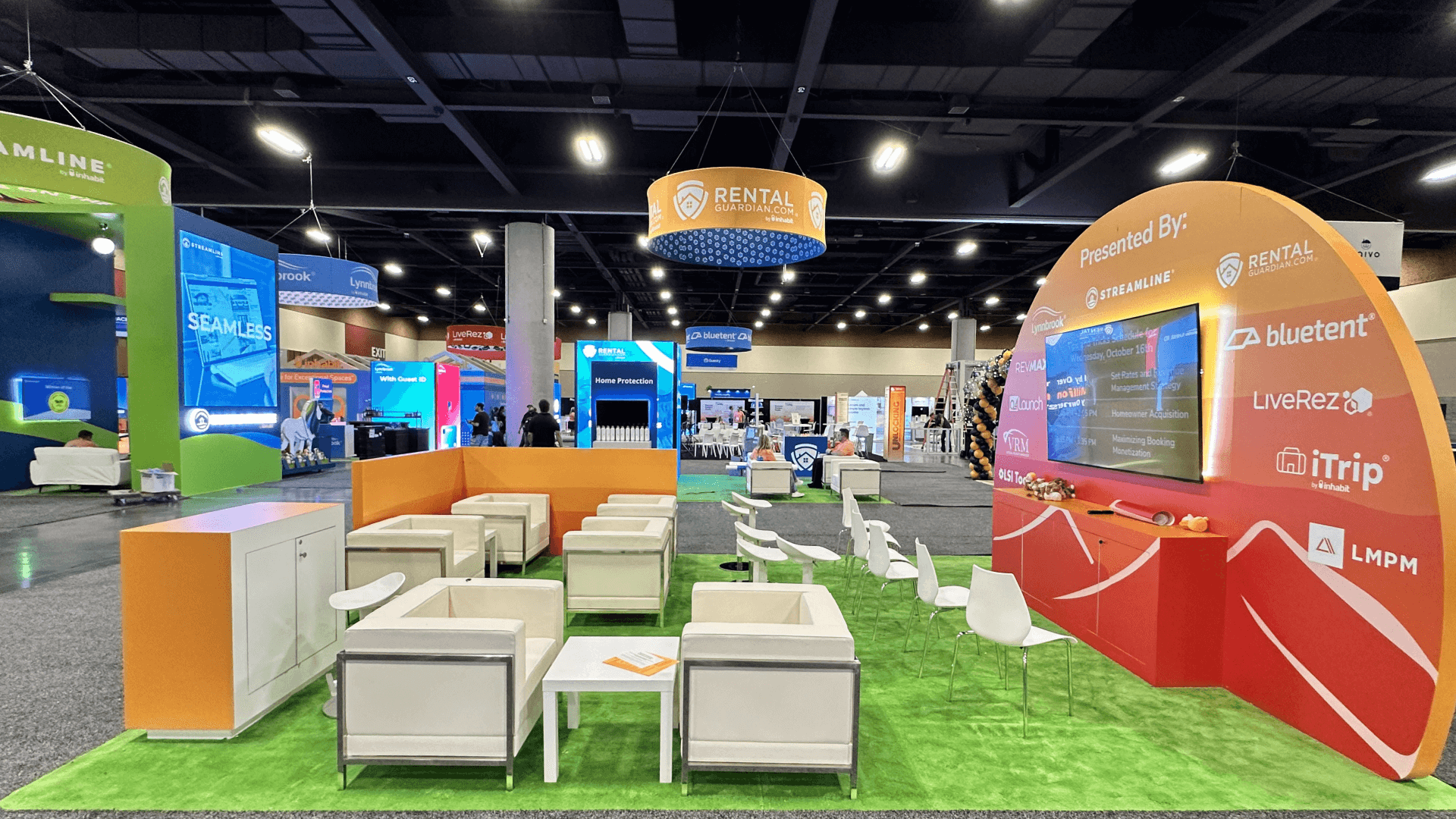
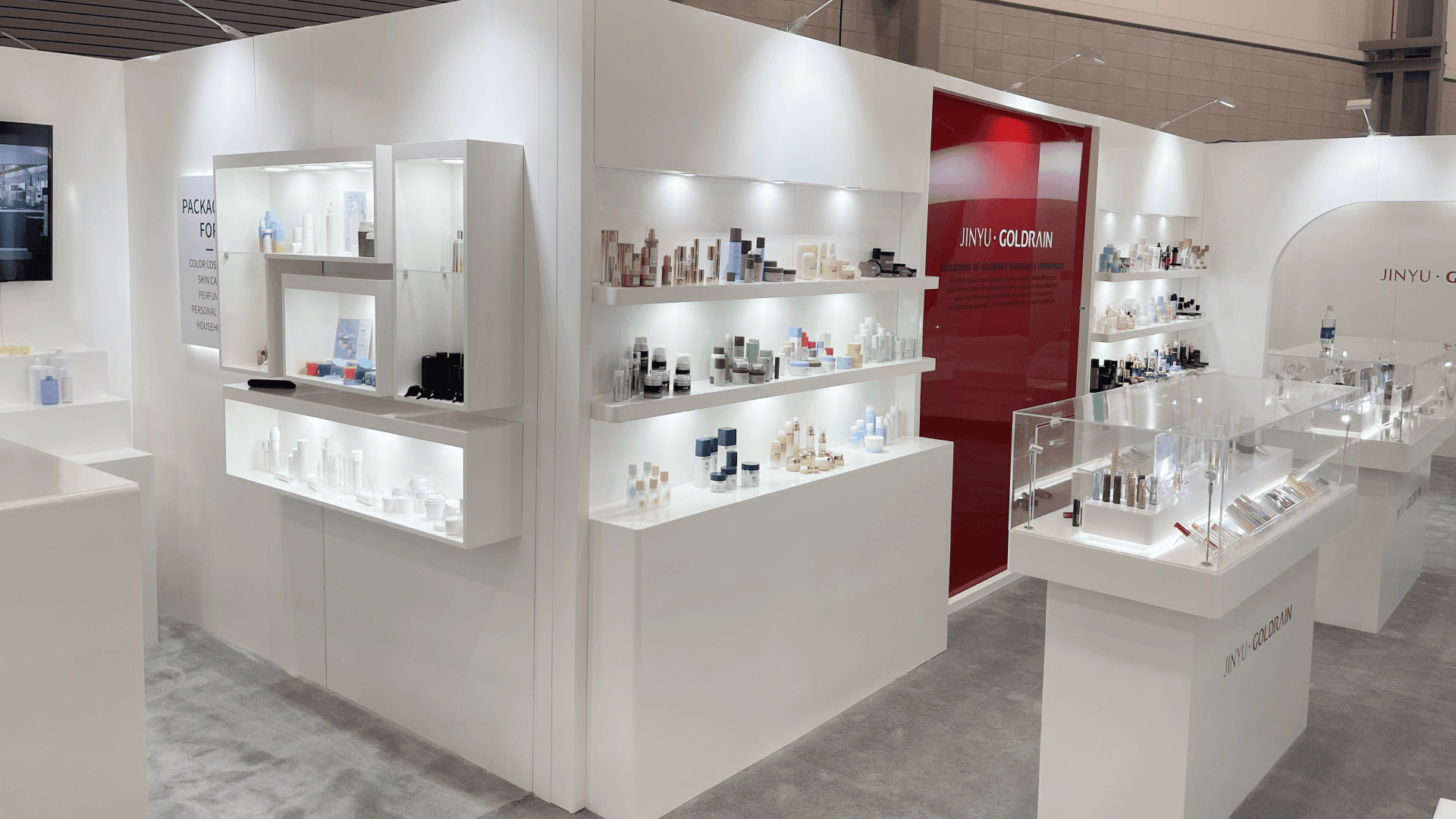
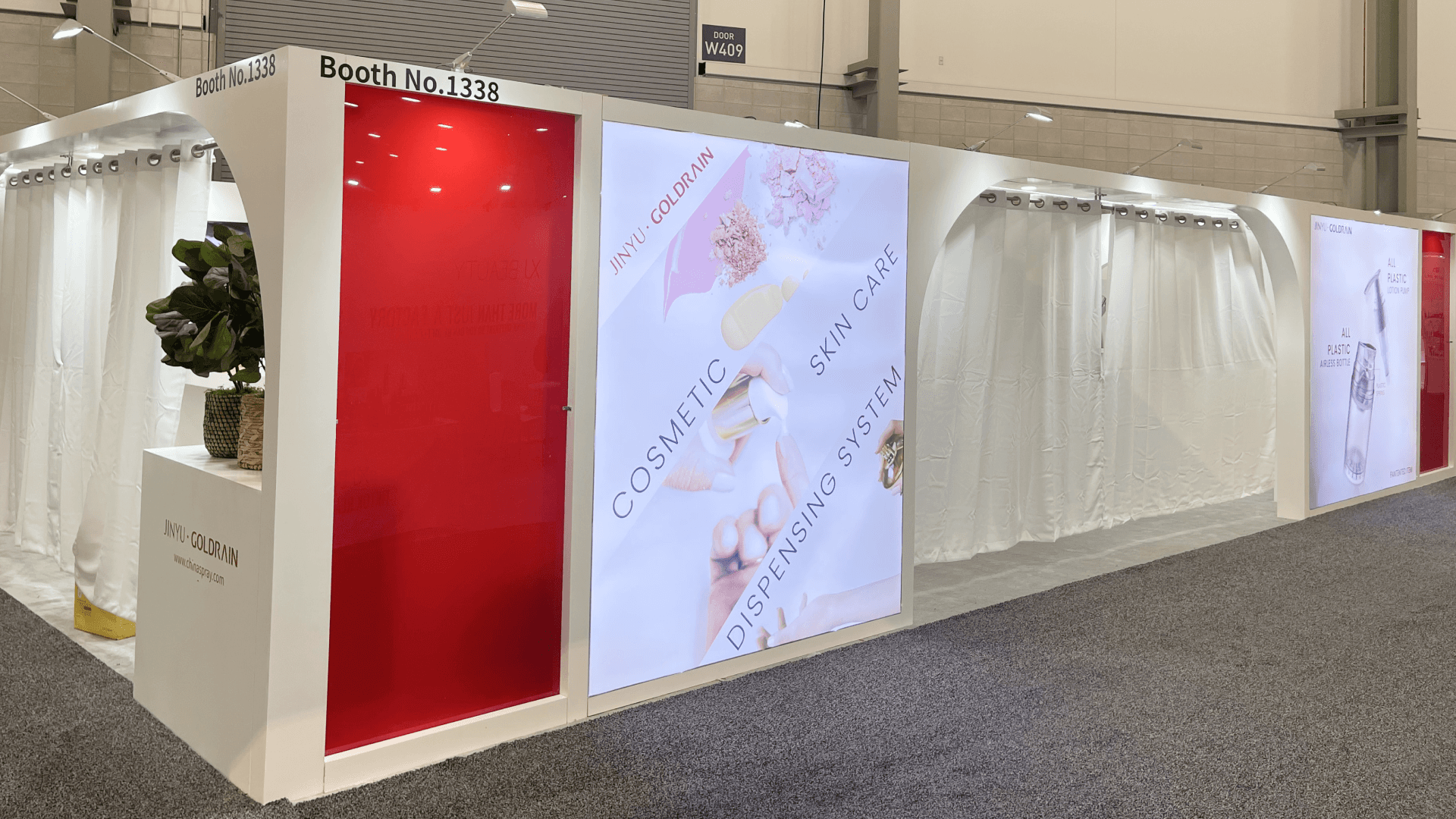
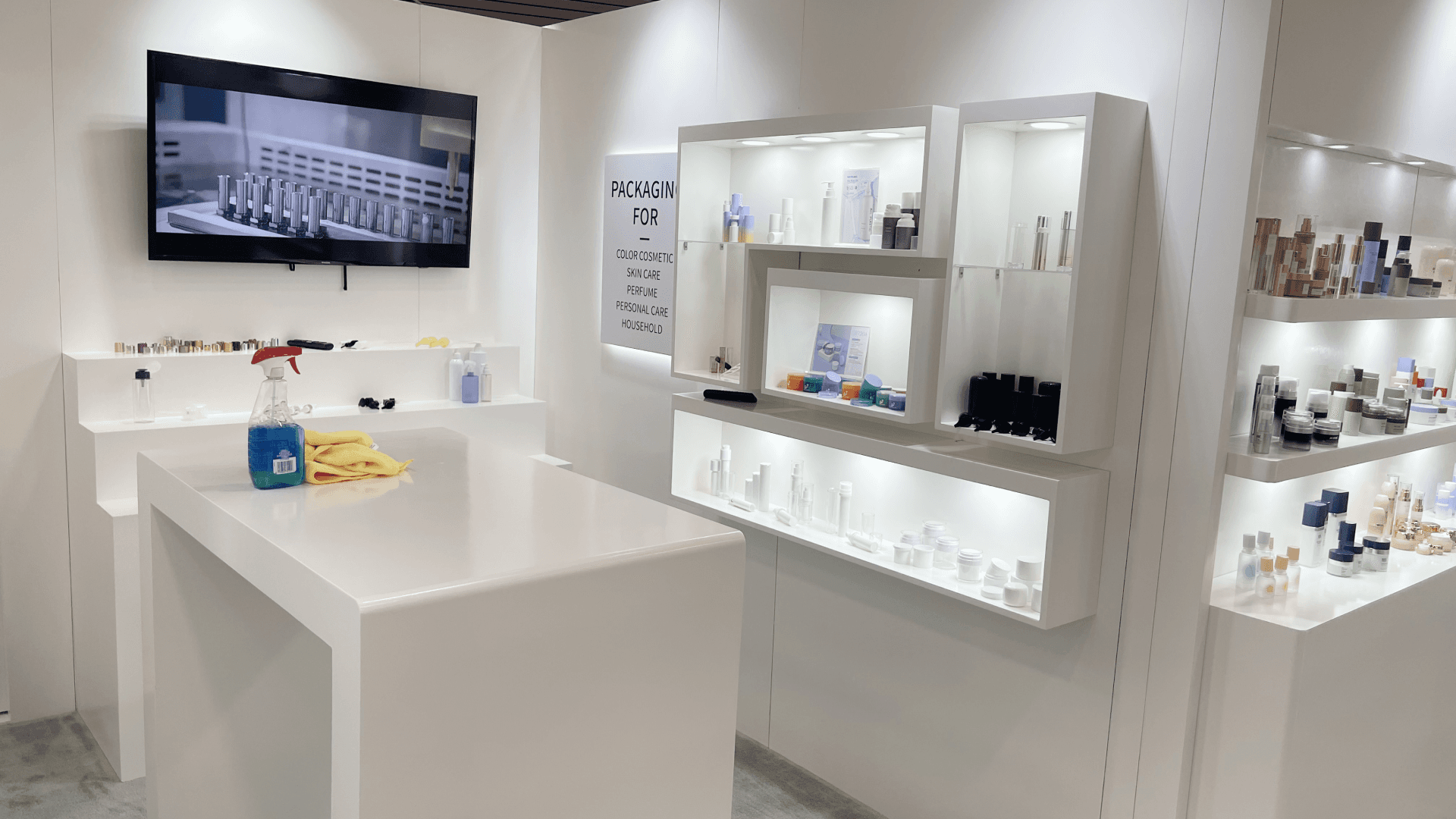
An HD Expo booth should organize hospitality furniture, FF&E, lighting products, textiles, wallcoverings, surface materials, bathroom fixtures, and meeting areas around a showroom-like visitor path. At Mandalay Bay Convention Center, most exhibitors need a 20x20 or 20x30 layout with finish protection, product staging, lighting checks, freight timing, and installation planning.
HD Expo + Conference 2026 brings hospitality designers, hotel owners, architects, purchasing teams, and manufacturers together around FF&E, furniture, lighting, textiles, wallcoverings, surfaces, bathroom fixtures, technology, and guest experience-driven interiors. Unlike shows built around fast product demos, HD Expo booths often need to feel like small hospitality environments where materials, finishes, furniture settings, and lighting details can be evaluated closely.
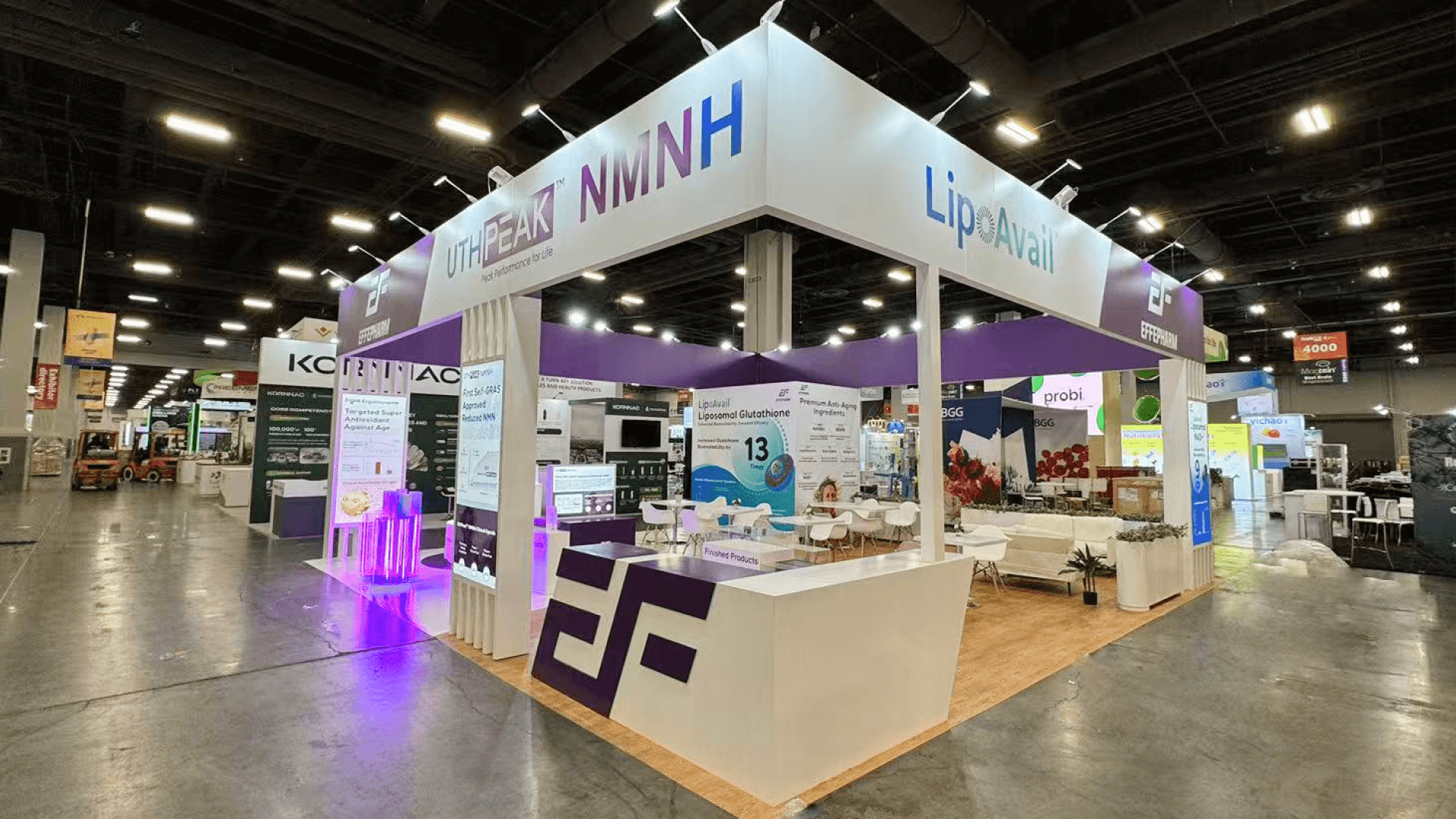
At Mandalay Bay Convention Center in Las Vegas, exhibitors need booth layouts that support both visual attraction and careful product review. A 20x30 trade show booth can give hospitality brands enough space for material displays, furniture groupings, lighting moments, and a meeting counter without making the booth feel crowded or showroom-heavy.
For brands presenting finish-sensitive products, working with a Las Vegas trade show booth builder helps align booth structure, surface protection, lighting integration, freight timing, union labor, and installation sequencing before move-in. Exhibitors with premium finishes, furniture pieces, or integrated lighting should also plan early through on-site installation and dismantle support so the booth is ready before buyer walkthroughs begin.
Why Exhibitors Choose Circle Exhibit
Clear scope, transparent quote review, nationwide booth support, and efficient setup planning for qualified rental and custom exhibit projects.
48hr
Setup Window
10+
Years Since 2014
U.S.
Trade Show Support
Real
Booth Project Proof
HD Expo exhibitors should choose booth size based on product scale, furniture placement, finish sensitivity, lighting needs, sample display depth, storage, and meeting flow. Hospitality design booths often need to feel like small interior environments, not simple product displays, so spacing and visitor movement matter early in planning.
A 10x20 booth can work for focused hospitality brands with one main product story, a branded backwall, material samples, one lighting moment, or a compact meeting counter. This size should stay simple so furniture pieces, finish boards, and buyer conversations do not crowd the aisle.
A 20x30 booth planning direction is often stronger for HD Expo exhibitors that need furniture groupings, lighting features, sample walls, surface displays, and a meeting counter in one controlled environment. This size helps separate visual attraction, product review, and deeper buyer discussion.
A 20x20 booth planning approach gives HD Expo exhibitors more room for material boards, textile samples, fixture displays, a small furniture setting, and buyer conversations. It works well when designers and purchasing teams need to compare finishes without entering a crowded showroom-style booth.
Larger island booths are useful for exhibitors with multiple furniture collections, lighting systems, hospitality room settings, surface categories, or private buyer meetings. These layouts should plan product staging, finish protection, electrical access, storage, staff zones, and final detail checks before production.
HD Expo booth planning is usually tied to booth size, material display depth, lighting control, furniture staging, visitor flow, rental structure choices, freight timing, and Mandalay Bay setup. Exhibitors can use supporting articles to compare layout and execution decisions before finalizing production.
For layout decisions, booth size and visitor flow planning explains how 10x20, 20x20, 20x30, and larger booths affect product viewing, meeting areas, storage, staff handoff, and aisle movement. This is useful for hospitality exhibitors because buyers often need both open browsing and close material review.
For lighting-sensitive displays, the trade show booth lighting guide can help exhibitors think through LED lighting, color temperature, product focus, power access, and final visual checks before the booth opens.
For brands comparing flexible structures with more customized environments, modular exhibit systems and customizable rental booths can help explain how reusable booth systems, branded graphics, counters, lighting, and installation planning fit together.
HD Expo booth planning should help hospitality designers, hotel owners, architects, and purchasing teams evaluate products closely. Furniture, lighting, textiles, wallcoverings, surfaces, bathroom fixtures, accessories, and technology displays need clear spacing, accurate lighting, finish protection, and a booth flow that supports detailed buyer review.
Furniture, fixtures, and equipment should be placed so buyers can understand scale, material quality, comfort, and use case. The booth layout should avoid turning product groupings into storage while still giving staff room to explain specifications.
Textiles, wallcoverings, flooring samples, surface panels, and hardware details need close inspection. Display height, lighting, sample grouping, and counter placement should help buyers compare texture, color, durability, and application.
Lighting brands need more than fixture placement. Power access, cable routing, brightness, color temperature, reflection control, and surrounding surfaces should be planned together so the product reads correctly inside the booth.
HD Expo conversations often move from product interest into specifications, hospitality project fit, lead times, customization, and purchasing details. A meeting counter or small seated area helps keep serious discussions separate from open product viewing.
HD Expo + Conference brings hospitality designers, hotel owners, architects, purchasing teams, and manufacturers together around furniture, lighting, textiles, surfaces, accessories, technology, and interior environments used in hotels, resorts, restaurants, bars, lounges, and public spaces.
Held at Mandalay Bay Convention Center in Las Vegas, HD Expo booths need careful planning for freight timing, union labor, installation sequencing, finish protection, and product readiness before buyer walkthroughs and scheduled meetings begin.
Many HD Expo exhibits present furniture, material samples, lighting systems, wall finishes, bathroom fixtures, and interior lifestyle settings. Booth planning should make these products easy to view, compare, touch, and discuss without crowding the aisle.
Not Sure Which Booth Size You Need?
Not every exhibitor knows whether a 10x20, 20x20, 20x30, or larger booth is the right fit. Circle Exhibit can help review your event goals, product display needs, demo areas, meeting space, storage, budget scope, and setup timeline before you choose a booth size.
Finish Quality & Detail Visibility
Lighting Integration
1
Confirm Product Dimensions & Weight
2
3
4
Rental works for focused hospitality displays
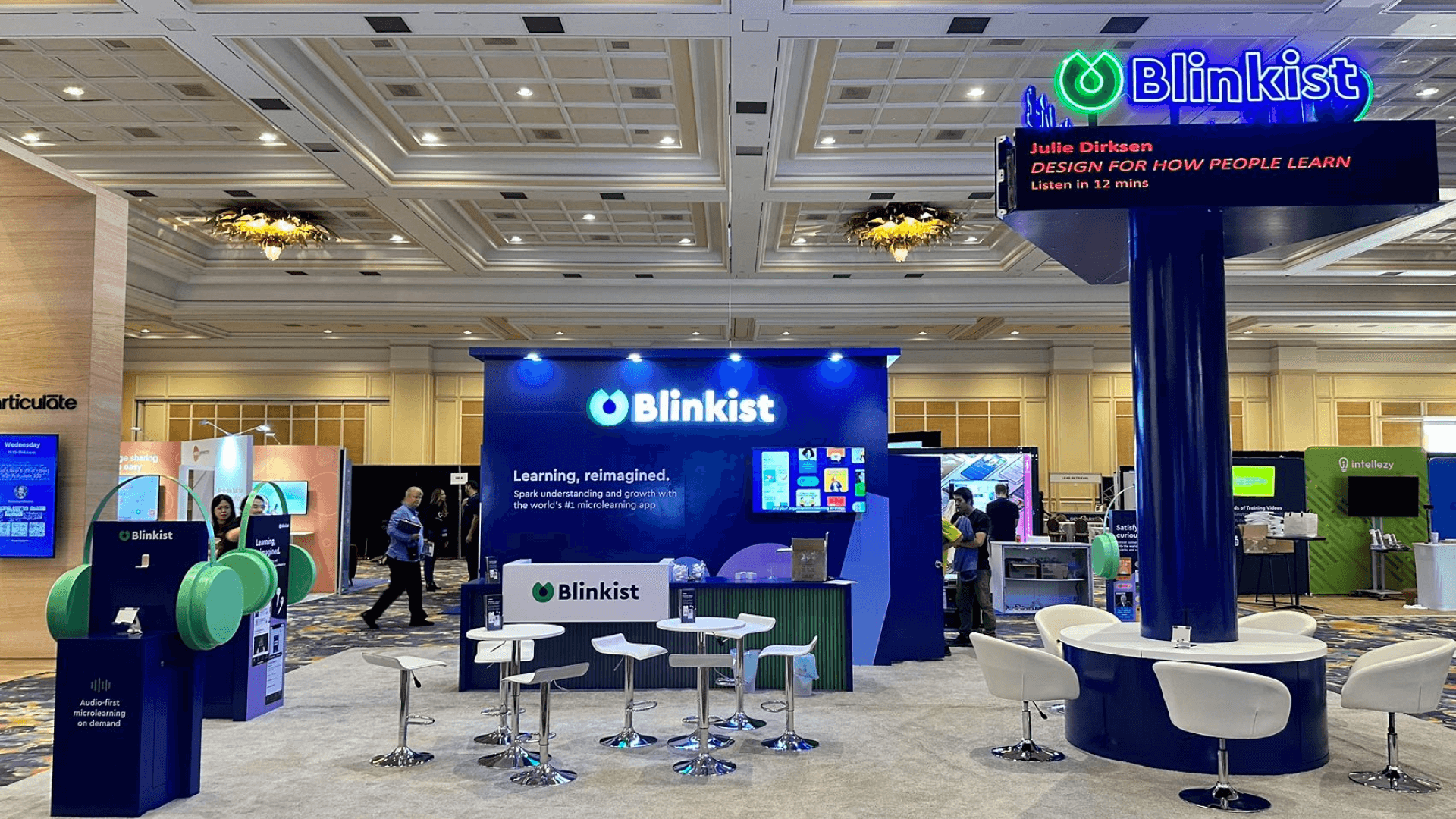
A customizable booth rental in Las Vegas can work well for HD Expo exhibitors with a focused product story, branded backwall, sample counter, furniture display, lighting moment, meeting point, and clean aisle flow. It is especially practical for 10x20 and 20x20 booths that need a polished hospitality presentation without a fully custom environment.
Custom build helps with environment-style booths
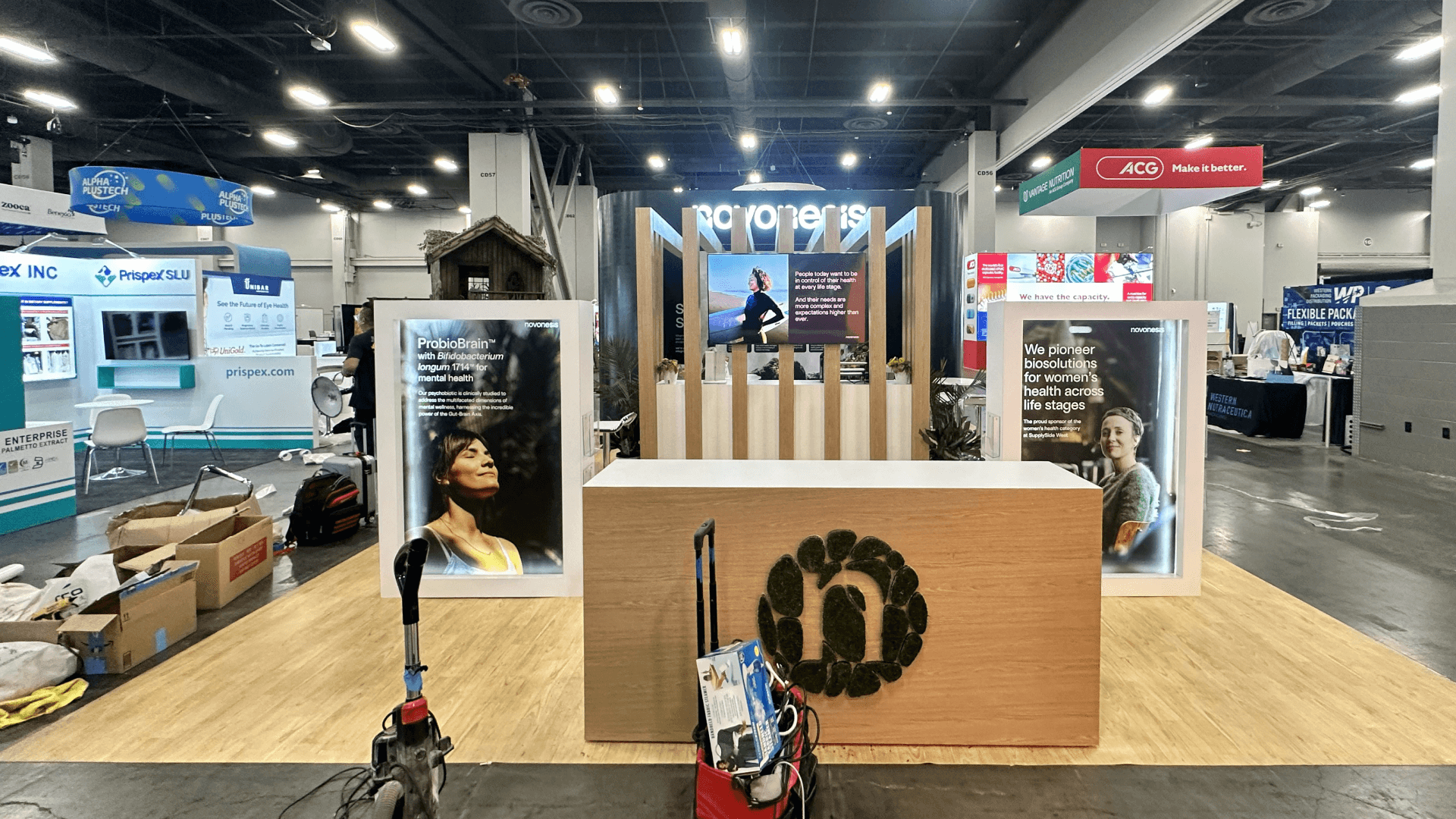
A custom booth build is better when the exhibitor needs built-in room settings, heavier furniture staging, integrated lighting, custom millwork, premium surface transitions, private buyer meetings, or multi-show reuse. HD Expo brands should work with a Las Vegas trade show booth builder when structure, finish control, and installation details become more complex.
Choose based on product review flow
The best option depends on booth size, product count, furniture scale, material display depth, meeting style, storage, lighting, freight timing, and Mandalay Bay installation sequence. Exhibitors should decide after mapping product placement, buyer movement, sample access, staff zones, and opening-day detail checks.
Freight release and booth delivery timing should be coordinated around Mandalay Bay move-in windows, crate access, and aisle traffic so heavy furniture and finish-sensitive materials arrive in a workable order.
Integrated lighting, illuminated shelves, screens, and powered product displays should be coordinated before installation so electrical access supports the intended product presentation.
Integrated lighting, illuminated shelves, screens, and powered product displays should be coordinated before installation so electrical access supports the intended product presentation.
Before the show opens, exhibitors should review surface cleanliness, furniture placement, sample labels, lighting alignment, storage access, meeting-area readiness, and staff paths. Small details matter more when buyers are evaluating design quality up close.
Customizable Booth Rental for HD Expo
For exhibitors that want a professional hospitality design presentation without building every component from scratch, a customizable booth rental can be a practical fit for HD Expo. Rental booth planning can support branded backwalls, material counters, furniture groupings, lighting features, sample displays, meeting space, hidden storage, and clean visitor flow inside Mandalay Bay. A rental booth works best when the product story is confirmed early. Exhibitors should map furniture pieces, FF&E displays, lighting needs, surface samples, wallcoverings, bathroom fixtures, graphics, storage, staff movement, and buyer conversation areas before production. The goal is not only a clean booth structure, but a booth that helps designers and purchasing teams evaluate hospitality products with confidence.
What booth sizes work well for HD Expo exhibitors?
Many HD Expo exhibitors use 10x20, 20x20, or 20x30 booths depending on product scale and meeting needs. A 20x30 booth is often useful for furniture settings, material sample walls, lighting features, and a meeting counter without making the space feel crowded.
How should hospitality design products be displayed at HD Expo?
What makes on-site execution at Mandalay Bay important for HD Expo?
READY TO PLAN YOUR NEXT BOOTH?
Let’s Build a Booth That Fits Your Event
Share your event name, booth size, city, timeline, product display needs, and design references. Circle Exhibit will review your project direction and help you choose a rental-friendly or custom exhibit path.
3000+
Booth Projects Supported
50+
U.S. Event Cities
Transparent
Quote Review
Review Mandalay Bay Convention Center booth setup for hospitality furniture displays, material samples, lighting products, meeting areas, freight timing, and show-floor execution.
Plan booth design, fabrication coordination, logistics, installation, and show-site setup for HD Expo and other Las Vegas trade shows.
Use a 20x30 layout for hospitality furniture groupings, sample walls, lighting features, meeting counters, storage, and buyer review flow.
Plan booth layout, environment-style structure, product placement, visitor flow, lighting integration, and finish-sensitive details before production begins.
Coordinate booth installation, furniture staging, lighting checks, graphics placement, finish protection, dismantle planning, and crate return after the show.