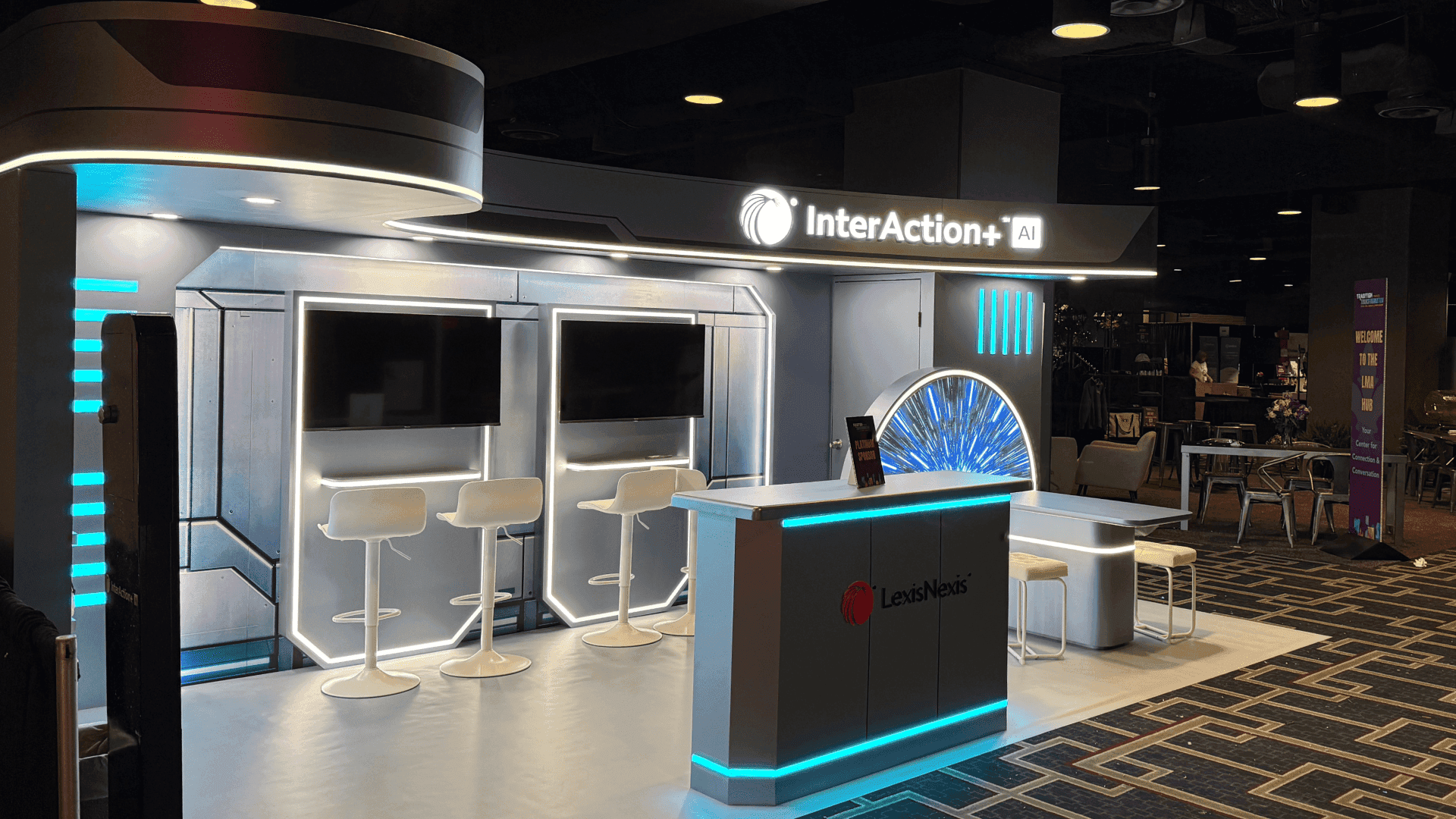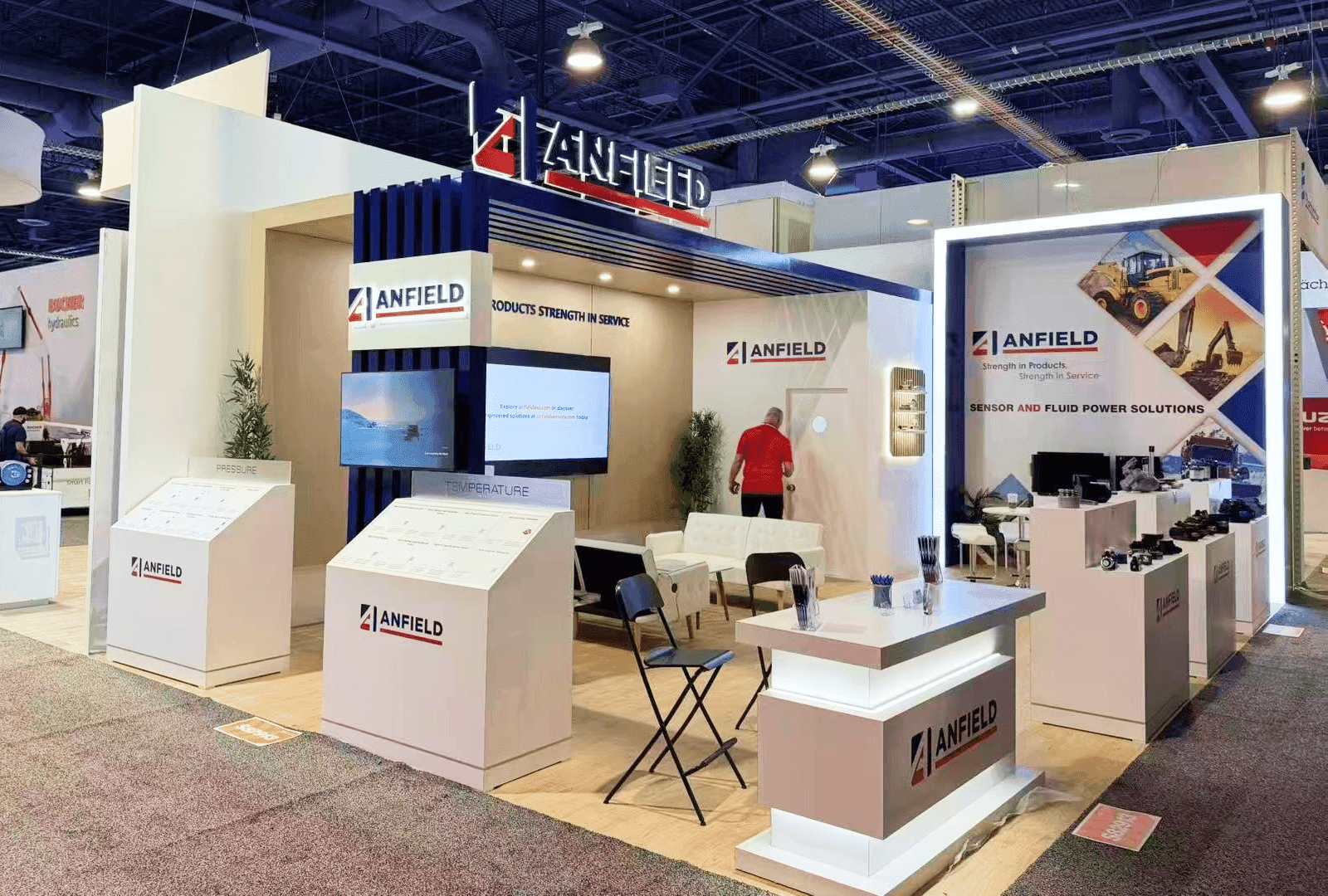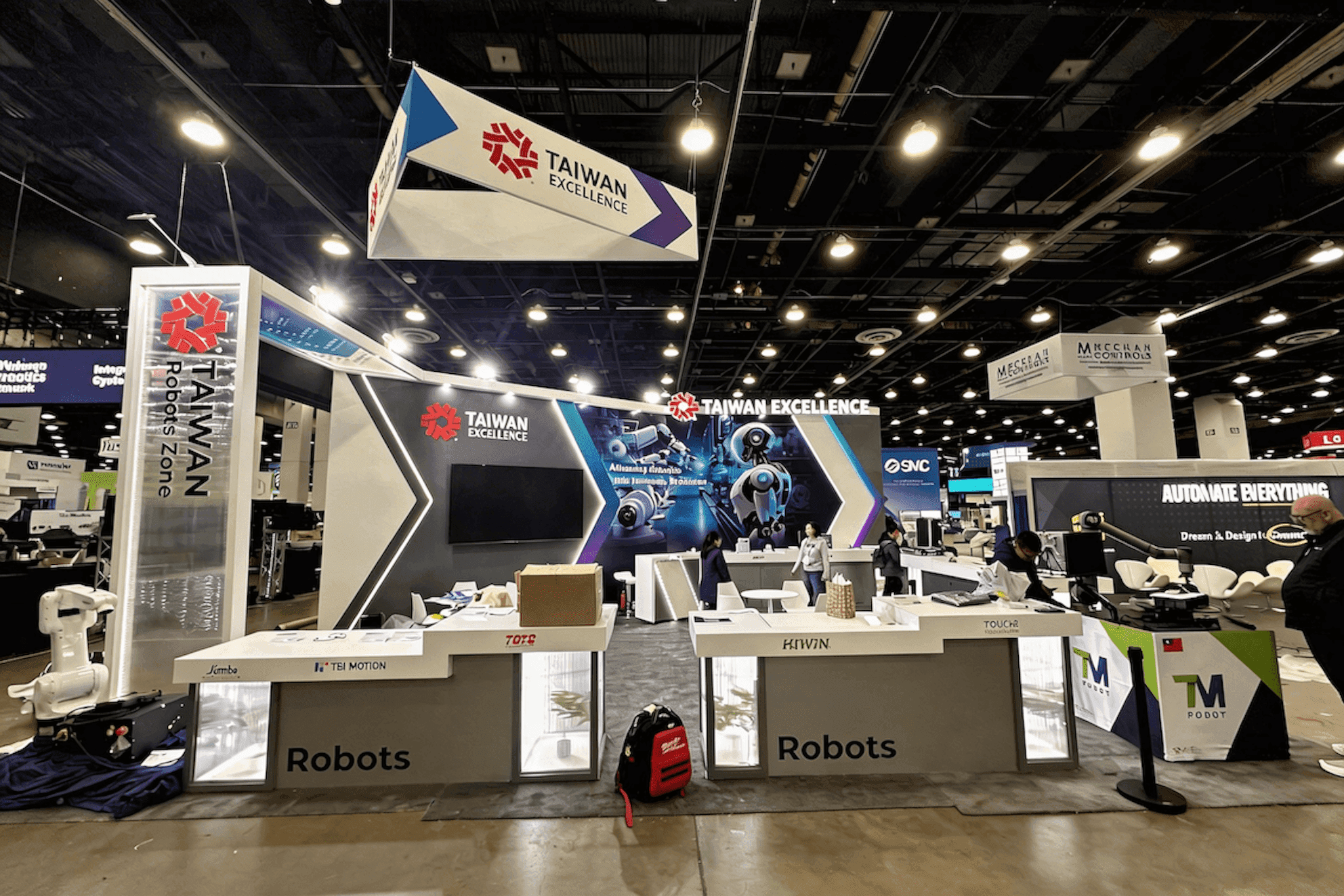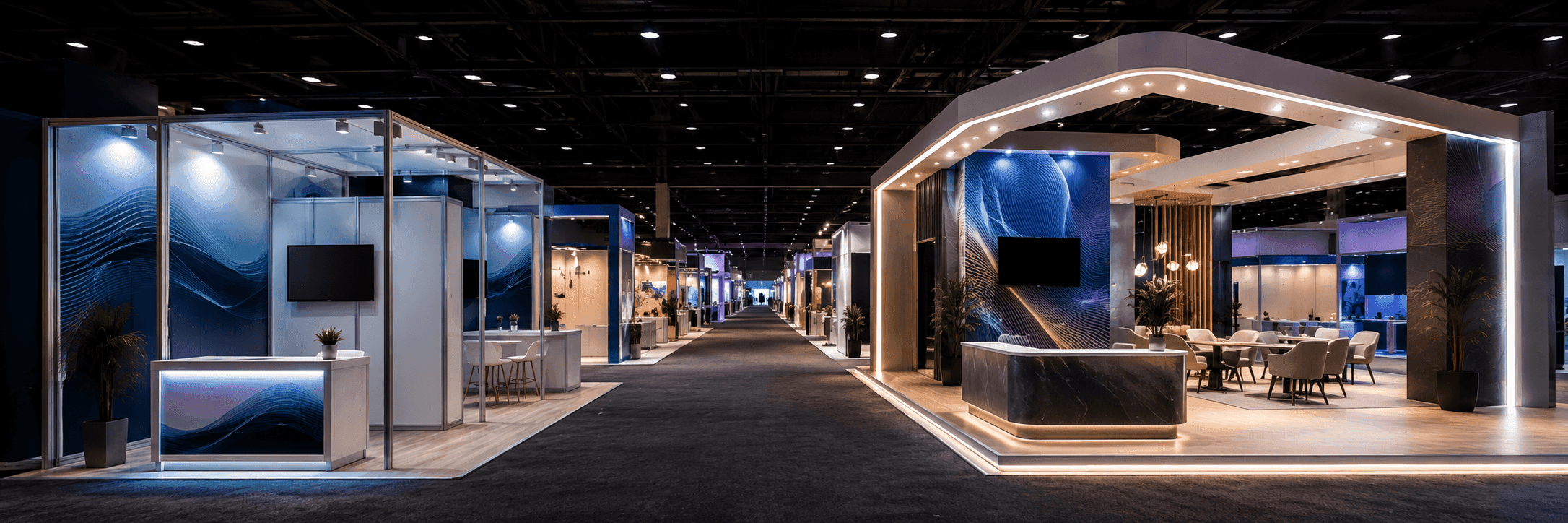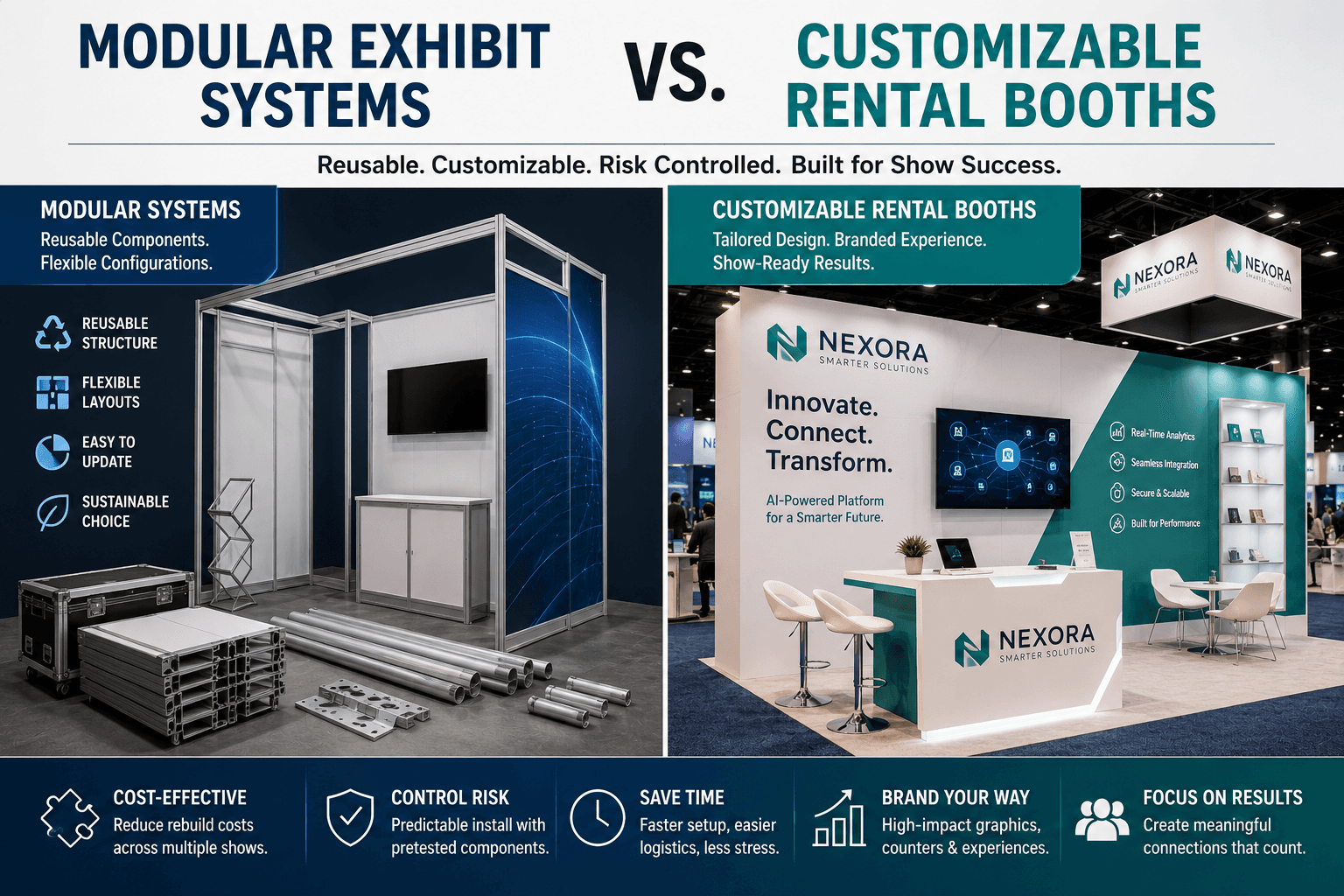
Modular exhibit system and customizable rental booth layout with reusable wall panels, branded graphics, demo counter, storage, and staged installation components

/

/

/

/

Modular Exhibit Systems vs Customizable Rental Booths

Modular Exhibit Systems vs Customizable Rental Booths

Modular Exhibit Systems vs Customizable Rental Booths

Modular Exhibit Systems vs Customizable Rental Booths

Published:

Jan 6, 2026

Updated:

Jan 6, 2026

Circle Exhibit Team

Industry professionals

Exhibition industry professional dedicated to delivering the latest insights and curated recommendations to you.

Exhibition industry professional dedicated to delivering the latest insights and curated recommendations to you.

Modular booth systems are not low-end booth options. When planned correctly, they help exhibitors reuse structures, customize branded surfaces, and reduce show-site installation risk without giving up a professional booth presentation.

Modular booth systems are not low-end booth options. When planned correctly, they help exhibitors reuse structures, customize branded surfaces, and reduce show-site installation risk without giving up a professional booth presentation.

Modular booth systems are not low-end booth options. When planned correctly, they help exhibitors reuse structures, customize branded surfaces, and reduce show-site installation risk without giving up a professional booth presentation.

Quick Answer: Are modular exhibit systems the same as customizable rental booths?

Modular exhibit systems are reusable structural components, while customizable rental booths use those components with tailored graphics, counters, layouts, lighting, and demo zones. Modular does not mean low-end. It can help exhibitors control reuse, brand presentation, and show-site installation risk when the booth is planned as a complete system.

Quick Answer: Are modular exhibit systems the same as customizable rental booths?

Modular exhibit systems are reusable structural components, while customizable rental booths use those components with tailored graphics, counters, layouts, lighting, and demo zones. Modular does not mean low-end. It can help exhibitors control reuse, brand presentation, and show-site installation risk when the booth is planned as a complete system.

Many exhibitors hear “modular” and assume it means basic, temporary, or lower quality. That is not the right way to understand modern rental booth planning. A modular exhibit system can become the foundation for a polished, customizable booth when the layout, graphics, counters, storage, and installation sequence are planned around the exhibitor’s real show-floor needs.


Modular Does Not Mean Low-End

Modular exhibit systems are often misunderstood.

Some exhibitors think modular means a standard booth pulled from a catalog with little room for brand control. In reality, modular systems are better understood as a structural method. They use reusable frames, wall panels, counters, shelving, mounts, and display components that can be configured for different booth sizes and show needs.

The final booth can still feel custom.

That depends on how the system is planned:

  • how the walls are arranged

  • where the demo counter sits

  • how graphics are sized and installed

  • how storage is hidden

  • how visitor flow is controlled

  • how the booth is packed, staged, and installed

A modular booth feels basic when it is treated like a package. It feels professional when it is planned as an exhibit system.

What Is a Modular Exhibit System?

A modular exhibit system is the reusable structure behind a booth.

It may include aluminum frames, wall panels, fabric graphic systems, counters, shelves, monitor mounts, lightboxes, flooring, and storage units. These parts can be reused, reconfigured, and updated for different shows.

The main value is control.

A modular system helps exhibitors avoid rebuilding every part from scratch. It also helps the booth team understand how components fit, pack, ship, stage, and install.

A modular system is especially useful when an exhibitor needs:

  • repeat show use

  • updated graphics by campaign

  • flexible booth sizes

  • faster setup planning

  • predictable structure

  • cleaner install sequencing

  • lower risk of on-site fit problems

The system itself is not the final experience. It is the base that supports the booth experience.

For broader background, this older article on modular exhibition systems explains how modular structures can support flexible exhibit programs.

What Is a Customizable Rental Booth?

A customizable rental booth is the exhibitor-facing solution built from a planned rental system.

It may use modular components, but the booth is customized through layout, graphics, counters, lighting, product displays, demo areas, meeting space, and storage. The goal is not to make every structure from zero. The goal is to create a booth that fits the brand, booth size, show goal, and installation conditions.

A strong customizable trade show booth rental in Las Vegas should still feel intentional.

It should answer practical questions:

  • What should visitors see first?

  • Where should the demo happen?

  • Where should buyer conversations move?

  • How much storage is needed?

  • What graphics need to be replaced for each show?

  • How will the booth install within the move-in window?

Customization does not always mean full fabrication. Sometimes it means using rental components intelligently.

Modular Exhibit Systems vs Customizable Rental Booths

Area

Modular Exhibit System

Customizable Rental Booth

Core meaning

Reusable structural parts and display components

A booth solution built from rental structure plus custom planning

Main value

Reuse, flexibility, predictable setup

Brand fit, booth behavior, show-specific presentation

Customization method

Reconfiguration, graphics, counters, mounts, panels

Layout, graphics, demo zones, meeting areas, product display

Best use

Multi-show planning and adaptable booth programs

Exhibitors needing a polished booth without full custom build

Risk control

Reduces unknowns in fit, packing, and installation

Connects booth structure with show-floor needs

Brand role

Provides surfaces and structure

Turns those surfaces into a branded visitor experience

The difference is simple:

A modular system is the structure.
A customizable rental booth is the planned booth experience built from that structure.

Why Modular Systems Help With Reuse

Modular systems are valuable because they can support repeat use without repeating the entire production process.

An exhibitor may attend several shows with different booth sizes, messages, or product focuses. Instead of rebuilding the booth each time, the team can reuse structural elements and update the parts that need to change.

Reusable elements may include:

  • wall frames

  • counters

  • shelving

  • monitor mounts

  • lightbox structures

  • storage cabinets

  • flooring sections

  • graphic hardware

The graphics, layout, product focus, and meeting area can change by event.

This is useful for exhibitors that need consistency across shows but still want each booth to feel relevant to the specific audience.

Reuse is not only about saving materials. It is also about reducing uncertainty.

How Customization Happens in a Modular Rental Booth

Customization usually happens through the visitor experience, not only through the structure.

A modular rental booth can be customized in several ways:

Customizable Area

How It Changes the Booth

Graphic walls

Create the main brand message and product category clarity

Counter placement

Controls first interaction and staff position

Demo zone

Supports product testing, software demos, samples, or screens

Meeting area

Gives qualified visitors a place to continue the conversation

Product display

Shows samples, devices, packaging, or technical components

Lighting

Highlights the main wall, demo counter, or product area

Storage

Keeps staff items and operating supplies hidden

Screen placement

Supports product explanation and sales conversations

This is why modular rental does not need to look generic.

A booth can use reusable structure and still feel specific to the exhibitor.

How Modular Rental Helps Control Installation Risk

Modular systems can reduce installation risk because the parts are more predictable.

When booth components are known, labeled, packed, and checked before shipping, the install crew has a clearer path on-site. This matters in Las Vegas, where move-in timing, drayage, freight release, union labor coordination, and booth setup sequencing can create pressure.

A modular rental booth can help reduce uncertainty around:

  • which frame pieces install first

  • where graphics fit

  • how counters align

  • where lights or screens mount

  • how storage is placed

  • what hardware is needed

  • how crates should be staged

  • what can be checked before the show

This is where booth fabrication and prebuild checks still matter.

Rental does not remove the need for production control. A rental booth should still be checked for fit, graphics, hardware, finish, and install sequence before it reaches the hall.

Why “Customizable Rental” Is Better Than “Cheap Rental” Positioning

Customizable rental should not be sold as a cheap shortcut.

That positioning weakens the value of the booth. It also attracts the wrong expectation. A professional rental booth still needs planning, graphics, logistics, installation, and show-site control.

A better way to explain rental is:

  • flexible structure

  • brand-specific graphics

  • adaptable layout

  • reusable components

  • controlled installation

  • efficient show planning

  • professional presentation without building every element from zero

This framing fits Circle Exhibit’s positioning better.

The booth is not cheaper because it is modular. It is more controlled because the system is planned before the show.

Where Modular Rental Works Best

Modular rental works best when the exhibitor needs a strong booth environment but does not need fully custom architecture.

Good use cases include:

  • 20x20 rental booths with one demo counter and meeting area

  • 20x30 booths with product display and sales conversations

  • tech booths with screen-based demos

  • ingredient booths with sampling counters and storage

  • security booths with controlled software demos

  • clean energy booths with product samples and technical graphics

  • repeat show programs needing updated campaign graphics

It is less ideal when the booth depends on highly unique architecture, heavy custom product integration, complex overhead structures, or fully custom millwork.

The decision should come from booth behavior, not from the word “modular.”

How Modular Systems Support Brand Presentation

Brand presentation depends on how the surfaces are used.

A modular wall is only a wall until the graphic system gives it a job. A counter is only a counter until it supports the demo, staff position, storage, or lead capture process.

Strong modular rental planning should define:

  • the main aisle-facing message

  • the product category statement

  • the demo purpose

  • where the visitor should stop

  • what screen or product display supports the message

  • where deeper buyer conversations happen

This is especially important for technology, healthcare, clean energy, security, and product demo booths.

Visitors do not judge the booth by whether the frame is modular. They judge whether the booth is clear, professional, and easy to understand.

How Modular Booth Planning Affects Show-Site Setup

Show-site setup is one of the main reasons modular systems can be useful.

A booth that uses reusable structure can be easier to stage and install when the parts are labeled and the sequence is clear. The crew can identify wall frames, counters, shelves, graphic panels, and hardware faster than with a one-off system that has not been tested.

Strong on-site installation and dismantle support should account for:

  • component labeling

  • crate order

  • first-needed materials

  • graphics installation sequence

  • counter and storage placement

  • screen and lighting setup

  • final punch-list checks

  • dismantle and repacking logic

This is where modular systems support risk control.

They help the install team avoid solving too many unknowns during move-in.

Common Misunderstandings About Modular Rental Booths

Many exhibitors reject modular systems because they misunderstand what modular means.

Misunderstanding 1: Modular means generic

Not necessarily. A booth becomes generic when it is not planned around the brand, message, and visitor flow.

Misunderstanding 2: Modular means low quality

The quality depends on materials, finishes, graphics, lighting, and installation control.

Misunderstanding 3: Rental cannot feel custom

A rental booth can feel custom when the layout, graphics, counters, screens, and display zones are tailored to the exhibitor.

Misunderstanding 4: Modular is only for small booths

Modular systems can support 20x20, 20x30, and larger booth programs when the structure fits the show goal.

Misunderstanding 5: Rental is only about budget

Rental is also about speed, reuse, flexibility, and setup control.

The key is not whether the booth is modular. The key is whether the booth is planned well.

Planning Checklist for a Customizable Modular Rental Booth

A strong modular rental plan starts with booth behavior.

Checklist

  • What booth size will the exhibitor use?

  • What should visitors notice first?

  • Does the booth need a demo counter, product display, meeting area, or sampling zone?

  • Which structure can be reused across shows?

  • Which graphics need to change by event or campaign?

  • Where should storage be hidden?

  • What needs to be checked before shipping or staging?

  • How should crates be labeled for installation?

  • Where are power, screens, or lighting needed?

  • What parts must be protected during move-in and dismantle?

  • Can the booth be installed in a clear sequence?

This checklist keeps modular rental focused on execution, not just component selection.

Final Takeaway

Modular exhibit systems and customizable rental booths should not be treated as low-end options.

A modular system gives the booth a reusable, flexible, and predictable structure. A customizable rental booth turns that structure into a branded exhibit environment with graphics, counters, demo areas, meeting space, storage, and installation planning.

The best result comes when both ideas work together.

The system provides control.
The customization creates the visitor experience.
The installation plan protects the booth on-site.

That is why modular rental can be a strong choice for exhibitors who need a professional booth without building every element from zero.

Modular Does Not Mean Low-End

Modular exhibit systems are often misunderstood.

Some exhibitors think modular means a standard booth pulled from a catalog with little room for brand control. In reality, modular systems are better understood as a structural method. They use reusable frames, wall panels, counters, shelving, mounts, and display components that can be configured for different booth sizes and show needs.

The final booth can still feel custom.

That depends on how the system is planned:

  • how the walls are arranged

  • where the demo counter sits

  • how graphics are sized and installed

  • how storage is hidden

  • how visitor flow is controlled

  • how the booth is packed, staged, and installed

A modular booth feels basic when it is treated like a package. It feels professional when it is planned as an exhibit system.

What Is a Modular Exhibit System?

A modular exhibit system is the reusable structure behind a booth.

It may include aluminum frames, wall panels, fabric graphic systems, counters, shelves, monitor mounts, lightboxes, flooring, and storage units. These parts can be reused, reconfigured, and updated for different shows.

The main value is control.

A modular system helps exhibitors avoid rebuilding every part from scratch. It also helps the booth team understand how components fit, pack, ship, stage, and install.

A modular system is especially useful when an exhibitor needs:

  • repeat show use

  • updated graphics by campaign

  • flexible booth sizes

  • faster setup planning

  • predictable structure

  • cleaner install sequencing

  • lower risk of on-site fit problems

The system itself is not the final experience. It is the base that supports the booth experience.

For broader background, this older article on modular exhibition systems explains how modular structures can support flexible exhibit programs.

What Is a Customizable Rental Booth?

A customizable rental booth is the exhibitor-facing solution built from a planned rental system.

It may use modular components, but the booth is customized through layout, graphics, counters, lighting, product displays, demo areas, meeting space, and storage. The goal is not to make every structure from zero. The goal is to create a booth that fits the brand, booth size, show goal, and installation conditions.

A strong customizable trade show booth rental in Las Vegas should still feel intentional.

It should answer practical questions:

  • What should visitors see first?

  • Where should the demo happen?

  • Where should buyer conversations move?

  • How much storage is needed?

  • What graphics need to be replaced for each show?

  • How will the booth install within the move-in window?

Customization does not always mean full fabrication. Sometimes it means using rental components intelligently.

Modular Exhibit Systems vs Customizable Rental Booths

Area

Modular Exhibit System

Customizable Rental Booth

Core meaning

Reusable structural parts and display components

A booth solution built from rental structure plus custom planning

Main value

Reuse, flexibility, predictable setup

Brand fit, booth behavior, show-specific presentation

Customization method

Reconfiguration, graphics, counters, mounts, panels

Layout, graphics, demo zones, meeting areas, product display

Best use

Multi-show planning and adaptable booth programs

Exhibitors needing a polished booth without full custom build

Risk control

Reduces unknowns in fit, packing, and installation

Connects booth structure with show-floor needs

Brand role

Provides surfaces and structure

Turns those surfaces into a branded visitor experience

The difference is simple:

A modular system is the structure.
A customizable rental booth is the planned booth experience built from that structure.

Why Modular Systems Help With Reuse

Modular systems are valuable because they can support repeat use without repeating the entire production process.

An exhibitor may attend several shows with different booth sizes, messages, or product focuses. Instead of rebuilding the booth each time, the team can reuse structural elements and update the parts that need to change.

Reusable elements may include:

  • wall frames

  • counters

  • shelving

  • monitor mounts

  • lightbox structures

  • storage cabinets

  • flooring sections

  • graphic hardware

The graphics, layout, product focus, and meeting area can change by event.

This is useful for exhibitors that need consistency across shows but still want each booth to feel relevant to the specific audience.

Reuse is not only about saving materials. It is also about reducing uncertainty.

How Customization Happens in a Modular Rental Booth

Customization usually happens through the visitor experience, not only through the structure.

A modular rental booth can be customized in several ways:

Customizable Area

How It Changes the Booth

Graphic walls

Create the main brand message and product category clarity

Counter placement

Controls first interaction and staff position

Demo zone

Supports product testing, software demos, samples, or screens

Meeting area

Gives qualified visitors a place to continue the conversation

Product display

Shows samples, devices, packaging, or technical components

Lighting

Highlights the main wall, demo counter, or product area

Storage

Keeps staff items and operating supplies hidden

Screen placement

Supports product explanation and sales conversations

This is why modular rental does not need to look generic.

A booth can use reusable structure and still feel specific to the exhibitor.

How Modular Rental Helps Control Installation Risk

Modular systems can reduce installation risk because the parts are more predictable.

When booth components are known, labeled, packed, and checked before shipping, the install crew has a clearer path on-site. This matters in Las Vegas, where move-in timing, drayage, freight release, union labor coordination, and booth setup sequencing can create pressure.

A modular rental booth can help reduce uncertainty around:

  • which frame pieces install first

  • where graphics fit

  • how counters align

  • where lights or screens mount

  • how storage is placed

  • what hardware is needed

  • how crates should be staged

  • what can be checked before the show

This is where booth fabrication and prebuild checks still matter.

Rental does not remove the need for production control. A rental booth should still be checked for fit, graphics, hardware, finish, and install sequence before it reaches the hall.

Why “Customizable Rental” Is Better Than “Cheap Rental” Positioning

Customizable rental should not be sold as a cheap shortcut.

That positioning weakens the value of the booth. It also attracts the wrong expectation. A professional rental booth still needs planning, graphics, logistics, installation, and show-site control.

A better way to explain rental is:

  • flexible structure

  • brand-specific graphics

  • adaptable layout

  • reusable components

  • controlled installation

  • efficient show planning

  • professional presentation without building every element from zero

This framing fits Circle Exhibit’s positioning better.

The booth is not cheaper because it is modular. It is more controlled because the system is planned before the show.

Where Modular Rental Works Best

Modular rental works best when the exhibitor needs a strong booth environment but does not need fully custom architecture.

Good use cases include:

  • 20x20 rental booths with one demo counter and meeting area

  • 20x30 booths with product display and sales conversations

  • tech booths with screen-based demos

  • ingredient booths with sampling counters and storage

  • security booths with controlled software demos

  • clean energy booths with product samples and technical graphics

  • repeat show programs needing updated campaign graphics

It is less ideal when the booth depends on highly unique architecture, heavy custom product integration, complex overhead structures, or fully custom millwork.

The decision should come from booth behavior, not from the word “modular.”

How Modular Systems Support Brand Presentation

Brand presentation depends on how the surfaces are used.

A modular wall is only a wall until the graphic system gives it a job. A counter is only a counter until it supports the demo, staff position, storage, or lead capture process.

Strong modular rental planning should define:

  • the main aisle-facing message

  • the product category statement

  • the demo purpose

  • where the visitor should stop

  • what screen or product display supports the message

  • where deeper buyer conversations happen

This is especially important for technology, healthcare, clean energy, security, and product demo booths.

Visitors do not judge the booth by whether the frame is modular. They judge whether the booth is clear, professional, and easy to understand.

How Modular Booth Planning Affects Show-Site Setup

Show-site setup is one of the main reasons modular systems can be useful.

A booth that uses reusable structure can be easier to stage and install when the parts are labeled and the sequence is clear. The crew can identify wall frames, counters, shelves, graphic panels, and hardware faster than with a one-off system that has not been tested.

Strong on-site installation and dismantle support should account for:

  • component labeling

  • crate order

  • first-needed materials

  • graphics installation sequence

  • counter and storage placement

  • screen and lighting setup

  • final punch-list checks

  • dismantle and repacking logic

This is where modular systems support risk control.

They help the install team avoid solving too many unknowns during move-in.

Common Misunderstandings About Modular Rental Booths

Many exhibitors reject modular systems because they misunderstand what modular means.

Misunderstanding 1: Modular means generic

Not necessarily. A booth becomes generic when it is not planned around the brand, message, and visitor flow.

Misunderstanding 2: Modular means low quality

The quality depends on materials, finishes, graphics, lighting, and installation control.

Misunderstanding 3: Rental cannot feel custom

A rental booth can feel custom when the layout, graphics, counters, screens, and display zones are tailored to the exhibitor.

Misunderstanding 4: Modular is only for small booths

Modular systems can support 20x20, 20x30, and larger booth programs when the structure fits the show goal.

Misunderstanding 5: Rental is only about budget

Rental is also about speed, reuse, flexibility, and setup control.

The key is not whether the booth is modular. The key is whether the booth is planned well.

Planning Checklist for a Customizable Modular Rental Booth

A strong modular rental plan starts with booth behavior.

Checklist

  • What booth size will the exhibitor use?

  • What should visitors notice first?

  • Does the booth need a demo counter, product display, meeting area, or sampling zone?

  • Which structure can be reused across shows?

  • Which graphics need to change by event or campaign?

  • Where should storage be hidden?

  • What needs to be checked before shipping or staging?

  • How should crates be labeled for installation?

  • Where are power, screens, or lighting needed?

  • What parts must be protected during move-in and dismantle?

  • Can the booth be installed in a clear sequence?

This checklist keeps modular rental focused on execution, not just component selection.

Final Takeaway

Modular exhibit systems and customizable rental booths should not be treated as low-end options.

A modular system gives the booth a reusable, flexible, and predictable structure. A customizable rental booth turns that structure into a branded exhibit environment with graphics, counters, demo areas, meeting space, storage, and installation planning.

The best result comes when both ideas work together.

The system provides control.
The customization creates the visitor experience.
The installation plan protects the booth on-site.

That is why modular rental can be a strong choice for exhibitors who need a professional booth without building every element from zero.

Planning a Customizable Rental Booth With Modular Flexibility?

Start with the booth size, visitor flow, brand graphics, demo needs, and installation sequence. Then use modular rental components where they help the booth become more reusable, more controlled, and easier to execute on-site.

The first two hours of setup can affect floor marking, crate access, structure staging, graphics checks, power confirmation, and final closeout. Circle Exhibit teams help exhibitors plan on-site installation and dismantle support so booth components move into place with a clear crew sequence.