Let the New Product Lead
Buyers should not have to work out which product matters most. One reel, lure collection, rod series, or marine device should establish the first point of attention. The rest of the line can then explain its application, compatibility, or place within the range.
A new reel might sit beside the closest current model so buyers can see a material or application change. A lure collection may be organized around one fishing condition rather than divided into several equal launch stories. Related rods, accessories, or electronics can add context, but they should remain visually secondary.
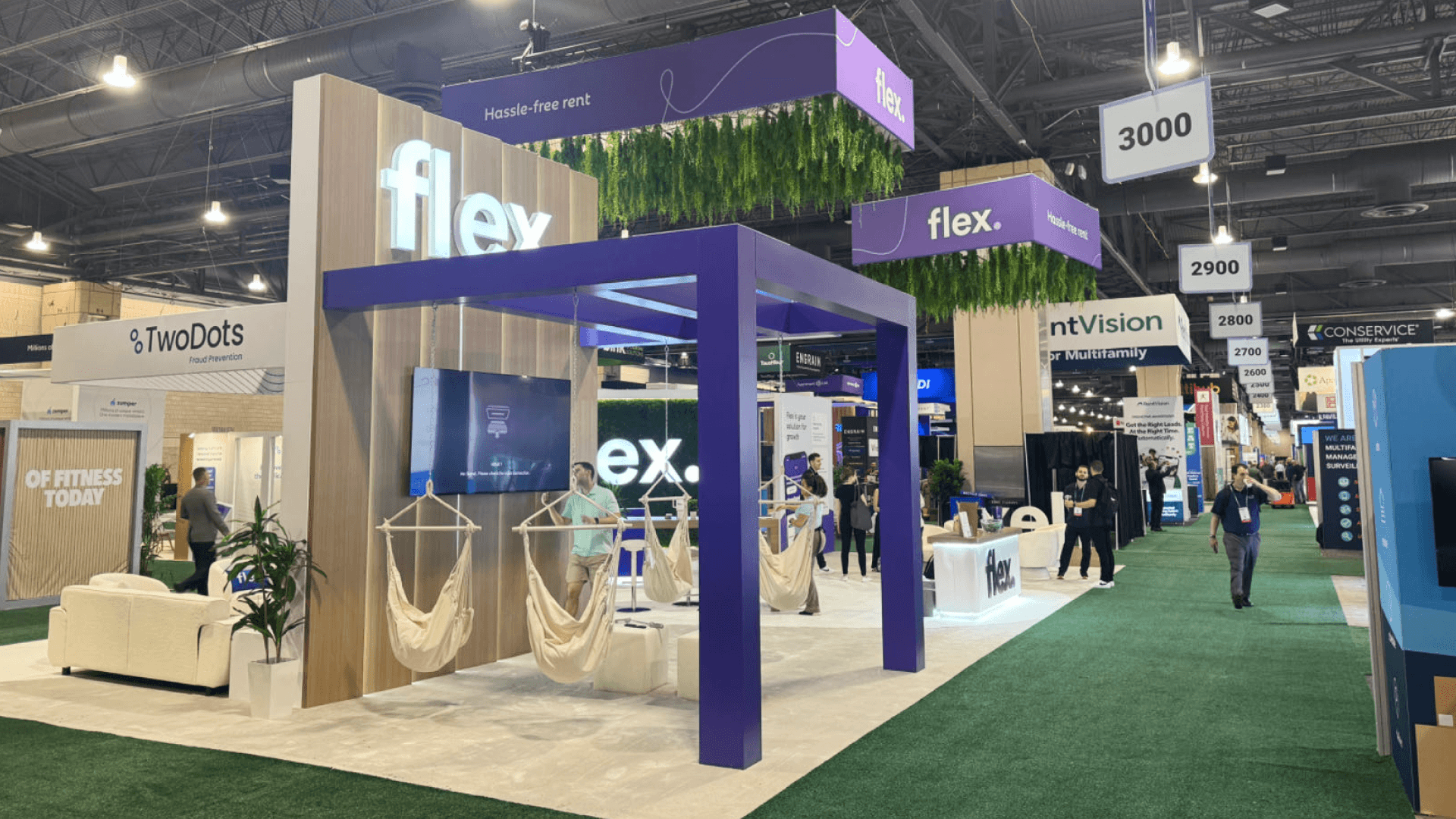
One priority release leads the display while related products provide context without competing for attention.
What Buyers Actually Compare
Most buyers do not begin with a full technical specification. They first look for practical differences in use, compatibility, performance, and product position.
A reel launch may need a simple material and compatibility comparison, while a marine electronics release may need controls, system fit, and operating differences explained first.
What buyers compare | Show beside the product | Keep for follow-up |
|---|---|---|
Application | One use image and a short application label | Detailed conditions and use cases |
Fit and compatibility | Compatible rods, reels, accessories, or systems | Exceptions, adapters, and technical limits |
Material or component change | One clear point showing what changed | Engineering and manufacturing details |
Performance | One practical, verifiable improvement | Test methods and supporting data |
Role in the product line | Current model, upgrade, premium, or specialist use | Pricing, margins, and distribution details |
Only the points buyers need immediately should appear beside the product. Technical limits, pricing details, and supporting data can wait for printed materials or staff discussion.

Clear comparison points help buyers understand product differences before reviewing full specifications or pricing.
Keep the Product Story Together
The product name, application, key difference, and physical sample should sit close enough to read as one message. Buyers should not have to look across the booth to match a headline with the correct reel, lure, rod, or electronic device.
Clear trade show booth graphics planning keeps those elements together without allowing graphics to overpower the sample. Full specifications, test data, compatibility limits, and detailed feature lists can remain in printed materials or staff conversations.
Retail boxes, pricing notes, related models, and backup samples serve a different purpose. They belong near the buyer discussion area rather than on the main counter. A nearby cabinet, concealed shelf, or labeled storage point gives staff quick access without making the display look like storage.
From Interest to a Line Review
Once a buyer understands the release, the conversation usually shifts to fit: which model suits the customer, how it compares with the current line, and what related products belong with it.
Staff should be able to continue that discussion without walking away from the display. The broader ICAST booth plan should leave enough room nearby for buyers to compare options, review pricing, and discuss distribution while the launch product remains visible.

Sales materials and comparison models remain close to the discussion area while the main launch display stays uncluttered.
Where Launch Displays Go Wrong
A launch display usually loses clarity for a few predictable reasons:
The release blends into the rest of the line. Nearby products use similar lighting, headlines, or display scale, leaving no obvious first point of attention.
The display explains too much at once. Long specifications hide the practical difference buyers need first.
Graphics sit too far from the sample. Buyers cannot quickly connect the name, application, and key difference with the correct product.
Sales materials take over the counter. Packaging, pricing notes, specification sheets, and backup samples create visible clutter.
The final sample changes late. Updated dimensions, finishes, labels, or accessories no longer match the approved mounts and graphics.
Before the Display Is Finalized
Confirm that:
The final sample fits the approved mount, shelf, or display support.
Product names, labels, application images, and comparison points use the latest approved information.
Supporting models and related accessories are the correct versions.
Packaging, pricing notes, specification sheets, and sales materials are ready and stored nearby.
A backup sample is available if the main product is delayed, damaged, or removed.
Staff understand the main product difference and the comparison questions buyers are likely to ask.
FAQ
Should supporting models be displayed beside a new fishing product?
Yes, when they help buyers understand compatibility, application, or position within the product line. Keep the selection limited and use quieter graphics or lighting so the supporting models do not become a separate launch story.
How many products should receive launch-level emphasis?
Give launch-level emphasis to one product or one tightly related collection. Other new items can remain visible, but they should read as supporting products rather than parallel launches.
Where should product comparison information be placed?
Keep the most useful differences close to the physical product. Full specifications, test data, pricing, and compatibility limits can remain in printed materials or staff discussions.