GEMS Pavilion at JCK Booth Planning

What should exhibitors plan for a GEMS Pavilion at JCK booth?
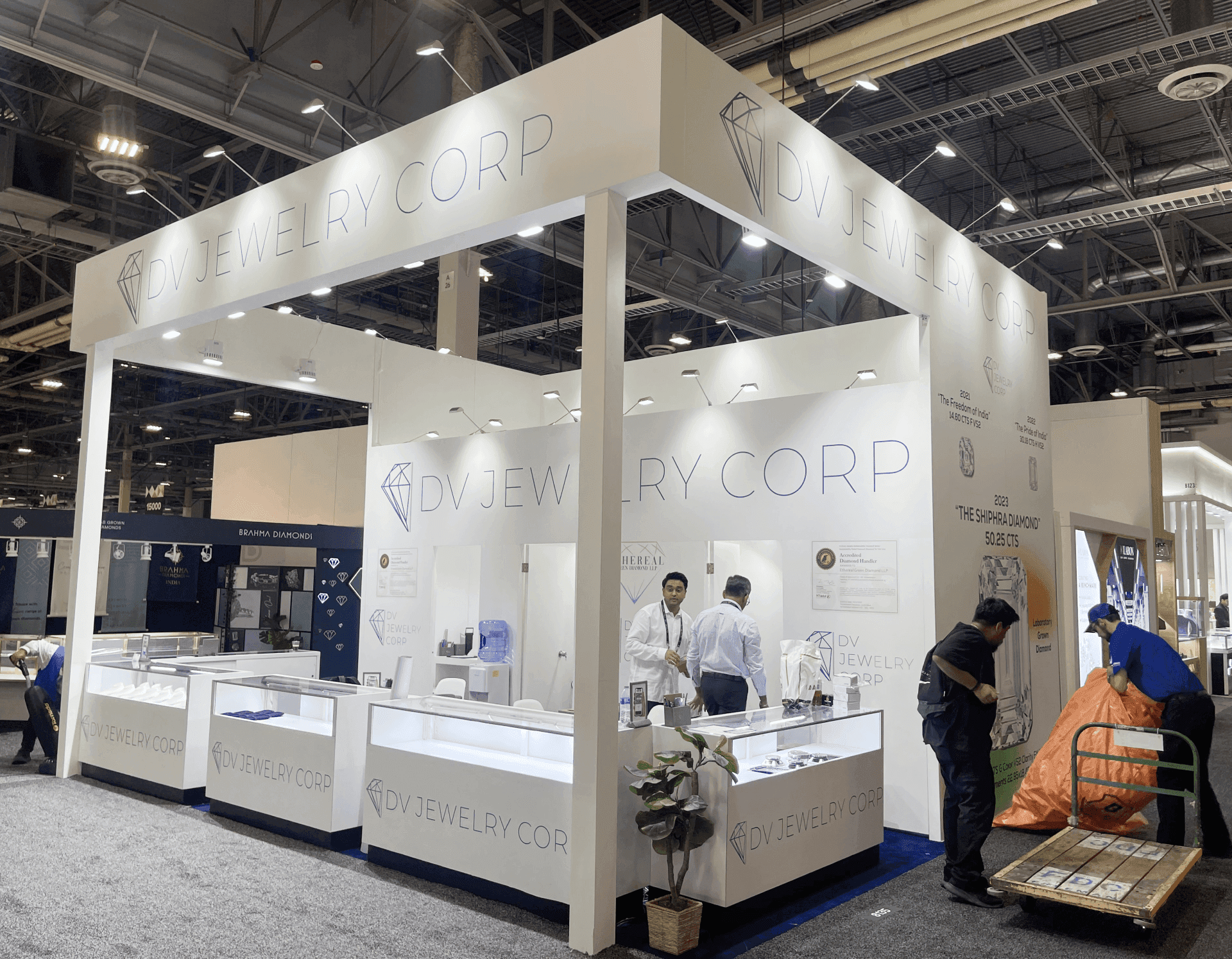
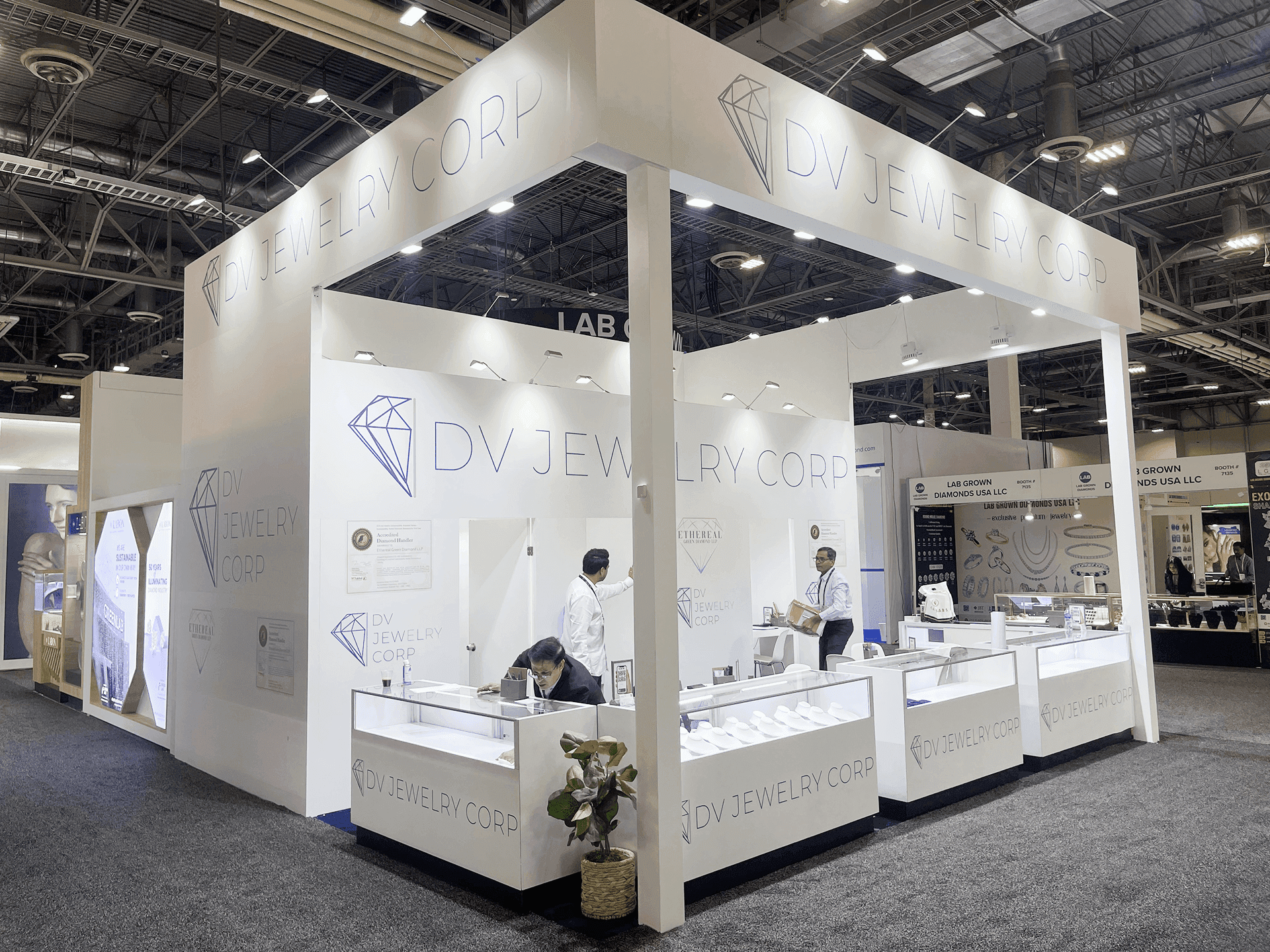
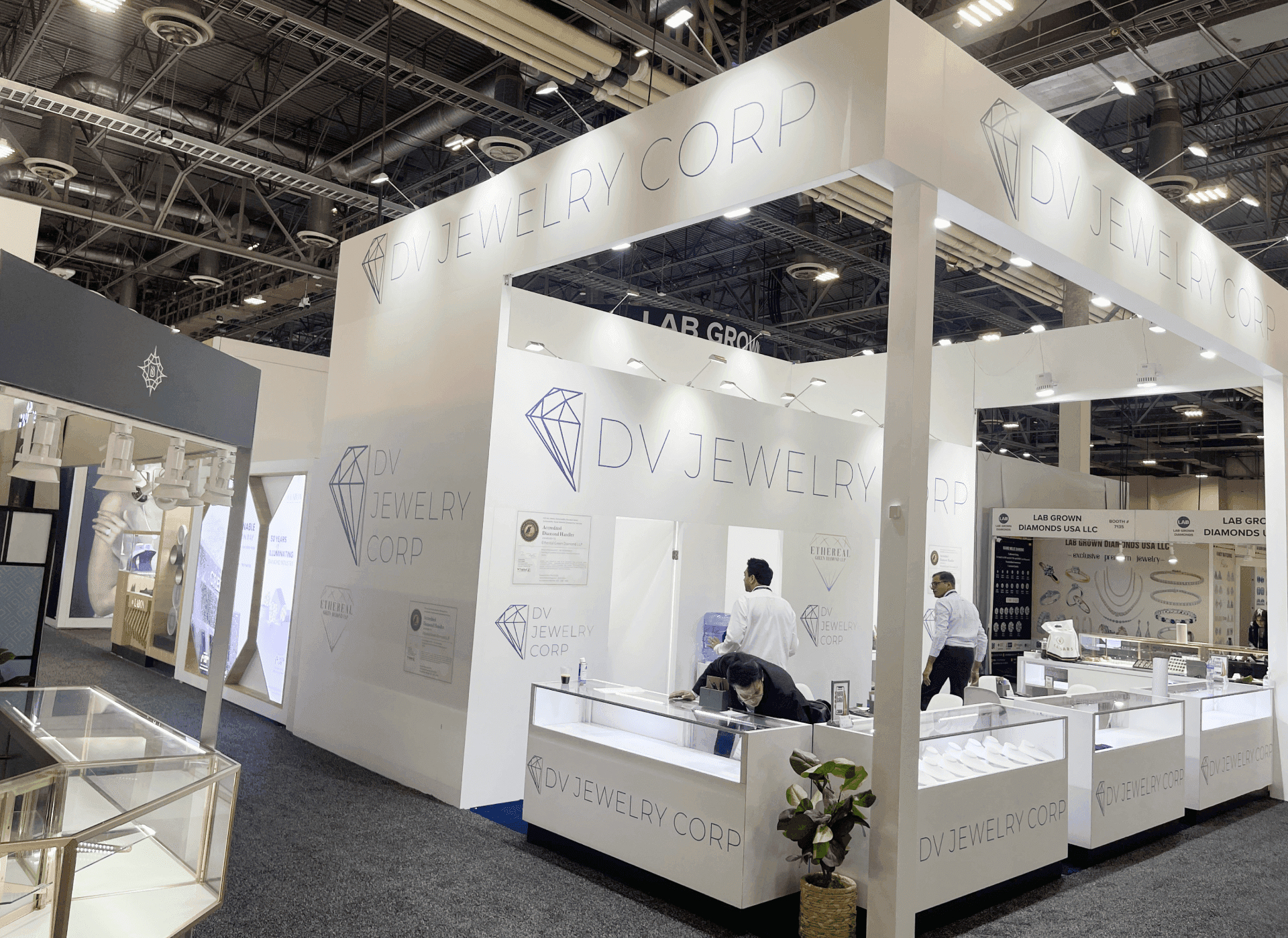
GEMS Pavilion at JCK exhibitors should plan booth layouts around gemstone showcases, loose stone inspection, controlled lighting, secure product display, buyer review counters, storage, staff conversations, and clear product comparison flow. A strong booth should help buyers inspect stones closely while keeping the display organized, trusted, and easy to manage inside the broader JCK show.
GEMS Pavilion at JCK is useful for gemstone suppliers, loose stone exhibitors, diamond brands, fine jewelry material suppliers, and product-focused jewelry companies that need buyers to inspect stones closely. Booth planning should support product visibility, lighting control, secure display, buyer review flow, and staff-led product explanations without making the booth feel crowded.
For GEMS Pavilion exhibitors, the booth often needs to support lighted showcases, loose stone trays, buyer inspection counters, secure storage, catalog materials, branded graphics, and clear staff handoff. Working with Las Vegas trade show booth builders can help align booth structure, showcase placement, graphics, logistics, and show-site setup around the gemstone review experience.
This page focuses on GEMS Pavilion at JCK booth planning, gemstone display layout, loose stone inspection, showcase lighting, buyer review counters, secured storage, and Venetian Expo setup. For the main event hub, review JCK booth planning. Exhibitors comparing related jewelry environments can also review AGTA GemFair Las Vegas booth planning, Luxury by JCK booth planning, and graphics and brand presentation.
Why Exhibitors Choose Circle Exhibit
Clear scope, transparent quote review, nationwide booth support, and efficient setup planning for qualified rental and custom exhibit projects.
48hr
Setup Window
10+
Years Since 2014
U.S.
Trade Show Support
Real
Booth Project Proof
GEMS Pavilion booth size should be planned around gemstone category count, showcase quantity, buyer inspection counters, lighting needs, secure storage, catalog review, and how much space buyers need to compare stones comfortably.
A 10x20 booth can work for a focused gemstone supplier with one main product category, compact showcases, loose stone trays, light storage, and short buyer inspection conversations. For compact layout planning, review 10x20 booth planning.
A rental-based booth can work when the exhibitor needs branded graphics, lighted display counters, secure storage planning, and practical setup without a fully custom structure. For flexible options, review Las Vegas trade show booth rental.
A 20x20 booth gives gemstone exhibitors more room for multiple showcases, buyer review counters, controlled circulation, secure storage, catalog materials, and staff-led product comparison. For larger gemstone display planning, review 20x20 booth planning.
A custom booth plan is useful when gemstone exhibitors need built-in showcases, stronger lighting control, custom counters, secured storage, premium display surfaces, or a more controlled buyer inspection path. In these cases, booth fabrication and prebuild support can help connect structure, graphics, logistics, installation, and final setup.
Use these GEMS Pavilion at JCK planning resources before finalizing a gemstone showcase layout, loose stone inspection counter, lighting plan, secured storage area, or buyer review path. Start with Jewelry Brands, Showcases, Lighting, and Buyer Inspection in JCK Booths, which explains how jewelry exhibitors can plan showcase placement, lighting control, product visibility, buyer review flow, secured storage, and staff conversations inside a JCK booth.
For broader JCK event context, review JCK booth planning. Exhibitors can also compare related JCK pages for AGTA GemFair Las Vegas booth planning, Luxury by JCK booth planning, Hong Kong Pavilions at JCK booth planning, and Lifestyle Pavilion at JCK booth planning.
GEMS Pavilion booths should help buyers inspect gemstones closely, compare product groups, understand quality signals, review supporting materials, and move into trusted sourcing conversations without crowding the booth.
Gemstone exhibitors need lighting that supports close product inspection without creating glare, shadows, or uneven color reading. Showcases should be positioned so buyers can view stones clearly while staff can control access and explain product details.
Loose stone review often requires tray handling, counter space, magnification tools, certification materials, and short buyer conversations. The booth should provide a controlled area where buyers can inspect products without blocking the main aisle.
The booth should communicate product quality, sourcing credibility, category focus, and staff expertise through clean graphics, organized displays, lighting, and secure product handling. For display messaging and booth graphics, review graphics and brand presentation.
Gemstone booths need planned storage for trays, catalogs, packaging, staff materials, backup display items, and secure product handling. Storage access, freight timing, setup order, and final booth checks should be planned before move-in at The Venetian Expo.
GEMS Pavilion at JCK gives jewelry trade buyers a focused place to source colored stones and gemstone-led collections inside one of the industry’s biggest buying events.
GEMS Pavilion at JCK should be planned around the JCK 2027 show window at The Venetian Expo in Las Vegas, with attention to showcase lighting, product security, buyer inspection flow, storage, freight timing, and final booth setup.
The pavilion is designed for qualified jewelry professionals to compare suppliers, source gemstones early, and move into focused buying conversations before broader floor traffic builds.
Not Sure Which Booth Size You Need?
Not every exhibitor knows whether a 10x20, 20x20, 20x30, or larger booth is the right fit. Circle Exhibit can help review your event goals, product display needs, demo areas, meeting space, storage, budget scope, and setup timeline before you choose a booth size.
Balancing secure case presentation with easy buyer browsing
Making gemstone color and quality read clearly on the floor
1
Start with the product category and buyer type
2
3
4
When Rental Can Work
A rental booth can work for gemstone exhibitors that need branded graphics, display counters, lighted showcase areas, storage planning, and a clean booth layout without a fully custom build. This approach can be practical for focused product categories or teams that need flexible setup. Review Las Vegas trade show booth rental.
When Custom Build Support Helps
Custom build support is useful when the booth needs built-in showcases, stronger lighting control, custom counters, secured storage, premium branded surfaces, or a more controlled buyer inspection path. For these needs, booth fabrication and prebuild support can help align design, graphics, logistics, installation, and final booth setup.
How to Decide
Choose based on how buyers will inspect and compare the stones. A focused gemstone display may fit a 10x20 booth planning model, while exhibitors with multiple showcases, review counters, storage, and stronger buyer circulation may need 20x20 booth planning.
Display cases should be positioned before final graphics and lighting checks. This helps confirm buyer sightlines, staff access, product handling space, and whether high-value pieces can be reviewed without blocking aisle traffic.
Gemstone displays need lighting checks before opening. Reflections, shadows, inconsistent color temperature, or poorly aimed lights can make stones and finished jewelry harder to evaluate.
Product movement should be sequenced carefully after booth structure, cases, counters, and lighting are ready. This reduces unnecessary handling and keeps final merchandising organized before buyers arrive.
Before the show opens, exhibitors should review case alignment, counter cleanliness, graphics placement, product labels, storage access, and buyer seating. Small visual issues can affect confidence in a jewelry sourcing environment.
Customizable Booth Rental for GEMS Pavilion at JCK
For exhibitors that want a faster setup path without giving up a refined jewelry presentation, a GEMS Pavilion at JCK booth rental can be a practical fit. A 10x10 or 10x20 rental-friendly layout can support locked showcases, branded graphics, jewelry trays, buyer inspection space, and clean traffic flow while keeping the booth polished for gemstone sourcing at The Venetian Expo.
What booth size works best for GEMS Pavilion at JCK exhibitors?
For many exhibitors at GEMS Pavilion at JCK, a 20x20 booth is a practical choice because it gives enough room for locked display cases, product grouping, branded messaging, and a focused buyer conversation area without making the layout feel cramped. If the assortment is narrower or more appointment-led, a 10x20 footprint can also work well.
How should exhibitors plan booth layout for GEMS Pavilion at JCK?
What makes booth execution at GEMS Pavilion at JCK different from other trade shows?
How is GEMS Pavilion at JCK booth planning different from general JCK booth planning?
What booth size works well for GEMS Pavilion at JCK exhibitors?
READY TO PLAN YOUR NEXT BOOTH?
Let’s Build a Booth That Fits Your Event
Share your event name, booth size, city, timeline, product display needs, and design references. Circle Exhibit will review your project direction and help you choose a rental-friendly or custom exhibit path.
3000+
Booth Projects Supported
50+
U.S. Event Cities
Transparent
Quote Review
For broader JCK booth strategy covering jewelry showcases, lighting, buyer inspection, pavilion layouts, booth size choices, rental options, and Venetian Expo setup.
For jewelry and gemstone exhibitors planning showcase placement, lighting control, product visibility, buyer inspection areas, secured storage, and staff conversations.
For gemstone exhibitors planning a larger booth with multiple showcases, loose stone review counters, secure storage, buyer circulation, and product comparison flow.
For exhibitors that need gemstone category messaging, branded display surfaces, product signs, booth graphics, and visual communication support.
For GEMS Pavilion at JCK exhibitors planning booth layout, showcase placement, graphics, storage, buyer flow, move-in timing, and final setup around The Venetian Expo show environment.