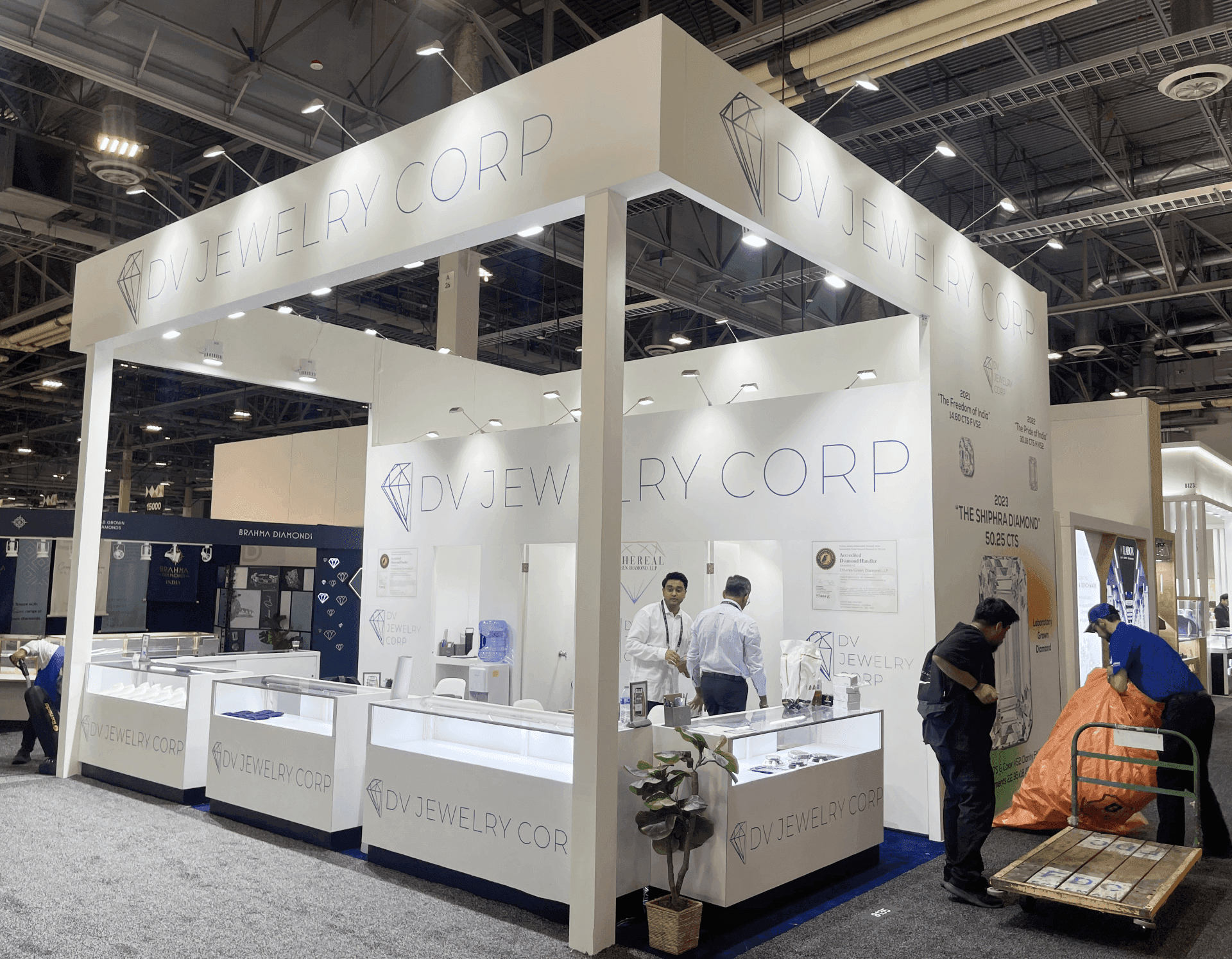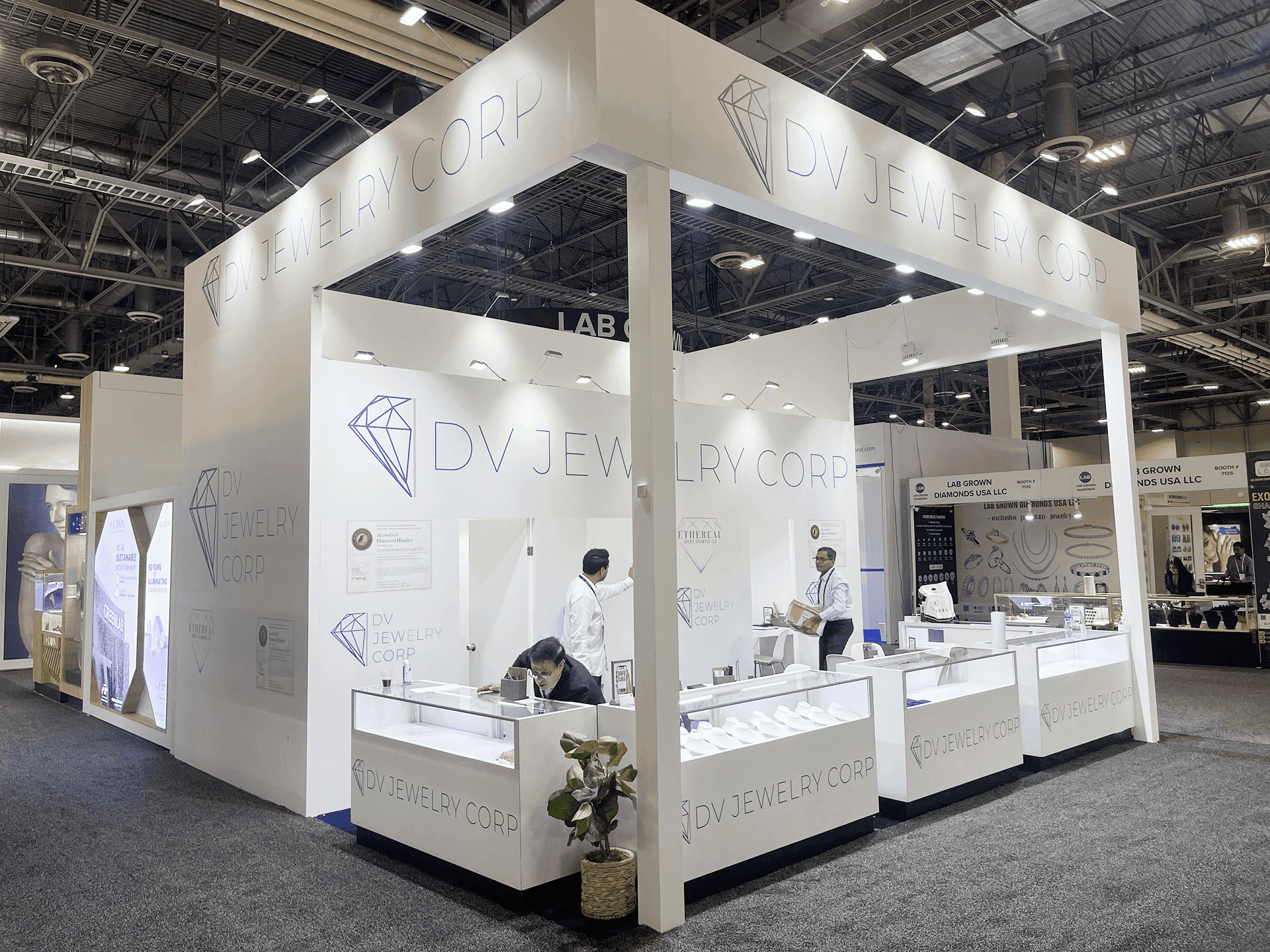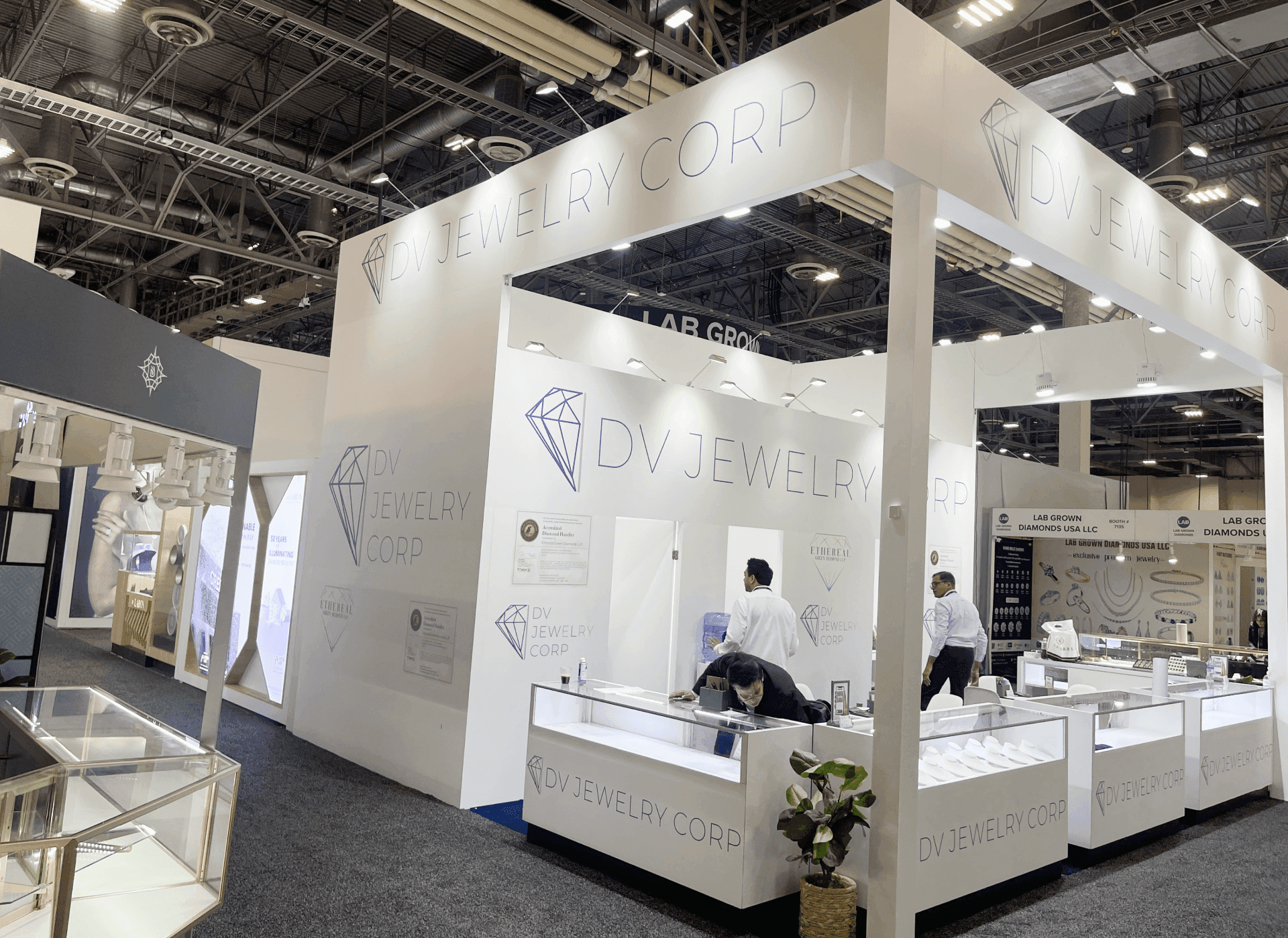
JCK jewelry booth with display cases, showcase lighting, secure storage, buyer inspection area, branded graphics, and Venetian Expo setup planning

/

/

/

/

How Jewelry Brands Should Plan Showcases, Lighting, and Buyer Inspection Areas for JCK Booths

How Jewelry Brands Should Plan Showcases, Lighting, and Buyer Inspection Areas for JCK Booths

How Jewelry Brands Should Plan Showcases, Lighting, and Buyer Inspection Areas for JCK Booths

How Jewelry Brands Should Plan Showcases, Lighting, and Buyer Inspection Areas for JCK Booths

Published:

Jan 6, 2026

Updated:

Jan 6, 2026

Circle Exhibit Team

Industry professionals

Exhibition industry professional dedicated to delivering the latest insights and curated recommendations to you.

Exhibition industry professional dedicated to delivering the latest insights and curated recommendations to you.

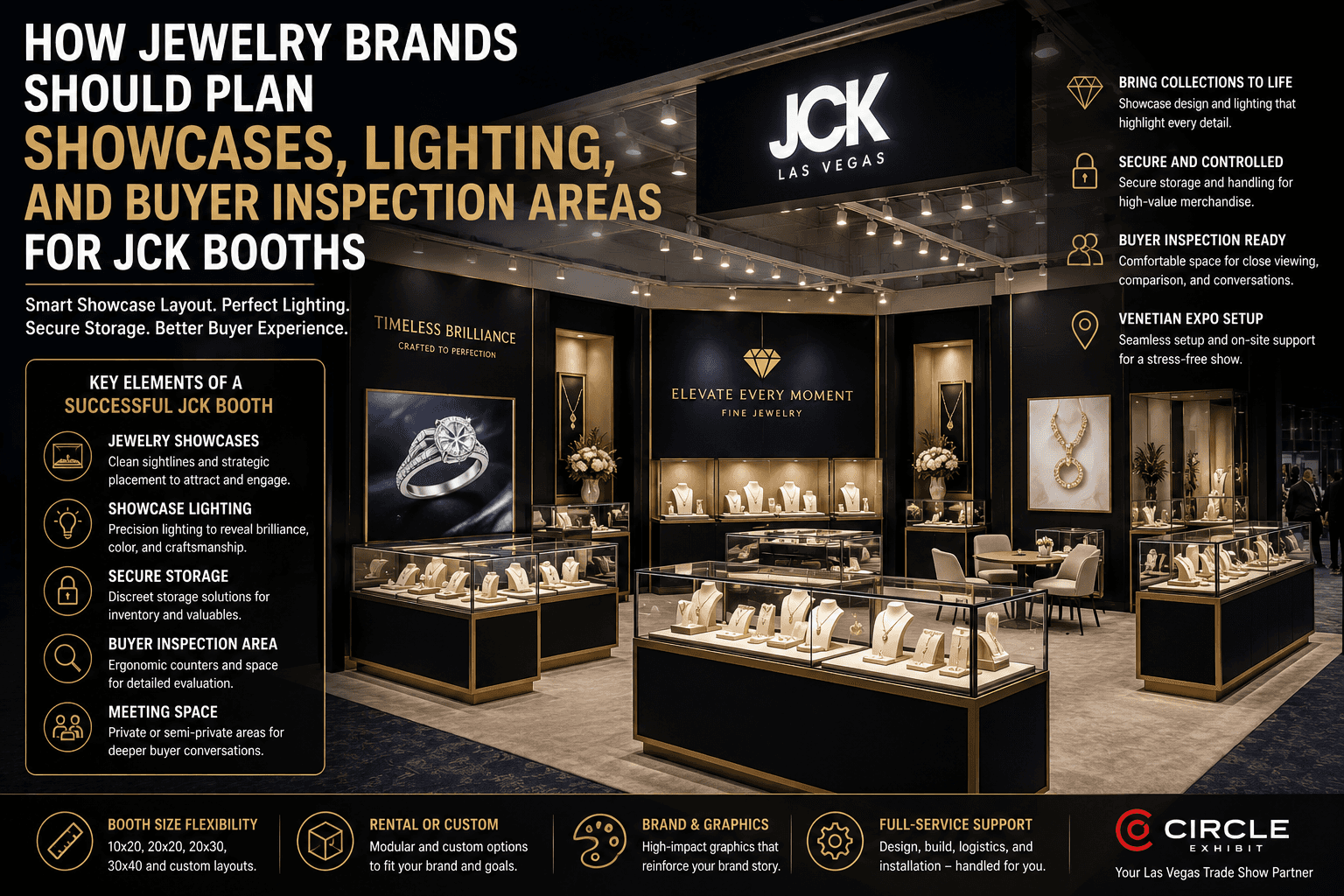
JCK booths need careful showcase placement, controlled lighting, secure storage, and buyer inspection areas. Jewelry brands should plan the booth around how buyers view, compare, handle, and discuss products on the show floor.

JCK booths need careful showcase placement, controlled lighting, secure storage, and buyer inspection areas. Jewelry brands should plan the booth around how buyers view, compare, handle, and discuss products on the show floor.

JCK booths need careful showcase placement, controlled lighting, secure storage, and buyer inspection areas. Jewelry brands should plan the booth around how buyers view, compare, handle, and discuss products on the show floor.

Quick Answer: How should jewelry brands plan showcases and lighting for JCK booths?

Jewelry brands should plan JCK booths around showcase visibility, controlled lighting, secure storage, and buyer inspection flow. Display cases should make pieces easy to view without blocking traffic, while lighting, graphics, and staff positions should support product detail, secure handling, and deeper buyer conversations.

Quick Answer: How should jewelry brands plan showcases and lighting for JCK booths?

Jewelry brands should plan JCK booths around showcase visibility, controlled lighting, secure storage, and buyer inspection flow. Display cases should make pieces easy to view without blocking traffic, while lighting, graphics, and staff positions should support product detail, secure handling, and deeper buyer conversations.

Jewelry booths work differently from standard product display booths. At JCK, small and high-value products need clear visibility, controlled lighting, secure handling, and enough space for buyer inspection. The booth should help visitors understand the collection quickly while giving staff the right layout to present pieces, manage conversations, and keep the booth organized during busy show hours.


JCK Booth Planning Should Start With the Jewelry Showcase

The showcase should shape the booth layout before walls, counters, graphics, or furniture are finalized.

For JCK exhibitors, the display case is not just a product surface. It is where buyers stop, compare pieces, ask questions, and begin the sales conversation. If the showcase placement is wrong, the booth may look polished but still feel hard to use.

That is why JCK booth planning should begin with product-viewing behavior:

  • What collection should buyers see first?

  • Which pieces need the strongest lighting?

  • How many visitors can inspect products at one time?

  • Where should staff stand during handling?

  • Where should more serious buyer conversations move?

  • Where can secure storage stay close but hidden?

A jewelry booth should not simply place showcases around the edge.

It should guide buyers from first view to inspection to conversation.

Jewelry Display Cases Should Create a Viewing Path

Display cases should guide buyers instead of closing the booth.

One common issue in jewelry booth planning is placing too many cases across the front. This makes the booth look full, but it can also create a barrier. Buyers may see the jewelry but feel unsure where to stand, who to ask, or how to continue into a deeper conversation.

A better display case plan usually includes:

  • one aisle-facing feature case

  • side cases for product categories

  • staff-side access for controlled handling

  • a clear buyer inspection point

  • hidden storage near the staff path

  • a conversation area away from the busiest display edge

The goal is not to show every piece at once.

The goal is to help buyers understand the collection and move naturally into the right conversation.

Showcase Placement by Booth Function

Booth Function

Best Showcase Approach

Planning Note

First product impression

Use one clear feature case or hero display

Keep visible from the aisle without blocking entry

Collection browsing

Use side cases or organized display runs

Group by collection, material, style, or buyer type

Buyer inspection

Create a staff-supported counter or viewing zone

Leave enough room for closer review and questions

Private discussion

Move away from main display traffic

Use a side table, rear counter, or compact meeting area

Secure storage

Keep behind staff access or inside hidden cabinetry

Close enough for staff, not exposed to visitors

Brand presentation

Use clean graphics behind or above showcases

Avoid visual clutter around small products

This structure keeps the booth open enough for traffic but controlled enough for jewelry presentation.

Lighting Should Help Buyers See Detail, Not Just Brighten the Booth

Jewelry booth lighting needs precision.

A bright booth is not automatically a good jewelry booth. Rings, gemstones, watches, fine jewelry, and small accessories need lighting that supports product detail, color, material, and finish.

Good showcase lighting should help buyers see:

  • stone detail

  • metal finish

  • product shape

  • craftsmanship

  • color variation

  • collection hierarchy

  • hero pieces

The lighting should reduce glare on glass cases and avoid shadows over small products. It should also make the jewelry feel intentional, not overexposed.

For JCK booths, lighting should be planned together with the display case layout.

If lighting is added after the cases are placed, the product may not read clearly from the aisle or inspection point.

Showcase Lighting and Booth Lighting Are Different Jobs

General booth lighting and jewelry showcase lighting should not be treated as the same thing.

General lighting helps the booth feel open, clean, and finished. Showcase lighting helps buyers inspect the product. If the same lighting logic is used for everything, the booth may look bright but fail to highlight the pieces that matter most.

Lighting Type

Main Role

Planning Focus

General booth lighting

Make the booth feel open and professional

Even coverage, clean atmosphere, no dark corners

Showcase lighting

Highlight jewelry detail

Product-level brightness, reduced glare, controlled focus

Back-wall lighting

Support brand and collection message

Soft emphasis, not stronger than the product lighting

Meeting-area lighting

Support buyer conversations

Comfortable, not too harsh

Accent lighting

Direct attention to hero pieces

Use carefully so it does not distract from main cases

The jewelry should remain the main visual story.

Lighting should support that story, not compete with it.

Buyer Inspection Areas Should Not Block the Aisle

Buyer inspection needs its own space.

At JCK, buyers may need to compare pieces, inspect finishes, ask about materials, discuss collections, or review product fit for their store or customer base. If this happens directly at the aisle edge, the booth can get blocked quickly.

A better layout gives buyer inspection a controlled place.

That space may be:

  • a staff-supported showcase counter

  • a side viewing counter

  • a compact meeting table

  • a semi-private rear counter

  • a display case with enough standing room on both sides

The buyer should be able to focus on the jewelry without pressure from passing traffic.

Staff should also have enough room to present pieces, answer questions, and keep handling controlled.

Secure Storage Should Be Built Into the Booth Flow

Secure storage should be planned before the booth goes to production or rental configuration.

Jewelry exhibitors often need space for product trays, packaging, personal items, sales materials, backup samples, cleaning cloths, documents, and display support. If storage is not planned early, staff may end up using visible counters or improvised back areas during the show.

Secure storage should be:

  • close to staff access

  • hidden from visitor view

  • separate from casual browsing

  • easy to reach during busy periods

  • integrated into counters, cabinets, or back-wall units

  • ready before products are placed into the booth

Storage should support the selling process without making the booth feel closed.

The best storage is useful to staff and invisible to buyers.

A 20x20 Booth Can Work Well for Jewelry Brands

A 20x20 booth can support jewelry showcases when the layout stays disciplined.

For many JCK exhibitors, 20x20 booth planning provides enough room for display cases, buyer inspection, compact meeting space, branded graphics, lighting, and hidden storage without making the booth too large to manage.

A strong 20x20 jewelry booth may include:

  • open corner entry

  • one hero showcase

  • side display cases

  • compact buyer inspection area

  • small meeting point

  • hidden storage behind staff access

  • focused lighting over cases

The main risk is overfilling the footprint.

If every side is lined with cases, the booth may lose movement. A 20x20 jewelry booth works better when each display area has a specific job.

Larger Jewelry Booths Need Stronger Zoning

A larger jewelry booth can support more collections, but it needs clearer structure.

A 20x30 or 30x40 jewelry booth may give brands room for multiple showcases, private buyer areas, stronger brand walls, secure back storage, and separate collection zones. That extra space is useful only when buyers understand where to go.

For larger jewelry booths, the layout should separate:

  • first-view showcase

  • collection browsing

  • buyer inspection

  • private or semi-private conversation

  • storage and staff access

  • brand presentation wall

  • product photography or hero display area, if needed

The bigger the booth, the more important traffic control becomes.

Without zoning, buyers may browse without ever reaching the right staff member or inspection area.

Customizable Rental Booths Can Work for JCK When Display Planning Comes First

A rental booth can work well for JCK when it is customized around jewelry presentation.

A standard booth package is usually not enough. Jewelry brands still need proper display case placement, product lighting, secure storage, staff-side access, buyer inspection space, and clean graphics.

A customizable booth rental in Las Vegas can support JCK exhibitors when it includes:

  • jewelry-specific showcase planning

  • branded back walls

  • controlled lighting over cases

  • display counters with storage

  • compact meeting or buyer inspection space

  • open visitor entry

  • show-site setup planning

The goal is not just to rent a structure.

The goal is to create a booth that supports how jewelry buyers actually view and discuss products.

Graphics Should Support the Jewelry, Not Compete With It

Jewelry booth graphics should be quiet, clear, and intentional.

Because jewelry products are small, booth graphics can easily overpower the display. Large slogans, heavy visuals, or cluttered wall copy can distract from the pieces buyers came to inspect.

Good graphics and brand presentation for jewelry booths should help clarify:

  • brand style

  • collection category

  • material or product focus

  • hero product story

  • buyer segment

  • where visitors should look first

Graphics should create context around the showcases.

They should not become the main attraction unless the product display still remains clear.

Venetian Expo Setup Needs Practical Control

JCK booth planning should account for Venetian Expo setup conditions.

A jewelry booth may not have the same freight profile as a large equipment booth, but setup still needs careful control. Display cases need to be placed correctly, lighting needs to be aligned, graphics need to fit cleanly, and secure storage must be ready before products are staged.

For Venetian Expo setup, exhibitors should think about:

  • case delivery and staging

  • booth wall and counter sequence

  • lighting placement

  • electrical access

  • graphic installation

  • secure storage readiness

  • final cleaning before jewelry is placed

  • staff walkthrough before show opening

Jewelry should not be placed into the booth before the display environment is ready.

The booth setup should protect both the product and the presentation.

Jewelry Booth Project Examples Can Help With Planning

Real jewelry booth projects can show how showcase placement, lighting, storage, and buyer inspection areas work together.

A rendering can show the booth direction, but project examples help exhibitors compare practical decisions: how many cases fit, where buyers stand, how lighting hits the product, and how storage is kept out of view.

If you build a dedicated case collection, a useful support link would be:

jewelry booth project examples

That page can become a proof layer for JCK, jewelry trade show booths, display case planning, lighting, and luxury product presentation.

For this article, the case reference should stay light. The article should still explain planning logic, not become a case list.

How Staff Placement Affects Jewelry Booth Flow

Staff placement matters because jewelry selling often requires guided viewing.

Visitors may not freely handle every piece. Staff often need to open cases, present trays, explain collections, answer product questions, or move qualified buyers into a more focused conversation.

A simple staff model may include:

  • one greeter near the main entry

  • one staff member at the feature showcase

  • one staff member supporting buyer inspection

  • one person handling private or semi-private conversations

  • one support person managing storage, trays, or documents

Staff should not stand in front of the main cases.

They should support the buyer path without blocking product visibility.

Common JCK Booth Planning Mistakes

Many jewelry booth problems come from treating the booth like a generic display space.

Common mistakes include:

  • too many cases across the front edge

  • poor lighting over small products

  • glare on glass display cases

  • no clear buyer inspection zone

  • storage visible from the aisle

  • graphics overpowering the jewelry

  • staff standing in front of showcases

  • no semi-private space for serious buyers

  • product placed before booth setup is fully ready

These mistakes make the booth harder to use, even if it looks polished at first glance.

Jewelry booths need control, not clutter.

JCK Jewelry Booth Planning Checklist

A practical checklist helps keep the booth focused on product visibility and buyer flow.

Checklist

  • Which jewelry collection should buyers see first?

  • How many display cases are needed without blocking entry?

  • Which cases need the strongest lighting?

  • Is there enough room for buyer inspection?

  • Can staff access products without crowding visitors?

  • Where will secure storage be placed?

  • Are graphics supporting the jewelry or competing with it?

  • Does the booth need a 20x20, 20x30, or larger footprint?

  • Is lighting planned before final case placement?

  • Is there a semi-private area for serious buyer conversations?

  • Will the booth be ready before jewelry is placed?

  • Does the Venetian Expo setup plan protect the product presentation?

This checklist keeps the booth grounded in how jewelry is viewed, discussed, and handled on the show floor.

Final Takeaway

JCK booth planning should start with how buyers inspect jewelry.

Showcases, display cases, lighting, secure storage, buyer inspection areas, staff positions, and Venetian Expo setup all affect how the booth performs. A polished booth is not enough if buyers cannot view products clearly or staff cannot manage conversations smoothly.

For jewelry brands, the strongest booth is not the one filled with the most cases.

It is the one that makes the collection easy to see, easy to discuss, and practical to manage throughout the show.

JCK Booth Planning Should Start With the Jewelry Showcase

The showcase should shape the booth layout before walls, counters, graphics, or furniture are finalized.

For JCK exhibitors, the display case is not just a product surface. It is where buyers stop, compare pieces, ask questions, and begin the sales conversation. If the showcase placement is wrong, the booth may look polished but still feel hard to use.

That is why JCK booth planning should begin with product-viewing behavior:

  • What collection should buyers see first?

  • Which pieces need the strongest lighting?

  • How many visitors can inspect products at one time?

  • Where should staff stand during handling?

  • Where should more serious buyer conversations move?

  • Where can secure storage stay close but hidden?

A jewelry booth should not simply place showcases around the edge.

It should guide buyers from first view to inspection to conversation.

Jewelry Display Cases Should Create a Viewing Path

Display cases should guide buyers instead of closing the booth.

One common issue in jewelry booth planning is placing too many cases across the front. This makes the booth look full, but it can also create a barrier. Buyers may see the jewelry but feel unsure where to stand, who to ask, or how to continue into a deeper conversation.

A better display case plan usually includes:

  • one aisle-facing feature case

  • side cases for product categories

  • staff-side access for controlled handling

  • a clear buyer inspection point

  • hidden storage near the staff path

  • a conversation area away from the busiest display edge

The goal is not to show every piece at once.

The goal is to help buyers understand the collection and move naturally into the right conversation.

Showcase Placement by Booth Function

Booth Function

Best Showcase Approach

Planning Note

First product impression

Use one clear feature case or hero display

Keep visible from the aisle without blocking entry

Collection browsing

Use side cases or organized display runs

Group by collection, material, style, or buyer type

Buyer inspection

Create a staff-supported counter or viewing zone

Leave enough room for closer review and questions

Private discussion

Move away from main display traffic

Use a side table, rear counter, or compact meeting area

Secure storage

Keep behind staff access or inside hidden cabinetry

Close enough for staff, not exposed to visitors

Brand presentation

Use clean graphics behind or above showcases

Avoid visual clutter around small products

This structure keeps the booth open enough for traffic but controlled enough for jewelry presentation.

Lighting Should Help Buyers See Detail, Not Just Brighten the Booth

Jewelry booth lighting needs precision.

A bright booth is not automatically a good jewelry booth. Rings, gemstones, watches, fine jewelry, and small accessories need lighting that supports product detail, color, material, and finish.

Good showcase lighting should help buyers see:

  • stone detail

  • metal finish

  • product shape

  • craftsmanship

  • color variation

  • collection hierarchy

  • hero pieces

The lighting should reduce glare on glass cases and avoid shadows over small products. It should also make the jewelry feel intentional, not overexposed.

For JCK booths, lighting should be planned together with the display case layout.

If lighting is added after the cases are placed, the product may not read clearly from the aisle or inspection point.

Showcase Lighting and Booth Lighting Are Different Jobs

General booth lighting and jewelry showcase lighting should not be treated as the same thing.

General lighting helps the booth feel open, clean, and finished. Showcase lighting helps buyers inspect the product. If the same lighting logic is used for everything, the booth may look bright but fail to highlight the pieces that matter most.

Lighting Type

Main Role

Planning Focus

General booth lighting

Make the booth feel open and professional

Even coverage, clean atmosphere, no dark corners

Showcase lighting

Highlight jewelry detail

Product-level brightness, reduced glare, controlled focus

Back-wall lighting

Support brand and collection message

Soft emphasis, not stronger than the product lighting

Meeting-area lighting

Support buyer conversations

Comfortable, not too harsh

Accent lighting

Direct attention to hero pieces

Use carefully so it does not distract from main cases

The jewelry should remain the main visual story.

Lighting should support that story, not compete with it.

Buyer Inspection Areas Should Not Block the Aisle

Buyer inspection needs its own space.

At JCK, buyers may need to compare pieces, inspect finishes, ask about materials, discuss collections, or review product fit for their store or customer base. If this happens directly at the aisle edge, the booth can get blocked quickly.

A better layout gives buyer inspection a controlled place.

That space may be:

  • a staff-supported showcase counter

  • a side viewing counter

  • a compact meeting table

  • a semi-private rear counter

  • a display case with enough standing room on both sides

The buyer should be able to focus on the jewelry without pressure from passing traffic.

Staff should also have enough room to present pieces, answer questions, and keep handling controlled.

Secure Storage Should Be Built Into the Booth Flow

Secure storage should be planned before the booth goes to production or rental configuration.

Jewelry exhibitors often need space for product trays, packaging, personal items, sales materials, backup samples, cleaning cloths, documents, and display support. If storage is not planned early, staff may end up using visible counters or improvised back areas during the show.

Secure storage should be:

  • close to staff access

  • hidden from visitor view

  • separate from casual browsing

  • easy to reach during busy periods

  • integrated into counters, cabinets, or back-wall units

  • ready before products are placed into the booth

Storage should support the selling process without making the booth feel closed.

The best storage is useful to staff and invisible to buyers.

A 20x20 Booth Can Work Well for Jewelry Brands

A 20x20 booth can support jewelry showcases when the layout stays disciplined.

For many JCK exhibitors, 20x20 booth planning provides enough room for display cases, buyer inspection, compact meeting space, branded graphics, lighting, and hidden storage without making the booth too large to manage.

A strong 20x20 jewelry booth may include:

  • open corner entry

  • one hero showcase

  • side display cases

  • compact buyer inspection area

  • small meeting point

  • hidden storage behind staff access

  • focused lighting over cases

The main risk is overfilling the footprint.

If every side is lined with cases, the booth may lose movement. A 20x20 jewelry booth works better when each display area has a specific job.

Larger Jewelry Booths Need Stronger Zoning

A larger jewelry booth can support more collections, but it needs clearer structure.

A 20x30 or 30x40 jewelry booth may give brands room for multiple showcases, private buyer areas, stronger brand walls, secure back storage, and separate collection zones. That extra space is useful only when buyers understand where to go.

For larger jewelry booths, the layout should separate:

  • first-view showcase

  • collection browsing

  • buyer inspection

  • private or semi-private conversation

  • storage and staff access

  • brand presentation wall

  • product photography or hero display area, if needed

The bigger the booth, the more important traffic control becomes.

Without zoning, buyers may browse without ever reaching the right staff member or inspection area.

Customizable Rental Booths Can Work for JCK When Display Planning Comes First

A rental booth can work well for JCK when it is customized around jewelry presentation.

A standard booth package is usually not enough. Jewelry brands still need proper display case placement, product lighting, secure storage, staff-side access, buyer inspection space, and clean graphics.

A customizable booth rental in Las Vegas can support JCK exhibitors when it includes:

  • jewelry-specific showcase planning

  • branded back walls

  • controlled lighting over cases

  • display counters with storage

  • compact meeting or buyer inspection space

  • open visitor entry

  • show-site setup planning

The goal is not just to rent a structure.

The goal is to create a booth that supports how jewelry buyers actually view and discuss products.

Graphics Should Support the Jewelry, Not Compete With It

Jewelry booth graphics should be quiet, clear, and intentional.

Because jewelry products are small, booth graphics can easily overpower the display. Large slogans, heavy visuals, or cluttered wall copy can distract from the pieces buyers came to inspect.

Good graphics and brand presentation for jewelry booths should help clarify:

  • brand style

  • collection category

  • material or product focus

  • hero product story

  • buyer segment

  • where visitors should look first

Graphics should create context around the showcases.

They should not become the main attraction unless the product display still remains clear.

Venetian Expo Setup Needs Practical Control

JCK booth planning should account for Venetian Expo setup conditions.

A jewelry booth may not have the same freight profile as a large equipment booth, but setup still needs careful control. Display cases need to be placed correctly, lighting needs to be aligned, graphics need to fit cleanly, and secure storage must be ready before products are staged.

For Venetian Expo setup, exhibitors should think about:

  • case delivery and staging

  • booth wall and counter sequence

  • lighting placement

  • electrical access

  • graphic installation

  • secure storage readiness

  • final cleaning before jewelry is placed

  • staff walkthrough before show opening

Jewelry should not be placed into the booth before the display environment is ready.

The booth setup should protect both the product and the presentation.

Jewelry Booth Project Examples Can Help With Planning

Real jewelry booth projects can show how showcase placement, lighting, storage, and buyer inspection areas work together.

A rendering can show the booth direction, but project examples help exhibitors compare practical decisions: how many cases fit, where buyers stand, how lighting hits the product, and how storage is kept out of view.

If you build a dedicated case collection, a useful support link would be:

jewelry booth project examples

That page can become a proof layer for JCK, jewelry trade show booths, display case planning, lighting, and luxury product presentation.

For this article, the case reference should stay light. The article should still explain planning logic, not become a case list.

How Staff Placement Affects Jewelry Booth Flow

Staff placement matters because jewelry selling often requires guided viewing.

Visitors may not freely handle every piece. Staff often need to open cases, present trays, explain collections, answer product questions, or move qualified buyers into a more focused conversation.

A simple staff model may include:

  • one greeter near the main entry

  • one staff member at the feature showcase

  • one staff member supporting buyer inspection

  • one person handling private or semi-private conversations

  • one support person managing storage, trays, or documents

Staff should not stand in front of the main cases.

They should support the buyer path without blocking product visibility.

Common JCK Booth Planning Mistakes

Many jewelry booth problems come from treating the booth like a generic display space.

Common mistakes include:

  • too many cases across the front edge

  • poor lighting over small products

  • glare on glass display cases

  • no clear buyer inspection zone

  • storage visible from the aisle

  • graphics overpowering the jewelry

  • staff standing in front of showcases

  • no semi-private space for serious buyers

  • product placed before booth setup is fully ready

These mistakes make the booth harder to use, even if it looks polished at first glance.

Jewelry booths need control, not clutter.

JCK Jewelry Booth Planning Checklist

A practical checklist helps keep the booth focused on product visibility and buyer flow.

Checklist

  • Which jewelry collection should buyers see first?

  • How many display cases are needed without blocking entry?

  • Which cases need the strongest lighting?

  • Is there enough room for buyer inspection?

  • Can staff access products without crowding visitors?

  • Where will secure storage be placed?

  • Are graphics supporting the jewelry or competing with it?

  • Does the booth need a 20x20, 20x30, or larger footprint?

  • Is lighting planned before final case placement?

  • Is there a semi-private area for serious buyer conversations?

  • Will the booth be ready before jewelry is placed?

  • Does the Venetian Expo setup plan protect the product presentation?

This checklist keeps the booth grounded in how jewelry is viewed, discussed, and handled on the show floor.

Final Takeaway

JCK booth planning should start with how buyers inspect jewelry.

Showcases, display cases, lighting, secure storage, buyer inspection areas, staff positions, and Venetian Expo setup all affect how the booth performs. A polished booth is not enough if buyers cannot view products clearly or staff cannot manage conversations smoothly.

For jewelry brands, the strongest booth is not the one filled with the most cases.

It is the one that makes the collection easy to see, easy to discuss, and practical to manage throughout the show.

Planning a Jewelry Booth for JCK?

Start with showcase placement, lighting, buyer inspection space, secure storage, graphics, and Venetian Expo setup. Then match the booth size and rental structure to how buyers will view and discuss the collection.

The first two hours of setup can affect floor marking, crate access, structure staging, graphics checks, power confirmation, and final closeout. Circle Exhibit teams help exhibitors plan on-site installation and dismantle support so booth components move into place with a clear crew sequence.