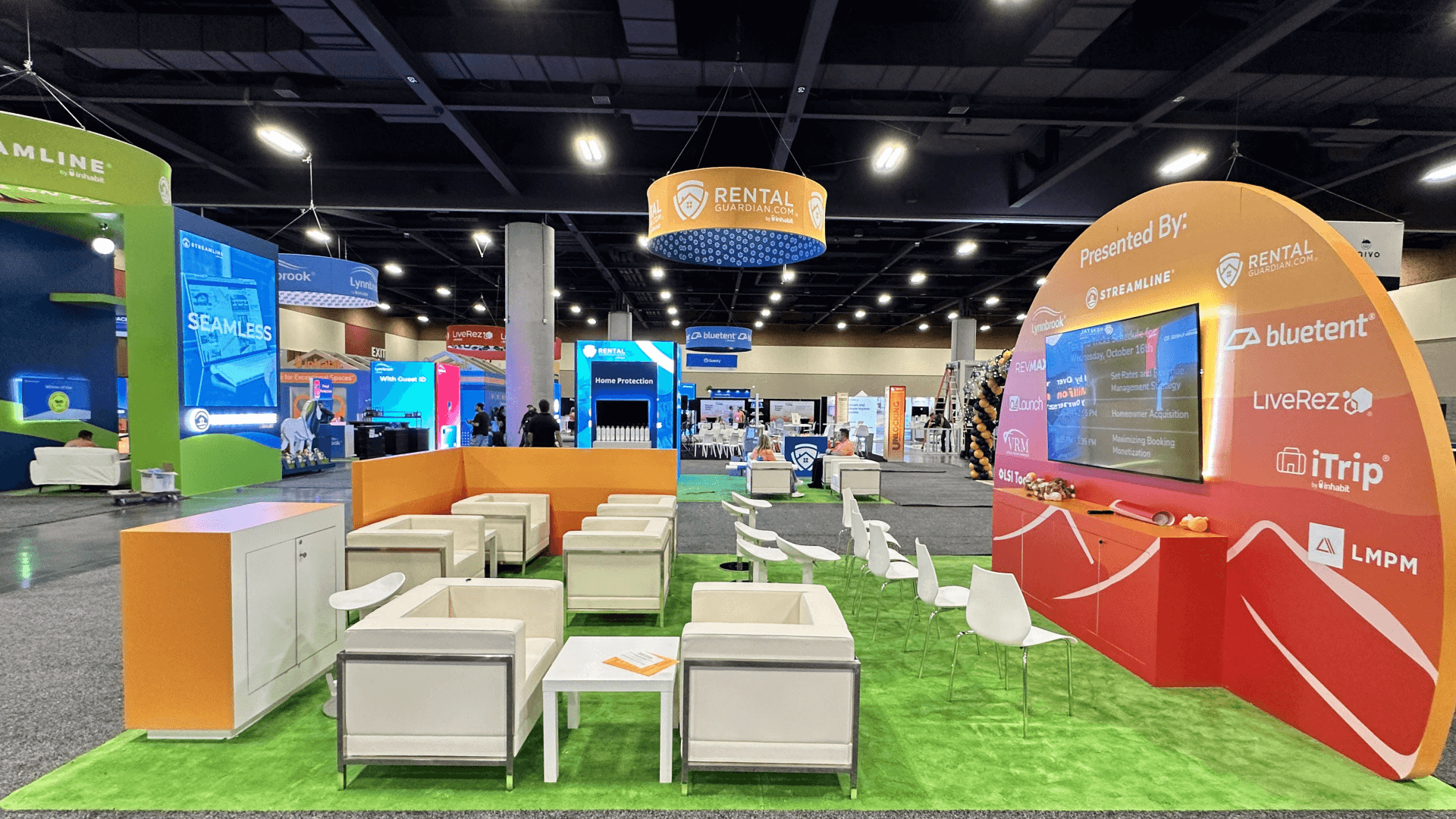
FETC Booth Planning for K–12 Technology Exhibitors
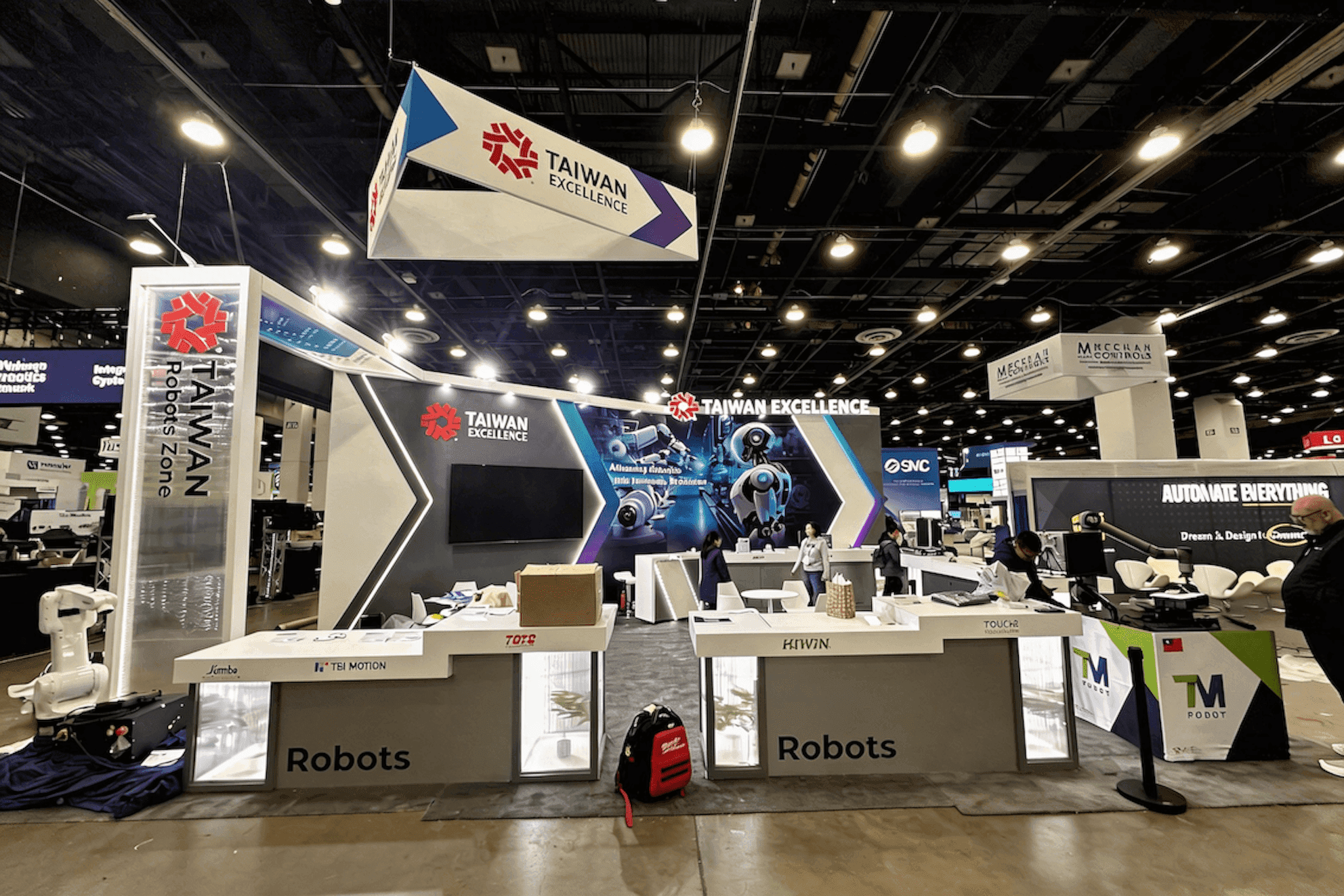
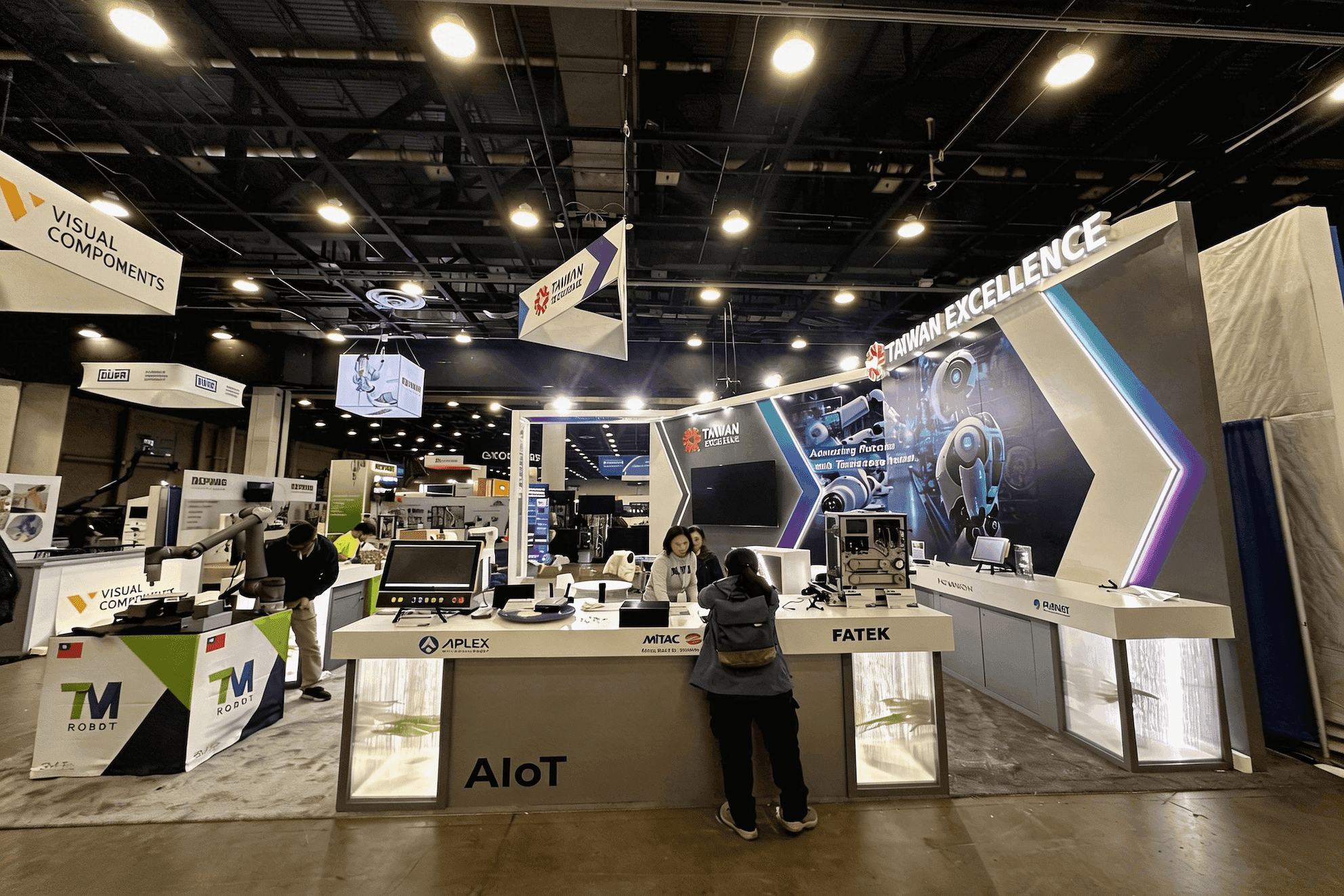
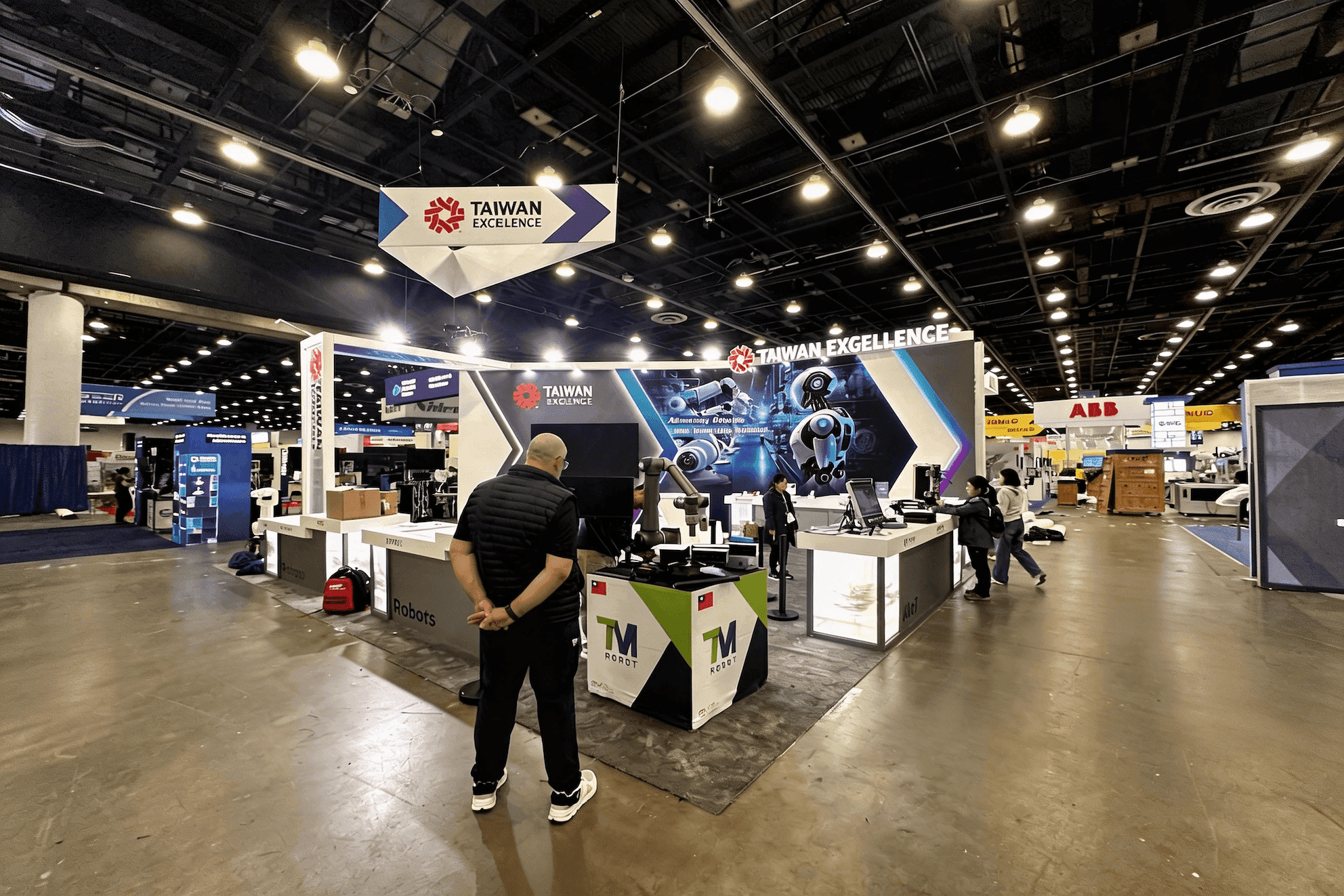

How should exhibitors plan a booth for FETC?
FETC exhibitors should decide what district buyers need to see, test, or discuss before choosing a booth size. Keep the main product demonstration available to walk-up visitors, allow for scheduled meetings, and assign space to the activities that cannot overlap. Screens, graphics, storage, and show-site services should follow those decisions.
A curriculum leader and an IT director may visit the same FETC booth for different reasons. One wants to see how a product works in the classroom; the other may have questions about integration and technical support. The booth should make the main product demonstration easy to follow while allowing staff to handle more detailed discussions. Exhibitors offering AR/VR or robotics experiences can explore FETC immersive technology booth planning for the specific needs of hands-on trials.
When scheduled district meetings overlap with walk-up demos, staff, screens, and floor space can become competing demands. A 10×20 booth may suit one focused demonstration and brief conversations, while a 20×20 booth offers more room to separate ongoing demos from buyer meetings. A 20×30 layout becomes relevant when several activities genuinely need to run at once, rather than simply to accommodate a larger product catalog.
Before finalizing the layout, exhibitors should confirm utility access, equipment delivery, and installation requirements at the Orange County Convention Center. A clear equipment and service scope helps Orlando trade show booth builders coordinate design, fabrication, freight, and show-site setup.
Why Exhibitors Choose Circle Exhibit
Clear scope, transparent quote review, nationwide booth support, and efficient setup planning for qualified rental and custom exhibit projects.
48hr
Setup Window
10+
Years Since 2014
U.S.
Trade Show Support
Real
Booth Project Proof
The right footprint depends on which activities must run together. Extra space matters when it keeps a demonstration, meeting, or visitor path from being interrupted.
Best considered for a compact software demonstration or small device display. A separate meeting table may crowd the space without adding much value.
A 20×20 layout can better separate active demonstrations from buyer discussions, with room for staff storage. Confirm that both functions can operate independently.
A 10×20 booth can accommodate one main presentation and a nearby conversation point. Longer appointments may still need scheduling or separate meeting space.
A 20×30 booth is worth considering when different demos or booked meetings require their own areas. More space alone will not solve limited staffing.
A FETC Pavilion Marketplace sponsorship includes specific opportunities, but those benefits still need to become practical booth responsibilities. Speaking sessions, App Push activities, Passport participation, and Pavilion branding can affect staffing, demonstrations, visitor handling, and production planning. Sponsors preparing for FETC can review the full process of Pavilion sponsorship operations before finalizing their booth requirements.
The display should help visitors recognize a relevant product, see useful evidence, and reach the right person for their next question.
Lead with a classroom or district problem buyers recognize. Product names and feature lists can follow once the application is clear.
Show a task, result, or device interaction that makes the product's purpose clear. Avoid filling every screen with unrelated features.
Keep quick questions near the demonstration and move longer technical or purchasing discussions away from the main presentation area.
Record the visitor's role, product interest, and unresolved question. That gives the team a useful starting point after the show.
FETC brings education technology suppliers together with school and district teams exploring classroom tools, platforms, and school systems.
January 26–29, 2027, at Orange County Convention Center in Orlando, Florida.
District leaders, curriculum teams, and IT decision-makers may meet exhibitors through scheduled appointments and expo visits.
Not Sure Which Booth Size You Need?
Not every exhibitor knows whether a 10x20, 20x20, 20x30, or larger booth is the right fit. Circle Exhibit can help review your event goals, product display needs, demo areas, meeting space, storage, budget scope, and setup timeline before you choose a booth size.
Too Much Product, Too Little Proof
Meetings Interrupting Live Demos
1
Identify the Buyer Questions
2
3
4
Rental for Focused EdTech Demos
Rental works well for standard screens, counters, branded walls, and buyer discussions when the layout fits. Compare Orlando booth rental options against the equipment and meeting plan.
Custom for Specialized Equipment
Custom fabrication makes sense when the product requires dedicated supports, unusual fixtures, or equipment integration that standard rental components cannot handle.
Hybrid for Mixed Display Needs
Reusable walls and meeting furniture can work alongside custom demo fixtures. Build only the parts that need a product-specific solution.
Verify the approved dimensions, open sides, structural conditions, and service locations before finalizing the layout.
Match staffing and demonstration appointments to the published Expo Hall schedule. Conference sessions and exhibition hours are not interchangeable.
Match power, internet, AV, freight, and installation orders to the equipment that will actually be used.
Check the live demo, screens, seating, staff positions, and visitor access after installation—not just the finished structure.
FETC Booth Rental for Demos and District Meetings
A rental booth can handle focused EdTech demos and buyer meetings when the space keeps those activities from interfering with each other. Share your booth size, equipment, meeting needs, and storage requirements to work out a practical Orlando rental layout.
Do curriculum and IT buyers need separate demos?
Not necessarily. Both groups can start with the same product demonstration, then focus on different questions. Curriculum teams may want to discuss classroom use, while IT buyers may need details about integration, security, and support.
Should booked district meetings take priority over walk-up demos?
Can several EdTech products share one demo area?
When is a larger FETC booth unnecessary?
Are FETC conference dates the same as Expo Hall hours?
READY TO PLAN YOUR NEXT BOOTH?
Let’s Build a Booth That Fits Your Event
Share your event name, booth size, city, timeline, product display needs, and design references. Circle Exhibit will review your project direction and help you choose a rental-friendly or custom exhibit path.
3000+
Booth Projects Supported
50+
U.S. Event Cities
Transparent
Quote Review
Arrange devices, screens, and buyer discussions around a simulated school safety incident.
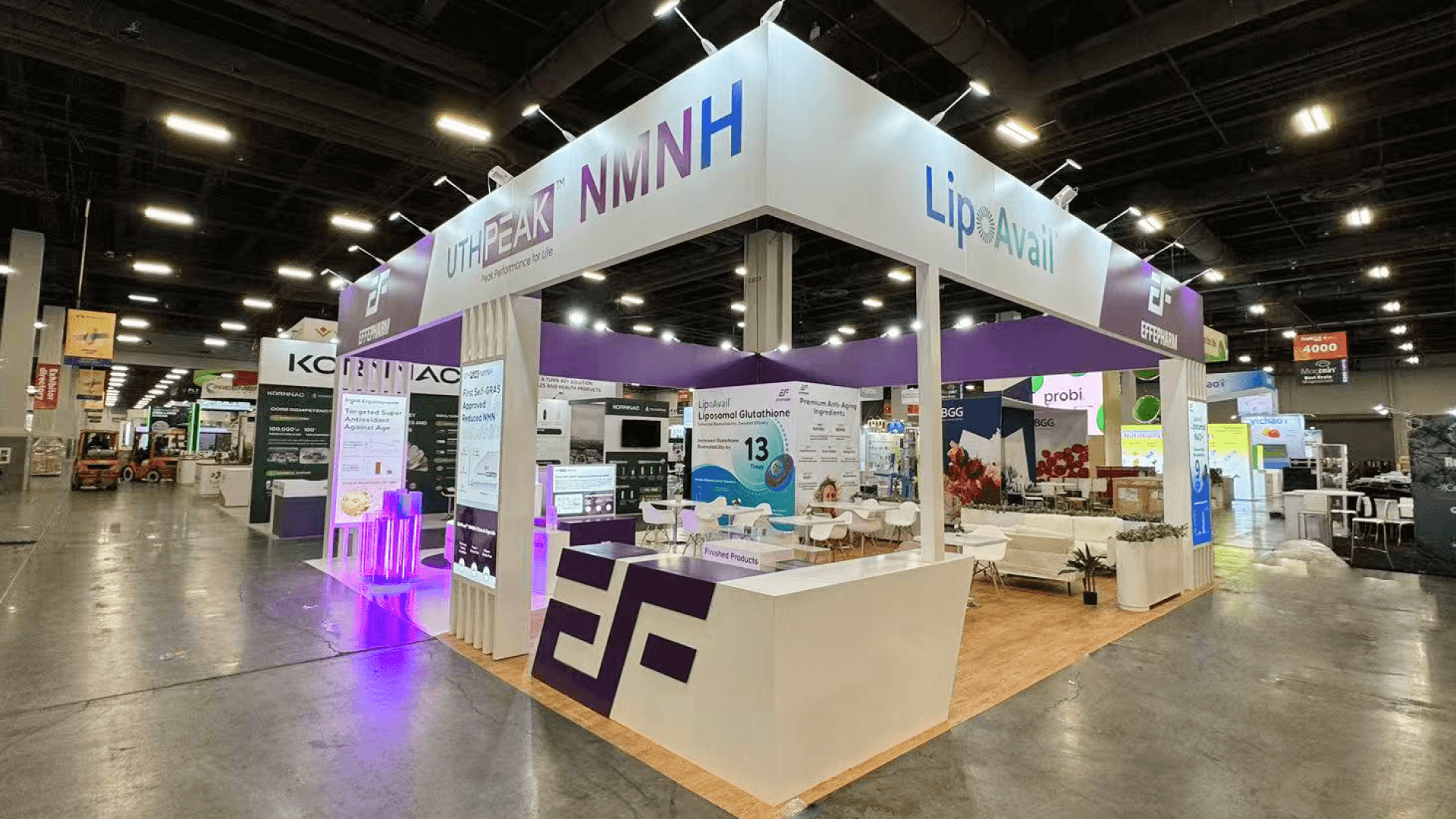
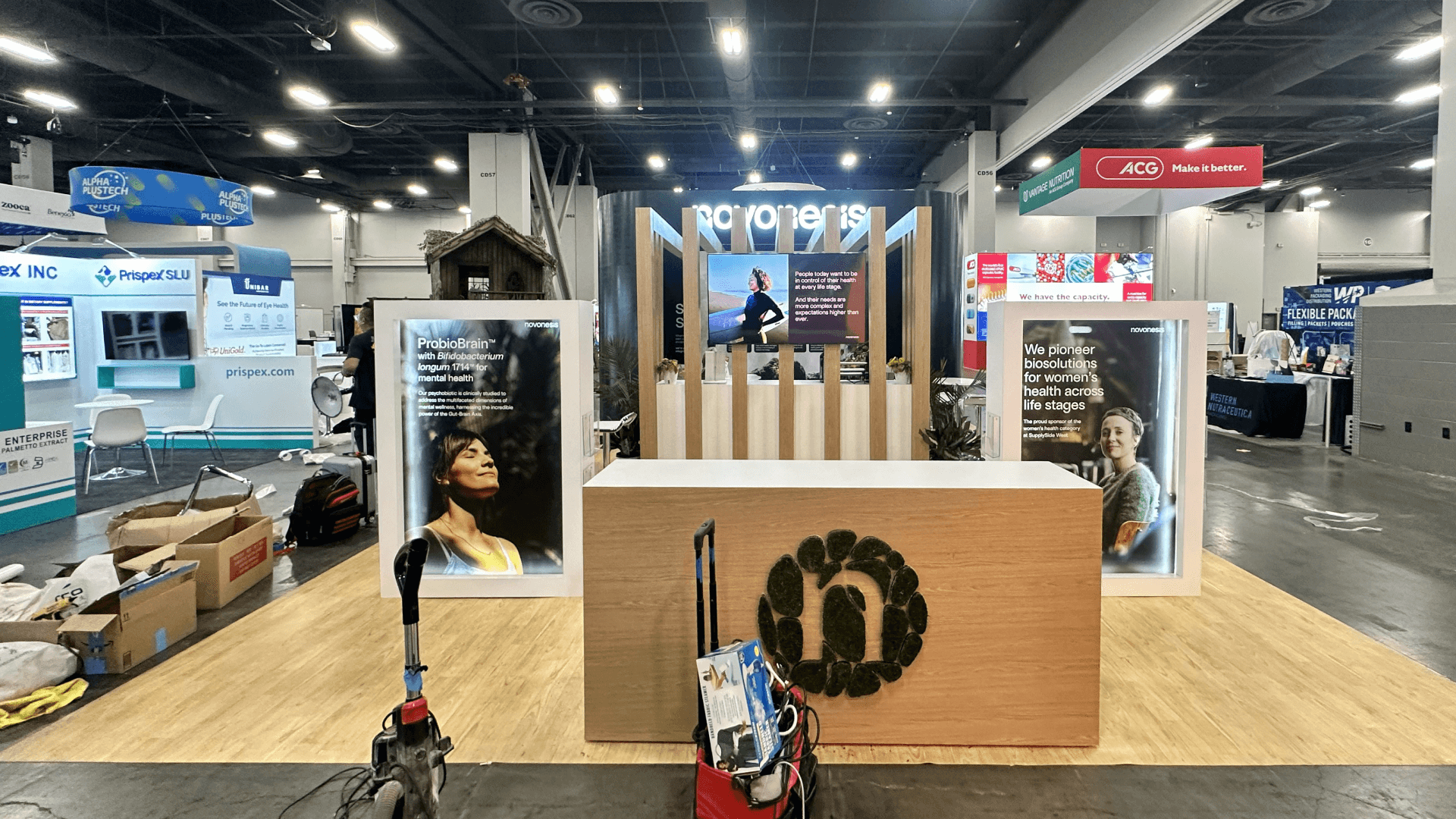
Compare rental configurations after defining the demos, meetings, and equipment needed.
Check venue context for services, equipment delivery, and booth installation.
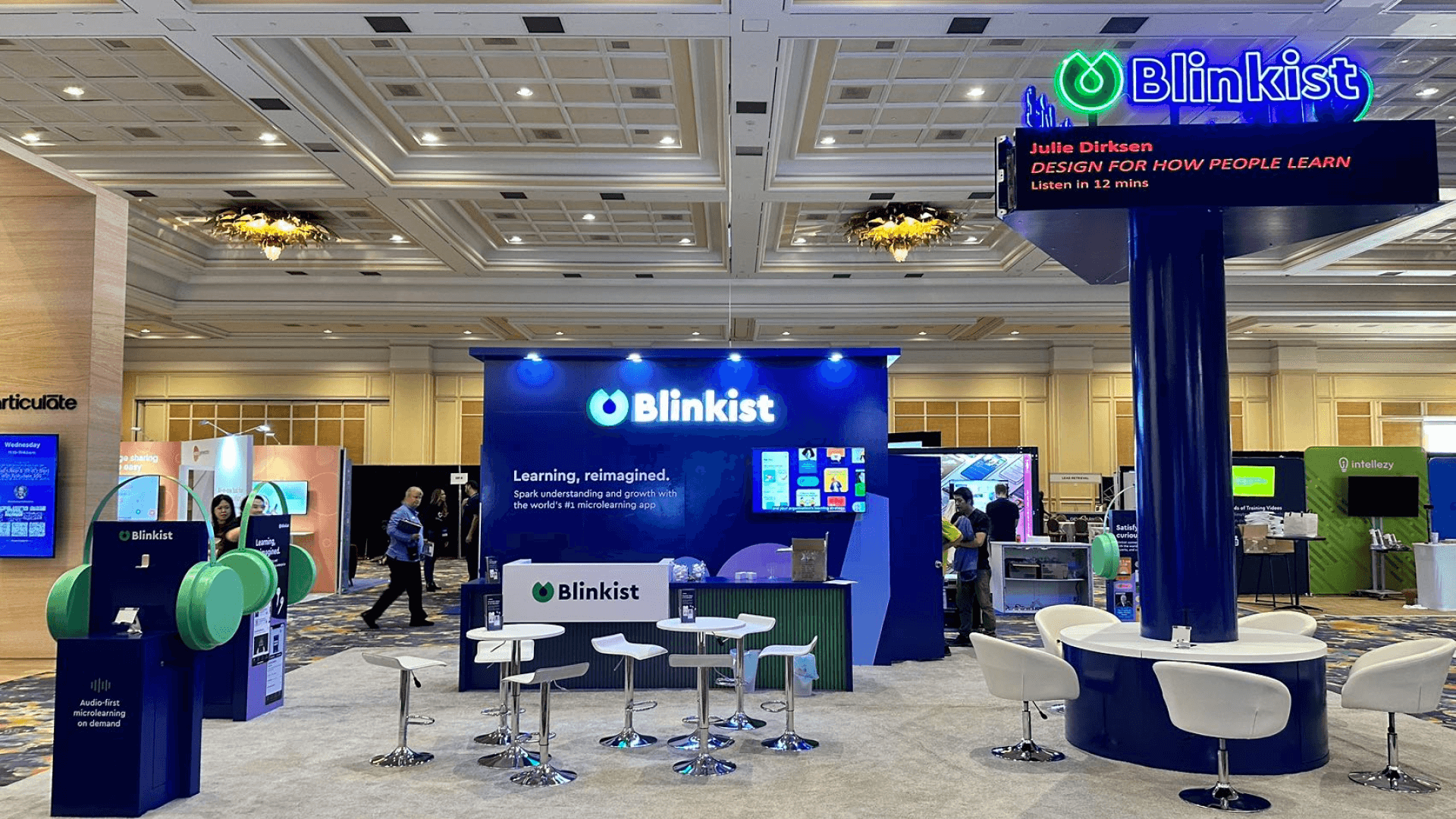
Examine how demos, meetings, and staff support fit within a 20×20 footprint.
Turn the agreed display functions into a buildable exhibit specification.