What Makes FETC Pavilion Marketplace Sponsorship Different?
FETC Pavilion Marketplace Sponsorship is a separate sponsorship opportunity, not an automatic extension of every Innovation Pavilion participation. Sponsors should distinguish FETC-provided benefits from the preparation work their own teams need to complete before planning the booth.
Category Exclusivity and Eligible Pavilions
FETC 2027 lists Pavilion Marketplace Sponsorship around specific category ownership.
Published categories include:
Safety and Security
Cybersecurity
eSports
Immersive Technologies
Workforce Development / CTE
Innovation Pavilion participation does not automatically include Marketplace Sponsorship benefits.
Confirmed Sponsor Rights
The published Pavilion Marketplace Sponsorship package is listed at $17,500 and includes:
Confirmed Benefit | Planning Impact |
|---|---|
Category exclusivity | Align booth messaging and product positioning |
45-minute speaking session | Prepare presentation content and follow-up process |
Mobile App Push | Match promotional messaging with booth experience |
Passport to Prizes Entry | Prepare visitor handling |
Pavilion branding | Coordinate sponsor recognition and graphics |
Opt-in Session Leads | Assign ownership for review and follow-up |
Three Conference Passes | Separate invited participants from booth staffing |
Speaking session timing remains subject to confirmation. Booth planning should remain flexible until official details are released.
What the Package Does Not Automatically Establish
Pavilion Marketplace Sponsorship defines organizer benefits, but it does not automatically establish the complete exhibit solution.
Public sponsorship information should not be interpreted as including:
Complete booth design;
Rental exhibit structure;
Fabrication;
Installation;
All graphics production;
Equipment or onsite staffing.
Those requirements depend on the sponsor's products, demonstrations, visitor interactions, and operational needs.
The sponsorship defines the opportunity; the exhibitor determines how the booth operates.
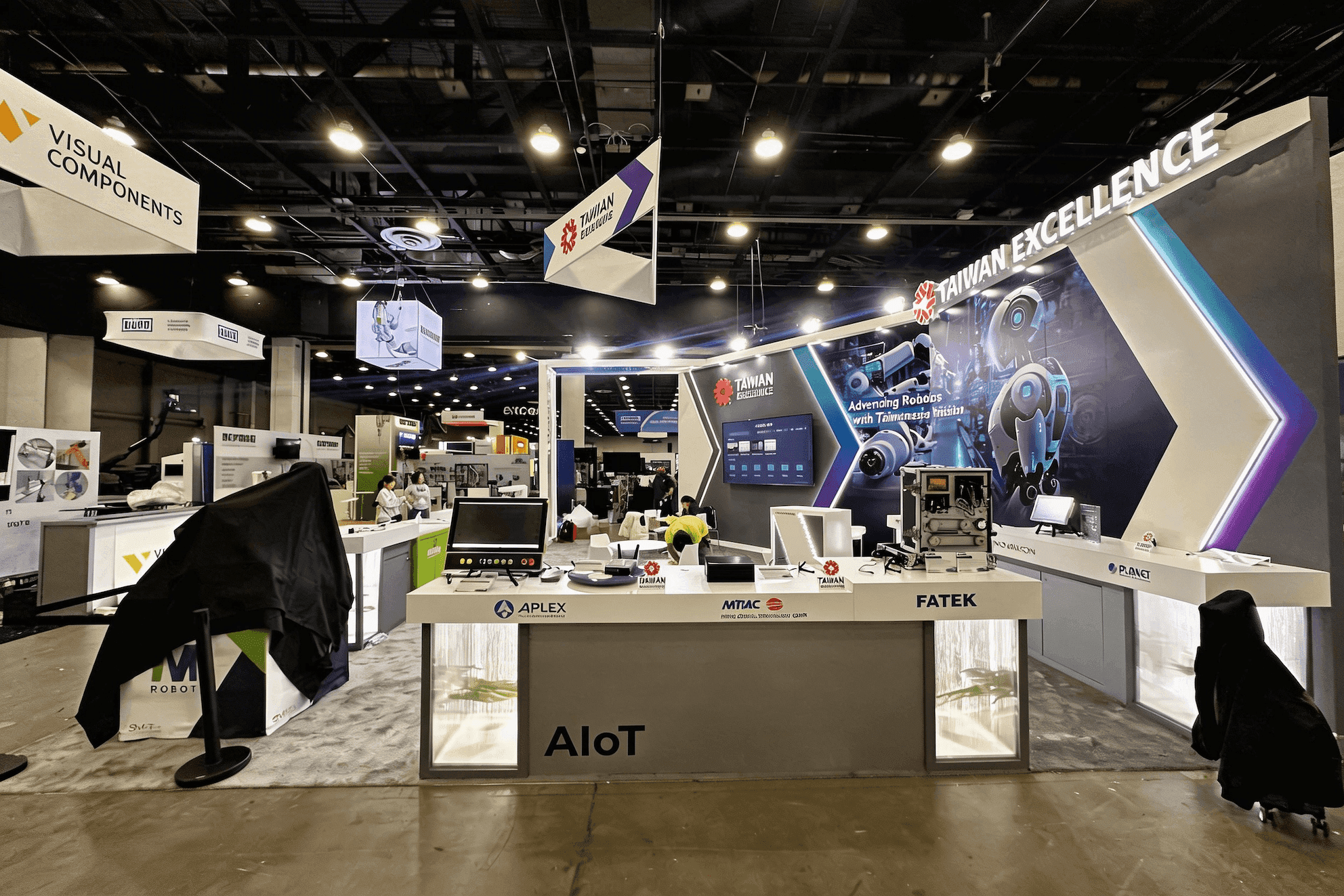
FETC Pavilion Marketplace sponsorship benefits create specific preparation requirements, including presentations, branding coordination, visitor handling, and internal ownership.
What Responsibilities Come With Each Sponsor Benefit?
Each sponsor benefit creates a preparation requirement for the booth team. The focus is identifying what the team needs to prepare to support each activity.
Sponsor Benefit | Required Preparation |
|---|---|
Speaking Session | Presentation materials, presenters, and follow-up process |
Mobile App Push | Consistent messaging between promotion and booth experience |
Passport Participation | Simple visitor interaction process |
Pavilion Branding | Coordinated category messaging and visual presentation |
Session Leads | Assigned ownership for review and follow-up |
These activities should support the booth experience rather than interrupt it. Each benefit needs a clear visitor path and responsible owner, while normal product demonstrations remain available for visitors who arrive outside these activities.
How Should Pavilion Sponsors Assign Staff and Booth Functions?
Sponsor responsibilities need to be translated into staffing and booth requirements without creating separate resources for every activity, while each important function still needs clear ownership.
Staff and Booth Function Allocation
Responsibility | Primary Owner | Booth Requirement |
|---|---|---|
Visitor reception | Reception or sales staff | Clear interaction point |
Product demonstrations | Product specialist | Continuous demo availability |
Technical questions | Subject expert | Space for deeper discussion |
Sponsor activities | Assigned coordinator | Activity handling without blocking visitors |
If a specialist leaves the booth for a detailed conversation, another qualified team member should remain available for general visitor questions.
Keeping Core Demonstrations Available
Sponsor activities should support the booth experience rather than replace it.
Before finalizing staffing, identify:
Which demonstrations must remain active;
Which questions require specialist support;
Who covers the booth when experts are unavailable;
How visitors move from reception to deeper discussions.
For example, an Immersive Technologies sponsor may need hands-on product support, while a Safety and Security sponsor may require more technical workflow discussions.
The staffing model changes by product category, but the booth still needs a reliable visitor experience.
Coordinating Branding and Booth Functions
Pavilion recognition and sponsor messaging should remain consistent across the booth environment, including booth graphics, screens, and product information.
Once staffing, reception, and demonstration requirements are defined, they can be translated into a practical exhibit design plan.

A clear operating plan helps Pavilion sponsors assign responsibilities, maintain product demonstrations, and prepare booth functions before FETC.
How Should Sponsors Handle FETC Timing Uncertainty?
Sponsor operations often begin before every schedule detail is finalized, so FETC-specific timing constraints should be considered before assigning fixed staffing or visitor-flow plans.
Expo Hours vs. Conference Programming
FETC 2027 currently publishes:
Date | Expo Hall Hours |
|---|---|
January 26 | 3:30 PM – 5:30 PM |
January 27 | 9:30 AM – 4:30 PM |
January 28 | 9:00 AM – 2:30 PM |
January 29 | Conference activities continue; no published Expo Hall hours |
A sponsored session outside Expo Hours does not automatically create immediate booth traffic.
Sponsors should prepare for different conditions:
Situation | Preparation |
|---|---|
Session timing pending | Assign ownership without finalizing shifts |
Session during Expo Hours | Maintain follow-up coverage and booth operations |
Session outside Expo Hours | Plan later product discussions |
Specialist unavailable | Maintain backup demo coverage |
The objective is not predicting visitor volume. It is keeping booth operations stable when timing changes.
Fallback Plans When Activities Overlap
Multiple sponsor activities may compete for the same people and space.
Situation | Response |
|---|---|
Specialist handling sponsor discussion | Maintain another qualified demo contact |
Passport activity overlaps with demo | Use a simple reception process |
Multiple visitors arrive together | Maintain visitor access while prioritizing qualified conversations |
Schedule changes after approval | Adjust staffing and materials without rebuilding the workflow |
Final Pavilion Sponsor Operating Brief
Before production begins, confirmed rights should be converted into a working operating brief.
Planning Area | Final Decision |
|---|---|
Confirmed Sponsor Right | Which official benefits are secured |
Organizer Deliverable | What FETC provides |
Exhibitor Task | What the sponsor team prepares |
Activation Timing | Confirmed dates or pending items |
Staff Owner | Person responsible for each activity |
Required Booth Function | Reception, Demo, Meeting, Graphics, Equipment |
Production Dependency | Design, graphics, equipment, installation needs |
Fallback | Alternative plan for timing or staffing conflicts |
The final operating model connects:
Sponsor Rights → Responsibilities → Staff → Booth Functions → Production Needs
This creates a working exhibit plan rather than a sponsorship summary.
FAQ
Does every FETC Innovation Pavilion exhibitor receive Marketplace Sponsorship benefits?
No. Participating in an Innovation Pavilion does not automatically provide Pavilion Marketplace Sponsorship benefits. Marketplace Sponsorship is a separate opportunity with specific category rights and promotional benefits.
Does FETC Pavilion Marketplace Sponsorship automatically include booth space?
Not necessarily. Public sponsorship information should not be interpreted as automatically including a complete booth, rental structure, fabrication, installation, or all onsite services. Sponsors should confirm the exact package scope with FETC.
How should Pavilion sponsors plan staffing before their speaking session time is confirmed?
Sponsors can assign responsibilities before final schedules are available, then adjust coverage once FETC confirms the session timing. Flexible planning allows demonstrations, reception, and technical discussions to continue without disruption.