Critical Care Congress 2027 Booth Planning for Exhibitors



How should exhibitors plan a Critical Care Congress booth?
Start with what a visitor needs to understand before a deeper clinical or technical discussion makes sense. Product visibility, demonstrations, screens, conversation space, storage, and booth size should then be planned around that first interaction rather than treated as separate booth features.
Critical Care Congress exhibitors may be presenting medical devices, pharmaceutical products, clinical technology, professional services, education, or other critical care solutions. The first planning decision is not booth size, but what visitors should understand first, whether that understanding depends on a product or demonstration, and what kind of conversation should follow.
Connections Central combines exhibit activity with research and education programming, making the first layer of information especially important. Equipment-heavy exhibits have a different set of constraints because screens, active demos, operator positions, visitor viewing, and hidden support materials all compete for space. These relationships are addressed in Critical Care Congress medical device booth planning. When a demonstration needs to remain active while conversations and storage stay out of its path, a 20x20 booth can provide enough separation for those functions to work together.
Once the booth functions are defined, the project moves into detailed design, fabrication, graphics production, and show-site installation. That broader design-and-build scope is where San Diego trade show booth builders become relevant.
Why Exhibitors Choose Circle Exhibit
Clear scope, transparent quote review, nationwide booth support, and efficient setup planning for qualified rental and custom exhibit projects.
48hr
Setup Window
10+
Years Since 2014
U.S.
Trade Show Support
Real
Booth Project Proof
Booth size should increase when important tasks need to happen at the same time without demonstrations, conversations, staff, storage, and visitor movement competing for the same space.
In a 10x10 booth, one focused product or service story usually works better than several activity zones, especially when storage is limited and most interactions happen in the same open area.
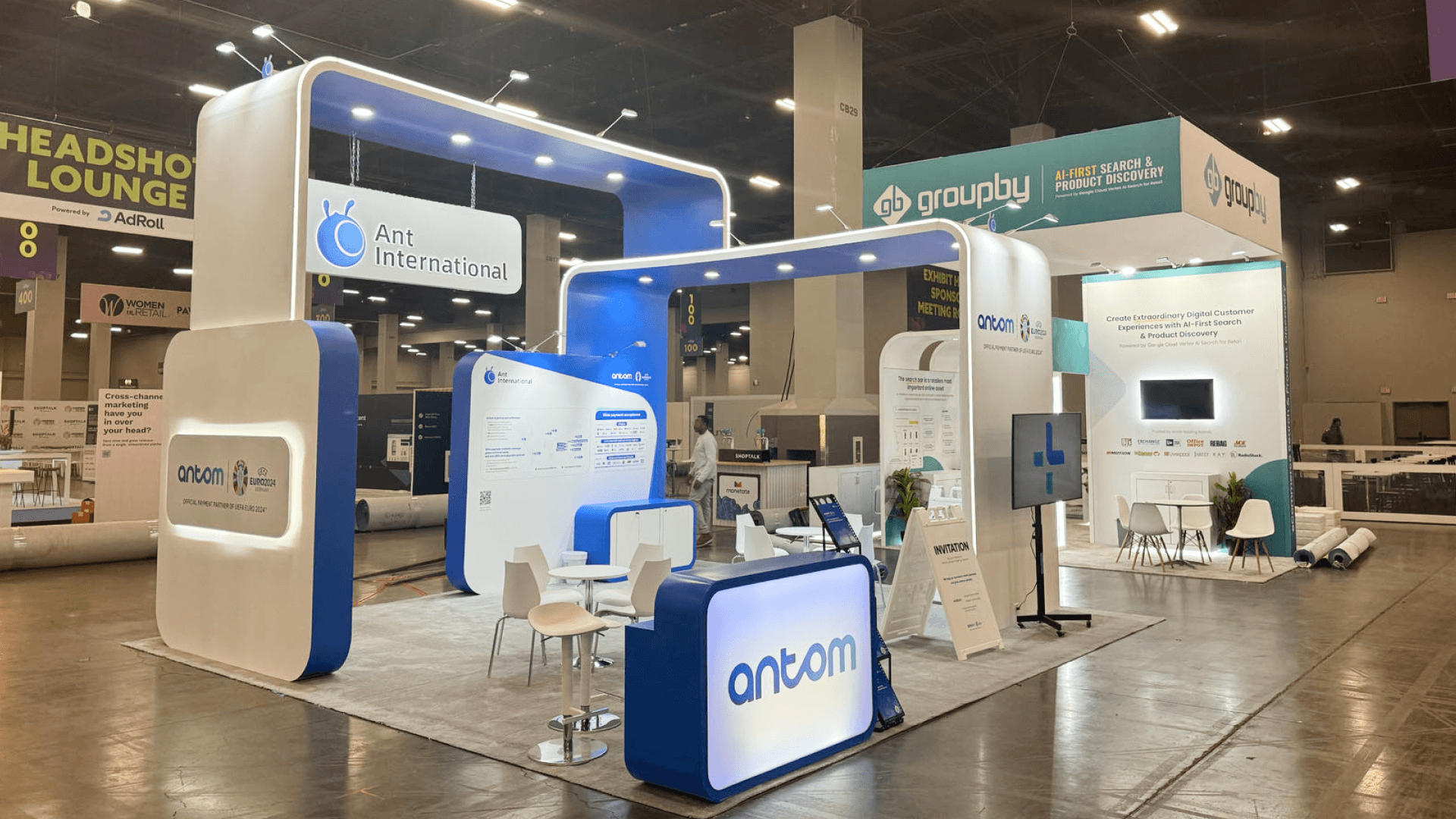
In a 20x20 booth, demonstrations, visitor conversations, storage, and circulation can begin operating at the same time rather than taking turns using the same space.
A 10x20 booth gives a focused exhibit enough room to keep a demonstration or screen visible while a standing conversation continues nearby, creating useful separation between presentation, discussion, and storage.
A 20x30 booth or larger footprint becomes useful when separate demonstrations, product categories, staff roles, or meeting functions need to operate independently and the extra space is solving a real workflow conflict.
Connections Central brings research, education, and exhibits into the same environment, which can change how visitors approach a booth and how quickly they move from recognition into a useful product conversation. How Connections Central shapes booth planning at Critical Care Congress looks at that interaction sequence and the different roles of messaging, demos, and deeper discussion.
Not every qualified conversation needs to remain beside the exhibit. When the product or demo has already done its job, privacy, additional participants, or a longer discussion may call for a different setting. Critical Care Congress booth-to-meeting suite planning focuses on that transition point and when an Exhibit Hall Meeting Suite begins to make sense.
Critical Care Congress booths should make the offering recognizable, support the right level of interaction, and keep deeper conversations or support functions from blocking the primary visitor path.
The first layer should make the product category, clinical role, technology function, or solution context recognizable before deeper supporting information appears.
A live demonstration should answer something that graphics or conversation cannot explain as clearly. If it does not, the demo may simply consume space and staff attention.
When a quick question becomes a deeper clinical or technical discussion, the booth needs a next step that does not block the primary visitor path.
Support materials need a planned location even when visitors never see them. Storage is part of booth capacity, not leftover space.
Critical Care Congress brings together critical care professionals and organizations presenting medical devices, pharmaceuticals, technologies, therapies, and related services.
The 2027 Critical Care Congress is scheduled for March 14–16 at the San Diego Convention Center.
Exhibitors may meet clinicians and other critical care professionals who approach the same product from different clinical, technical, and workflow perspectives.
Not Sure Which Booth Size You Need?
Not every exhibitor knows whether a 10x20, 20x20, 20x30, or larger booth is the right fit. Circle Exhibit can help review your event goals, product display needs, demo areas, meeting space, storage, budget scope, and setup timeline before you choose a booth size.
How Much Clinical Detail Belongs in the First Read?
When Does a Demo Help — and When Does It Slow the Booth Down?
1
Define the First Message
2
3
4
Rental for Flexible Clinical Exhibits
A rental system can work when the booth needs branded walls, screens, counters, storage, furniture, and defined demonstration areas without extensive structural integration. In that situation, San Diego trade show booth rental provides the reusable structural layer while graphics and event-specific elements are configured around the project.
Custom Build for Equipment-Driven Requirements
Custom construction becomes more relevant when specialized structures, integrated equipment, custom supports, unusual architectural requirements, or tightly controlled visitor movement drive the design.
Hybrid for Multi-Show Programs
A reusable structural core can be combined with event-specific graphics, product supports, screens, counters, or storage when the exhibit needs to adapt across several healthcare events.
Open sides, screens, primary product orientation, and visitor entry should respond to the assigned booth location rather than a generic layout.
Electrical, internet, AV, material handling, and other show services should follow the actual product and demonstration requirements.
Confirm current freight, utility, labor, installation, and service-order requirements before production and shipping are finalized.
Before opening, test graphics, products, screens, demos, storage access, visitor flow, and conversation areas as one working exhibit.
Plan a Flexible Booth for Critical Care Congress
A rental exhibit can combine branded walls, screens, demo areas, storage, and meeting space around the booth’s actual show tasks.
What should a Critical Care Congress booth include?
Only the functions needed to help visitors understand the offering and continue the right conversation. Depending on the exhibit, that may mean a product, screen, demonstration, discussion space, storage, or a combination of them.
What booth size works best for Critical Care Congress?
Does every exhibitor need a live demonstration?
Why does Connections Central matter?
When should show-site details be finalized?
READY TO PLAN YOUR NEXT BOOTH?
Let’s Build a Booth That Fits Your Event
Share your event name, booth size, city, timeline, product display needs, and design references. Circle Exhibit will review your project direction and help you choose a rental-friendly or custom exhibit path.
3000+
Booth Projects Supported
50+
U.S. Event Cities
Transparent
Quote Review
Equipment positions, screens, demonstrations, circulation, storage, and conversation zones become a design and engineering problem once they need to function as one physical system.
Separating the first clinical message from deeper product, evidence, or workflow information belongs to graphics and brand presentation, especially when screens and physical displays need to tell the same story.
Exhibits that can reuse walls, counters, storage, screens, and structural components across shows may fit a rental model rather than a fully one-off build.
Freight timing, equipment arrival, service orders, and installation dependencies become one logistics and pre-show coordination problem once the booth plan is fixed.