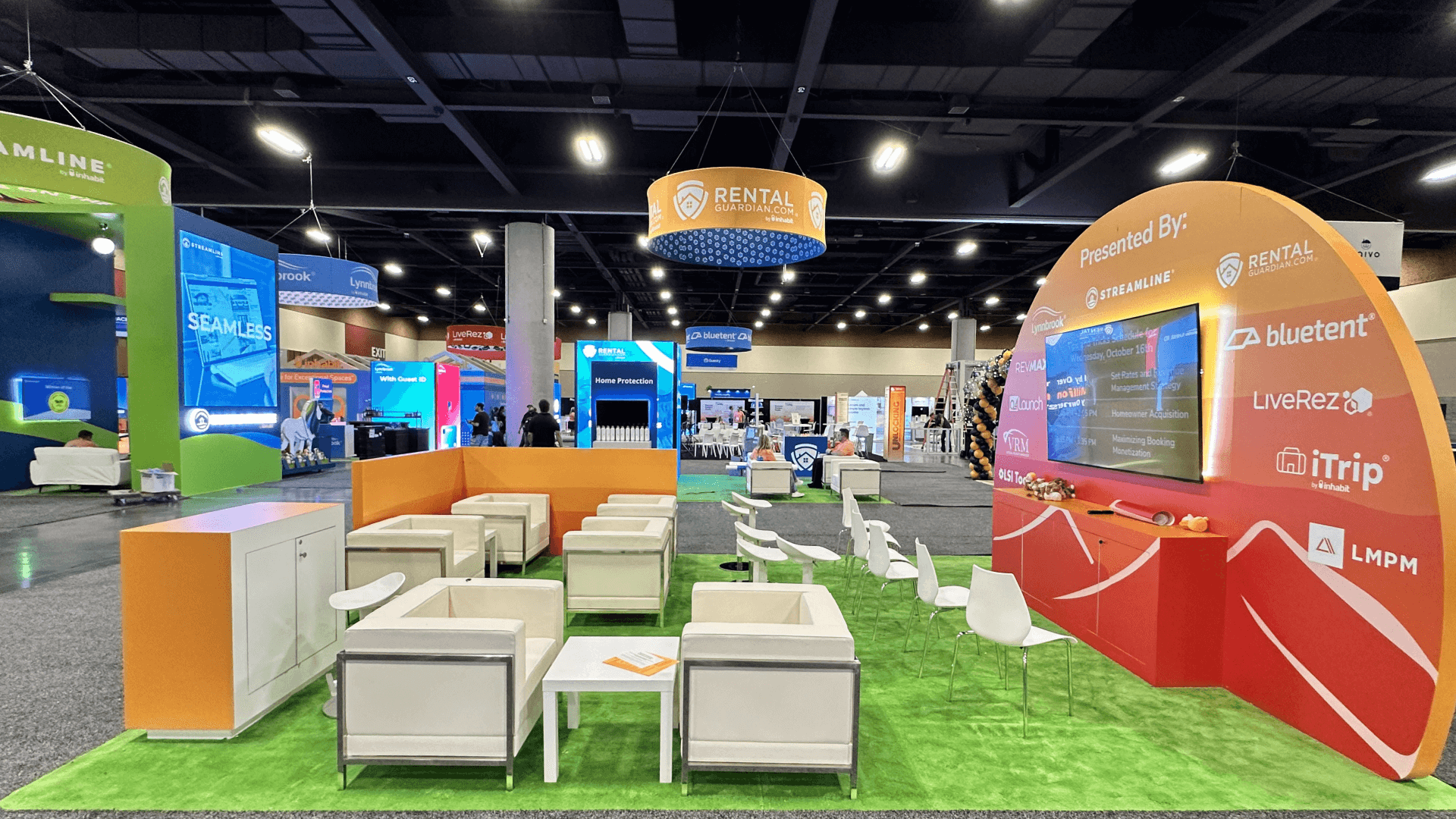
ComplexCon Booth Planning for Product Drops and Retail Operations
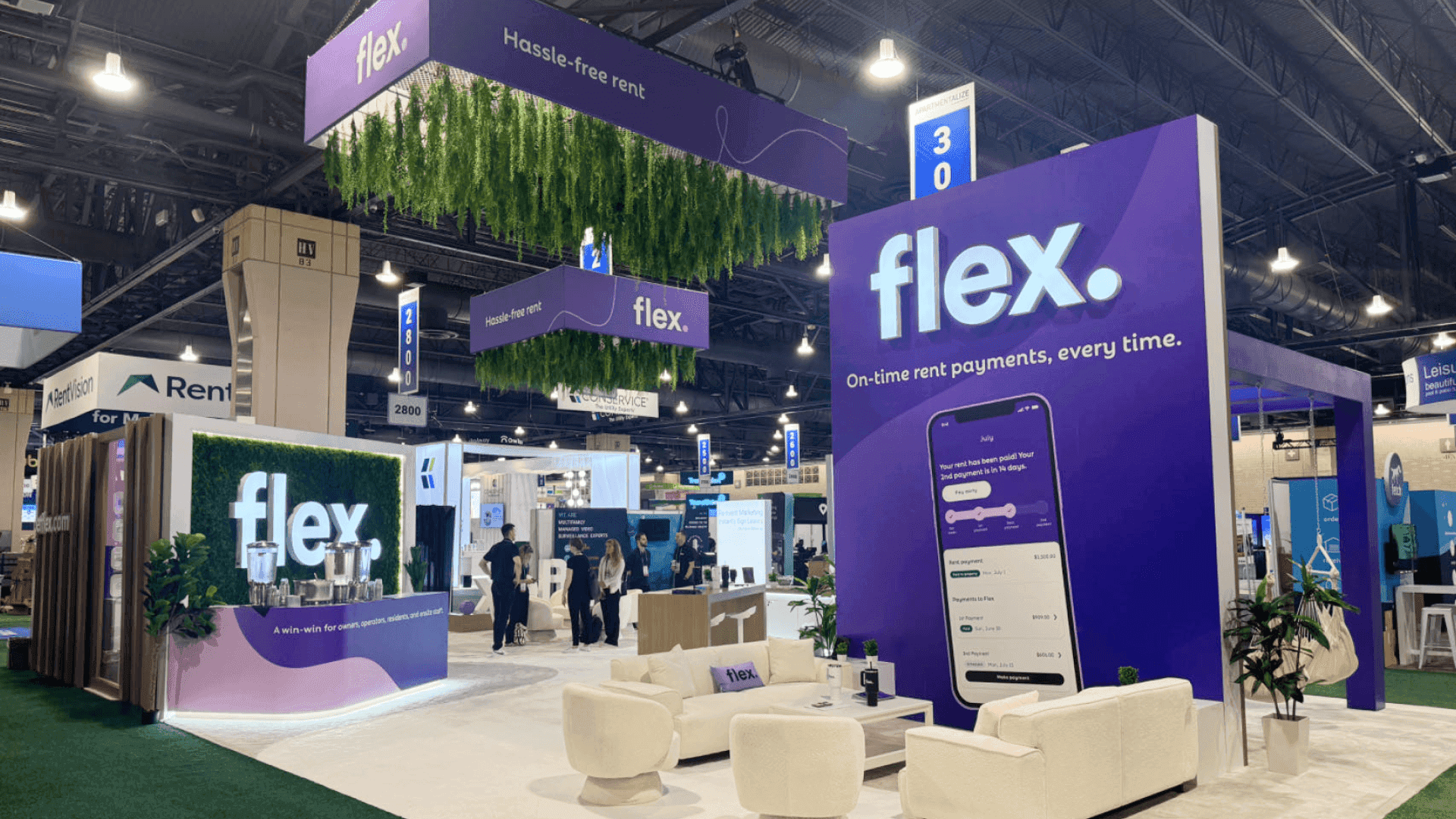
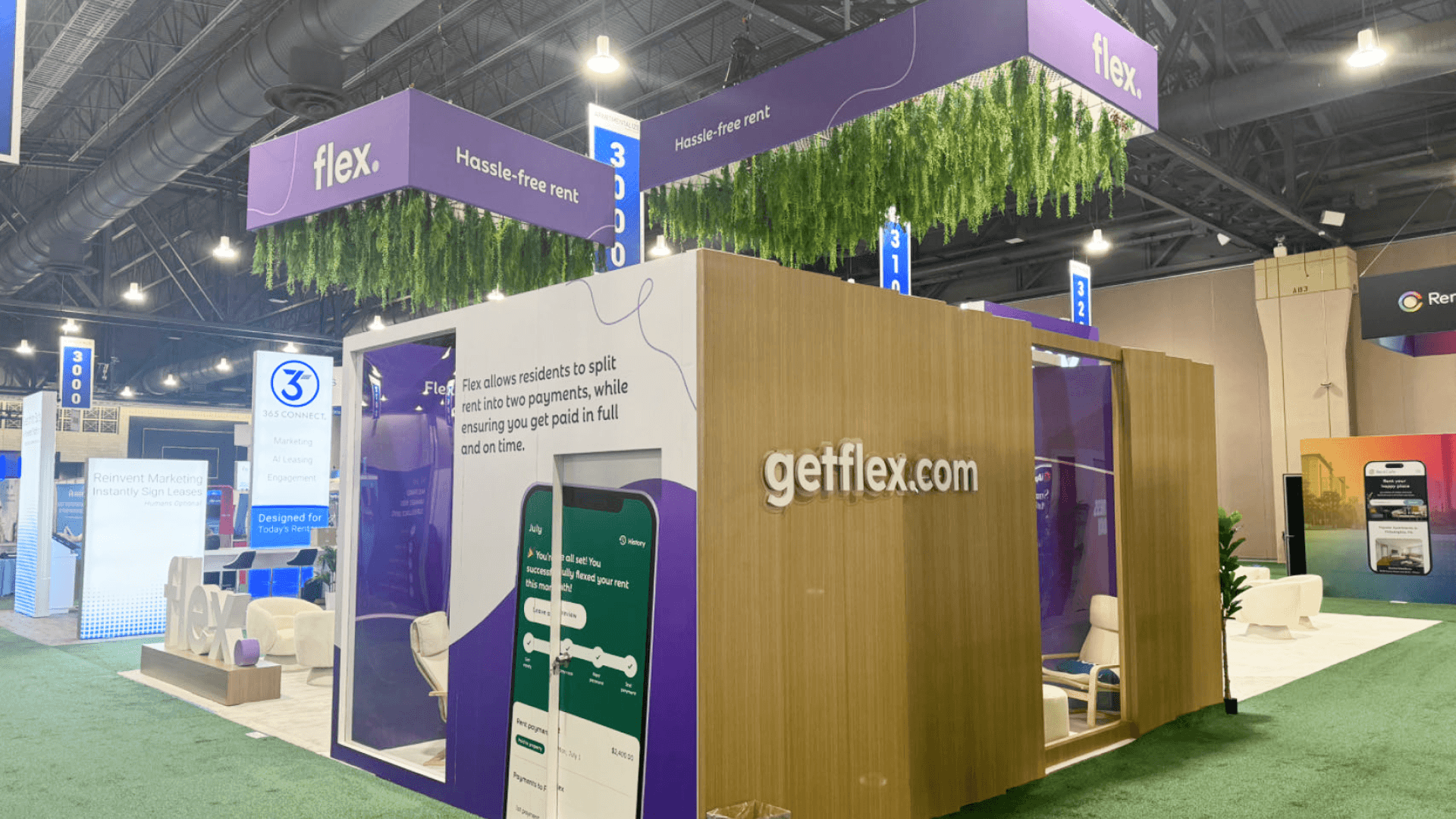
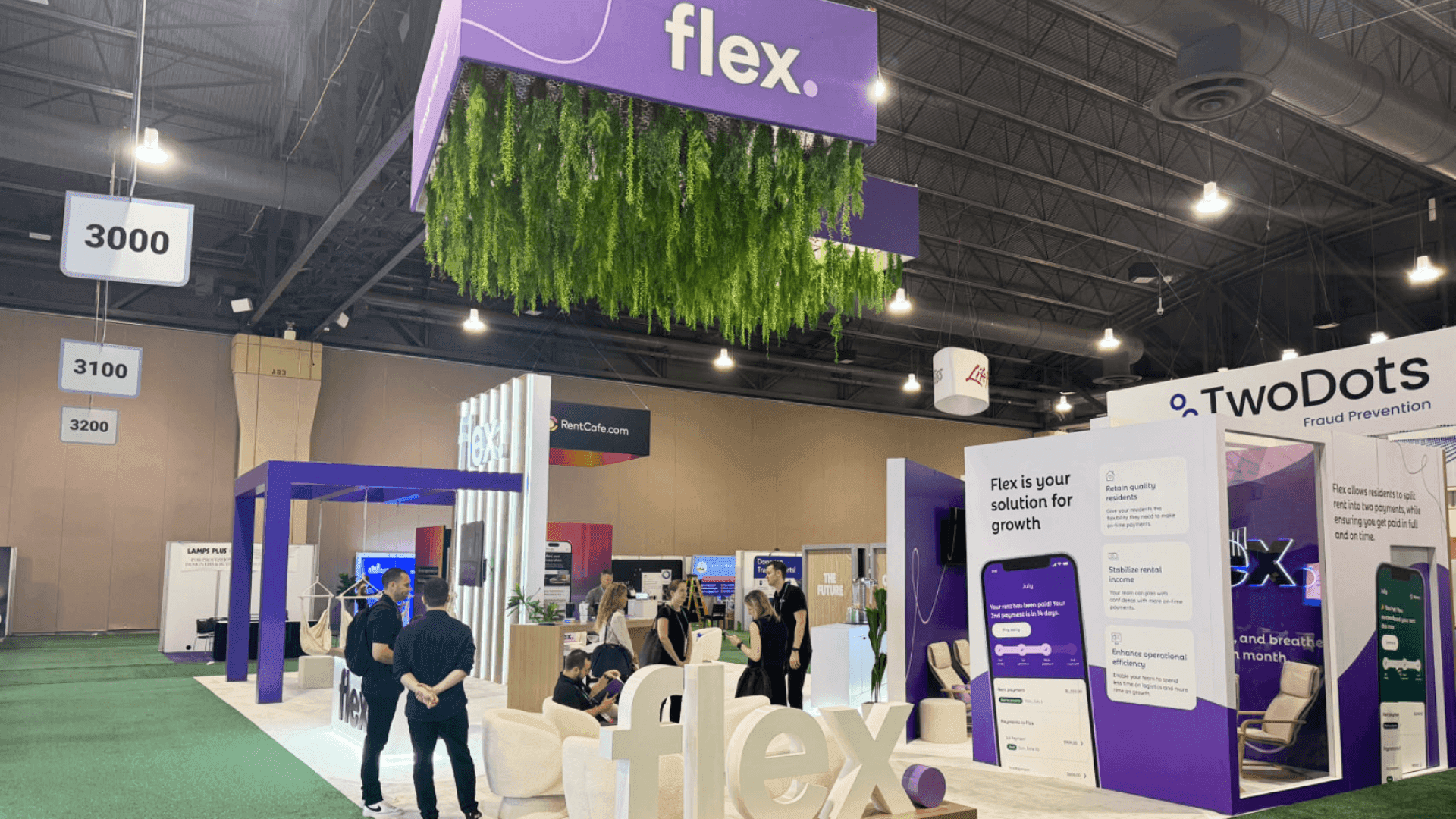

How should a ComplexCon product drop booth be planned?
A ComplexCon product drop booth should be planned as one operating sequence: explain the release, control entry, let visitors review the product, process payment, hand over the order, and keep sellable stock secure. The layout also needs enough staff access and backstock capacity to replenish products without interrupting the customer path.
A ComplexCon product drop booth has to attract attention and complete a sale within the same space. Some visitors may arrive specifically for the release, while others will discover it from the aisle and decide within seconds whether the product is worth joining a line for.
Release details and purchase conditions should be visible before visitors reach the counter. From there, product review, payment, and order handoff should continue in one direction, while staff retain separate access to packaging and secure stock. This page focuses on physical product releases and show-floor retail; art installations, interactive activations, and broader brand environments are covered in the main ComplexCon booth planning guide.
The final layout also depends on how counters, displays, storage, and supporting structures will be produced and installed at LACC. Local production and venue coordination are covered in the Los Angeles booth rental planning page, while the 20x30 booth planning guide can help teams judge whether the footprint provides enough room for customer flow, transactions, secure stock, and staff replenishment.
Why Exhibitors Choose Circle Exhibit
Clear scope, transparent quote review, nationwide booth support, and efficient setup planning for qualified rental and custom exhibit projects.
48hr
Setup Window
10+
Years Since 2014
U.S.
Trade Show Support
Real
Booth Project Proof
Choose the footprint around SKU count, sales volume, queue capacity, staffing, packaging, and secure backstock. Final dimensions and package inclusions should be confirmed with ComplexCon before production.
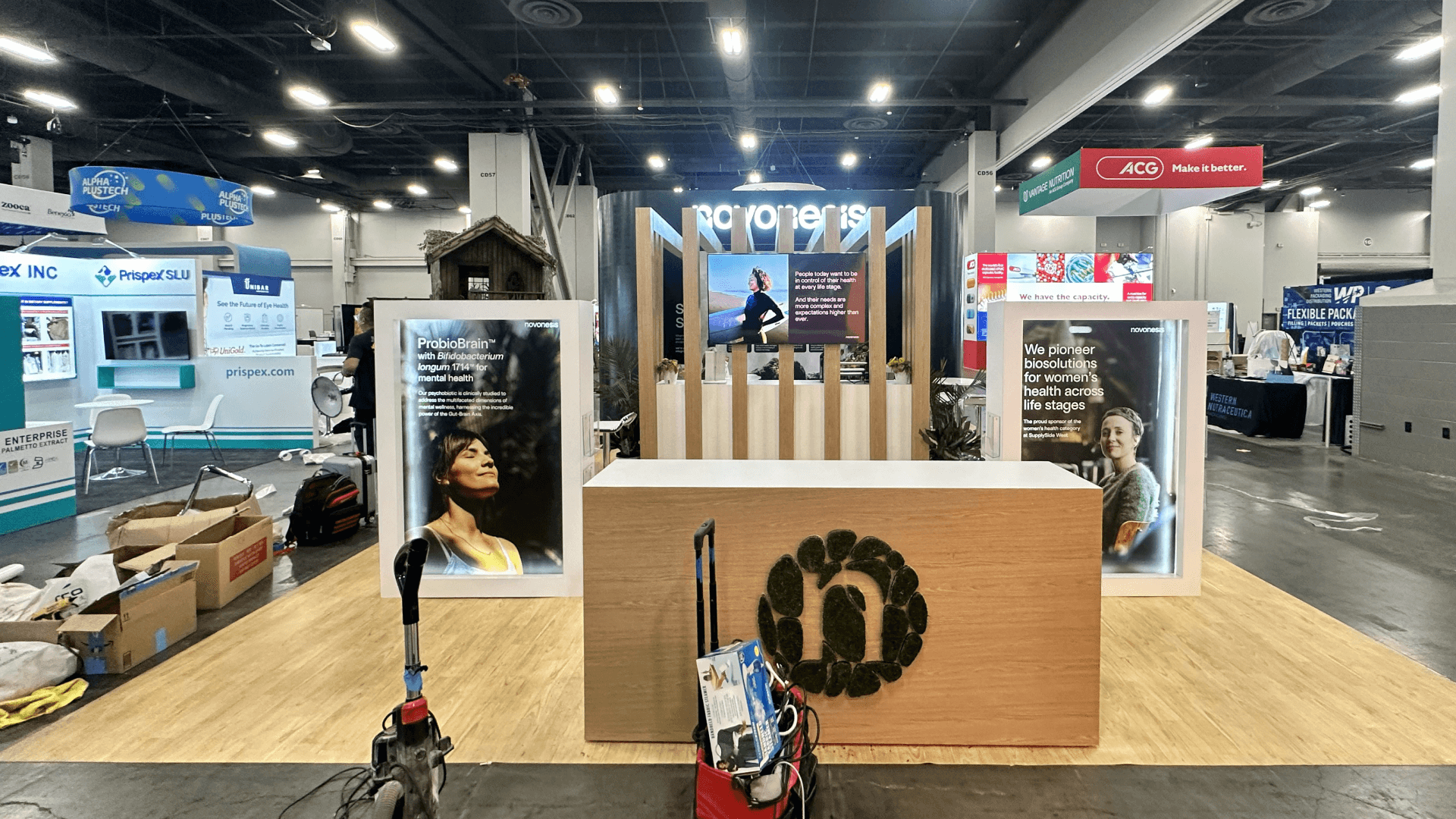
A 10x20 booth works for a focused assortment with one merchandising wall, a compact sales counter, and limited staff storage. It is best for continuous sales or a straightforward product release.
A 20x30 booth gives pre-queue information, product review, payment, handoff, and replenishment more defined space. It is better suited to larger assortments or scheduled drops.
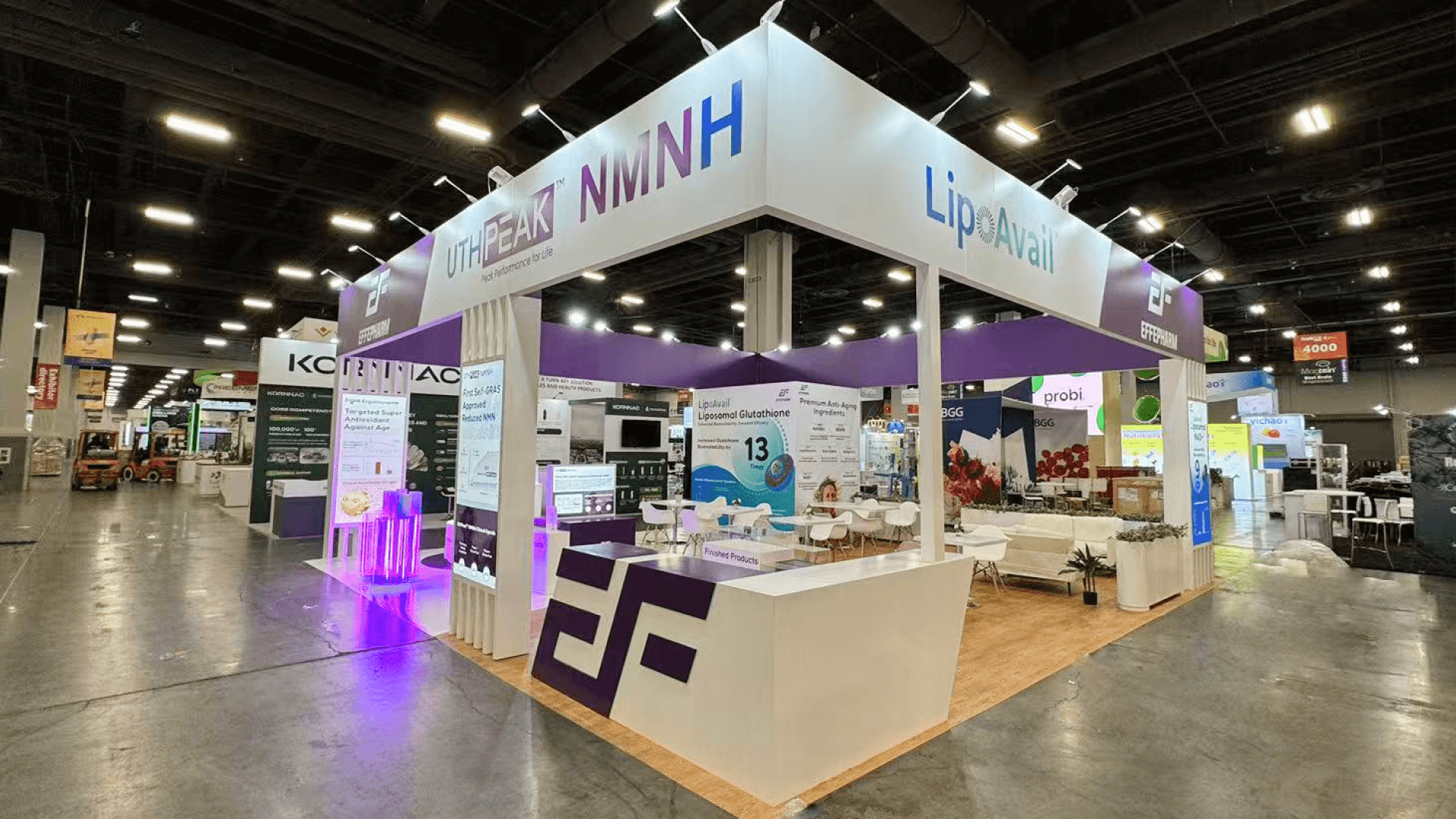
A 20x20 booth can separate product display, payment, customer handoff, and secure backstock. Multiple open sides also help create clearer entry and exit points.
A 30x40 booth can support multiple releases, customization, creator appearances, several transaction points, and larger inventory. It fits campaigns where retail and brand experience are equally important.
Once the display, counters, secure storage, and staff access are planned, the next question is how the release will run during the event. The product drop operations guide covers timed drops, transaction flow, stock retrieval, payment delays, customer handoff, sellout transitions, and preparation for the next release.
The front of the booth has to make the release easy to understand. Behind the counter, staff need a fast way to locate stock, confirm the order, package it, and hand it over.
Visitors should see the product, price, release time, purchase limit, sizing, and availability before reaching the main sales point.
Display samples should be easy to inspect while sellable products remain protected and organized for fast staff access.
Payment, packaging, product verification, and handoff should follow a clear sequence that prevents customers from blocking the next transaction.
Shelving, locks, stock labels, packaging, and replenishment routes should help staff locate products quickly without opening the storage area to visitors.
This booth type connects product discovery, purchase, customer handoff, stock control, and brand presentation.
ComplexCon runs October 3–4, 2026, across the South and West Halls of the Los Angeles Convention Center.
Visitors may arrive specifically for limited apparel, footwear, collectibles, artist merchandise, collaborations, or first-release products.
Not Sure Which Booth Size You Need?
Not every exhibitor knows whether a 10x20, 20x20, 20x30, or larger booth is the right fit. Circle Exhibit can help review your event goals, product display needs, demo areas, meeting space, storage, budget scope, and setup timeline before you choose a booth size.
Separate Display Stock From Sellable Stock
Keep the Queue From Taking Over the Aisle
1
Choose the Sales and Release Model
2
3
4
Rental Structure for a Controlled Product Range
A rental-forward structure can work when the release uses a limited SKU range, standard shelving, one transaction point, and compact secure storage. Custom graphics and merchandising details can carry the identity without rebuilding the full architecture.
Custom Build for a Signature Release
Custom construction becomes more useful when the launch depends on unusual retail fixtures, a recognizable environment, integrated interaction, or architecture that is part of the product story.
Hybrid Retail System for Repeated Drops
Reusable structure, counters, shelving, storage, and lighting can be combined with custom graphic skins and product-specific fixtures that change for future releases.
The final South or West Hall position will affect visible elevations, queue entry, emergency access, product delivery, and customer exit.
POS, inventory systems, QR registration, and digital release information should be tested on the venue-approved connection before opening.
Sellable products, exhibit crates, packaging, technical equipment, and replenishment stock should not be treated as one undifferentiated shipment.
Verify product counts, displays, signs, POS, packaging, storage locks, queue equipment, lighting, and staff positions before each major release.
Retail Booth Rental for ComplexCon Product Drops
A rental or hybrid booth can support merchandising walls, transaction counters, secure storage, release graphics, and local installation. The right structure depends on SKU count, customer flow, backstock, and how products will be handed over during the event.
How should the queue be planned for a ComplexCon product drop?
Visitors should understand the product and purchase conditions before joining. Entry, waiting, payment, customer handoff, and exit should not compete for the same narrow area.
How much storage does a ComplexCon retail booth need?
Should payment and product handoff be separated?
What internet service is needed for a retail booth?
What should happen when a ComplexCon product sells out?
READY TO PLAN YOUR NEXT BOOTH?
Let’s Build a Booth That Fits Your Event
Share your event name, booth size, city, timeline, product display needs, and design references. Circle Exhibit will review your project direction and help you choose a rental-friendly or custom exhibit path.
3000+
Booth Projects Supported
50+
U.S. Event Cities
Transparent
Quote Review
Connect the counter, storage, display, and supporting structure requirements with local fabrication, delivery, installation, and venue coordination at LACC.
Work through the relationship between product display, queue entry, payment, customer handoff, secure stock, and staff replenishment.
Organize product details, pricing, purchase conditions, direction signs, sold-out messaging, and changeable release graphics.
Plan how sellable inventory, packaging, replenishment stock, booth materials, and technical equipment will arrive, remain accessible, and leave after the event.
See how a 20x30 footprint can separate product presentation, queue flow, payment, customer handoff, secure stock, and staff replenishment.