Chicago Build AI & Digital Construction Zone Booth Planning
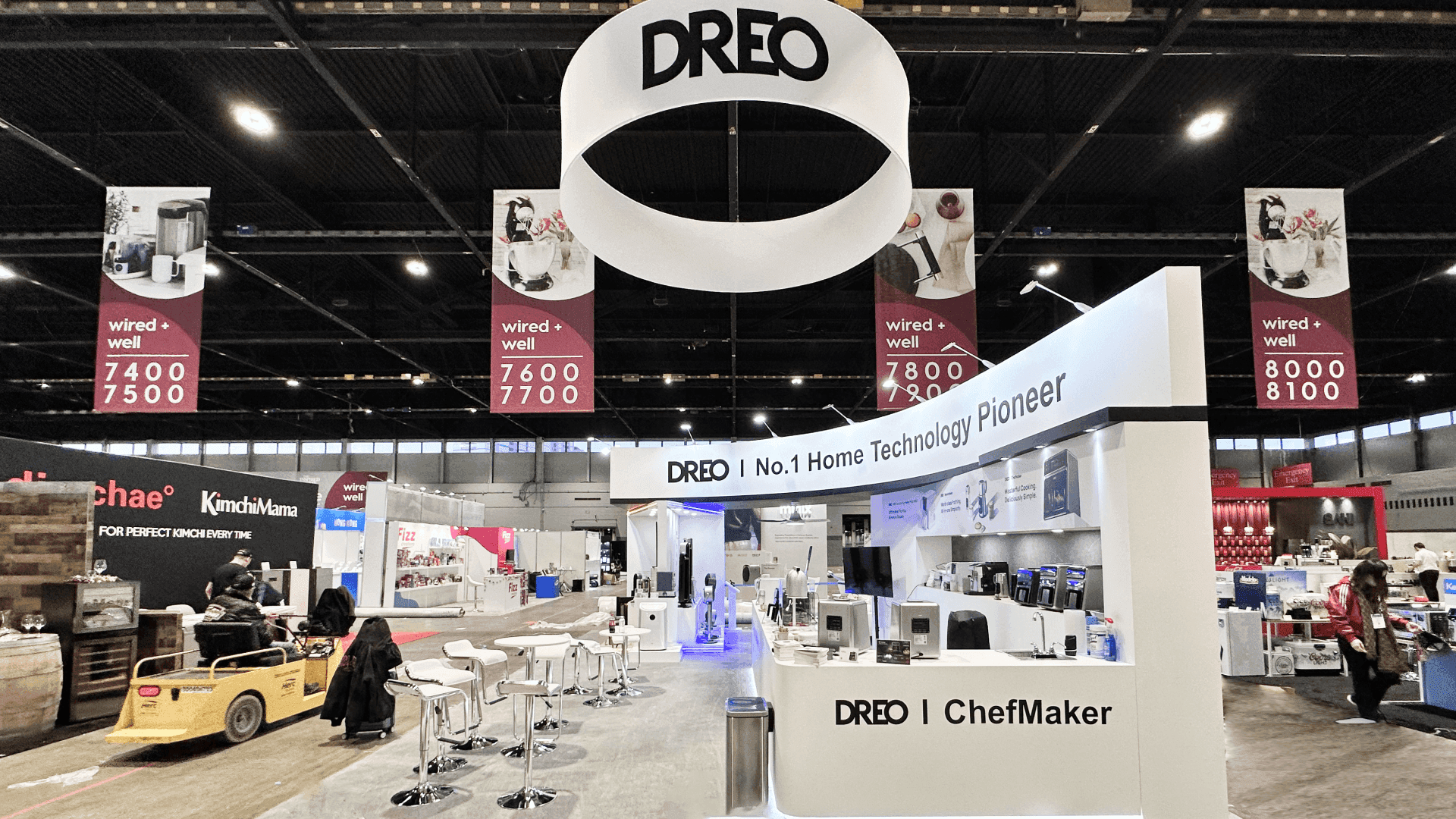
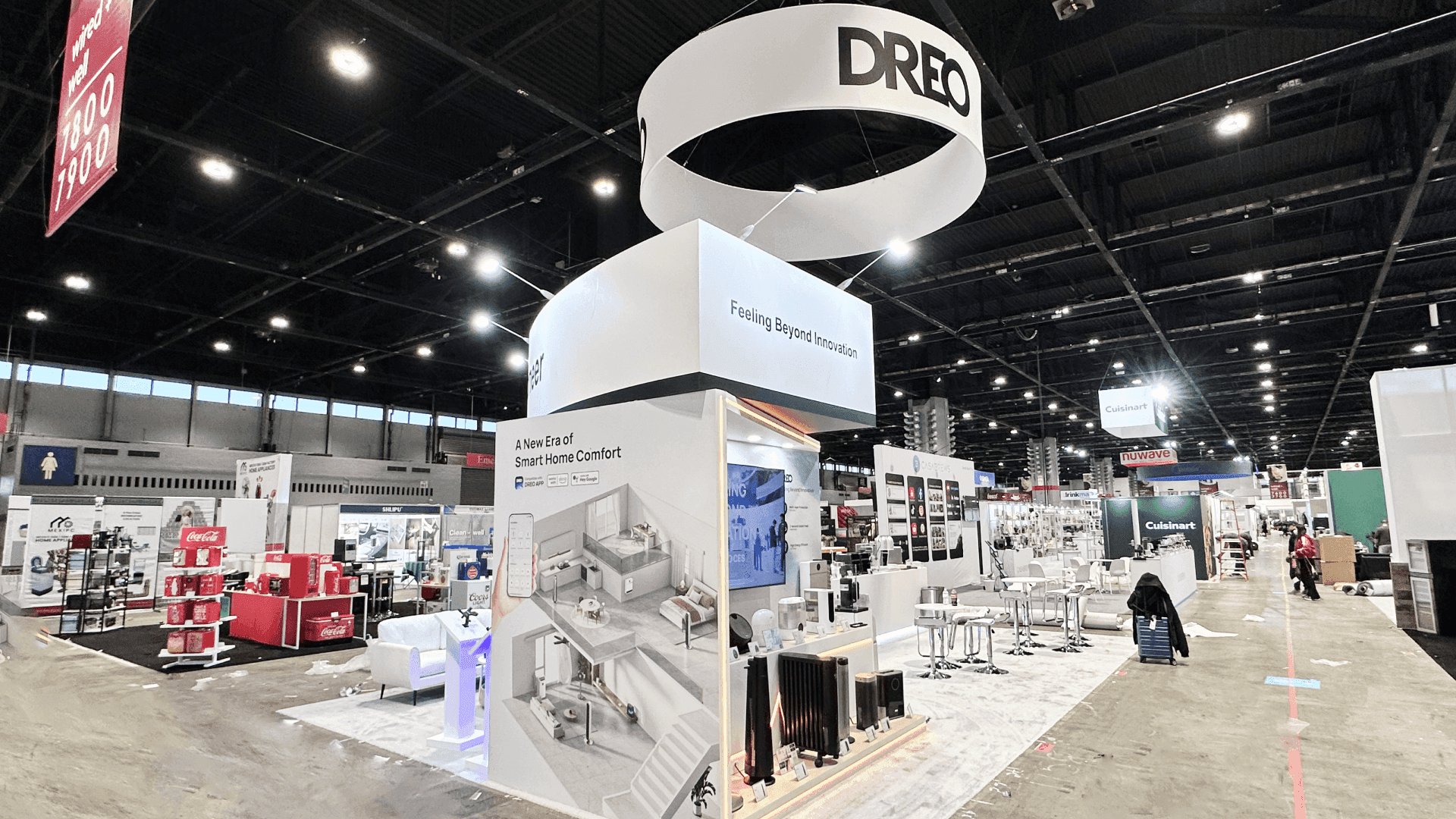
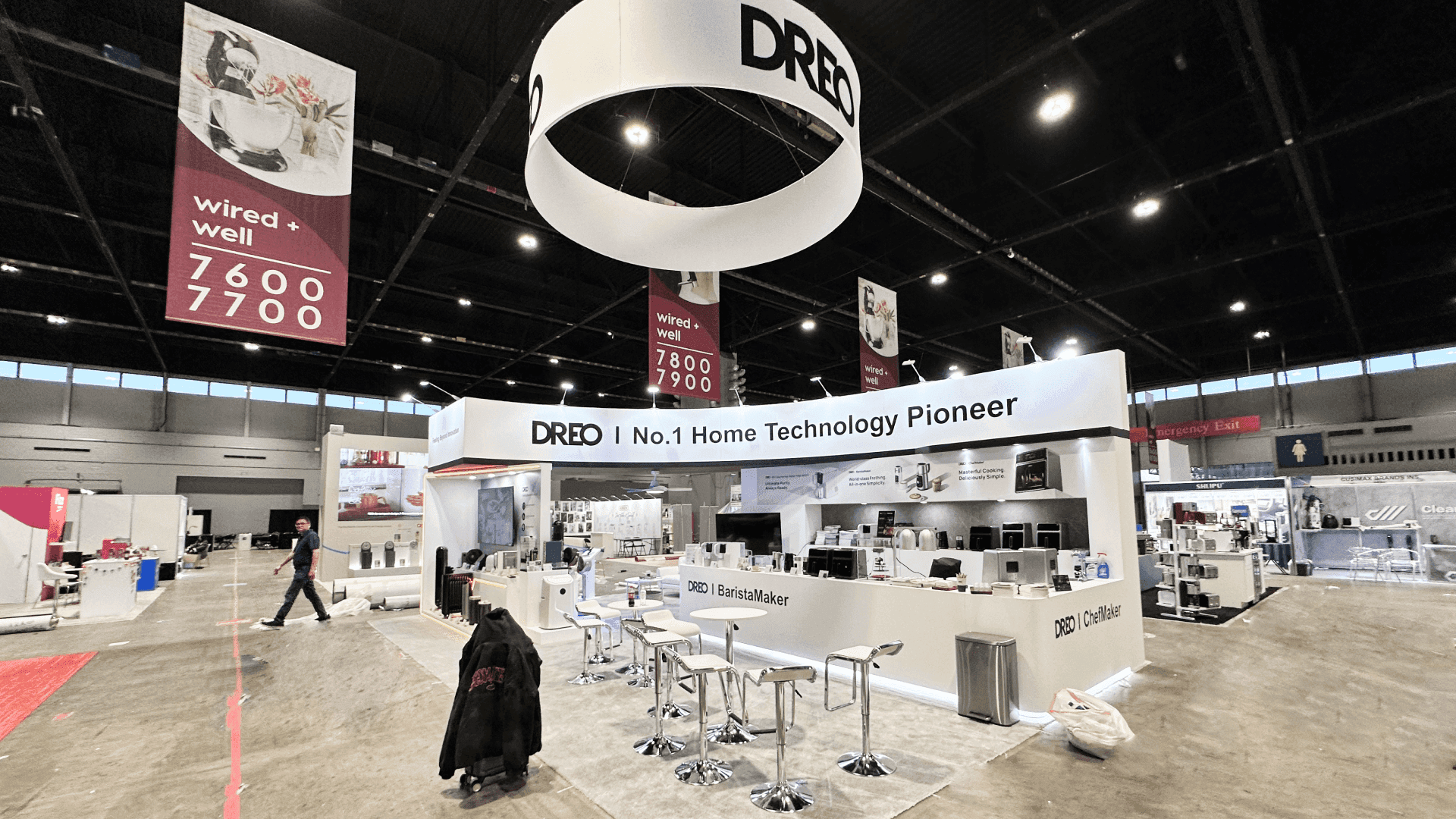

How should AI and digital construction exhibitors plan a Chicago Build booth?
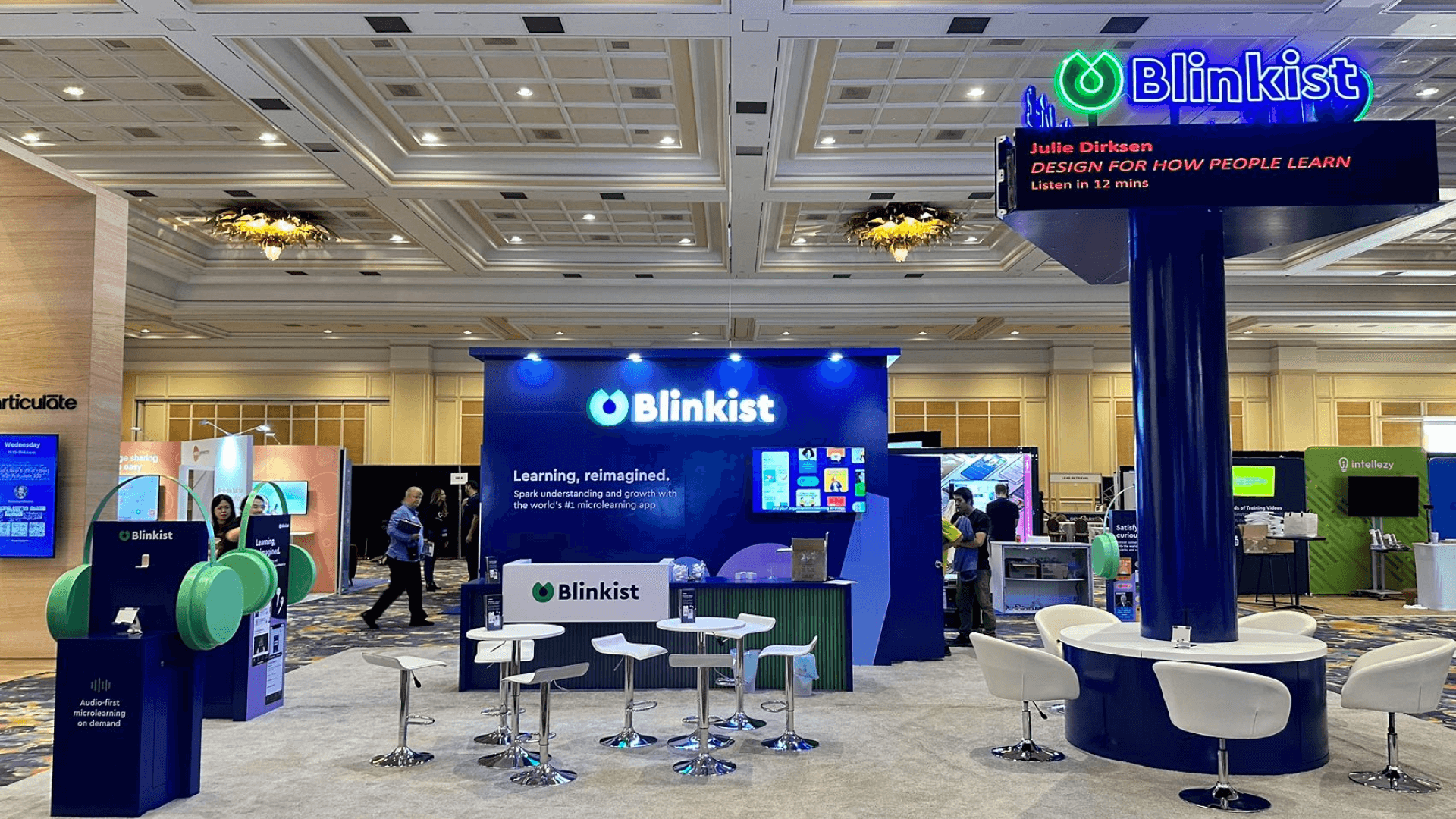
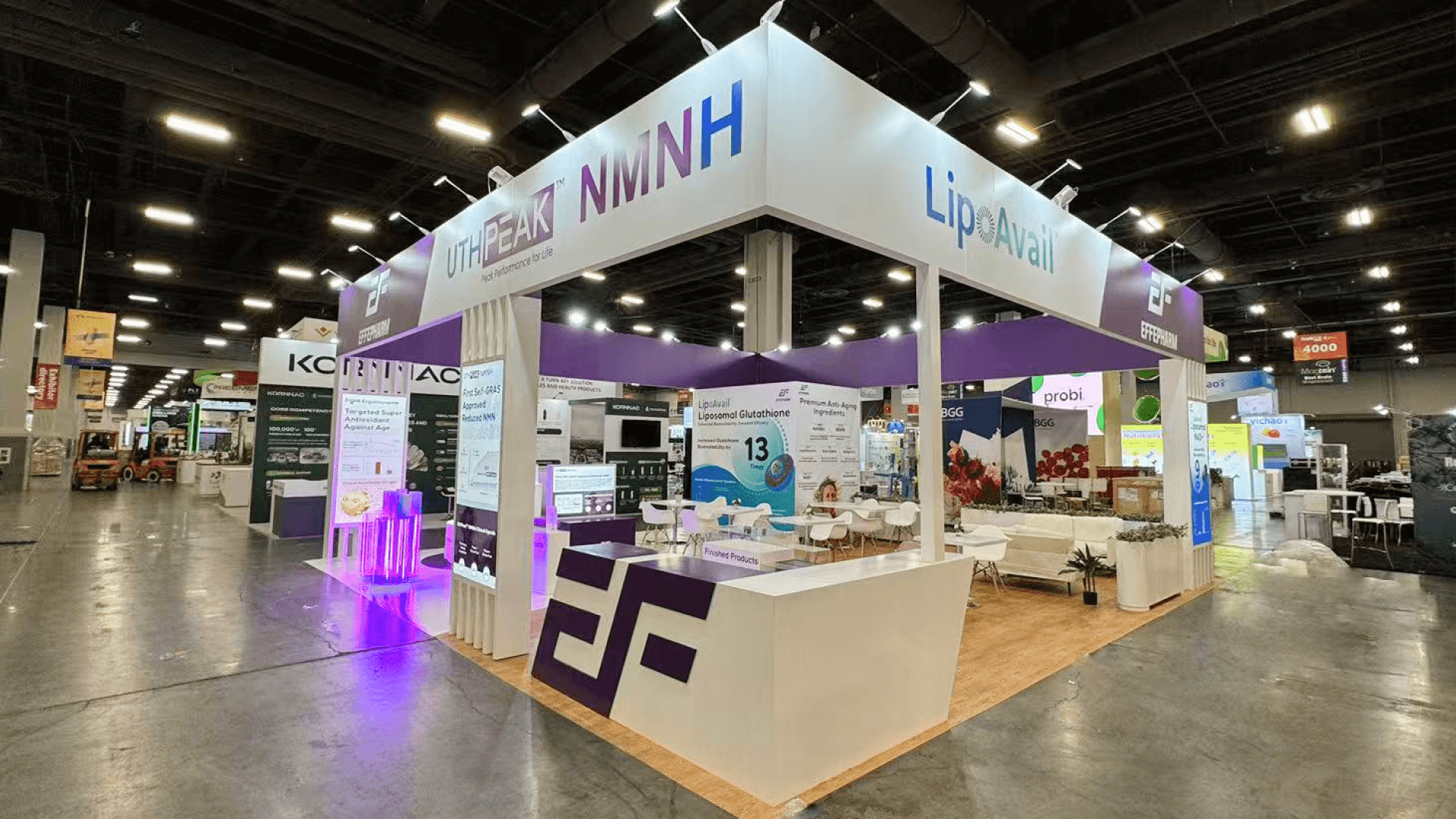
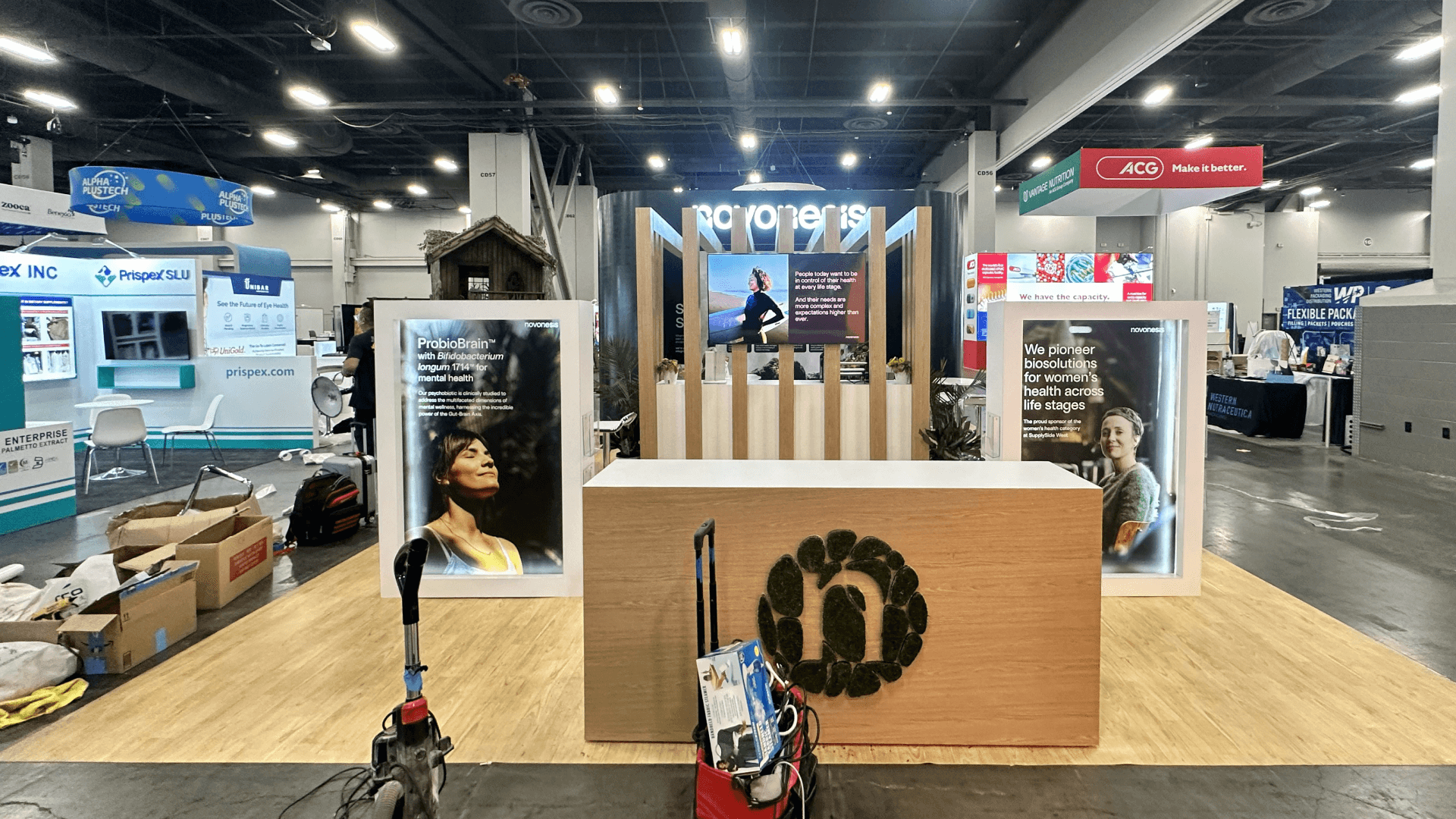
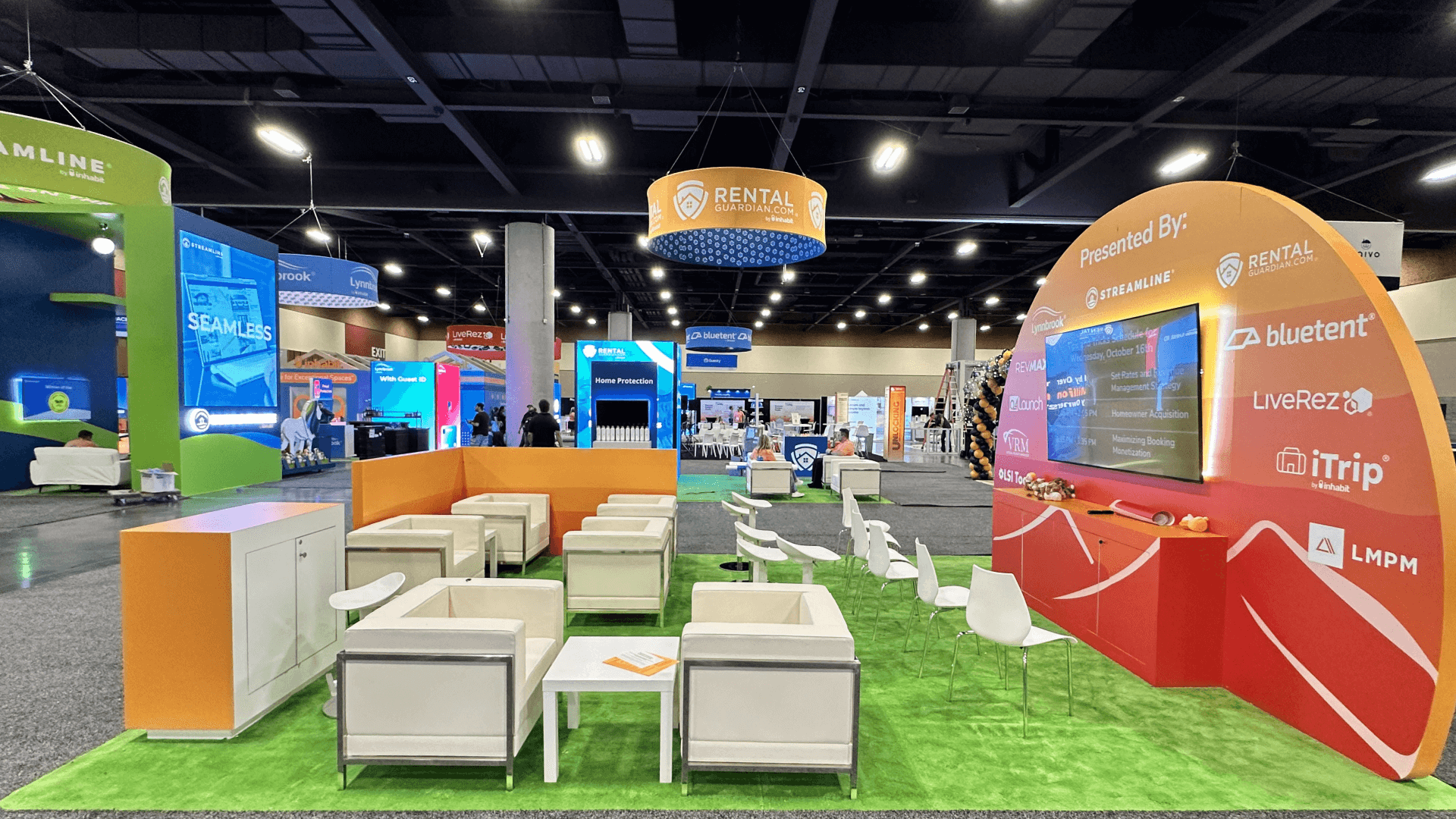
An AI or digital construction booth at Chicago Build should make one workflow easy to understand before showing the software itself. Start with the construction problem, move into a short visible demo, then give qualified visitors somewhere to ask technical or project-specific questions. Screens, standing space, power, connectivity and demo backup should all support that sequence.
AI, BIM and digital construction products can be difficult to exhibit because much of their value lives inside a workflow rather than a physical object. Visitors should understand what changes for design, coordination, construction or project delivery before they are asked to follow a detailed software demonstration. That same challenge appears across AI-focused trade shows, where software, data and automation need to become something buyers can quickly see, understand and discuss.
At Chicago Build, the booth should move visitors through a simple sequence: recognize the use case from the aisle, watch a short demonstration, then continue into a technical or project-specific conversation. Screen visibility, standing space, demo handoff and support equipment all need to serve that flow. Exhibitors showing building products, equipment, HVACR or other physical construction solutions will need a different balance of display and conversation space, which is covered in the broader booth planning for Chicago Build.
Why Exhibitors Choose Circle Exhibit
Clear scope, transparent quote review, nationwide booth support, and efficient setup planning for qualified rental and custom exhibit projects.
48hr
Setup Window
10+
Years Since 2014
U.S.
Trade Show Support
Real
Booth Project Proof
For digital construction exhibitors, footprint is driven less by product quantity and more by demo stations, viewers, conversation depth, and support equipment.
Works best when the booth has one main screen or workstation, a short demonstration, and a standing conversation point. Longer discussions may need to move away from the demo position.
A 20x30 booth becomes useful when different buyer roles need different demonstrations or when scheduled technical discussions continue while walk-up traffic is still active.
A 20x20 booth can separate a visible demonstration from a technical conversation point while preserving room for devices and concealed support storage.
A larger footprint becomes more justified when software is tied to sensors, robotics, hardware, equipment, digital twins, or several integrated technology partners.
AI, BIM, and digital construction exhibitors first need a booth that makes an abstract product or workflow easier to understand in a short visit. Trade show booth design for AI products looks more closely at how messaging, screens, demos, and buyer interactions can support that product story.
Once the screen positions, demo hardware, power, workstation layout, and other physical inputs are settled, checking whether the Chicago Build booth is ready for fabrication becomes the next practical step before drawings, graphics, fixtures, and structural components move into production.
The booth should make the use case clear first, then guide visitors naturally from a short demo into technical discussion and follow-up.
Graphics should explain the problem, user, and outcome before the presenter moves into the software itself.
Screens and standing space should let several visitors follow the demonstration without pushing the audience into the aisle.
BIM, integration, data, and implementation questions need somewhere to continue once the first demonstration is complete.
Chargers, adapters, spare devices, and fallback content should remain easy for staff to access without cluttering the customer-facing area.
AI, BIM and digital construction companies often need to explain a workflow, decision process or data connection rather than a physical product buyers can inspect directly.
Chicago Build 2026 includes an AI & Digital Construction Zone at McCormick Place, creating a focused setting for software, data, automation and construction technology.
BIM managers, contractors, architects, engineers and project teams may already know the construction problem, so the booth needs to show clearly what the technology changes and why it matters.
Not Sure Which Booth Size You Need?
Not every exhibitor knows whether a 10x20, 20x20, 20x30, or larger booth is the right fit. Circle Exhibit can help review your event goals, product display needs, demo areas, meeting space, storage, budget scope, and setup timeline before you choose a booth size.
Can People See the Screen Without Standing in the Aisle?
What Happens When More Than One Person Wants the Demo?
1
Pick One Workflow First
2
3
4
Rental for Screen-Led Demos
When the booth mainly needs screens, counters, storage, and conversation space, a rental system can support the demo without adding unnecessary custom structure.
Custom for Integrated Hardware
Sensors, robotics, control systems, or other physical technology may require fixtures and structures designed around the equipment and demo sequence.
Hybrid for Repeat Programs
A reusable structure can stay consistent while demo counters, devices, graphics, and screen content change from one event to the next.
The final demonstration cannot be validated until the real screens, workstations and power setup are in place.
If the workflow requires live cloud access, confirm the service early and decide what the visitor will see if connectivity fails.
A visually attractive screen location may stop working once power, hardware, presenter movement and visitor standing space are considered together.
The final test should begin where the visitor first sees the booth and end where technical follow-up or lead capture happens.
Need a Reusable Chicago Build AI Demo Booth?
A rental structure can support a screen-led AI or BIM demo program when the booth mainly needs branded walls, demo counters, screens, storage, and conversation space.
Should the screen show the product UI or the construction problem first?
The visitor should understand the construction or project problem first. The interface then proves how the product addresses it.
How long should the first software demo be?
Is one screen enough for an AI or BIM booth?
When does a digital construction exhibitor need a 20x20 instead of a 10x20?
What should the team do if the live demo loses connectivity?
READY TO PLAN YOUR NEXT BOOTH?
Let’s Build a Booth That Fits Your Event
Share your event name, booth size, city, timeline, product display needs, and design references. Circle Exhibit will review your project direction and help you choose a rental-friendly or custom exhibit path.
3000+
Booth Projects Supported
50+
U.S. Event Cities
Transparent
Quote Review
For the parent event, broader buyer environment, product categories, and overall booth-planning context.
For demo-ready fabrication, screen integration, utility coordination, and McCormick Place execution.
For translating screens, devices, demo stations, and technical requirements into a buildable booth.
For exhibitors whose screen-led demo program can be supported by a reusable rental structure.
For detailed demo-capacity, conversation, storage, and footprint tradeoffs.