Is Your Planned Activity a Booth Demo or an In-Booth Lecture?
A specialist showing an intraoral scanner to people who stop by is doing something different from a presenter addressing a seated audience at a scheduled time. A designated speaker, chairs, amplified sound, and an audience expected to remain are reasons to check the lecture requirements.
These are planning clues, not official classification thresholds. The CDS prospectus does not define a lecture solely by its duration or audience count, so uncertain plans should be put to the organizer before the design is finalized.
Prepare a one-page Activity Brief listing the product and presentation method, expected audience, assigned booth, seating, audiovisual equipment, presenter, and schedule. It gives CDS a specific activity to assess rather than a vague request to approve a “demo.”
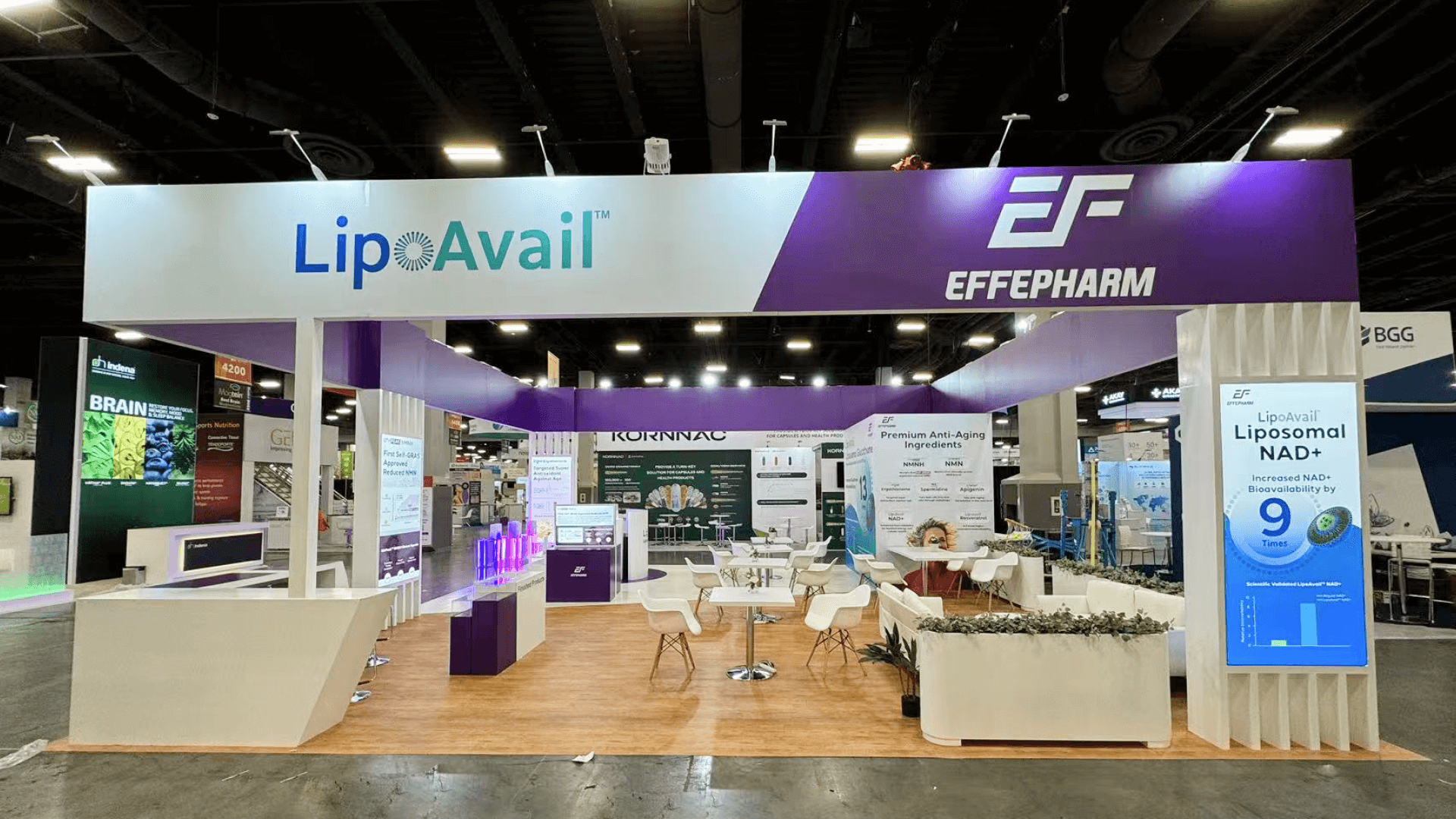
A regular CDS booth demonstration should fit the assigned booth space while keeping equipment, visitors, and conversations within applicable exhibit boundaries.
What Can Stay Within a Regular CDS Booth?
In inline/standard and corner booths, CDS confines live and video demonstrations to the rear five feet of the rented space. Island and peninsula booths have their own configuration rules. Across all booth types, the demonstration and its audience must stay within the rented footprint without obstructing aisles or neighboring exhibits.
Suppose a 10×10 inline booth has a monitor near the aisle showing a scanner workflow. Moving it back may address the placement restriction, but if viewers still spill into the walkway, the team must also change the viewing arrangement.
CDS prohibits clinical procedures on patients or live models. Such a demonstration cannot go ahead unchanged; exhibitors can propose a model or recorded explanation and confirm its suitability with CDS. A regular demo remains an option only when the activity, placement, and audience fit the applicable rules.
What Changes When You Plan an In-Booth Demonstration Lecture?
A formal lecture has its own space and approval requirements. A 20×30 booth footprint meets CDS's 600-square-foot dimensional requirement, but linear exhibits do not qualify, and the proposed lecture still needs CDS approval.
Before committing to the lecture, check:
Space: A qualifying 20×30 configuration of at least 600 sq. ft.; no linear booths.
Plans and approval: Mandatory Approval Form, exhibit layout, seating diagram, and sound-system design; sound directed inward, with aisles kept clear.
Speaker submission: Names and lecture topics submitted to CDS for approval at least 60 days before the meeting.
CE restriction: No continuing education credits offered or promoted for presentations or lectures held in the booth.
A sufficiently large booth is not automatically an approved lecture space. If its configuration or application does not qualify, change the activity or secure eligible space before fabrication.
When Is a Sponsored Learning Theater a Separate Option?
The 2027 CDS prospectus lists a limited number of one-hour Sponsored Learning Theater sessions. They are separate sponsorship opportunities, not a benefit included with standard exhibit space; availability and eligibility must be confirmed through the official Exhibitor Portal.
This option may suit a scheduled talk that cannot be accommodated in the company's own booth. If a theater session is unavailable, the team must reconsider a qualifying in-booth lecture or change the proposed presentation.
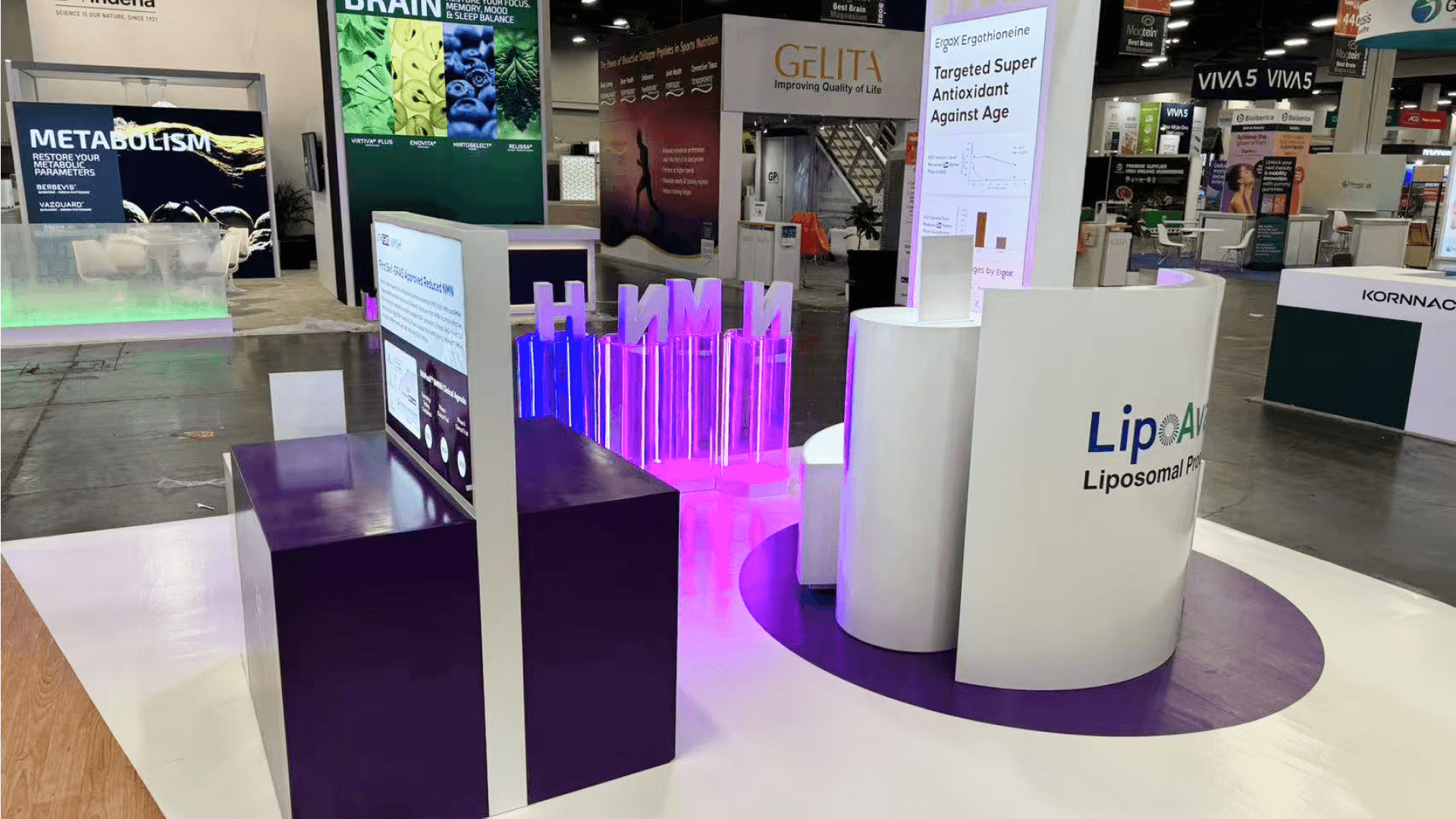
In-booth demonstration lectures require qualifying booth space, presentation planning, seating, sound considerations, and CDS approval before production.
Which CDS Presentation Format Can Your Plan Actually Use?
Choose the format that fits the activity and confirmed conditions—not the label used on the marketing schedule. Use the following decision table after reviewing the assigned booth and any outstanding organizer questions.
CDS Presentation Format Decision Gate
Planned format | When it can work | If it cannot |
|---|---|---|
Regular booth demo | Activity, equipment, and viewers meet the assigned booth's placement and aisle rules. | Change the demonstration or viewing arrangement. |
In-booth lecture | Qualifying 20×30 space and required materials, with CDS approval. | Secure eligible space or change the activity. |
Sponsored Learning Theater | CDS confirms a separate sponsorship session and its conditions. | Choose another permitted format. |
Prohibited patient or live-model procedures cannot remain in the plan, and unclear activities need CDS confirmation before production. Once the format and requirements are established, exhibit design and engineering can translate the equipment, seating, sound, and space needs into a buildable plan.
FAQ
Can a CDS exhibitor hold a demonstration lecture in a 10×20 booth?
No. A formal in-booth lecture requires a qualifying 20×30 space of at least 600 square feet and CDS approval.
Can exhibitors offer CE credits for an in-booth demonstration lecture?
No. CDS prohibits exhibitors from offering or promoting CE credits for demonstrations or lectures held in their booths.
Does standard CDS booth space include a Sponsored Learning Theater slot?
No. Theater sessions are separate sponsorship opportunities, subject to CDS availability and eligibility.
Conclusion
Confirm the presentation format and any required approvals before committing to the booth layout. Once a regular demo's conditions are settled, dental product evaluation planning can focus on what visitors should examine, compare, and discuss.