Black Hat 20x30 Booth Planning for Cybersecurity Exhibitors

How should exhibitors plan a 20x30 booth at Black Hat?
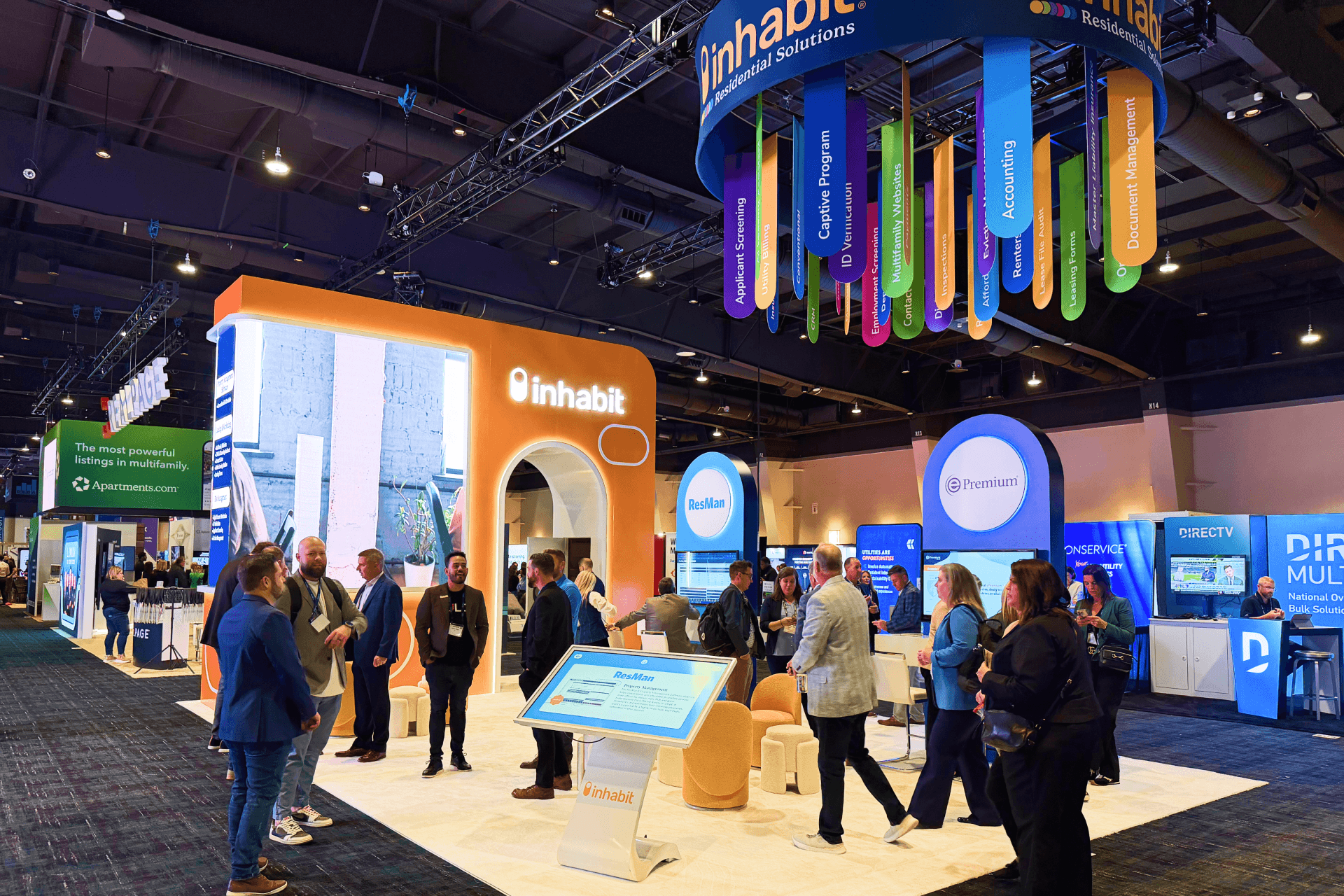
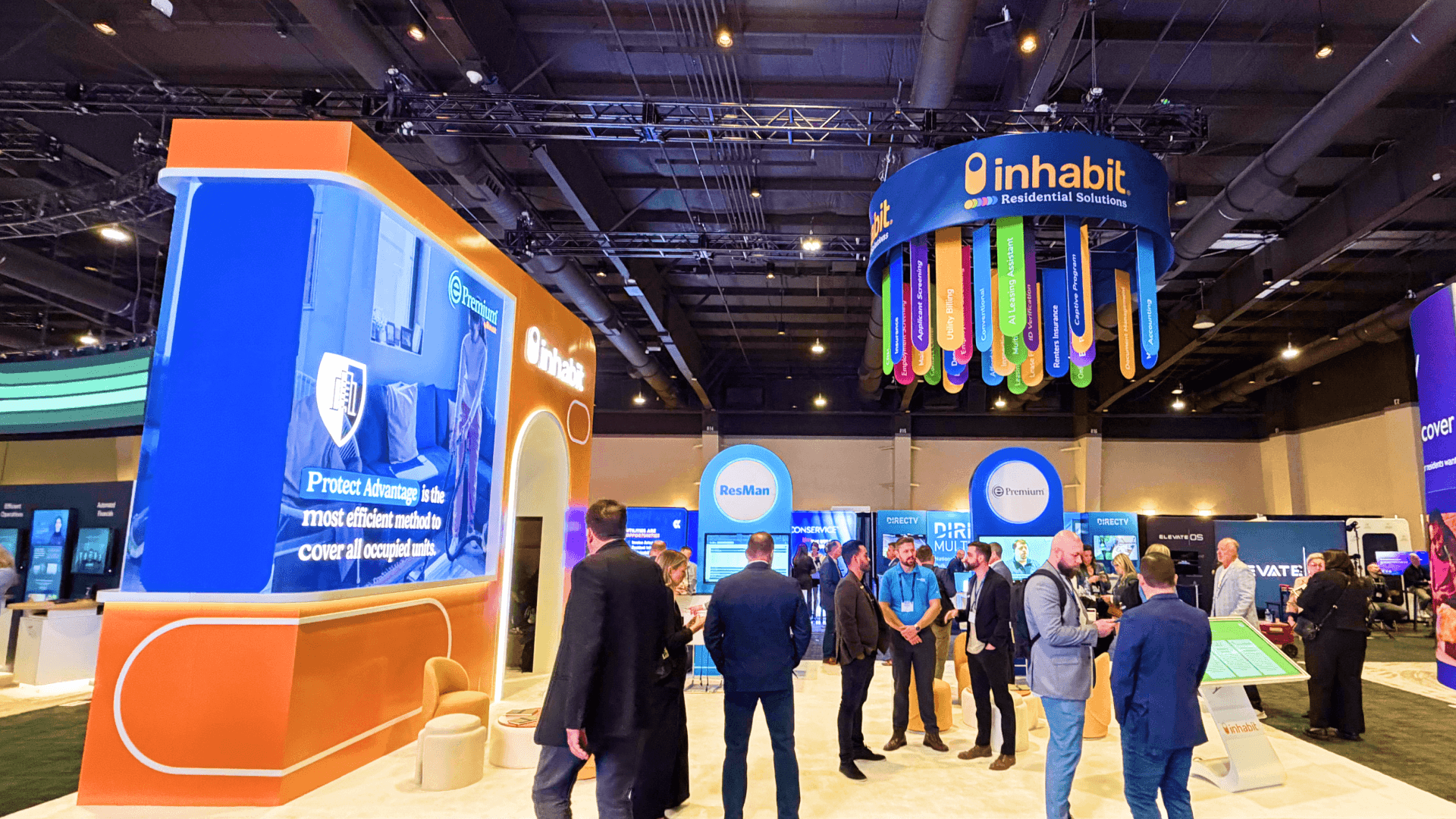
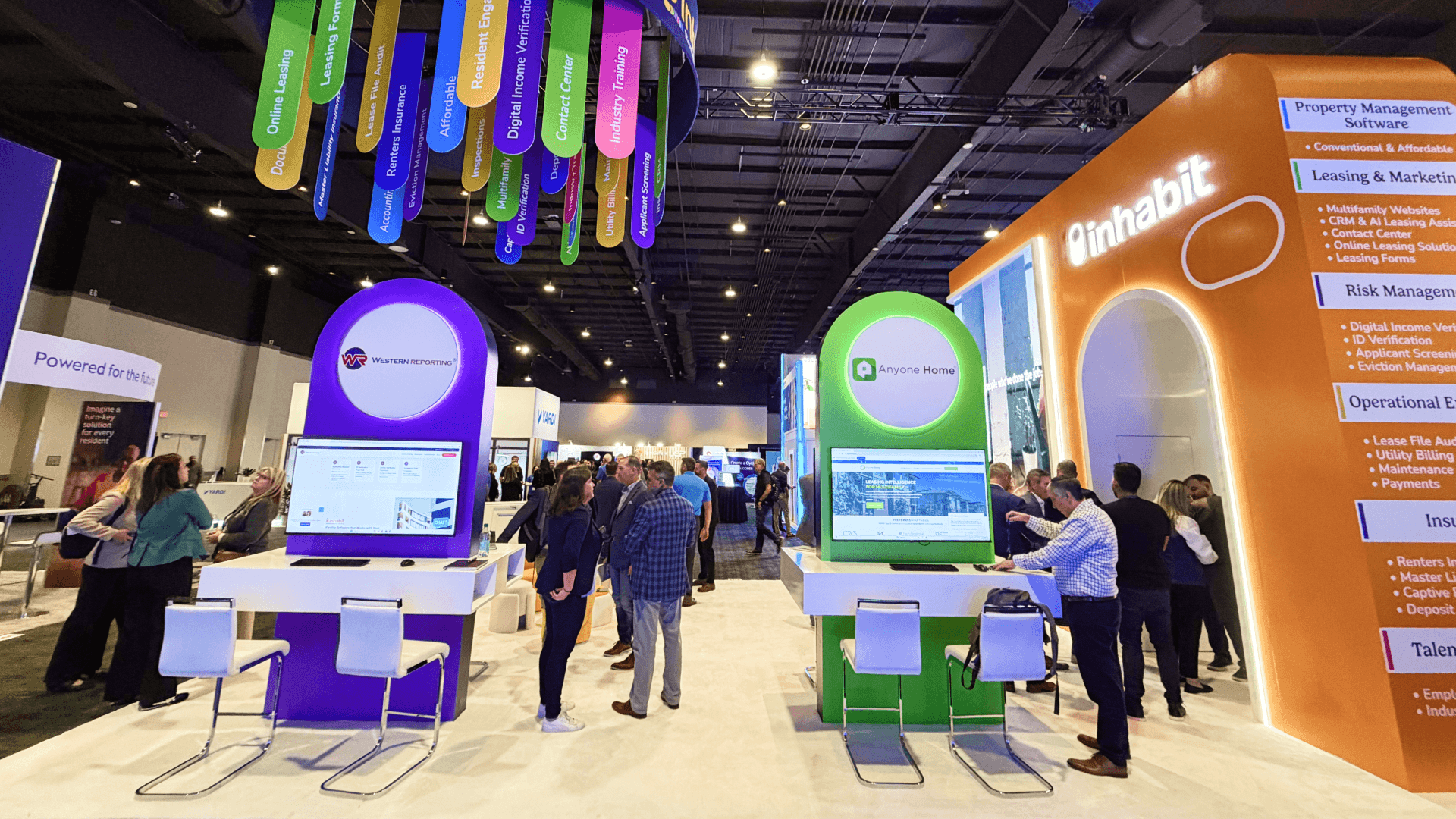
A Black Hat 20x30 booth should be planned around screen placement, demo counter location, meeting space, staff movement, storage access, branded graphics, lead capture, power needs, and Mandalay Bay setup timing. The layout should give cybersecurity exhibitors enough room to explain a product, guide visitors through a short demo, and move qualified prospects into a focused conversation without crowding the aisle.
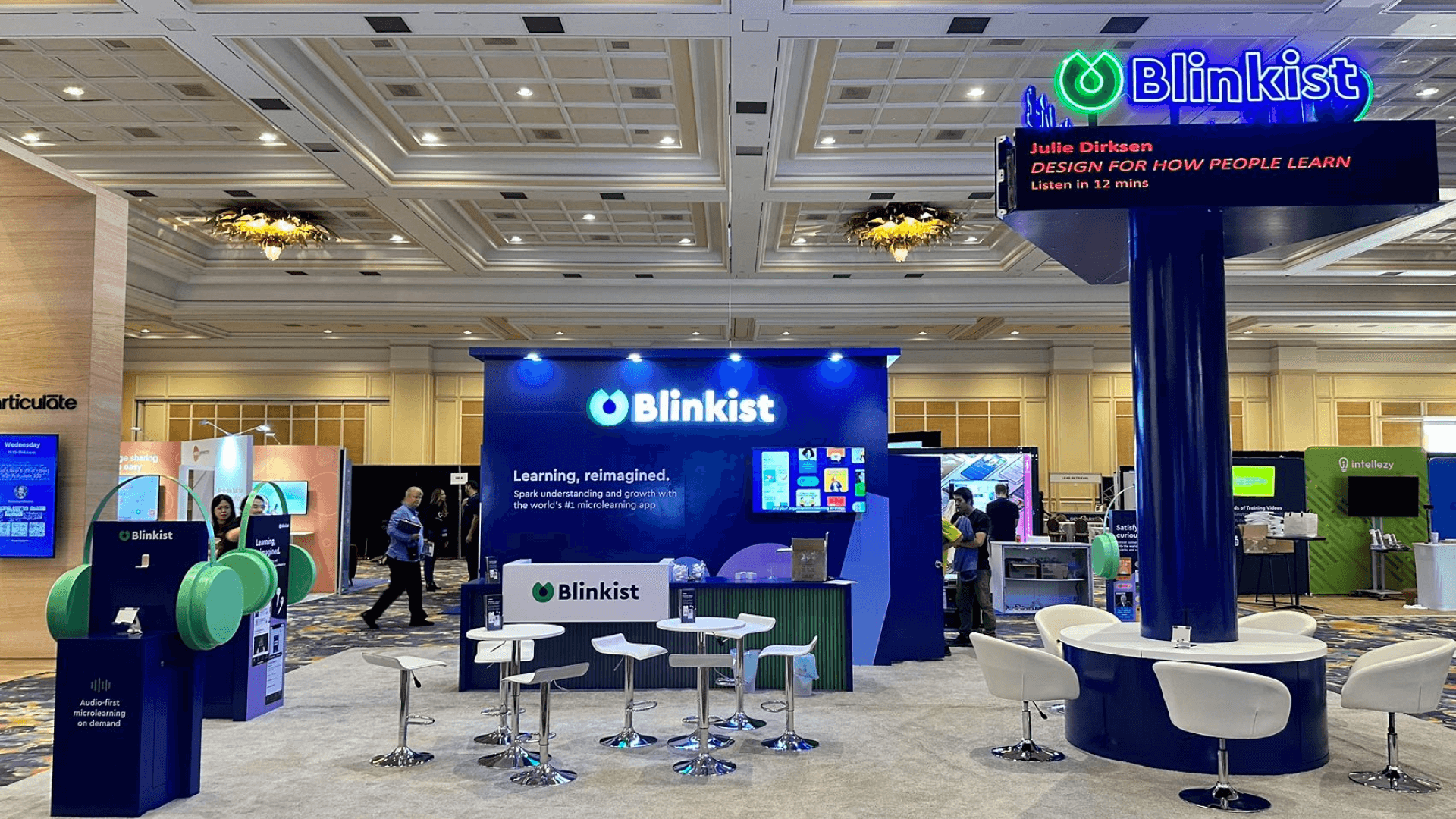
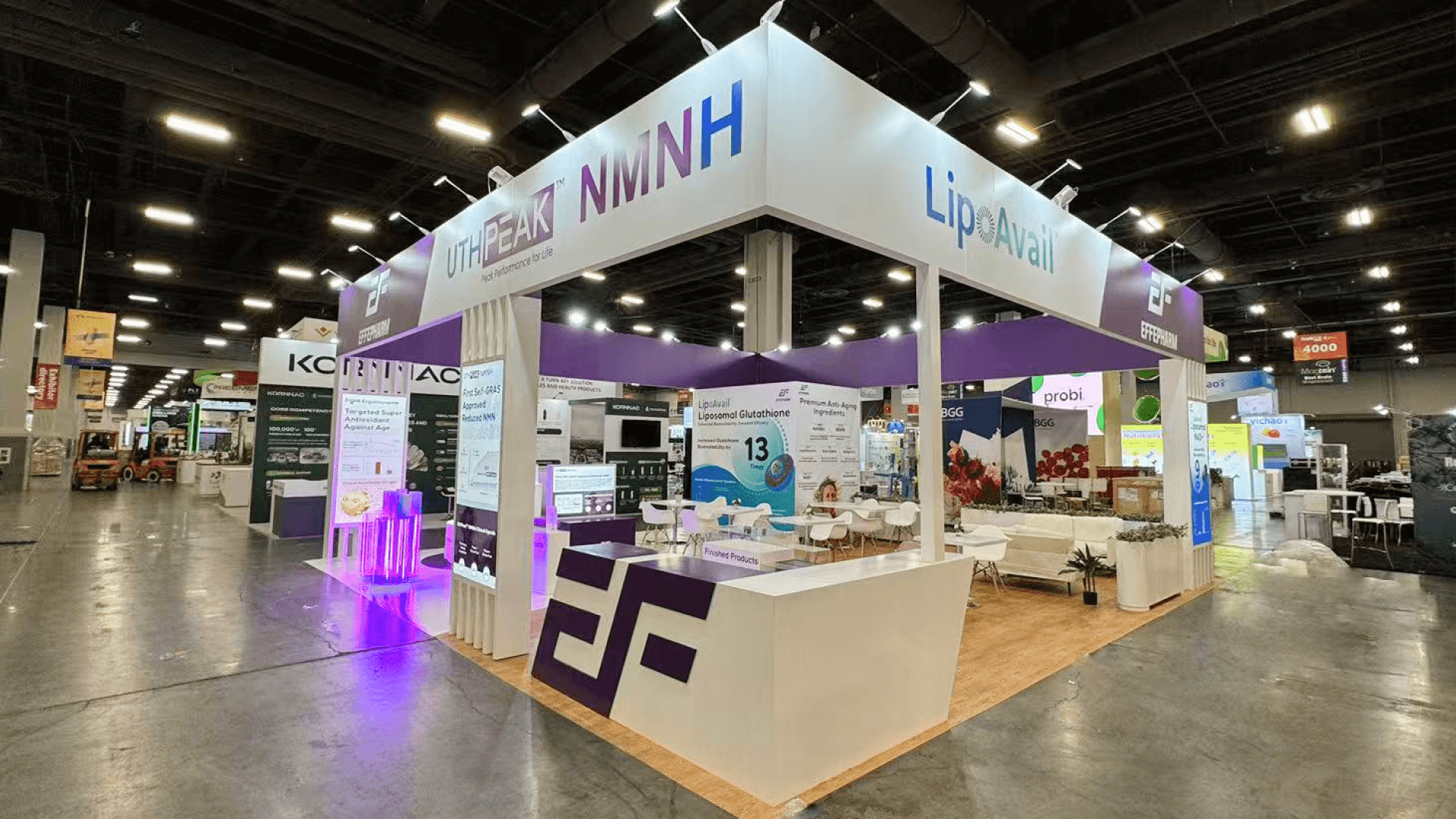
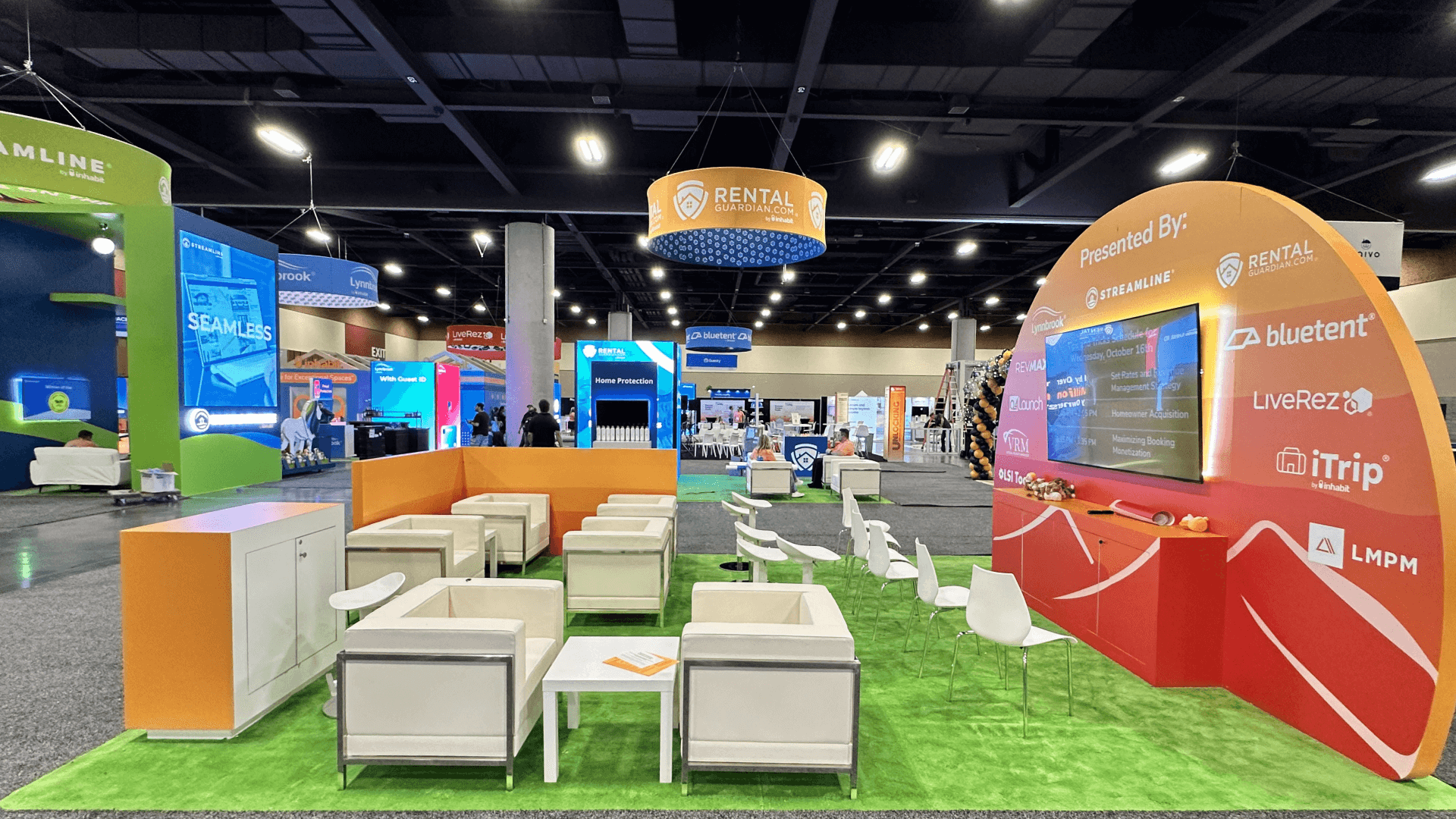
A 20x30 booth gives Black Hat exhibitors enough room to separate product demonstrations, conversations, storage, and staff circulation without turning the exhibit into an oversized environment. Across cybersecurity trade shows, this footprint works particularly well for exhibitors that need a prominent screen, one or two guided demo stations, and space for deeper buyer discussions.
The main challenge is deciding how much of the floor should support demonstration versus conversation. An oversized screen wall can attract attention without creating interaction, while a large meeting area can push the product story into the background. Storage also needs to be planned early so demo equipment, literature, personal items, and replacement hardware stay out of the visitor path.
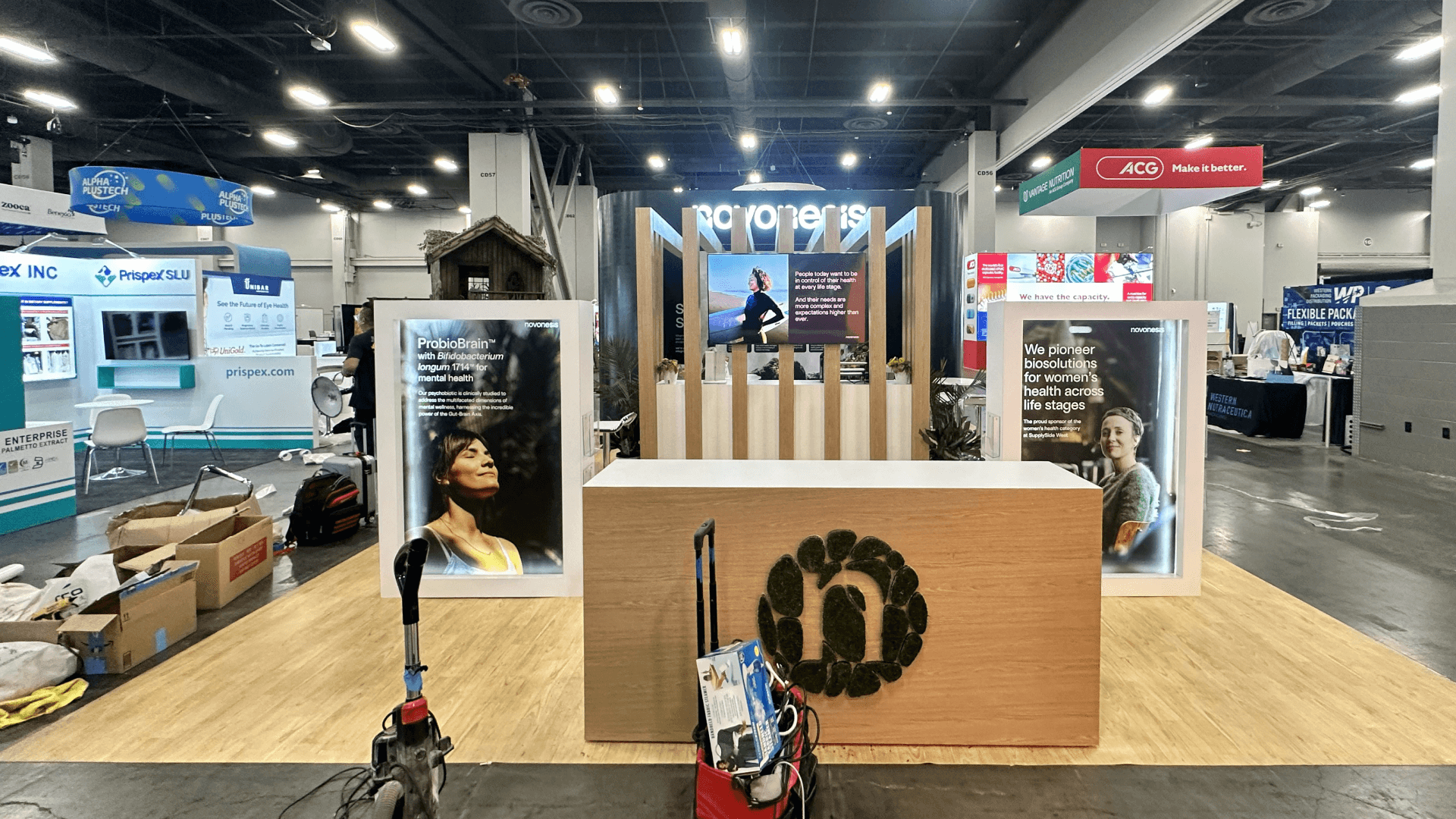
For Black Hat, the strongest 20x30 layouts usually keep the product story visible from the aisle while giving staff a clear way to move visitors from screen content into a guided demo or discussion. Las Vegas trade show booth design and build can connect that layout with fabrication, graphics, logistics, and Mandalay Bay setup, while on-site installation and dismantle support helps carry the plan through final setup and booth handoff.
Why Exhibitors Choose Circle Exhibit
Clear scope, transparent quote review, nationwide booth support, and efficient setup planning for qualified rental and custom exhibit projects.
48hr
Setup Window
10+
Years Since 2014
U.S.
Trade Show Support
Real
Booth Project Proof
Black Hat exhibitors usually choose a 20x30 booth when a 20x20 layout feels too tight for screen placement, demo counters, meeting space, staff movement, and storage, but a 30x40 booth is more than the team needs. A 20x30 booth can create a balanced layout with an aisle-facing message, one or two demo points, a small conversation zone, lead capture, and hidden storage while keeping the visitor path simple and focused.
A 10x20 booth can work for one focused software demo, one screen, one counter, and a staff-guided explanation. It is best when the product story is narrow and the booth does not need a separate meeting area.
A 20x30 booth supports stronger space allocation for screen placement, demo counters, meeting space, lead capture, staff movement, and storage. It is often a strong fit for cybersecurity exhibitors that need a clear demo path without moving into a larger island booth.
A 20x20 booth gives exhibitors more room for one screen-led demo, branded graphics, storage, and a small conversation point. It can work when the team needs more space than a linear booth but does not need multiple demo counters.
A 30x40 booth can support larger booth environments with multiple demo zones, private meetings, partner conversations, larger storage, and more controlled visitor flow. It is better for exhibitors with broader product lines or higher-volume meetings.
Use these Black Hat booth planning resources to compare 20x30 layout decisions, demo counter placement, screen visibility, and Las Vegas show-site execution before finalizing a booth. Start with the main Black Hat USA booth planning page, compare 20x30 booth planning for layout and storage decisions, review on-site installation and dismantle support for Mandalay Bay setup, and connect the full execution plan with Las Vegas trade show booth design and build.
Black Hat 20x30 booths should be planned around how visitors see the message from the aisle, approach the screen, stop at the demo counter, speak with staff, and move into a meeting or exit path. Many exhibitors need screen placement, demo counters, branded graphics, lead capture, storage, lighting, power access, meeting space, staff positions, and a clear installation sequence. The 20x30 footprint should make the booth easier to navigate, not simply add more screens or counters into the space.
Demo counters should be placed where staff can explain the product without blocking the entrance or the main visitor path. Counter height, screen angle, cable routing, lead capture, and staff position should be planned together.
A 20x30 booth can support stronger screen visibility, but the screen wall should not overpower the booth. Screen placement should help visitors understand the product message and naturally move toward a staff-guided conversation.
The meeting area should support qualified conversations without taking over the main demo zone. Staff positions should make it easy to greet visitors, guide demos, qualify leads, and move prospects into the right conversation.
A 20x30 booth still needs hidden storage for staff items, literature, devices, cables, giveaways, and setup materials. Storage, power access, AV checks, and installation sequence should be planned before final booth approval.
Black Hat USA is the parent event for this 20x30 booth planning page, with a focus on cybersecurity exhibitors preparing booth layouts, demo counters, screen placement, meeting space, storage, and show-site execution at Mandalay Bay.
This page focuses on Black Hat 20x30 booth planning, including screen wall position, demo counter placement, visitor path, meeting area, staff flow, lead capture, storage access, graphics, power needs, and installation planning.
20x30 is a strong planning size for Black Hat exhibitors that need more room than a 20x20 booth but do not need a full 30x40 environment. It can support screen-led demos, a small meeting point, staff movement, storage, and clearer visitor flow.
Not Sure Which Booth Size You Need?
Not every exhibitor knows whether a 10x20, 20x20, 20x30, or larger booth is the right fit. Circle Exhibit can help review your event goals, product display needs, demo areas, meeting space, storage, budget scope, and setup timeline before you choose a booth size.
Keeping Screens from Blocking Conversations
Balancing Demo Counters and Meeting Space
1
Define the Main 20x30 Booth Goal
2
3
4
Rental Booth for Focused 20x30 Layouts
A rental booth in Las Vegas can support branded graphics, screen placement, demo counters, lighting, storage, and a professional 20x30 structure. It is a strong option when the layout is focused and the booth needs to be adapted for future shows.
Custom Build for More Controlled Demo Zones
A Las Vegas trade show booth builder may be a better fit when the 20x30 booth requires integrated screens, custom demo counters, private meeting space, overhead branding, or a layout that cannot be solved with a standard rental system.
Hybrid Structure for 20x30 Flexibility
Some Black Hat exhibitors use a hybrid approach: rental structure, custom demo counters, branded graphics, screen support, lighting, storage, and show-specific layout planning. This can balance cost, speed, and presentation quality while keeping the 20x30 booth organized and easy to understand.
Black Hat 20x30 booth planning should connect screen placement, counters, graphics, storage, lighting, power, freight, and installation early. Small layout decisions can affect how the booth is built, wired, checked, and handed off.
At Mandalay Bay, exhibitors should review how the screen wall, demo counter, storage, meeting area, graphics, and electrical access will be installed. A 20x30 booth should be designed around both visitor experience and build sequence.
A Las Vegas trade show booth rental can work for Black Hat exhibitors who need branded graphics, screens, counters, lighting, and a professional 20x30 structure. A custom build may be better for integrated screens, custom counters, private meeting areas, or more controlled demo environments.
Black Hat exhibitors should review screen visibility, counter placement, storage access, lighting direction, graphic alignment, staff movement, and visitor path before final booth handoff. A booth can look complete but still perform poorly if the 20x30 zones are not checked from the aisle.
For broader Black Hat 20x30 booth planning, exhibitors can review Black Hat USA booth planning, compare 20x30 booth planning for layout and storage decisions, prepare setup with on-site installation and dismantle support, and connect the full booth plan with Las Vegas trade show booth design and build.
Need a Black Hat booth rental for a 20x30 layout?
A rental booth can support Black Hat 20x30 layouts with branded graphics, screen placement, demo counters, lighting, storage, meeting space, and show-site installation support. It can be a practical option for exhibitors who need a professional cybersecurity demo environment without building a fully custom structure.
What is a Black Hat 20x30 booth?
A Black Hat 20x30 booth is a trade show booth layout often used by cybersecurity and security software exhibitors that need screen placement, demo counters, meeting space, staff movement, storage, branded graphics, and a clear visitor path.
What can fit in a 20x30 booth at Black Hat?
Is a 20x30 booth better than a 20x20 booth for Black Hat?
Should a Black Hat 20x30 booth be rental or custom built?
What should exhibitors prepare before approving a Black Hat 20x30 booth design?
READY TO PLAN YOUR NEXT BOOTH?
Let’s Build a Booth That Fits Your Event
Share your event name, booth size, city, timeline, product display needs, and design references. Circle Exhibit will review your project direction and help you choose a rental-friendly or custom exhibit path.
3000+
Booth Projects Supported
50+
U.S. Event Cities
Transparent
Quote Review
Review the main Black Hat USA booth planning page for cybersecurity exhibitor preparation, Mandalay Bay setup, booth size decisions, and Las Vegas execution context.
Compare cybersecurity product demo booth planning for exhibitors that need dashboard visibility, demo counters, technical staff handoff, and enterprise buyer conversations.
Review SaaS demo booth planning for screen-led workflows, lead qualification, software walkthroughs, sales handoff, and meeting flow.
Use the 20x30 booth planning page to evaluate layout zoning, demo counters, screen walls, meeting space, storage, and staff flow.
Connect Black Hat 20x30 booth planning with design, fabrication, graphics, logistics, installation, and Las Vegas show-site execution.