Black Hat SaaS Demo Booth Planning for Security Software Exhibitors

How should exhibitors plan a Black Hat SaaS demo booth?
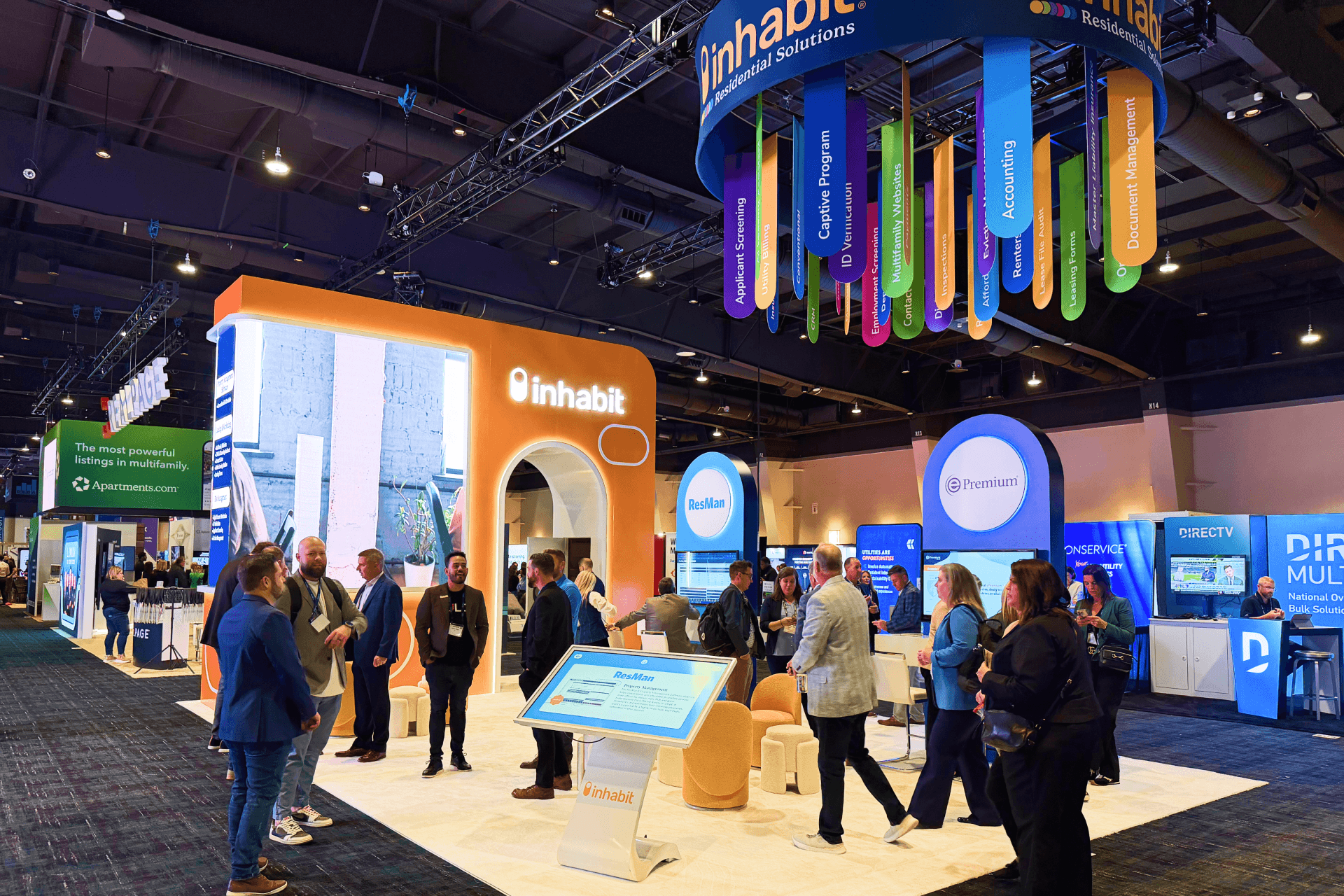
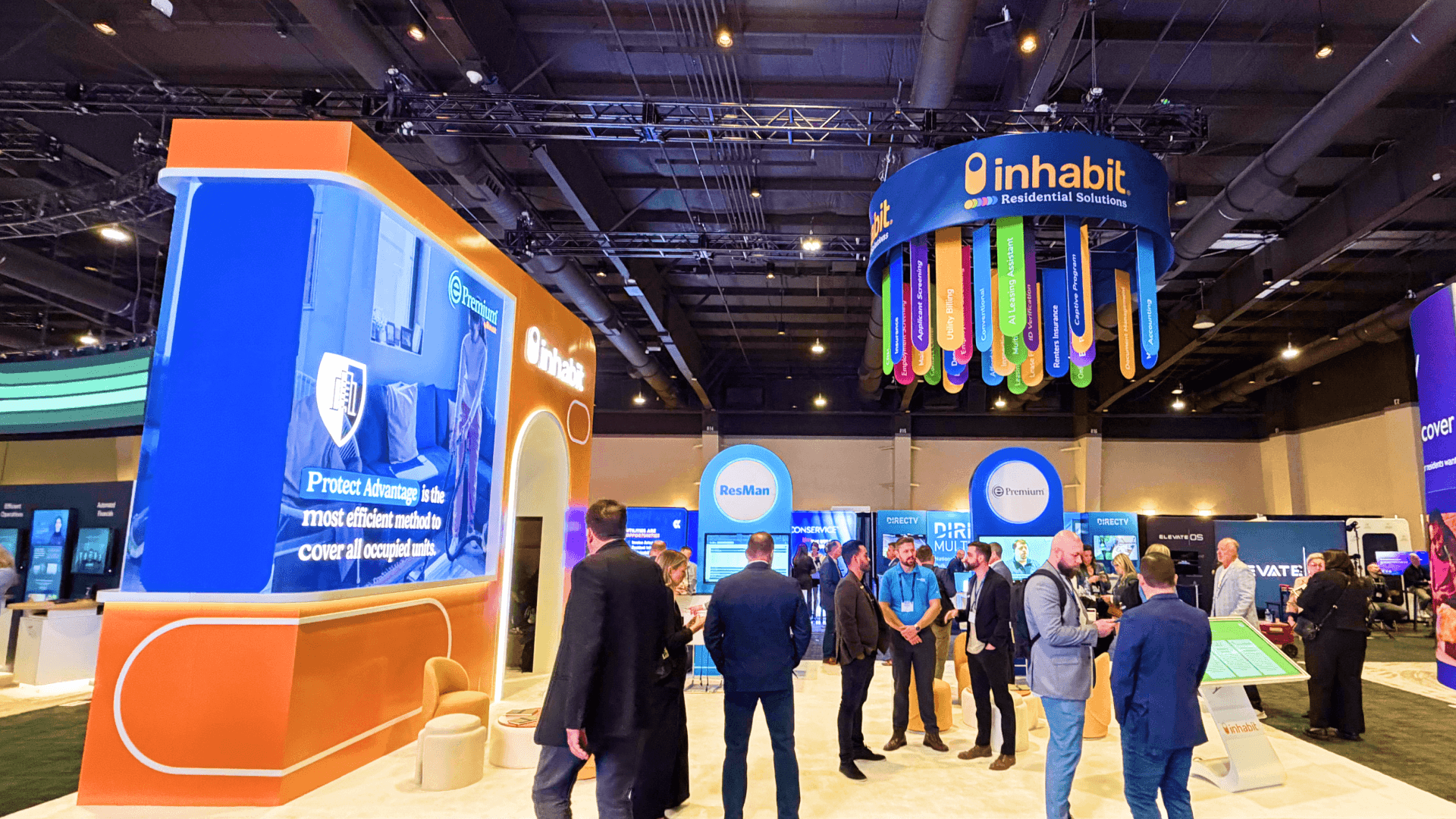
A Black Hat SaaS demo booth should be planned around screen-led workflow explanation, cloud or security software messaging, lead qualification, demo counter placement, sales team handoff, meeting space, storage, branded graphics, power access, and Mandalay Bay setup timing. The booth should help visitors understand the SaaS product quickly, then move qualified prospects from a short walkthrough into a deeper sales or technical conversation.
Black Hat SaaS demo booths are different from general cybersecurity product displays because the booth has to support a software sales path. Exhibitors may need to present cloud security platforms, identity security tools, endpoint SaaS products, compliance dashboards, API security software, DevSecOps workflows, risk management platforms, or enterprise subscription products. The booth should help visitors understand the software workflow quickly and decide whether they need a short demo, technical explanation, partner conversation, or sales meeting.
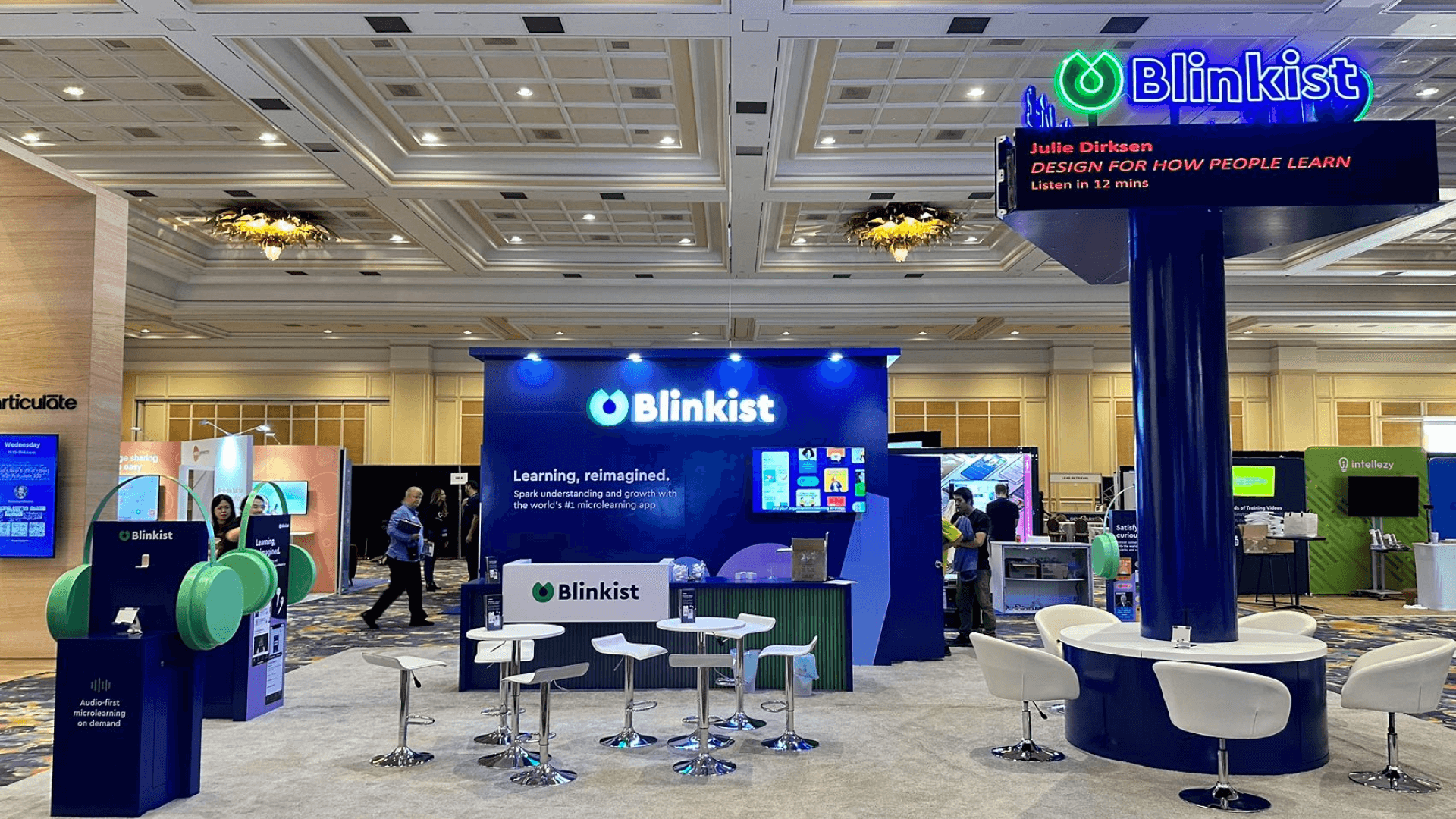
A strong SaaS booth starts with the demo-to-meeting path. The screen should show the product workflow clearly, the counter should support a short walkthrough, and the staff flow should help qualify visitors without crowding the main aisle. For SaaS exhibitors, the booth is not only about showing features. It is about moving the right visitor from awareness to product fit, then into a qualified next conversation.
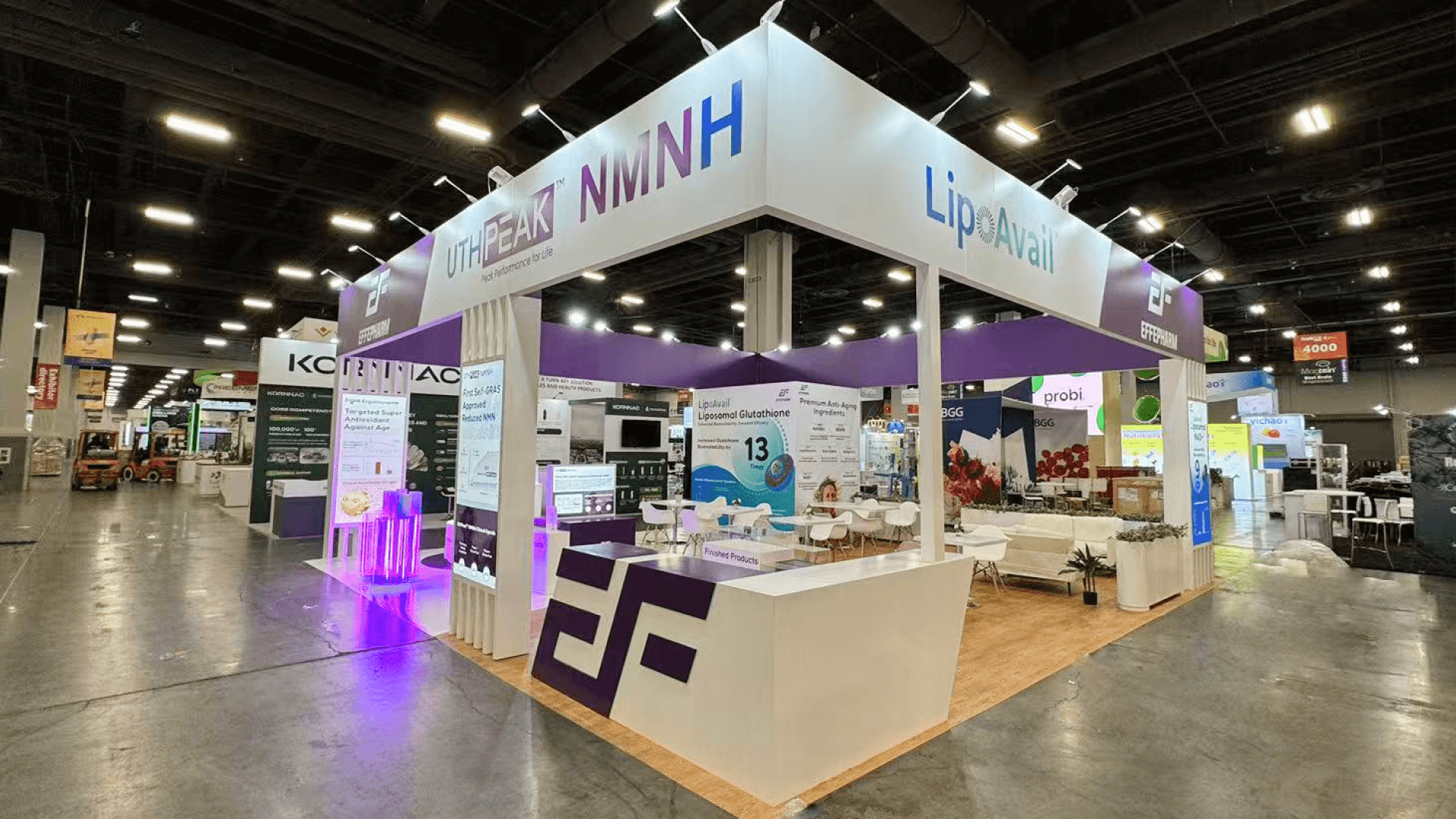
For security software exhibitors preparing a SaaS demo booth at Black Hat, Las Vegas trade show booth design and build can help connect booth design, fabrication, demo flow, graphics, logistics, and show-site installation into one clear execution plan. A 20x30 booth planning approach can give SaaS teams more room for screen-led walkthroughs, staff movement, lead qualification, and meeting space, while graphics and brand presentation support helps align product messaging, workflow labels, dashboard visuals, and branded booth surfaces.
Why Exhibitors Choose Circle Exhibit
Clear scope, transparent quote review, nationwide booth support, and efficient setup planning for qualified rental and custom exhibit projects.
48hr
Setup Window
10+
Years Since 2014
U.S.
Trade Show Support
Real
Booth Project Proof
Black Hat SaaS demo exhibitors usually choose booth size based on how many screens, demo counters, sales staff, lead capture points, meeting areas, and storage zones they need. A 10x20 booth can work for one focused software walkthrough, while 20x20 gives more room for a screen demo, small meeting point, and staff-guided explanation; for SaaS exhibitors that need multiple demo points, lead qualification, a clear demo-to-meeting path, and better staff separation, 20x30 is often the strongest planning fit, while 30x40 can support larger SaaS platforms, partner meetings, and multi-product demonstrations.
A 10x20 booth can work for one focused SaaS workflow demo, one screen, one counter, and a staff-guided explanation. It is best when the product story is narrow and the booth does not need several sales or meeting zones.
A 20x30 booth supports multiple software demo counters, stronger screen placement, lead qualification, storage, and more comfortable sales or technical conversations. It is often a strong fit for cloud security, identity security, endpoint SaaS, compliance tools, and enterprise software demos.
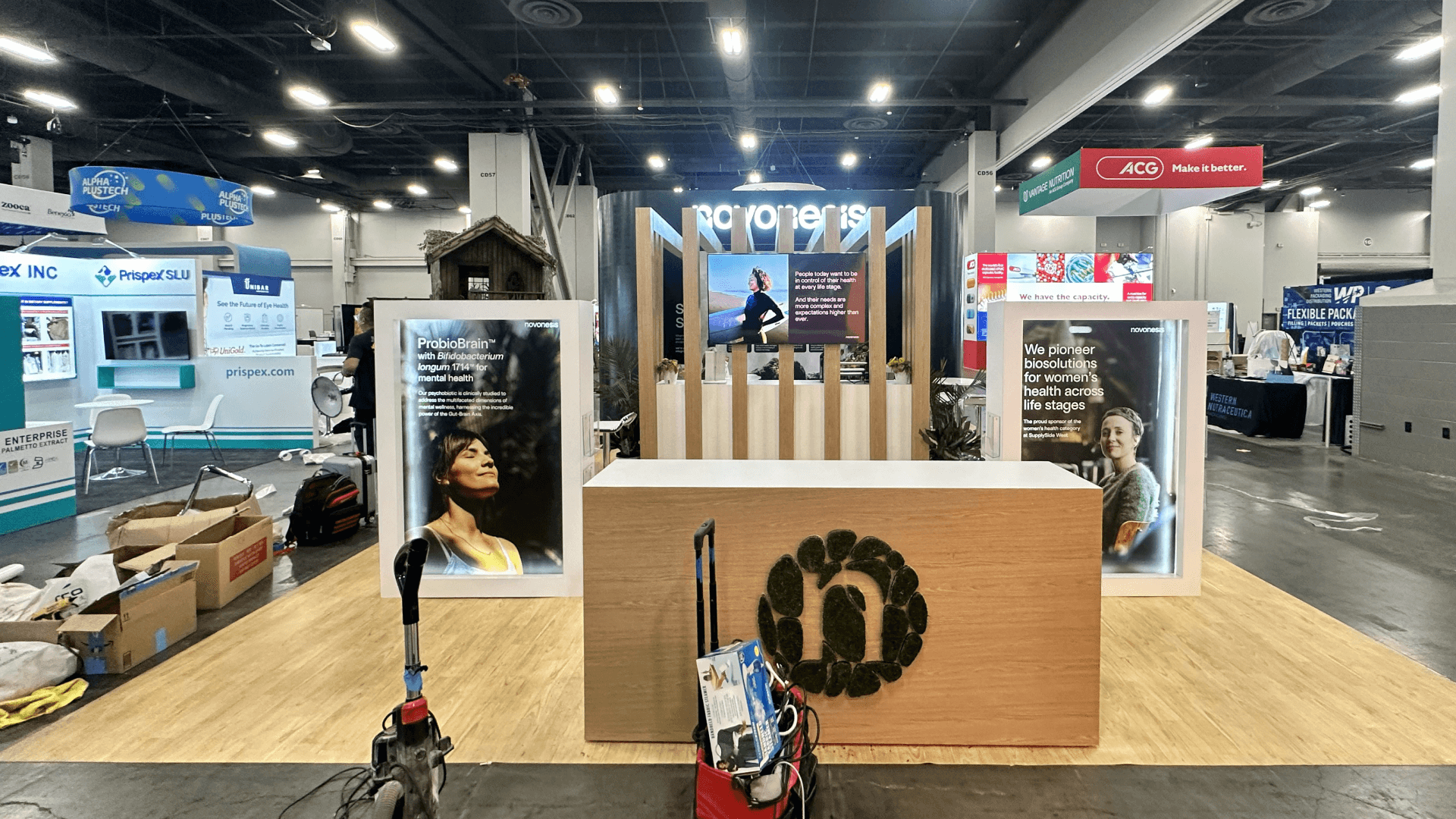
A 20x20 booth gives SaaS exhibitors room for one main software walkthrough, branded graphics, storage, a small conversation point, and better staff movement. This size works when the product needs live explanation but does not require multiple demo paths.
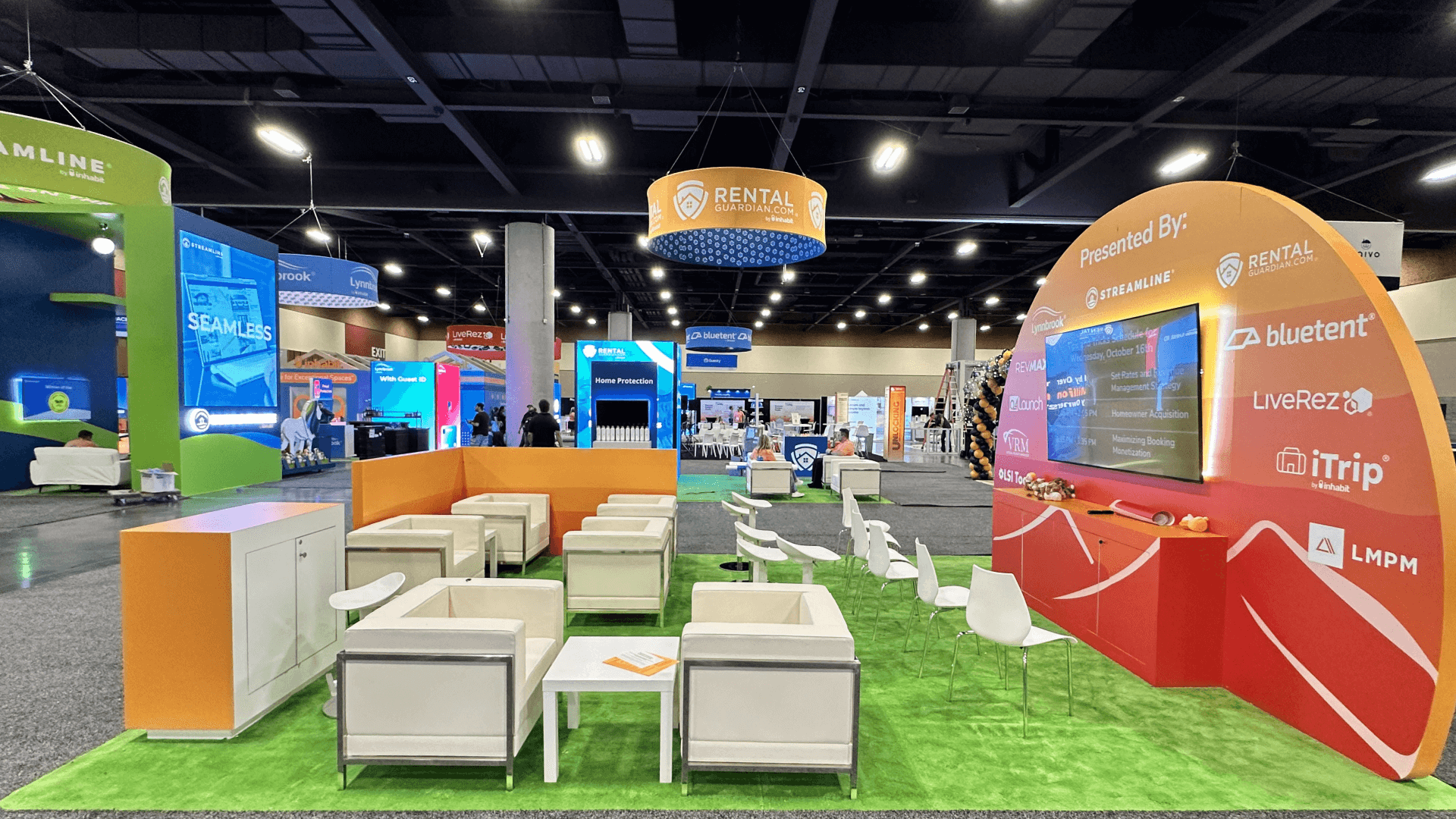
A 30x40 booth can support larger SaaS presentations with multi-product workflows, partner conversations, semi-private meetings, storage, and a more controlled visitor path. It is better for exhibitors with complex enterprise platforms or several product modules.
Use these Black Hat booth planning resources to compare SaaS demo layouts, booth size decisions, graphics, and Las Vegas show-site execution before finalizing a software demo booth. Start with the main Black Hat USA booth planning page, compare 20x30 booth planning for screen-led SaaS walkthroughs and meeting flow, review graphics and brand presentation support for workflow messaging and dashboard visuals, and connect the full execution plan with Las Vegas trade show booth design and build.
Black Hat SaaS demo booths should be planned around how visitors understand the software category, watch the workflow, qualify themselves, and move into the right conversation. Many exhibitors need workflow screens, demo counters, dashboard visuals, product category labels, lead capture points, meeting areas, storage, power access, and staff positions that support a clear demo-to-meeting path. The booth should make the SaaS product easy to understand without turning the space into a dense feature list.
The main SaaS workflow should be easy to see and explain from the booth. Screen content, dashboard views, feature labels, and staff positions should help visitors understand the product path before the conversation becomes too detailed.
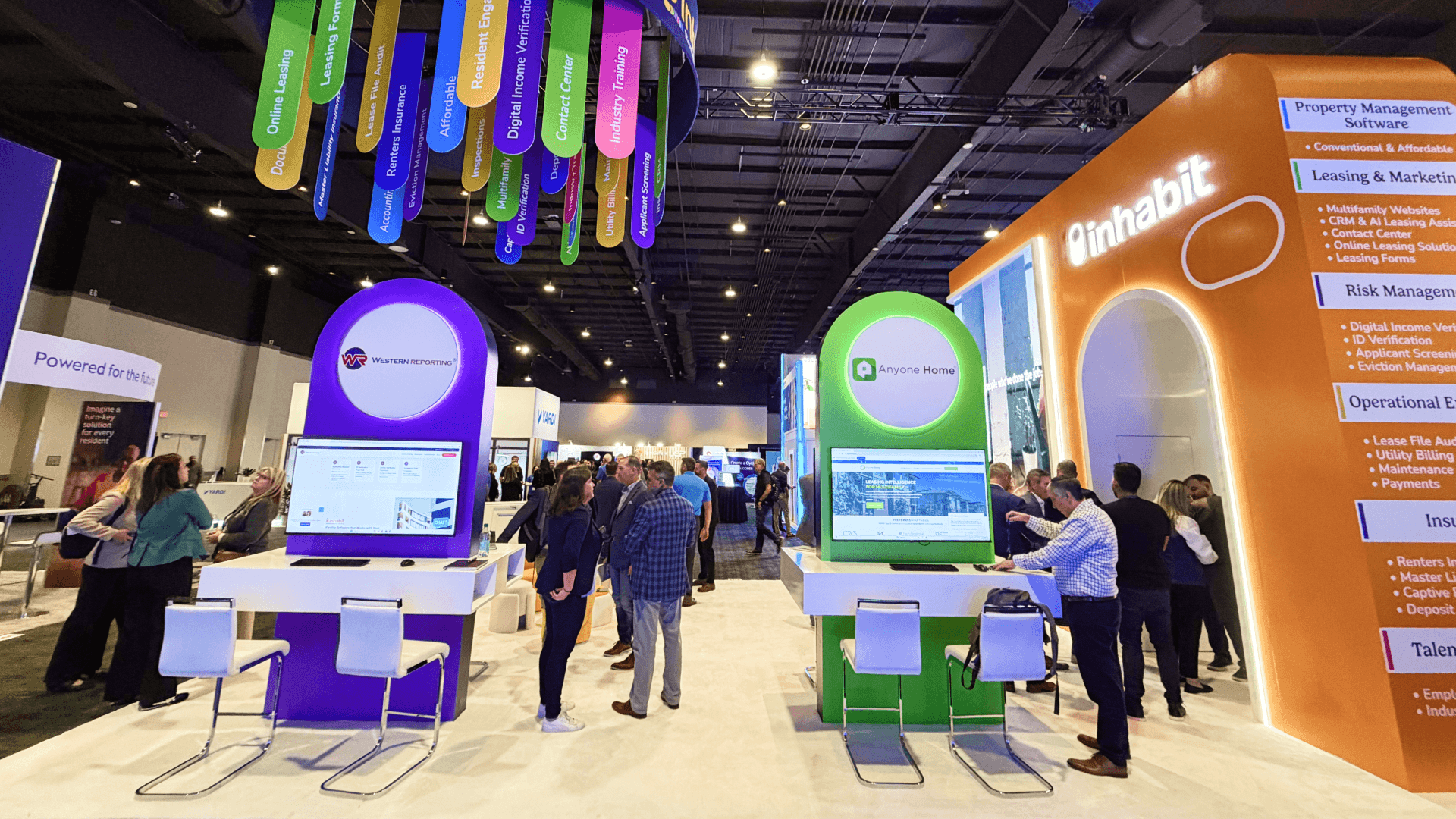
A strong SaaS booth often depends on screen placement and counter layout. Screens should support short walkthroughs, while counters should give staff enough room to explain the platform without blocking traffic.
Black Hat visitors may include buyers, engineers, partners, and evaluators with different intent levels. The booth should help staff quickly identify whether a visitor needs a short overview, deeper technical demo, partner discussion, or sales meeting.
Qualified SaaS prospects often need a more focused conversation after the first walkthrough. The booth should make it easy to move from a screen demo into a meeting area without interrupting the next visitor.
Black Hat USA is the parent event for this SaaS demo booth planning page, with a focus on security software exhibitors preparing screen-led workflows, cloud security demos, lead qualification paths, sales handoff, and show-site booth execution at Mandalay Bay.
This page focuses on Black Hat SaaS demo booths, including software workflow explanation, screen placement, demo counters, lead capture, demo-to-meeting flow, branded graphics, meeting space, storage, power access, and installation planning.
20x20 and 20x30 booths are common planning sizes for Black Hat SaaS demo exhibitors. A 20x20 booth can support one focused software walkthrough, while a 20x30 booth gives more room for multiple demo counters, lead qualification, staff separation, and meeting flow.
Not Sure Which Booth Size You Need?
Not every exhibitor knows whether a 10x20, 20x20, 20x30, or larger booth is the right fit. Circle Exhibit can help review your event goals, product display needs, demo areas, meeting space, storage, budget scope, and setup timeline before you choose a booth size.
Keeping the Demo Path Clear
Qualifying Visitors Without Slowing Traffic
1
Define the SaaS Demo Path
2
3
4
Rental Booth for Focused SaaS Demos
A rental booth in Las Vegas can support branded graphics, demo counters, screen placement, lighting, storage, and a professional booth structure. It is a strong option when the SaaS product story is focused and the booth needs to be adapted for future security or technology events.
Custom Build for Complex SaaS Presentations
A Las Vegas trade show booth builder may be a better fit when the booth requires integrated screens, private meeting space, custom demo counters, overhead branding, controlled visitor flow, or a sales path that cannot be solved with a standard rental system.
Hybrid Structure for SaaS Demo Flexibility
Some Black Hat exhibitors use a hybrid approach: rental structure, custom demo counters, branded graphics, screen support, lead capture points, meeting space, and show-specific layout planning. This can balance cost, speed, and presentation quality while keeping the SaaS demo path clear.
Black Hat SaaS demo booths often depend on screens, demo devices, lighting, counters, graphics, and stable presentation flow. AV placement, power access, cable routing, demo readiness, and final checks should be reviewed before show-site setup begins.
At Mandalay Bay, exhibitors should review how visitors see the SaaS message from the aisle, enter the booth, watch a workflow demo, speak with staff, and move into a meeting. A clear visitor path helps avoid crowding around screen counters.
A Las Vegas trade show booth rental can work for SaaS exhibitors who need branded graphics, screen placement, counters, and a professional booth structure around a focused demo path. A custom build may be better for larger software demo environments, private meeting areas, overhead branding, or more complex sales flows.
SaaS exhibitors should review screen content, workflow labels, lead capture tools, graphic alignment, lighting direction, cable routing, storage access, meeting flow, and staff walkthrough before final booth handoff. A booth can look complete but still underperform if the demo path is not checked from the visitor side.
For broader Black Hat SaaS demo planning, exhibitors can review Black Hat USA booth planning, compare 20x30 booth planning for screen-led workflow layouts, use graphics and brand presentation support for SaaS product messaging, and connect the full booth plan with Las Vegas trade show booth design and build.
Need a Black Hat booth rental for a SaaS demo?
A rental booth can support Black Hat SaaS demos with branded graphics, screen placement, demo counters, lighting, storage, meeting space, and show-site installation support. It can be a practical option for exhibitors who need a professional software demo environment without building a fully custom structure.
What is a Black Hat SaaS demo booth?
A Black Hat SaaS demo booth is a trade show booth planned around explaining a software product through screen-led workflows, dashboard visuals, demo counters, lead capture, sales handoff, and meeting space. It is often used by security software, cloud security, identity security, endpoint SaaS, compliance, and enterprise platform exhibitors.
What booth size works best for a SaaS demo at Black Hat?
How should screens be placed in a SaaS demo booth?
Should a Black Hat SaaS demo booth be rental or custom built?
What should exhibitors prepare before approving a SaaS demo booth design?
READY TO PLAN YOUR NEXT BOOTH?
Let’s Build a Booth That Fits Your Event
Share your event name, booth size, city, timeline, product display needs, and design references. Circle Exhibit will review your project direction and help you choose a rental-friendly or custom exhibit path.
3000+
Booth Projects Supported
50+
U.S. Event Cities
Transparent
Quote Review
Review the main Black Hat USA booth planning page for cybersecurity exhibitor preparation, Mandalay Bay setup, booth size decisions, and Las Vegas execution context.
Compare cybersecurity product demo booth planning for exhibitors that need dashboard visibility, technical staff handoff, SOC workflows, and enterprise buyer conversations.
Compare 20x30 layouts for SaaS demo booths that need screen placement, demo counters, lead qualification, meeting space, and storage.
Plan SaaS product messaging, workflow labels, dashboard visuals, branded booth surfaces, and demo graphics before final production.
Connect Black Hat SaaS demo booth planning with design, fabrication, graphics, logistics, installation, and Las Vegas show-site execution.