APTA TRANSform & EXPO Booth Planning for Public Transportation Exhibitors

How should public transportation exhibitors plan an APTA TRANSform & EXPO booth?
APTA TRANSform & EXPO exhibitors should plan the booth around how transit agencies, operators, fleet teams, and technology buyers will understand the product during a short visit. Vehicle systems, zero-emission transit, fare collection, passenger information tools, fleet software, dashboards, and mobility products need clear demo areas, readable screens, simple labels, storage, and space for real buyer conversations.
APTA TRANSform & EXPO booths need to make public transportation products easy to understand for transit agencies, operators, fleet teams, and technology buyers. Exhibitors may be presenting zero-emission transit systems, electric bus solutions, charging infrastructure, fare collection, passenger information tools, fleet management software, communications systems, or other mobility technologies.
The booth should help visitors quickly see what the product does, where it fits in transit operations, and why it matters for riders, fleets, or agencies. Teams focused on electric buses, charging infrastructure, or fleet electrification can review APTA zero-emission transit booth planning, while exhibitors with fare collection, passenger systems, fleet software, or transit dashboards can use APTA transit technology booth planning.
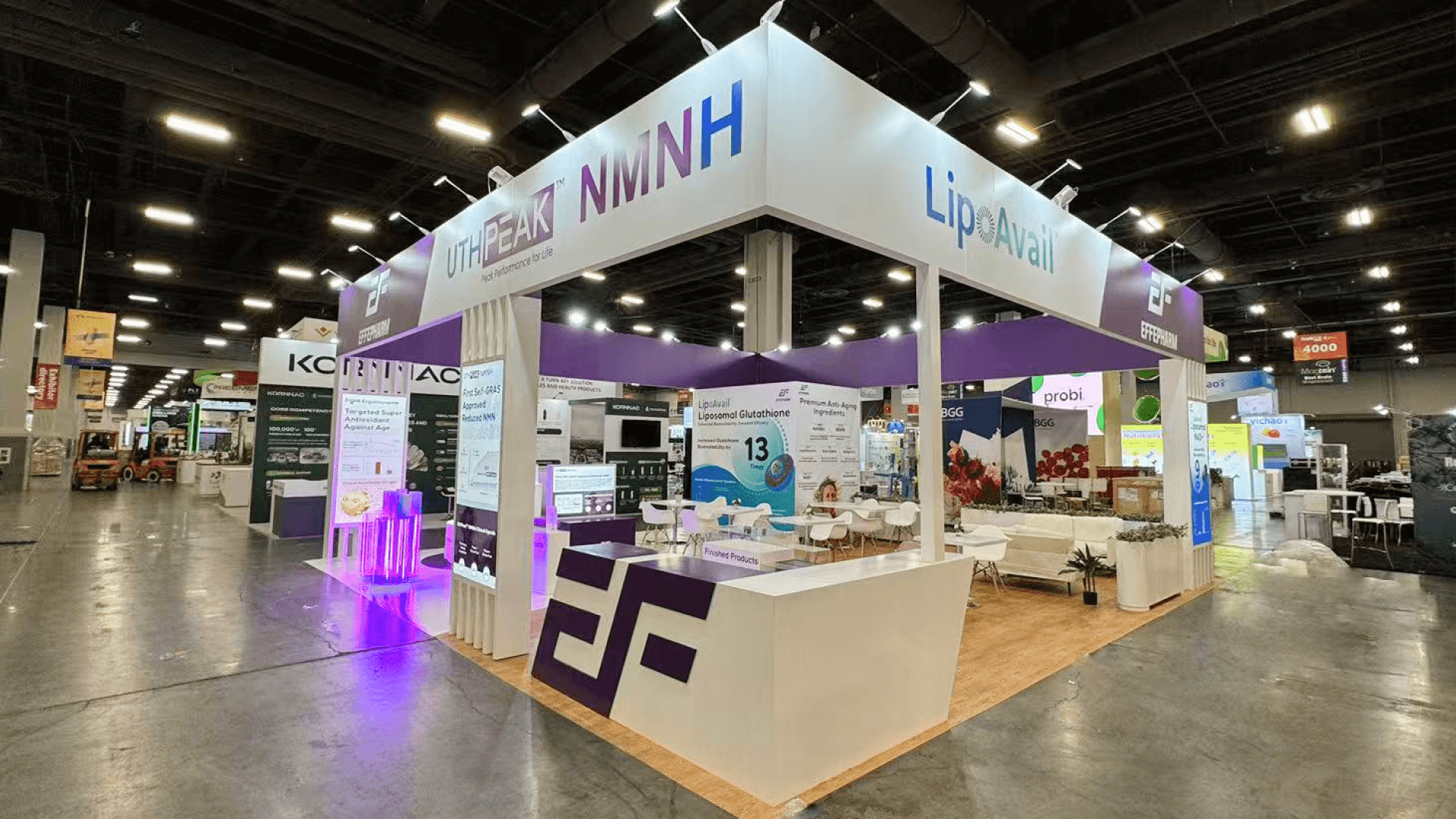
At McCormick Place South Hall, product displays, screen visibility, storage, staff movement, freight timing, and setup sequence should be settled before production is finalized. Chicago trade show booth builder support can help with local booth execution, while a 20x30 booth planning layout gives transit exhibitors room for displays, screens, meetings, and buyer conversations.
Why Exhibitors Choose Circle Exhibit
Clear scope, transparent quote review, nationwide booth support, and efficient setup planning for qualified rental and custom exhibit projects.
48hr
Setup Window
10+
Years Since 2014
U.S.
Trade Show Support
Real
Booth Project Proof
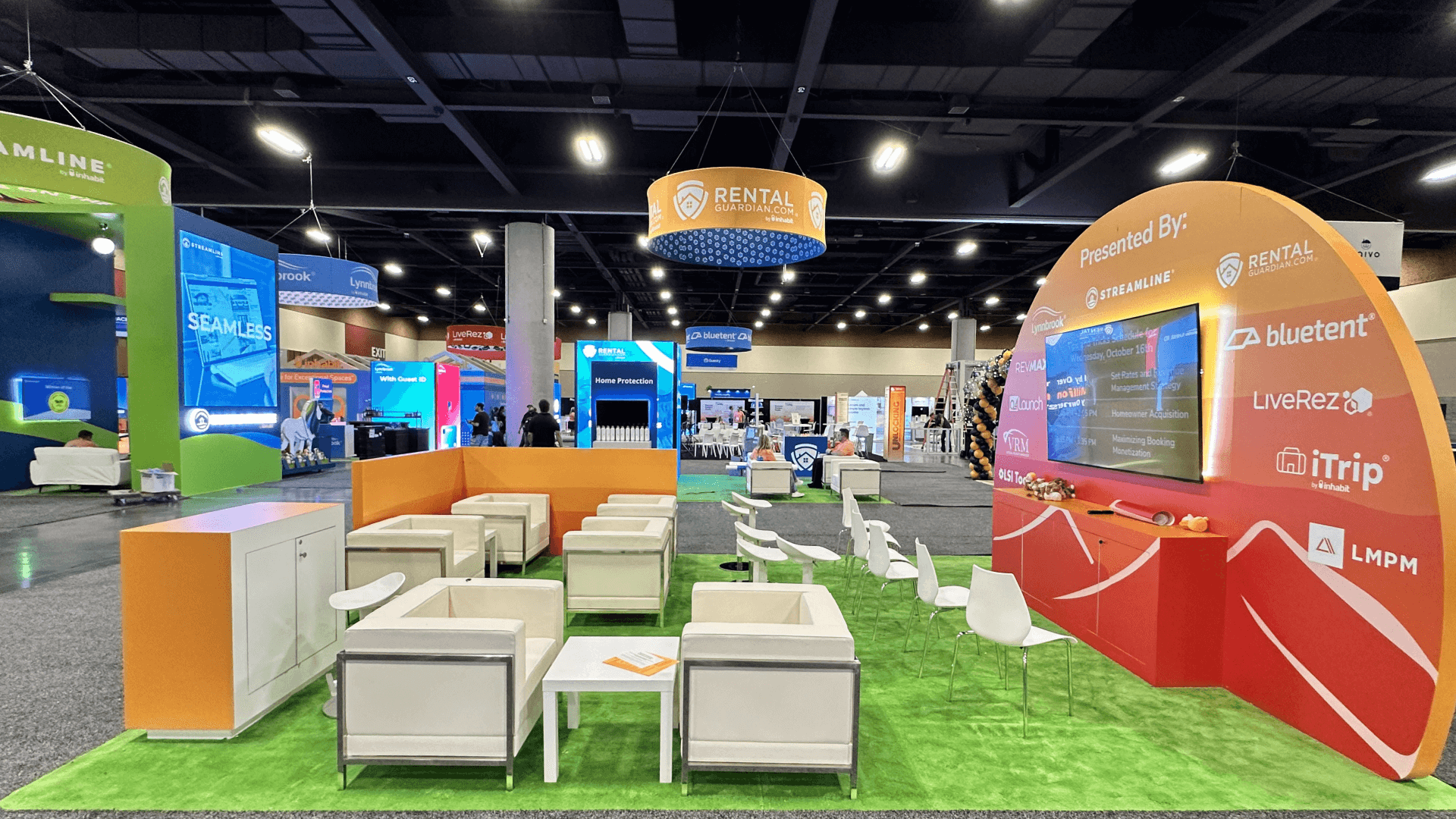
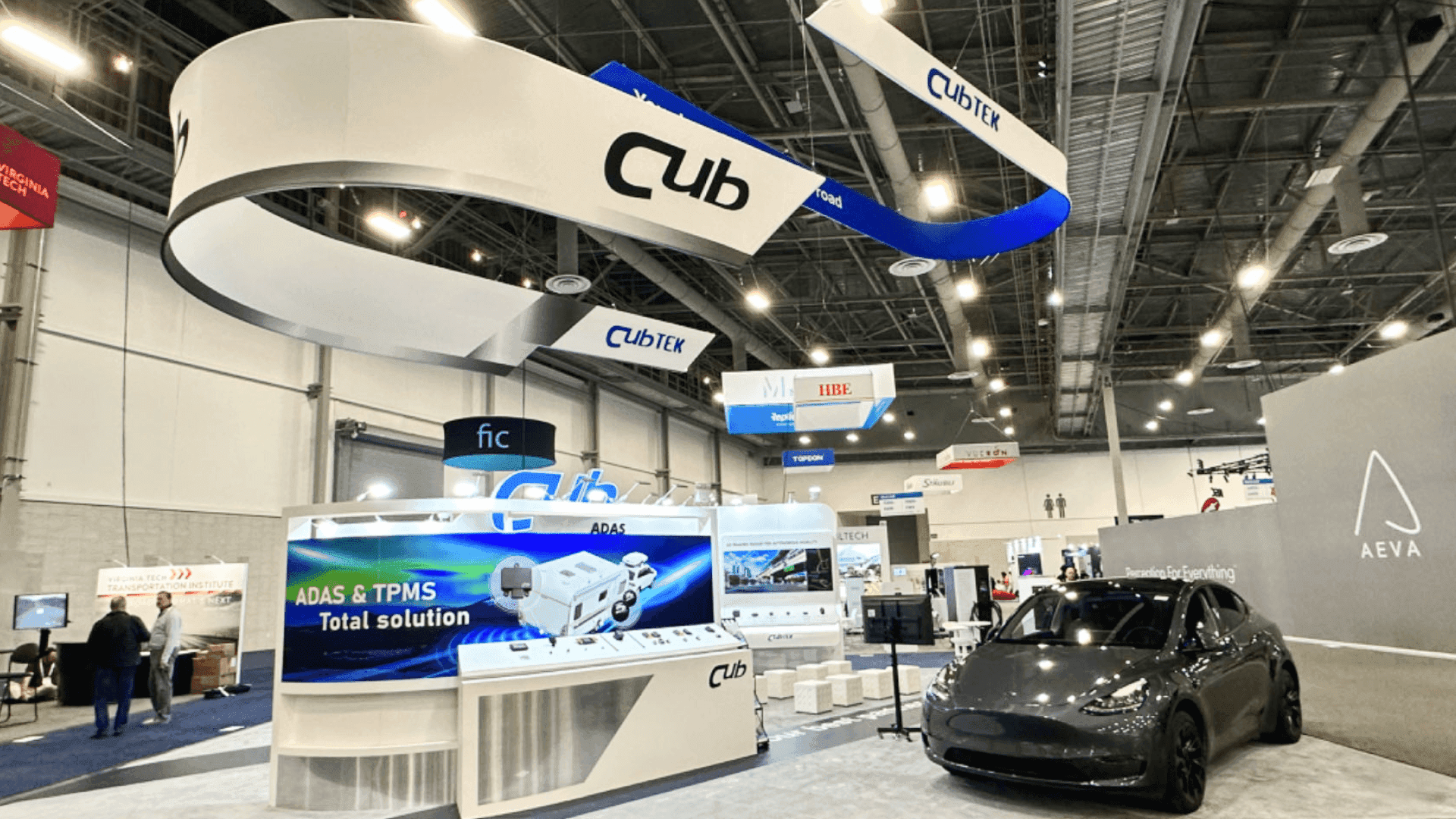
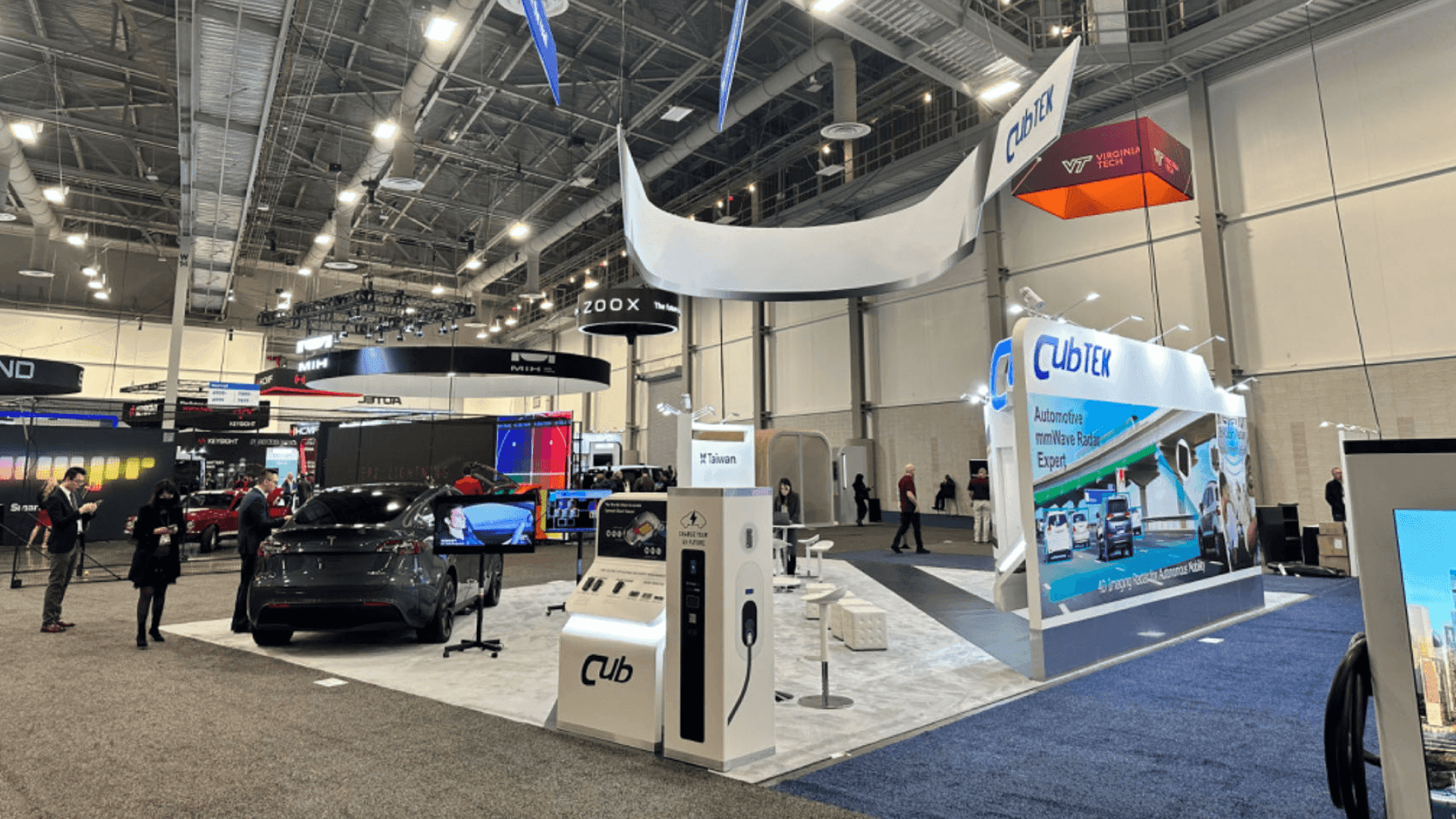
APTA booths need room for product displays, screens, storage, staff flow, and agency conversations. The right size depends on whether the booth is centered on software, passenger systems, zero-emission transit, charging displays, or larger mobility products.
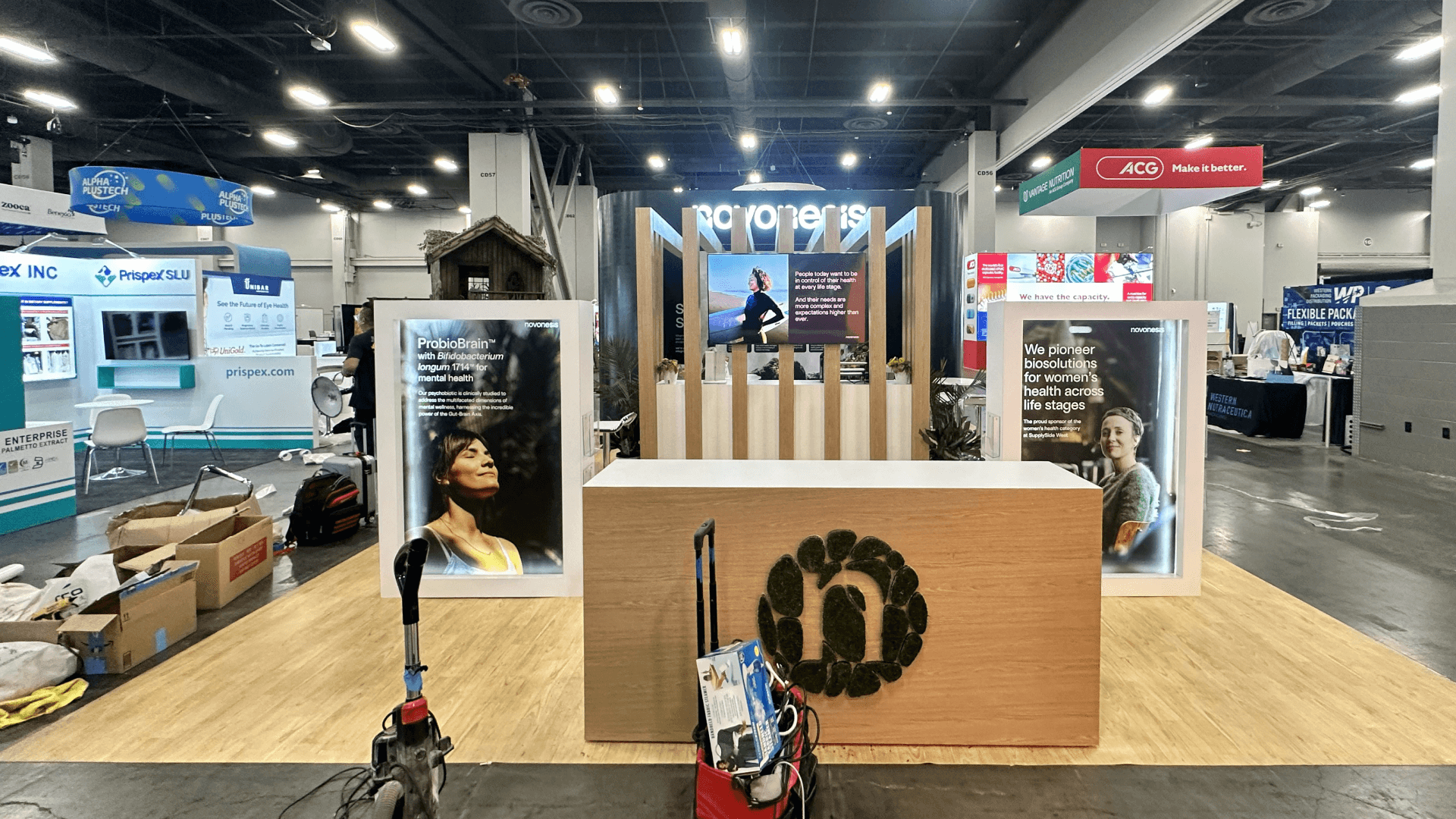
A 10x20 layout can work for one software platform, passenger tool, fare system, or compact product story with a screen, counter, storage, and short buyer conversations.
A 20x30 layout works well when the booth combines screens, product displays, charging or fleet messaging, storage, and meeting space.
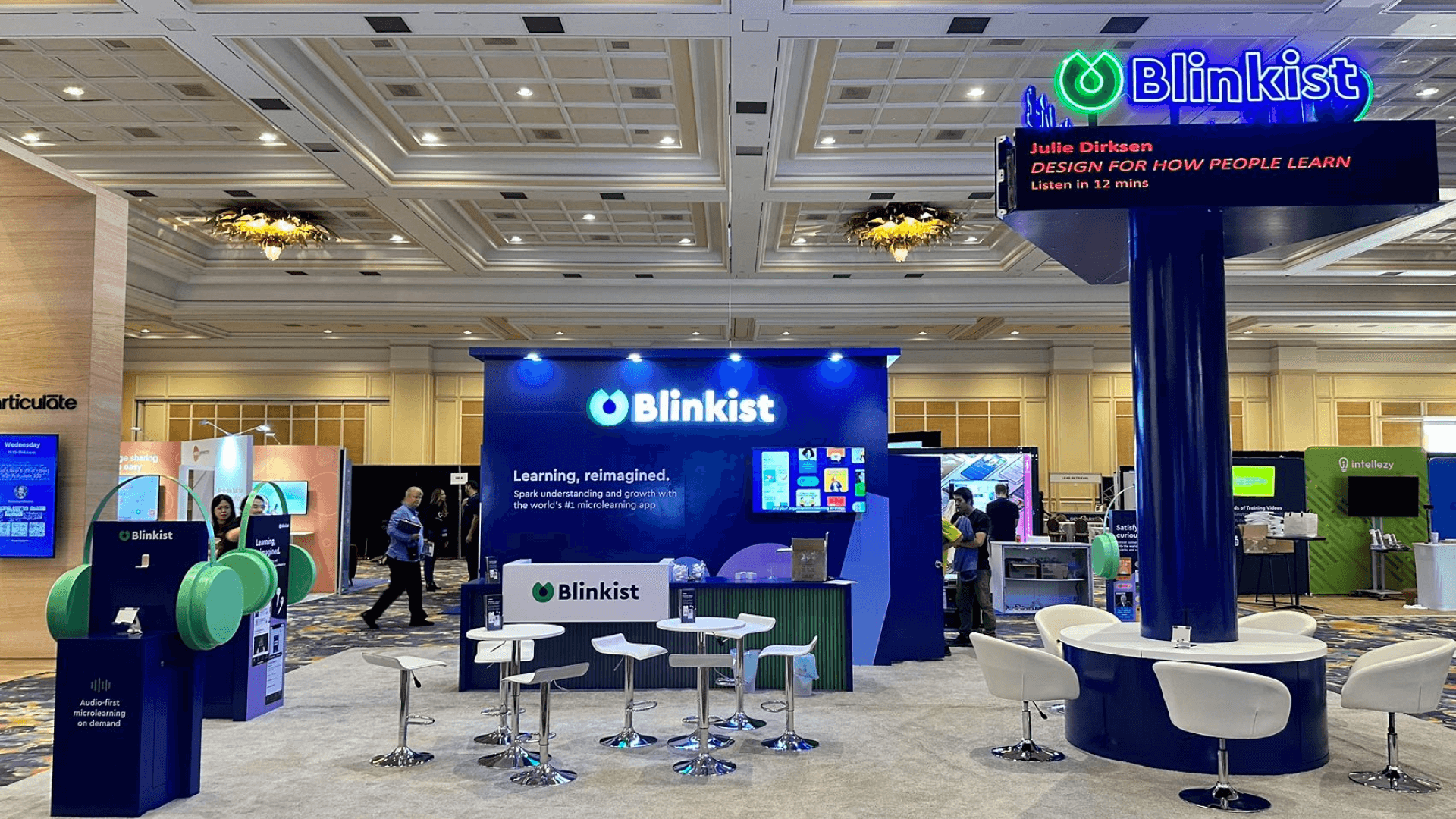
A 20x20 booth gives transit technology exhibitors room for monitors, demo counters, staff movement, storage, and a clearer path for agency conversations.
A 30x40 booth may fit larger transit systems, multiple demo zones, meeting areas, product displays, and a wider visitor path.
For public transportation exhibitors, the APTA public transportation booth planning article looks at how to organize a transit booth around product displays, screen demos, graphics, booth size, logistics, and Chicago setup. It helps teams make zero-emission transit, fleet systems, passenger tools, software platforms, and buyer conversations easier to follow on the show floor.
APTA booths should make transit products easy to read from the aisle. Displays, screens, labels, storage, and staff flow need to support the product story without making the booth feel crowded.
Visitors should quickly see what the product does, which part of transit operations it supports, and why it matters for agencies, riders, fleets, or operators.
Passenger information, fleet software, fare systems, and mobility dashboards need screen placement that can be understood without crowding one counter.
Displays, demo counters, staff positions, and meeting space should work together so buyers can move from a quick look into a deeper conversation.
Printed materials, cables, backup parts, staff supplies, and demo items should stay organized so the booth looks ready when the floor opens.
APTA TRANSform & EXPO brings together transit agencies, vehicle manufacturers, technology providers, infrastructure companies, mobility brands, and public transportation suppliers.
APTA TRANSform runs October 4–7, 2026, with EXPO open October 5–7 at McCormick Place South Hall in Chicago.
The show floor gives exhibitors a focused setting to present zero-emission transit, fleet systems, fare collection, passenger information, charging infrastructure, software, and mobility solutions.
Not Sure Which Booth Size You Need?
Not every exhibitor knows whether a 10x20, 20x20, 20x30, or larger booth is the right fit. Circle Exhibit can help review your event goals, product display needs, demo areas, meeting space, storage, budget scope, and setup timeline before you choose a booth size.
Balancing hardware and screen demos
Making agency-facing value easy to read
1
Define the transit product story
2
3
4
Rental Booth for Focused Transit Demos
A rental booth works well for software platforms, passenger information tools, fare systems, compact product displays, or focused mobility demos. It gives the team a clean structure, readable screens, demo counters, storage, and space for short buyer conversations.
Custom Build for Larger Transit Exhibits
A custom build is better when the booth needs larger product displays, multiple demo areas, stronger lighting, private meeting space, or a more controlled visitor path. It gives transit exhibitors more control over how buyers move through the product story.
Hybrid Booth for Products, Screens, and Meetings
A hybrid booth can keep the structure efficient while customizing the areas that matter most: displays, monitors, counters, storage, graphics, and meeting space. It works well when the booth needs technical clarity without becoming oversized.
APTA booths at McCormick Place South Hall should be planned around freight access, installation timing, electrical needs, booth inspection, and final show-floor readiness.
Public transportation booths work better when displays, screens, storage, staff movement, and meeting areas are planned together instead of added late.
Local support can help transit exhibitors keep booth structure, graphics, storage, setup timing, and on-site execution aligned before move-in.
Before the floor opens, teams should check screen content, power access, cable control, product placement, backup materials, and staff demo timing.
Need an APTA TRANSform & EXPO Booth Plan?
Public transportation exhibitors often need a booth that balances product displays, screen demos, storage, buyer conversations, and Chicago show-site setup.
What should an APTA TRANSform & EXPO booth include?
It should include clear transit product messaging, equipment or software demo areas, readable screens, storage, staff flow, and space for agency or buyer conversations.
What booth size works well for APTA exhibitors?
How should transit technology demos be planned?
Should hardware displays and software demos be separated?
Why is Chicago show-site planning important for APTA booths?
READY TO PLAN YOUR NEXT BOOTH?
Let’s Build a Booth That Fits Your Event
Share your event name, booth size, city, timeline, product display needs, and design references. Circle Exhibit will review your project direction and help you choose a rental-friendly or custom exhibit path.
3000+
Booth Projects Supported
50+
U.S. Event Cities
Transparent
Quote Review
Transit maps, system diagrams, dashboard captions, product labels, and booth graphics can make mobility solutions easier to understand from the aisle.
Useful for freight timing, product handling, monitor placement, storage planning, and setup checks before the exhibit team arrives.
For booths that need product displays, screen placement, meeting space, storage, lighting, and visitor flow planned before production.
APTA booths with displays, screens, counters, graphics, and demo hardware need a clear setup sequence before the exhibit floor opens.
A 20x20 layout can work well for focused software demos, passenger information screens, fare systems, compact product displays, and buyer conversations.