ACEP26 AI Innovation Zone Booth Planning for Health-Tech Exhibitors

How should exhibitors plan an ACEP AI Innovation Zone booth?
An ACEP AI Innovation Zone booth should help emergency physicians judge whether a technology is practical for emergency care, what part of the clinical or operational workflow it changes, and what still requires deeper review. The booth should make the acute-care use case, physician role, visible evidence, and next clinical or technical question clear during a short visit.
ACEP’s AI Innovation Zone is part of a specialty meeting for emergency physicians, so exhibitors need to show more than what the technology can do. The first question is whether the tool fits a real emergency-care task and what would change if it were used. The broader ACEP Scientific Assembly sets the context for booth formats, exhibit rules, preparation, and Chicago show-site execution.
For exhibitors, that means the booth should make the physician’s role clear as part of the product demonstration. If the technology affects a clinical or operational decision, visitors need to understand where physician review, judgment, or control remains in the workflow.
Across AI trade shows, the same technology can face very different buyer questions. At ACEP, the stronger opening question is usually not “How advanced is the AI?” but “Where would this fit in emergency practice, and what would I still need to evaluate before using it?”
Why Exhibitors Choose Circle Exhibit
Clear scope, transparent quote review, nationwide booth support, and efficient setup planning for qualified rental and custom exhibit projects.
48hr
Setup Window
10+
Years Since 2014
U.S.
Trade Show Support
Real
Booth Project Proof
Choose the footprint around how many product evaluations and specialist conversations need to happen at the same time.
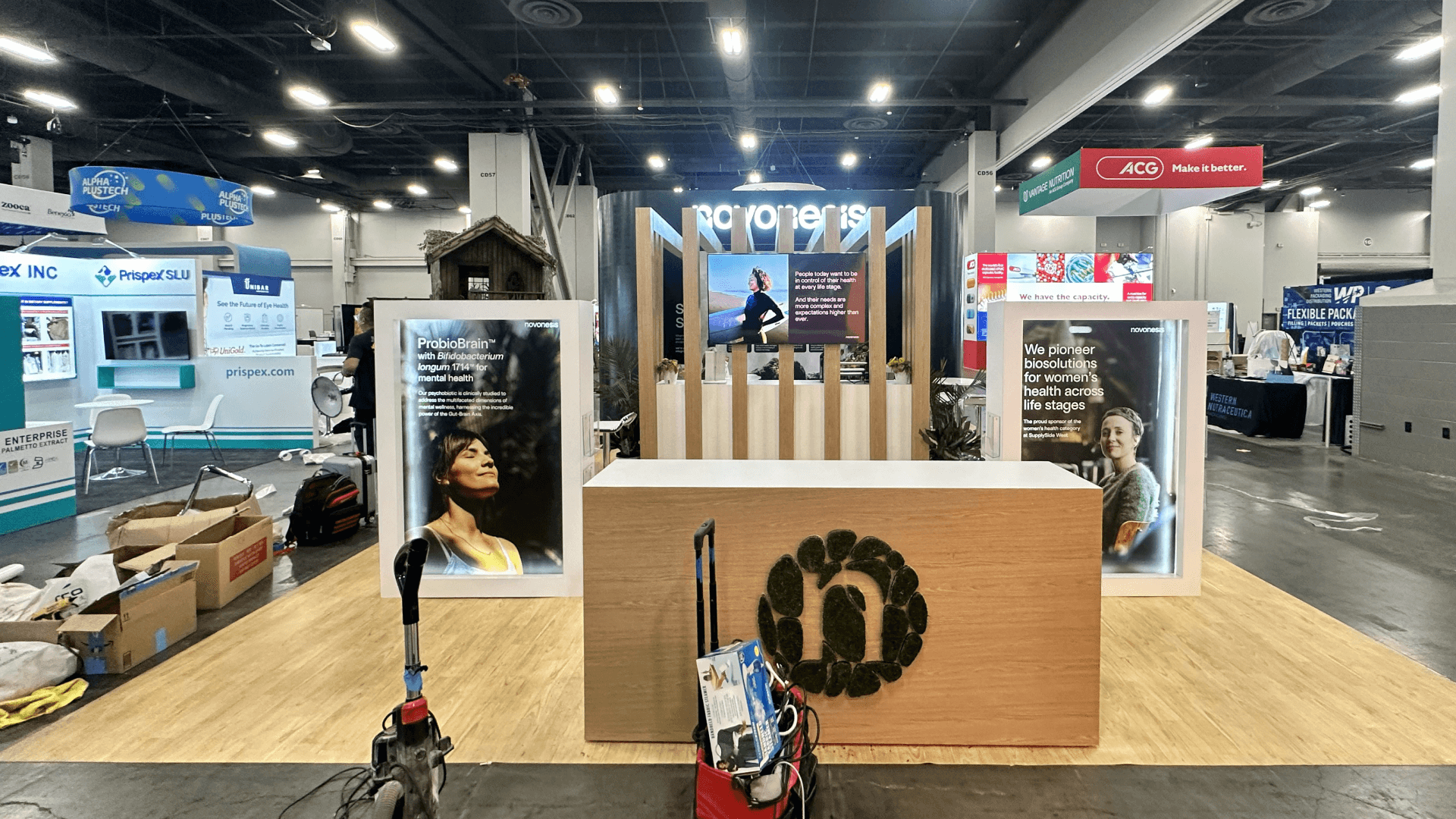
A compact booth can work when one screen, one acute-care use case, and mostly short physician conversations carry the exhibit.
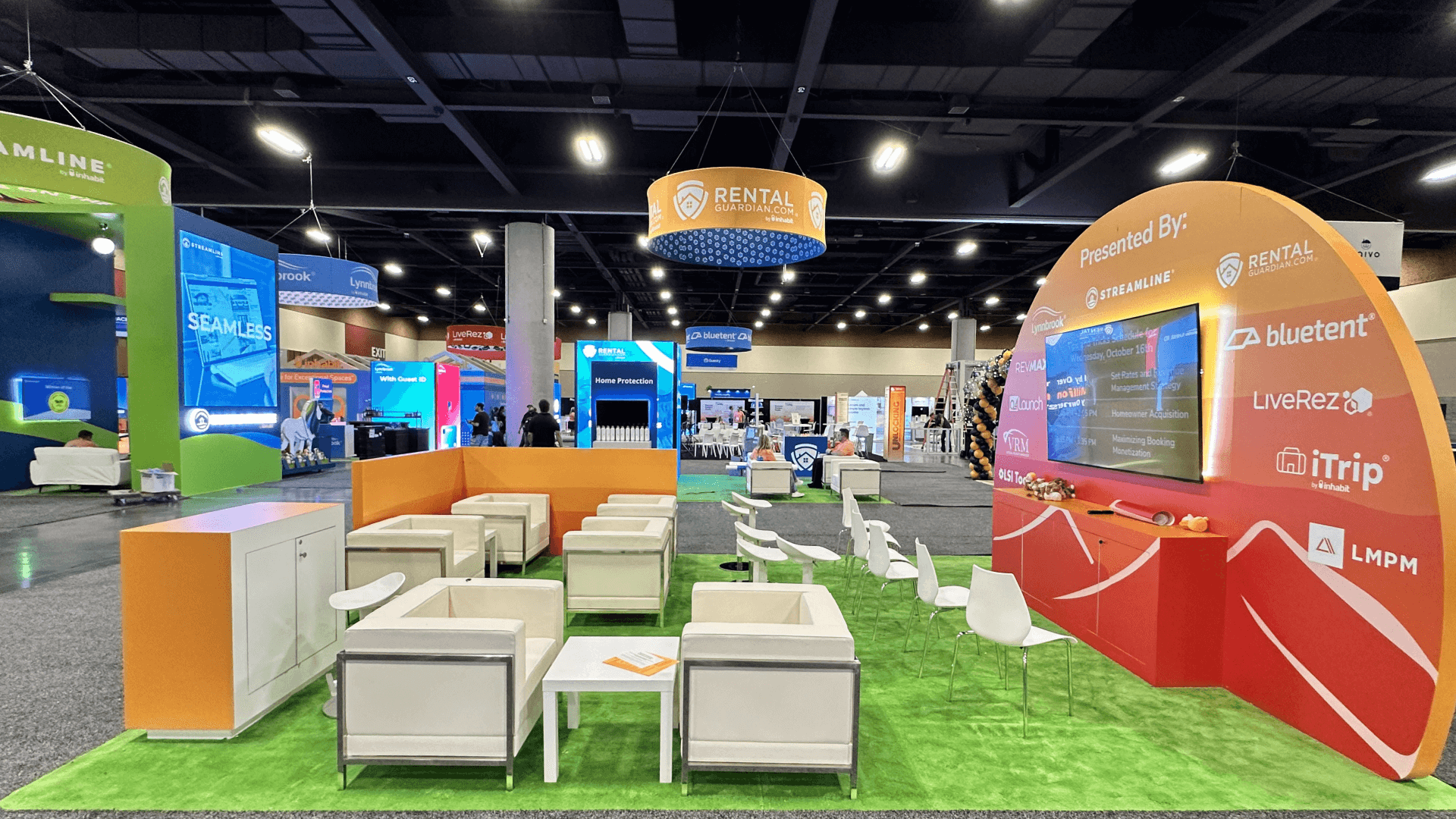
A 20x20 booth works when one physician needs to move into a deeper specialist conversation while the main product demonstration remains available to other visitors.
A 10x20 booth gives the main product explanation more room while allowing another staff member to continue a clinical or technical discussion nearby.
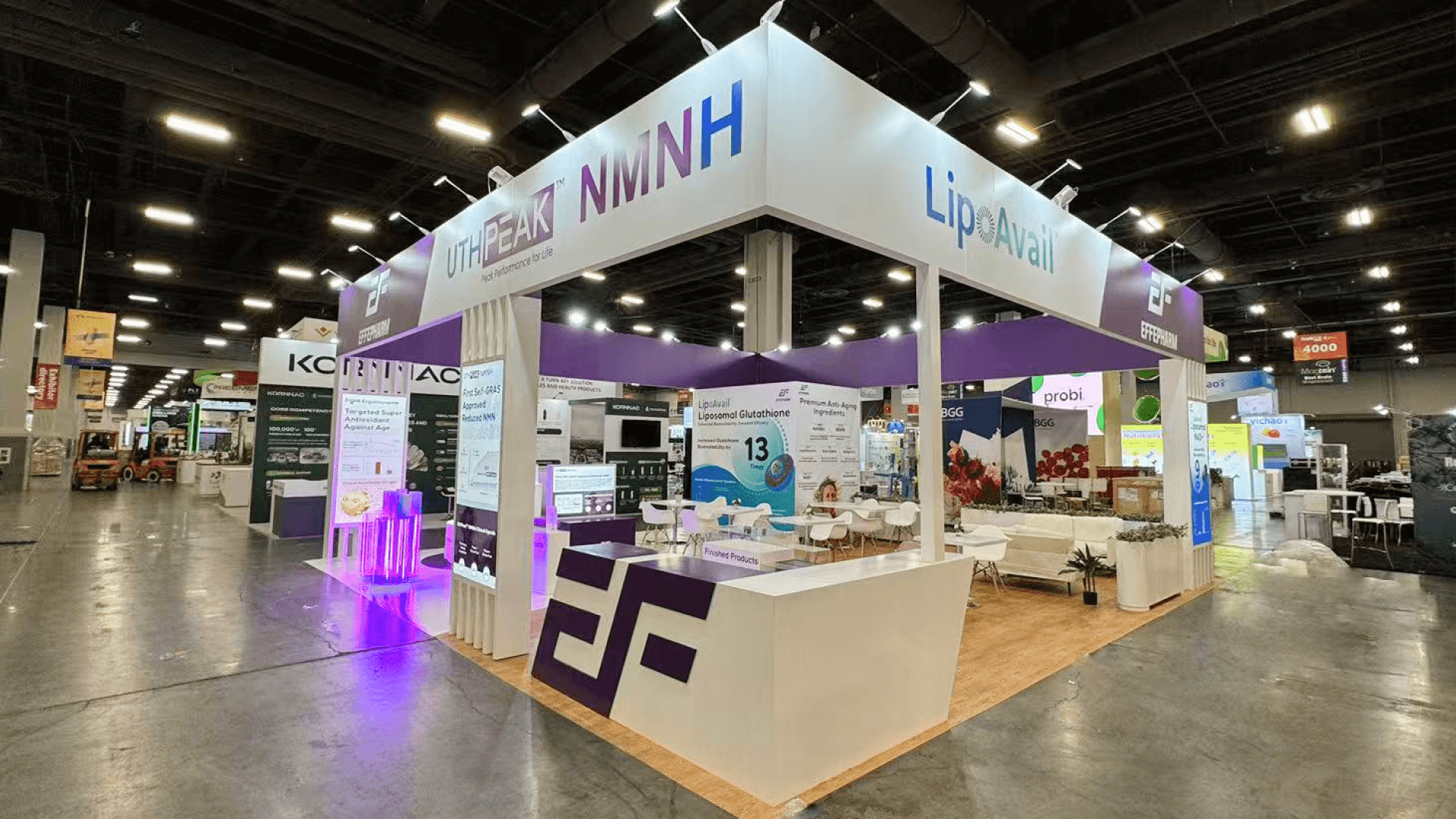
A 20x30 booth becomes relevant when several workflows, screens, technologies, specialist teams, or scheduled discussions need independent space.
An AI booth at ACEP needs to make the emergency-care use case understandable before visitors are asked to follow deeper technical detail. The broader approach to trade show booth design for AI products helps define the product story, visible proof, workflow explanation, and appropriate demo depth; this page applies those decisions specifically to emergency-physician evaluation.
Once screens, connected devices, and live demonstrations move into physical setup, demo clearance, audio restrictions, utilities, island requirements, and opening-day checks become part of the ACEP26 booth rules.
The booth should help a physician understand the emergency-care context, what changes in the workflow, and what still requires professional review.
Make the problem visible first. Visitors should be able to tell whether the technology addresses triage, diagnosis, documentation, workflow, patient movement, monitoring, decision support, or another acute-care task.
Show the relevant before-and-after difference: where information enters, what step changes, what work is reduced, or what decision receives additional support.
When clinical judgment remains part of the process, make that visible in the demonstration instead of allowing the interface to imply that the technology replaces the clinician.
Devices, chargers, adapters, cables, test accounts, backup media, and troubleshooting items should stay accessible to staff without distracting from the clinical use case being shown.
ACEP’s AI Innovation Zone features AI tools, live demonstrations, workflow applications, and technologies for emergency care.
The AI Innovation Zone is part of ACEP26 at McCormick Place in Chicago, where emergency medicine professionals gather for education, exhibits, and industry discussions.
Visitors need to see where the technology fits in emergency practice, what changes in the workflow, and what still requires physician or technical review.
Not Sure Which Booth Size You Need?
Not every exhibitor knows whether a 10x20, 20x20, 20x30, or larger booth is the right fit. Circle Exhibit can help review your event goals, product display needs, demo areas, meeting space, storage, budget scope, and setup timeline before you choose a booth size.
Make the Product’s Current Readiness Clear
Keep the Physician’s Role Visible
1
Choose the Acute-Care Problem First
2
3
4
Rental When Standard Architecture Is Enough
A configurable rental can work when standard screen mounts, demo counters, storage, graphics, and a compact discussion area can support the product.
Custom When Technology Shapes the Structure
Custom fabrication becomes more relevant when integrated media, specialty devices, several demo positions, large presentation surfaces, or dedicated technical areas drive the architecture.
Hybrid When the Demo Platform Travels
A reusable structural system can carry the same screen, equipment, storage, and meeting logic while the clinical use case and graphics change from event to event.
ACEP requires demonstration activity to remain within the exhibit space. Include standing room for physicians evaluating the product, not only room for the screen or demo counter.
ACEP limits live microphone and loudspeaker use in exhibit booths. Screens, presenter positions, and viewing distance need to work without amplified booth audio.
Connected devices, screens, charging, network access, and backup content should be resolved before counters and equipment positions are finalized.
If the primary workflow depends on network access, external services, accounts, or connected devices, the backup version should communicate the same emergency-care use case when the live path is unavailable.
Rental Booths for ACEP26 AI and Health-Tech Demos
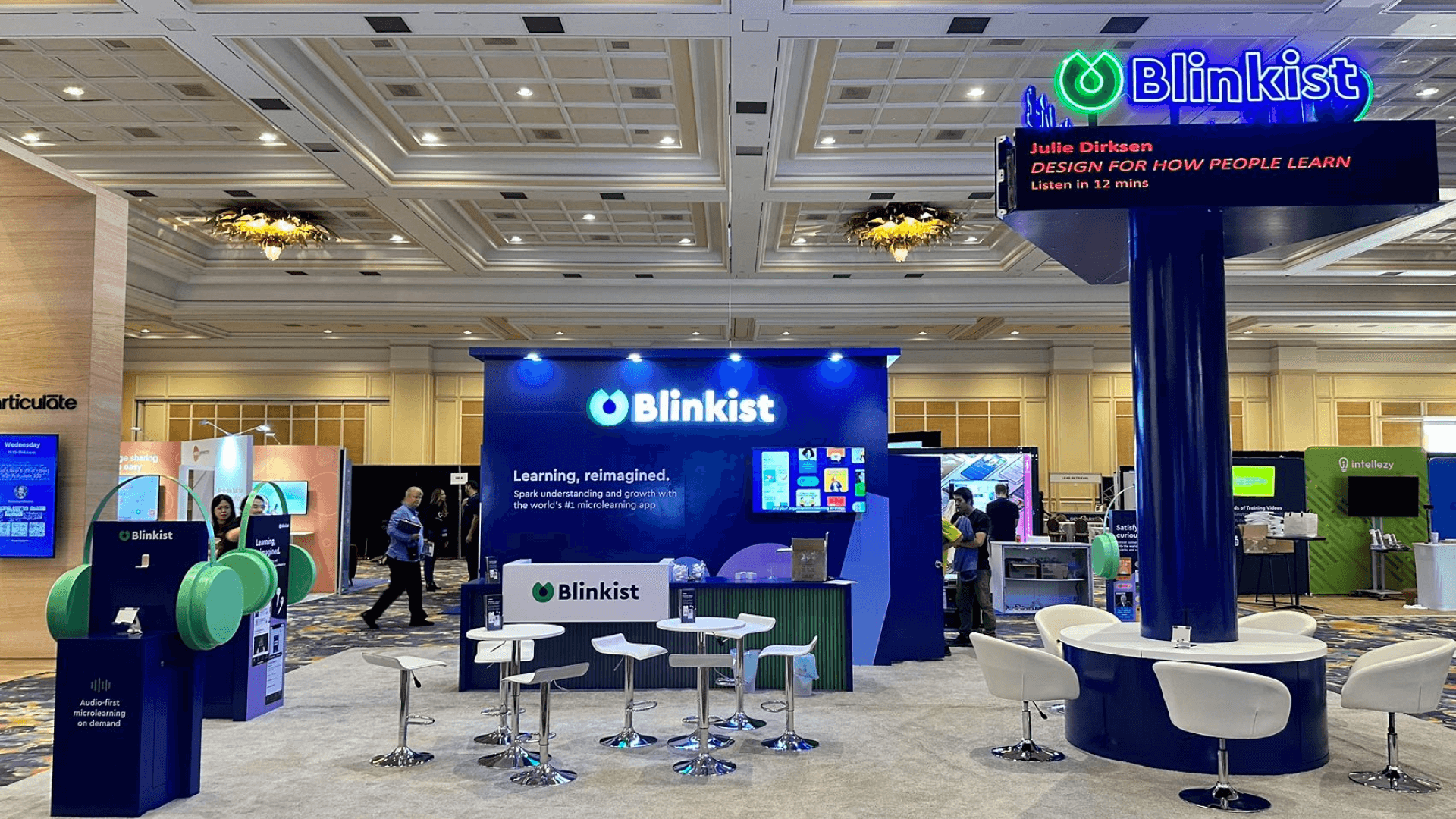
A rental booth can work well when the exhibit needs screens, demo counters, device storage, branded graphics, and space for physician conversations without highly specialized architecture. More complex technology setups may still require additional engineering for equipment, power, connectivity, and integrated media.
What should an AI exhibitor show at ACEP26?
Show the emergency-care problem first, then make the workflow change, product behavior, output, or physician review point visible enough for a visitor to judge whether the technology is relevant.
Is a 10x20 booth enough for an ACEP AI exhibit?
Why should the physician’s role be visible in the booth?
Can visitors watch an ACEP AI demo from the aisle?
Should an ACEP AI booth rely entirely on a live demo?
READY TO PLAN YOUR NEXT BOOTH?
Let’s Build a Booth That Fits Your Event
Share your event name, booth size, city, timeline, product display needs, and design references. Circle Exhibit will review your project direction and help you choose a rental-friendly or custom exhibit path.
3000+
Booth Projects Supported
50+
U.S. Event Cities
Transparent
Quote Review
The parent Event provides the broader ACEP context for booth formats, show rules, preparation, and Chicago execution.
Screen positions, demo counters, device locations, specialist conversations, storage, utilities, and structural requirements need to work together before fabrication begins.
This footprint becomes relevant when the main product evaluation needs to stay active while another physician continues into a separate clinical or technical discussion.
A larger footprint supports several workflows, technologies, specialists, screens, or buyer discussions operating at the same time.
Fabrication, equipment integration, EAC coordination, installation, utilities, and final testing become more connected as the physical technology setup grows more complex.