ACEP26 Scientific Assembly Booth Planning for Exhibitors
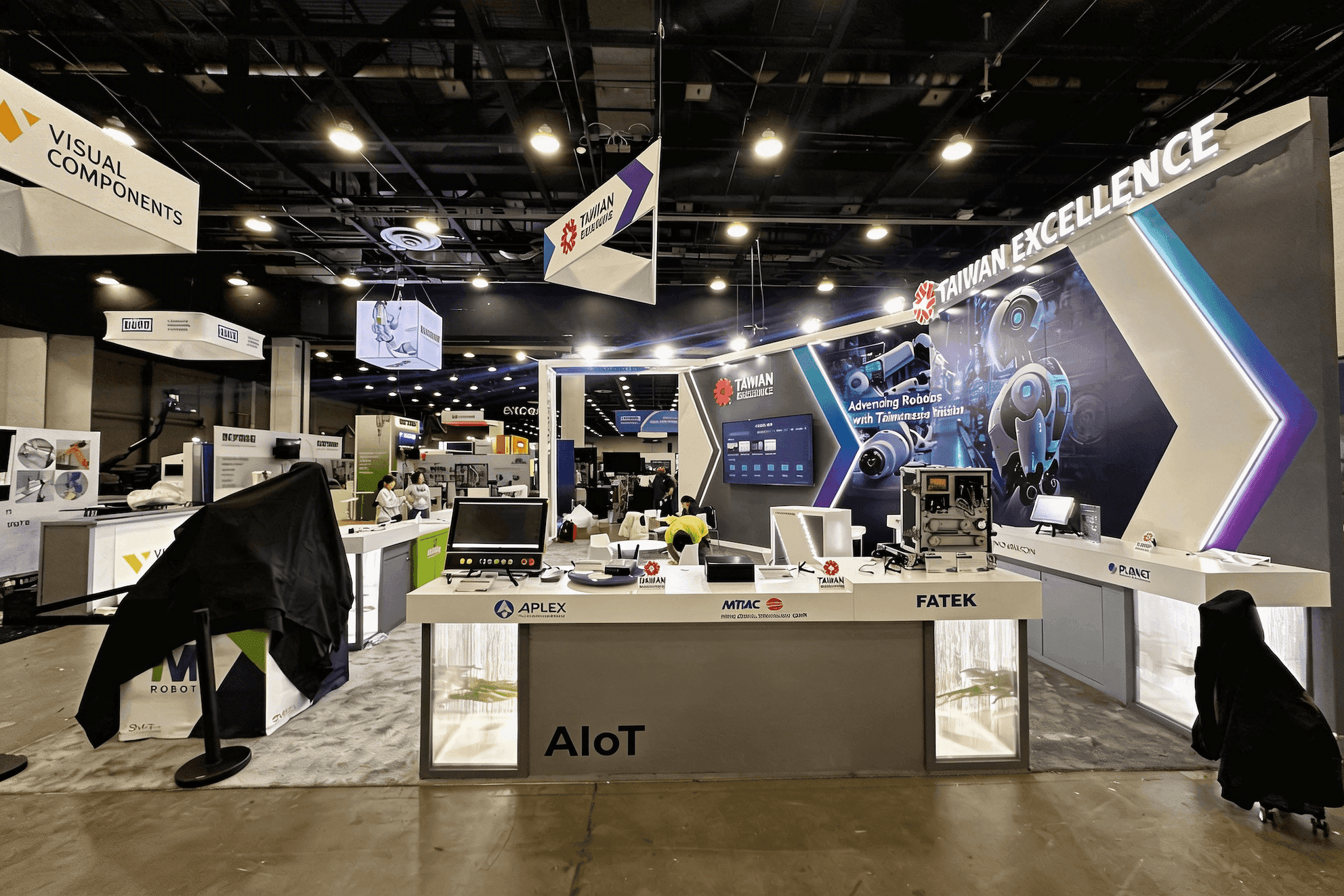
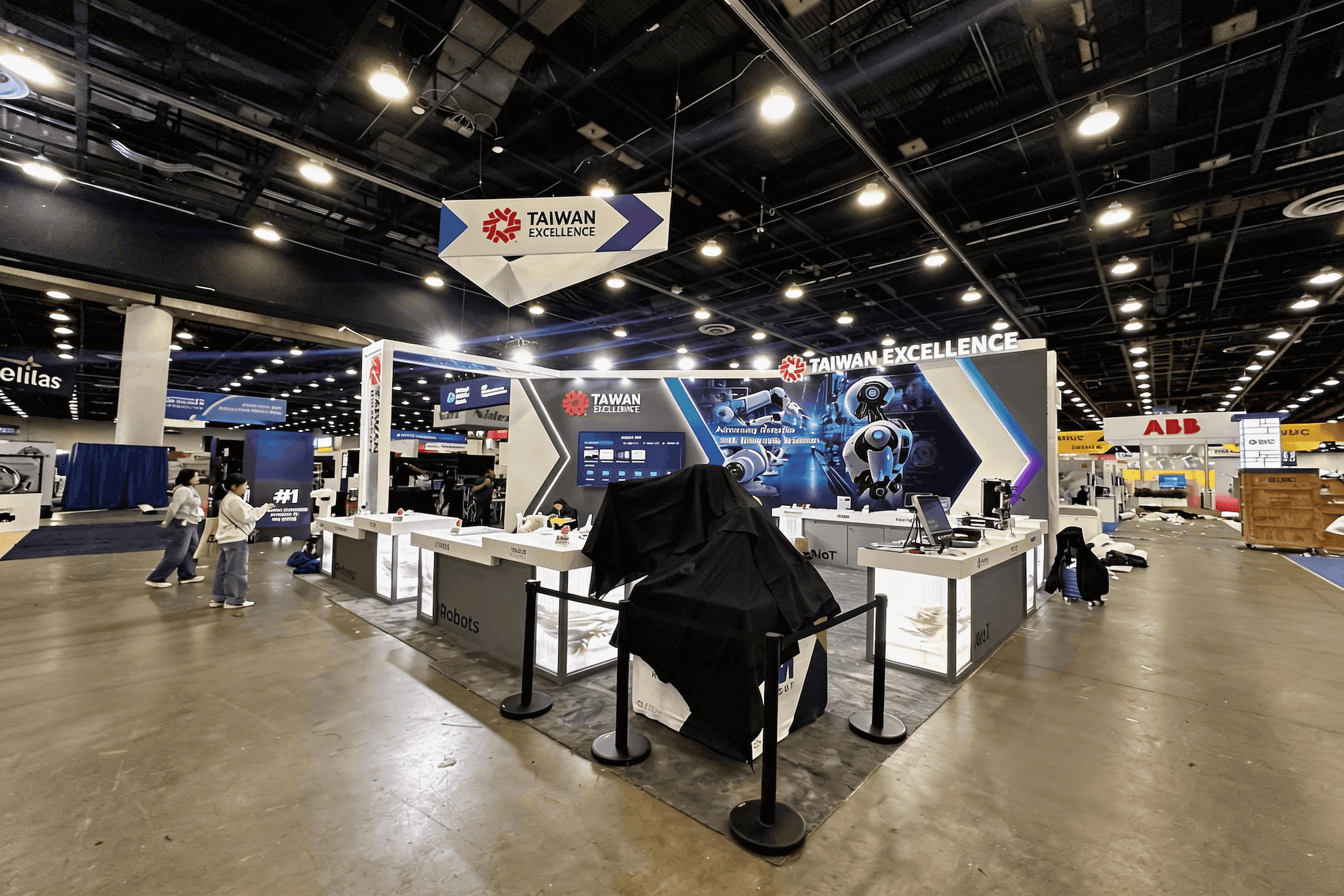
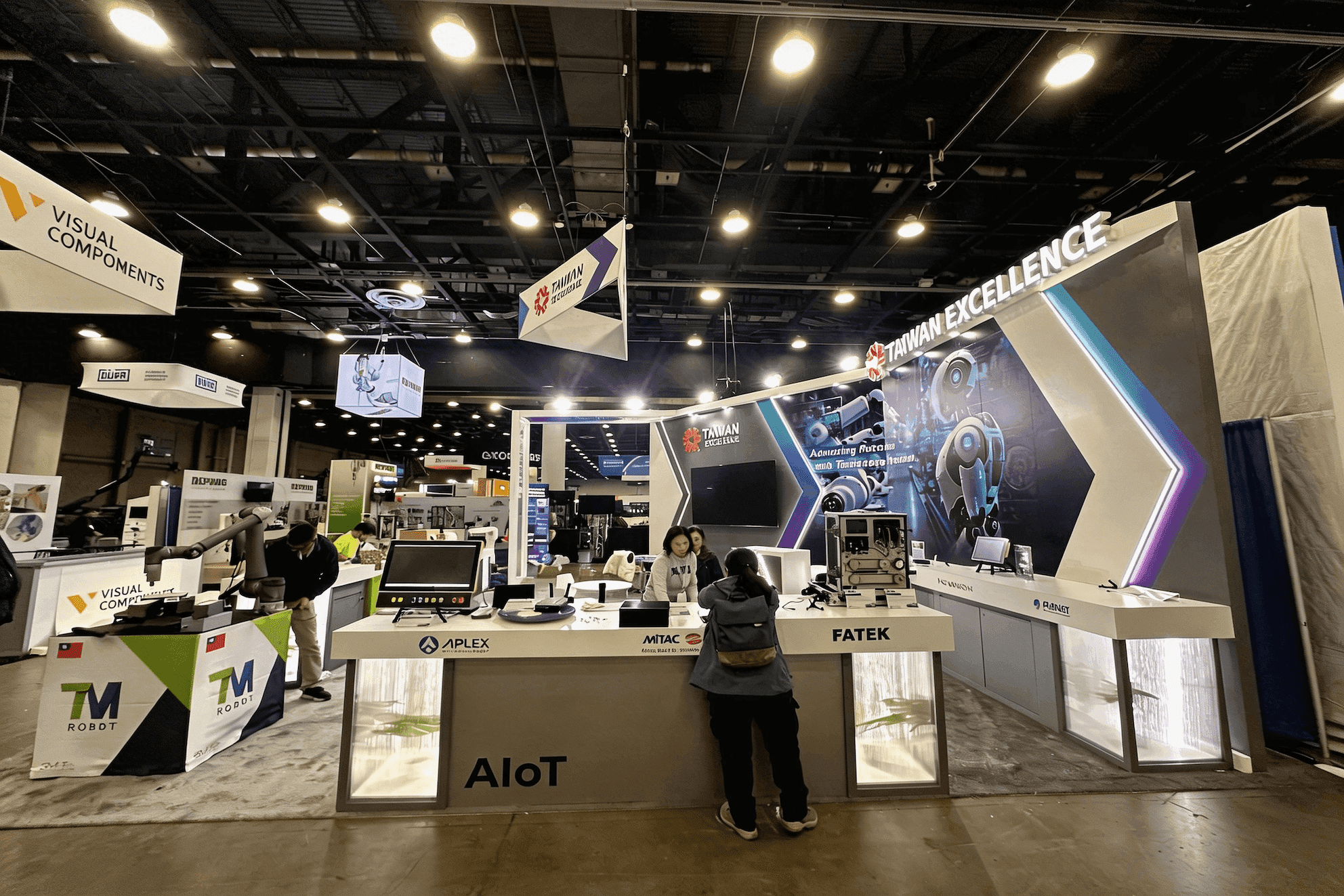

How should exhibitors plan an ACEP26 booth?
ACEP26 exhibitors should plan around what an emergency medicine buyer needs to understand during a short booth visit: what the product or service does, where it fits in practice, and what conversation should follow. The footprint then needs enough room for the right mix of products, demonstrations, equipment, screens, staff conversations, storage, and circulation.
ACEP26 brings together medical device companies, diagnostics providers, pharmaceutical brands, healthcare technology teams, service organizations, AI companies, and recruiting exhibitors. Their booth requirements vary, but the starting point is similar: make the offer clear enough that an emergency medicine professional can decide whether to inspect the product, watch a demonstration, ask a question, or speak with a specialist.
AI and health-tech teams in the ACEP AI Innovation Zone have a more specific task: showing whether a technology makes sense in emergency practice and what a physician still needs to evaluate. Recruiting teams in the ACEP Career Hub work through a different path centered on candidate qualification, recruiting conversations, interviews, and follow-up.
For teams managing trade show booth design and build in Chicago, those planning decisions also need to stay aligned with fabrication, McCormick Place requirements, installation, equipment integration, and final show-site readiness.
Why Exhibitors Choose Circle Exhibit
Clear scope, transparent quote review, nationwide booth support, and efficient setup planning for qualified rental and custom exhibit projects.
48hr
Setup Window
10+
Years Since 2014
U.S.
Trade Show Support
Real
Booth Project Proof
Choose the footprint based on the products, demonstrations, conversations, equipment, staff, and storage that need to operate at the same time.
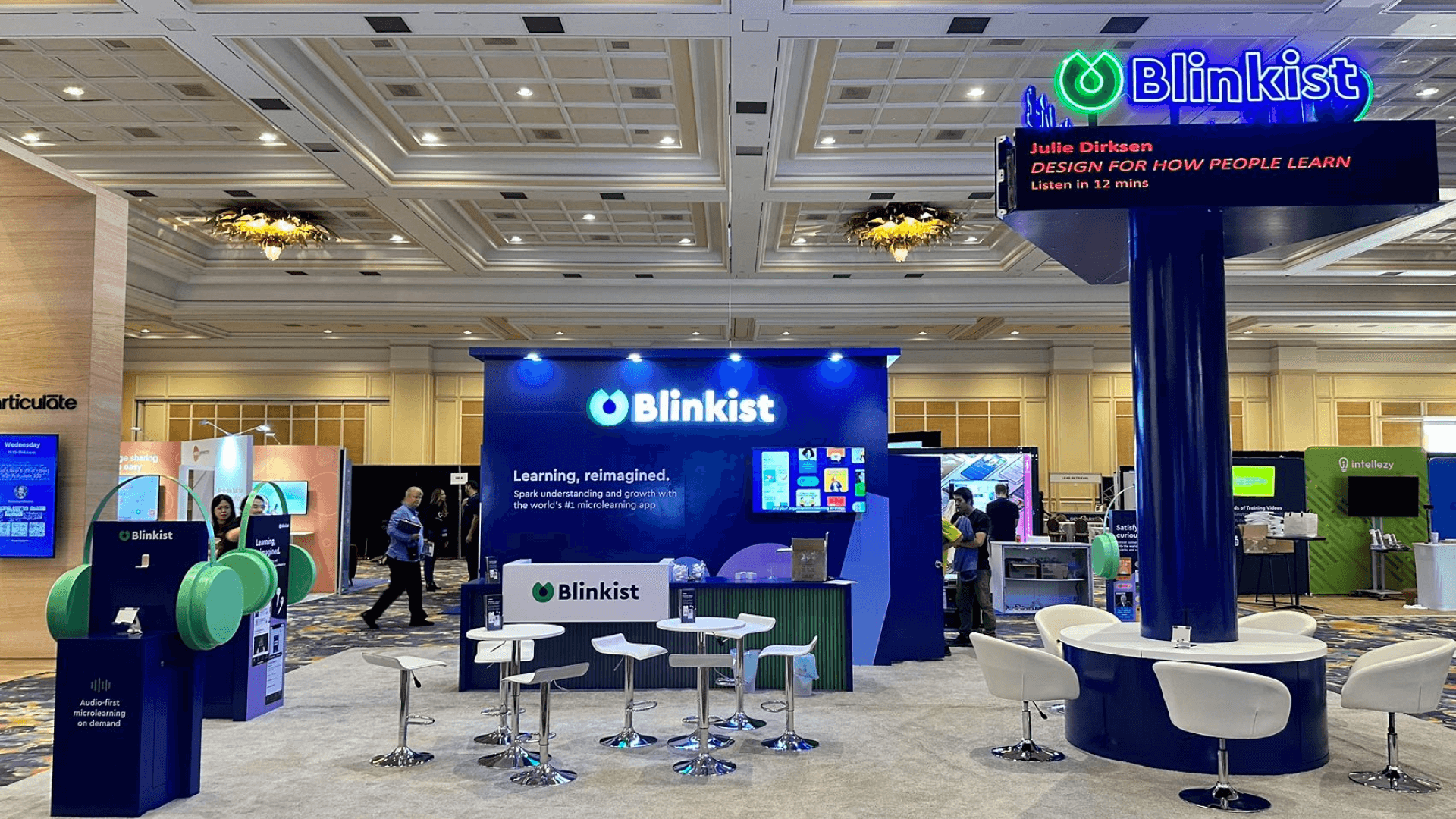
A compact inline booth works well for one main product, service, or screen-led message, with enough room for a short visitor conversation and limited equipment or storage.
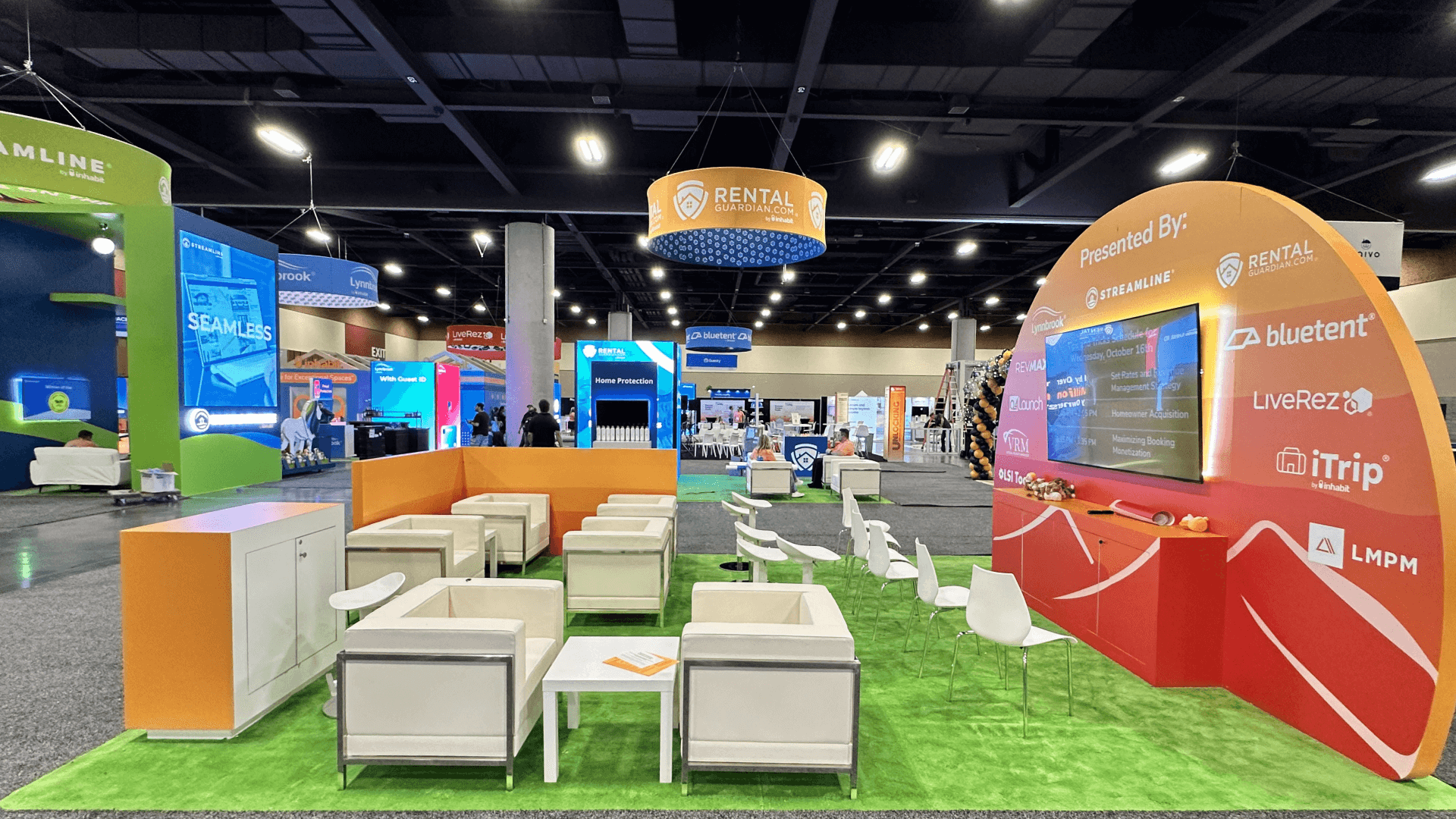
A 20x20 booth works well when one demo or product interaction needs to stay active while another visitor moves into a deeper discussion with a specialist.
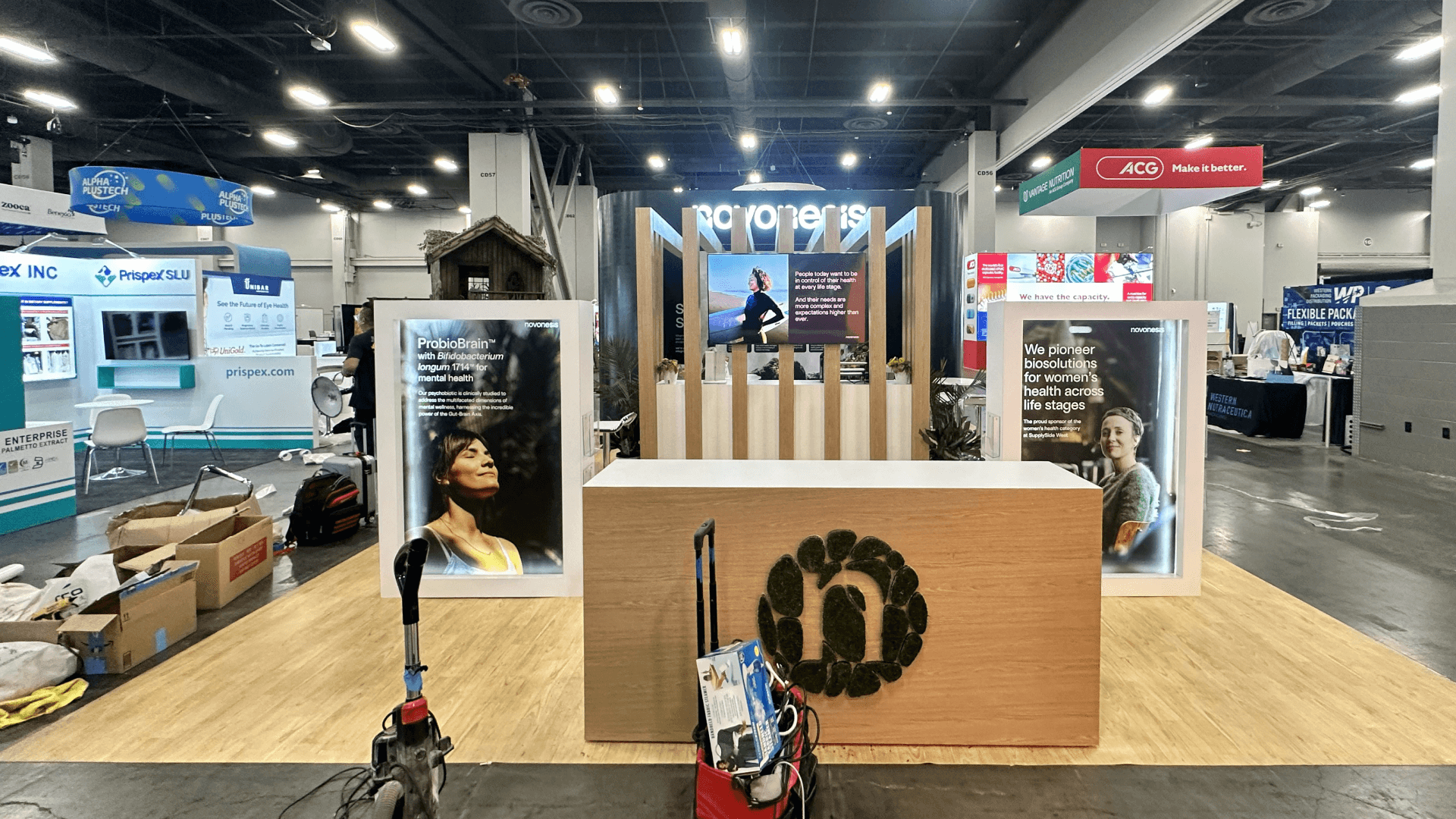
A 10x20 booth gives exhibitors room to separate a product or demonstration point from a second standing or seated conversation while keeping the aisle side open.
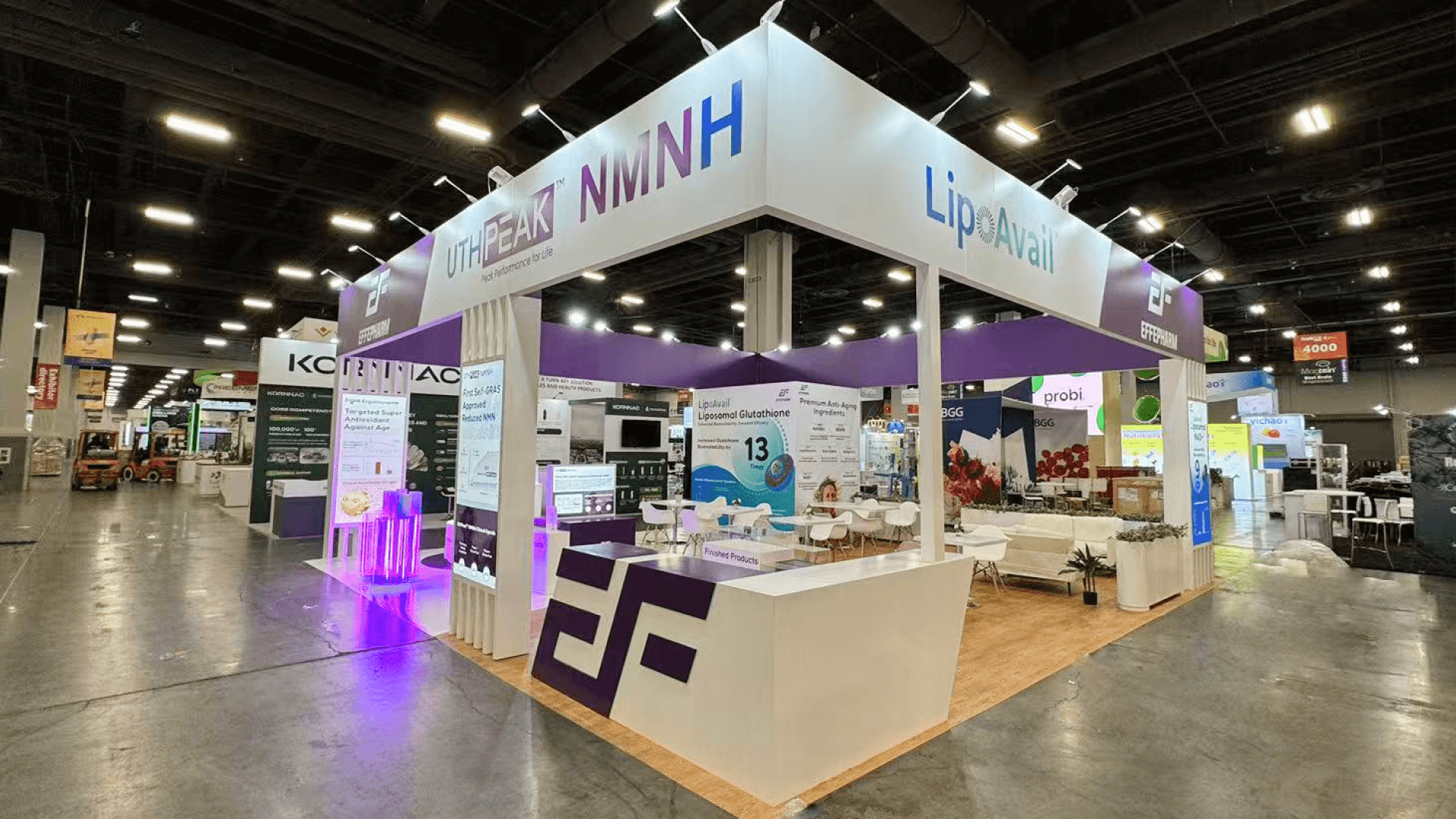
A 20x30 booth gives larger teams room for multiple products, demonstrations, specialist conversations, meetings, equipment, and storage without concentrating every activity in the same area.
A finished booth still needs to work within ACEP26’s actual show-floor conditions at McCormick Place. Demo clearance, island-plan compliance, signage, audio limits, separately ordered services, and final setup checks are covered in the ACEP26 booth rules, where the focus is on how those requirements affect the physical exhibit before opening day.
This page remains focused on overall booth planning, while the rules article goes deeper into the compliance and setup details that become important once the booth design is already defined.
The booth should make the clinical or business relevance clear, then give visitors enough space and information to decide what comes next.
Graphics and displays should answer the first practical question: where does this product, technology, or service fit in emergency medicine?
Visitors need a clear place to inspect the product, watch a demonstration, review information, or understand the application without blocking normal circulation.
A short introduction may lead to clinical, technical, purchasing, service, or recruiting questions. Those conversations should not all compete for the same counter or staff position.
Devices, chargers, literature, staff items, replacement materials, and demo supplies should stay easy to reach without becoming part of the visitor-facing display.
Medical devices, clinical technology, healthcare services, and professional solutions for emergency medicine.
ACEP26 takes place at McCormick Place Convention Center, with the Exhibit Hall open October 5–7.
Emergency physicians, clinical leaders, hospital administrators, and healthcare innovators evaluating products and solutions for emergency care.
Not Sure Which Booth Size You Need?
Not every exhibitor knows whether a 10x20, 20x20, 20x30, or larger booth is the right fit. Circle Exhibit can help review your event goals, product display needs, demo areas, meeting space, storage, budget scope, and setup timeline before you choose a booth size.
Keep Show-Floor Activity Inside the Booth
Support More Than One Type of Conversation
1
Start With the Visitor Task
2
3
4
Rental for Focused Product and Demo Programs
A Chicago trade show booth rental can be a practical fit when branded walls, screens, counters, meeting furniture, and storage cover most of the functional needs.
Custom Build for Complex Equipment or Large Islands
Custom fabrication becomes more relevant when equipment integration, specialty structures, large media surfaces, or a highly specific visitor path drives the architecture.
Hybrid for Multi-Show Programs
A reusable structural system can carry the main layout from show to show while graphics, screens, fixtures, and product elements change for each event.
Booth structure, graphics, equipment, utilities, and final checks need a defined sequence before the Exhibit Hall opens October 5.
ACEP requires booth activity to remain within the exhibit space. Include room for visitors around demonstrations and equipment instead of relying on the aisle.
Island layouts and outside contractor work have additional documentation and approval requirements. Current ACEP exhibitor materials should remain the final execution reference.
Power, internet, screens, connected products, lead tools, and equipment positions should be confirmed together so service locations do not conflict with the final layout.
Chicago Rental Booth Options for ACEP26 Exhibitors
A configurable rental booth can support product displays, demonstrations, screens, buyer conversations, meeting space, and storage without requiring a fully custom structure. The right setup depends on how many booth functions need to operate at the same time and how much equipment or technology must be integrated.
What should an ACEP26 booth include?
Start with the primary visitor task, then provide the product display, demonstration, conversation area, equipment access, storage, screens, and staff support needed to complete it.
What booth size works for ACEP Scientific Assembly?
What should exhibitors know about demonstrations at ACEP26?
Does ACEP26 have specialized exhibit areas?
Why does ACEP26 setup need to be planned early?
READY TO PLAN YOUR NEXT BOOTH?
Let’s Build a Booth That Fits Your Event
Share your event name, booth size, city, timeline, product display needs, and design references. Circle Exhibit will review your project direction and help you choose a rental-friendly or custom exhibit path.
3000+
Booth Projects Supported
50+
U.S. Event Cities
Transparent
Quote Review
Useful when one demonstration or buyer interaction needs to remain active while another conversation continues nearby.
Useful for several products, larger equipment, multiple specialists, or a mix of demonstration and meeting functions.
Relevant when fabrication, EAC coordination, McCormick Place installation, equipment integration, and on-site responsibilities need to be managed together.
Relevant when branded walls, screens, counters, meeting space, and storage can be handled with a configurable rental system rather than a fully custom structure.
Relevant when equipment, screens, visitor flow, meeting areas, utilities, and structural requirements need to be resolved before fabrication.