Wastewater Treatment and Process Equipment

Wastewater Treatment and Process Equipment

WEFTEC Wastewater Process Demo Booth Planning

📍

Chicago

·

IL

·

US

🌆

McCormick Place

📅

-

  • 📍

    Chicago

    ·

    IL

    ·

    US

  • 🌆

    McCormick Place

  • 📅

    -

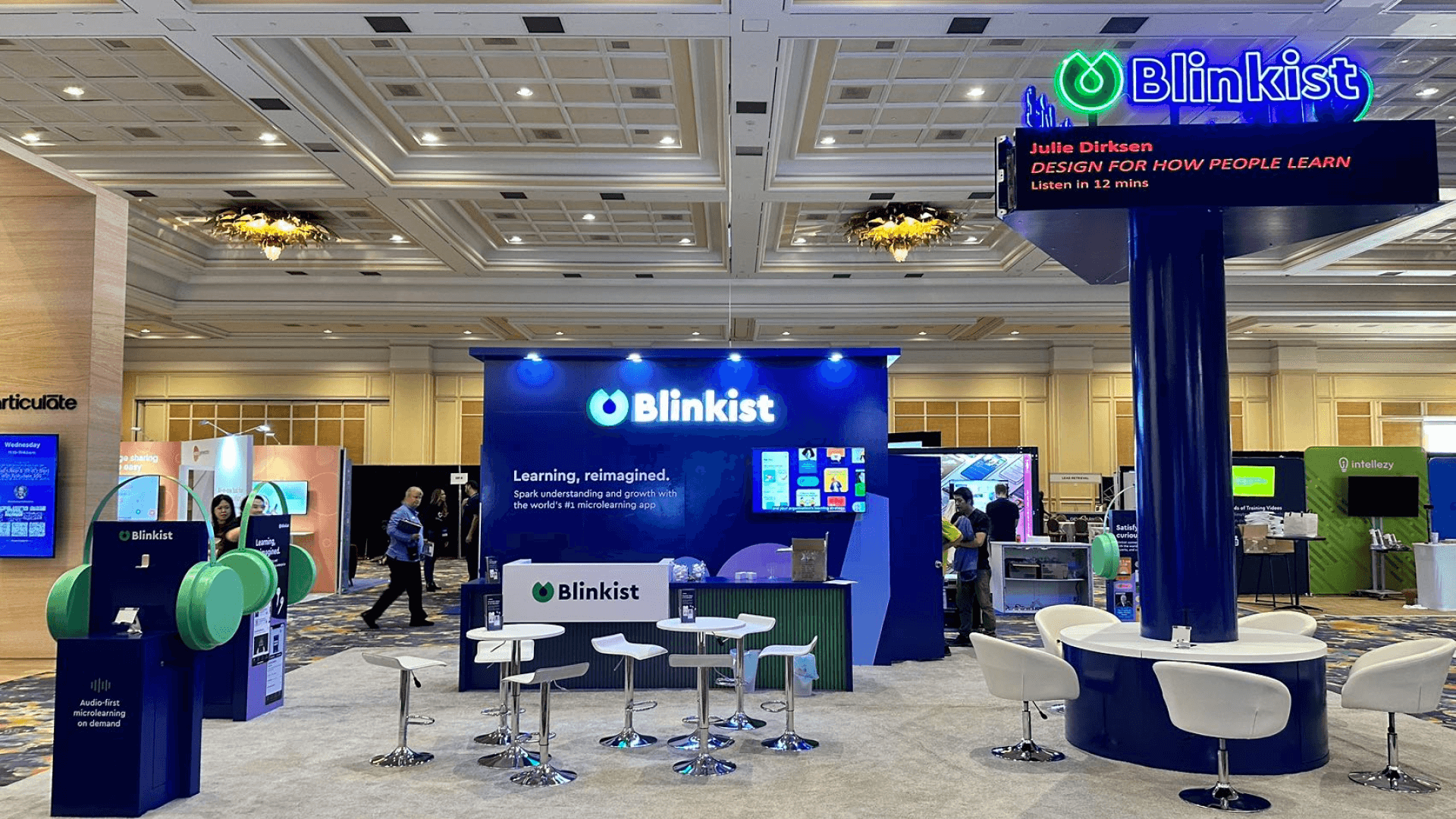
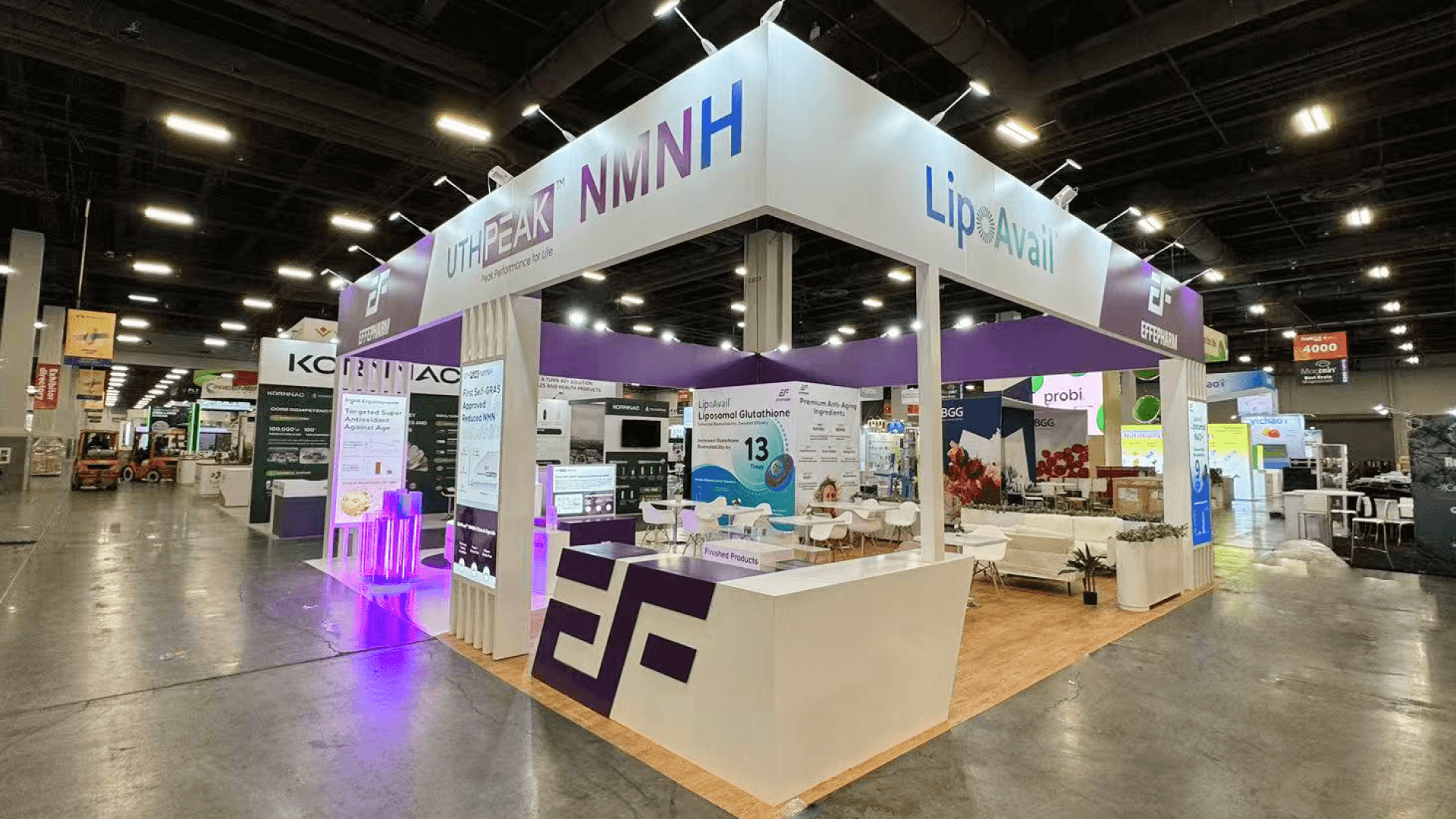
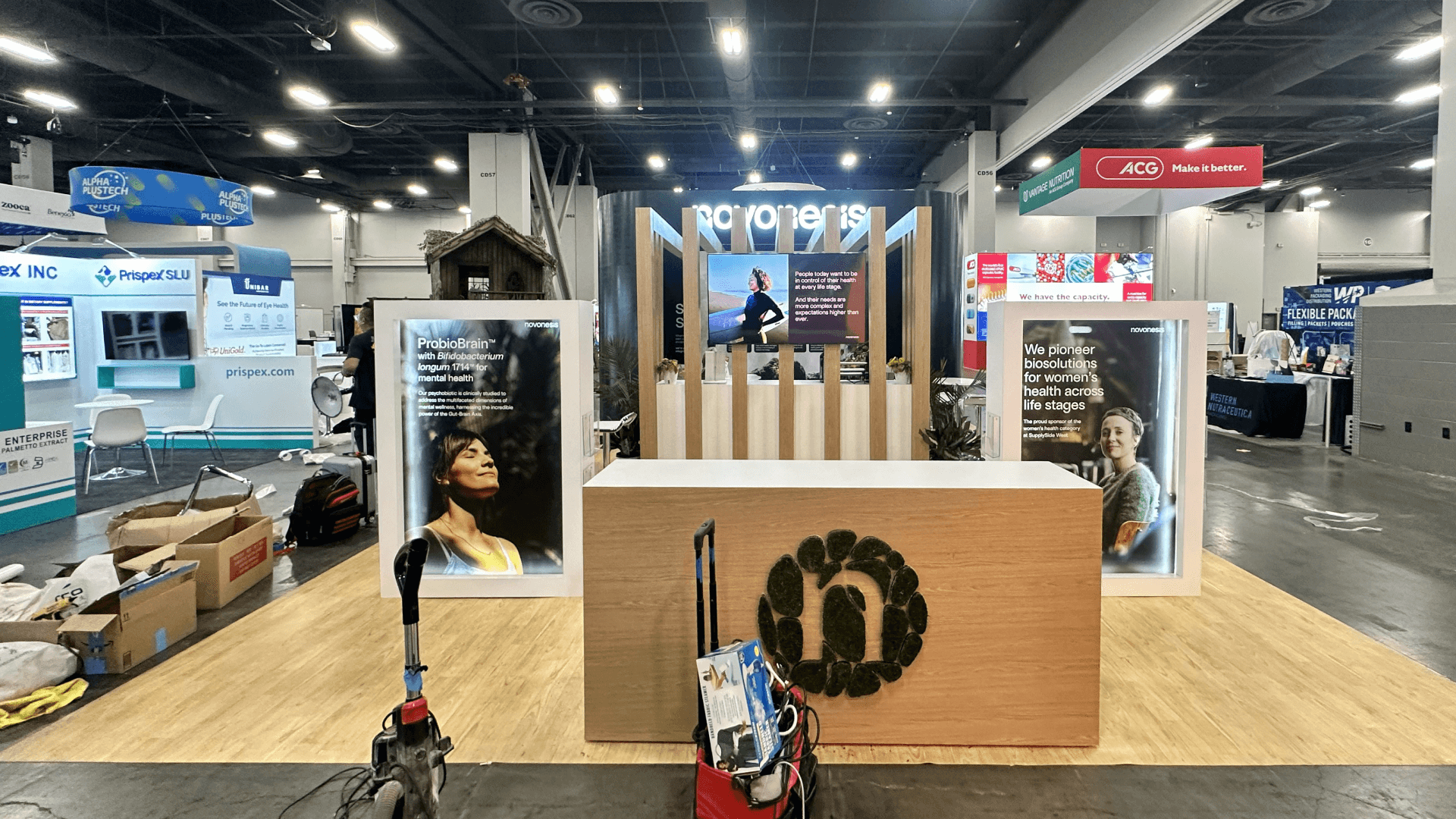
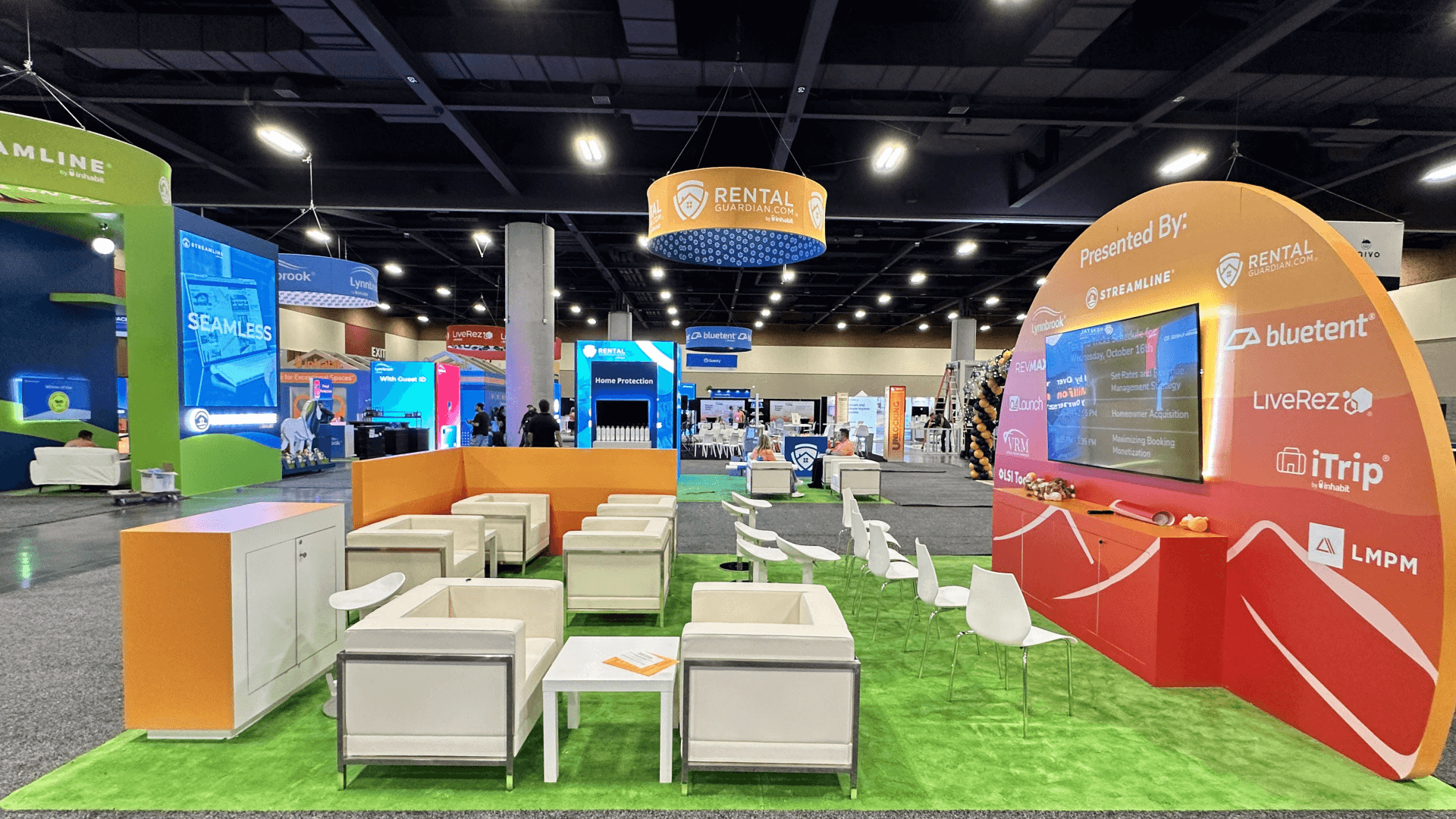
WEFTEC wastewater process demo booth with integrated equipment and clear viewing space
20x20 wastewater equipment rental booth with operator access and technical screens
Custom wastewater process exhibit at McCormick Place with utilities and controlled visitor flow

WEFTEC Wastewater Process Demo Booth — Built for Visible Treatment Steps, Reliable Demo Cycles, and Technical Q&A

How should a WEFTEC wastewater process demo booth be planned?

The booth should isolate the treatment step buyers most need to see and make its sequence, controls, and result easy to follow. The layout must also protect operator access, viewing distance, equipment clearance, utilities, technical Q&A, storage, and a repeatable reset plan when the full process cannot run on the show floor.

OVERVIEW

OVERVIEW

A wastewater process is often too large, wet, slow, or interconnected to reproduce at full scale inside a booth. Select the treatment step that changes the buyer’s understanding, then reveal it through live motion, a dry run, a cutaway, transparent components, samples, controls, or recorded operating media.

The layout starts with equipment clearance, operator movement, and the visitor sightline—not with a generic meeting zone. A component or cutaway can often stay within a 10x20 booth, while a live machine that requires operator clearance and viewing from several sides may need a 20x20 or 20x30 layout. For decisions beyond the demonstration itself—including overall footprint, rental versus custom construction, and other display formats—the WEFTEC booth planning hub provides the broader planning framework.

At McCormick Place, the demonstration plan needs to be developed alongside the equipment plan. Confirm equipment weight, handling points, utility requests, containment, service access, screen content, spare parts, and testing time before installation begins.

Why Exhibitors Choose Circle Exhibit

Clear scope, transparent quote review, nationwide booth support, and efficient setup planning for qualified rental and custom exhibit projects.

48hr

Setup Window

10+

Years Since 2014

U.S.

Trade Show Support

Real

Booth Project Proof

Size the Booth Around Equipment Clearance and Viewing Distance

Size the Booth Around Equipment Clearance and Viewing Distance

For a process demo, footprint decisions begin with the machine, operator, service zone, and sightline. Meeting space comes after the demonstration can run safely and repeatedly.

10x20 for a Component or Cutaway

10x20 for a Component or Cutaway

A 10x20 booth can support one component, cutaway, transparent section, or dry-motion example with a nearby screen. Keep the explanation short and the operator path clear.

20x30 for Separate Operating and Discussion Zones

20x30 for Separate Operating and Discussion Zones

A 20x30 booth becomes useful when the machine, operator, viewers, and technical discussion cannot share one area. The added depth protects service access and keeps traffic moving.

20x20 for One Compact Process Demo

20x20 for One Compact Process Demo

A 20x20 booth lets visitors view one compact machine or treatment step from several sides, with controlled operator access, concealed reset storage, and room for immediate questions.

30x40+ for Several Machines or Process Stages

30x40+ for Several Machines or Process Stages

A 30x40 booth or larger layout can separate several equipment stages, repeated demo loops, buyer groups, and support functions without forcing every visitor through the same viewing point.

Choose the Treatment Step to Demonstrate

Choose the Treatment Step to Demonstrate

When several treatment stages could become the booth’s main demonstration, the process demo selection guide helps you compare the candidates against one buyer question. Use the chosen step to define the equipment and media scope, then record how omitted stages will be explained in the design brief.

What a Wastewater Process Demo Must Make Visible

What a Wastewater Process Demo Must Make Visible

The booth does not need to reproduce the entire plant. It needs to expose the treatment step, operating sequence, conditions, and result that support the buyer’s technical judgment.

Expose the Treatment Step Buyers Need to See

Expose the Treatment Step Buyers Need to See

An open housing, cutaway, working model, or close-up video can expose the action that changes the outcome. Do not leave the decisive step hidden inside a closed machine.

Show Flow Direction and Control Points

Show Flow Direction and Control Points

A simple sequence should identify what enters, where the action occurs, what the operator controls, and what leaves the process.

Keep Operating Conditions Beside the Demo

Keep Operating Conditions Beside the Demo

Display capacity, feed conditions, energy use, cycle time, or other relevant limits next to the proof they qualify. Avoid presenting a result without its operating context.

Protect the Operator and Viewing Zone

Protect the Operator and Viewing Zone

Give staff direct access to controls and reset points while visitors keep a clear sightline. Barriers should guide attention without making the demonstration feel closed off.

Event Facts

Event Facts

Wastewater Process Demonstration Focus

Wastewater Process Demonstration Focus

Process-demo exhibits focus on equipment and treatment steps that buyers need to see in motion, sequence, or controlled operation.

Chicago, September 25–29, 2027

Chicago, September 25–29, 2027

WEFTEC 2027 takes place at McCormick Place, where equipment delivery, setup, and testing need one coordinated Chicago plan.

Operators, Engineers, and Utility Buyers

Operators, Engineers, and Utility Buyers

These visitors look for operating logic, access, controls, maintenance needs, performance conditions, and evidence that the process can work in practice.

Not Sure Which Booth Size You Need?

Not every exhibitor knows whether a 10x20, 20x20, 20x30, or larger booth is the right fit. Circle Exhibit can help review your event goals, product display needs, demo areas, meeting space, storage, budget scope, and setup timeline before you choose a booth size.

Exhibiting Challenges

Exhibiting Challenges

The Full Treatment Train Will Not Fit

The Full Treatment Train Will Not Fit

Large or multi-stage systems cannot be reproduced at booth scale. Exhibitors must choose the single step that best explains the operating advantage.

Large or multi-stage systems cannot be reproduced at booth scale. Exhibitors must choose the single step that best explains the operating advantage.

The Important Action Happens Inside the Equipment

Flow, separation, sensing, dosing, or control logic may be hidden from view. A cutaway, transparent path, screen, or sample sequence must reveal what the enclosure conceals.

Flow, separation, sensing, dosing, or control logic may be hidden from view. A cutaway, transparent path, screen, or sample sequence must reveal what the enclosure conceals.

Utilities and Containment Are Unclear

Power, water, drainage, compressed air, connectivity, heat, noise, and spill control can change the layout. None should be assumed before current show requirements are checked.

Power, water, drainage, compressed air, connectivity, heat, noise, and spill control can change the layout. None should be assumed before current show requirements are checked.

The Demo Cycle Is Too Long or Fragile

The Demo Cycle Is Too Long or Fragile

A sequence that takes too long, fails after repeated use, or needs constant adjustment will not support busy show traffic. It must run on a short, repeatable cycle.

A sequence that takes too long, fails after repeated use, or needs constant adjustment will not support busy show traffic. It must run on a short, repeatable cycle.

Viewers Block the Operator or Service Area

Viewers Block the Operator or Service Area

Visitors tend to gather at the point of motion. Without a defined sightline and standing area, they can interfere with controls, access panels, or staff movement.

Visitors tend to gather at the point of motion. Without a defined sightline and standing area, they can interfere with controls, access panels, or staff movement.

Reset Materials Crowd the Booth

Reset Materials Crowd the Booth

Tools, hoses, samples, cleaning supplies, spare parts, and protective items need concealed but reachable storage. Reset work should not take over the public display.

Tools, hoses, samples, cleaning supplies, spare parts, and protective items need concealed but reachable storage. Reset work should not take over the public display.

Preparation Steps

Preparation Steps

1

Choose the Treatment Step to Show

Select the moment that proves the difference: flow control, separation, filtration, sensing, dosing, aeration, dewatering, or another decisive action. That step should anchor the equipment, screen, and staff explanation.

Select the moment that proves the difference: flow control, separation, filtration, sensing, dosing, aeration, dewatering, or another decisive action. That step should anchor the equipment, screen, and staff explanation.

2

Decide What Will Be Live, Moving, or Recorded

Decide What Will Be Live, Moving, or Recorded

Run the equipment live only when another format cannot show its motion or operating behavior credibly. For hidden, slow, or impractical steps, use a cutaway, animation, recorded cycle, or staged samples.

Run the equipment live only when another format cannot show its motion or operating behavior credibly. For hidden, slow, or impractical steps, use a cutaway, animation, recorded cycle, or staged samples.

3

Set Clearances for Operators and Viewers

Set Clearances for Operators and Viewers

Mark equipment access, controls, service panels, viewing distance, staff positions, barriers, and the route into technical Q&A before the structure is finalized.

Mark equipment access, controls, service panels, viewing distance, staff positions, barriers, and the route into technical Q&A before the structure is finalized.

4

Rehearse the Demo and Reset Cycle

Rehearse the Demo and Reset Cycle

Time the explanation, operation, questions, cleanup, and restart. Test the same cycle repeatedly with the exact equipment, media, and support materials planned for the show.

Time the explanation, operation, questions, cleanup, and restart. Test the same cycle repeatedly with the exact equipment, media, and support materials planned for the show.

Wastewater Process Demo Booth: Rental vs. Custom Integration

Wastewater Process Demo Booth: Rental vs. Custom Integration

Rental Structure for a Dry or Media-Led Demo.

Rental framing works when equipment, a cutaway, screens, graphics, storage, and a viewing area need no special structural integration. In that case, Chicago rental booth options provide the right comparison.

Custom Integration for Live Equipment.

A custom solution is safer when loads, supports, utility routes, containment, service clearances, or protective barriers determine the booth architecture. Resolve those constraints through exhibit design and engineering before the surrounding structure is set.

Hybrid Layout for Exhibitor-Owned Equipment.

Place reusable walls, counters, screens, and storage around purpose-built mounts or demo components when the machinery travels but the surrounding exhibit system should remain flexible. This avoids redesigning the full booth for each setup.

McCormick Place Execution Notes for Process Demos

McCormick Place Execution Notes for Process Demos

Confirm Equipment Handling Before Shipping

Confirm Equipment Handling Before Shipping

Record dimensions, weight, center of gravity, lifting points, crate sequence, final placement, and service access. Match those details to the current exhibitor manual and move-in schedule.

Verify Every Utility and Containment Need

Verify Every Utility and Containment Need

Confirm power, water, drainage, air, connectivity, heat, noise, and spill-control requirements before committing to a live setup. Keep a dry or recorded fallback ready.

Protect Setup and Service Access

Protect Setup and Service Access

Bring structure, equipment placement, and installation order into Chicago show-site execution planning early, so walls and counters do not close off operator or service access.

Run Repeated Demo Cycles Before Opening

Run Repeated Demo Cycles Before Opening

Test the equipment, controls, media, staff script, cleanup, and reset several times. A single successful run does not prove that the demo is ready for show traffic.

Need a Rental Booth for a WEFTEC Process Demo?

Share the equipment dimensions, weight, ownership, utility needs, planned demo state, and required viewing distance. Those details will show whether a rental structure can support the demonstration or whether custom integration is needed.

Frequently Asked Questions

Frequently Asked Questions

Frequently Asked Questions

Does a wastewater process booth need to show the full treatment train?

No. Show the treatment step that best explains the operating difference, then provide enough context for buyers to understand where it sits in the larger process.

What can replace a live water demonstration?

How much clearance should be planned around demo equipment?

Should performance data appear on the same screen as the demo?

What should be tested before a process-demo booth opens?

READY TO PLAN YOUR NEXT BOOTH?

Let’s Build a Booth That Fits Your Event

Share your event name, booth size, city, timeline, product display needs, and design references. Circle Exhibit will review your project direction and help you choose a rental-friendly or custom exhibit path.

3000+

Booth Projects Supported

50+

U.S. Event Cities

Transparent

Quote Review

Related Wastewater Process Demo Planning Resources

Related Wastewater Process Demo Planning Resources

Related Wastewater Process Demo Planning Resources

Match the unresolved execution task to the relevant resource: equipment engineering, installation order, delivery, technical graphics, or a separate explanation of recovered value.

Match the unresolved execution task to the relevant resource: equipment engineering, installation order, delivery, technical graphics, or a separate explanation of recovered value.

Match the unresolved execution task to the relevant resource: equipment engineering, installation order, delivery, technical graphics, or a separate explanation of recovered value.

WEFTEC logo – Water Environment Federation Technical Exhibition and Conference
WEFTEC

WEFTEC Wastewater Process Demo Booth Planning

Event Time

-

Venue

McCormick Place

Organizer

Water Environment Federation

Exhibitor Scale

WEFTEC 2027 is scheduled to feature more than 1,000 exhibitors. Within that larger field, the planning scope narrows to wastewater equipment and process demonstrations.

Audience Type

Plant operators, utility engineers, consulting engineers, technology evaluators, maintenance teams, procurement staff, and project partners assessing treatment equipment and operating behavior.

Typical Booth Size

Planning range: 10x20 to 30x40-plus, depending on equipment footprint, operator clearance, viewing distance, utilities, and whether the demonstration is live, partial, dry, or recorded.

Related Case Studies

Related Case Studies

Related Case Studies