WEFTEC Trade Show Booth Rental vs. Custom Exhibit Planning


How should exhibitors plan a booth for WEFTEC?
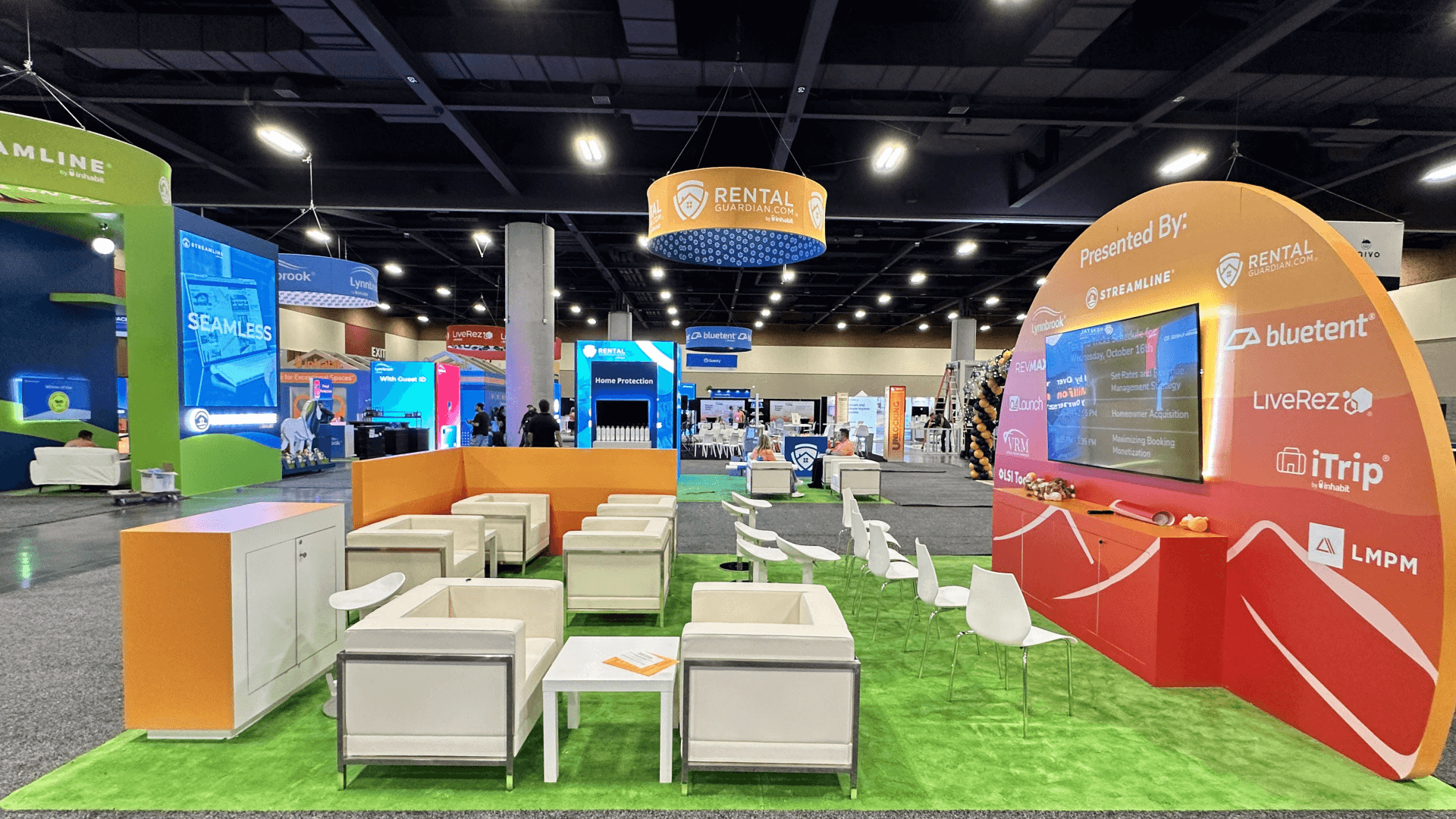
A WEFTEC booth should be planned around the buyer action that matters most: inspecting equipment, watching a process, or evaluating a system. That choice determines the booth size, display method, screen content, meeting space, storage, and utility needs, while the Chicago delivery plan must account for freight, installation, testing, and daily reset at McCormick Place.
WEFTEC exhibitors present everything from pumps, controls, and treatment equipment to software, engineering services, and complete water systems. The booth should make the first buyer task obvious: inspect a product, follow a process, or assess whether a system fits a real operating need.
That choice should guide the footprint. A focused product may fit a 10x20 or 20x20 booth, while equipment, a working sequence, or a separate technical discussion may require a 20x30 or 30x40 layout with more clearance, viewing room, storage, and staff control. If the full treatment process cannot be brought to the show floor, exhibitors can use WEFTEC wastewater process demo planning to decide which operating step buyers still need to see.
McCormick Place delivery belongs in the booth plan from the start, not after design approval. Circle Exhibit’s trade show booth design and build team can coordinate exhibit production, graphics, freight, installation, and opening-day checks within one Chicago delivery plan.
Why Exhibitors Choose Circle Exhibit
Clear scope, transparent quote review, nationwide booth support, and efficient setup planning for qualified rental and custom exhibit projects.
48hr
Setup Window
10+
Years Since 2014
U.S.
Trade Show Support
Real
Booth Project Proof
The footprint should grow only when the booth must support another product, a longer proof sequence, safer viewing, private technical discussion, or more back-of-house support.
A 10x20 booth suits one product family, a compact display or screen, light storage, and short technical conversations. Keep the aisle message specific and avoid adding a second competing story.
Move to a 20x30 booth when visitors need to see the proof first, then enter a technical or project discussion without stopping traffic around the display.
With access from several sides, a 20x20 booth can hold one primary product or demonstration, a defined viewing area, storage, and space for follow-up questions.
A 30x40 booth or larger footprint makes sense when several products, demo stations, or buyer groups need distinct routes, shared support space, and controlled staff coverage.
If your exhibit includes a treatment demonstration, choose the process step to show before finalizing the equipment and media scope. The decision guide compares candidate stages and explains how to give visitors enough context for the parts left out.
When performance records are central to the presentation, learn how to present water reuse results with their sources and essential conditions visible. The article explains which finding to lead with and how to distinguish pilot results, full-scale records, and samples.
The display should reveal what the solution is, how it works, where it fits, and what the buyer should examine next. Each element needs a clear job.
From the aisle, visitors should recognize the central equipment, process step, or system outcome. A strong first view removes the need for a long opening explanation.
Put the component, cutaway, sample, screen, or operating sequence where buyers can examine it without crossing staff work areas or blocking other visitors.
Keep performance data, operating conditions, flow diagrams, and application notes beside the item they explain. Separate evidence from decorative brand copy.
Set aside a nearby point for drawings, specifications, project questions, and next-step discussions so the main display stays open to new visitors.
WEFTEC brings water and wastewater technologies, operating expertise, and project teams together in one major exhibition and technical conference.
WEFTEC 2027 takes place at McCormick Place in Chicago, Illinois.
Exhibitors meet utility, engineering, operations, procurement, and project teams comparing products, processes, and system results.
Not Sure Which Booth Size You Need?
Not every exhibitor knows whether a 10x20, 20x20, 20x30, or larger booth is the right fit. Circle Exhibit can help review your event goals, product display needs, demo areas, meeting space, storage, budget scope, and setup timeline before you choose a booth size.
Showing Too Much at Once
Leaving the Next Question Unanswered
1
Decide What Buyers Must Verify
2
3
4
Rental Structure for a Focused Program.
Rental fits when branded walls, counters, screens, storage, and one main display or demo route can carry the story. For that format, Chicago trade show booth rental options are the relevant starting point.
Custom Build for Integrated Equipment or Utilities.
Custom construction is better when equipment supports, utility routes, containment, protected clearances, or several demo zones shape the architecture. Bring those requirements into exhibit design and engineering before production details are fixed.
Hybrid Plan for a Reusable Structure.
Combine reusable framing with exhibitor-owned equipment, custom graphics, and purpose-built demo components when the structure can travel but the demonstration still needs event-specific parts. This keeps the base adaptable without making the display generic.
Use the current exhibitor manual and assigned schedule when they are released. Equipment arrival, labor, empty-container handling, and final placement should follow one installation sequence.
Pack mounts, cables, labels, screens, and test files with the product they support. The display should not depend on parts arriving through separate, untracked paths.
When fabrication and show-site work require a local handoff, Chicago exhibit execution support can carry the approved design into installation without losing equipment clearances or visitor routes.
Test equipment, screens, lead capture, lighting, storage access, staff positions, and the first buyer path before the hall opens. Repeat the check after daily reset.
Need a Flexible WEFTEC Booth Rental in Chicago?
Bring the booth size, equipment list, display priorities, and any known utility needs. Circle Exhibit can use those details to plan a rental structure around inspection, one focused demonstration, technical conversations, storage, and McCormick Place delivery.
What should determine the size of a WEFTEC booth first?
Start with what buyers must inspect, watch, or discuss. The required display area, viewing distance, storage, and meeting space should determine the footprint.
How should a WEFTEC exhibitor choose between equipment, a live demo, and recorded media?
When does the booth need a separate technical meeting area?
What information should be ready before WEFTEC booth design begins?
When should Chicago show-site planning begin?
READY TO PLAN YOUR NEXT BOOTH?
Let’s Build a Booth That Fits Your Event
Share your event name, booth size, city, timeline, product display needs, and design references. Circle Exhibit will review your project direction and help you choose a rental-friendly or custom exhibit path.
3000+
Booth Projects Supported
50+
U.S. Event Cities
Transparent
Quote Review
For exhibitors that must connect water reuse or resource recovery stages with samples, verified results, applications, and project discussions.
Compare practical rental structures for branded walls, counters, screens, storage, meetings, and a focused product or demonstration path.
Connect fabrication, installation, and local show-site coordination when equipment or custom exhibit elements require a controlled handoff.
Plan structural support, equipment integration, clearances, utility routes, and visitor access before detailed production begins.
Organize freight, deadlines, staging, installation inputs, and final readiness around the approved WEFTEC display plan.