ProMat 2027 Material Handling Equipment Display Planning
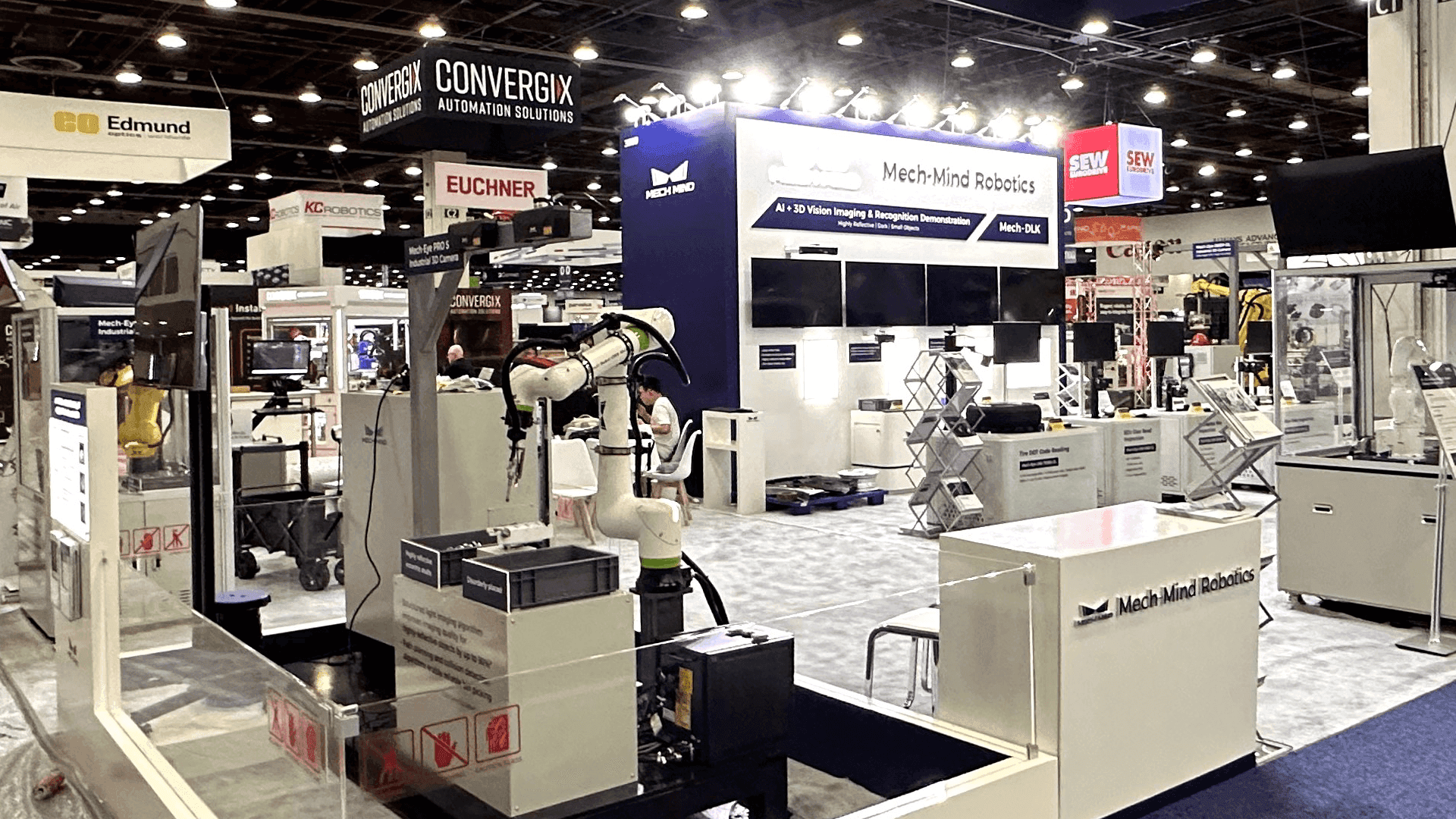
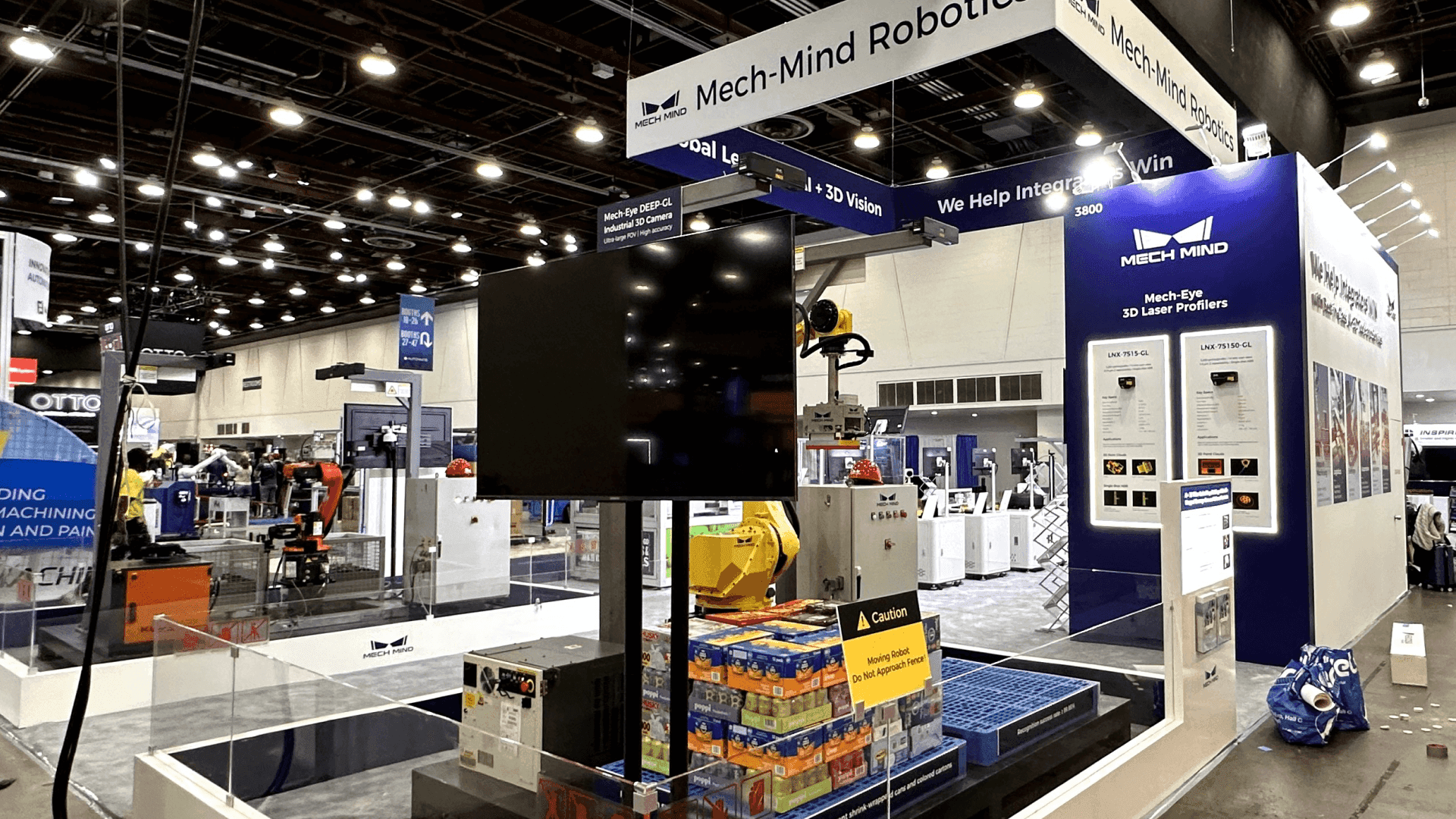


How should material handling equipment be displayed at ProMat?
A ProMat material handling equipment display should organize products around receiving, storage, picking, movement, sortation, pallet handling, or shipping workflows rather than rows of disconnected models. Exhibitors should confirm equipment footprint, attachments, operating and service clearance, technical comparison, visitor access, storage, freight, power, and testing needs before the booth moves into production.
Material handling exhibitors at ProMat may present conveyors, sortation equipment, forklifts, racks, pallet systems, loading dock equipment, picking systems, or other warehouse components. The booth should help buyers understand where each product fits within an operation, which performance differences matter, and whether the equipment suits their facility and workflow.
Equipment is easier to evaluate when it is organized by application rather than model number alone. A clear buyer path can move from application to equipment, footprint, specification, and operational fit. The wider exhibit strategy can follow overall ProMat booth planning, while autonomous movement, control logic, and software-to-machine response belong within warehouse automation and robotics demonstrations.
Equipment size, weight, attachments, service clearance, flooring, freight timing, utilities, and testing can affect the entire McCormick Place layout. These conditions should be coordinated with the structure and Chicago show-site execution. When larger equipment, technical comparison, buyer meetings, and service access need separate zones, a 30x40 booth layout may be more practical.
Why Exhibitors Choose Circle Exhibit
Clear scope, transparent quote review, nationwide booth support, and efficient setup planning for qualified rental and custom exhibit projects.
48hr
Setup Window
10+
Years Since 2014
U.S.
Trade Show Support
Real
Booth Project Proof
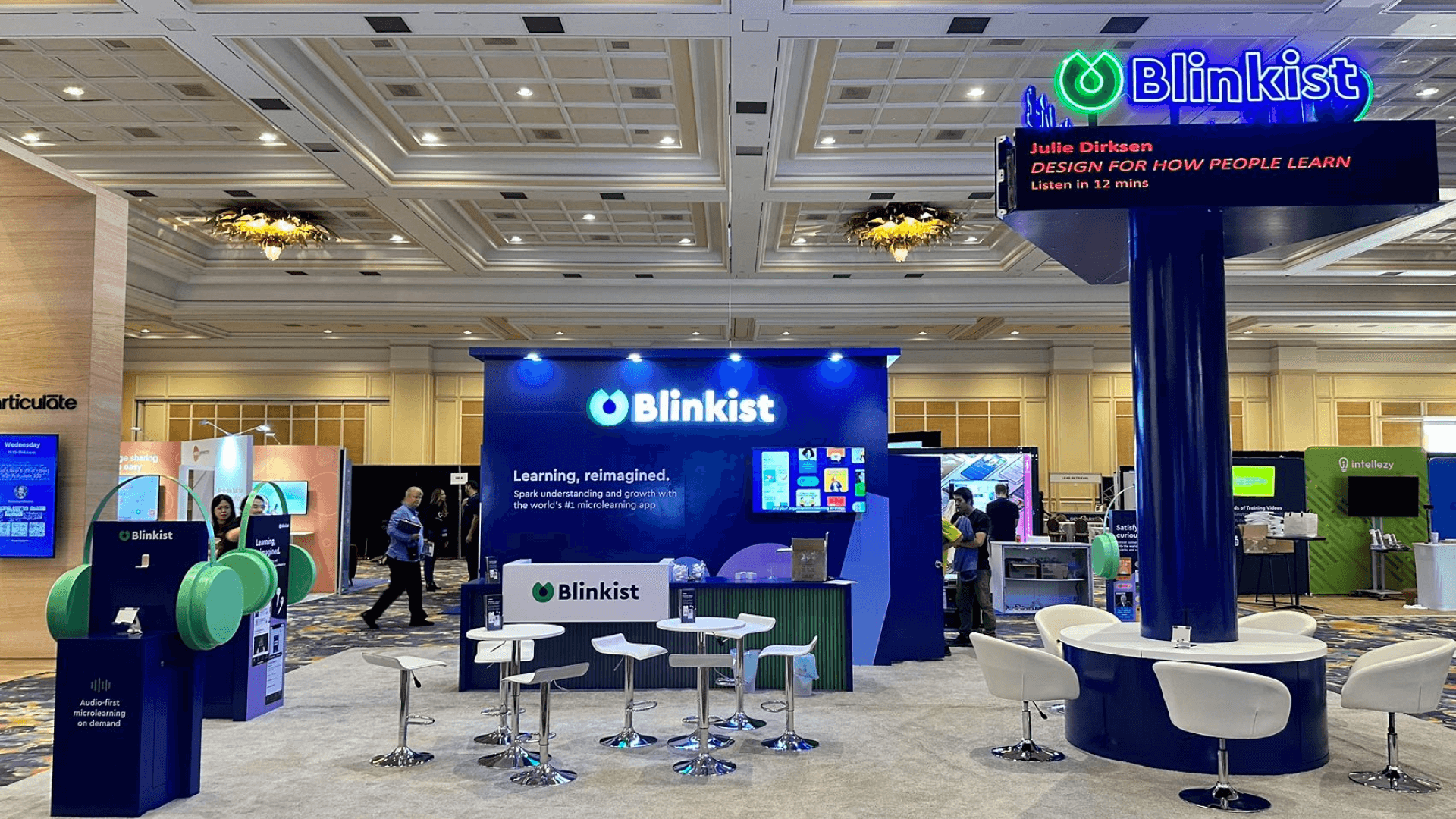
The right booth size depends on equipment dimensions, product count, attachments, comparison space, meetings, storage, service clearance, and show-site placement needs.
Works for sensors, attachments, controls, samples, smaller components, or one compact product with limited operating clearance.
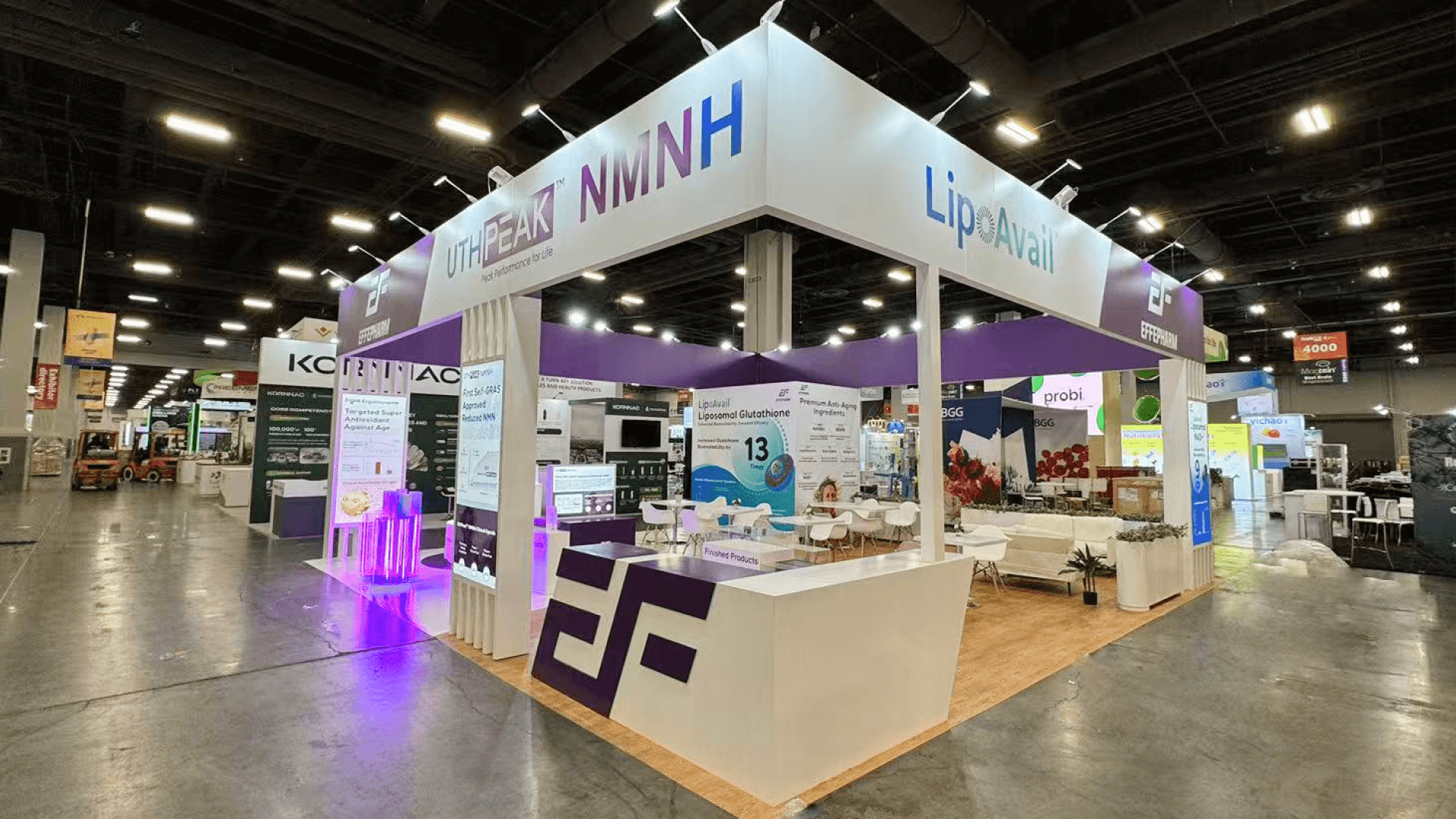
A 20x30 booth layout separates equipment, attachments, technical comparison, visitor access, meetings, storage, and service circulation.
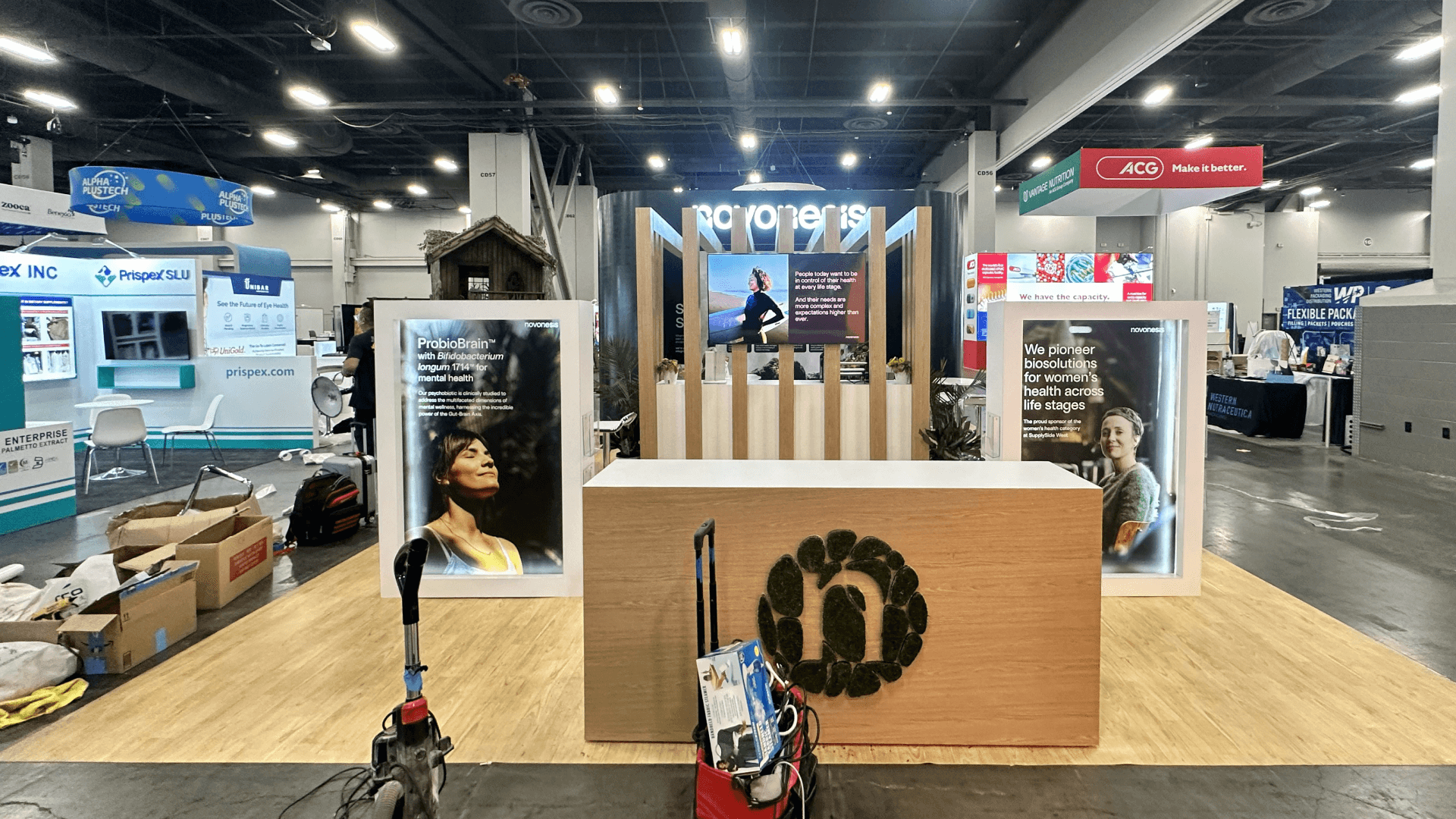
Supports one primary equipment category with product explanation, limited comparison, a small discussion area, and basic storage.
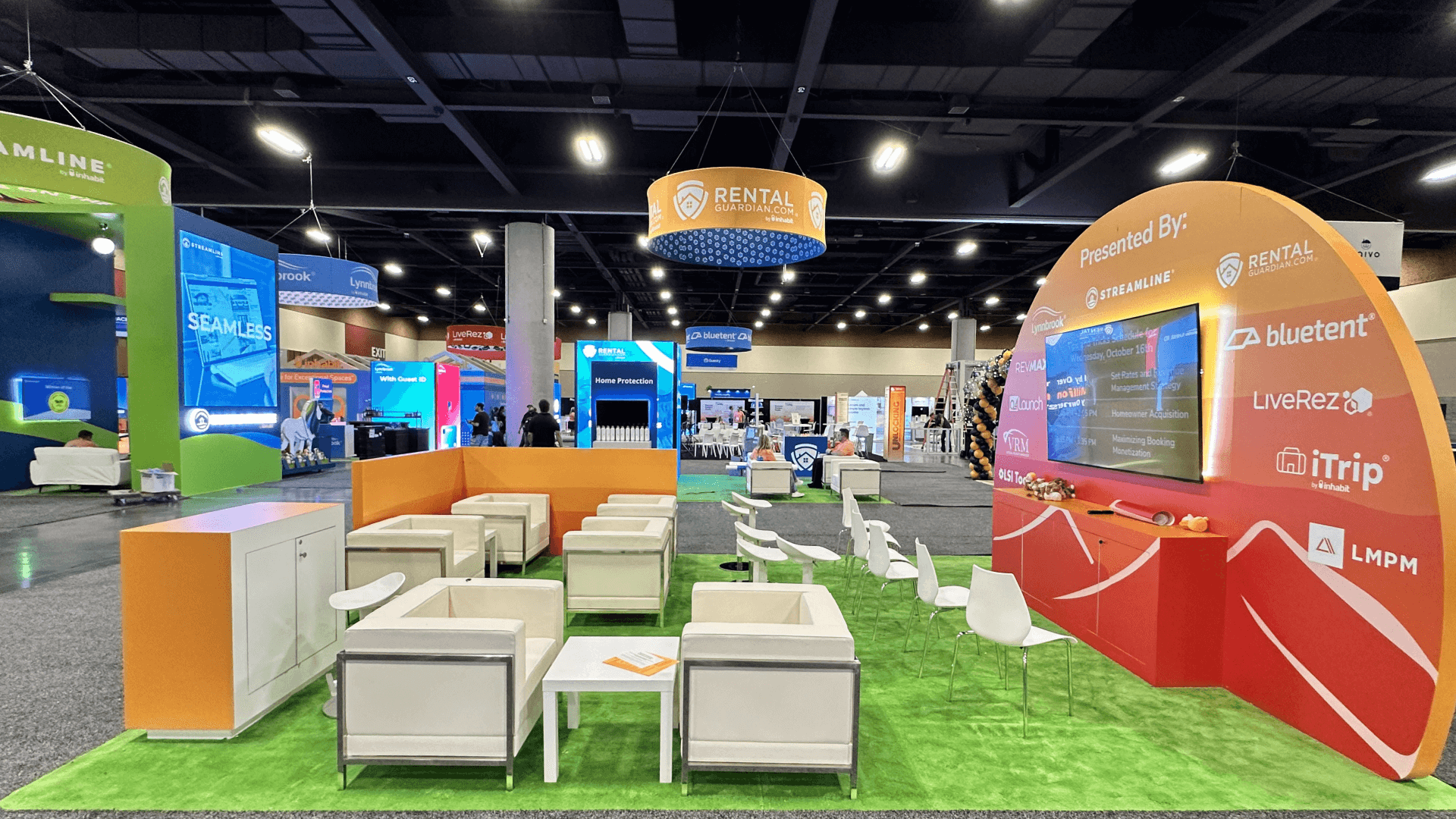
A 30x40 booth layout supports conveyors, forklifts, pallet handling, larger equipment, multiple product groups, or a connected warehouse workflow.
Heavy equipment setup depends on the order of freight arrival, flooring, booth construction, placement, utility connections, and testing. The ProMat equipment booth setup sequence at McCormick Place shows how those stages fit together without closing the equipment access route or delaying final inspection.
A strong equipment booth should help buyers understand the application, physical fit, technical differences, and service requirements before moving into a deeper technical discussion.
Show where each product fits within receiving, storage, picking, movement, sortation, pallet handling, loading, or shipping operations.
Plan equipment dimensions together with attachments, operator access, maintenance space, turning needs, safety clearance, and visitor observation.
Make capacity, dimensions, attachments, operating conditions, and facility-fit differences easy to compare without overwhelming the first view.
Provide controlled storage for samples, accessories, spare parts, tools, packaging, literature, and staff materials.
This planning focus covers equipment used for receiving, storage, picking, movement, sortation, pallet handling, loading, and distribution operations.
ProMat 2027 takes place April 19–21 at McCormick Place in Chicago, with three days of material handling, warehouse equipment, and supply chain demonstrations.
Buyers evaluate application fit, capacity, footprint, attachments, service requirements, facility conditions, and implementation needs.
Not Sure Which Booth Size You Need?
Not every exhibitor knows whether a 10x20, 20x20, 20x30, or larger booth is the right fit. Circle Exhibit can help review your event goals, product display needs, demo areas, meeting space, storage, budget scope, and setup timeline before you choose a booth size.
Physical Scale Dominates the Booth
Technical Differences Are Hard to Compare
1
Group Equipment by Application
2
3
4
Rental for Components and Compact Equipment
A rental structure can support smaller equipment, attachments, controls, samples, result screens, comparison areas, and layouts with limited structural requirements.
Custom for Heavy Equipment and Specialized Support
A custom build is better suited to heavy equipment, specialized bases, structural integration, unusual clearances, fixed positions, guarding, or highly specific display requirements.
Hybrid for Equipment, Graphics, and Meetings
A hybrid approach combines reusable architecture with custom equipment support, branded graphics, specification displays, storage, and technical meeting areas.
Review equipment dimensions, weight, arrival method, forklift needs, turning space, and final placement conditions for McCormick Place.
Keep service clearance, operating positions, comparison areas, technical discussions, and aisle access visible in the approved layout.
Sequence flooring, booth construction, equipment movement, graphics, utilities, storage, and show-site labor as one setup plan.
Confirm positioning, utilities, controls, operating condition, access, labels, and safety before crates and tools are removed.
Plan a Flexible ProMat Equipment Booth
A rental or hybrid booth can support compact equipment, attachments, comparison displays, branded graphics, meetings, storage, and show-site requirements while adapting around equipment footprint, service clearance, and utility needs.
What should a ProMat material handling booth include?
The booth should connect the equipment to a clear warehouse or distribution application. It should also provide enough room for product access, technical comparison, visitor observation, meetings, storage, service clearance, and show-site requirements.
What booth size works for warehouse equipment?
How should different equipment models be compared?
Why does service clearance matter in an equipment booth?
Why should freight and equipment placement be confirmed early?
READY TO PLAN YOUR NEXT BOOTH?
Let’s Build a Booth That Fits Your Event
Share your event name, booth size, city, timeline, product display needs, and design references. Circle Exhibit will review your project direction and help you choose a rental-friendly or custom exhibit path.
3000+
Booth Projects Supported
50+
U.S. Event Cities
Transparent
Quote Review
Review how a 20x30 footprint can separate one primary equipment display, attachments, buyer comparison, meetings, storage, and service access.
Plan additional space for conveyors, forklifts, pallet systems, multiple equipment groups, larger clearances, or a connected material-flow story.
Align equipment dimensions, freight timing, arrival method, crate staging, placement support, utilities, and testing dependencies before move-in.
Coordinate flooring, structure, equipment positioning, utilities, graphics, final checks, and the reverse order required during dismantle.
Resolve equipment footprint, attachments, service clearance, comparison space, visitor access, meetings, utilities, and storage within one working layout.