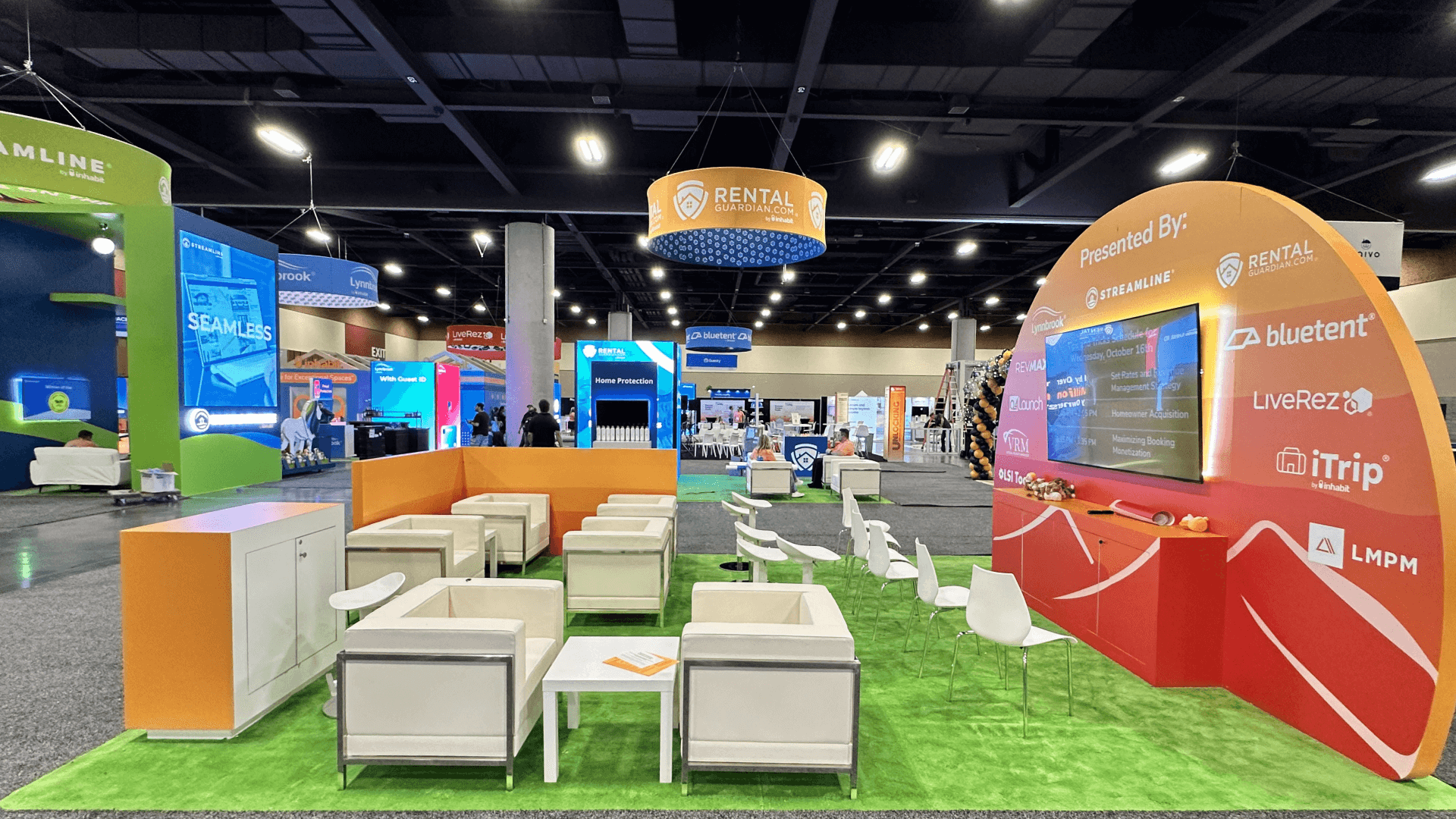
Procore Groundbreak 2026 Booth Planning for Exhibitors
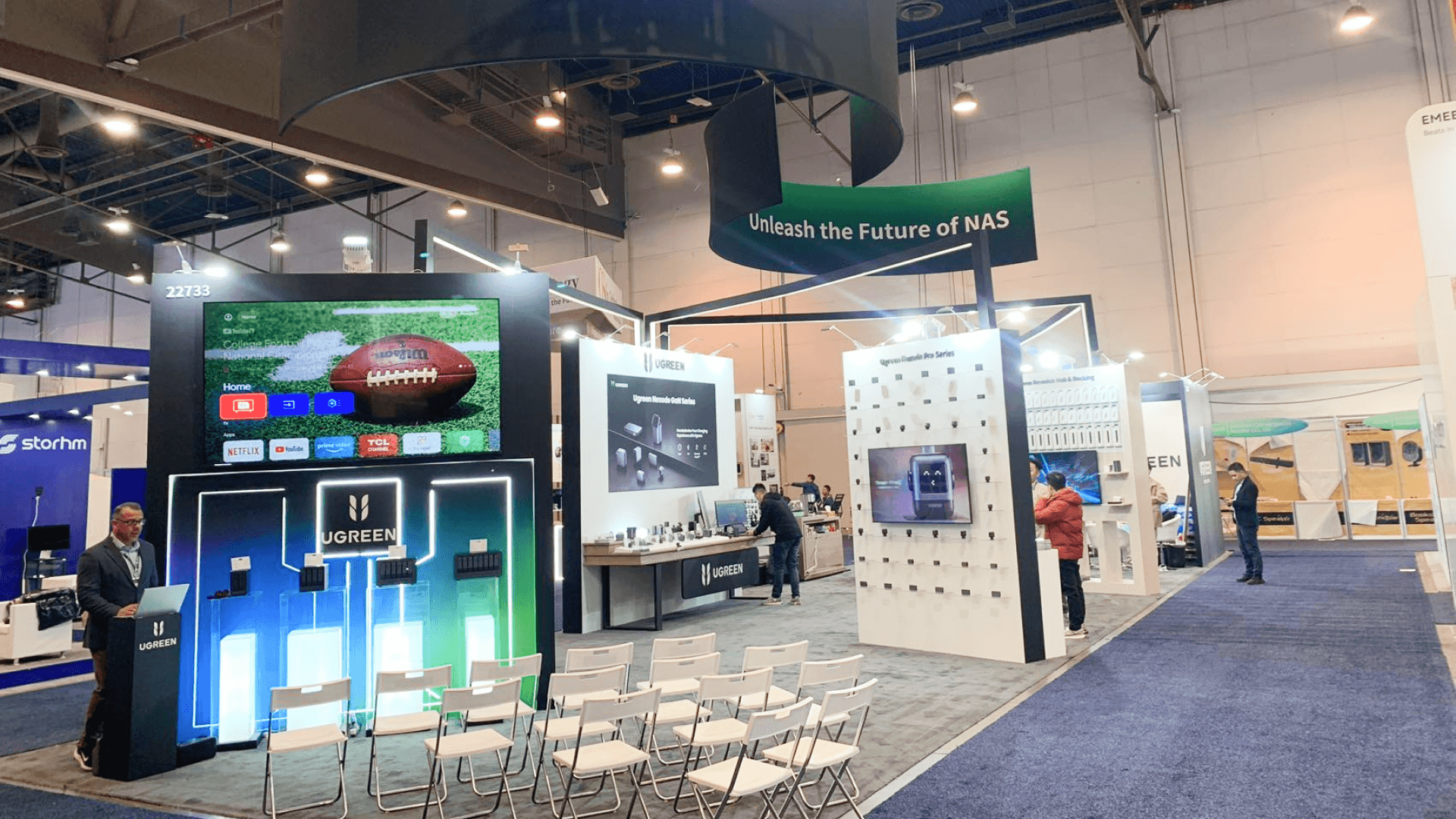
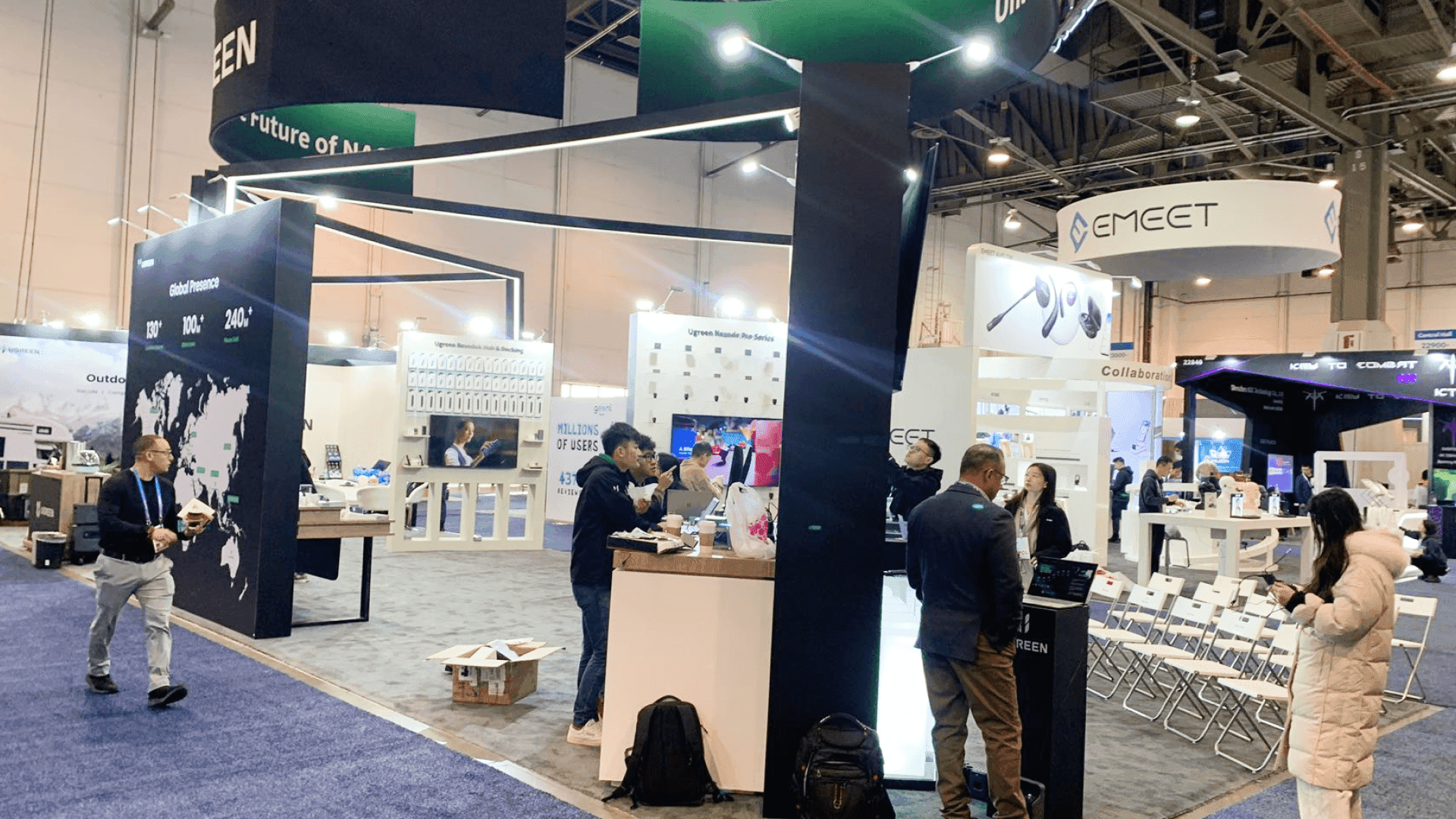

How should exhibitors plan a booth for Procore Groundbreak?
Groundbreak booths need to make construction technology understandable before the conversation becomes technical. Start with one clear problem, give visitors a fast way to see the product or workflow in action, then provide enough room for questions, specialist handoff, and follow-up without letting screens or demonstrations take over the booth.
At Groundbreak, many exhibitors are not showing a product that can be understood from a shelf or a static graphic. They are showing software, AI, integrations, field systems, project data, or jobsite technology whose value only becomes clear when visitors see where it fits in a real construction process.
That changes the job of the booth. First make the construction problem recognizable, then show useful proof, and finally move the right visitor into a more detailed conversation. When software, AI, connected solutions, or physical jobsite technology become the main show-floor experience, Groundbreak construction technology demo booth planning covers the deeper decisions around demo stations, devices, visitor flow, staff handoff, storage, and daily readiness.
Space should follow those interactions rather than a preset footprint. A team trying to fit multiple demonstrations and a small conversation area into one island can use 20x20 booth planning to test capacity before moving larger. Once those functional requirements are clear, trade show booth design and build in Orlando becomes the next step for turning the plan into a buildable exhibit with the structure, graphics, technology integration, and show-site execution working together.
Why Exhibitors Choose Circle Exhibit
Clear scope, transparent quote review, nationwide booth support, and efficient setup planning for qualified rental and custom exhibit projects.
48hr
Setup Window
10+
Years Since 2014
U.S.
Trade Show Support
Real
Booth Project Proof
The footprint should follow the number of interactions the booth must support at once. A second demo, physical jobsite technology, longer specialist conversations, or scheduled meetings can change the space requirement quickly.
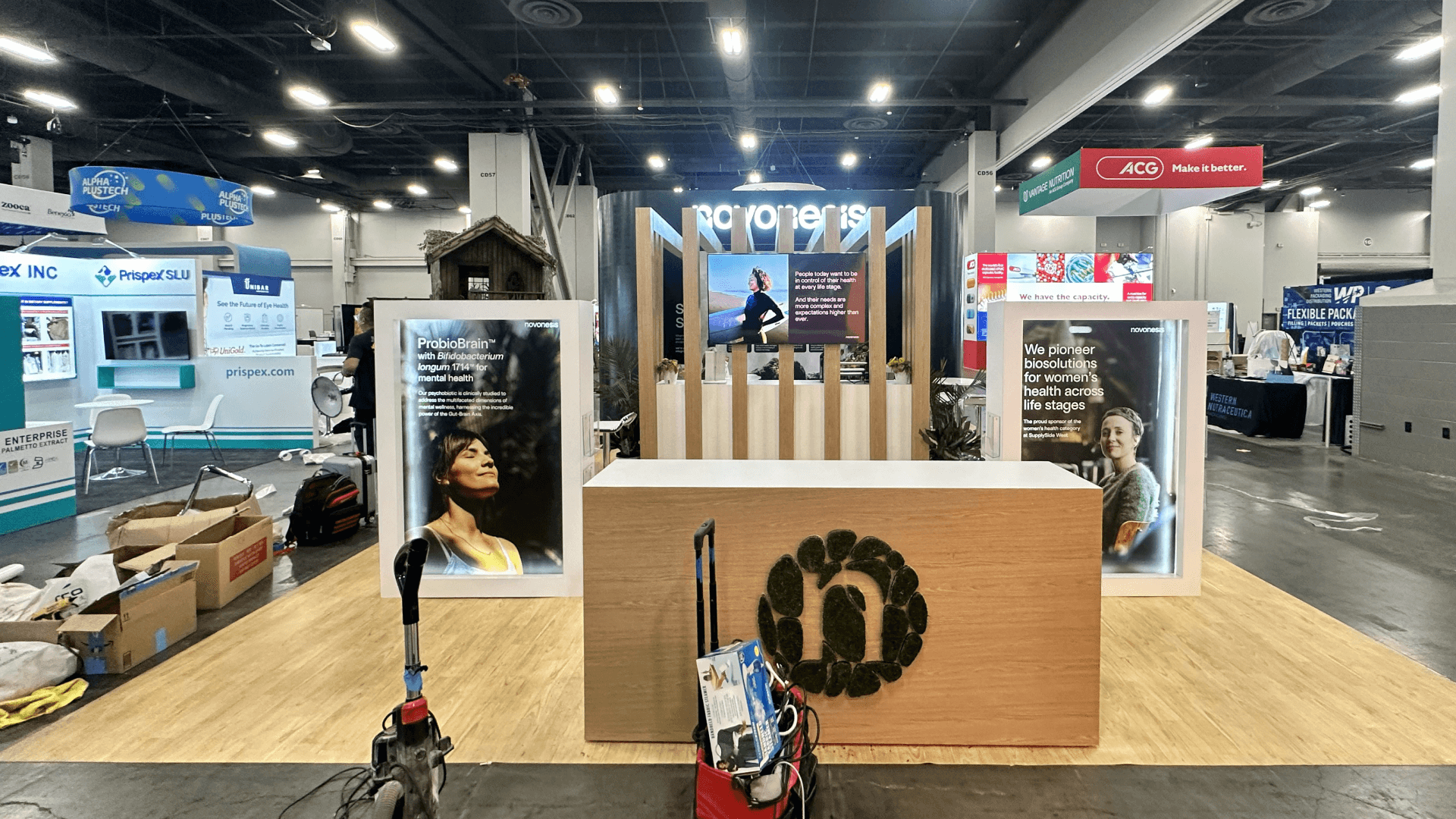
A 10x20 makes sense when most visitors can understand the offer through one primary demo point and a short standing conversation. It becomes restrictive once a second active demo, physical equipment, or seated discussion needs its own space.
A 20x30 booth becomes useful when different buyers need different demonstrations, when software and physical technology are shown together, or when scheduled discussions run beside walk-up traffic.
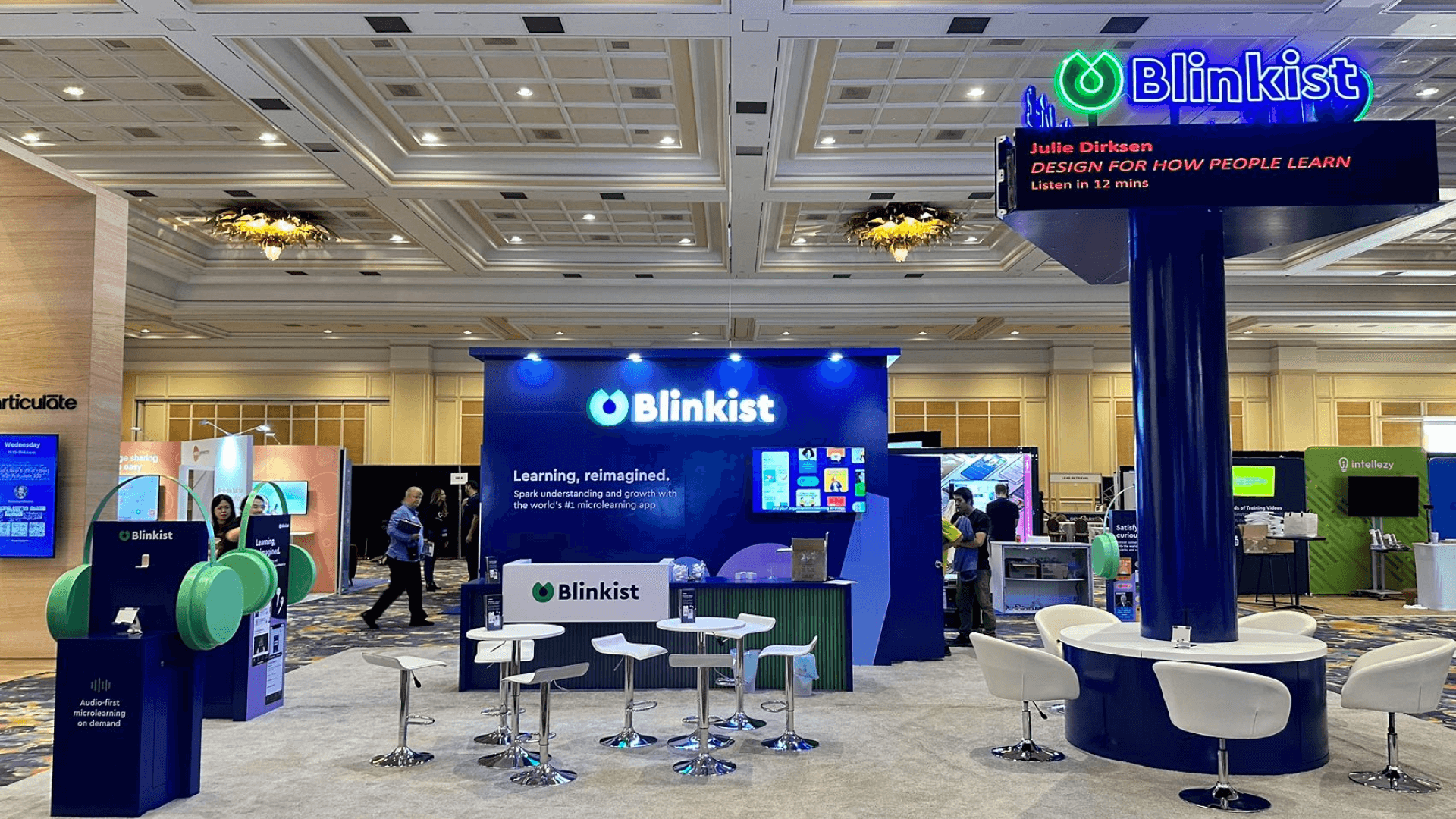
A 20x20 booth gives the team enough separation to run more than one visitor interaction without turning the exhibit into a row of crowded screens. It works well when demos need to lead into quick specialist conversations.
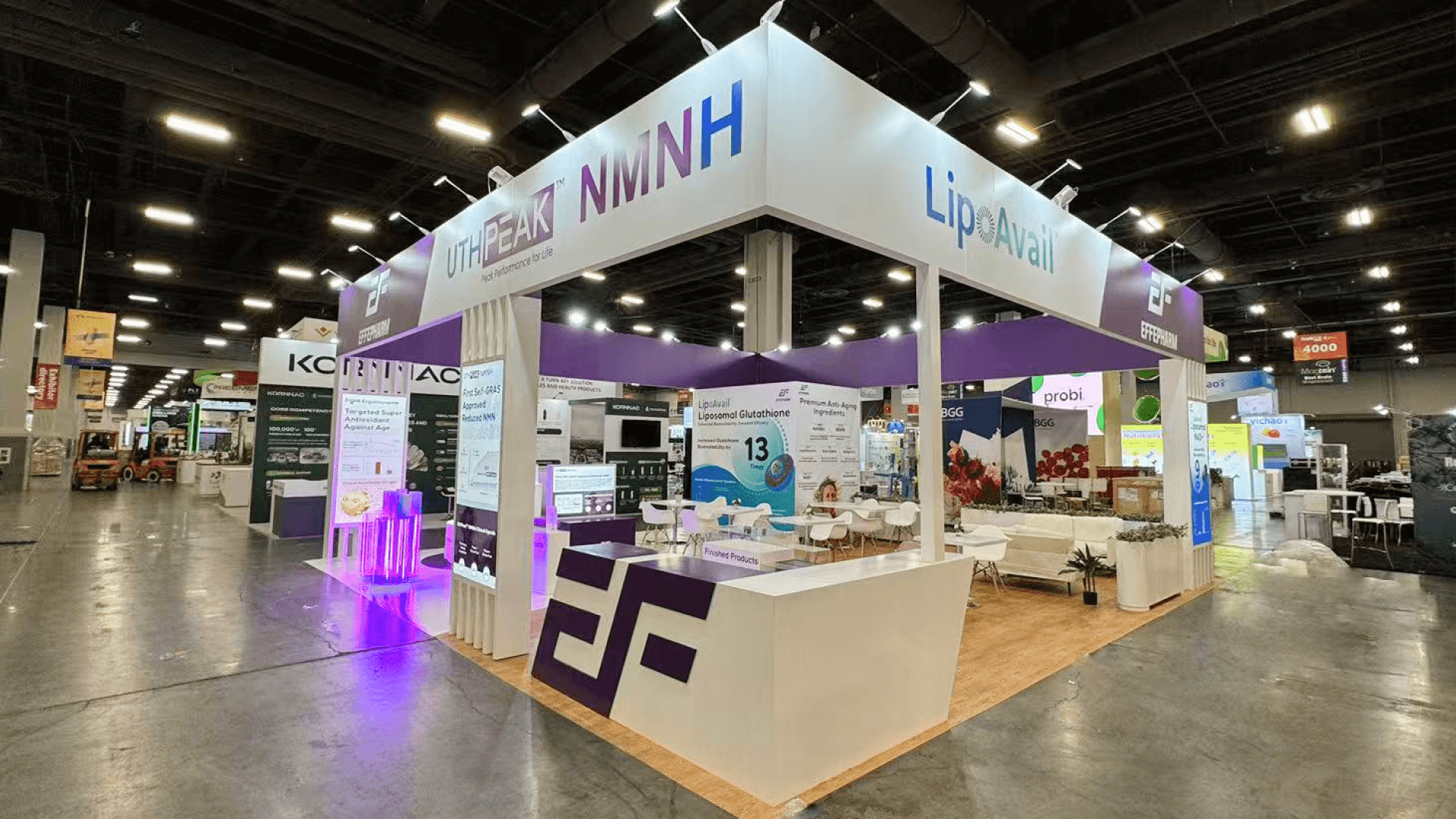
A larger island makes more sense when the exhibit operates like a small product environment with several open approaches, multiple specialists, larger displays, hospitality, or several conversations happening at once.
Groundbreak exhibitors showing construction software, AI, integrations, or jobsite technology need to decide what a buyer should understand before the booth becomes a layout or equipment problem. The article what a Groundbreak technology demo should prove focuses on the construction problem, process fit, visible change, and next action that can justify a deeper evaluation.
This keeps the main Event Hub focused on the broader exhibiting plan while giving technology exhibitors a deeper answer when the question shifts from “what should the booth include?” to “what evidence does the buyer actually need to see?”
The display should answer a short sequence of practical questions: What construction problem is this for? What does the technology change? Can I see it work? And who should I talk to if it looks relevant to my team?
A wall of product names, features, or AI terminology is difficult to process from the aisle. Start with a construction situation the visitor already recognizes, then introduce the technology as the response.
A screen is most useful when it shows a change, not simply an interface. Visitors should be able to see where a familiar workflow becomes faster, clearer, better connected, or easier to act on.
Some visitors only need a quick explanation. Others will ask about integration, workflow, pricing, implementation, or a longer demo. The booth needs an obvious way to move those conversations to the right person.
Backup devices, charging, cables, spare materials, and staff supplies matter because demonstrations have to run repeatedly. Keep them close to the action but outside the visual story.
Software, AI, connected workflows, field systems, and other construction technologies are shown in the context of how project teams actually work.
Groundbreak 2026 takes place October 21–22 at Orange County Convention Center in Orlando, with pre-conference activities beginning October 20.
Attendees have dedicated Expo Hall time to explore solutions, see demonstrations, meet sponsors, and continue technology conversations.
Not Sure Which Booth Size You Need?
Not every exhibitor knows whether a 10x20, 20x20, 20x30, or larger booth is the right fit. Circle Exhibit can help review your event goals, product display needs, demo areas, meeting space, storage, budget scope, and setup timeline before you choose a booth size.
Turning Technology Into Proof
Serving Different Buyer Roles
1
Start With the Conversation You Want
2
3
4
Keep the Structure Simple When the Demo Is Simple
If the program revolves around one or two screens, a clear brand wall, counters, light storage, and standing conversations, a rental-based structure can usually carry most of the booth. Exhibitors working in that range can review Orlando trade show booth rental once the functional brief is defined.
Customize the Parts That Control the Demo Experience
Custom fabrication becomes more useful when screens, physical jobsite technology, technical counters, concealed cabling, storage, or visitor movement need to work together as one designed system.
Reuse the Structure, Change the Technology Layer
For teams exhibiting at several technology events, a reusable structure with replaceable graphics and custom demo fixtures can preserve the core booth while screens, devices, messaging, and product stories change from show to show.
Screen walls, technical counters, computers, charging points, wired connections, and cable routes need defined positions while the layout is being finalized.
Leave enough time after the major build and graphics work for screens, devices, accounts, networking, and lead capture to be installed and tested.
If an important demo depends on live connectivity, a cloud account, or a remote environment, prepare a fallback that preserves the same product proof.
Before traffic begins, run the visitor path once: screen on, device ready, account logged in, connection working, lead capture available, specialist in position, and first demo ready.
Flexible Booth Rental for Procore Groundbreak Exhibitors
A rental booth can support Groundbreak exhibitors with branded structure, technology demos, screens, storage, and buyer conversations without requiring a fully custom build.
What usually makes a Groundbreak booth feel too crowded?
Too many active screens, overlapping demos, visible technical supplies, and conversation areas competing for the same aisle edge can make a technology booth difficult to use.
What booth size works for Groundbreak exhibitors?
Does every Groundbreak exhibitor need a live product demo?
When does a Groundbreak booth need meeting space?
Why should power and internet be considered early?
READY TO PLAN YOUR NEXT BOOTH?
Let’s Build a Booth That Fits Your Event
Share your event name, booth size, city, timeline, product display needs, and design references. Circle Exhibit will review your project direction and help you choose a rental-friendly or custom exhibit path.
3000+
Booth Projects Supported
50+
U.S. Event Cities
Transparent
Quote Review
Useful once demo counters, screens, devices, storage, utilities, and visitor movement need to become one buildable layout.
Use this when multiple demo points, staff positions, hidden storage, and a small conversation area all need to fit within one island footprint.
Relevant when software, devices, scheduled demonstrations, and deeper buyer conversations need more separation.
Relevant once the exhibit includes screens, devices, graphics, shipping, service orders, or other dependencies that must arrive in the correct sequence.
Useful when structure, technology placement, final testing, and dismantle need to follow a coordinated show-site sequence.