NAEC Annual Convention & Expo Booth Planning for Exhibitors
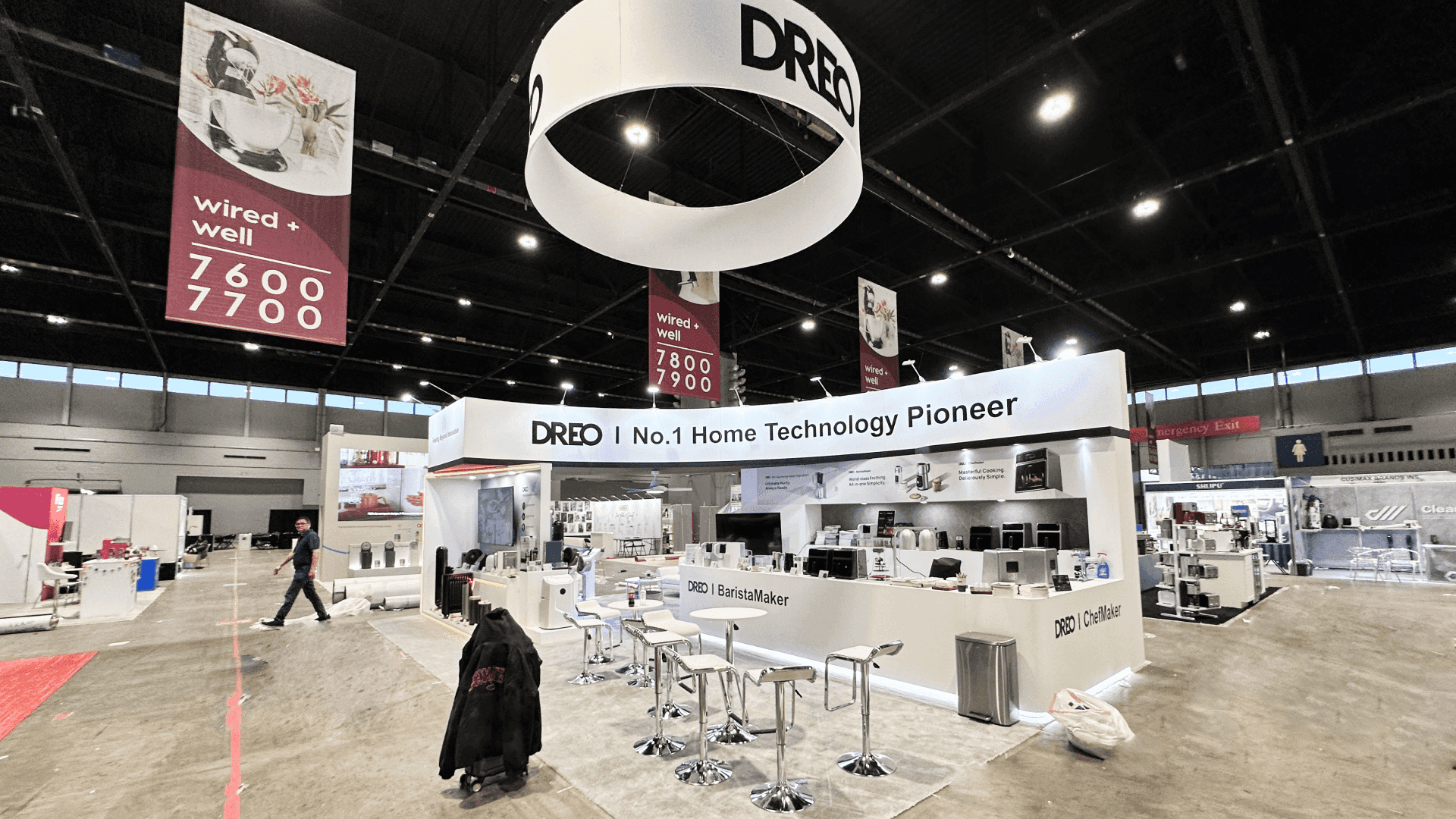
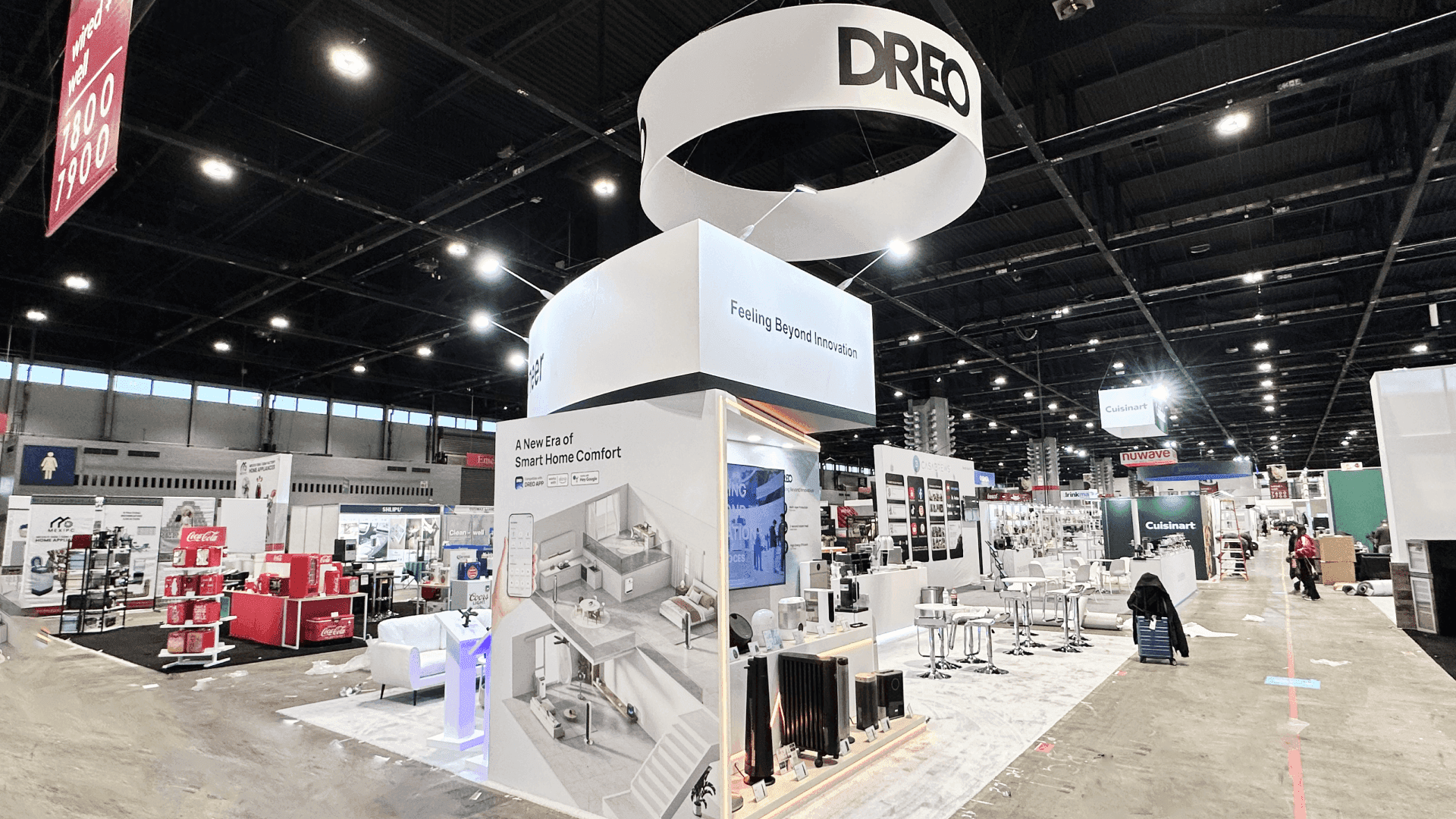
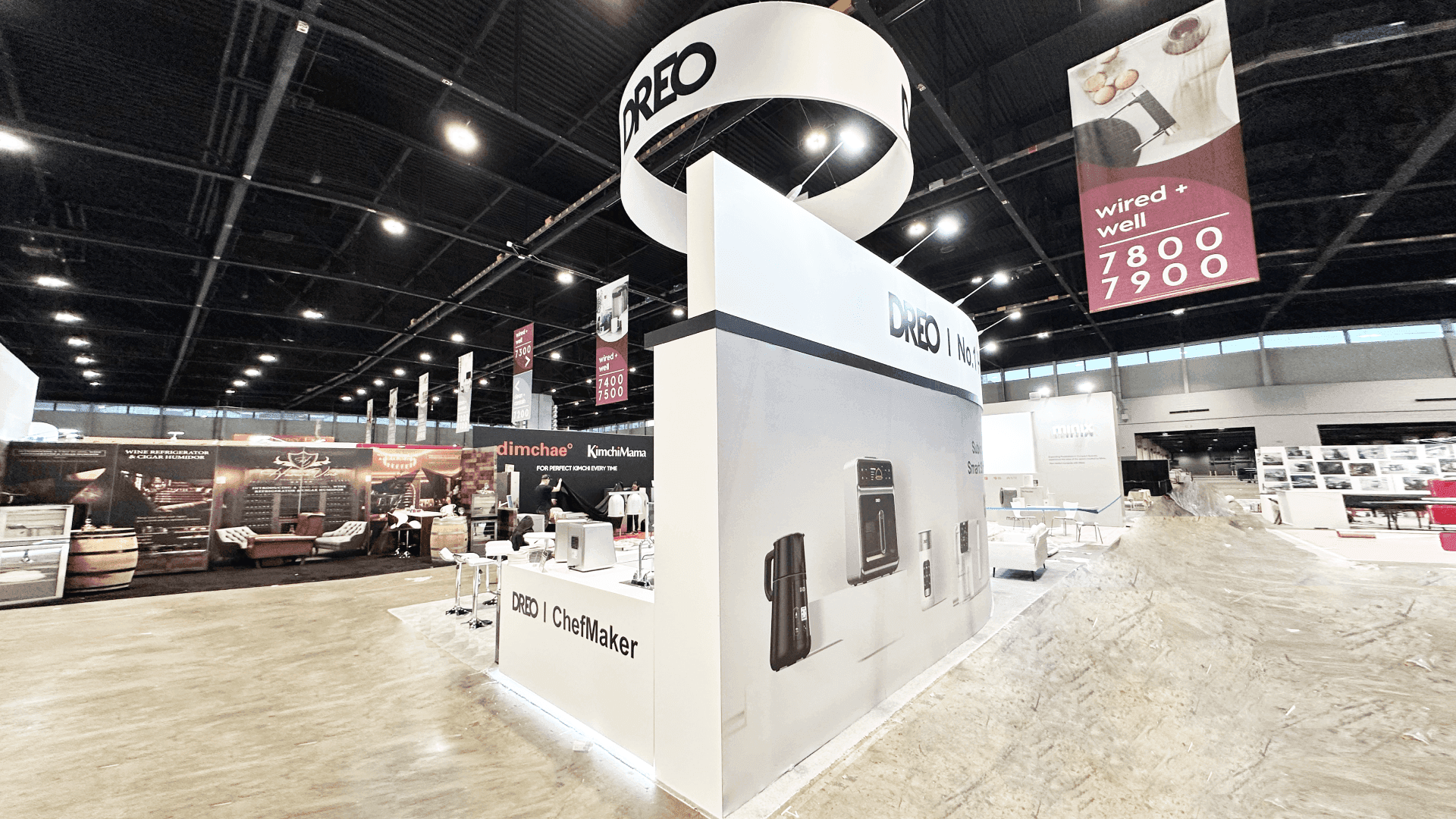

How should exhibitors plan a booth for the NAEC Annual Convention & Expo?
Start with what the buyer needs to do with the product. At NAEC, that may mean inspecting machinery, comparing components, understanding an installed application, or watching a technical workflow. That task should determine booth size, product access, graphics, conversation space, storage, and setup—not the other way around.
A machine supplier and a controls manufacturer may attend the same NAEC Expo, but their booths should not be planned the same way. Large equipment needs room for buyers to inspect it, while dense product lines need a clear comparison structure. Residential and accessibility products often need installation context that cannot be recreated at full scale on the show floor.
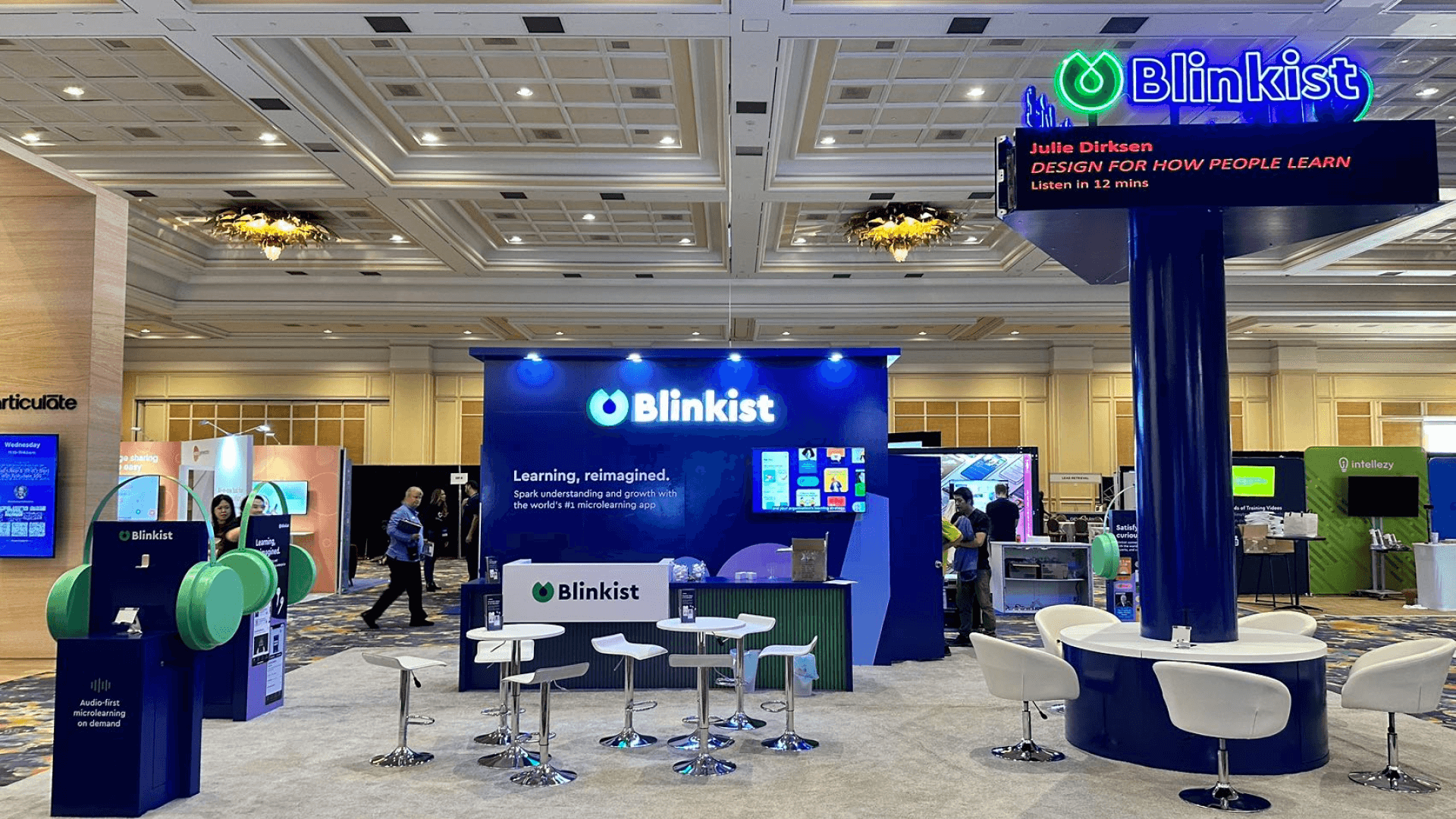
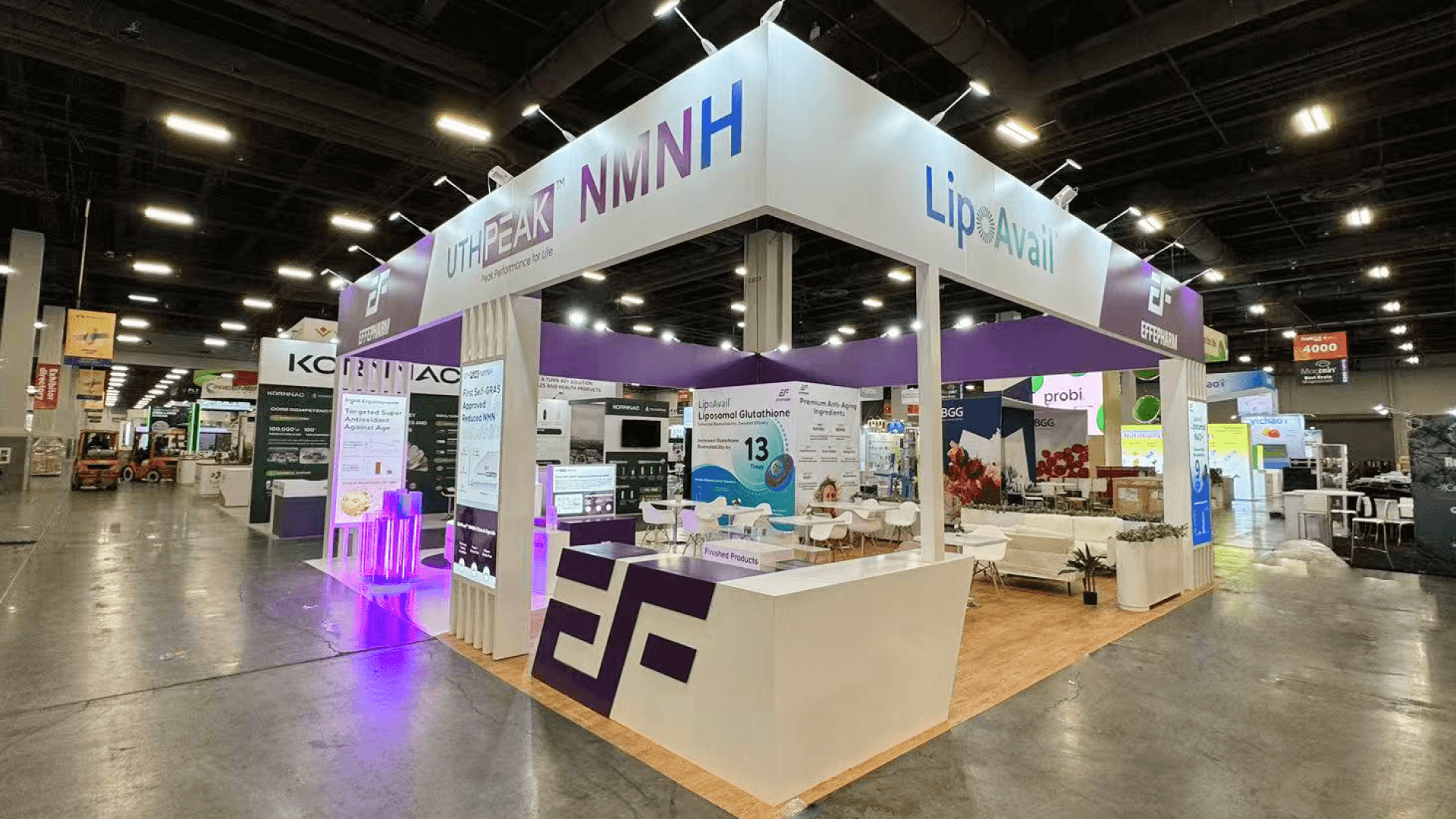
For exhibitors combining product displays, technical conversations, screens, circulation, and storage, a 20x20 booth offers enough room to separate these functions while still keeping the layout compact. The actual footprint should still follow the products being shown and how buyers are expected to interact with them.
When a machine or major assembly becomes the center of the exhibit, the layout needs to account for inspection sides, buyer clearance, technical information, and equipment placement before surrounding booth elements are finalized. That type of heavy equipment display and inspection planning is different from planning a conventional product display. For exhibitors that also need the structure, graphics, production, and show-site setup coordinated as one program, trade show booth design and build in Chicago can carry those requirements into the build and delivery stage.
Why Exhibitors Choose Circle Exhibit
Clear scope, transparent quote review, nationwide booth support, and efficient setup planning for qualified rental and custom exhibit projects.
48hr
Setup Window
10+
Years Since 2014
U.S.
Trade Show Support
Real
Booth Project Proof
A 20x20 footprint is a useful middle reference, but the right NAEC booth size depends on what visitors need to inspect, compare, discuss, or experience.
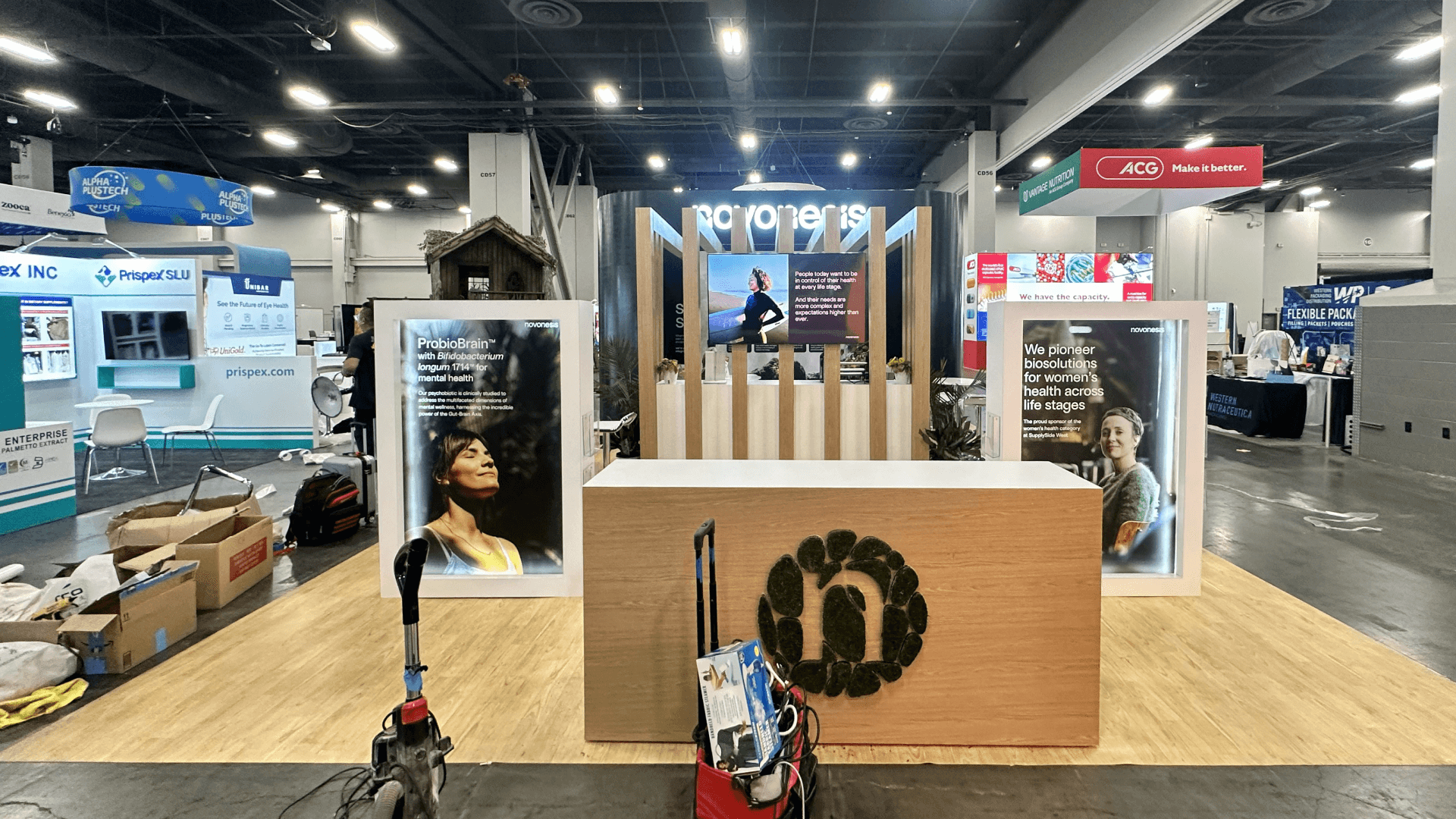
A 10x20 booth can work when one focused product line, concise graphics, short conversations, and basic storage carry most of the booth task.
A 20x30 booth becomes more relevant when several product groups, demos, or technical discussions should operate without sharing the same aisle-facing space.
A 20x20 booth layout gives product display, technical conversations, a screen or demo point, circulation, and storage enough room to be tested together.
A 30x40 footprint or larger island may make sense when equipment, several systems, inspection space, meetings, and support functions all need distinct zones.
Before detailed booth planning begins, exhibitors usually need to settle two earlier decisions: what is actually worth bringing to the show floor and how much exhibit structure those products require.
Start by deciding which products should be shown as full equipment, selected samples, or visual references in what products to bring to NAEC. Once the product scope is clear, what the NAEC booth fee covers and what else the exhibit may need helps determine whether the included setup is sufficient or whether additional display structure is justified.
The strongest NAEC displays make technical products easier to inspect, compare, understand, and discuss.
A visitor approaching from the aisle should understand the product category and application without first reading a block of technical copy.
Inspection, comparison, or demonstration needs enough standing space to happen without pushing visitors into the aisle.
Short questions can stay near the product. Longer technical or commercial discussions need somewhere else to continue.
Samples, tools, literature, demo accessories, and staff items should stay accessible without becoming part of the visible display.
NAEC exhibitors may bring full-size machinery, compact controls, residential systems, accessibility products, or digital services. Each creates a different way for buyers to use the booth.
NAEC runs September 28–October 1, 2026 at McCormick Place Convention Center in Chicago.
Contractors and mechanics represent the largest attendee group, making inspection, comparison, application questions, and technical conversations especially important on the show floor.
Not Sure Which Booth Size You Need?
Not every exhibitor knows whether a 10x20, 20x20, 20x30, or larger booth is the right fit. Circle Exhibit can help review your event goals, product display needs, demo areas, meeting space, storage, budget scope, and setup timeline before you choose a booth size.
Technical Value Has to Read Quickly
Interest Needs Somewhere to Go
1
List What Is Actually Coming to Chicago
2
3
4
When the Booth Mainly Frames Exhibitor-Owned Products
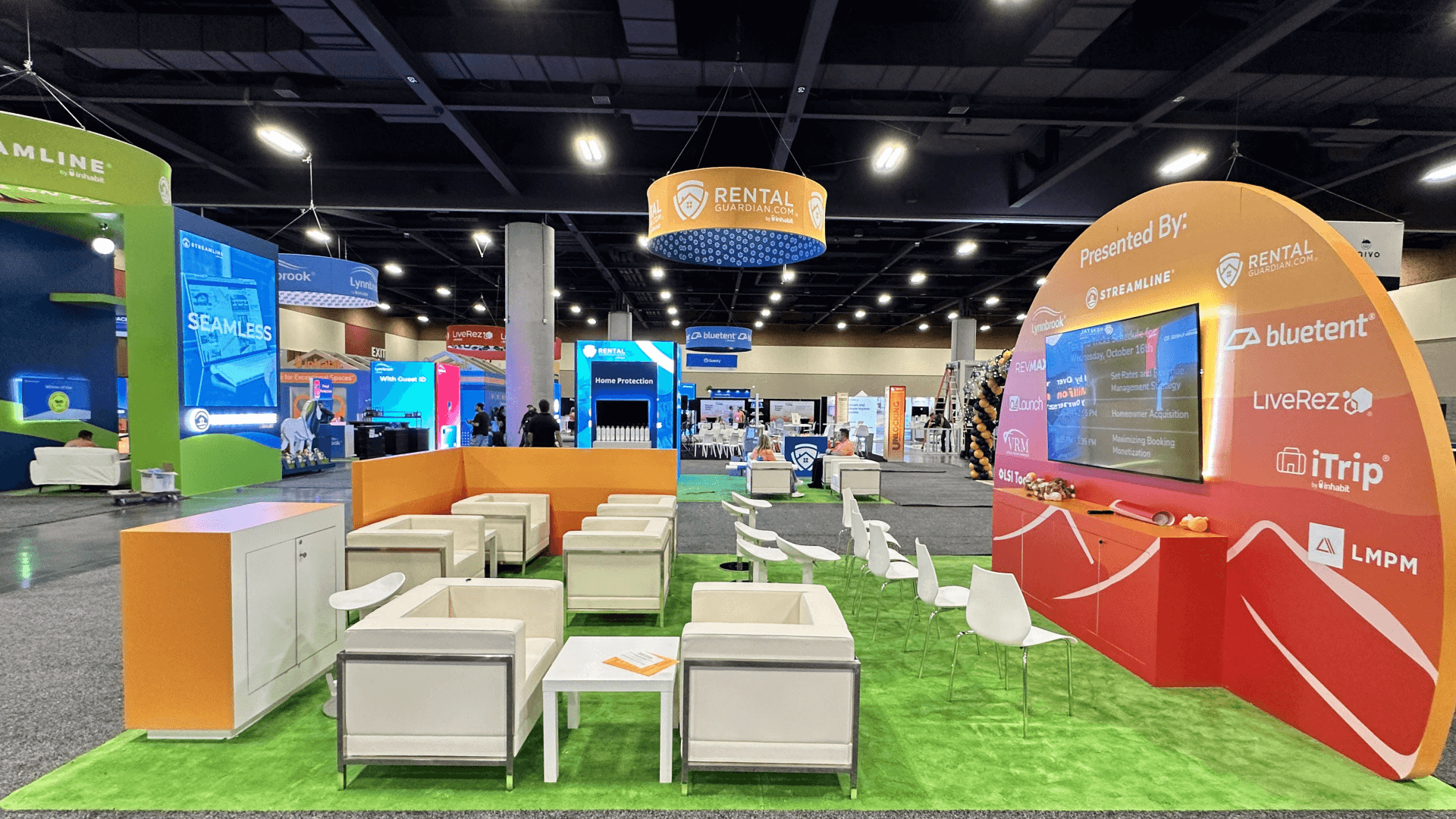
If machinery, samples, screens, or demo hardware belong to the exhibitor, a Chicago rental booth can provide the branded structure, counters, lighting, storage, and meeting areas around them.
When the Product Becomes Part of the Exhibit
If platforms, product housings, engineered interfaces, or integrated display elements are part of the presentation, Chicago exhibit fabrication becomes more relevant because the product and booth must be built and installed as one coordinated system.
When the Booth Needs to Work Beyond NAEC
A reusable structural system with selected custom product elements can preserve the parts that matter to the display while allowing the larger architecture to adapt to future shows.
Confirm the current exhibitor information affecting freight, utilities, installation, and product handling before fabrication is released.
Machinery, powered samples, partial mockups, and digital demos do not arrive or become show-ready in the same sequence.
Product positions, utilities, crates, graphics, and setup instructions should remain consistent from design through show-site handoff.
Check what visitors see first, where they stop, whether products are accessible, and whether long conversations interrupt the main display.
Rental Booth Options for NAEC Exhibitors
Rental works well when exhibitor-owned products need branded structure, graphics, storage, screens, and meeting space.
What should an NAEC exhibitor decide before choosing booth size?
Define what is being shown and what the buyer needs to do with it. Inspection, comparison, demos, conversations, and storage should drive the footprint.
Do all NAEC exhibitors need a demo area?
When should an exhibitor move to a larger booth?
Can an NAEC exhibitor use a rental booth?
What should be confirmed before production starts?
READY TO PLAN YOUR NEXT BOOTH?
Let’s Build a Booth That Fits Your Event
Share your event name, booth size, city, timeline, product display needs, and design references. Circle Exhibit will review your project direction and help you choose a rental-friendly or custom exhibit path.
3000+
Booth Projects Supported
50+
U.S. Event Cities
Transparent
Quote Review