Magnet & Pathway Booth Planning for Nurse-Leader Conversations


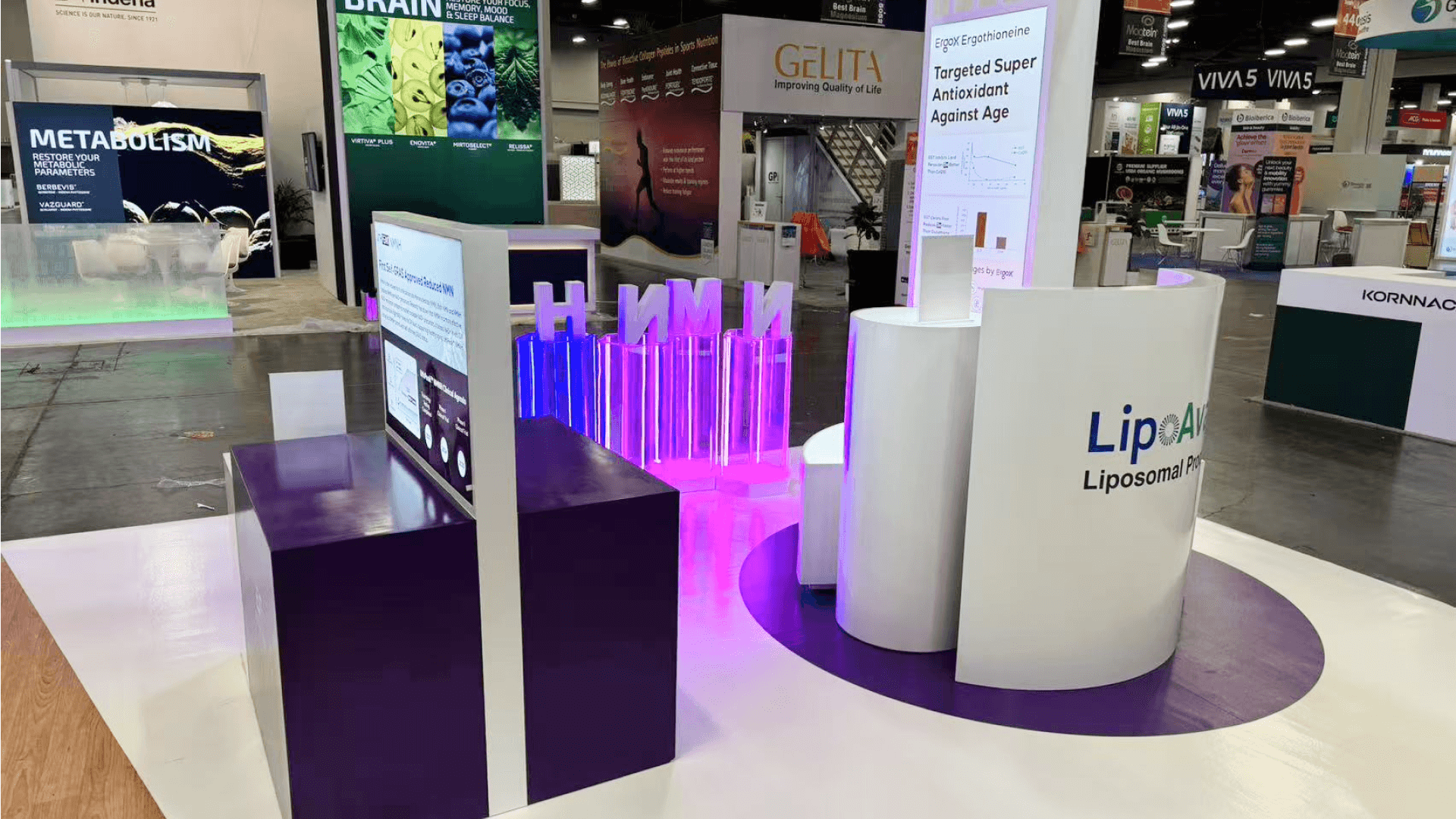

How should exhibitors handle nurse-leader conversations at Magnet & Pathway?
Start by establishing whether the visitor is dealing with an organizational or unit-level problem the solution can realistically address. If the fit is clear, the conversation can move naturally into a focused demonstration, specialist discussion, seated meeting, or an agreed post-show follow-up.
Magnet & Pathway brings exhibitors into direct contact with nurse leaders who are evaluating products and services for their organizations and units. The 2026 Executive Access Pass also includes face-to-face time with exhibitors, so the booth needs to support more than a quick product introduction when a relevant decision-maker wants to continue the discussion.
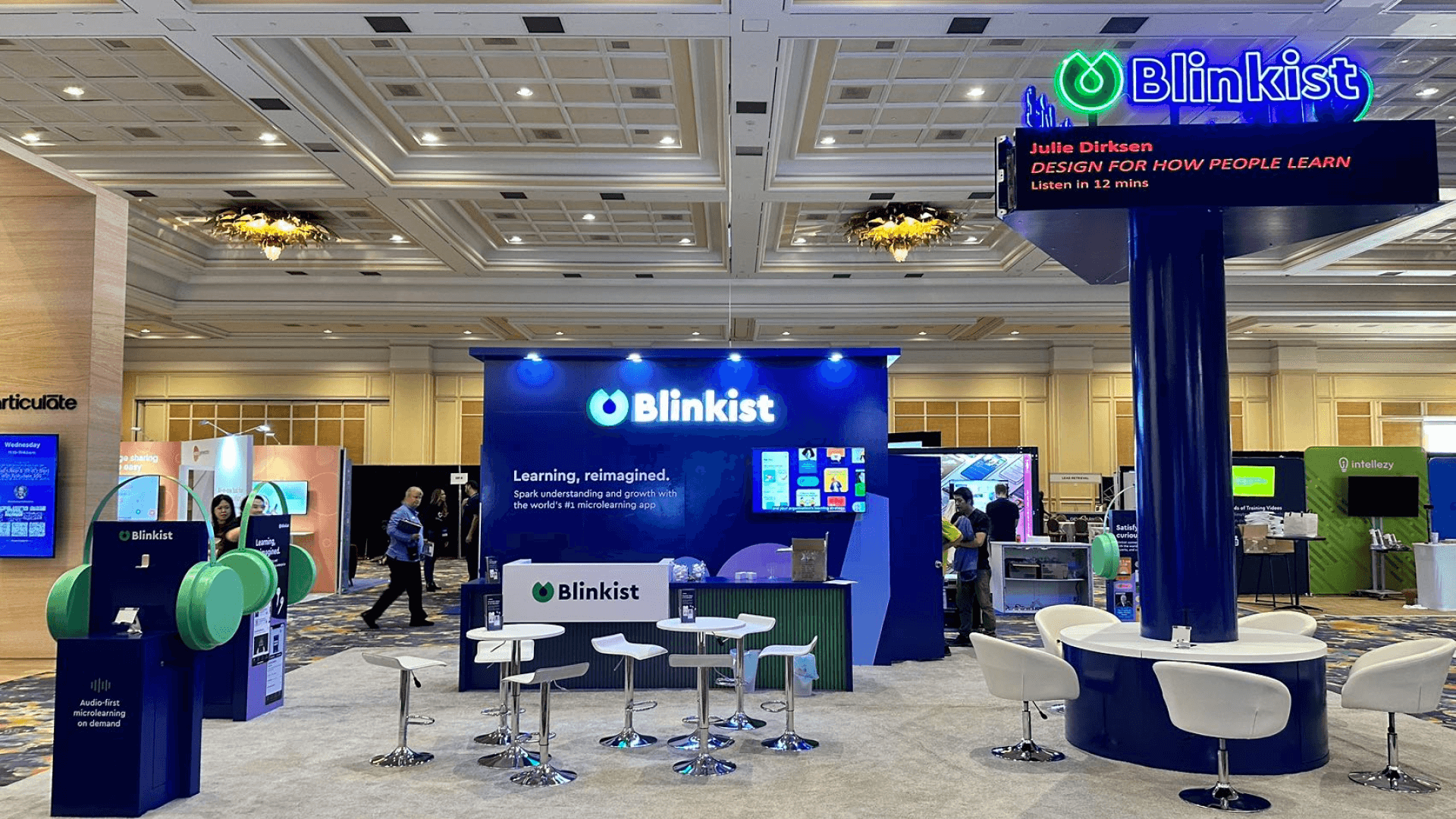
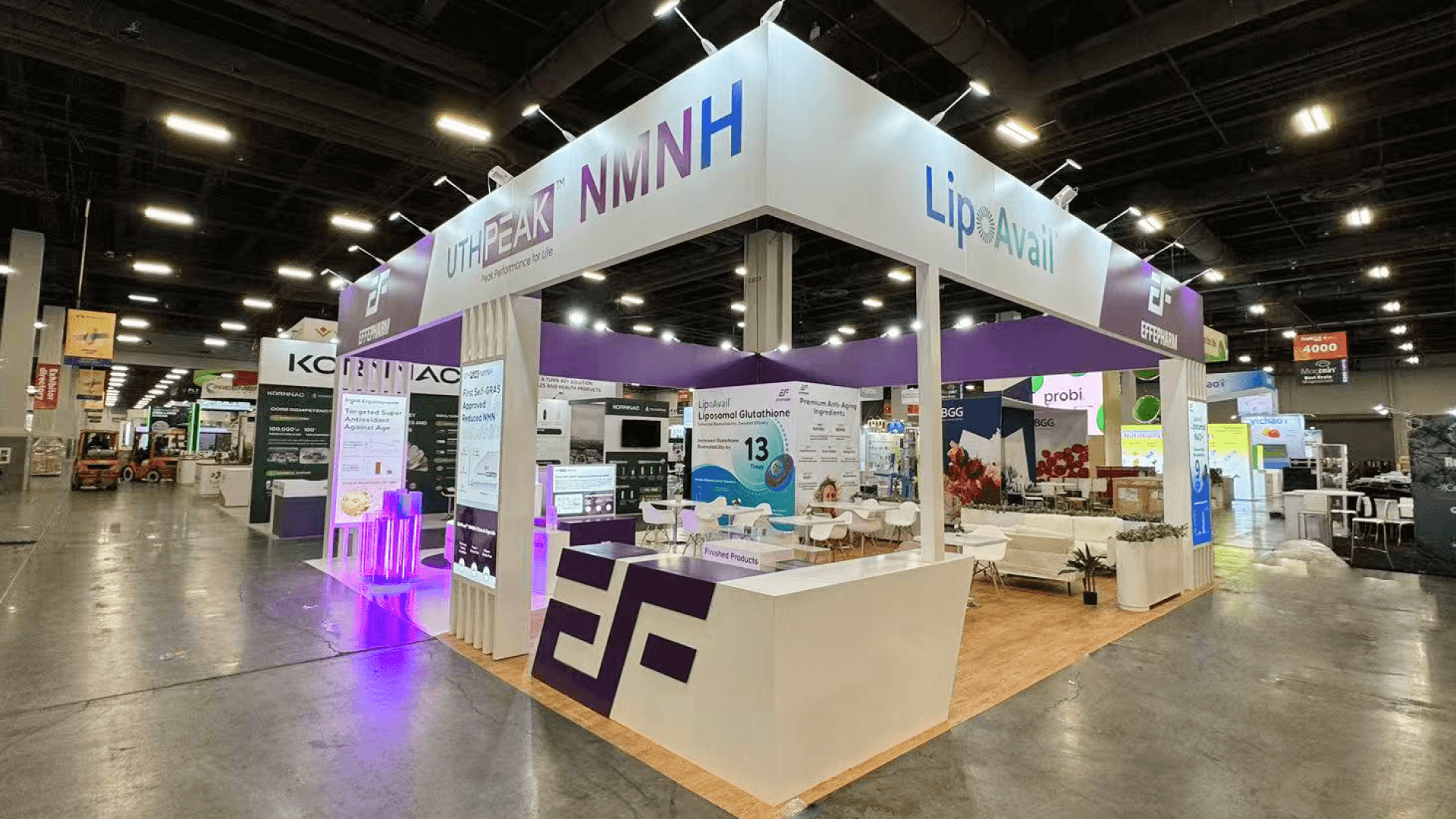
Space should reflect how far those interactions are expected to go. A 10x10 can support one active discussion and a compact proof point. When a demonstration needs to stay visible while a second conversation develops, a 10x20 booth gives the two activities more room to operate without interfering with each other. A 20x20 becomes more useful when several discussions or scheduled meetings need to happen at the same time. Teams that are still defining the wider Magnet & Pathway booth strategy should settle the overall footprint, demo load, and staffing model before planning this deeper conversation flow.
At McCormick Place Convention Center, this type of exhibit depends on show-floor readiness. Staff roles need to be clear, demonstration tools and lead systems should be tested before opening, and the handoff from the first discussion to a specialist or meeting should work without slowing the visitor path.
Why Exhibitors Choose Circle Exhibit
Clear scope, transparent quote review, nationwide booth support, and efficient setup planning for qualified rental and custom exhibit projects.
48hr
Setup Window
10+
Years Since 2014
U.S.
Trade Show Support
Real
Booth Project Proof
Booth size should follow the number of conversations, demonstrations, and meetings that need to happen at the same time. The goal is to create enough separation for meaningful discussions without using more space than the interaction model actually requires.
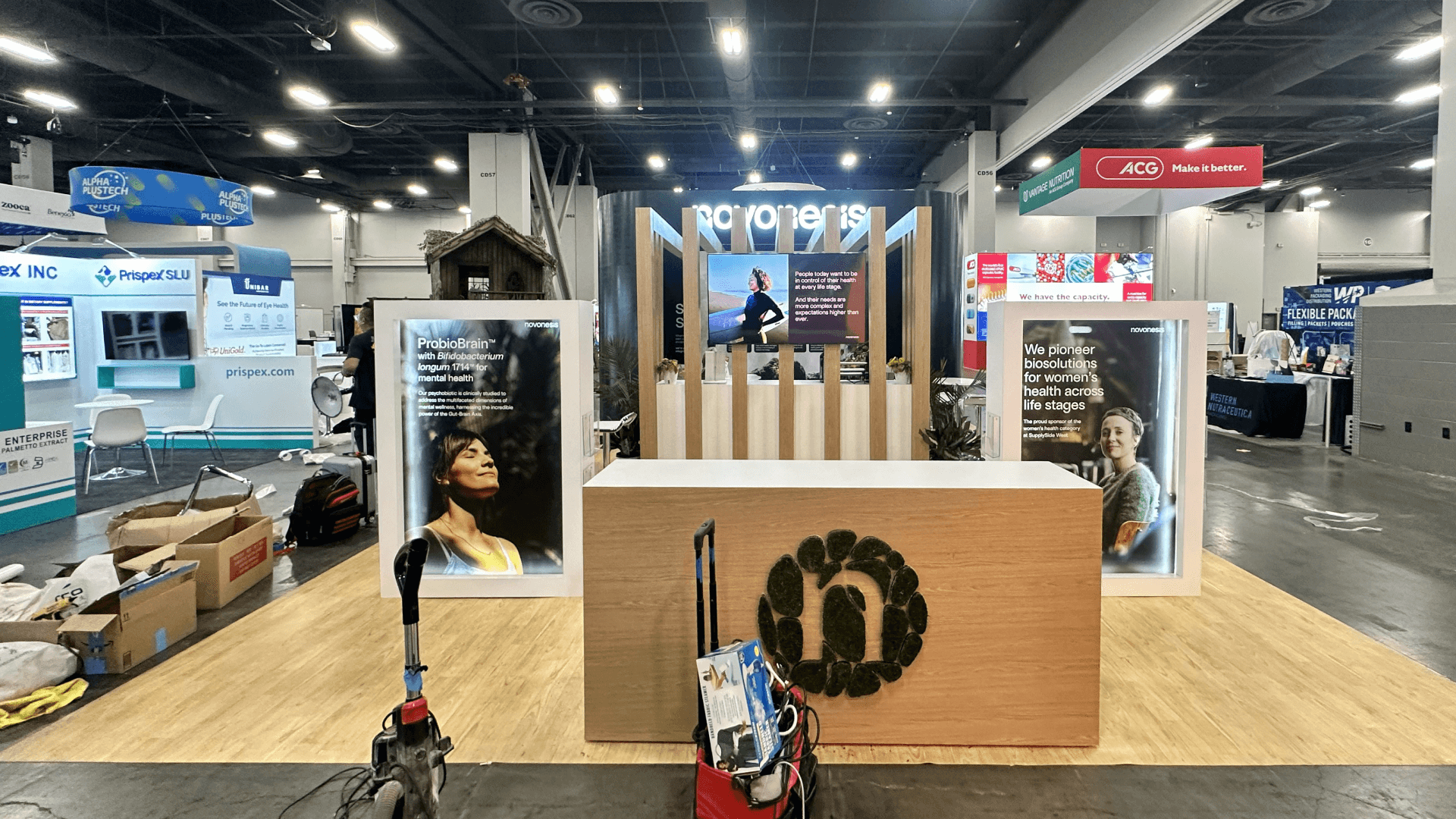
When the booth mainly needs one clear message, a compact proof point, and one focused discussion at a time, a 10x10 booth can provide enough room without adding unnecessary meeting space.
When several staff members need to handle separate discussions at the same time, a 20x20 booth can support clearer circulation, a defined meeting area, and better separation between visitor interactions.
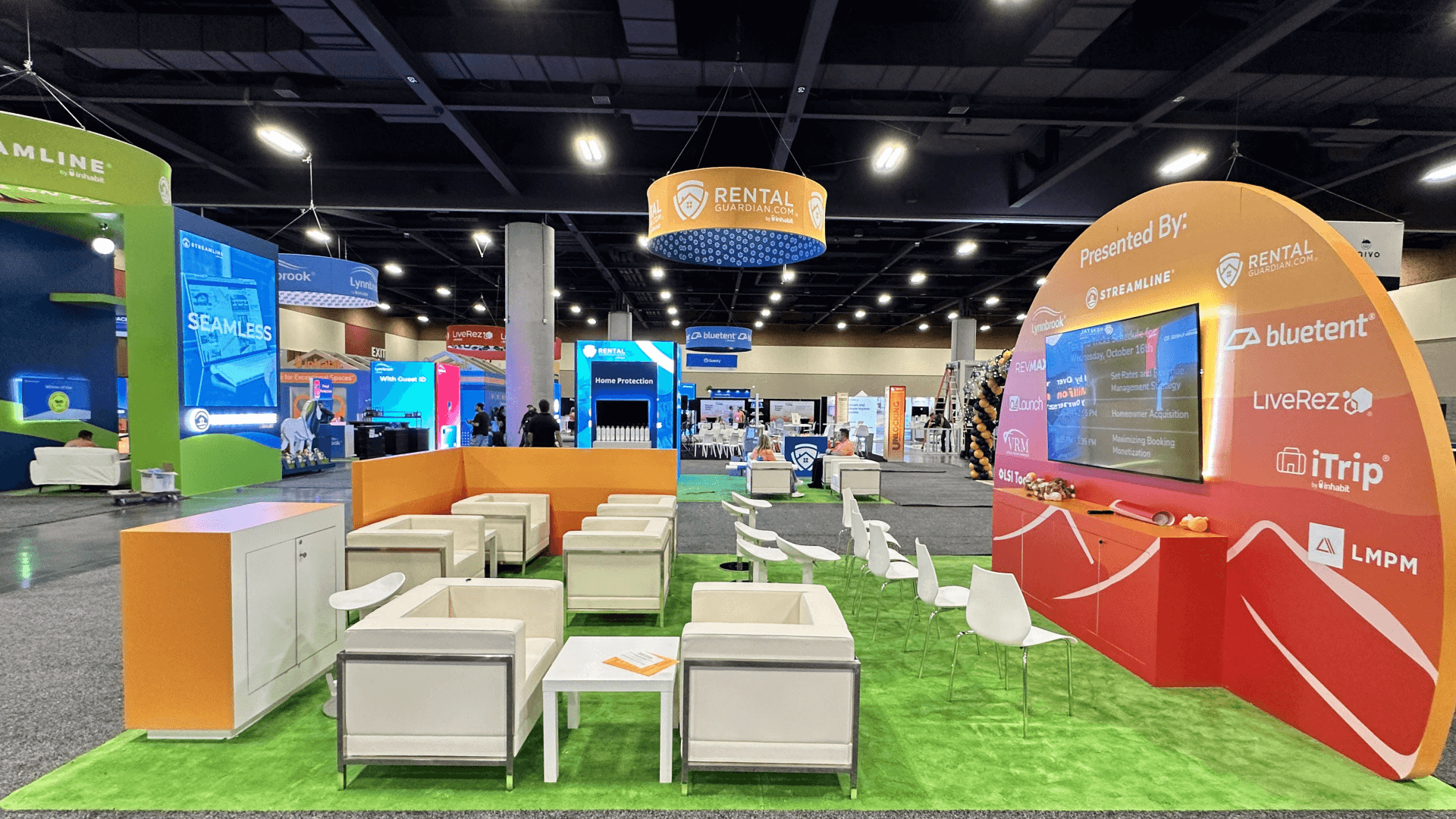
If a demonstration needs to remain active while a second buyer conversation develops, a 10x20 booth gives those two activities more room to operate without competing for the same space.
If the exhibit includes scheduled meetings, ongoing demonstrations, and several leadership discussions throughout the day, a 20x30 booth gives those activities enough separation to run concurrently.
When a nurse leader arrives at the booth after an Exhibit Hall Theater session, the conversation should not begin from the first slide again. The Theater has already established the larger problem or workflow; the booth can move directly into an organization-specific question, focused demo, specialist discussion, or next step.
That continuity depends on good Theater-to-booth coordination, especially when presentation content, staff handoff, booth messaging, and post-session visitor flow all need to work as one experience.
The exhibit should help nursing decision-makers establish relevance quickly, choose how deeply to evaluate the solution, and continue into the right discussion without unnecessary friction.
The aisle message should make clear what nursing, workforce, clinical, education, quality, technology, or operational problem the solution addresses.
Use a concise product, workflow, screen, or evidence point that helps the visitor decide whether a deeper evaluation is worth the time.
Keep enough open space for a quick first exchange so every relevant visitor does not have to move immediately into a formal meeting area.
When a qualified discussion needs more time, provide a clear place for a specialist or business lead to continue without interrupting the main visitor path.
Official exhibitor materials describe nurse leaders evaluating products and services for use in their organizations and units.
The parent conference runs October 29–31, 2026 at McCormick Place Convention Center in Chicago, with exhibits open October 29–30.
The 2026 Executive Access Pass includes face-to-face time with exhibitors.
Not Sure Which Booth Size You Need?
Not every exhibitor knows whether a 10x20, 20x20, 20x30, or larger booth is the right fit. Circle Exhibit can help review your event goals, product display needs, demo areas, meeting space, storage, budget scope, and setup timeline before you choose a booth size.
Knowing What the Visitor Actually Needs
Matching the Demo to the Level of Interest
1
Define the Target Nursing Decision-Maker
2
3
4
When Demo and Discussion Need More Separation
If one part of the booth needs to stay active for demonstrations while another supports deeper buyer discussions, a Chicago trade show booth rental can add screens, meeting furniture, storage, and clearer separation without requiring a fully custom environment.
When the Meeting Experience Needs More Control
Privacy, integrated AV, specialized product presentation, or a more controlled discussion environment can justify a custom approach. In that case, design and engineering should resolve circulation, technology, sightlines, and meeting space before fabrication begins.
When the Same Conversation Model Will Be Used Again
If the same demo-to-discussion format will appear at several nursing or healthcare events, a reusable modular system can preserve the core interaction model while allowing graphics, meeting capacity, and footprint to change from show to show.
Each 10x10 exhibit space includes four complimentary booth staff badges, but those positions should still be assigned around qualification, demonstration, specialist questions, and deeper discussions.
Screens, software, connected products, lead tools, presentation devices, and charging equipment should be ready before decision-maker conversations begin.
Lunch activity takes place in the Exhibit Hall, but leadership programs overlap with some of those windows. Staff planning should reflect who is actually available rather than assuming every busy period brings the same audience.
Agree in advance on which interactions should remain standing, when a deeper discussion is justified, when follow-up should be scheduled, and who owns the next action.
Rental Booths for Nurse-Leader Demo and Meeting Flow
A rental exhibit can support a clearer progression from first conversation to focused demo and deeper discussion when the booth needs screens, meeting furniture, hidden storage, and separate interaction zones. The footprint should be chosen around conversation capacity rather than visual scale.
How should exhibitors start conversations with nurse leaders at Magnet & Pathway?
Start by establishing relevance to the visitor’s role, organization, or nursing challenge before moving into a detailed product explanation.
When should a booth conversation become a seated meeting?
How much meeting space should the booth include?
Should every nurse leader receive a full demo?
What information should exhibitors capture for follow-up?
READY TO PLAN YOUR NEXT BOOTH?
Let’s Build a Booth That Fits Your Event
Share your event name, booth size, city, timeline, product display needs, and design references. Circle Exhibit will review your project direction and help you choose a rental-friendly or custom exhibit path.
3000+
Booth Projects Supported
50+
U.S. Event Cities
Transparent
Quote Review
Return to the parent Event Hub for the complete audience, booth-function, size, and show-site planning map.
Review 10x20 capacity when the exhibit needs to separate a focused demonstration from a deeper buyer discussion.
Use 20x20 planning when multiple conversations, meeting space, stronger circulation, and hidden operational support are required.
Use design and engineering when meeting zones, demo tools, visitor flow, storage, or structural requirements need to be resolved before fabrication.
Use Chicago execution support when the selected interaction model needs fabrication, structural coordination, installation, or local show-site support.