MAGIC Home, Gift & Beauty Display Booth Planning

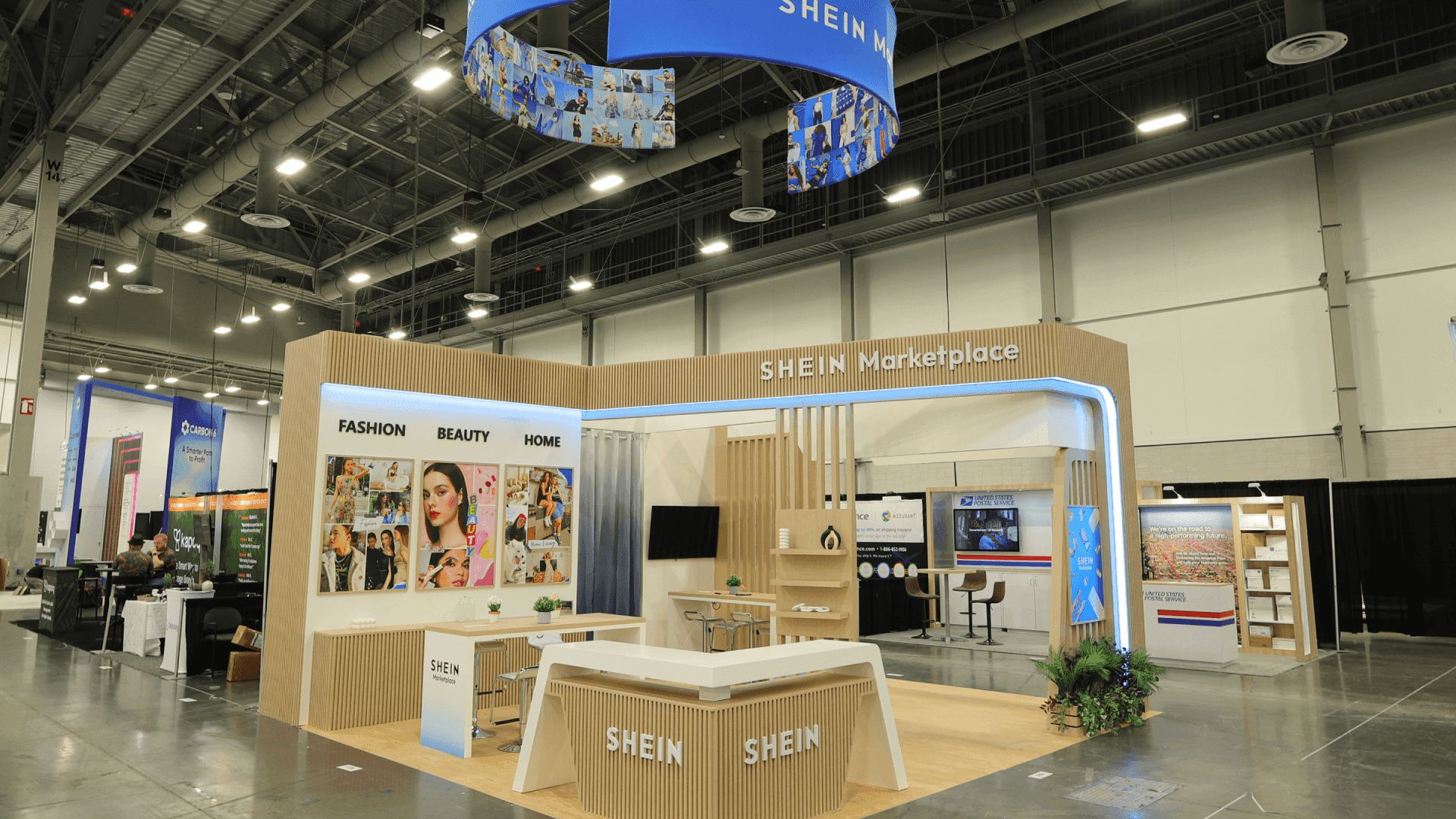
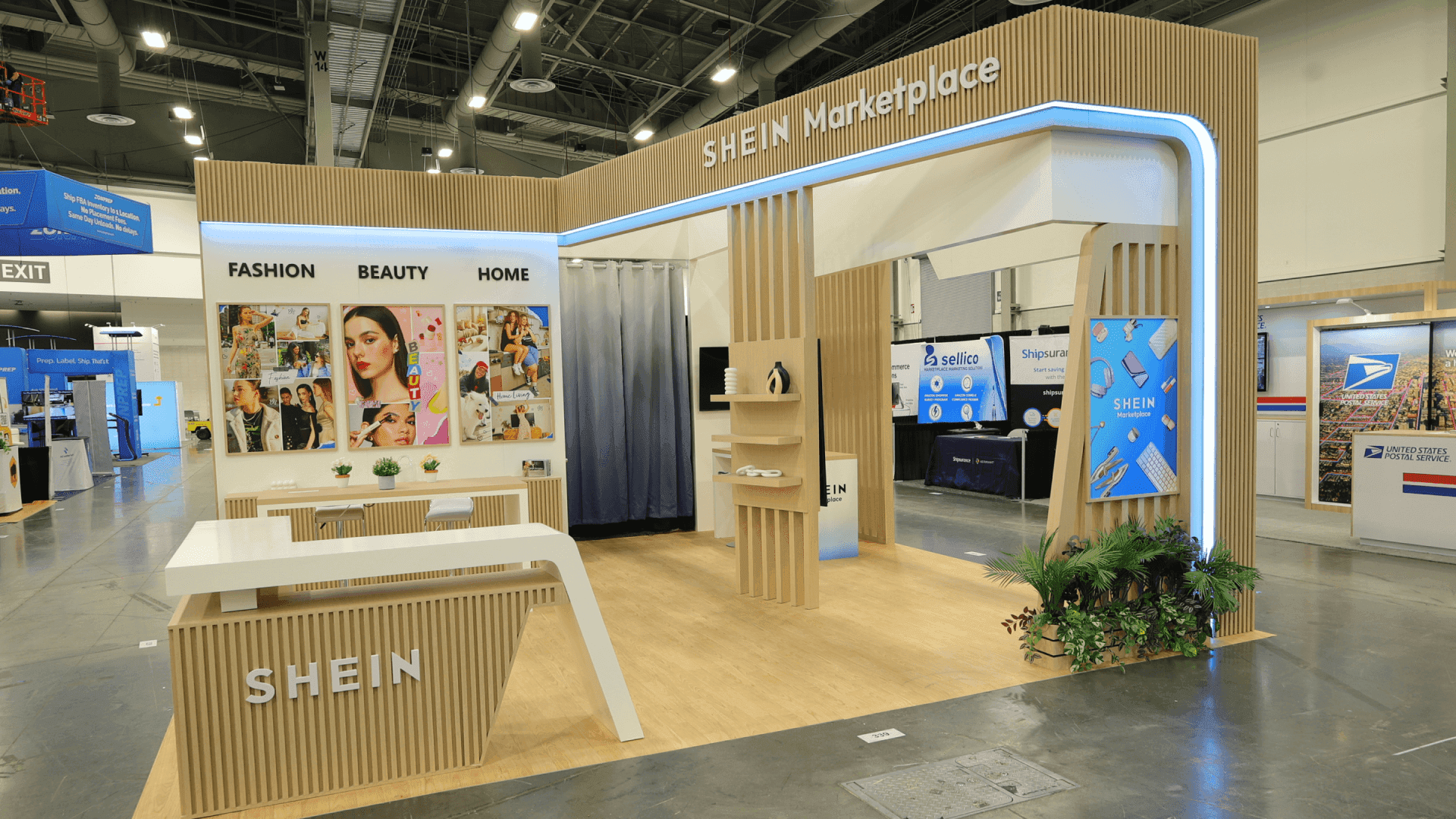

How should Home, Gift & Beauty exhibitors plan a booth for MAGIC?
Do not begin by trying to display every SKU. Group the assortment in a way buyers can understand quickly, give hero products stronger visibility, and leave room for inspection and comparison. Keep duplicate inventory, packaging, and refill stock behind the visible merchandising story so product density does not overwhelm the booth.
Home, Gift & Beauty exhibitors often have no shortage of products worth showing. The harder decision is what deserves attention first. A stronger booth does not necessarily display more SKUs; it helps buyers understand the range, recognize the important categories, and decide which products deserve closer inspection. That merchandising problem sits within the wider MAGIC Show booth planning context, but it calls for a different solution from an apparel collection.
The footprint follows that hierarchy. A focused 10x20 can support a few clear categories and hero products, while a 20x20 booth creates more room for separate product groups, handling, comparison, buyer discussion, and concealed backstock. A 20x30 becomes useful when several merchandise stories need to remain readable at once.
At the Las Vegas Convention Center, the finished structure is only the starting point for merchandising. Fixtures, lighting, unpacking, category placement, hero-product positioning, and backstock all need to be settled before the booth is ready for retail buyers.
Why Exhibitors Choose Circle Exhibit
Clear scope, transparent quote review, nationwide booth support, and efficient setup planning for qualified rental and custom exhibit projects.
48hr
Setup Window
10+
Years Since 2014
U.S.
Trade Show Support
Real
Booth Project Proof
The footprint has to support category recognition, product inspection, comparison, buyer discussion, and replenishment at the same time. If more merchandise makes those actions harder, edit the assortment before adding square footage.
A 10x20 booth works when the range can be reduced to a few clear categories and hero products. The smaller footprint rewards a strong point of view and disciplined backstock.
A 20x30 booth makes sense when several categories need distinct display zones and buyers need room to move between them without losing the overall hierarchy.
A 20x20 booth gives product groups more separation while preserving room for handling, comparison, buyer conversation, and concealed inventory.
An island can expose several product stories to different aisles, but each approach still needs a clear category message. More frontage should not become an excuse to repeat the full assortment on every side.
Shelves, pedestals, tables, and counters work best when they are reserved for the products buyers most need to see or compare. MAGIC booth package planning helps decide which products deserve that buyer-facing space, what can remain in backstock, and when a single added display or storage element is enough instead of expanding the entire setup.
Buyers should understand the range before studying individual products. Category structure, hero items, comparison surfaces, and backstock need to work as one merchandising system rather than separate display decisions.
Use grouping and signage to make the main merchandise categories obvious before buyers begin reading packaging or examining individual products.
Priority products need enough visual separation to attract attention. Supporting SKUs can strengthen the range without competing for the same focal position.
Counters, shelves, and other surfaces should let buyers pick up, inspect, compare, and discuss products rather than functioning as tightly packed inventory.
Duplicate products, packaging, and restock materials should stay accessible to staff without becoming visible parts of the merchandise presentation.
Home, Gift & Beauty exhibitors may present several product categories or SKUs within one booth while keeping the range easy for retail buyers to understand.
The parent MAGIC event runs February 16–18, 2027 at the Las Vegas Convention Center.
Retail buyers may move from category discovery into closer inspection, product comparison, packaging review, or a deeper wholesale purchasing discussion.
Not Sure Which Booth Size You Need?
Not every exhibitor knows whether a 10x20, 20x20, 20x30, or larger booth is the right fit. Circle Exhibit can help review your event goals, product display needs, demo areas, meeting space, storage, budget scope, and setup timeline before you choose a booth size.
The Category Structure Has to Be Obvious
Not Every Product Should Be a Hero
1
Organize the Range the Way a Buyer Shops It
2
3
4
Standard Components Can Handle a Well-Edited Range
A Las Vegas trade show booth rental can be enough when standard counters, shelving, pedestals, walls, graphics, and storage give the assortment a clear hierarchy and leave buyers room to inspect products.
Product Fixtures May Need to Become Part of the Build
Custom fabrication matters when integrated shelving, fitted display walls, unusual dimensions, built-in lighting, or concealed inventory directly affect how products are presented and handled. Those requirements fit naturally within booth fabrication and prebuild support.
A Custom Fixture Does Not Require a Fully Custom Booth
A modular structure can still incorporate purpose-built shelving, counters, lighting, or category displays where standard furniture limits the assortment. This keeps the main structure reusable while customizing the surfaces buyers actually interact with.
Shelves, counters, pedestals, walls, storage, utilities, and circulation clearances should be complete before merchandise enters the buyer-facing area.
Final product placement should follow the actual lighting and sightlines rather than assumptions made from the floorplan before installation.
Label duplicate inventory, packaging, refill products, and staff materials first so support stock does not creep into the selling area during setup.
After unpacking, review category hierarchy, hero-product visibility, comparison space, buyer circulation, and replenishment access as one complete merchandising story.
Rental Displays for MAGIC Home, Gift & Beauty Brands
Rental can support shelves, counters, pedestals, graphics, and concealed storage when the assortment does not require integrated custom fixtures.
How many product categories should a MAGIC Home, Gift & Beauty booth show?
Show only the number of categories buyers can understand quickly. Supporting products can stay part of the range without receiving the same space or visual weight as priority categories.
How should small products be grouped?
When should a booth use shelves, pedestals, counters, or walls?
How should backstock be handled?
When does a Home, Gift & Beauty exhibitor need more booth space?
READY TO PLAN YOUR NEXT BOOTH?
Let’s Build a Booth That Fits Your Event
Share your event name, booth size, city, timeline, product display needs, and design references. Circle Exhibit will review your project direction and help you choose a rental-friendly or custom exhibit path.
3000+
Booth Projects Supported
50+
U.S. Event Cities
Transparent
Quote Review
The Main Event Hub covers the wider MAGIC buyer journey, other merchandise categories, overall booth scope, and event-level execution.
A 10x20 works best when the assortment has already been edited into a few strong categories and does not require extensive comparison or backstock space.
When several categories need their own display surfaces and buyers need room to handle or compare products, a 20x20 provides useful separation without losing the overall range.
Fixtures, lighting, unpacking, product placement, and backstock organization all depend on the LVCC setup sequence reaching the point where merchandising can begin.
Category signs, product-benefit messaging, and hero-product graphics can reduce how much physical merchandise the booth needs to explain the assortment.