MAGIC Show Booth Planning for Las Vegas Exhibitors

How should exhibitors plan a booth for MAGIC Las Vegas?
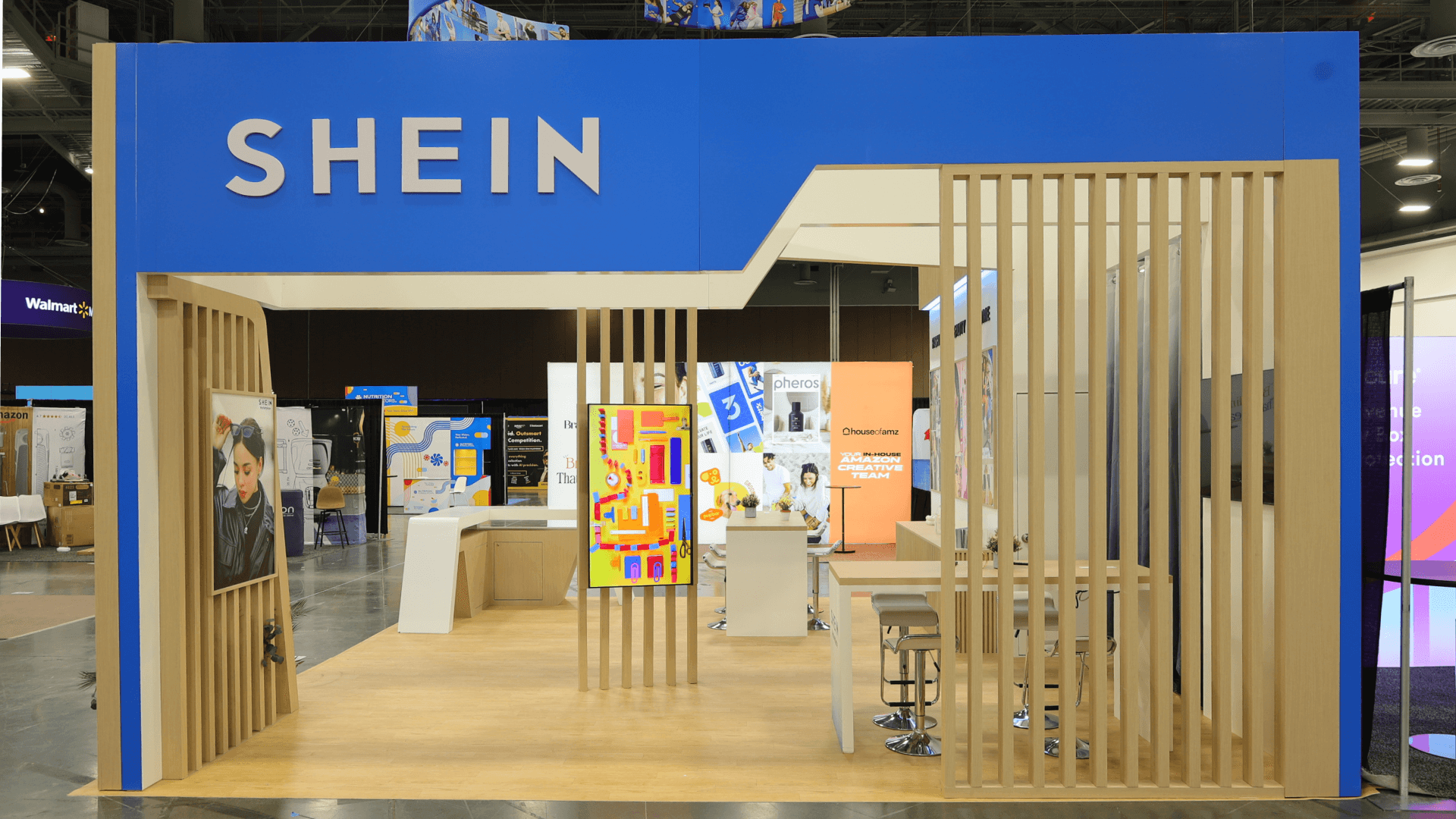
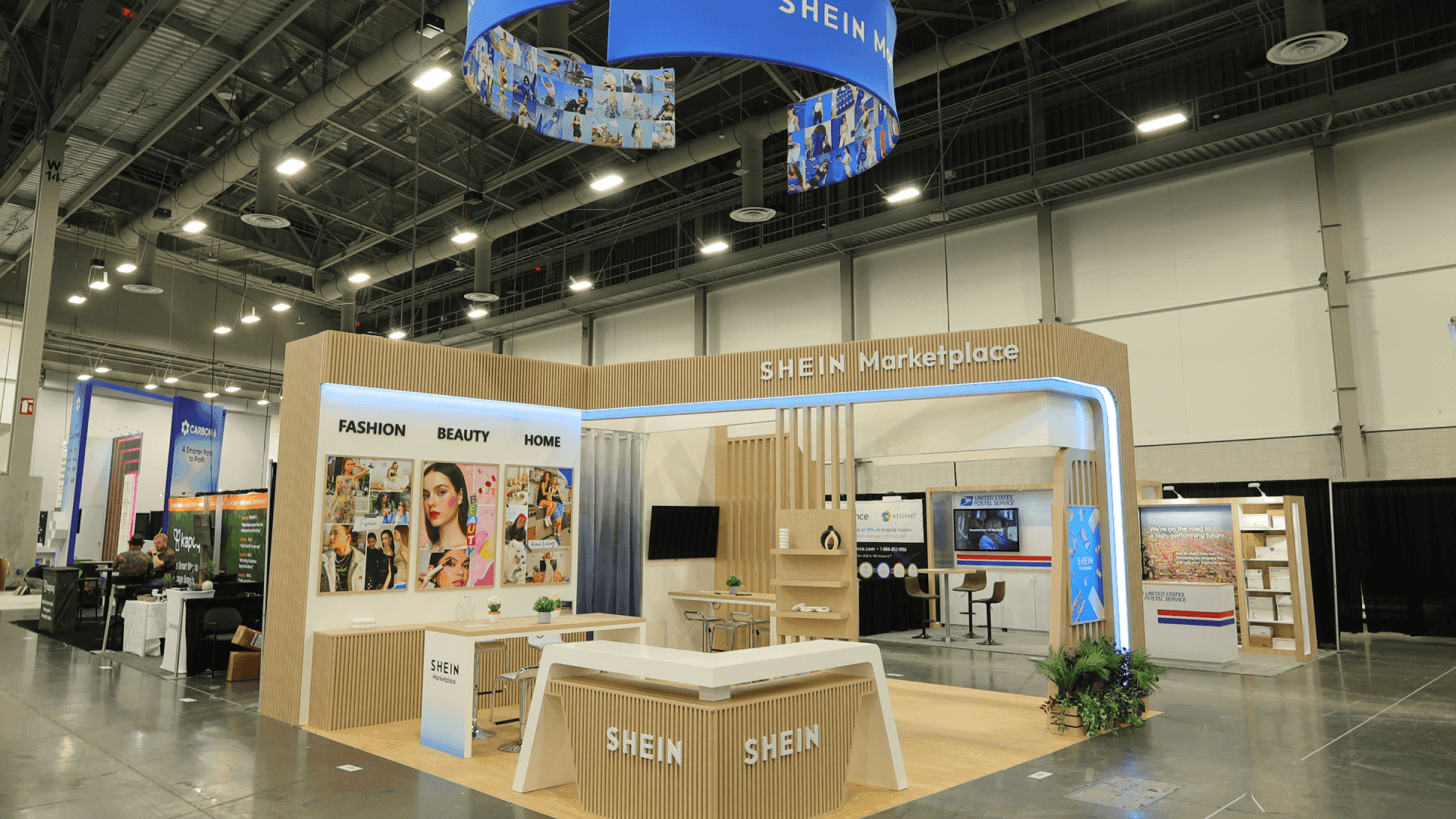
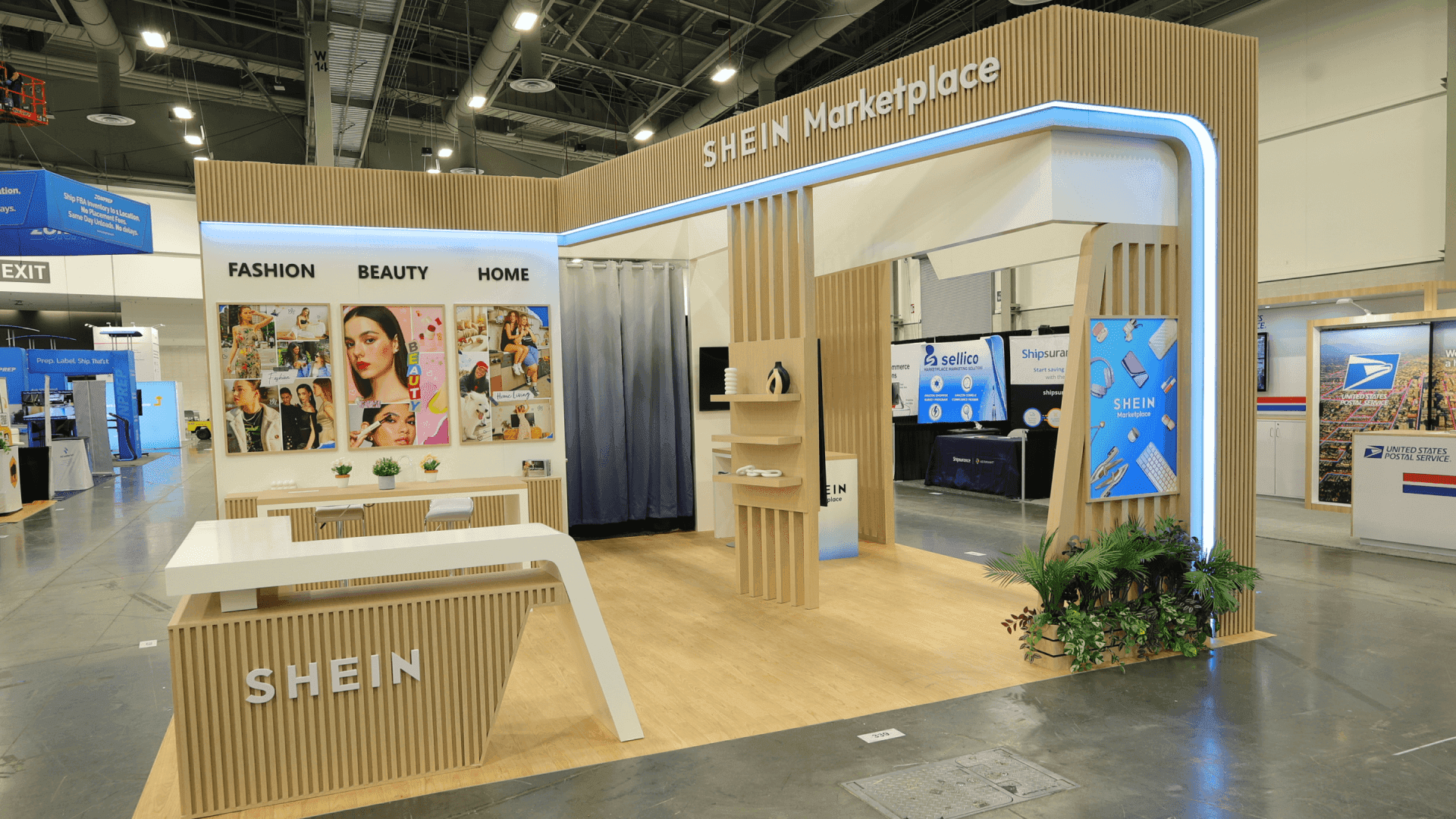
Start with the buying interaction, not the footprint. A MAGIC booth has to make the product category easy to recognize, give buyers room to review the merchandise, and leave space for deeper wholesale conversations, storage, and staff movement. Choose the footprint and build type only after those functions are clear.
MAGIC is a buying environment where retail buyers may scan many brands before deciding which products or collections deserve a closer look. The booth therefore has to answer three things quickly: what the brand sells, what matters most in the assortment, and what happens next when a buyer stops.
The footprint follows that selling task. A focused 10x20 may be enough for a controlled assortment and short conversations, while a 20x20 booth or 20x30 creates more separation between merchandise display, deeper buyer review, staff movement, and storage. Apparel exhibitors with heavier collection-browsing and sample-handling needs can go deeper into MAGIC apparel display booth planning.
MAGIC takes place at the Las Vegas Convention Center, so freight, utilities, installation, merchandising, and final readiness all need to work within the same plan. Once the product mix, footprint, and booth functions are clear, Las Vegas trade show booth builders can support the design, fabrication, graphics, and show-site coordination needed to carry that plan through to the floor.
Why Exhibitors Choose Circle Exhibit
Clear scope, transparent quote review, nationwide booth support, and efficient setup planning for qualified rental and custom exhibit projects.
48hr
Setup Window
10+
Years Since 2014
U.S.
Trade Show Support
Real
Booth Project Proof
The right footprint lets merchandise presentation, buyer interaction, staff movement, and storage operate together. Extra square footage matters only when it removes a real conflict between those functions.
A 10x20 booth works best with an edited assortment, light storage, and short buyer conversations. The smaller footprint rewards a clear product story and disciplined use of space.
A 20x30 booth makes sense when several product groups, buyer-review areas, staff positions, or storage needs would otherwise overlap inside a smaller layout.
A 20x20 booth adds value when merchandise browsing, deeper buyer review, hidden storage, and staff movement need enough separation to operate without sharing one congested zone.
An island earns its footprint when several aisle approaches, product stories, or buyer conversations need independent entry points. Extra space without a clear circulation purpose simply creates more area to fill.
If the official booth package already covers the basic structure, the next question is how to use that capacity without crowding the assortment. MAGIC booth package planning starts with the included racks, shelves, counters, and other fixtures, then works out what belongs on display, what can stay in backstock, and whether anything still needs to be added.
Brand Curation creates a different preparation task. MAGIC Brand Curation meeting preparation keeps the buyer conversation centered on retailer fit, the most relevant product or collection, and a clear next step rather than trying to reproduce the full booth presentation.
A strong MAGIC display makes the buying path easier to understand. Brand message, merchandise, and buyer interaction can become more detailed as interest moves from quick discovery into serious review.
Buyers are scanning many brands. The first view needs to communicate what the brand sells and which collection or product group deserves attention.
Fashion and retail products are often browsed, handled, compared, or discussed. The display needs enough access for those actions instead of functioning as a visual backdrop.
Once a buyer moves beyond quick discovery, the booth needs a place for assortment, pricing, order, or follow-up conversations without stopping the main browsing flow.
Backstock, packaging, staff supplies, and replenishment should stay close enough for efficient use but outside the buyer-facing merchandise presentation.
MAGIC brings apparel, footwear, accessories, Home, Gift & Beauty, Kids, Contemporary, and related fashion categories into one wholesale marketplace.
MAGIC Las Vegas runs February 16–18, 2027 at the Las Vegas Convention Center.
The show connects brands with buyers ranging from boutiques and online retailers to larger retail organizations sourcing new products and collections.
Not Sure Which Booth Size You Need?
Not every exhibitor knows whether a 10x20, 20x20, 20x30, or larger booth is the right fit. Circle Exhibit can help review your event goals, product display needs, demo areas, meeting space, storage, budget scope, and setup timeline before you choose a booth size.
Choosing the Footprint Too Early
Different Merchandise Changes How the Booth Works
1
Decide What the Wholesale Buyer Needs to Do
2
3
4
Keep the Structure Simple When the Selling System Is Simple
If standard walls, counters, racks or shelving, graphics, furniture, and enclosed storage already support the buyer journey, a Las Vegas trade show booth rental can keep the structure flexible without limiting the presentation.
Fabricate What the Merchandise Depends On
Custom work earns its place when built-in fixtures, unusual dimensions, concealed storage, integrated lighting, overhead elements, or architectural features directly affect how buyers use the booth. Those requirements fit naturally within booth fabrication and prebuild support.
Do Not Customize What Buyers Never Notice
A hybrid approach keeps the main structure reusable while concentrating custom work on product fixtures, storage, graphics, lighting, or merchandising features that materially change the buying experience.
Structure, fixtures, electrical work, lighting, graphics, and storage should be complete before product teams begin final merchandise placement.
Booth components and merchandise may have different setup dependencies. Their arrival and handling should follow the order in which the space will actually be built and merchandised.
After construction, the team still needs time for fixtures, merchandise placement, category organization, signage, and storage setup before the booth is ready to sell.
Check the aisle message, merchandise access, conversation areas, storage, staff routes, and replenishment path together rather than reviewing each element in isolation.
Flexible Booth Rental for MAGIC Las Vegas
A rental booth can support branded walls, counters, storage, graphics, and flexible merchandise display without committing to a fully custom structure.
What should a MAGIC Las Vegas booth include?
Start with clear merchandise presentation, buyer circulation, space for deeper conversation, storage, staff access, and readable brand messaging. Add functions only when they support the buying journey.
What booth size works for MAGIC Las Vegas?
Do different MAGIC categories need different booth layouts?
Should booth size be chosen before the display plan?
Why does LVCC execution matter to MAGIC booth planning?
READY TO PLAN YOUR NEXT BOOTH?
Let’s Build a Booth That Fits Your Event
Share your event name, booth size, city, timeline, product display needs, and design references. Circle Exhibit will review your project direction and help you choose a rental-friendly or custom exhibit path.
3000+
Booth Projects Supported
50+
U.S. Event Cities
Transparent
Quote Review
Multi-category and high-assortment products create a different planning problem: buyers need to understand the range while still having room to inspect, compare, and discuss individual products.
A 20x20 becomes relevant when display, deeper buyer review, storage, and circulation need more separation than an inline footprint can comfortably provide.
More product zones or simultaneous buyer interactions can push the layout beyond what a 20x20 can separate cleanly, making 20x30 planning more relevant.
Freight, utilities, installation, access, and final setup all happen within the LVCC operating environment, affecting when the booth is actually ready for merchandise and buyers.
Clear graphics establish the brand, product category, and assortment hierarchy before buyers begin examining individual products.