MAGIC Apparel Display Booth Planning


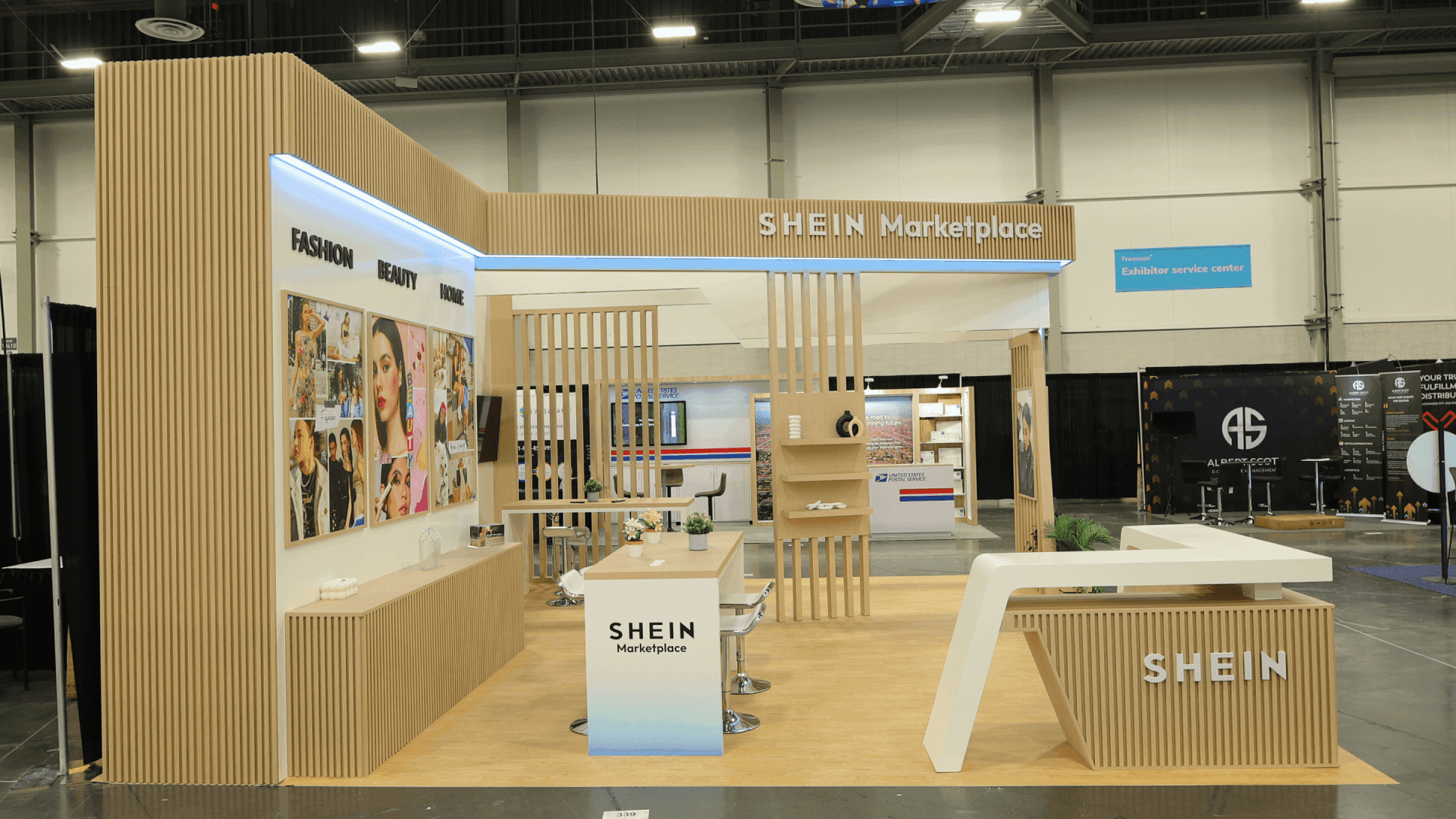

How should apparel exhibitors plan a booth for MAGIC?
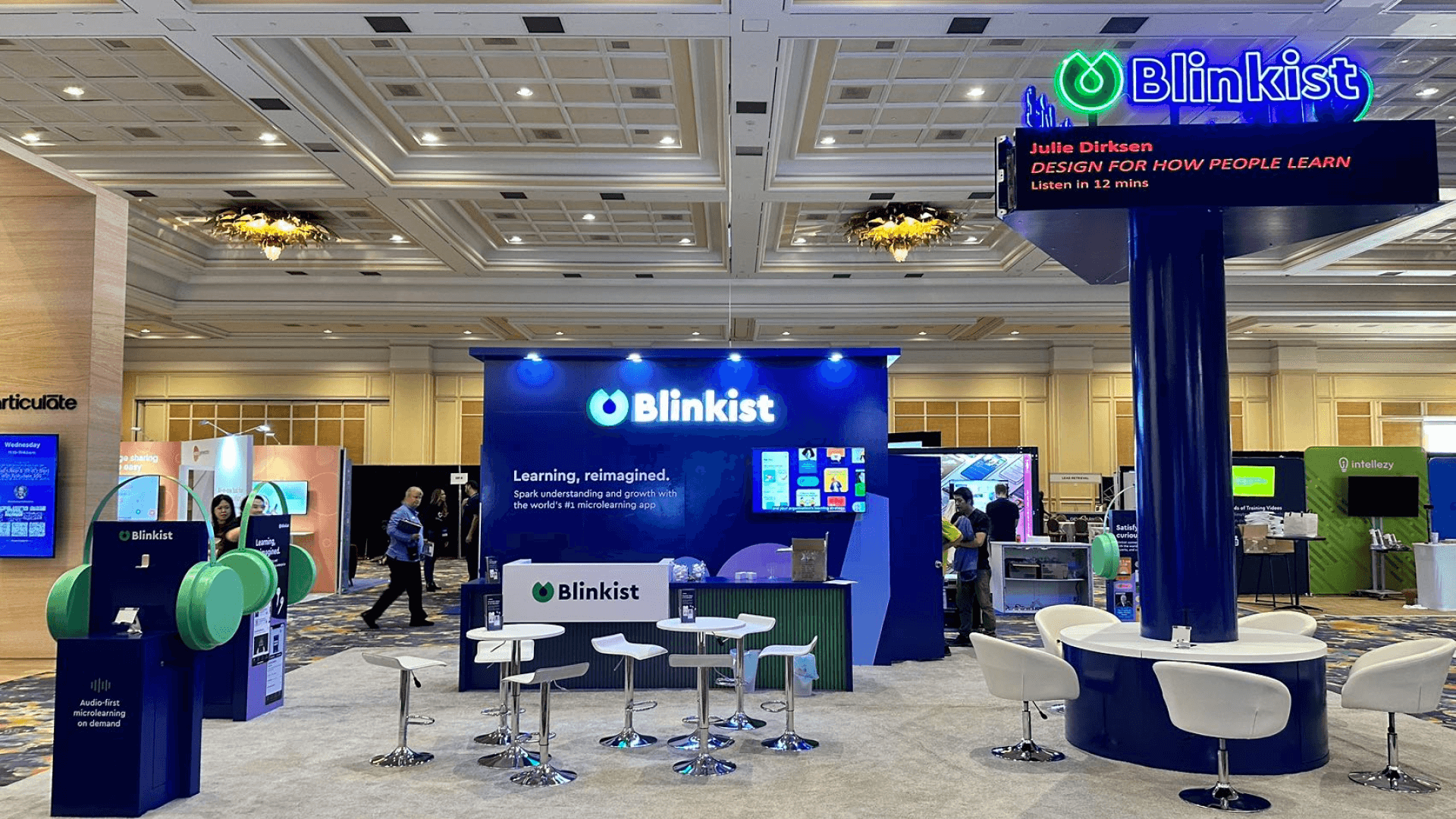
Treat the booth as a temporary wholesale showroom. Edit the collection enough for buyers to browse comfortably, give serious interest a place to move into line review or order discussion, and keep samples, backstock, and staff movement behind that selling path. Let the workflow determine the footprint, not the number of garments available.
A MAGIC apparel booth is not simply a place to hang as much product as possible. Buyers need to recognize the collection quickly, move through the racks without friction, and find a clear next step when a style or assortment deserves a closer look. Those apparel-specific decisions sit within the wider MAGIC Show booth planning strategy, where product category, buyer behavior, footprint, and show-site requirements are considered together.
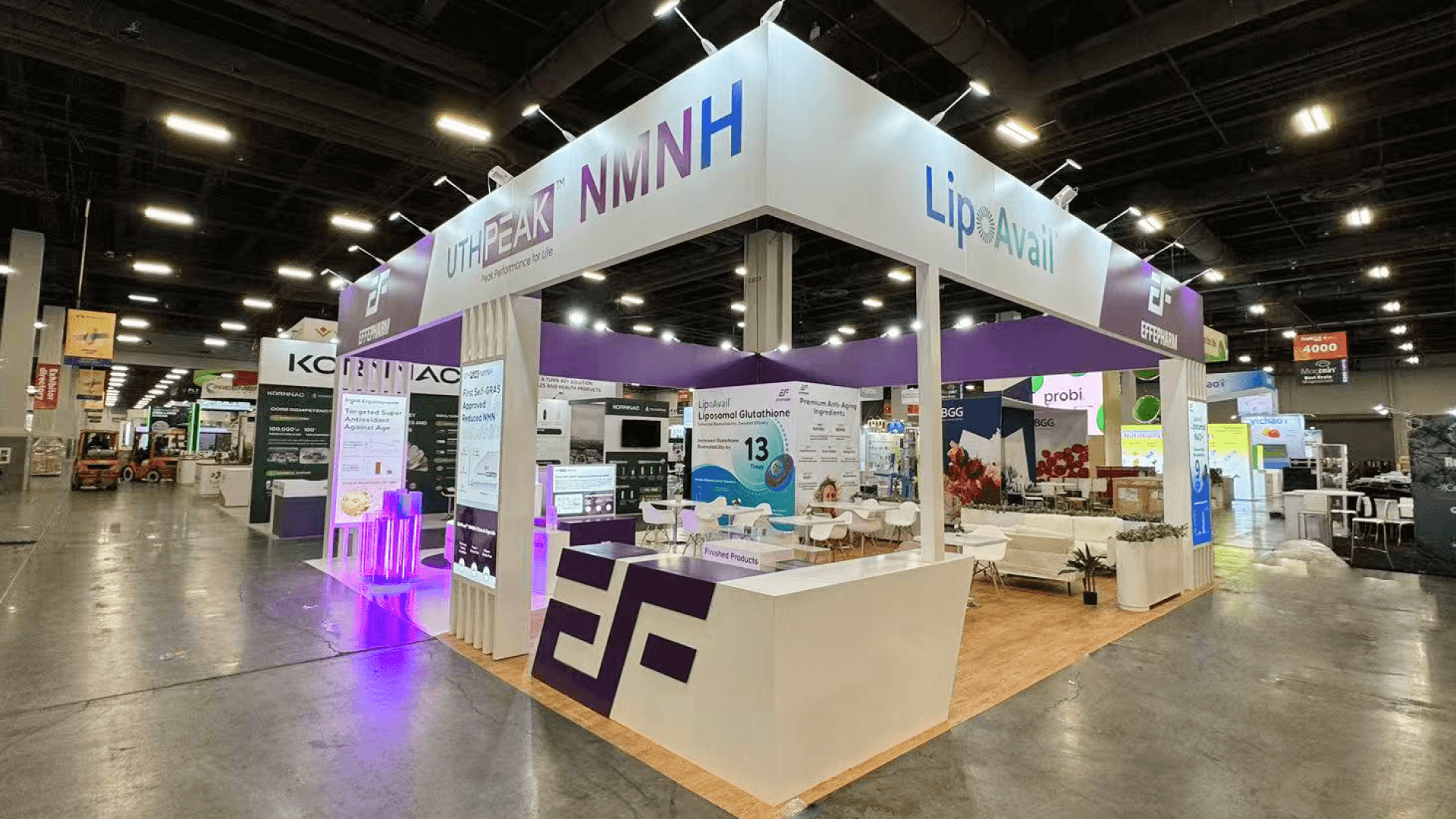
The right footprint protects the collection-review sequence. A focused 10x20 keeps the edit tight; a 20x20 booth can pull line review and order discussion away from the main rack path; a 20x30 becomes more useful when several collection groups, staff positions, or buyer conversations need to run at once.
Setup at the Las Vegas Convention Center has to leave enough time after construction for the apparel itself. Racks, lighting, graphics, garments, backstock, and final merchandising all need to come together before the space functions like a wholesale showroom.
Why Exhibitors Choose Circle Exhibit
Clear scope, transparent quote review, nationwide booth support, and efficient setup planning for qualified rental and custom exhibit projects.
48hr
Setup Window
10+
Years Since 2014
U.S.
Trade Show Support
Real
Booth Project Proof
Test the footprint against rack access, collection depth, buyer review, sample retrieval, storage, and staff movement together. When one activity repeatedly interrupts another, either the displayed collection or the footprint needs to change.
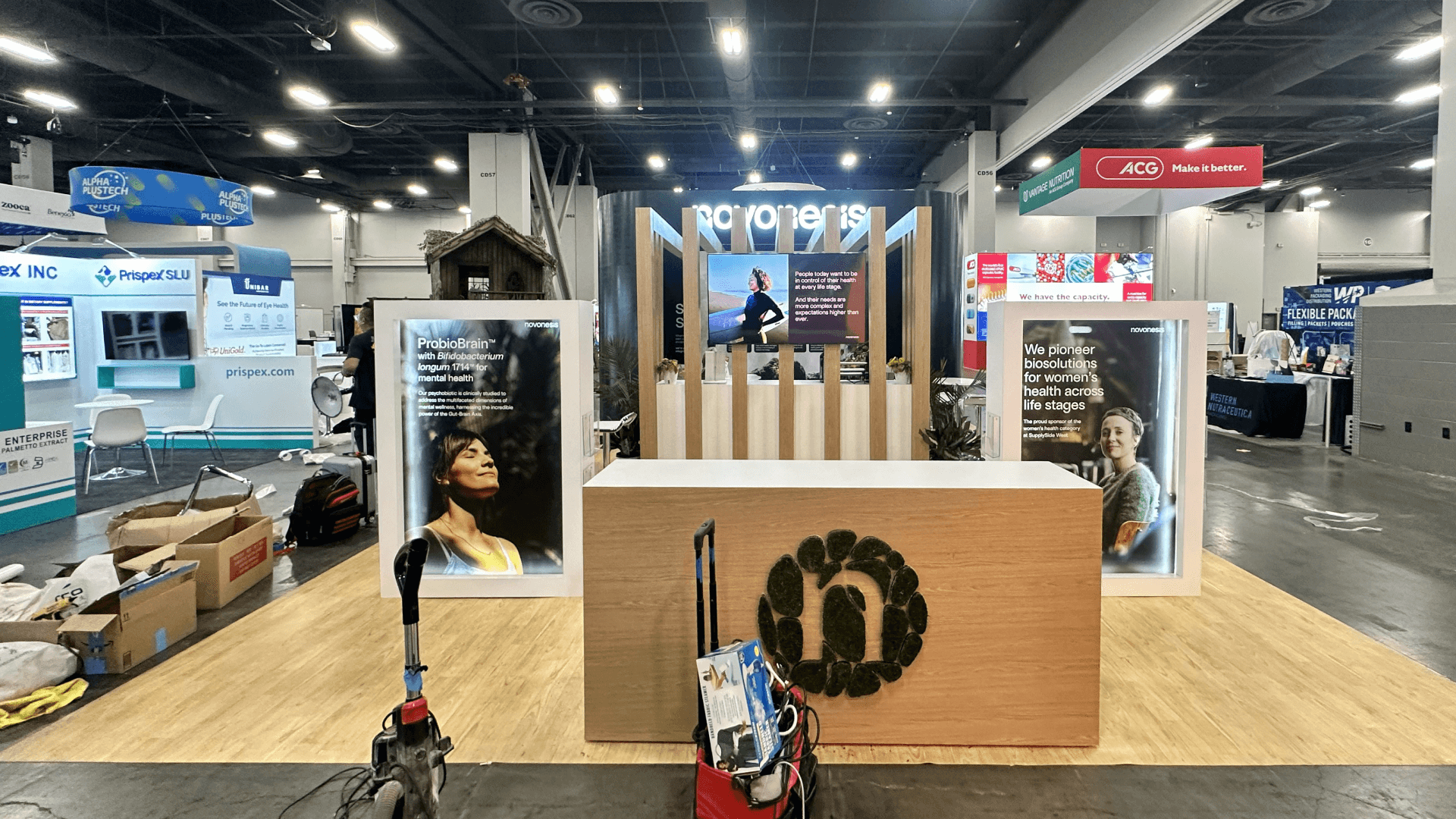
A 10x20 booth works best when one clear collection carries the presentation. Hero styles stay visible, rack count stays controlled, and buyer conversations remain brief.
A 20x30 booth makes sense when several rack groups, collection stories, buyer reviews, or larger backstock requirements would otherwise overlap.
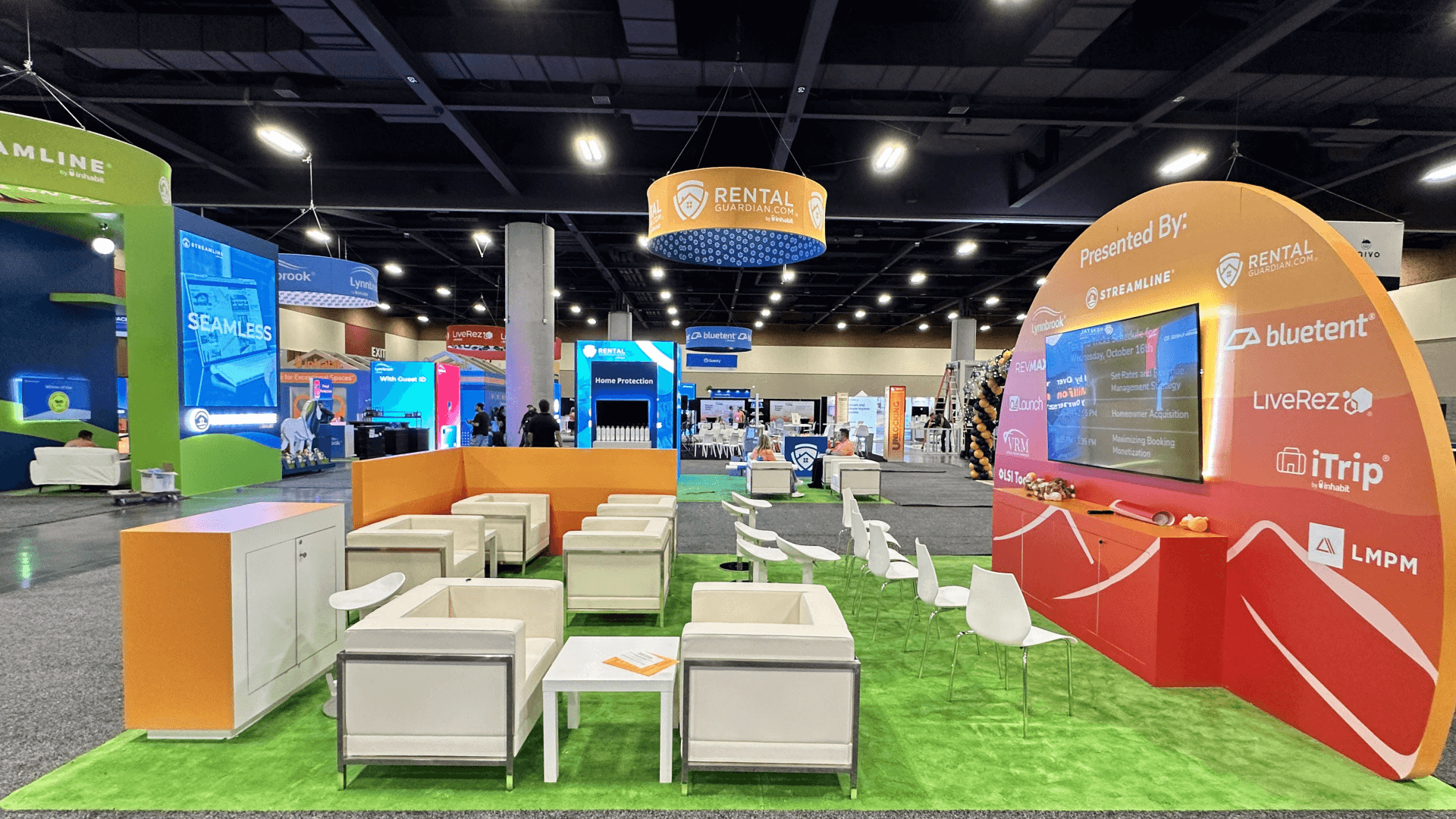
A 20x20 booth creates enough separation for browsing, line review, backstock, and staff access to work without sharing one congested path.
If a larger footprint is mainly being used to add more racks, the collection may still be under-edited. Extra space should solve workflow pressure, not justify showing every available style.
More garments do not automatically mean more racks. When buyer-facing space is limited, MAGIC booth package planning helps separate the styles that need to stay visible from secondary variants and backstock before additional fixtures are added.
For brands participating in Brand Curation, the appointment should not carry the entire collection review. Brand Curation meeting preparation focuses the conversation on the part of the assortment most relevant to that buyer, leaving deeper browsing, samples, and collection review for the booth.
The presentation can become more detailed as buyer interest grows: first understand the collection, then browse it, then move into deeper review while staff manage samples and replenishment behind the selling flow.
The aisle view should establish the collection or category first. Hero styles lead, while deeper assortment appears after the buyer chooses to engage.
Buyers need enough room to approach, move hangers, remove garments, and return them without blocking another buyer or the staff route.
Pricing, assortment details, line sheets, and order discussions need a focused point that does not take over the main rack aisle.
Additional styles and support materials should stay within easy staff reach but outside the visible collection so retrieval remains quick and the selling floor stays controlled.
Apparel exhibitors may present several styles or collection groups that buyers need to browse, compare, and discuss during one booth visit.
The parent MAGIC event runs February 16–18, 2027 at the Las Vegas Convention Center.
A buyer may begin at the rack and then move into line sheets, pricing, assortment discussion, additional samples, or a more focused order conversation.
Not Sure Which Booth Size You Need?
Not every exhibitor knows whether a 10x20, 20x20, 20x30, or larger booth is the right fit. Circle Exhibit can help review your event goals, product display needs, demo areas, meeting space, storage, budget scope, and setup timeline before you choose a booth size.
Give the Collection a Clear Order
Keep Serious Buyer Reviews Out of the Browse Path
1
Edit the Collection Before Designing the Booth
2
3
4
Standard Racks May Be Enough
When conventional garment racks, counters, branded walls, enclosed storage, and a simple buyer-review point can carry the collection, a Las Vegas trade show booth rental can keep the build practical and reusable.
Some Collections Need an Integrated Display System
Fabrication becomes more valuable when racks, lighting, concealed storage, or architectural merchandising features have to be built into the booth rather than added as standard components. That scope fits naturally with booth fabrication and prebuild support.
Customize the Merchandising, Not the Entire Booth
A reusable structure can still carry selected custom rack details, lighting, storage, graphics, or collection features. This keeps fabrication focused on the parts buyers actually see and use.
Garment racks, counters, storage, and circulation clearances should be fully positioned before apparel is unpacked across the booth.
Hero styles and collection zones are easier to place once the finished lighting, brand graphics, and sightlines are visible.
Label additional samples, packaging, staff supplies, and backup garments before final merchandising so retrieval does not become an opening-day improvisation.
Walk the booth once as a buyer and once as a staff member. Browsing, deeper review, sample retrieval, and replenishment should not depend on the same narrow path.
Rental Booths for MAGIC Apparel Collections
Rental works well when standard garment racks, branded walls, storage, and a buyer-review area can support the collection without custom built-ins.
How much of an apparel collection should be displayed at MAGIC?
Keep only the collection depth buyers can browse comfortably. Deeper assortment can remain in backstock and come out when the conversation becomes more specific.
How should garment racks be arranged?
When does a MAGIC apparel booth need a line-review area?
Where should samples and backstock go?
When should an apparel exhibitor move to a larger footprint?
READY TO PLAN YOUR NEXT BOOTH?
Let’s Build a Booth That Fits Your Event
Share your event name, booth size, city, timeline, product display needs, and design references. Circle Exhibit will review your project direction and help you choose a rental-friendly or custom exhibit path.
3000+
Booth Projects Supported
50+
U.S. Event Cities
Transparent
Quote Review
The parent Event Hub covers the wider MAGIC buyer journey, category mix, overall booth scope, and event-level execution decisions.
When buyers need to browse racks while another conversation moves into line review or pricing, a 20x20 can create the separation those two behaviors need.
Several collection groups, larger backstock, or simultaneous buyer reviews can make a 20x30 more functional than simply adding more racks to a smaller footprint.
Rack installation, lighting, garment setup, storage organization, and final merchandising all depend on the LVCC setup sequence being completed in the right order.
Collection names, category cues, and aisle messaging can help buyers understand the line before staff begin a deeper product conversation.