LMA Annual Conference Booth Planning for Legal Marketing Exhibitors


How should exhibitors plan an LMA Annual Conference booth?
An LMA Annual Conference booth should be planned around legal marketing messaging, legal tech or CRM product demos, business development workflows, screen placement, meeting space, lead qualification, branded graphics, storage, and New Orleans setup timing. The booth should help law firm marketers and business development teams understand the solution quickly and move into a useful conversation.
LMA Annual Conference booths are different from large equipment or retail product displays because the main value is usually explained through software, strategy, services, and professional expertise. Exhibitors may need to present legal CRM platforms, business development tools, client intelligence solutions, proposal software, website and digital marketing services, PR support, content platforms, analytics tools, or legal marketing consulting services.
A strong LMA booth starts with the buyer conversation. Legal marketing and business development attendees often compare platforms, service providers, data workflows, client relationship tools, reporting needs, and firm growth strategies. The booth should make the category clear from the aisle, support a short screen-led explanation, and create a comfortable place for more focused law firm conversations.
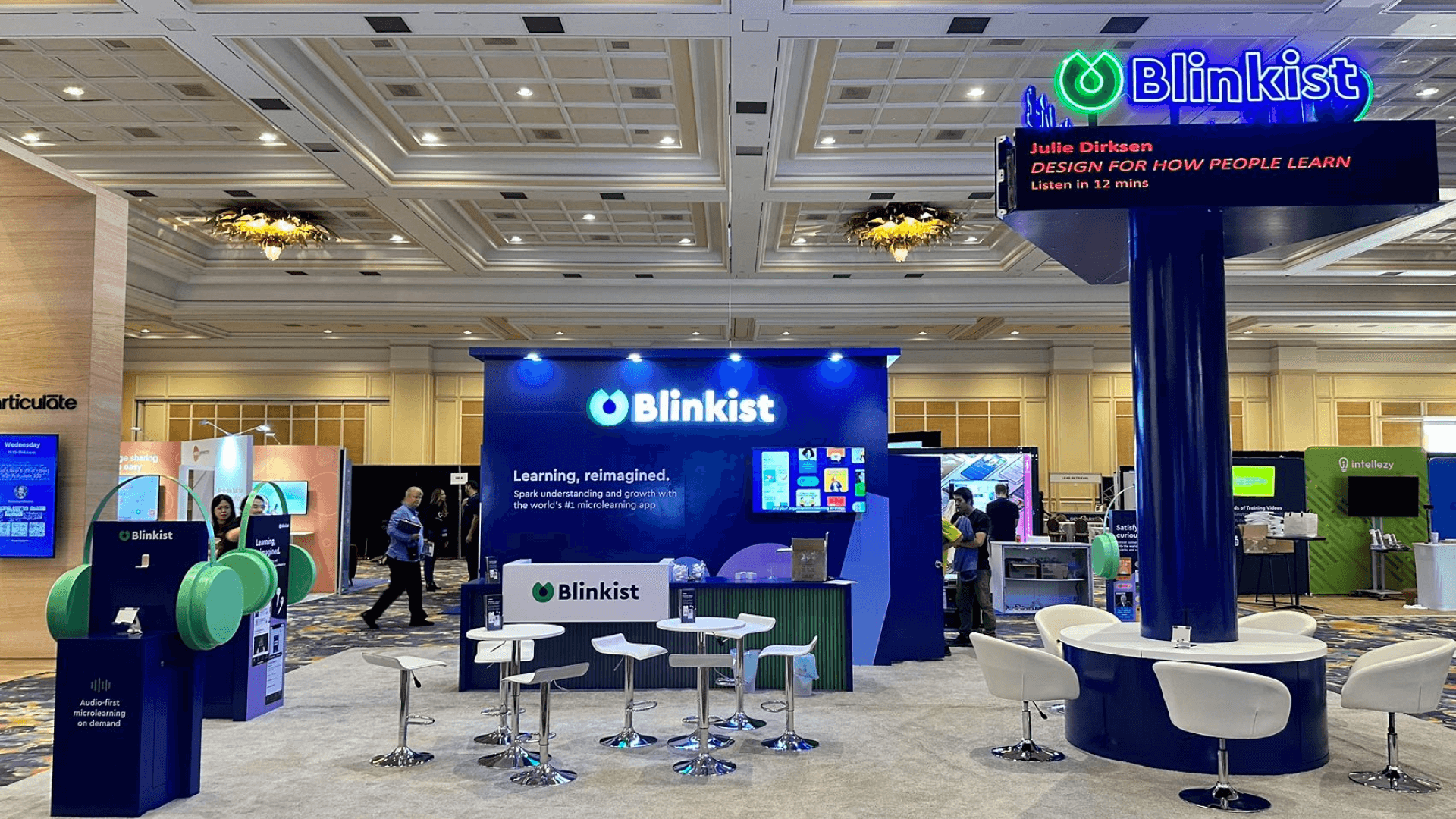
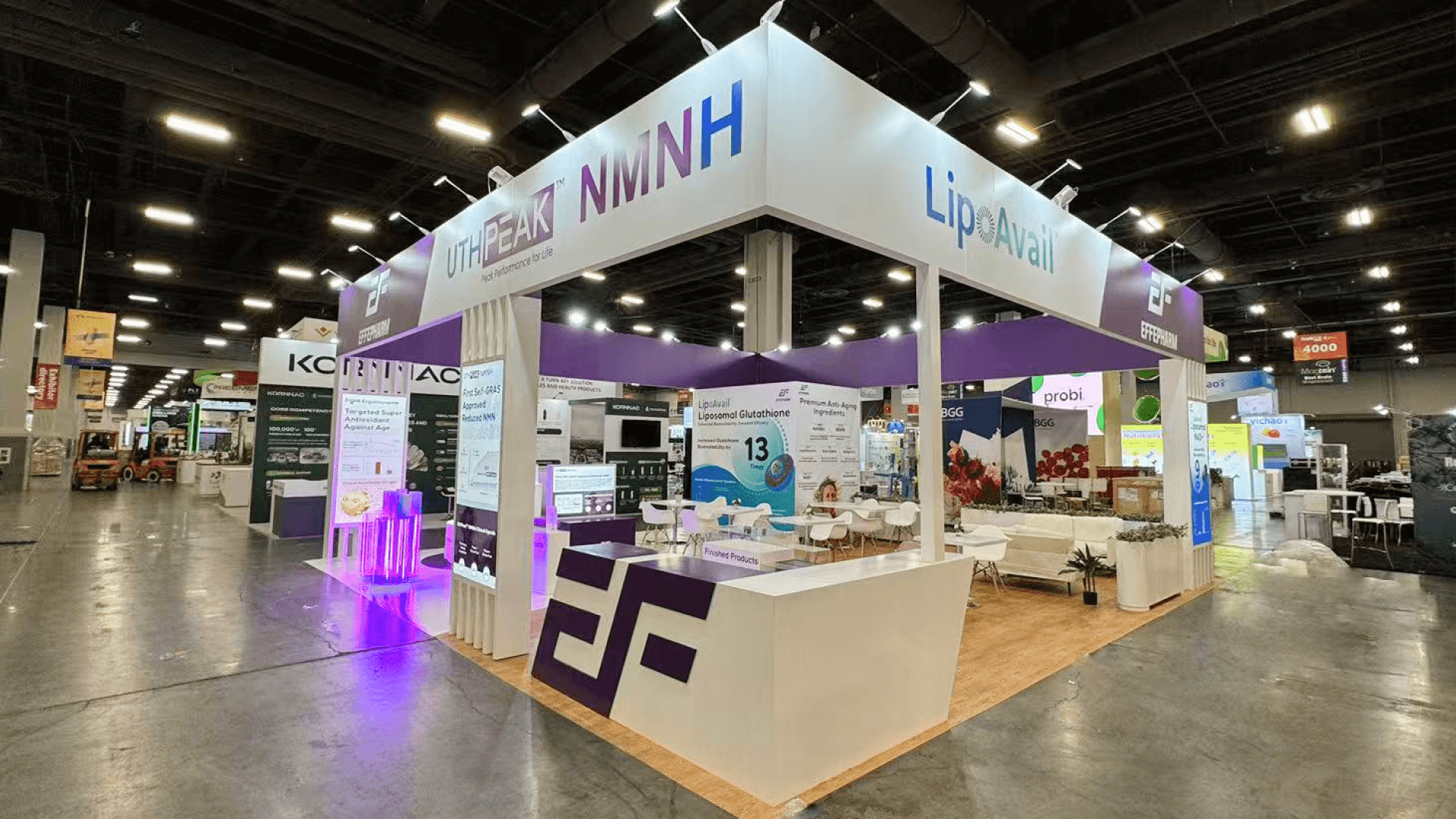
For exhibitors preparing an LMA Annual Conference booth, trade show booth builder support can help connect booth design, branded graphics, demo flow, fabrication, logistics, and show-site execution into one clear plan. Graphics and brand presentation support helps align legal marketing messaging, CRM visuals, service positioning, and branded booth surfaces, while a 20x20 booth planning approach can support a focused product demo, staff conversation area, and meeting point.
Why Exhibitors Choose Circle Exhibit
Clear scope, transparent quote review, nationwide booth support, and efficient setup planning for qualified rental and custom exhibit projects.
48hr
Setup Window
10+
Years Since 2014
U.S.
Trade Show Support
Real
Booth Project Proof
LMA exhibitors usually choose booth size based on how many demo screens, staff roles, meeting points, lead capture stations, branded surfaces, and storage needs they have. A 10x10 booth can work for one focused service or software story, while 10x20 gives more room for a screen-led demo and staff conversation; for exhibitors that need a stronger CRM demo, semi-private meeting area, multiple staff roles, or sponsor-style visibility, 20x20 and 20x30 booths can create a clearer separation between demo, conversation, storage, and visitor flow.
A 10x10 booth can work for one focused legal marketing service, consulting offer, or software message. It should keep the layout simple with one strong graphic message, one counter, clear lead capture, and a staff-guided conversation path.
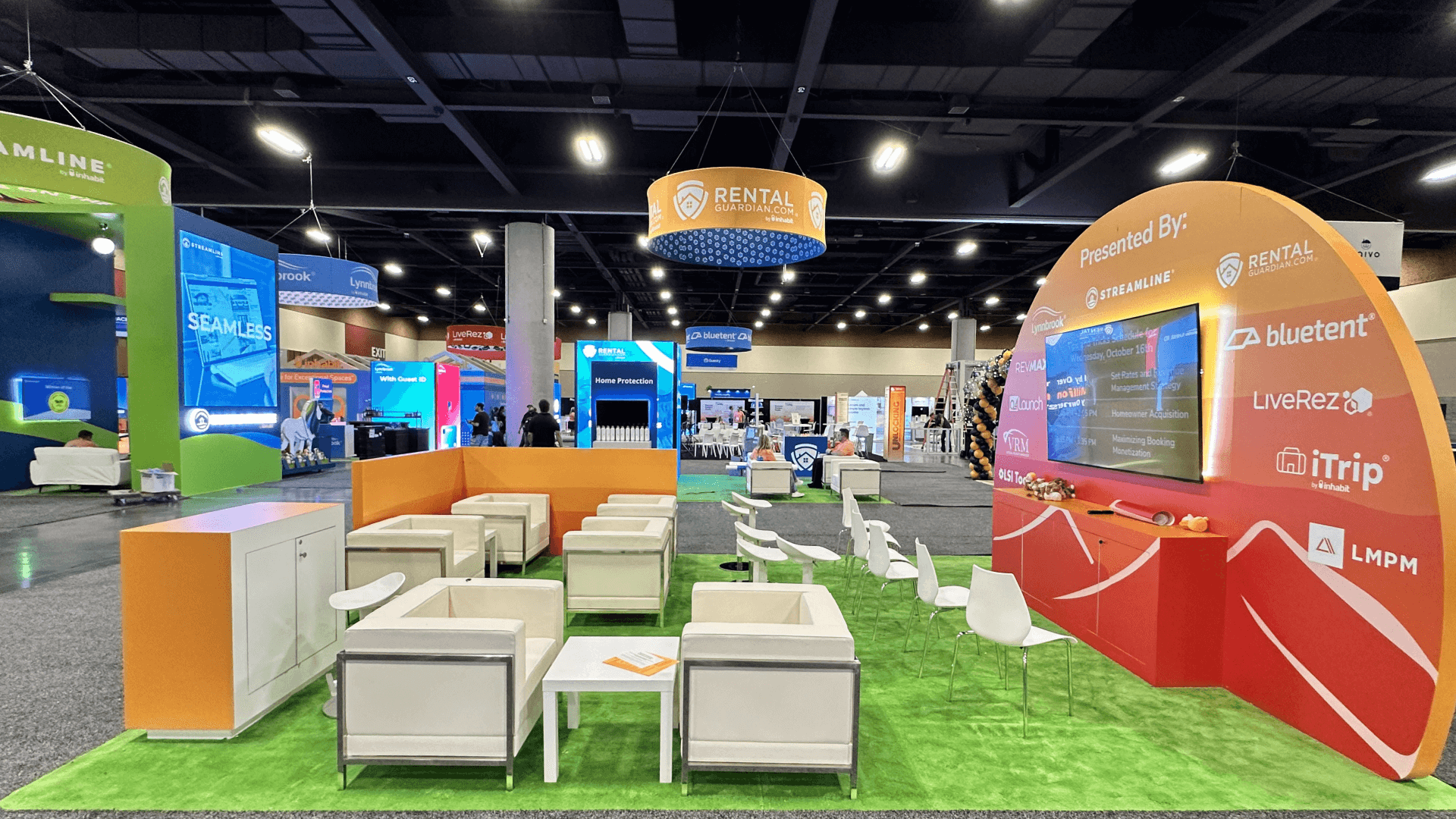
A 20x20 booth gives legal marketing exhibitors more room for software demos, branded messaging, staff movement, storage, and a small meeting point. This size can work well for CRM platforms, proposal tools, client intelligence products, and professional services providers.
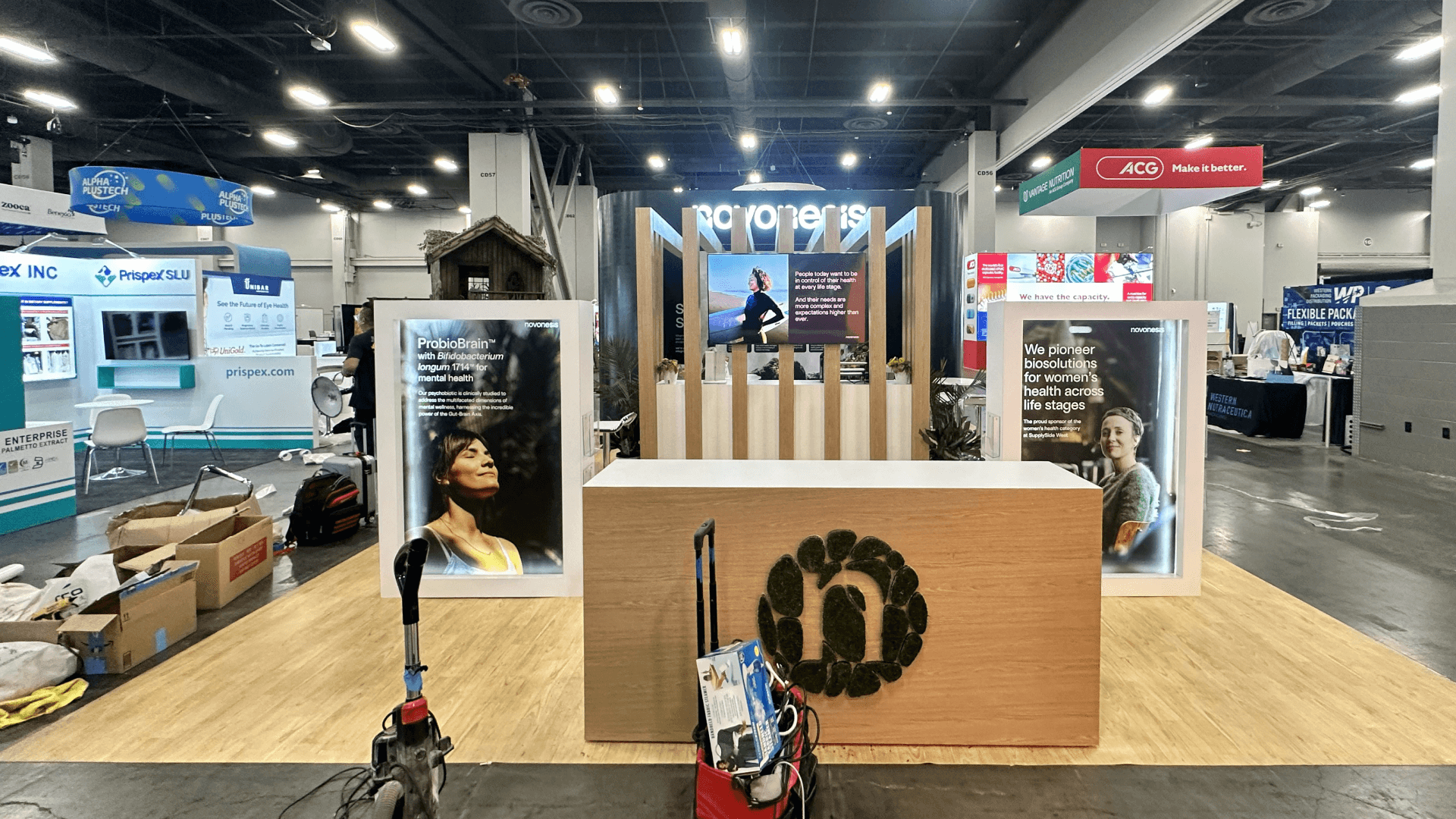
A 10x20 booth can support a screen-led legal tech or CRM demo, branded graphics, a counter, storage, and a clearer staff conversation area. It is useful when exhibitors need more room than a compact 10x10 but do not need a larger meeting-heavy layout.
A 20x30 booth can support stronger sponsor visibility, multiple staff roles, screen-led product explanation, lead qualification, meeting space, and storage. It is better for exhibitors with a broader legal tech platform or larger business development story.
Use these LMA booth planning resources to compare legal tech demo layouts, booth size decisions, messaging, and show-site execution before finalizing an exhibit. Review graphics and brand presentation support for legal marketing messaging and software visuals, compare 20x20 booth planning for focused demo layouts, use 20x30 booth planning for stronger meeting and sponsor visibility, and prepare setup with on-site installation and dismantle support.
LMA Annual Conference booths should be planned around how attendees understand the exhibitor category, watch a legal tech or CRM demo, compare service value, speak with staff, and move into a qualified conversation. Many exhibitors need screen placement, branded graphics, workflow messaging, product labels, lead capture points, meeting space, storage, counters, lighting, and staff positions that support professional conversations with law firm marketers and business development teams. The booth should feel clear and polished without becoming a dense software feature list or generic sponsor table.
Legal tech and CRM demos should be easy to understand from the booth. Screen content, counter placement, staff positions, and product labels should help attendees understand the workflow before the conversation becomes too detailed.
Many LMA exhibitors speak to law firm growth, client relationships, proposal strategy, content visibility, or firm positioning. Booth messaging should explain the business development value quickly instead of relying only on product features.
The booth should help staff move attendees from a quick introduction into the right conversation. Lead capture, meeting space, demo counters, and staff roles should be planned so qualified conversations do not block the aisle.
LMA exhibitors often compete on trust, expertise, and credibility. Graphics, booth structure, lighting, counters, and staff presentation should create a polished professional services environment that matches the legal industry audience.
LMA Annual Conference is a legal marketing and business development event where exhibitors can meet law firm marketers, business development teams, legal technology buyers, consultants, service providers, and professional services decision-makers.
This page focuses on LMA booth planning, including legal tech demos, legal CRM software displays, business development messaging, meeting space, lead qualification, branded graphics, screen placement, storage, and show-site setup.
10x10, 10x20, 20x20, and 20x30 booths are practical planning sizes for LMA exhibitors. Smaller booths can support focused service stories, while 20x20 and 20x30 booths give more room for software demos, meetings, and stronger sponsor visibility.
Not Sure Which Booth Size You Need?
Not every exhibitor knows whether a 10x20, 20x20, 20x30, or larger booth is the right fit. Circle Exhibit can help review your event goals, product display needs, demo areas, meeting space, storage, budget scope, and setup timeline before you choose a booth size.
Balancing Demo Screens and Conversations
Building Trust with a Legal Audience
1
Define the Legal Marketing Story
2
3
4
Rental Booth for Focused Legal Tech Demos
A rental booth in Las Vegas can support branded graphics, demo counters, screen placement, lighting, storage, and a professional booth structure. It works best when the LMA booth has a focused service or software story and needs to be reused across similar professional events.
Custom Build for Stronger Sponsor Visibility
A Las Vegas trade show booth builder may be a better fit when the booth requires custom counters, larger branded surfaces, integrated screens, semi-private meetings, sponsor visibility, or a layout that needs more control than a standard rental system.
Hybrid Structure for Professional Services Flexibility
Some LMA exhibitors use a hybrid approach with rental structure, custom graphics, demo counters, meeting points, and show-specific layout planning. This can balance cost, speed, credibility, and presentation quality while keeping the legal marketing message clear.
LMA exhibitors should review booth structure, branded graphics, screen placement, counters, storage, power access, and setup timing before show site. Software and service booths can still underperform if AV checks and messaging are rushed.
At Hyatt Regency New Orleans, exhibitors should review how attendees see the message from the aisle, stop at the demo, speak with staff, and move into a meeting or follow-up path. The booth should support professional conversations without blocking traffic.
A Las Vegas trade show booth rental can work for focused LMA exhibits that need branded graphics, counters, screens, lighting, and professional structure. A custom build may be better for stronger sponsor visibility, larger meeting spaces, custom demo counters, or a more controlled software presentation environment.
Before the booth is accepted, exhibitors should check screen visibility, graphic alignment, lighting, counter placement, storage access, meeting flow, and staff movement from the aisle. The booth should look credible and easy to approach from the attendee perspective.
For broader LMA booth planning, exhibitors can use graphics and brand presentation support for legal marketing messaging and CRM visuals, compare 20x20 booth planning for focused software demos, review 20x30 booth planning for stronger meeting and sponsor visibility, and prepare setup with on-site installation and dismantle support.
Need a booth rental for LMA Annual Conference?
A rental booth can support LMA exhibitors with branded graphics, legal tech demo screens, CRM workflow messaging, counters, lighting, storage, meeting space, and show-site setup support. It can be a practical option for legal marketing vendors that need a professional exhibit without building a fully custom structure.
What is LMA Annual Conference booth planning?
LMA Annual Conference booth planning focuses on creating a professional exhibit for legal marketing, legal technology, CRM, business development, consulting, and professional services exhibitors. The booth should support clear messaging, screen-led demos, meeting space, lead qualification, branded graphics, and show-site setup.
What booth size works best for LMA exhibitors?
How should legal tech products be displayed at LMA?
Should an LMA booth be rental or custom built?
What should exhibitors prepare before approving an LMA booth design?
READY TO PLAN YOUR NEXT BOOTH?
Let’s Build a Booth That Fits Your Event
Share your event name, booth size, city, timeline, product display needs, and design references. Circle Exhibit will review your project direction and help you choose a rental-friendly or custom exhibit path.
3000+
Booth Projects Supported
50+
U.S. Event Cities
Transparent
Quote Review
Plan legal marketing messaging, CRM visuals, service positioning, software screenshots, branded booth surfaces, and professional graphics before final production.
Use the 20x20 booth planning page to evaluate focused legal tech demos, screen placement, storage, staff movement, and meeting space.
Compare 20x30 layouts for exhibitors that need stronger sponsor visibility, software demo areas, meeting space, storage, and staff flow.
Plan booth setup sequence, AV checks, graphic alignment, final booth review, and dismantle responsibilities before show-site handoff.
Connect LMA booth planning with design, fabrication, graphics, logistics, installation, and show-site execution.