Licensing Expo IP Portfolio Booth Planning



How should multiple IPs be organized in one Licensing Expo booth?
Licensing Expo IP portfolio booth planning starts by mapping the property lineup. Give each priority IP a visible position, relevant licensing categories, useful product proof, a responsible representative, and a meeting location. Compact booths can rely on disciplined graphic hierarchy. Physical zones become useful when the number of properties, staff teams, or simultaneous appointments makes a shared display difficult to navigate.
A multi-IP exhibit should not give every property the same visual weight. Buyers need to understand which brands or characters matter most, what categories they support, and who is responsible for the next conversation.
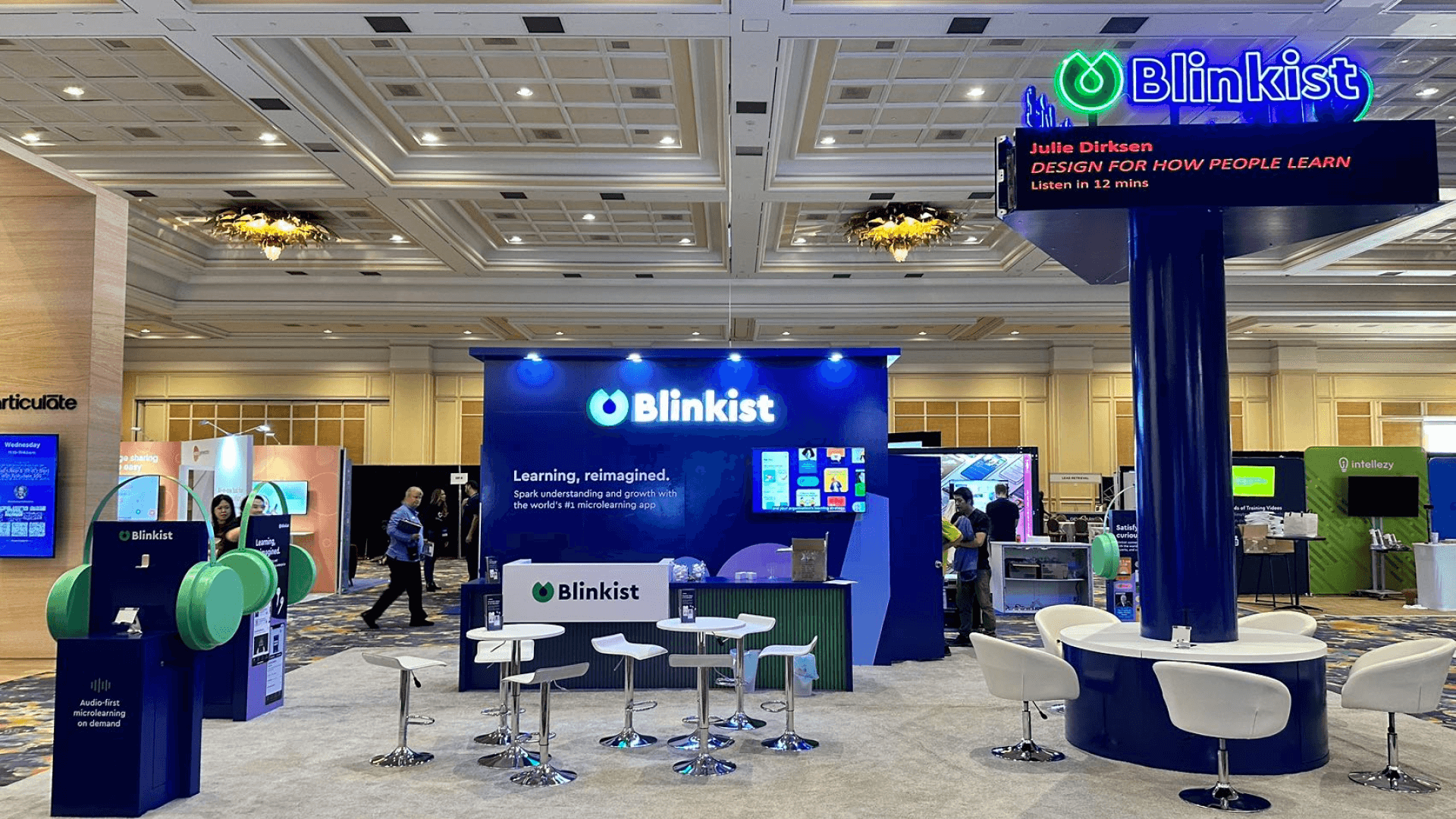
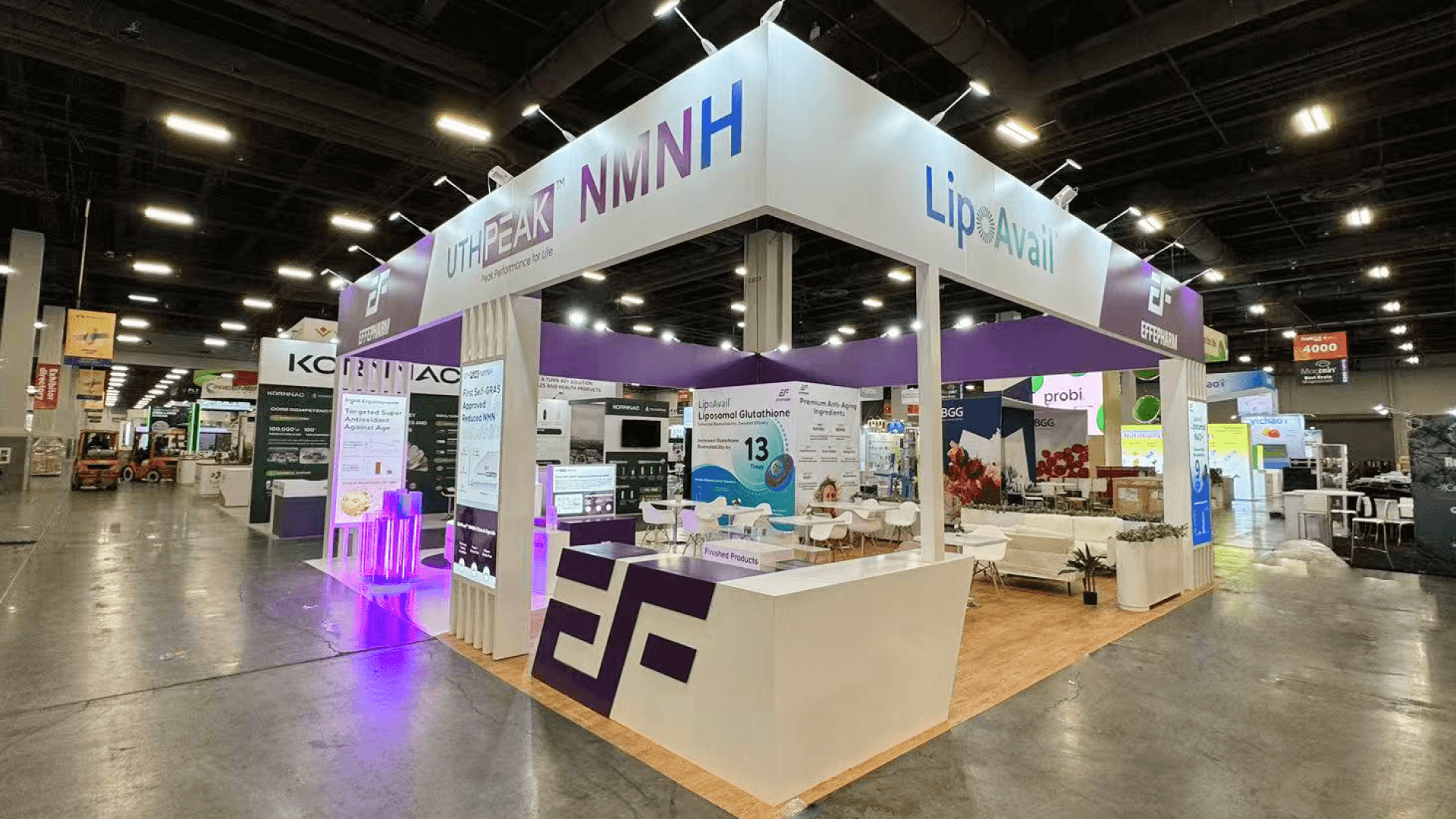
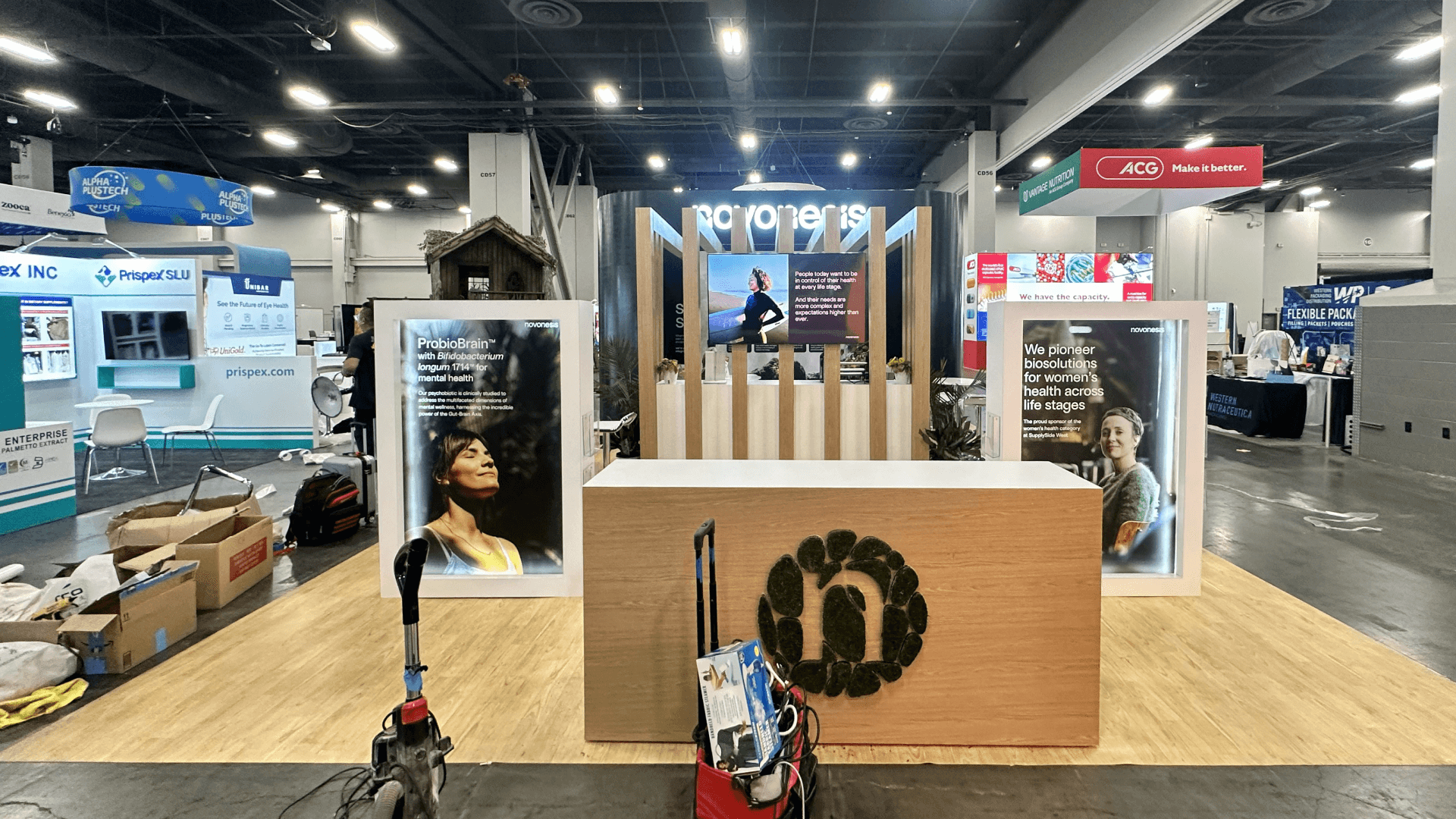
A curated lineup can fit within a 10x20 or 20x20 through disciplined graphics and one shared meeting point. A 20x30 gives recognizable property groups more room. A 30x40 or larger layout becomes useful when several representatives and private licensing meetings must operate in parallel.
Begin with the broader Licensing Expo booth planning priorities, then match final graphics, presentation materials, staff assignments, and meeting locations before installation at Mandalay Bay Convention Center.
Why Exhibitors Choose Circle Exhibit
Clear scope, transparent quote review, nationwide booth support, and efficient setup planning for qualified rental and custom exhibit projects.
48hr
Setup Window
10+
Years Since 2014
U.S.
Trade Show Support
Real
Booth Project Proof
Count the properties that need independent recognition and the conversations that must happen at the same time. Company size and brand fame do not determine the footprint on their own.
A small group of priority properties can share one graphic hierarchy, a central reception point, and compact buyer seating.
Several recognizable zones can sit alongside different representatives and a more protected space for scheduled meetings.
The added width supports a stronger master identity, selected IP groups, product evidence, storage, and one defined meeting point.
A larger layout is justified when property groups, staff teams, product programs, and appointments must stay distinct at the same time.
When product displays, photo activities, and appointments compete for space, balancing merchandise, engagement, and buyer meetings starts with choosing what leads. That decision shapes visitor routes, staff handoffs, and scheduled-buyer access before the final layout is developed.
After opening, booth traffic and dwell-time analysis helps distinguish useful engagement from waiting and congestion, and shows whether participation progresses to staff contact, qualified conversations, and completed meetings.
The display should move from the lead identity to the relevant property, licensing opportunity, representative, and meeting without asking buyers to decode the structure.
Establish the company, studio, agency, or parent brand before introducing individual properties and characters.
Use spacing, color, graphics, or structure to distinguish priority IPs without fragmenting the entire exhibit.
Show which products, collaborations, or market directions belong to each priority property.
Connect each property zone to the representative, presentation material, or private meeting location responsible for it.
Studios, agents, licensors, and entertainment groups may represent several properties with different priorities and buyer audiences.
A buyer may care about only one property, territory, product category, or collaboration within a much larger portfolio.
Portfolio teams often need the exhibit to support discovery on the aisle and planned conversations with specific representatives.
Not Sure Which Booth Size You Need?
Not every exhibitor knows whether a 10x20, 20x20, 20x30, or larger booth is the right fit. Circle Exhibit can help review your event goals, product display needs, demo areas, meeting space, storage, budget scope, and setup timeline before you choose a booth size.
Categories Are Detached From Properties
The Booth Fragments Into Mini Displays
1
Rank the IP Lineup
2
3
4
Rental for a Curated Portfolio
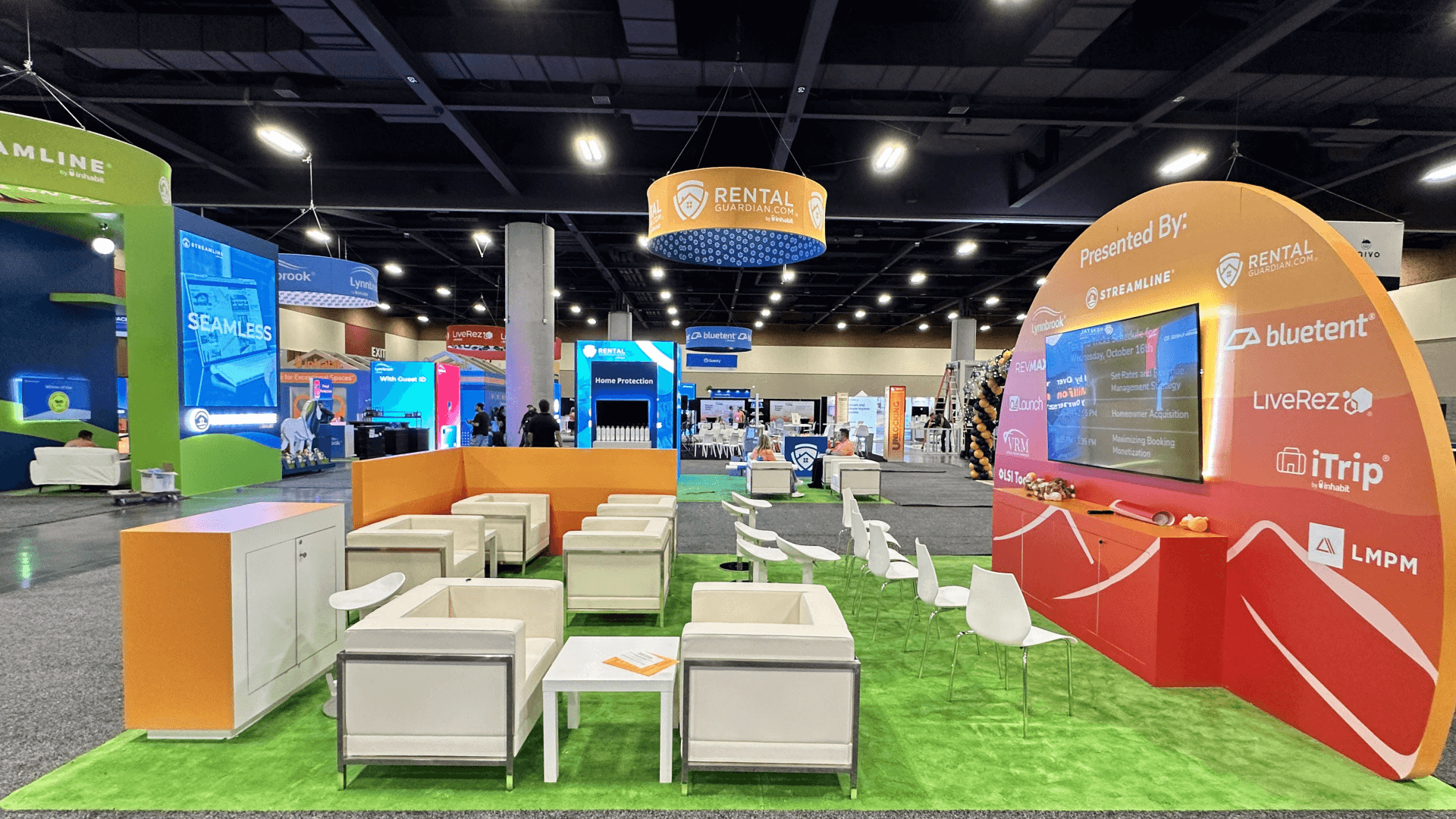
A rental structure can support a strong master identity, disciplined property graphics, selected product proof, storage, and one meeting point. Explore Las Vegas booth rental options when the lineup is selective and appointments are limited.
Hybrid for Distinct Brand Moments
Use a reusable structure, then add custom fixtures, lighting, or graphic treatments where selected IPs need stronger recognition without turning every property into a separate booth. This keeps the master system consistent while giving priority properties controlled emphasis.
Custom for Parallel Portfolio Operations
A fully custom plan becomes useful when several brand zones, staff teams, presentations, and private licensing meetings must operate independently throughout the day. The additional structure should protect routing, privacy, and simultaneous work rather than simply increase visual scale.
Confirm that aisle approaches, graphics, counters, screens, and meeting access still express the intended property hierarchy.
Stage approved logos, character art, product images, labels, and screen files by zone so late updates do not enter the wrong presentation.
Check sightlines, sound spill, seating, screens, connectivity, and presentation materials for each private licensing meeting area.
Walk through how reception routes a buyer to the right property representative when meetings start, end, or overlap.
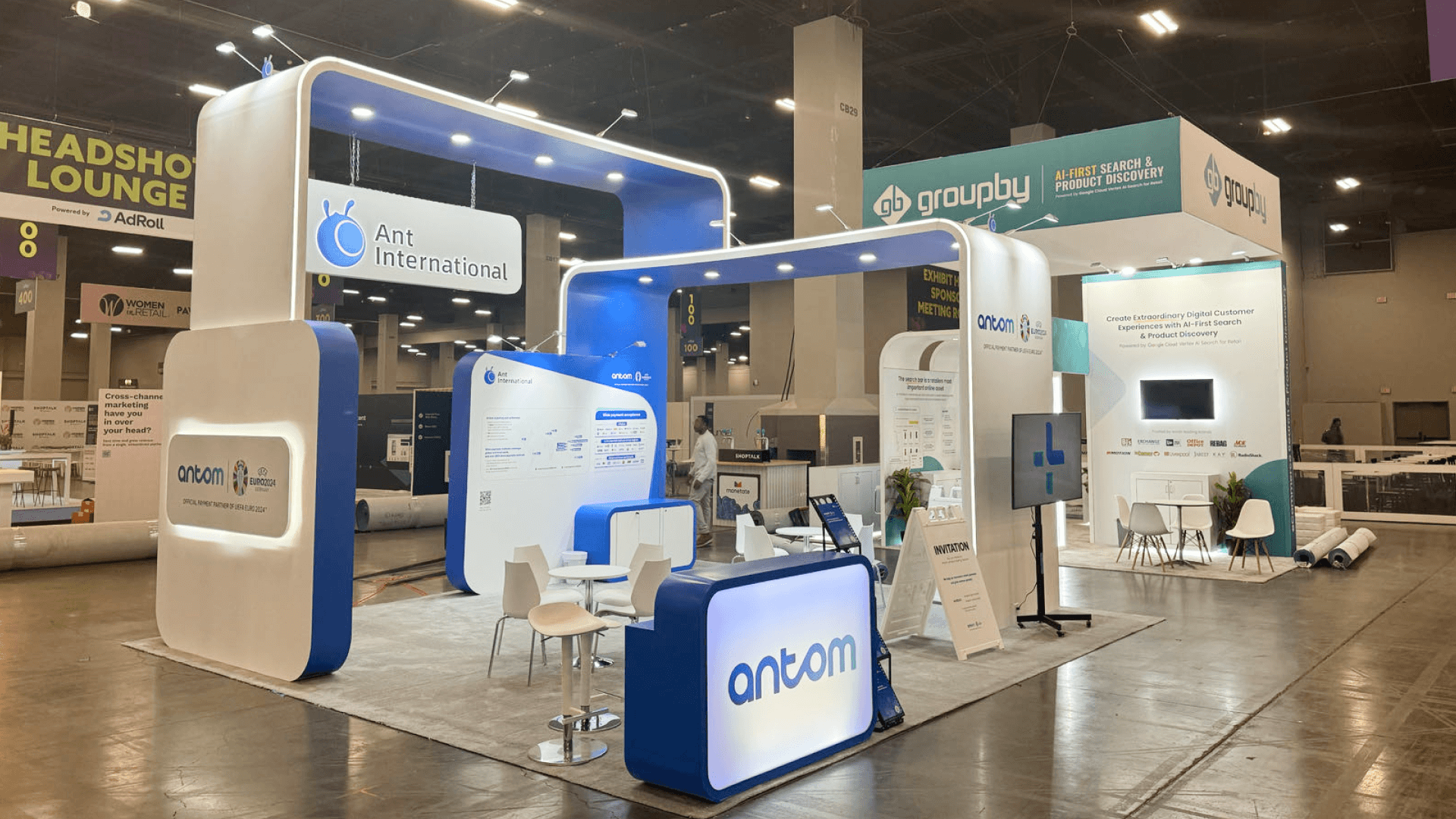
Build the visual hierarchy through graphics and brand presentation, then compare 20x20, 20x30, and 30x40 rental layouts against the number of property zones and private meetings that must run at once.
Need a Rental Structure for a Multi-IP Portfolio?
A configurable rental can organize a curated IP lineup through disciplined graphics, shared reception, selected proof, storage, and one meeting point. Add custom brand moments or enclosed meeting elements only where portfolio hierarchy, privacy, or parallel appointments make them necessary.
Should every IP receive its own physical zone?
No. Use physical zones for priority properties that need independent recognition, dedicated proof, or a separate representative. Supporting IPs can share a controlled graphic system.
How should licensing categories appear in a multi-IP booth?
When are private licensing meetings necessary?
Can a 20x20 booth support multiple IPs?
How should late artwork changes be handled?
READY TO PLAN YOUR NEXT BOOTH?
Let’s Build a Booth That Fits Your Event
Share your event name, booth size, city, timeline, product display needs, and design references. Circle Exhibit will review your project direction and help you choose a rental-friendly or custom exhibit path.
3000+
Booth Projects Supported
50+
U.S. Event Cities
Transparent
Quote Review
Develop the master hierarchy, asset system, zone labels, and screen content used across the portfolio.
Compare compact concepts for disciplined graphics, shared reception, storage, and one meeting point.
Review layouts that can support several brand zones, representatives, and more defined meetings.
See larger footprints for parallel property groups, staff teams, and scheduled conversations.
Compare 20x30 concepts that can support several recognizable zones, staff handoffs, storage, and a more protected meeting area. Treat them as footprint references, not Licensing Expo case studies.