Licensing Expo Las Vegas Booth Planning



How should exhibitors plan a Licensing Expo Las Vegas booth?
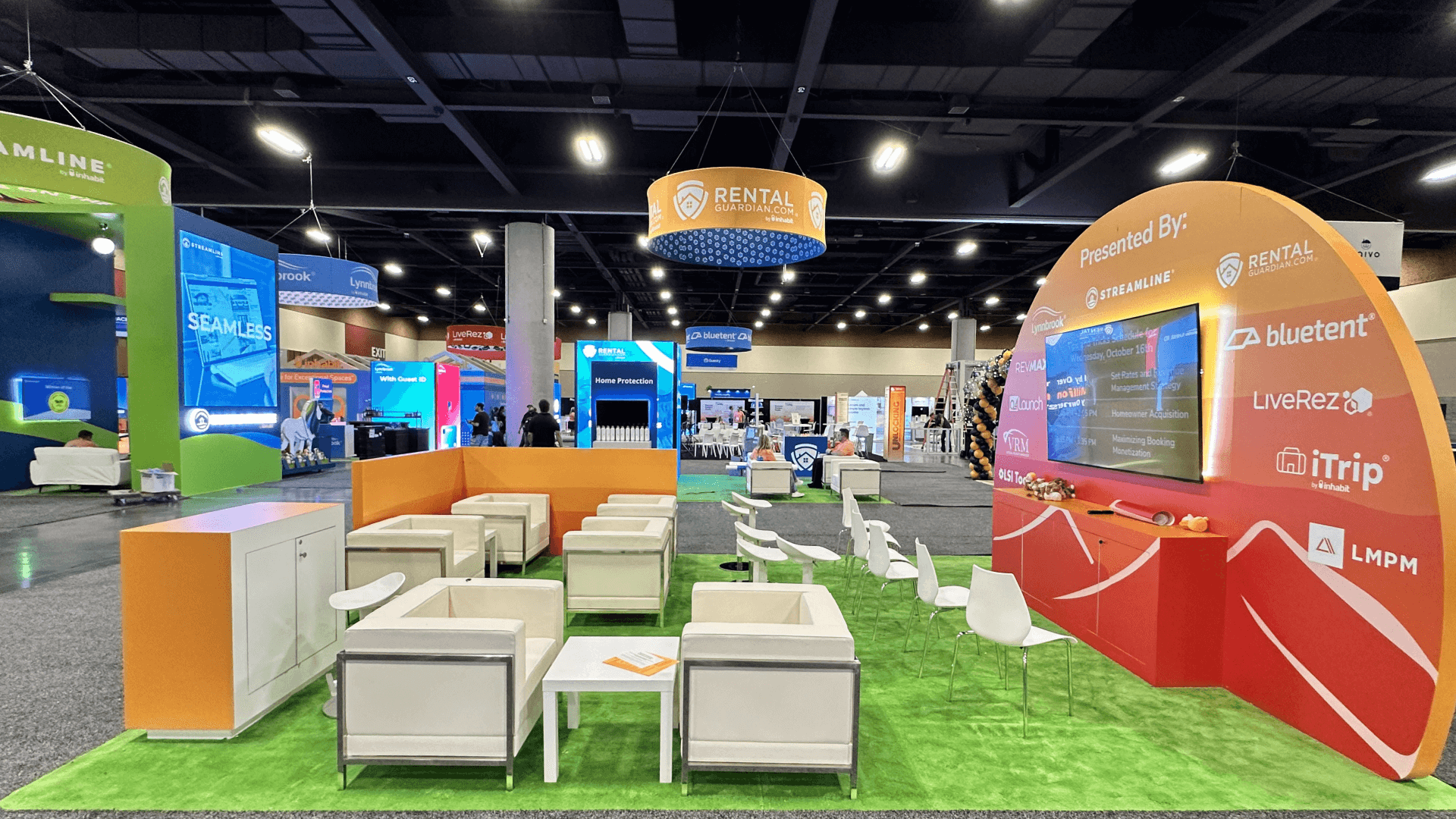
A Licensing Expo Las Vegas booth should support brand licensing conversations, character IP displays, retail product samples, meeting areas, graphics, and buyer presentations. Exhibitors often need a 10x20 or 20x20 layout that keeps product categories clear while giving licensors, licensees, and retail buyers space to review partnership opportunities.
Licensing Expo Las Vegas is a major licensing trade show where brand owners, character IP companies, manufacturers, and retail partners meet to discuss licensing opportunities and product collaborations.
Licensing Expo Las Vegas brings brand owners, agents, licensees, manufacturers, retailers, and consumer goods companies to Mandalay Bay Convention Center. The show is built around brand licensing, IP partnerships, character properties, entertainment brands, corporate brands, and product extensions. For exhibitors, working with a Las Vegas trade show booth builder helps turn licensing stories into a clear booth structure for meetings, product samples, and buyer conversations.
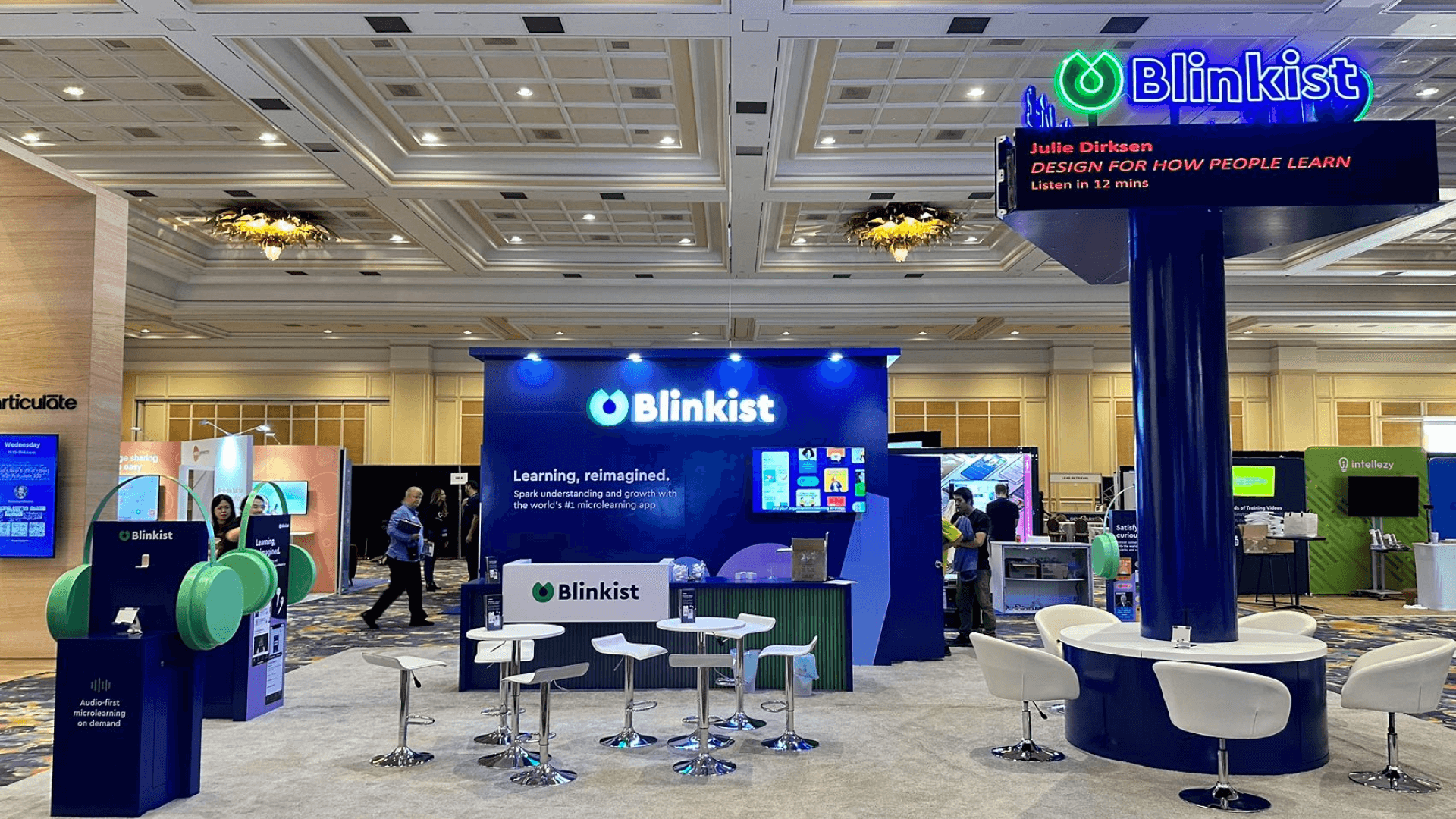
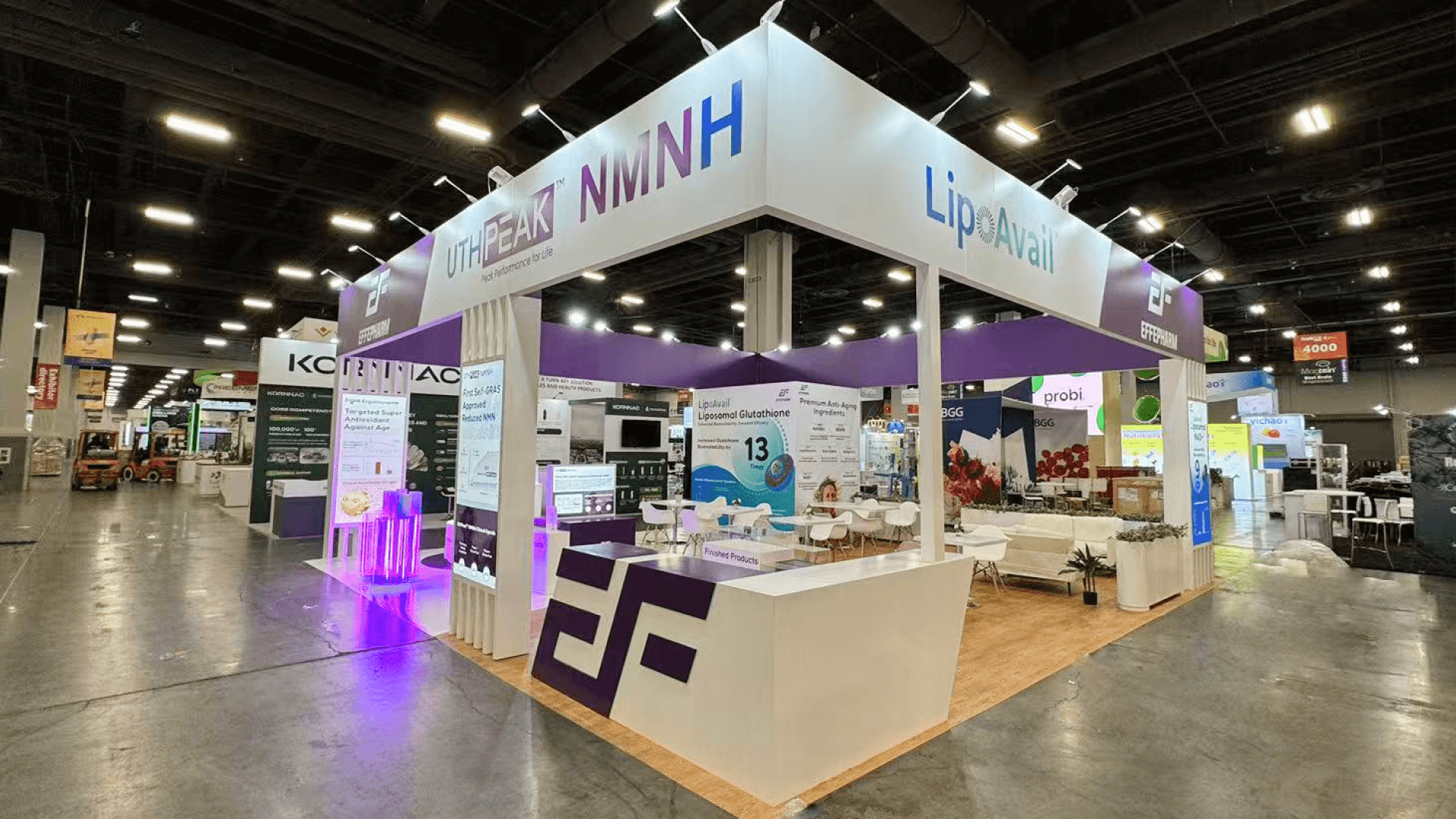
Many exhibitors need a layout that balances private discussions with open brand discovery. A 20x20 trade show booth can support reception, product display, graphics, demo counters, and semi-private meeting space without making the booth feel closed.
Because licensing decisions depend on fast recognition and trust, graphics and brand presentation should make brand assets, character visuals, category rights, and consumer goods applications easy to understand from the aisle.
Why Exhibitors Choose Circle Exhibit
Clear scope, transparent quote review, nationwide booth support, and efficient setup planning for qualified rental and custom exhibit projects.
48hr
Setup Window
10+
Years Since 2014
U.S.
Trade Show Support
Real
Booth Project Proof
Licensing Expo exhibitors should choose booth size based on brand portfolio depth, product sample volume, meeting needs, visual IP usage, storage, and how buyers move from open brand discovery into licensing conversations. The booth should make character properties, consumer product categories, and partnership opportunities easy to understand without crowding the show floor.
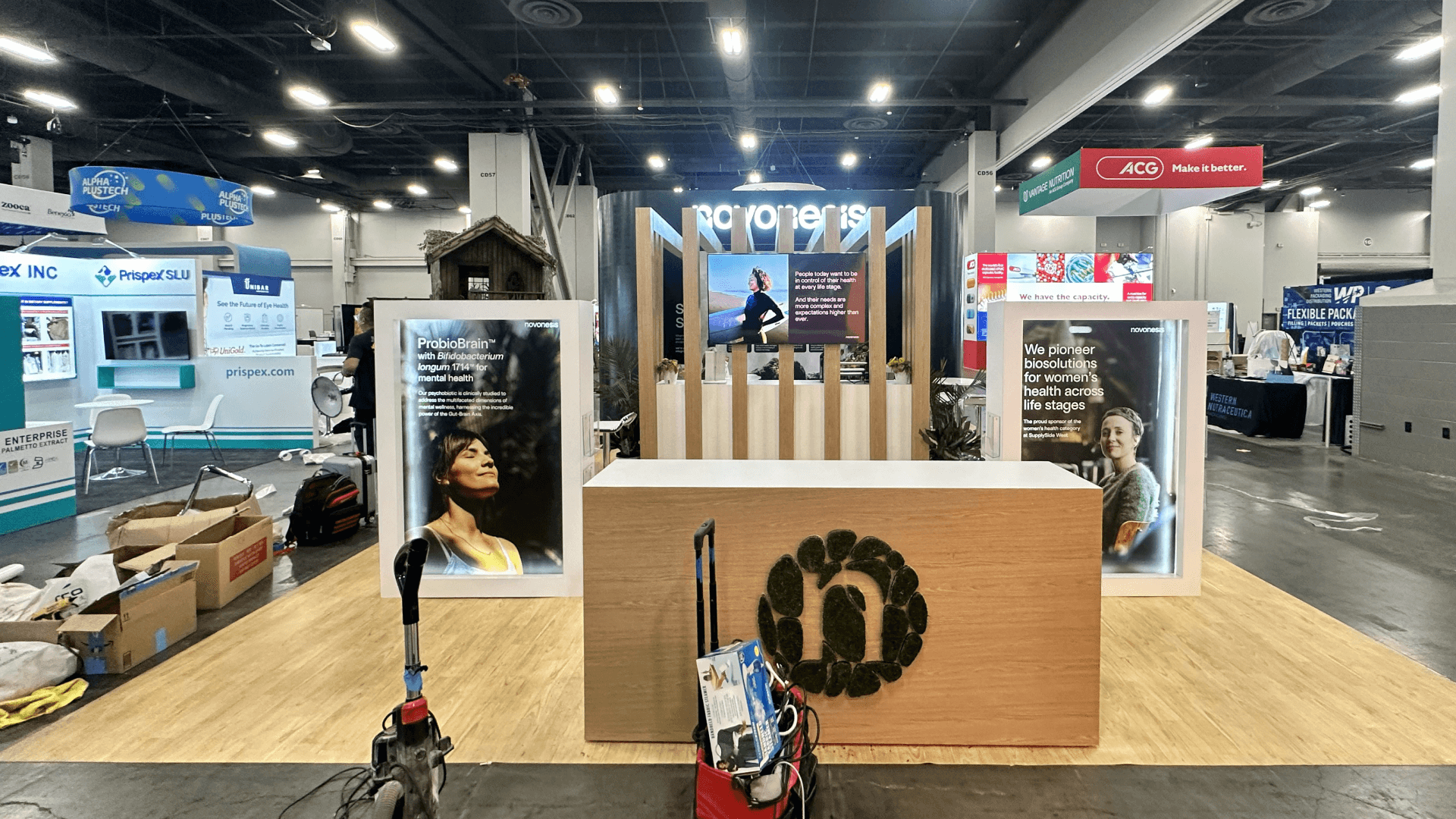
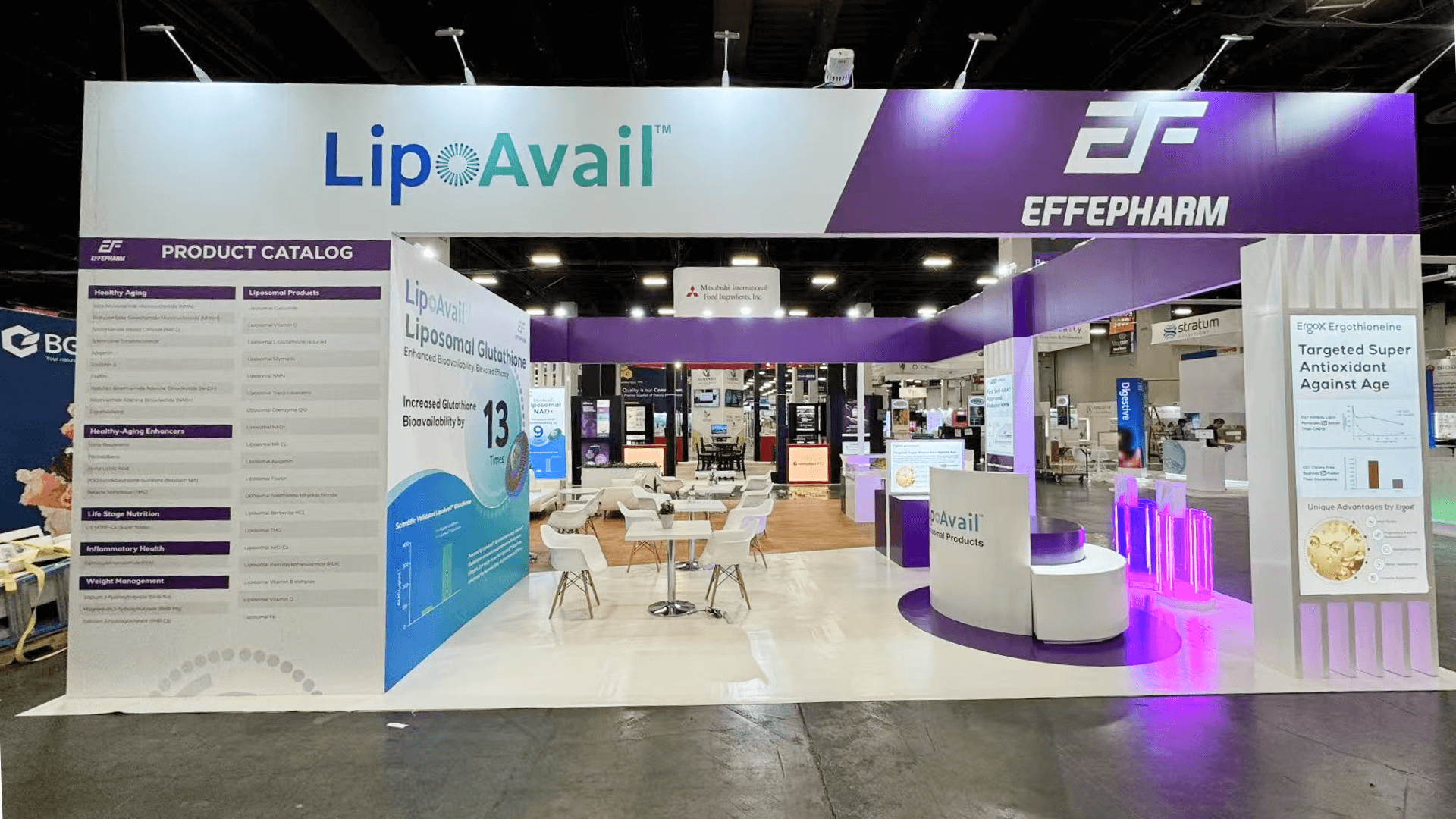
A 10x20 booth can work for focused licensors, agents, or consumer product companies with one core brand story, a branded backwall, product samples, and one compact buyer conversation point. This layout should stay clear so character visuals, sample products, and staff interaction do not compete for attention.
A 20x30 booth planning direction is stronger when exhibitors need multiple product categories, larger graphics, private meeting areas, retail mockups, or separate zones for brand discovery and licensing discussions. This size helps move visitors from recognition into a more focused business conversation.
A 20x20 booth planning approach gives Licensing Expo exhibitors enough room for brand graphics, product samples, reception, storage, and semi-private buyer conversations. It works well for exhibitors that need open brand discovery while still giving licensors, licensees, retailers, and manufacturers a place to discuss partnership fit.
Larger island booths are useful for exhibitors with several IP properties, entertainment brands, product extensions, retail partners, or appointment-heavy schedules. These layouts should plan meeting rooms, product displays, storage, graphics hierarchy, AV, staff zones, and final brand checks before production.
Licensing Expo booth planning is usually tied to booth size, brand visibility, product sample display, private meetings, graphics control, rental structure choices, freight timing, and Mandalay Bay setup. Exhibitors can use supporting articles to compare layout and execution decisions before finalizing production.
For layout decisions, booth size and visitor flow planning explains how 10x20, 20x20, 20x30, and larger booths affect product viewing, meeting areas, storage, staff handoff, and aisle movement. This is useful for licensing exhibitors because open brand discovery and private buyer conversations often need to happen in the same footprint.
For brand-heavy displays, trade show booth graphics planning can help exhibitors think through image hierarchy, backwall visuals, product labels, screen content, and how buyers read the booth from the aisle.
For exhibitors comparing flexible structures with deeper custom work, modular exhibit systems and customizable rental booths can help explain how reusable booth systems, branded graphics, counters, storage, and installation planning fit together.
Licensing Expo booth planning should help brand owners, agents, licensees, manufacturers, and retail buyers understand the licensing opportunity quickly. Exhibitors often need to show brand value, character assets, product categories, retail applications, packaging ideas, and partnership potential while keeping serious meetings controlled and professional.
Entertainment brands, character properties, corporate brands, and lifestyle IP need fast recognition from the aisle. Graphics, headers, product examples, and booth layout should make the brand category and licensing opportunity easy to understand before a meeting begins.
Licensed products may include toys, apparel, packaging, home goods, accessories, food concepts, or lifestyle merchandise. Sample displays should be grouped by category so buyers can see how the IP extends into real retail applications.
Licensing discussions often involve rights, territories, categories, pricing, approvals, and long-term partnerships. A semi-private meeting area, side counter, or controlled seating zone helps exhibitors continue serious conversations without exposing every discussion to aisle traffic.
Licensed visuals need clean hierarchy and approved usage. Booth graphics, character artwork, logos, product labels, screen content, and printed materials should be checked together so the booth protects brand value and avoids a fragmented visual presentation.
Licensing Expo connects brand owners, agents, licensees, retailers, and consumer goods companies looking for new licensing partnerships.
Licensing Expo 2026 is scheduled for May 19–21, 2026 at Mandalay Bay Convention Center in Las Vegas.
The show has served the licensing industry for more than 40 years, with a focus on brand extension, IP rights, and product partnerships.
Not Sure Which Booth Size You Need?
Not every exhibitor knows whether a 10x20, 20x20, 20x30, or larger booth is the right fit. Circle Exhibit can help review your event goals, product display needs, demo areas, meeting space, storage, budget scope, and setup timeline before you choose a booth size.
Meetings compete with open traffic
Consumer goods need real display logic
1
Define the licensing story first
2
3
4
Rental works for focused brand presentations
A customizable booth rental in Las Vegas can work well for Licensing Expo exhibitors with a focused brand story, branded backwall, product sample counters, meeting point, storage, and clean aisle flow. It is especially practical for 10x20 and 20x20 booths that need a professional licensing presentation without a fully custom structure.
Custom build helps with deeper IP storytelling
A custom booth build is better when the exhibitor needs private meeting rooms, larger product displays, immersive brand environments, elevated signage, integrated AV, or multi-show reuse. Licensing Expo brands with several properties or appointment-heavy schedules should work with a Las Vegas trade show booth builder when structure and setup details become more complex.
Choose based on brand flow and meetings
The best option depends on booth size, IP portfolio, product samples, meeting schedule, graphics, storage, AV, freight timing, and Mandalay Bay installation sequence. Exhibitors should decide after mapping the path from brand recognition to product review and then into qualified licensing conversations.
Licensing Expo booths often include meeting furniture, graphics, product samples, and AV. These elements need a clear dock-to-booth sequence during move-in.
Semi-private spaces, storage, and seating should be planned before fabrication so the booth supports serious licensing conversations without blocking traffic.
Before the show opens, review graphics, logos, character images, product samples, and lighting to make sure the booth reflects approved brand standards.
Before the show opens, exhibitors should review graphics alignment, product placement, meeting area setup, AV, storage access, staff paths, and lead capture tools. Small details can affect how licensors, licensees, and retailers read the brand presentation.
Customizable Booth Rental for Licensing Expo
For Licensing Expo exhibitors that need a polished brand licensing presentation without building every component from scratch, a customizable booth rental can support branded backwalls, product sample counters, meeting space, storage, AV, and clean visitor flow inside Mandalay Bay Convention Center. The rental plan should be confirmed around brand assets, character visuals, product categories, meeting needs, graphics, storage, and buyer conversation areas. The goal is a booth that helps licensors, licensees, retailers, and manufacturers understand the partnership opportunity clearly while keeping setup flexible for the show schedule.
What booth size works well for Licensing Expo Las Vegas?
Many exhibitors use 10x20 or 20x20 booths to combine brand graphics, product samples, meeting space, and storage for licensing conversations.
What should a Licensing Expo booth focus on?
How should exhibitors prepare for setup at Mandalay Bay?
READY TO PLAN YOUR NEXT BOOTH?
Let’s Build a Booth That Fits Your Event
Share your event name, booth size, city, timeline, product display needs, and design references. Circle Exhibit will review your project direction and help you choose a rental-friendly or custom exhibit path.
3000+
Booth Projects Supported
50+
U.S. Event Cities
Transparent
Quote Review
Review booth planning at Mandalay Bay for licensing displays, brand graphics, product mockups, private buyer meetings, storage, booth size, and show-site setup in Las Vegas.
Plan booth design, fabrication coordination, graphics, logistics, installation, and show-site setup for Licensing Expo and other Las Vegas trade shows.
Use a 20x20 layout for brand graphics, product samples, semi-private meetings, reception, storage, and controlled buyer flow.
Plan booth graphics, brand hierarchy, character visuals, product labels, backwall messaging, and aisle-facing presentation before production.
Coordinate booth installation, graphics placement, AV setup, product sample staging, meeting-area readiness, dismantle planning, and crate return after the show.