LDI Architectural Lighting Pavilion Booth Planning


What should exhibitors plan for an LDI Architectural Lighting Pavilion booth?
LDI Architectural Lighting Pavilion exhibitors should plan around fixture visibility, beam comparison, lighting control demos, application graphics, power access, cable routing, storage, and LVCC West Hall setup. The booth should help designers, architects, lighting buyers, and technical visitors understand how the product performs in real project environments.
The Architectural Lighting Pavilion at LDI gives lighting manufacturers and technology brands a focused place to connect with designers, architects, specifiers, and live event professionals. These visitors are not only looking at how a fixture looks. They want to understand beam quality, control behavior, application use, installation context, and how the product can support real venue, hospitality, entertainment, retail, or architectural environments.
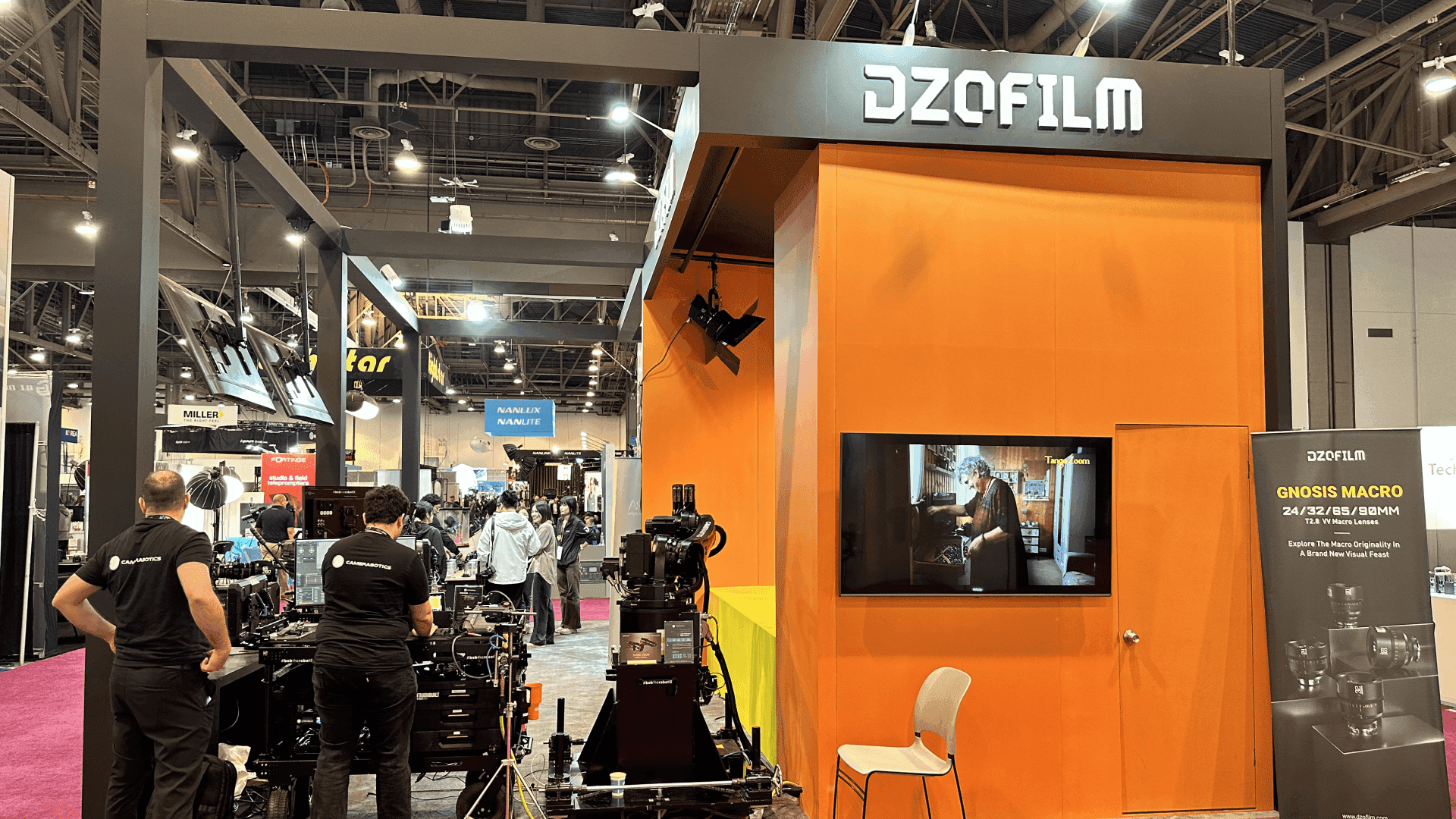
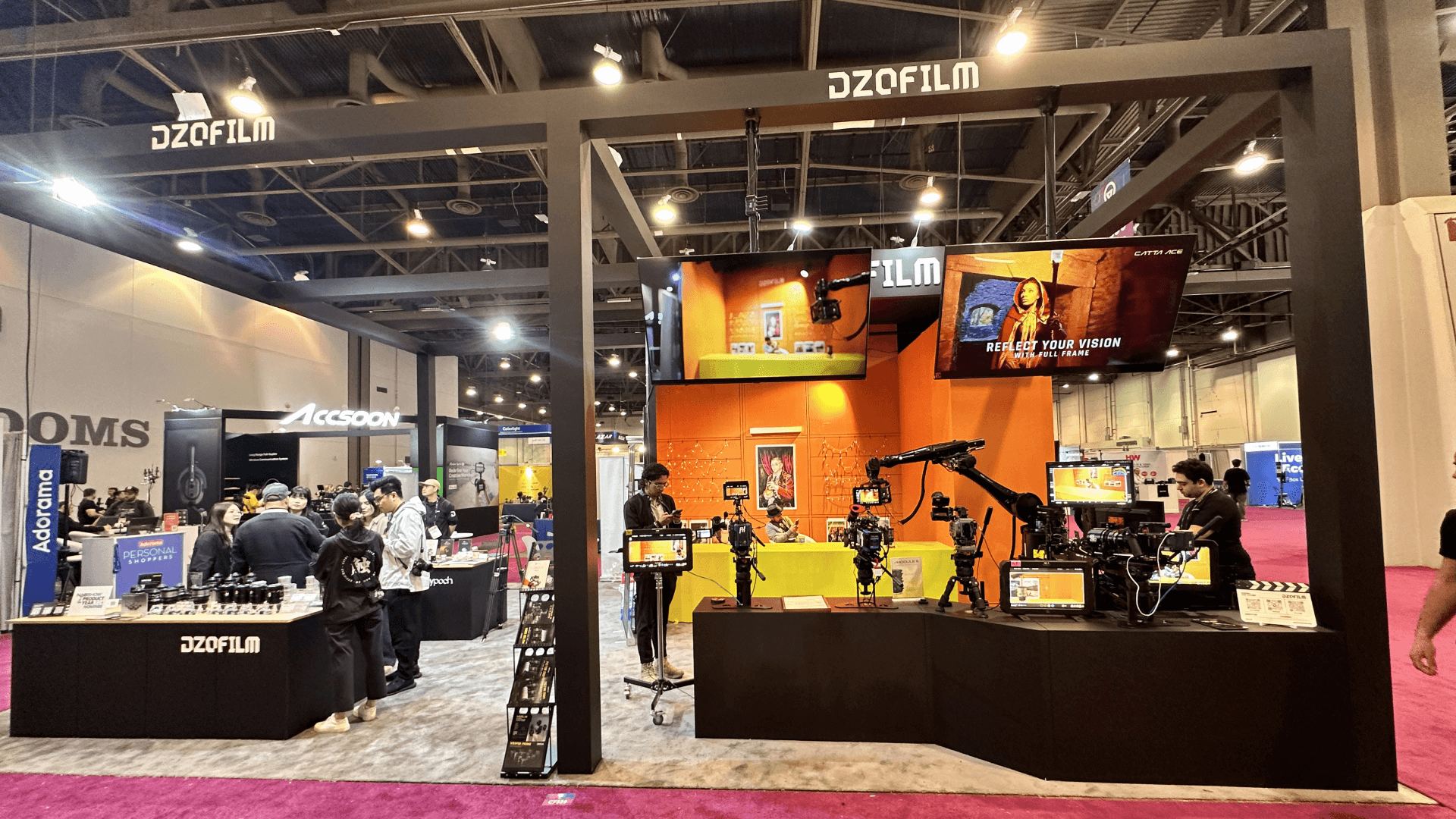
For exhibitors, the booth should make the lighting story easy to follow from the aisle. Fixture displays, demo walls, control stations, product labels, application graphics, storage, cable paths, and visitor flow all need to work together before the booth reaches LVCC West Hall. Circle Exhibit helps lighting exhibitors plan booth layouts, branded graphics, demo zones, rental structures, and show-site setup with support from Las Vegas trade show booth builders.
This page focuses on LDI Architectural Lighting Pavilion booth planning. For broader live production booth planning, review LDI Show booth planning. Exhibitors comparing another official LDI pavilion can also review LDI Pro Audio Pavilion booth planning.
Why Exhibitors Choose Circle Exhibit
Clear scope, transparent quote review, nationwide booth support, and efficient setup planning for qualified rental and custom exhibit projects.
48hr
Setup Window
10+
Years Since 2014
U.S.
Trade Show Support
Real
Booth Project Proof
Start with the lighting demo before choosing booth size. Think about what visitors need to see first: fixture output, beam comparison, control behavior, application graphics, product family, or project use case. The booth size should support that story without making the display feel crowded.
Best for a focused product wall, small fixture display, one control station, simple graphics, and short buyer conversations.
Better for multiple fixture zones, stronger viewing distance, application graphics, control demos, storage, and a more open visitor path.
Works well for fixture displays, one demo wall, beam comparison, a control station, branded graphics, light storage, and 2–3 staff conversations.
Suitable for larger lighting systems, multiple applications, immersive demo environments, custom structures, and higher-volume visitor flow.
Use this planning resource before finalizing a fixture display, demo wall, beam comparison area, lighting control station, or application graphics layout. Start with How Lighting Technology Exhibitors Should Plan Demo Booths for LDI Show, which explains how lighting exhibitors can plan fixture visibility, demo flow, control stations, graphics, and buyer conversations.
Architectural lighting booths should help visitors quickly understand how the product performs, where it can be used, and what makes it different from nearby fixtures or systems. The booth should guide visitors from visual interest to product understanding.
Place lighting fixtures where visitors can see scale, output direction, beam shape, finish, and product family from the aisle. Avoid placing too many fixtures at the same height or in the same visual zone.
If the booth needs to compare beam angles, color temperature, brightness, wall wash, or accent effects, build a simple viewing path. Visitors should understand the difference without waiting for a long staff explanation.
Control stations should be easy for staff to operate and easy for visitors to follow. If the booth shows dimming, color control, scene presets, or software control, the interface should be close enough to the demo area to make the connection clear.
Architectural lighting buyers often need context. Use graphics to show hospitality, venue, retail, exterior, entertainment, or architectural applications so the product is not seen as a loose fixture without a real use case.
The Architectural Lighting Pavilion at LDI gives lighting manufacturers and solution providers a focused area to show fixture technology, lighting effects, control options, and application-focused demos.
LDI 2026 Expo is scheduled for December 6–8, 2026 at the Las Vegas Convention Center West Hall, giving lighting exhibitors a clear planning window for demo layout, power access, move-in timing, and final booth setup.
Exhibitors should make fixture performance, beam angles, color quality, control options, application examples, and staff explanations easy to understand during short booth conversations.
Not Sure Which Booth Size You Need?
Not every exhibitor knows whether a 10x20, 20x20, 20x30, or larger booth is the right fit. Circle Exhibit can help review your event goals, product display needs, demo areas, meeting space, storage, budget scope, and setup timeline before you choose a booth size.
Beam Comparison
Control Station Placement
1
Map the Demo Story
2
3
4
When Rental Can Work
A rental booth can work well when the exhibitor needs branded walls, fixture displays, product graphics, demo counters, a control station, storage, and a clean layout without a fully custom exhibit structure. This can be a practical choice for focused 20x20 or 20x30 lighting booths, especially when the main goal is to show fixtures clearly and keep the setup efficient. Review Las Vegas trade show booth rental for rental-based booth planning.
When Custom Build Support Helps
Custom build support is useful when the booth needs heavier fixture mounting, integrated demo walls, special lighting surfaces, controlled viewing angles, custom structures, cable concealment, or a more complex installation sequence.
How to Decide
Choose based on how visitors need to experience the lighting demo. If the product story is compact and graphic-led, a rental booth may work well. If the booth depends on engineered fixture placement, larger demo surfaces, or more controlled lighting behavior, custom build support may be better.
Confirm fixture placement, beam direction, demo wall position, and visitor viewing distance before booth production. Lighting demos are harder to correct once the booth is already on the show floor.
Plan power access, cable paths, controller placement, backup equipment, and storage before move-in. A clean cable and control plan helps the booth feel more professional and safer for staff-led demos.
Check product labels, application graphics, control station behavior, screen content, fixture angles, and final demo readiness before the expo opens.
Plan fixture placement, demo walls, lighting control stations, power routing, branded graphics, storage access, and final checks before setup so the booth is ready for product demos when the expo opens.
Use this page as the architectural lighting-focused planning path within the broader LDI content cluster. It connects the main LDI Show hub with fixture displays, beam comparison, lighting control stations, application graphics, 20x20 and 20x30 booth planning, and LVCC setup needs.
Need a Flexible LDI Lighting Booth Rental?
Plan a lighting demo booth with branded graphics, fixture displays, beam comparison areas, control stations, storage, and a practical setup path for the LVCC West Hall show floor.
What should an LDI Architectural Lighting Pavilion booth show first?
Start with the lighting effect, not the product specification. Visitors should quickly understand fixture output, beam quality, control behavior, and application use before moving into deeper technical details.
What booth size works well for LDI Architectural Lighting Pavilion exhibitors?
Can a rental booth work for architectural lighting exhibitors?
How is Architectural Lighting Pavilion booth planning different from general LDI booth planning?
What setup details matter most before the booth opens?
READY TO PLAN YOUR NEXT BOOTH?
Let’s Build a Booth That Fits Your Event
Share your event name, booth size, city, timeline, product display needs, and design references. Circle Exhibit will review your project direction and help you choose a rental-friendly or custom exhibit path.
3000+
Booth Projects Supported
50+
U.S. Event Cities
Transparent
Quote Review
For lighting exhibitors planning a focused fixture display, one control station, product graphics, storage, and short buyer conversations.
For exhibitors that need more room for lighting zones, beam comparison, demo stations, storage, and visitor circulation.
For fixture messaging, application graphics, product labels, branded demo surfaces, booth visuals, and product explanation.
For demo walls, fixture placement, control stations, cable routing, booth structure, and technical layout planning.
For LDI exhibitors planning LVCC West Hall booth layout, move-in timing, setup flow, demo readiness, and final show-site checks.