LDI Show Booth Planning for Lighting, Audio and Live Production Exhibitors
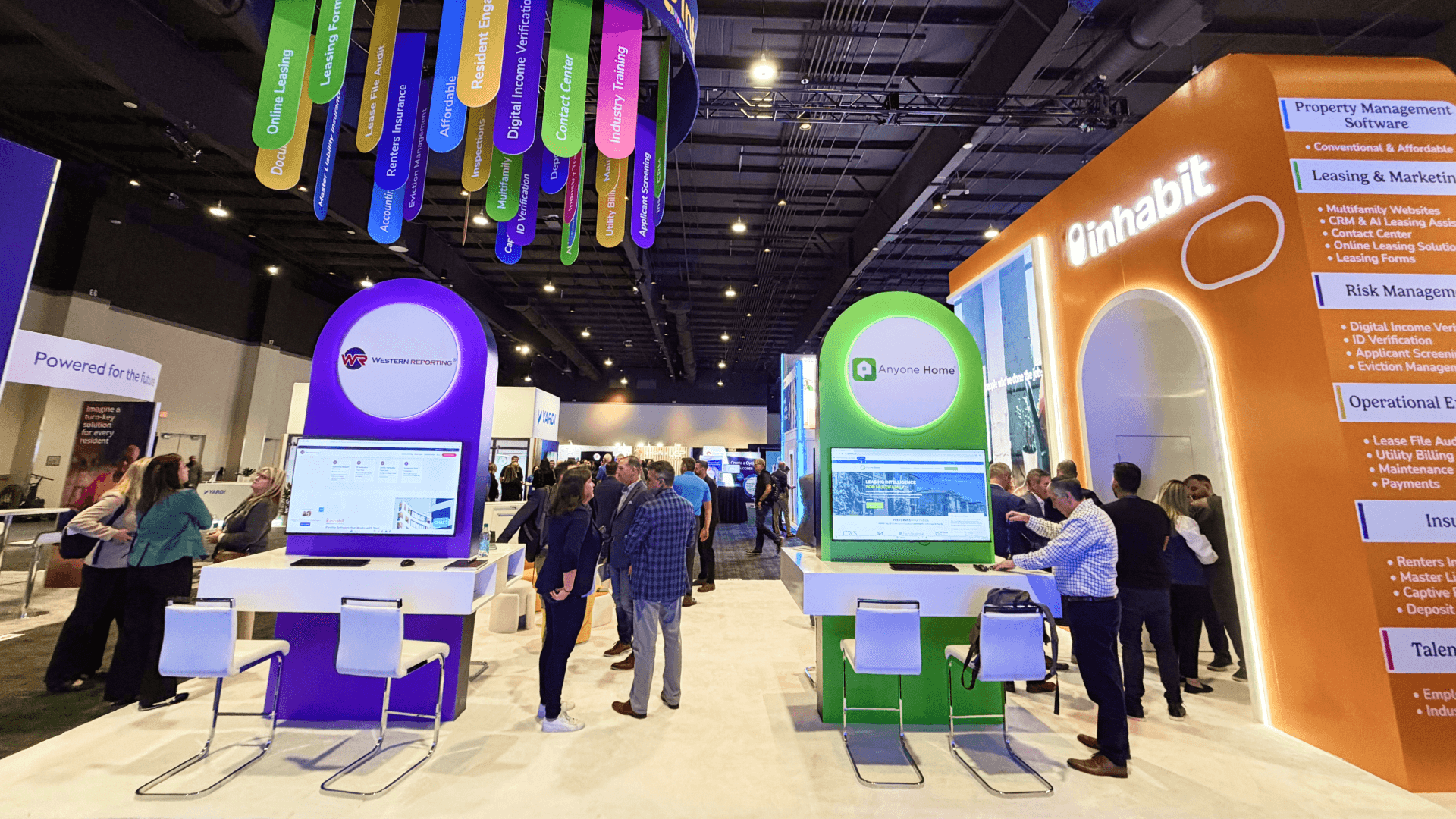

How should exhibitors plan an LDI Show booth?
An LDI Show booth should be planned around live demos, technical explanation, clean cable routing, equipment storage, power access, booth graphics, and LVCC West Hall setup. Lighting, audio, video, staging, rigging, and production technology exhibitors should make the booth easy to understand from the aisle while leaving enough space for staff-led conversations and final demo testing.
LDI Show is a live production technology event where exhibitors need more than a static display. Lighting fixtures, audio systems, LED walls, projection, staging hardware, truss, rigging, control workflows, software, power distribution, and special effects often need to be demonstrated in real time.
For exhibitors at LVCC West Hall, booth planning should start with the demo flow: what visitors need to see from the aisle, where hands-on or staff-led demos happen, how technical conversations are handled, and where cases, cables, controllers, spare gear, and storage stay out of the way. Circle Exhibit helps exhibitors plan booth layouts, branded graphics, rental structures, logistics, installation, and Las Vegas show-floor execution with support from Las Vegas trade show booth builders.
This page is the main LDI Show booth planning hub. For more focused planning, review LDI Architectural Lighting Pavilion booth planning or LDI Pro Audio Pavilion booth planning.
Why Exhibitors Choose Circle Exhibit
Clear scope, transparent quote review, nationwide booth support, and efficient setup planning for qualified rental and custom exhibit projects.
48hr
Setup Window
10+
Years Since 2014
U.S.
Trade Show Support
Real
Booth Project Proof
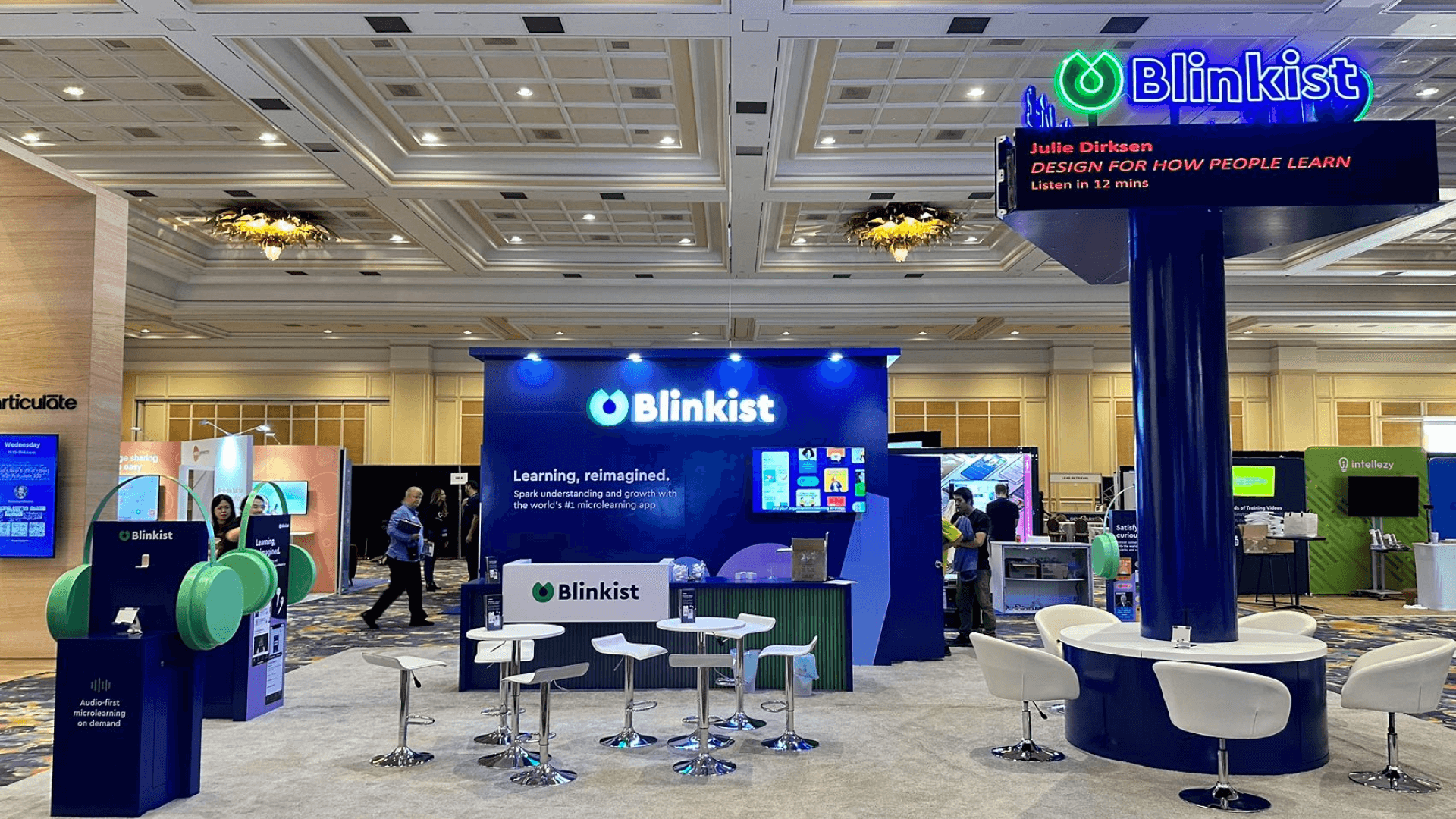
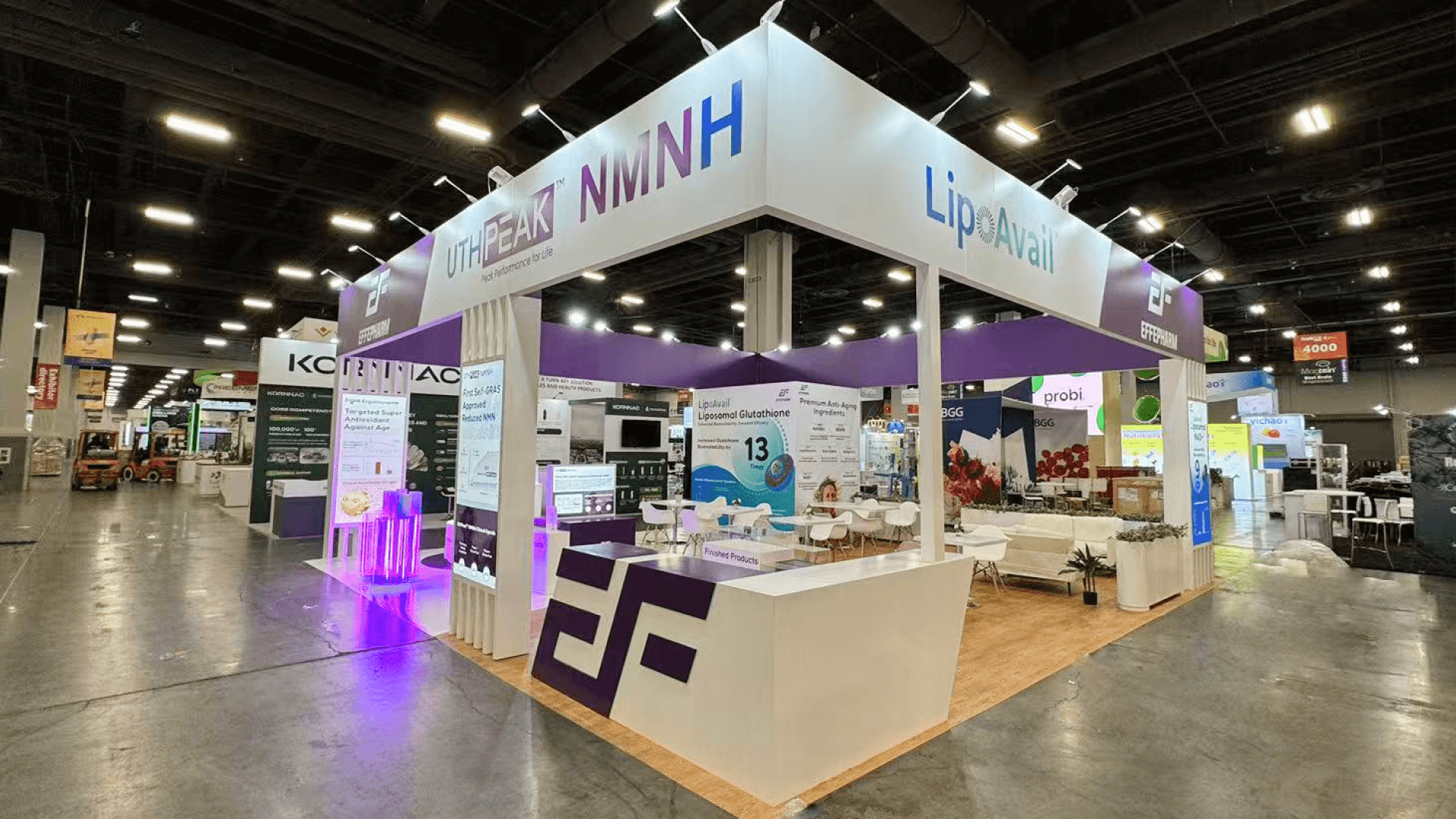
LDI booths should be planned around demo complexity, equipment size, visitor flow, storage, cable routing, and how much technical explanation needs to happen inside the booth. A smaller booth can work for focused product displays, while 20x20 and 20x30 layouts are often better for lighting, audio, video, control, staging, and live production demos.
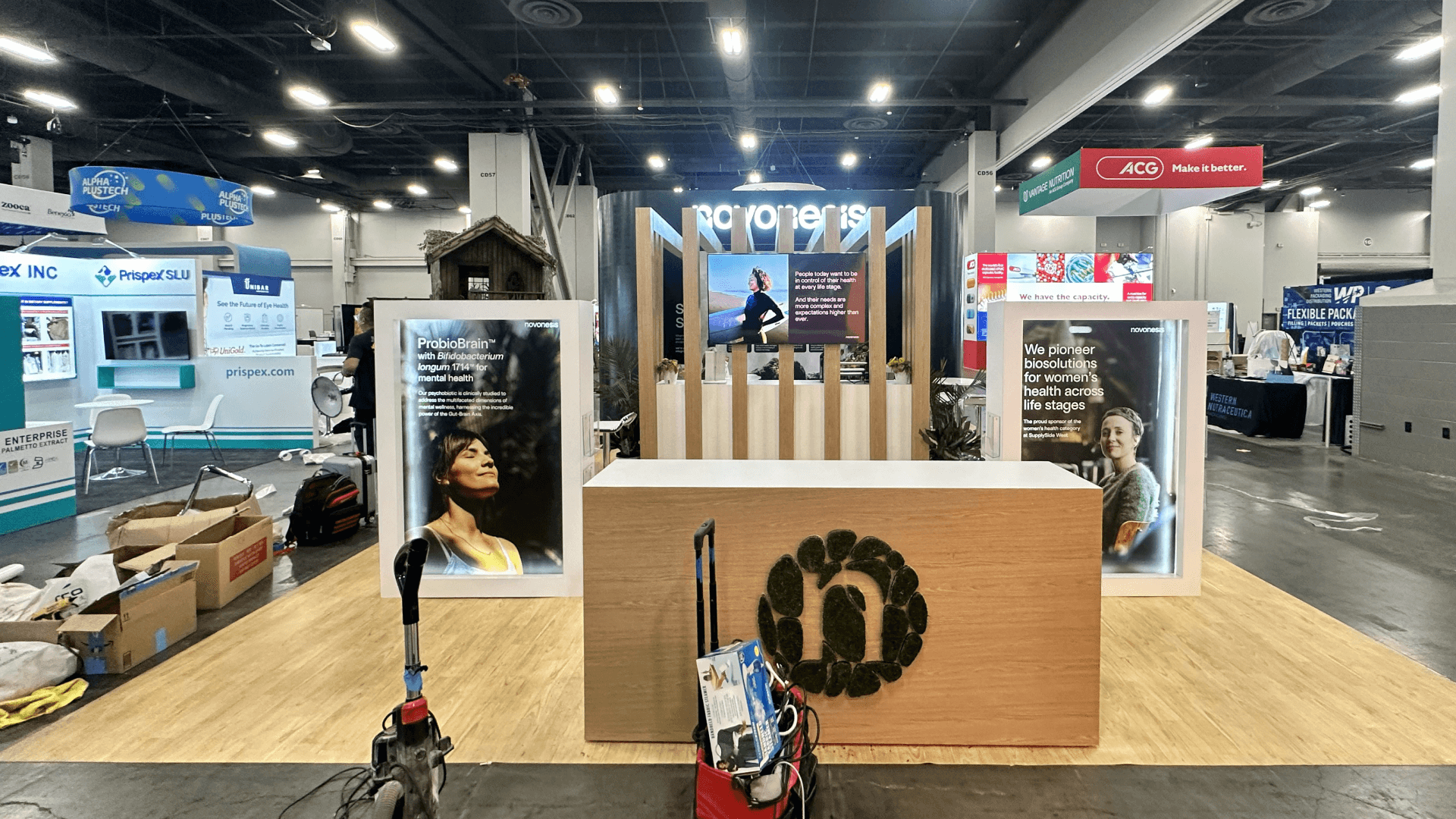
Best for a compact product wall, one demo counter, a small control or screen station, light storage, and short technical conversations with visitors.
Better for exhibitors that need separate demo areas, screen walls, product comparison zones, control stations, equipment storage, and a more open visitor path.
Works well for lighting fixtures, audio equipment, control systems, LED content, projection previews, one main demo zone, storage, and 2–3 staff conversations.
Suitable for larger lighting systems, audio displays, staging equipment, truss elements, rigging-related demos, multiple product zones, meeting space, and higher-volume visitor flow.
Use these planning resources to go deeper into the two most focused LDI demo scenarios. For lighting exhibitors, review How Lighting Technology Exhibitors Should Plan Demo Booths for LDI Show to plan fixture visibility, demo flow, control stations, graphics, and buyer conversations. For audio exhibitors, review How Pro Audio Exhibitors Should Plan Sound Demo Booths for LDI Show to plan speaker displays, console demos, audio workflow stations, signal flow graphics, cable access, and technical conversations.
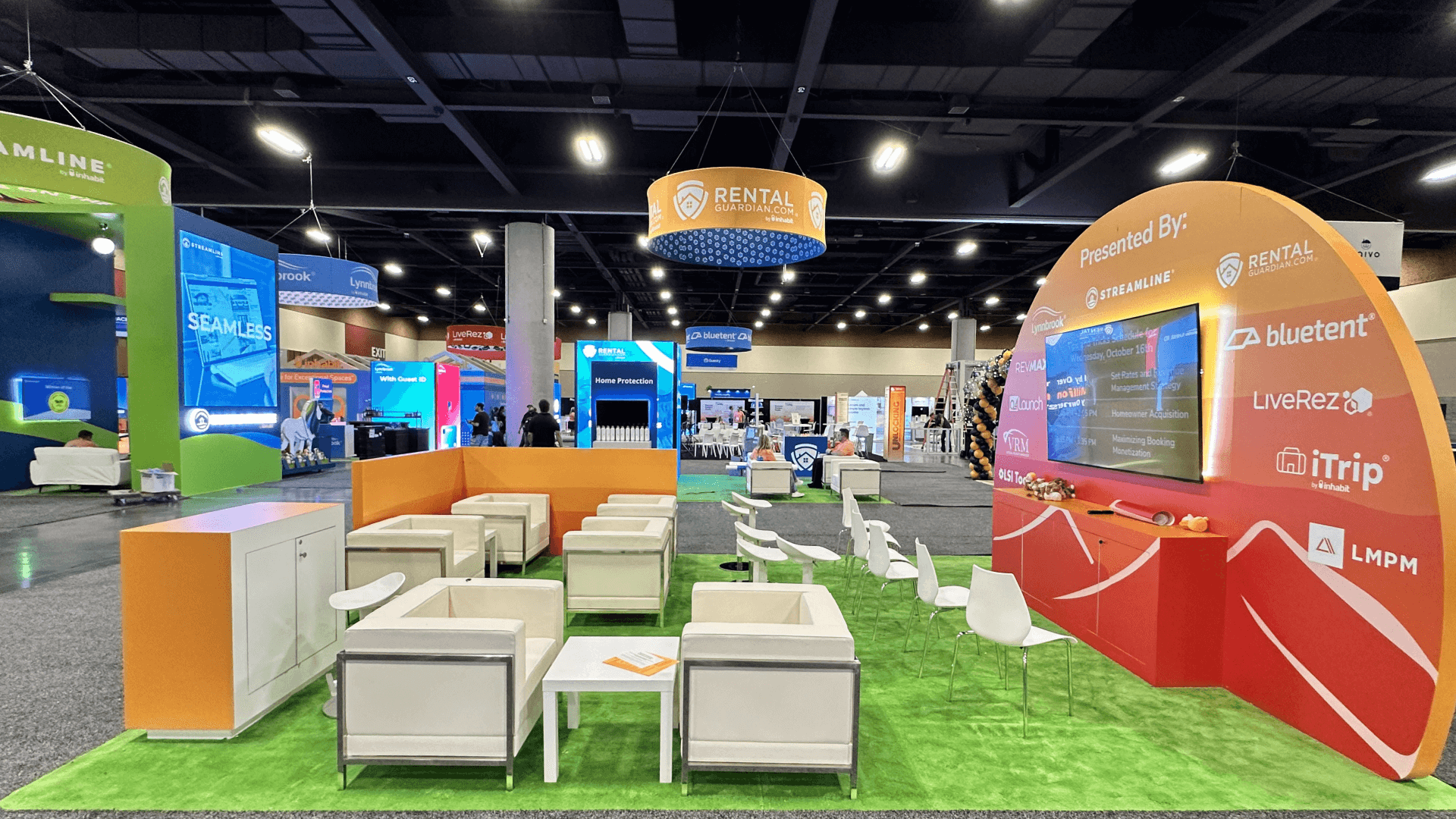
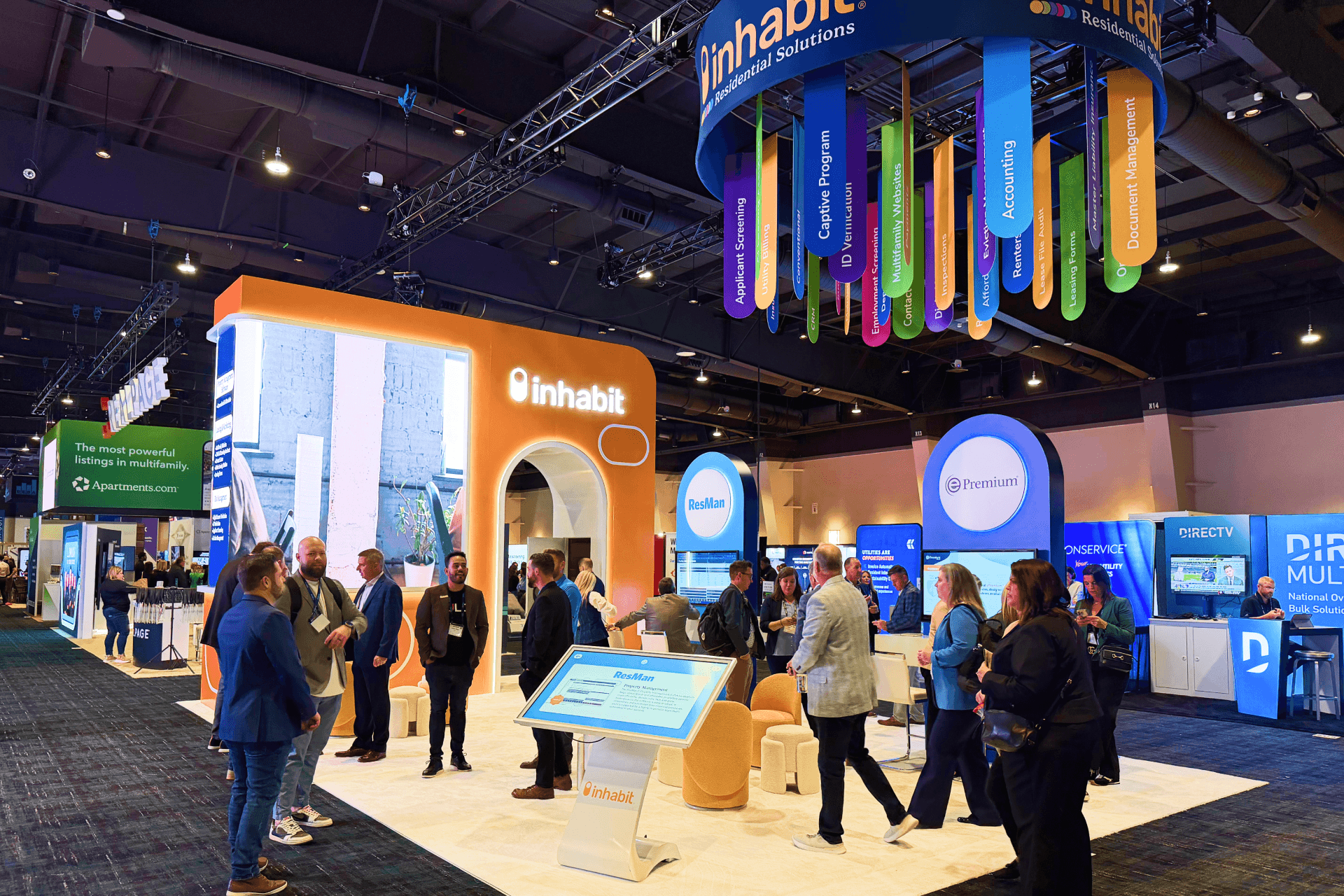
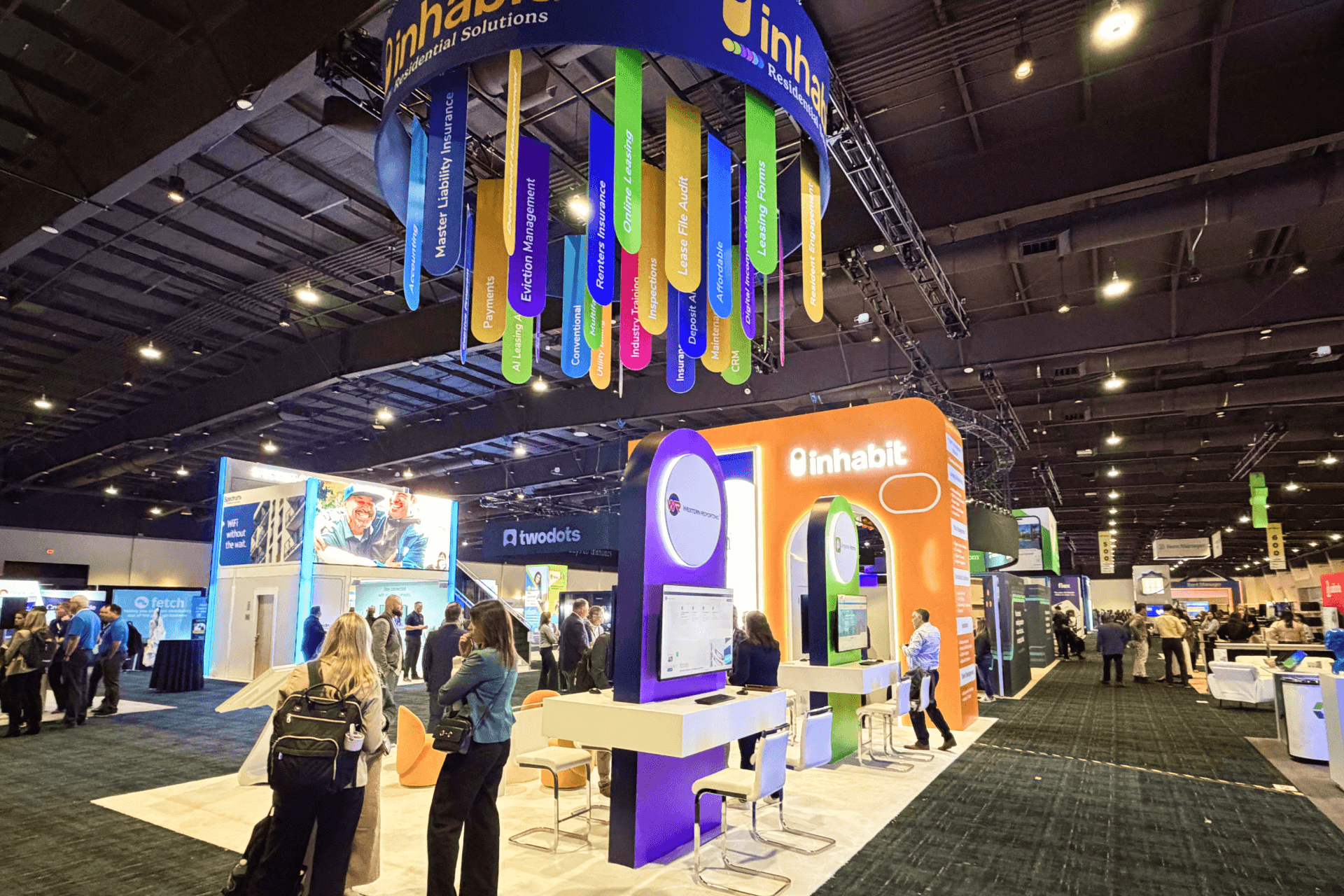
LDI booths often need to support live demos, technical explanations, equipment displays, screen content, cable routing, storage, and staff-led conversations at the same time. The booth should help visitors quickly understand lighting, audio, video, staging, rigging, control, and live production technology from the aisle.
Place the main demo area where visitors can quickly see what the product does. Lighting looks, audio equipment, LED content, projection previews, control screens, and staging elements should be visible without forcing visitors into a crowded booth first.
LDI booths often include controllers, screens, demo equipment, cases, power access, and cable paths. Plan the layout early so the booth feels clean, safe, and organized instead of looking like a temporary equipment setup.
Use simple product labels, demo counters, screens, and staff conversation points to explain the system. Visitors should understand what they are seeing before moving into deeper technical discussions with the team.
Plan space for cases, spare gear, printed materials, tools, and staff items. Before the show opens, check demo equipment, graphics, screens, lighting angles, cable routing, and setup details so the booth is ready for live conversations.
LDI runs at Las Vegas Convention Center — West Hall, where many exhibitors operate live demos for lighting, audio, video/LED, and rigging workflows.
Expo Hall is scheduled for Dec 6–8, 2026, with Pro Training running Dec 2–8, 2026.
Real-world performance—brightness/beam control, screen visibility, control networking, safe rigging, and fast changeovers—often matters more than pure aesthetics at LDI.
Not Sure Which Booth Size You Need?
Not every exhibitor knows whether a 10x20, 20x20, 20x30, or larger booth is the right fit. Circle Exhibit can help review your event goals, product display needs, demo areas, meeting space, storage, budget scope, and setup timeline before you choose a booth size.
Truss/rigging and overhead safety planning
LED wall and projection visibility under hall lighting
1
Lock the demo plan (what runs, where, and how)
2
3
4
When Rental Can Work
A rental booth can work well for LDI exhibitors that need branded walls, demo counters, screen placement, product displays, storage, and a clean layout for staff-led conversations. This is often practical for 20x20 or 20x30 booths focused on lighting fixtures, audio equipment, software control, LED content, projection previews, or compact production technology demos. Review Las Vegas trade show booth rental for rental-based booth planning.
When Custom Build Support Helps
Custom build support is useful when the booth needs heavier truss elements, overhead structures, larger screen walls, engineered product mounting, complex cable concealment, custom demo surfaces, or a more controlled installation sequence. Larger LDI booths with multiple demo zones or equipment-heavy displays usually need more planning before production and move-in.
How to Decide
Start with the demo, not the booth structure. If the product story can be explained through branded graphics, counters, screens, and a clean visitor path, rental may be enough. If the booth depends on rigging, equipment support, custom demo walls, larger technical structures, or multiple live demo areas, custom build support may be the better option.
Stage freight so the booth footprint becomes stable early; install AV/fixtures after structure and power are ready to avoid repeated handling.
Coordinate labor calls around critical tasks—overhead elements, screen installs, device walls, and final demo testing—so the booth goes live on time.
LDI booths often require “camera-ready” / “show-ready” demos—reserve time for final focus, content playback, console patching, and safety checks.
Set aside time before the expo opens to test screens, lighting looks, audio equipment, control stations, cable paths, graphics, storage access, and staff demo flow. LDI booths often depend on working demos, so final checks should happen before visitors reach the show floor.
For focused LDI pavilion planning, review LDI Architectural Lighting Pavilion Booth Planning for fixture displays, beam comparison, and lighting control demos, or LDI Pro Audio Pavilion Booth Planning for speaker displays, mixing console demos, audio workflow stations, and signal flow planning.
Need a Flexible LDI Booth Rental?
Plan an LDI booth rental with branded graphics, demo counters, screen placement, equipment display zones, storage, cable routing, and a practical setup path for the LVCC West Hall show floor.
What booth size works well for LDI demos?
A 20x20 is a common LDI footprint when you need a lighting/fixture demo zone, an LED screen or projection surface, and a small meeting area—without forcing truss, cases, and control gear into the aisle.
How early should we start planning an LDI booth at LVCC West Hall?
What execution details matter most for production-tech exhibitors in Las Vegas?
What execution details matter most for LDI exhibitors in Las Vegas?
How is LDI Show booth planning different from a general trade show booth?
READY TO PLAN YOUR NEXT BOOTH?
Let’s Build a Booth That Fits Your Event
Share your event name, booth size, city, timeline, product display needs, and design references. Circle Exhibit will review your project direction and help you choose a rental-friendly or custom exhibit path.
3000+
Booth Projects Supported
50+
U.S. Event Cities
Transparent
Quote Review
For lighting exhibitors planning fixture displays, beam comparison, lighting control demos, application graphics, and 20x20 or 20x30 booth layouts.
For sound technology exhibitors planning speaker displays, mixing console demos, audio workflow stations, signal flow graphics, cable routing, and booth setup.
For LDI exhibitors planning one focused demo zone, screen placement, product display, storage, and staff-led technical conversations.
For exhibitors that need more space for multiple demo areas, control stations, product comparison, equipment storage, and visitor circulation.
For LDI exhibitors planning LVCC West Hall booth layout, move-in timing, installation flow, demo readiness, and final show-site checks.