IMEX America 2026 Execution Timing at a Glance
Execution Stage | 2026 Timing | What Should Already Be Clear |
|---|---|---|
Advance warehouse opens | Sep. 9 | Freight contents, labels, booth number, installation priority |
Advance warehouse standard window ends | Oct. 2 | Main exhibit freight should already be routed |
Targeted move-in | Oct. 10–12 | Labor, freight arrival and installation sequence |
Direct-to-show receiving | Oct. 12, 8 AM–5 PM | Direct freight must fit the final move-in window |
Clean Floor checkpoint | Oct. 11, 8 PM | Empty packaging and installation materials need a removal plan |
Show opens | Oct. 13 | Utilities, screens, furniture and meeting areas tested |
Move-out begins | Oct. 15, 5:30 PM | Outbound freight and retained materials already assigned |
Materials removed | By Oct. 16, noon | Carrier, labels, destination and storage decisions complete |
GES currently lists advance-warehouse receiving from September 9 through October 2, targeted move-in October 10–12, direct show-site delivery on October 12 only, and the Clean Floor checkpoint at 8 PM on October 11. Move-out begins after the show on October 15, with exhibitor materials required out by noon October 16.
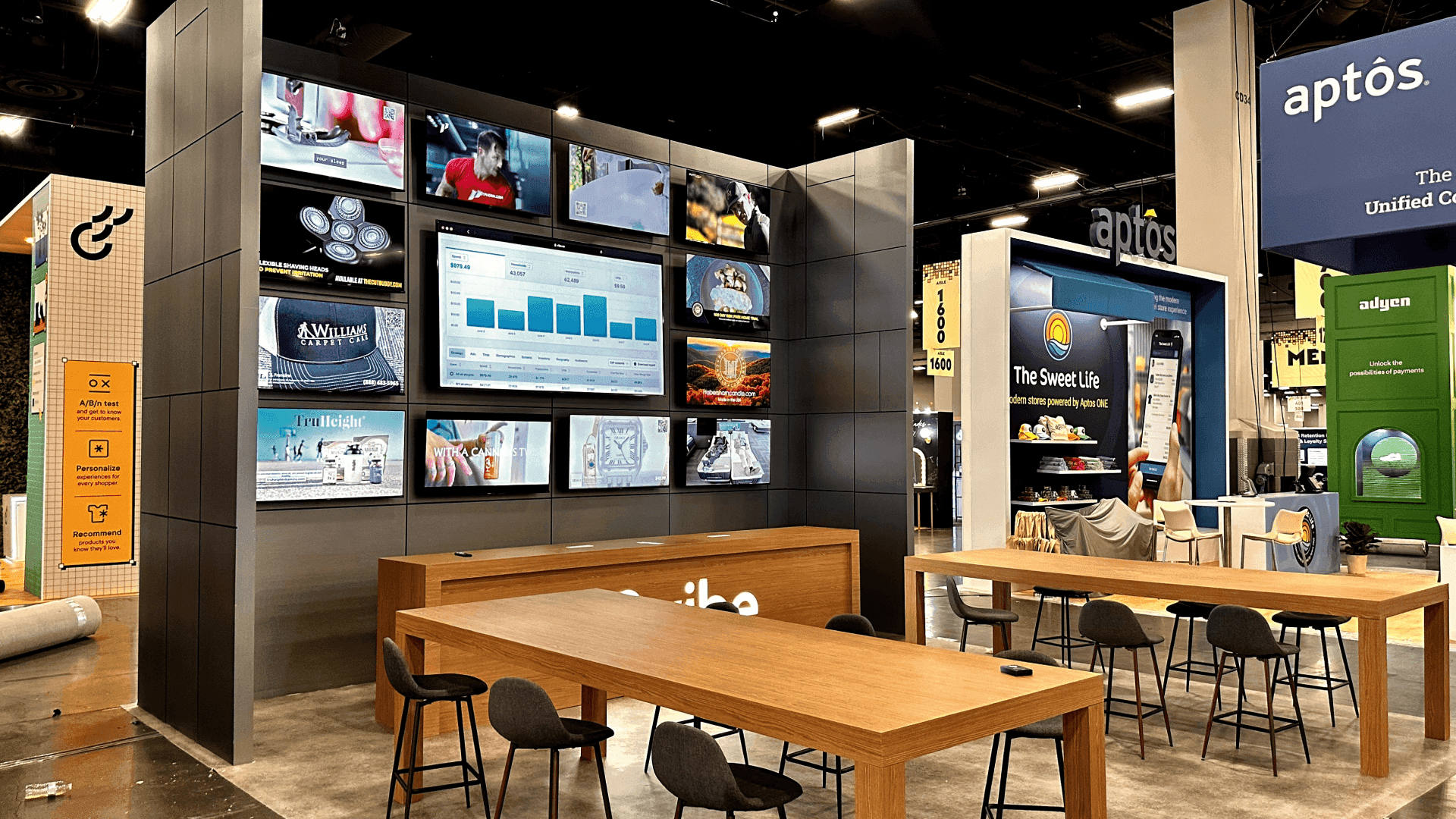
Booth approval and service orders should follow the same working layout so screens, counters, equipment, power, internet, AV, and hospitality do not create late-stage conflicts.
Which Booth Decisions Need to Be Final Before Orders Are Placed?
Before approvals or venue services are submitted, lock the parts of the booth that affect how it will actually be built and connected. That includes the main structure, graphics, screen locations, counters, equipment, and any hospitality elements that need power, storage, or service access.
These items are connected. A monitor location can change electrical and cable routing; a counter can affect storage, lead tools, or hospitality equipment; graphics often depend on final wall dimensions. If those decisions are still moving, approvals and service orders may have to be revised later.
The goal is not to freeze every decorative detail early. It is to settle the elements that control production, utilities, and installation before those downstream steps begin.
EAC, Approval, and Service Orders Need the Same Booth Plan
EAC paperwork, booth approval, electrical, internet, AV, and catering may be handled through different teams, but they depend on the same working layout. If a screen, counter, equipment position, or hospitality area changes after an order is placed, another part of the setup may also need to change.
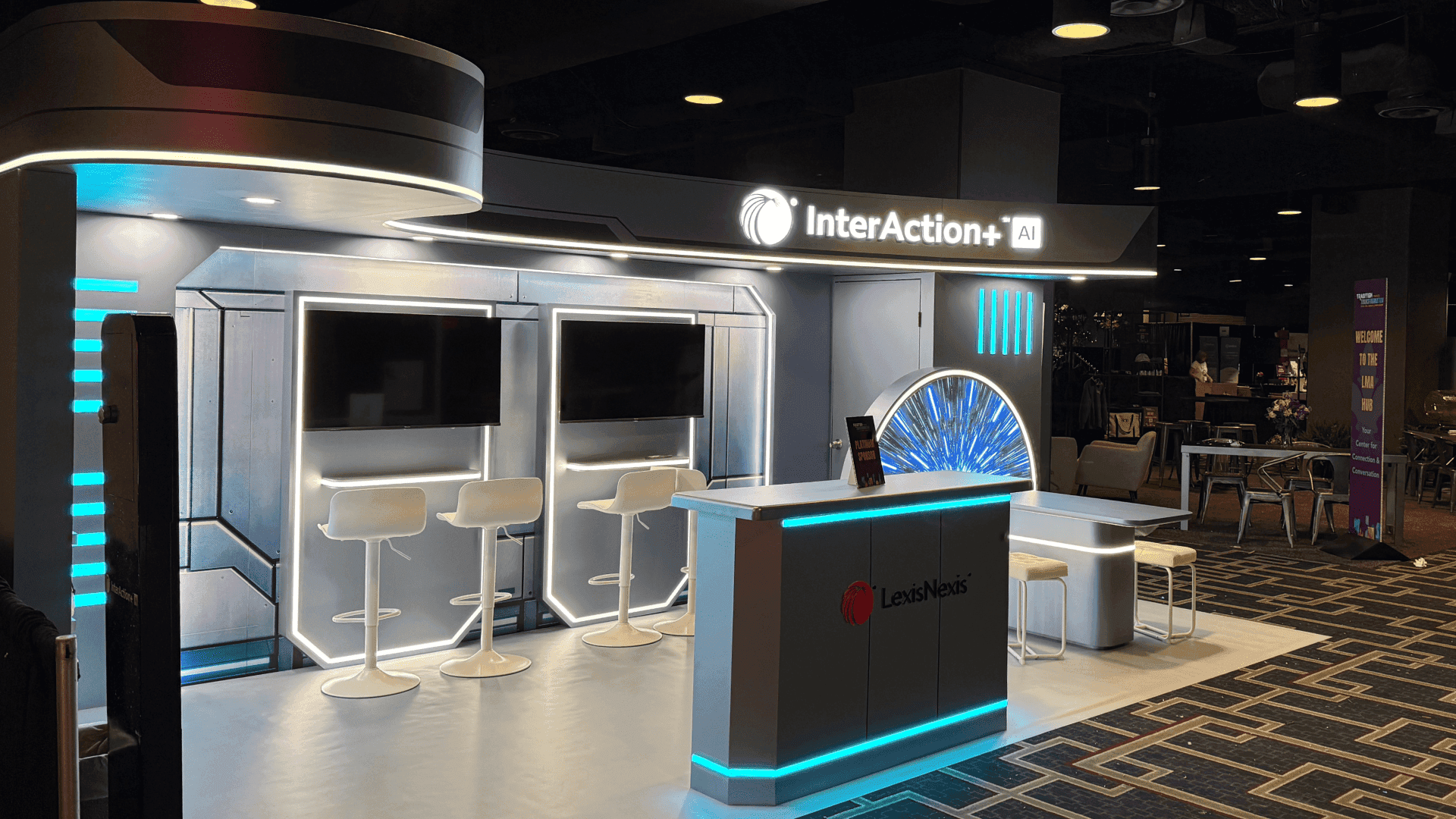
A compact IMEX booth shows how quickly those dependencies can overlap. A 10x10 plan may need to support several appointment schedules, open sides, gift storage, a screen, and espresso service inside the same footprint. Once the reception counter also becomes storage and hospitality space, moving it can affect electrical routing, cable access, service access, and usable meeting space—not just the furniture layout.
Those dependencies can also cross supplier boundaries. IMEX currently lists GES for booth construction, general contracting, and shipping/storage; Mandalay Bay Convention Center for electricity, internet, and exclusive catering; and Show Gear Productions as the exclusive AV supplier. A single screen or hospitality counter can therefore involve several service teams even though all of them depend on the same booth plan.

Freight routing should match the installation plan. Crates needed early for structure and utilities should arrive and be accessible before furniture, equipment, and client materials needed later.
IMEX Booth Execution Dependencies
Execution Step | Confirm First | What It Can Affect Next |
|---|---|---|
Booth scope | Structure, counters, screens, equipment, hospitality | Approval, production, utilities |
Approval / EAC | Working booth layout | Fabrication, graphics, service orders |
Electrical / internet / AV | Screen and equipment positions | Cable routes, counters, testing |
Freight | Crate contents and arrival sequence | Material handling, move-in, installation |
Installation | Structure, utilities, graphics, furniture, equipment order | Crew timing and final setup |
Final check | Graphics, screens, power, internet, furniture, circulation | Opening-day readiness |
Advance Warehouse or Direct-to-Show?
The freight route should be chosen around the installation plan, not simply the shipping date.
For IMEX America 2026, the advance warehouse receives exhibit freight beginning September 9, with October 2 listed as the last day for advance shipments to arrive without the posted late-window consequences. Direct show-site freight has a much narrower receiving window: October 12 from 8 AM to 5 PM. GES also lists targeted move-in on October 10 and 11 as warehouse-delivery-only days.
That makes the practical question: when does each crate need to become available to the install crew? Structural pieces, graphics, furniture, equipment, and client materials do not necessarily need to arrive at the same moment. If a critical crate is late or buried in the wrong sequence, installers can be on site without what they need next.
Shipment timing, receiving, material handling, and installation all sit inside the same logistics and pre-show coordination process because the freight route has to match the order in which the booth will actually be installed.
Installation Order Matters Before Move-In
A practical booth sequence is usually:
freight → structure → utilities → graphics → furniture → equipment
The exact order can shift with the design, but the dependencies remain. Electrical or internet access may need to stay open before counters or equipment are positioned; graphics can depend on final structural alignment; larger equipment should not arrive so early that it blocks installers working on walls or utilities.
Crate planning should follow the same sequence. Structural components needed early in the install should not be buried behind furniture, accessories, or client materials that will not be used until later. Screens, products, and sensitive equipment are often easier to position after the structure is stable and the required connections remain accessible.
The crate list and the installation plan should tell the same story.
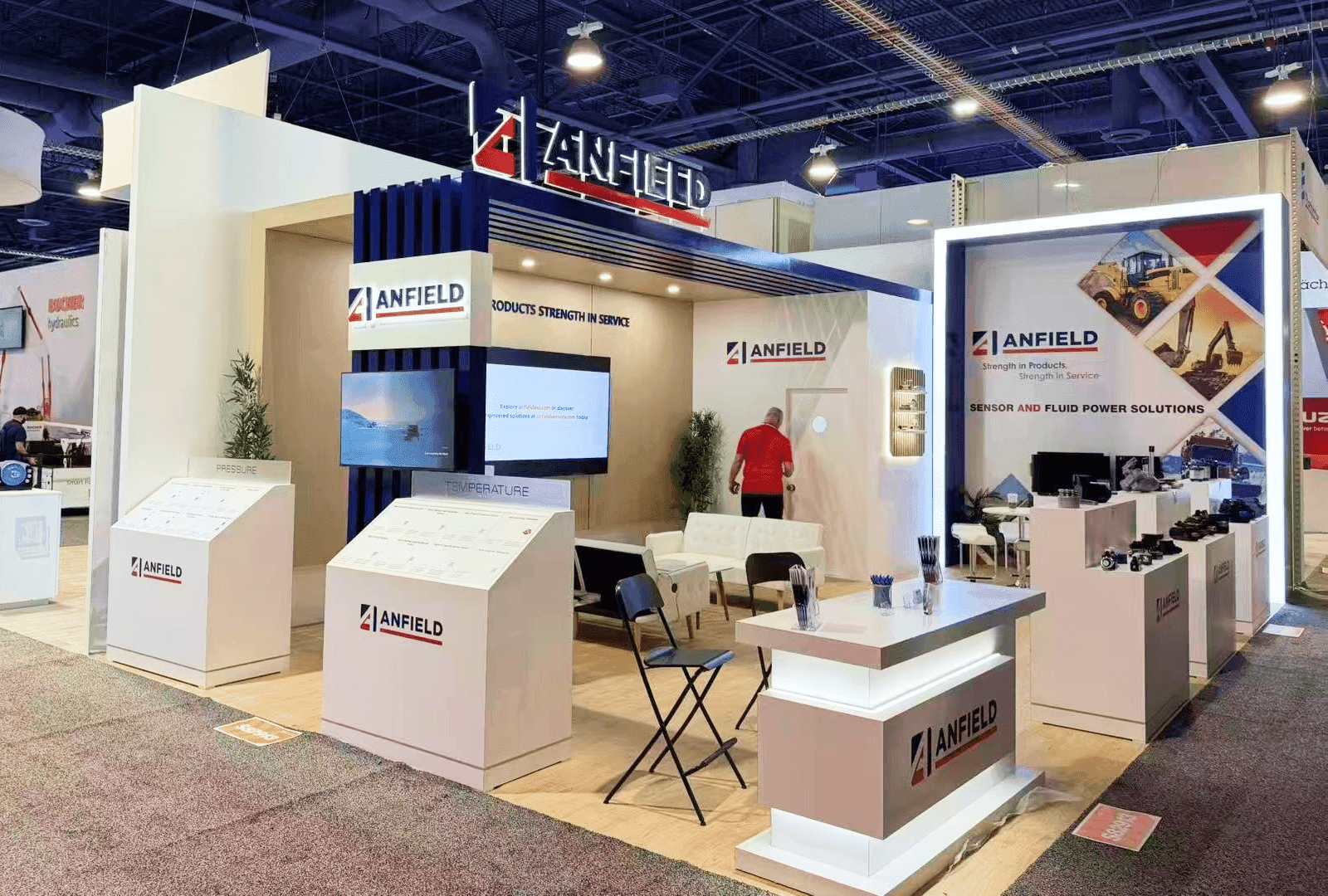
On a more developed exhibit, Las Vegas booth fabrication and show-site execution depends on that same order: structure, utilities, graphics, equipment, and final adjustments cannot all happen independently.

A clean booth is not automatically show-ready. Graphics, screens, utilities, furniture, storage, and circulation should be tested together before buyers arrive.
Clean Floor Is Not the Same as Show-Ready
IMEX’s 2026 GES schedule lists the Clean Floor checkpoint for 8 PM on October 11, while targeted move-in continues into October 12. That makes Clean Floor an important execution milestone, but it is not the same thing as completing every final operational check.
A booth can look complete and still have problems that only appear when the team uses it. A screen may have power but no correct signal, a counter may reduce access to a connection point, or furniture may narrow a circulation path that looked acceptable during installation.
At Mandalay Bay Convention Center, venue-provided electricity and internet, official AV, catering requirements, and the physical exhibit ultimately have to work in the same finished space. IMEX’s current official supplier list confirms those service boundaries.
Before the booth is treated as show-ready, check:
graphics are installed and aligned;
screens are running the actual presentation content;
power and internet work under normal use;
counters and equipment still allow access to connections;
furniture supports the intended buyer-meeting flow;
storage opens without blocking circulation;
cartons, tools, and installation materials are cleared.
A booth can pass the visual check and still fail the operating check.
What Leaves the Booth After the Show?
Move-out is easier when the team already knows what belongs to the client, what returns with the rental system, and what should be packed for future use.
Client products, devices, samples, and personal equipment should be separated from rental components before dismantle begins. Reusable graphics or custom structural pieces should also be identified so they are not returned with rental inventory or discarded with temporary materials.
For 2026, GES lists exhibitor move-out beginning at 5:30 PM on October 15, empty containers returning from 6 PM, and a noon October 16 deadline for carrier check-in and removal of exhibitor materials. Those timings make outbound labels, carrier arrangements, destinations, and storage decisions something to settle before the show closes—not after dismantle has already started.
The team should already know what is leaving, where it is going, and who is responsible for it.
IMEX America Setup and Move-In FAQs
When should IMEX exhibitors finalize booth approval?
Finalize the parts of the booth that affect structure, graphics, screens, counters, equipment, and utilities before approval and related service orders are locked. Decorative details can remain more flexible, but anything that changes production, electrical, AV, internet, catering, or installation should be settled early enough that downstream orders do not need to be revised.
Should booth freight go to the advance warehouse or directly to the show?
For 2026, the advance warehouse accepts IMEX freight from September 9 through the posted October 2 standard window, while direct show-site receiving is scheduled only for October 12 from 8 AM to 5 PM. The better route depends on crate contents, installation priority, and when the material needs to become available to the booth team.
What should be checked before an IMEX America booth opens?
Confirm that graphics are correctly installed, furniture supports the intended meeting flow, screens are running the right content, and power and internet work under normal use. Storage and service access should remain usable, and installation materials should be cleared. The booth is ready when the systems work together—not simply when the structure is standing.