Custom Booth Rentals for Lighting Technology Exhibitors
At LDI Show, the booth should do more than create visual impact. It should help buyers understand the lighting product quickly, compare technical details clearly, and continue a real conversation with the team.
A strong lighting booth should be visible from the aisle, clear inside the space, and practical for staff working the show. The layout should connect demo performance, product review, control explanation, and buyer discussion into one organized experience.
Controlled lighting demo zones: The demo zone gives buyers a reason to stop. It should show fixture output, beam quality, movement, color change, dimming behavior, and control response without making the booth feel chaotic. For some exhibitors, this may mean a darker demo area. For others, it may mean a vertical fixture wall, overhead structure, compact beam comparison area, or controlled application scene.
Fixture display and product review areas: Lighting buyers often need to inspect product details. They may look at housing finish, mounting options, cabling, lens design, IP rating, heat handling, power access, and installation flexibility. The display area should let buyers see products from the aisle and review them comfortably up close.
Lighting control stations: A control station turns the booth from a static display into a working demo. It may include a console, touchscreen, control panel, DMX setup, software interface, or simplified control surface. This area helps staff explain how scenes are changed, how fixtures respond, how the system connects, and how the product fits real event or venue workflows.
Graphics and application messaging: Lighting booths can look impressive but still leave buyers confused. Graphics should explain product categories, application scenes, control logic, installation options, and key differences between fixtures. For lighting exhibitors, graphics and brand presentation support should help buyers understand the product before the staff conversation begins.
Buyer meeting and hidden storage areas: Lighting products often lead to detailed conversations about compatibility, output, control protocols, mounting, availability, pricing, or project use cases. A small meeting counter or side discussion area helps staff continue serious conversations without blocking new visitors. Hidden storage keeps fixtures, cases, cables, tools, printed materials, and staff items out of sight.

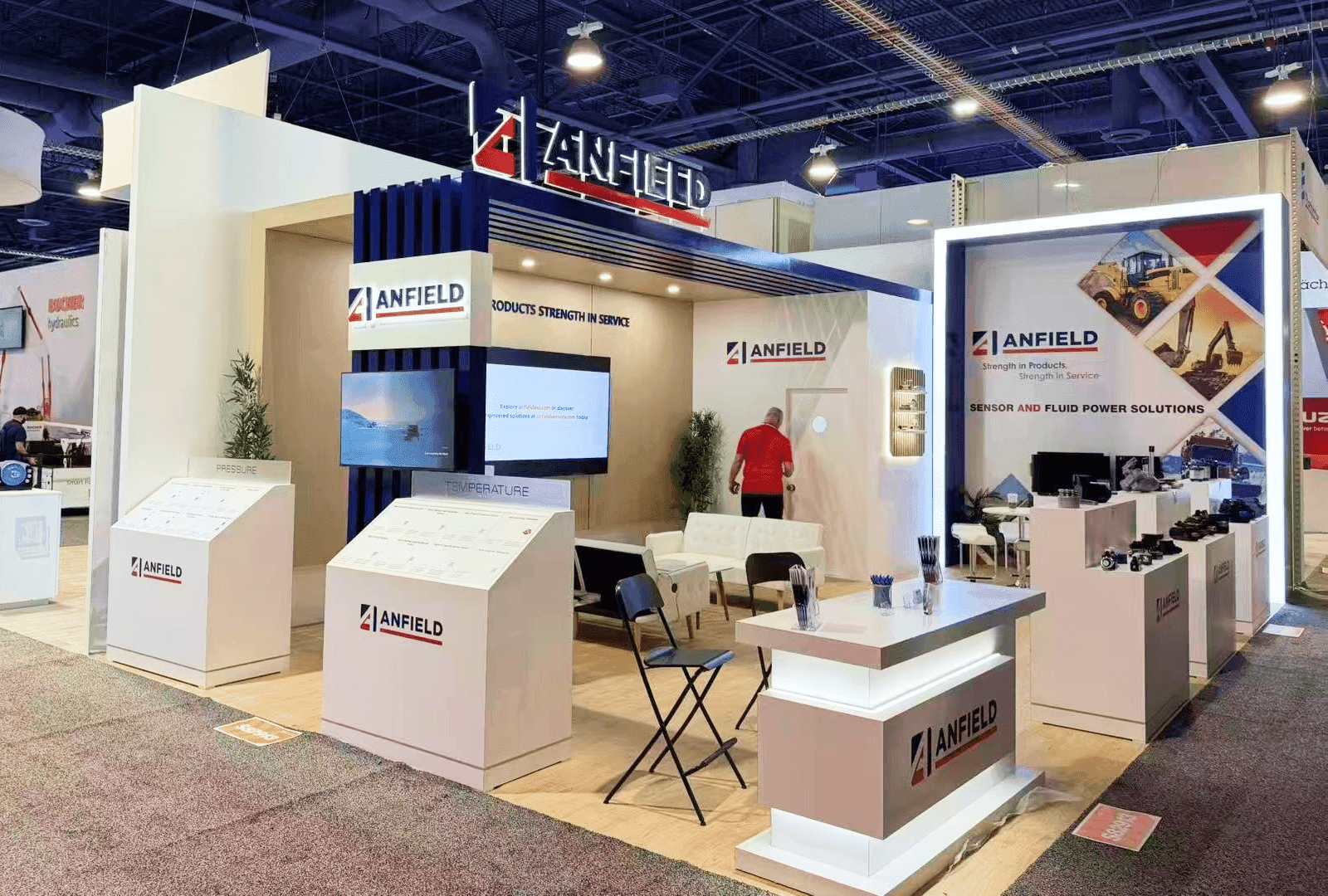
A 20x20 lighting booth can support fixture displays, a controlled demo area, buyer conversations, and hidden storage in one open layout.
Show-Ready Booth Support for LDI Show
LDI lighting exhibitors should be focused on buyers, demos, and product explanation — not last-minute booth issues during move-in. Circle Exhibit helps exhibitors keep the booth process organized before the show opens in Las Vegas.
Turnkey booth support: Booth layout, rental customization, branded graphics, production coordination, freight timing, installation, dismantle, and final show-site checks are planned as one connected process.
Lighting demo details reviewed early: Fixture count, demo area size, control station location, cable access, product display height, monitor placement, storage needs, and meeting areas should be reviewed before production or rental customization begins.
Customized rental structure: A rental booth should not feel generic. A Las Vegas trade show booth rental can support lighting demos, branded graphics, fixture displays, meeting counters, storage, and application messaging when the structure is planned around the exhibitor’s product story.
Clear scope before work begins: Exhibitors should understand what is included before the project moves forward, including layout direction, graphics, rental elements, display support, installation coordination, dismantle planning, and Las Vegas show-site coordination.
Pre-show setup checks: Before buyers arrive, key details should be checked: visible graphics, product placement, control station position, exposed clutter, counter locations, storage access, and overall booth readiness. For LDI exhibitors at LVCC, Las Vegas Convention Center booth planning should also account for move-in timing, booth access, material handling, and show-site requirements.
One team managing the process: From the first booth direction to final dismantle, exhibitors need a clear team managing design, rental customization, production details, installation timing, on-site priorities, and show-site communication. The booth approved before the show should match what buyers see when they arrive.

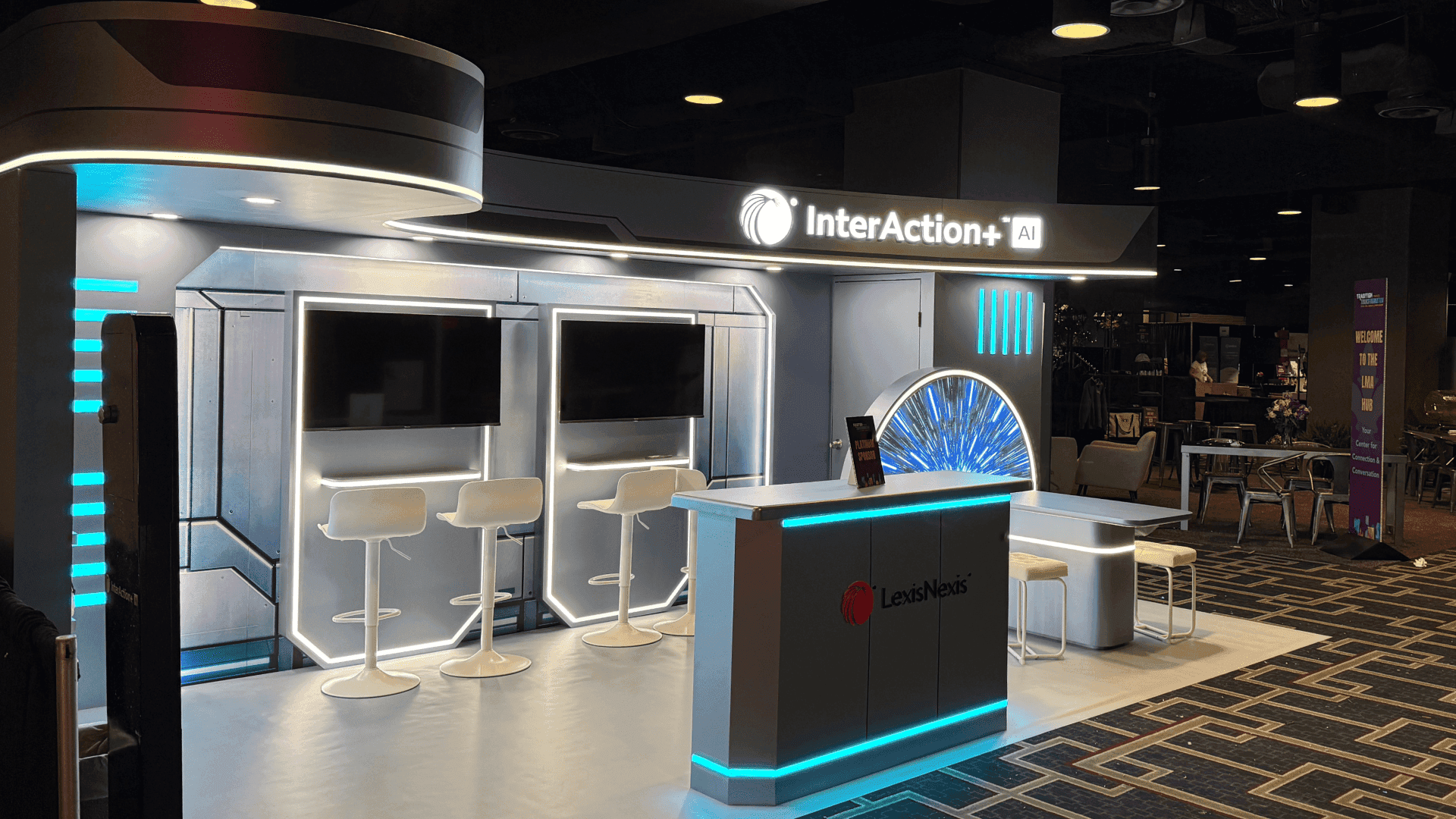
A lighting control station helps buyers understand scene changes, fixture response, system connection, and real event workflow.
How Booth Design Helps You Stand Out at LDI Show
LDI buyers are not just walking past lights. They are evaluating output, control, product fit, technical clarity, and whether the exhibitor is worth a serious conversation.
Good booth design structures that process. It decides what buyers see first, where they pause, how they inspect the fixture, where the control demo happens, and where deeper conversations continue.
For lighting exhibitors, the right booth layout should feel clear, controlled, and easy to move through.
A clear first impression: Buyers should understand what type of lighting product is being shown before they enter the booth. Fixture placement, demo timing, and large-format messaging should work together from the aisle.
A readable demo path: The booth should move buyers from visual attention to product review, then into control explanation and buyer conversation. A booth that tries to show everything at once can feel noisy.
A layout that supports technical review: Lighting buyers may need to compare output, control behavior, installation options, and product fit. The layout should give them room to look, ask, and continue the conversation.
A cleaner brand environment: A booth that is too bright, cluttered, or unclear can make product details harder to compare. Strong booth design helps the brand look prepared, credible, and easier to understand.

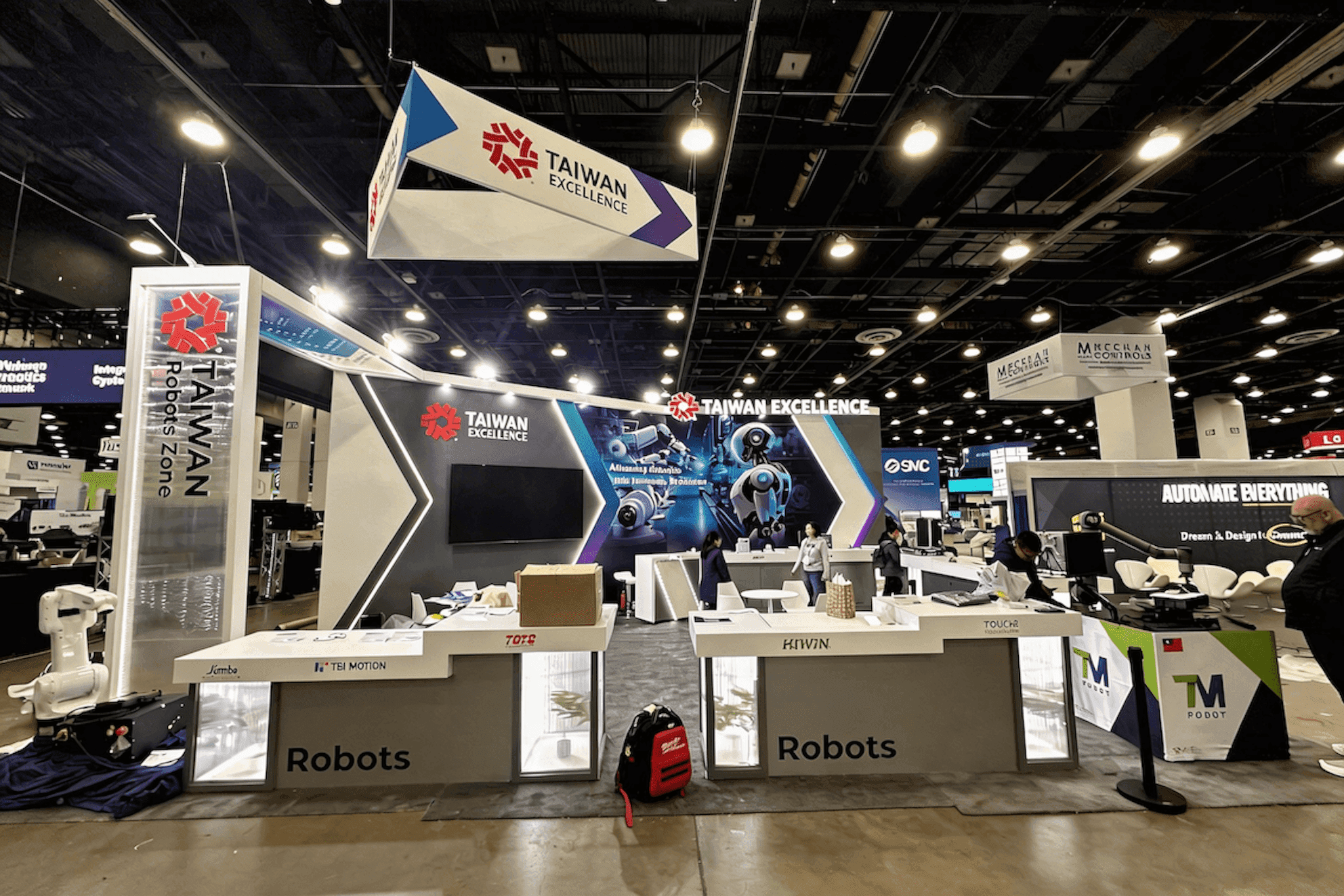
A 20x30 booth gives lighting exhibitors more room for multiple fixture groups, application graphics, demo flow, and technical discussions.
Booth Size Options for LDI Lighting Technology Exhibitors
The right booth size for LDI Show depends on more than square footage. Lighting exhibitors should consider how many products need to be demonstrated, how buyers will review the fixtures, whether a control station is needed, and whether staff need space for technical conversations.
Booth option | Best for | What the layout should support |
|---|---|---|
10x20 booth | Focused lighting product line or compact control demo | One strong demo direction, product display, simple graphics, limited storage, and clear buyer flow |
20x20 booth | Lighting exhibitors that need demo visibility and buyer conversations in one open space | Fixture display, controlled demo zone, lighting control station, meeting counter, hidden storage, and staff movement |
20x30 booth | Broader fixture lines, multiple demo areas, or appointment-heavy exhibitors | Separate product zones, stronger aisle visibility, larger control area, more storage, and clearer buyer movement |
Custom island booth | Large lighting systems or immersive demo environments | Multiple demo zones, stronger visual hierarchy, meeting areas, equipment storage, and controlled traffic flow |
A 20x20 booth is often a practical fit for LDI lighting exhibitors because it gives the brand visibility from multiple sides. It can support a lighting demo zone, fixture display, control station, small buyer conversation area, and hidden storage without becoming difficult to manage.
A 20x30 booth is better when the exhibitor has multiple fixture groups or expects more technical conversations. The extra depth allows the team to separate product viewing from control explanation and buyer meetings.
Before choosing a booth size, exhibitors should confirm three things: how many fixtures need to be shown, how many buyers may be in the booth at one time, and whether the team needs a separate area for technical discussions.
LDI Lighting Booth Planning Checklist
Before approving an LDI lighting booth direction, exhibitors should check whether the layout is ready for real buyer movement, product review, and show-site setup.
Aisle visibility: Can buyers understand the lighting product category before entering the booth?
Demo sequence: Does the layout guide buyers from fixture output to control explanation without creating visual noise?
Staff workflow: Can the team operate the demo, answer questions, and continue conversations without blocking traffic?
Booth size fit: Does the selected booth size support the number of fixtures, control area, storage needs, and buyer conversations?
Show-site readiness: Are graphics, cables, cases, backup fixtures, tools, and setup details planned before move-in?
Related LDI Booth References
Real booth references help exhibitors judge demo flow, product visibility, graphics, meeting space, and buyer movement before approving a booth direction.
If there is no confirmed LDI lighting case available, the article should not present unrelated projects as LDI examples. Instead, use related Circle Exhibit projects with similar planning logic.
Technology product demo booth reference: A strong reference for screen placement, demo flow, product explanation, and staff-led buyer conversations.
AV or broadcast workflow booth reference: Useful for exhibitors that need to explain system logic, technical setup, control flow, or product applications.
20x20 or 20x30 product display booth reference: Helpful for reviewing compact demo areas, counter placement, graphics, storage, and buyer movement.
Exhibitors can also review the trade show booth case studies page before finalizing a booth direction.
FAQ
What should an LDI lighting technology booth rental include?
An LDI lighting technology booth rental should include a lighting demo zone, fixture display area, control station, product graphics, buyer meeting space, and hidden storage.
Is a rental booth suitable for lighting exhibitors at LDI Show?
Yes. A rental booth can work well when the structure, graphics, fixture placement, control station, storage, and meeting areas are planned around the lighting demo instead of using a generic layout.
What booth size is best for lighting technology exhibitors at LDI?
A 20x20 booth often works well for a focused lighting demo with buyer conversation space. A 20x30 booth may be better when the exhibitor needs multiple fixture groups, a larger control station, or a more open traffic path.
Plan an LDI Lighting Technology Booth
LDI lighting booth planning should start with the buyer experience. Before approving a design, exhibitors should confirm how the fixture output will be shown, where product review will happen, how the control station will be used, how storage will stay hidden, and whether the booth size supports the team’s selling process.
For exhibitors comparing 20x20 booth planning, 20x30 booth planning, or rental booth options, Circle Exhibit can help plan an LDI lighting technology booth that connects demo zones, fixture displays, control stations, branded graphics, buyer meetings, installation, and Las Vegas show-site support from the beginning.