Labelexpo Americas Flexible Packaging Booth Planning
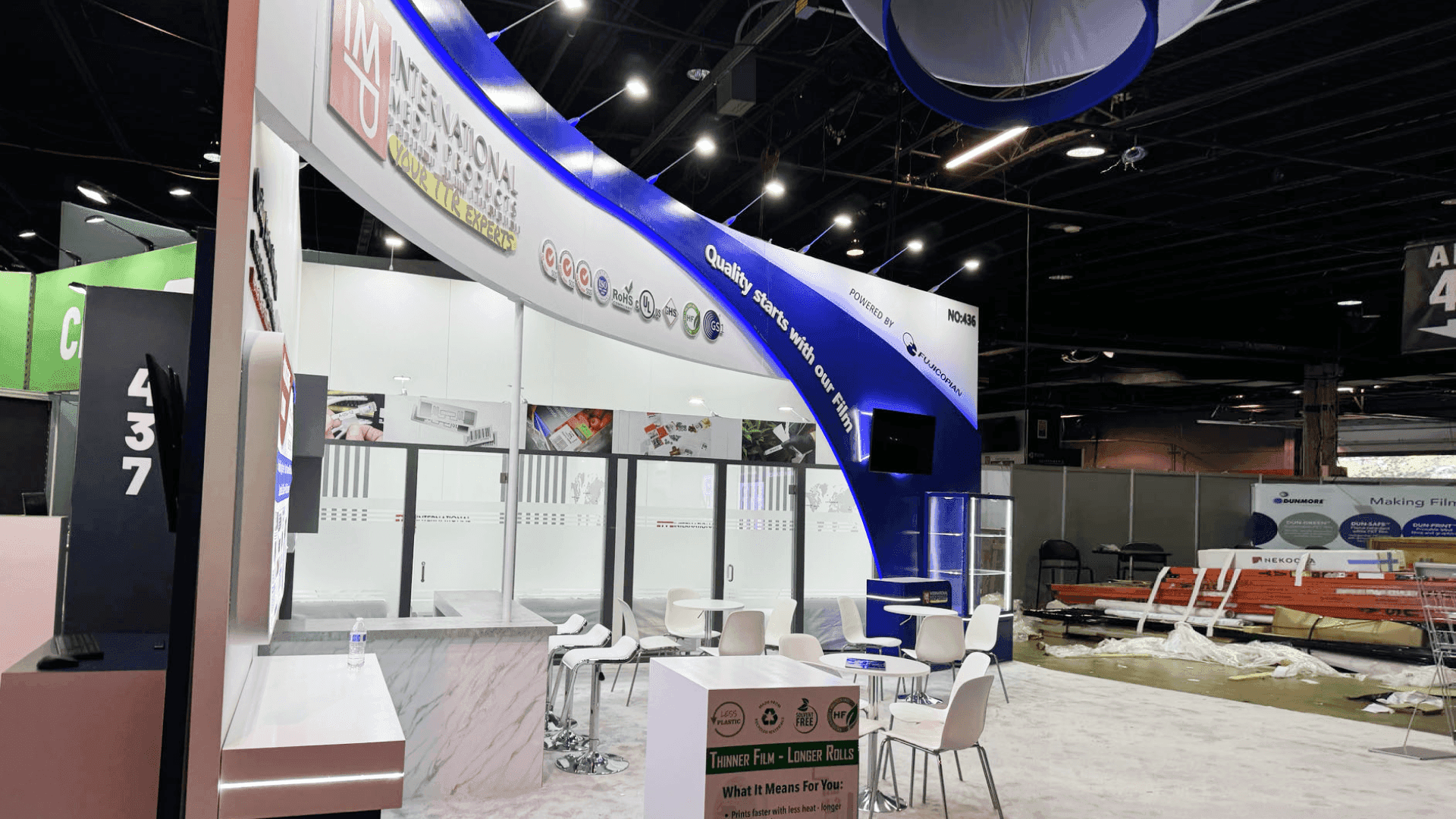

What should exhibitors plan for a Labelexpo flexible packaging booth?
Labelexpo flexible packaging exhibitors should plan booth layouts around pouch samples, shrink sleeves, film materials, package printing examples, material comparison areas, buyer review counters, graphics, storage, staff conversations, and show-site setup. A strong booth should help buyers compare packaging formats, understand material options, review print quality, and move into deeper sourcing or production conversations.
A Labelexpo Americas flexible packaging booth should help buyers understand packaging formats, printed sample quality, substrate options, pouch structures, shrink sleeves, films, and application use cases without making the booth feel crowded. Under the LOUPE Americas show name, flexible packaging exhibitors still need a clear package printing and material review environment that supports fast buyer comparison and deeper technical conversations.
For flexible packaging exhibitors, the booth often needs to support pouch displays, shrink sleeve samples, film material boards, package sample walls, review counters, branded graphics, storage, lead capture, and staff-led walkthroughs. Working with trade show booth builders can help connect booth structure, graphics, logistics, and show-site setup around the packaging sample review experience.
This page focuses on Labelexpo flexible packaging booth planning, pouch display layout, shrink sleeve sample presentation, film material review, package printing comparison, buyer review counters, and show-site readiness. For the main event hub, review Labelexpo Americas booth planning. Exhibitors comparing related display needs can also review Labelexpo label printing booth planning and Labelexpo finishing and converting equipment booth planning.
Why Exhibitors Choose Circle Exhibit
Clear scope, transparent quote review, nationwide booth support, and efficient setup planning for qualified rental and custom exhibit projects.
48hr
Setup Window
10+
Years Since 2014
U.S.
Trade Show Support
Real
Booth Project Proof
Labelexpo flexible packaging booth size should be planned around package sample wall space, pouch display needs, film material boards, buyer review counters, storage, staff flow, and how quickly buyers need to compare packaging formats from the aisle.
A 10x20 booth can work for flexible packaging exhibitors with one focused product group, pouch samples, shrink sleeve examples, a small review counter, light storage, and short buyer conversations.
Flexible packaging booths depend on visual clarity. Pouch samples, sleeve examples, substrate labels, material boards, and booth graphics should help buyers understand packaging applications quickly.
A 20x20 booth gives packaging exhibitors more room for pouch displays, film sample boards, package sample walls, review counters, storage, lead capture, and staff-guided material comparison.
A more involved flexible packaging booth may need sample wall structures, review counters, branded surfaces, storage planning, freight timing, and final setup checks.
Use these Labelexpo flexible packaging planning resources before finalizing a pouch display, shrink sleeve sample area, film material board, package sample wall, buyer review counter, or booth graphics plan. Start with Flexible Packaging Booth Display Ideas for LOUPE Americas, which explains how packaging exhibitors can plan pouch samples, film materials, package sample walls, buyer review flow, storage, graphics, and show-site setup.
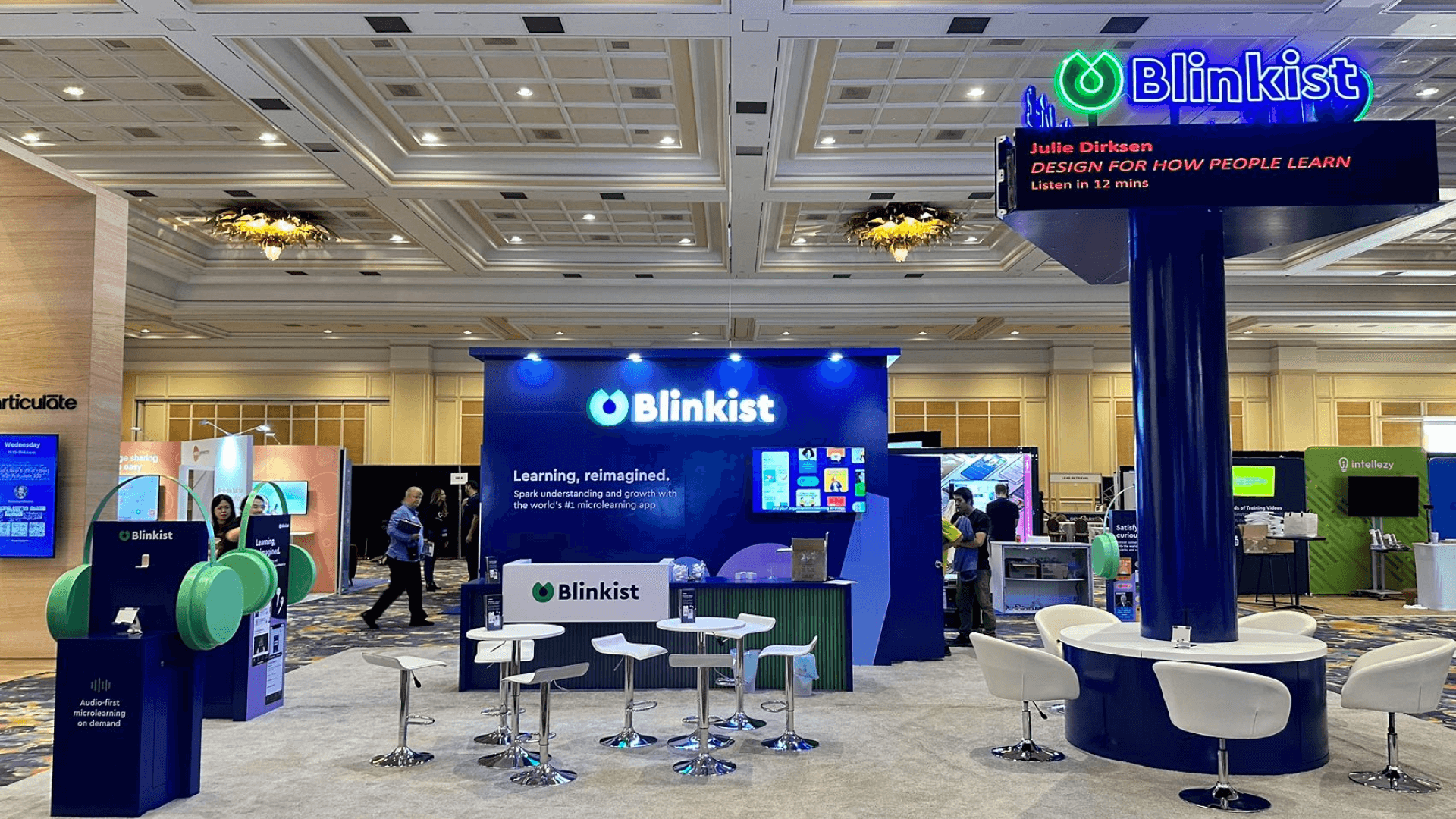
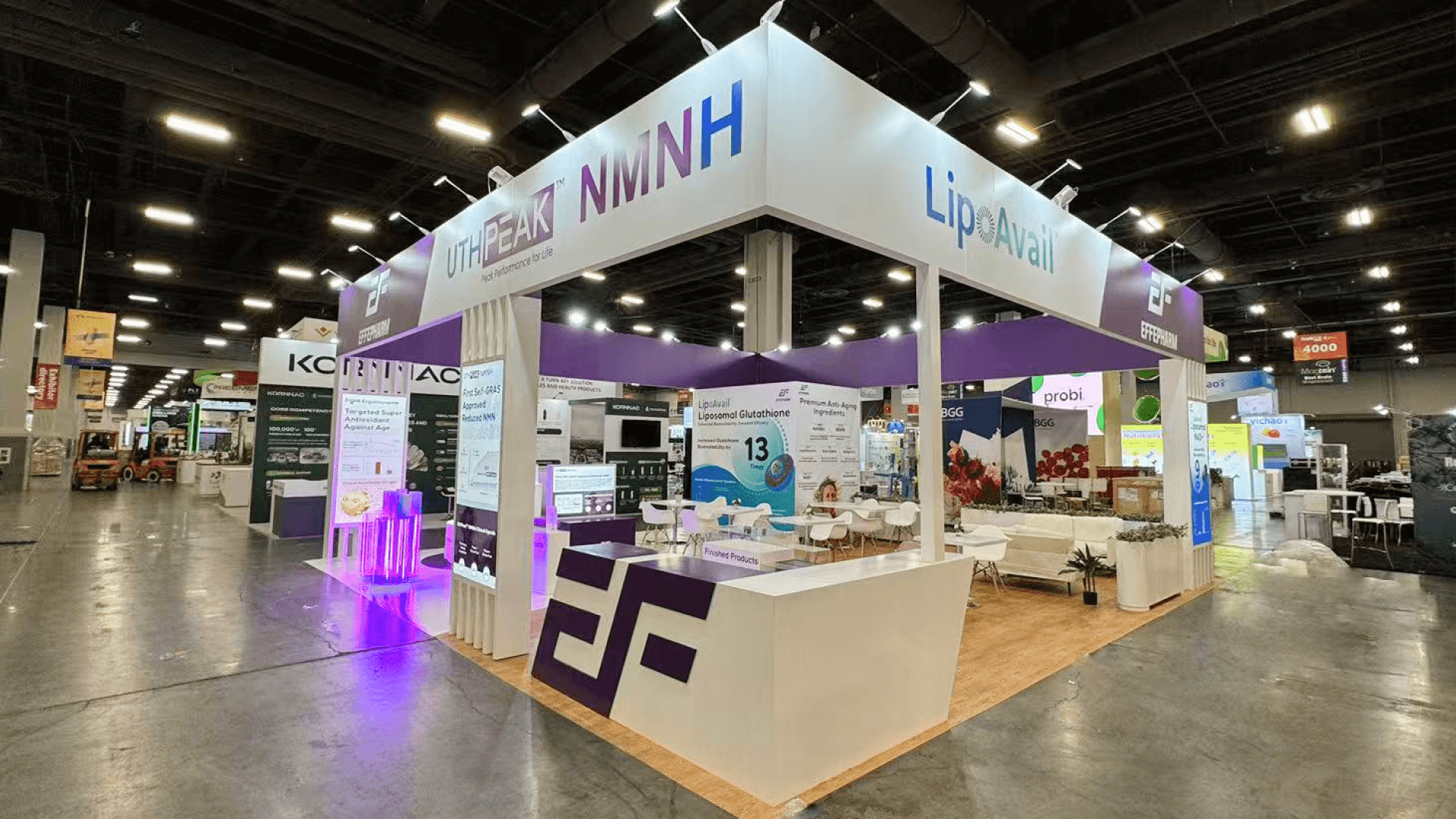
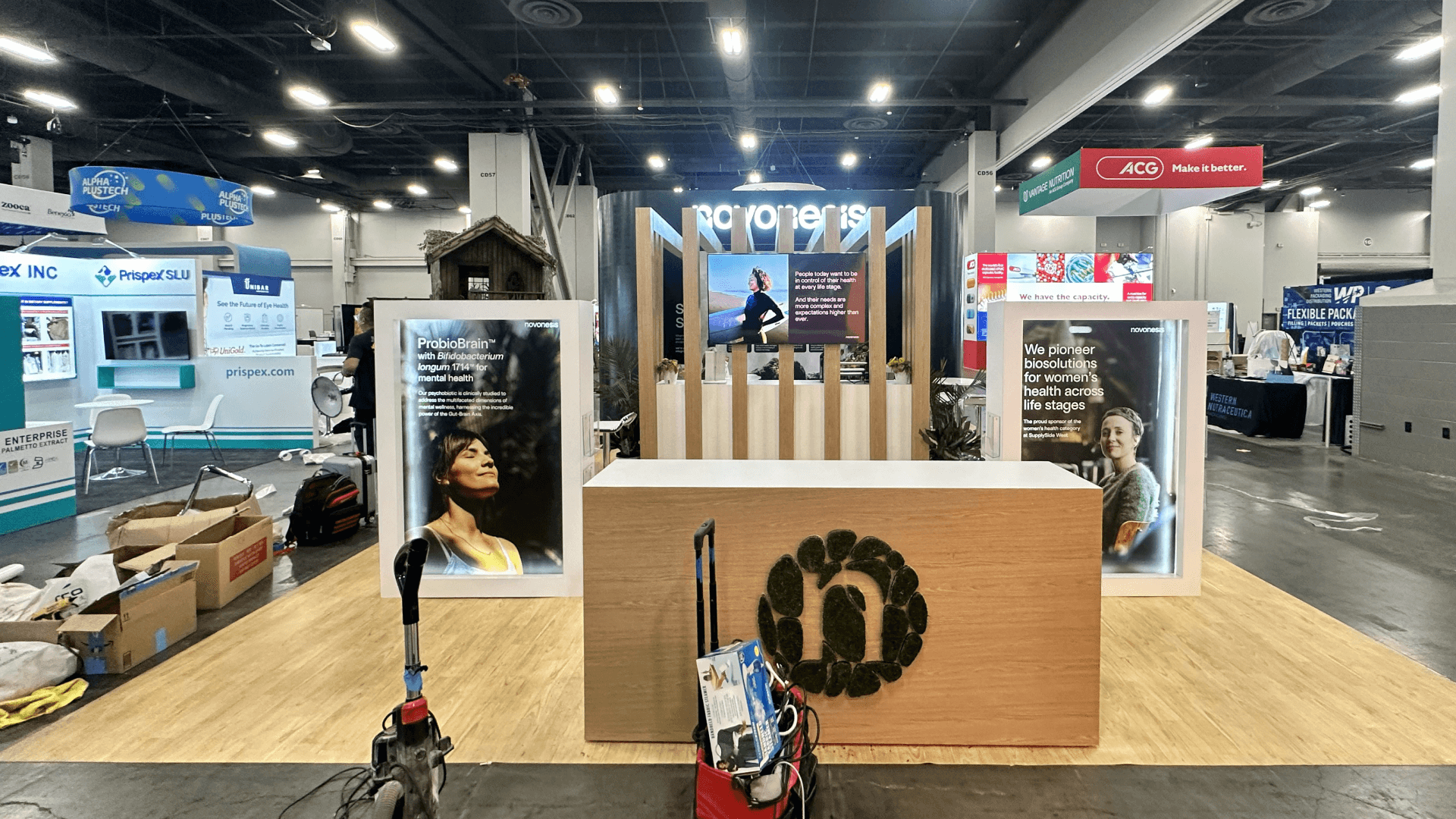
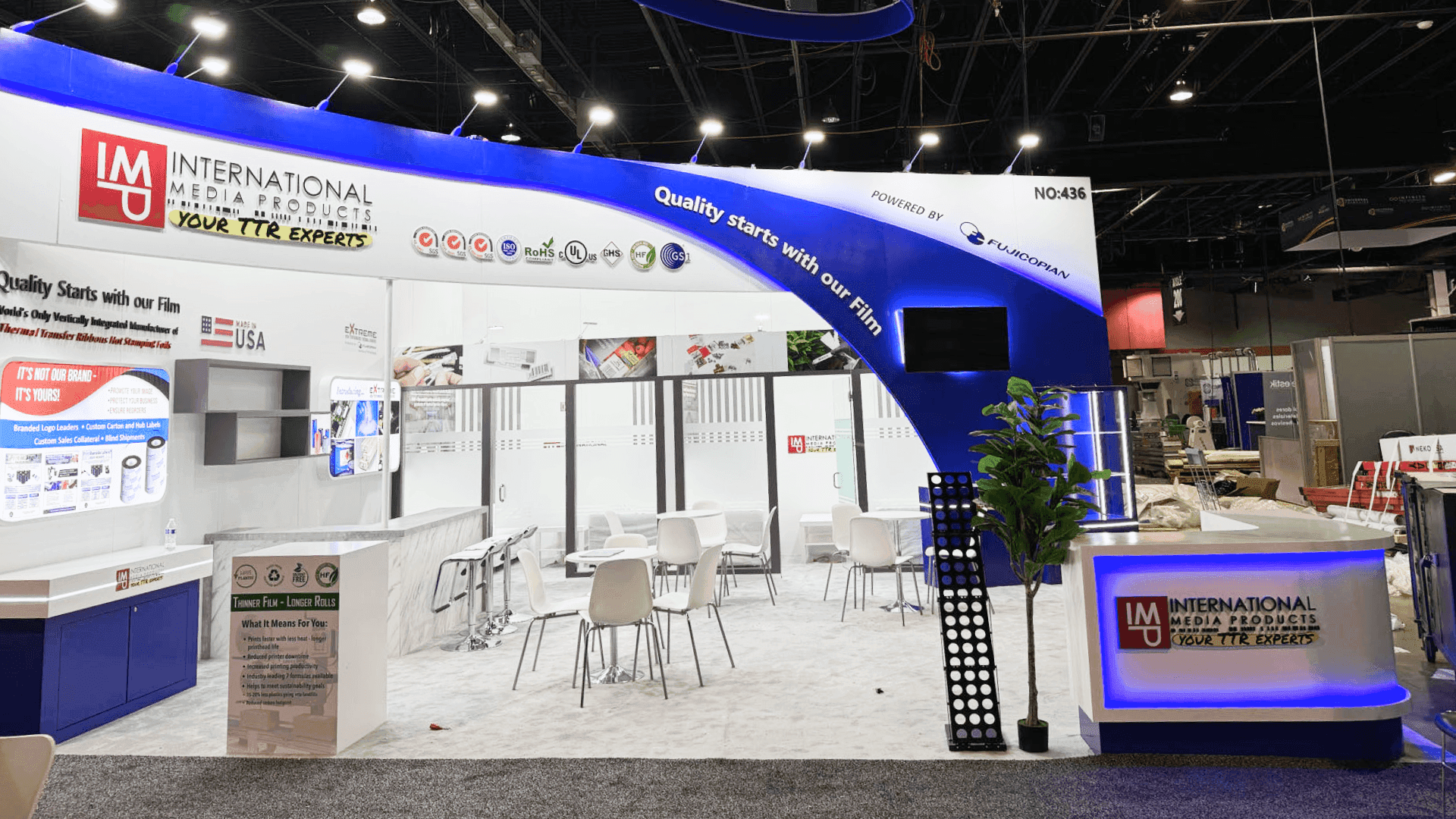
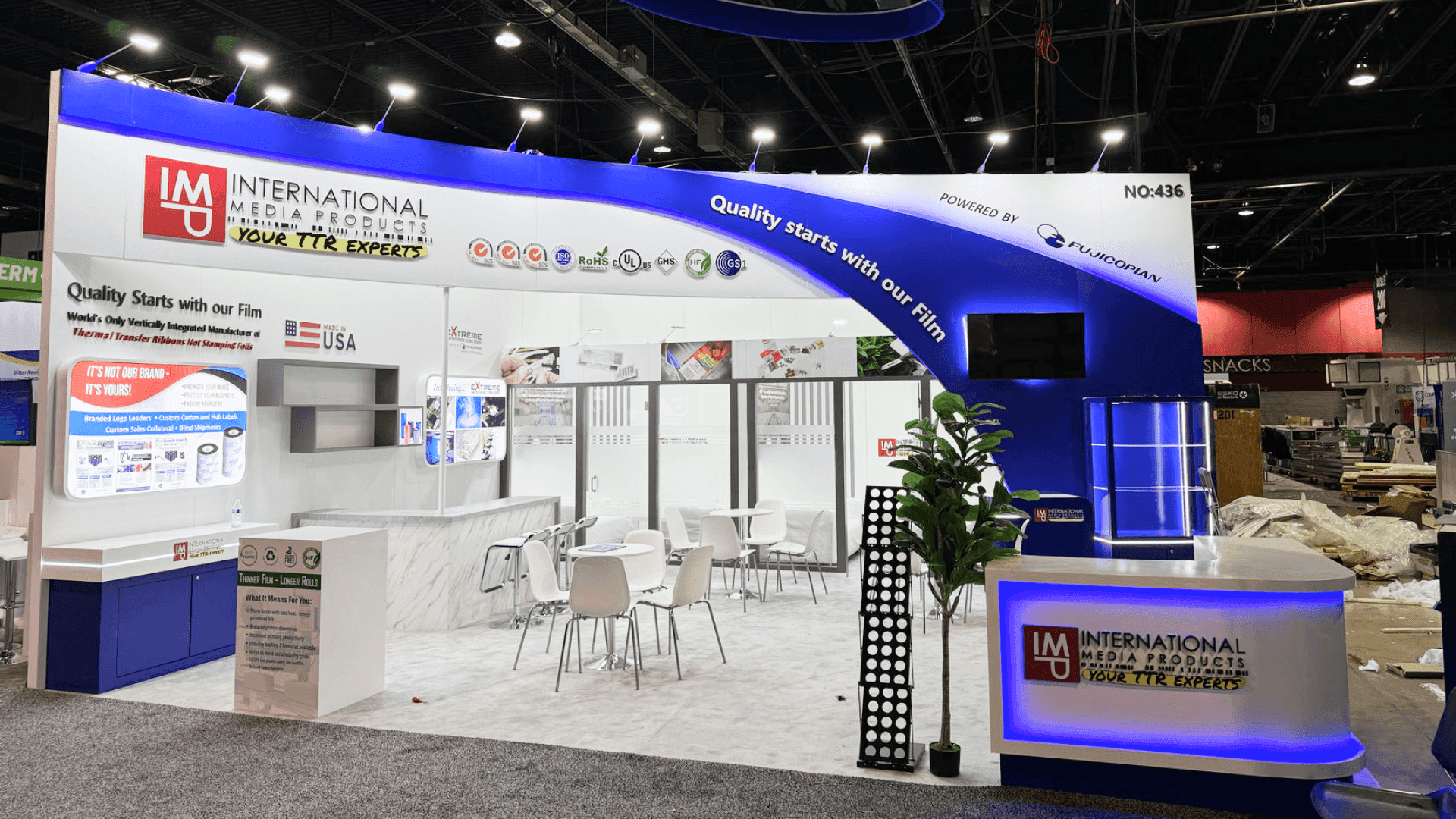
For related execution proof, review the IMP Labelexpo Americas 2024 booth project and the IMP Labelexpo Americas 20x20 case study. These references help connect flexible packaging booth planning with booth structure, graphics, sample display areas, buyer flow, and show-site execution.
Flexible packaging booths should help buyers compare pouch formats, shrink sleeves, printed package samples, film materials, substrates, and finishing options without crowding the booth or slowing down buyer conversations.
Pouch samples and shrink sleeves should be organized by application, material, finish, format, or buyer use case. Buyers should be able to compare structure, print quality, surface finish, and shelf impact without needing a long explanation first.
Film materials, substrates, coatings, adhesives, and sample variations should be placed where buyers can review them closely. Clear labels and review counters help make technical material differences easier to understand.
A package sample wall can help buyers scan product applications quickly, but it should not block counter conversations or staff movement. The booth should guide visitors from quick sample comparison into deeper sourcing or production discussions.
Flexible packaging booths need space for sample sets, catalogs, product sheets, backup samples, staff materials, and lead capture tools. Storage access and counter placement should support buyer review without blocking the aisle.
LOUPE Americas, formerly Labelexpo Americas, gives flexible packaging, label, folding carton, converting, materials, workflow, and package printing exhibitors a focused environment for sample review, product comparison, and buyer conversations.
LOUPE Americas 2026 is scheduled for September 15–17, 2026 at the Donald E. Stephens Convention Center in Rosemont, near Chicago.
Flexible packaging exhibitors should make pouch samples, shrink sleeves, film materials, printed package examples, substrate differences, finishing effects, and staff explanations easy for buyers to review during short booth conversations.
Not Sure Which Booth Size You Need?
Not every exhibitor knows whether a 10x20, 20x20, 20x30, or larger booth is the right fit. Circle Exhibit can help review your event goals, product display needs, demo areas, meeting space, storage, budget scope, and setup timeline before you choose a booth size.
Material Review Flow
Sample Wall Density
1
Organize Packaging Formats
2
3
4
When Rental Can Work
A rental booth can work when the exhibitor needs branded graphics, pouch displays, package sample panels, review counters, light storage, and a clean booth layout without a fully custom build. This approach can be practical for focused flexible packaging displays or teams that need flexible setup.
When Custom Build Support Helps
Custom build support is useful when the booth needs built-in sample walls, custom counters, stronger branded surfaces, structured product areas, storage, or a more controlled buyer review path. These needs should be planned before production so the booth structure, graphics, materials, and setup sequence stay aligned.
How to Decide
Choose based on how buyers will review package samples and understand material options. A focused pouch display may fit a compact inline layout, while exhibitors with sample walls, review counters, storage, and stronger buyer circulation may need a larger island layout.
Place pouch and sleeve displays where buyers can scan applications and compare package formats quickly.
Keep a counter area open for film samples, substrate discussion, product sheets, and buyer questions.
Confirm graphics, sample labels, backup sample storage, staff materials, and lead capture tools before show opening.
Plan pouch displays, shrink sleeve samples, film material boards, review counters, branded graphics, storage access, and staff handoff before final setup so buyers can compare packaging options quickly when the show opens.
Related Labelexpo booth planning pages include the main Labelexpo Americas hub, label printing booth planning, and finishing and converting equipment booth planning. Use this page as the flexible packaging-focused planning path within the broader Labelexpo / LOUPE Americas content cluster.
Rental Booths for Label Printing Equipment at Labelexpo
Plan a customizable rental booth around label printing equipment, live demonstrations, sample displays, workflow screens, storage, and buyer meetings. Circle Exhibit coordinates the booth structure, branded graphics, logistics, installation, and dismantle for the Chicago show floor.
What should a flexible packaging booth show first?
Start with pouch samples, shrink sleeve examples, film materials, and clear graphics so buyers can understand packaging formats and applications quickly.
How should packaging sample walls be organized?
What setup details matter for flexible packaging booths?
How is Labelexpo flexible packaging booth planning different from label printing booth planning?
What booth size works well for Labelexpo flexible packaging exhibitors?
READY TO PLAN YOUR NEXT BOOTH?
Let’s Build a Booth That Fits Your Event
Share your event name, booth size, city, timeline, product display needs, and design references. Circle Exhibit will review your project direction and help you choose a rental-friendly or custom exhibit path.
3000+
Booth Projects Supported
50+
U.S. Event Cities
Transparent
Quote Review
For flexible packaging exhibitors planning pouch displays, package sample walls, review counters, storage, lead capture, and buyer review flow within a focused booth layout.
For exhibitors planning a compact flexible packaging display with one focused product group, pouch samples, shrink sleeve examples, a small review counter, and light storage.
For exhibitors that need package sample displays, substrate labels, booth graphics, product messaging, and visual communication support.
For exhibitors that need freight timing, sample materials, booth preparation, move-in planning, storage coordination, and show-site readiness before opening day.
For exhibitors that need package sample wall structure, counters, branded surfaces, material checks, production readiness, and booth preparation before the show.
Use the related Labelexpo project and case study references to understand how booth structure, graphics, display areas, visitor flow, and show-site execution can support label and package printing exhibitors.