Start With Packaging Sample Review
Flexible packaging booths work best when the product range is easy to scan. Buyers are usually not looking at one sample only. They may compare pouch shape, film feel, finish, color, shelf impact, durability, and application use.
That means the booth should not simply place every package sample on a wall or counter. The layout should guide visitors from the aisle into a clearer review area. A buyer should be able to understand the product category first, then move closer to compare materials, formats, and finish details.
This keeps the booth focused and helps staff turn product interest into a useful conversation.
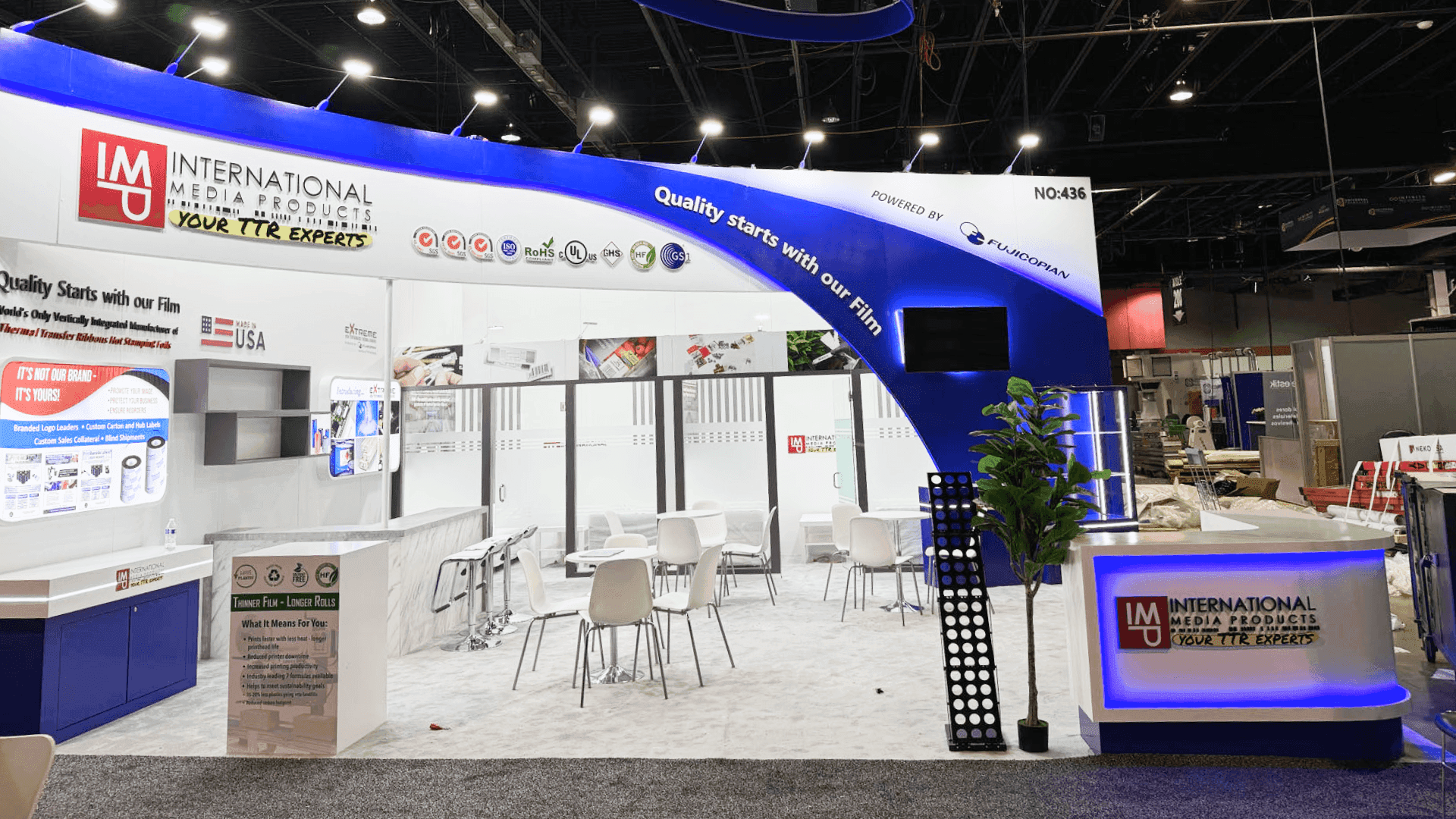
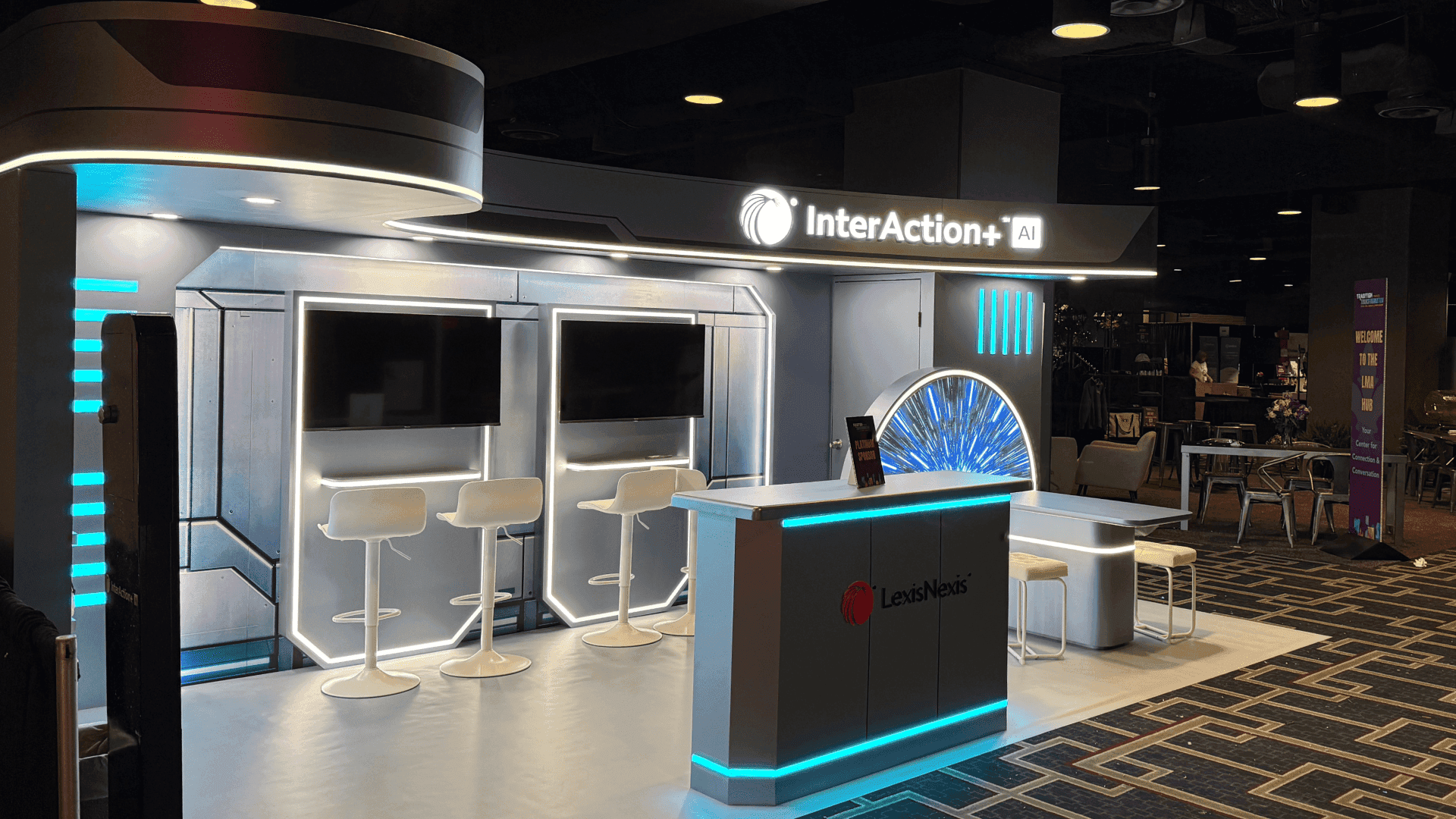
A flexible packaging booth should give buyers a clear place to review pouch samples, film materials, finishes, and application examples without crowding the aisle.
Flexible Packaging Booth Areas and Their Roles
Booth Area | Main Job | Planning Note |
|---|---|---|
Product wall | Show the packaging range | Group products by format, application, or material type |
Pouch display | Highlight stand-up pouches, flat pouches, or specialty formats | Keep the strongest samples at eye level |
Shrink sleeve area | Show wraparound graphics and shelf impact | Use clean lighting so color and finish are visible |
Film material display | Help buyers compare material options | Avoid overcrowding small swatches or rolls |
Sample counter | Support hands-on review | Give buyers space to hold, compare, and ask questions |
Booth graphics | Explain categories and applications | Use simple labels, not long technical text |
Storage | Hide sample boxes, bags, tools, and backup materials | Keep storage close to staff but out of buyer view |
Staff position | Guide product questions | Staff should not block the product wall or counter |
Build the Booth Around Product Groups
Flexible packaging samples should be organized around how buyers compare products. A booth can feel more useful when the product wall separates formats and applications clearly.
Useful grouping options include stand-up pouches, flat pouches, shrink sleeves, rollstock or film materials, food and beverage packaging, health and beauty packaging, retail product packaging, specialty finish samples, and sustainable or lightweight material options.
The goal is not to show the largest number of samples. The goal is to make the product range easier to understand in a busy exhibit hall.
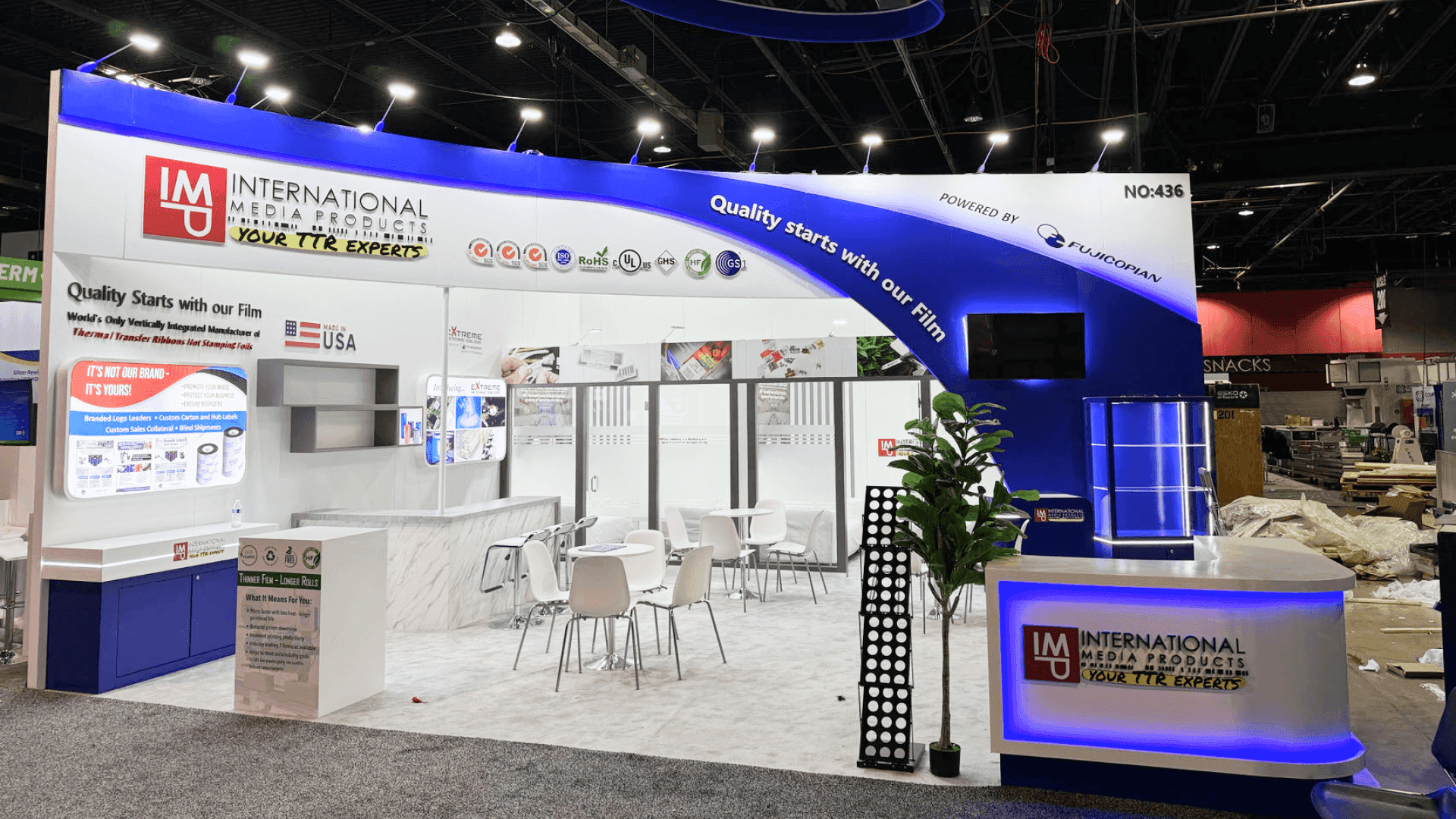
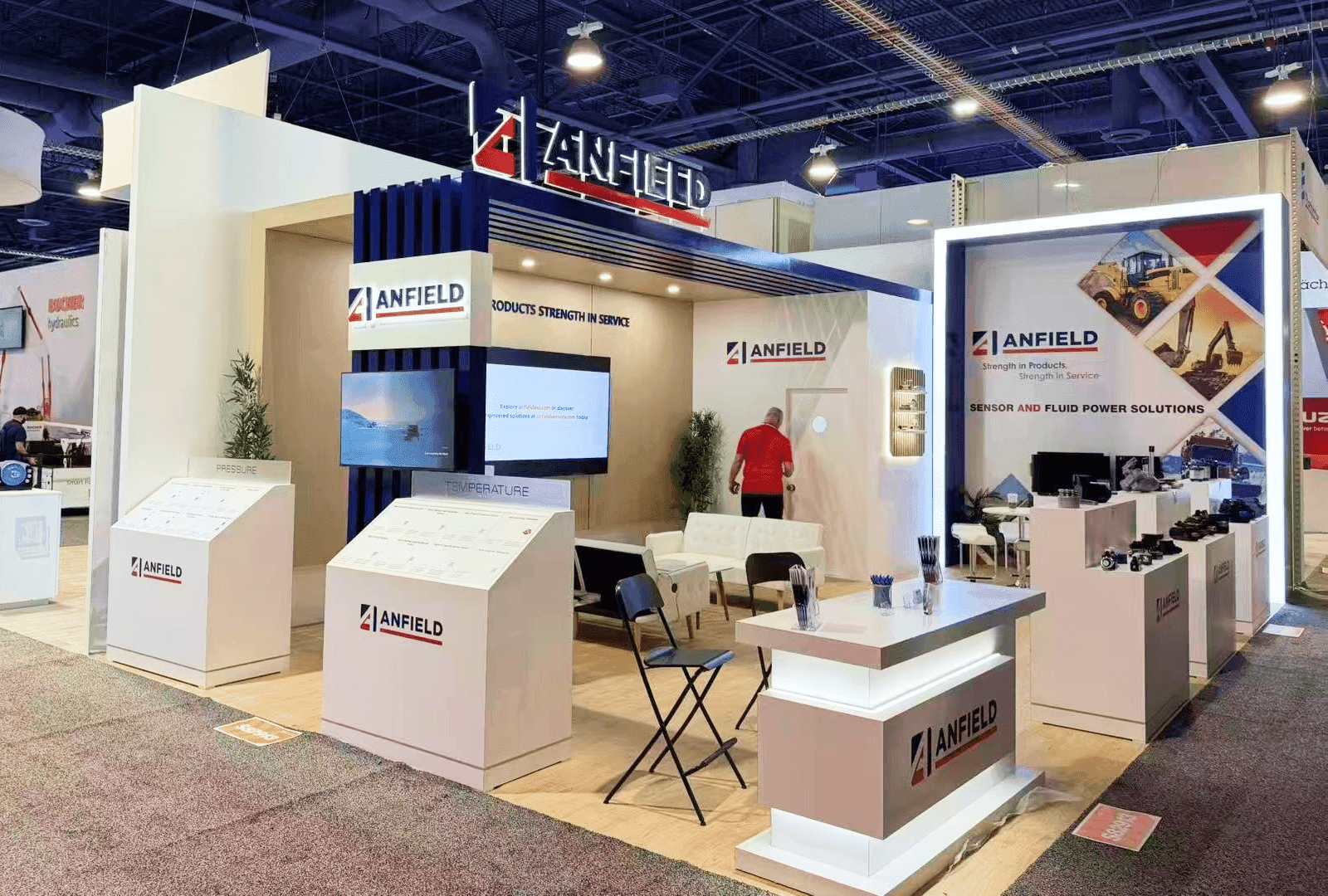
A product wall works best when flexible packaging samples are grouped by format, material, finish, or application so buyers can scan the range quickly.
Use Counters for Hands-On Buyer Review
A flexible packaging sample often needs to be held, turned, compared, and discussed. A product wall can attract visitors, but a counter gives them a place to continue the review.
A good sample counter should support short buyer questions about material, application, finish options, product size, shelf appearance, and follow-up review after the show. The counter should be close enough to the product wall so staff can connect the sample display with the conversation.
A useful reference is the IMP Labelexpo Americas 2024 20x20 booth case study, where label films, printing consumables, front-counter sample handoff, and short buyer conversations were part of the booth planning logic. It is not a pure flexible packaging booth, but it gives a practical example of how sample-led product conversations can work in a 20x20 Labelexpo environment.
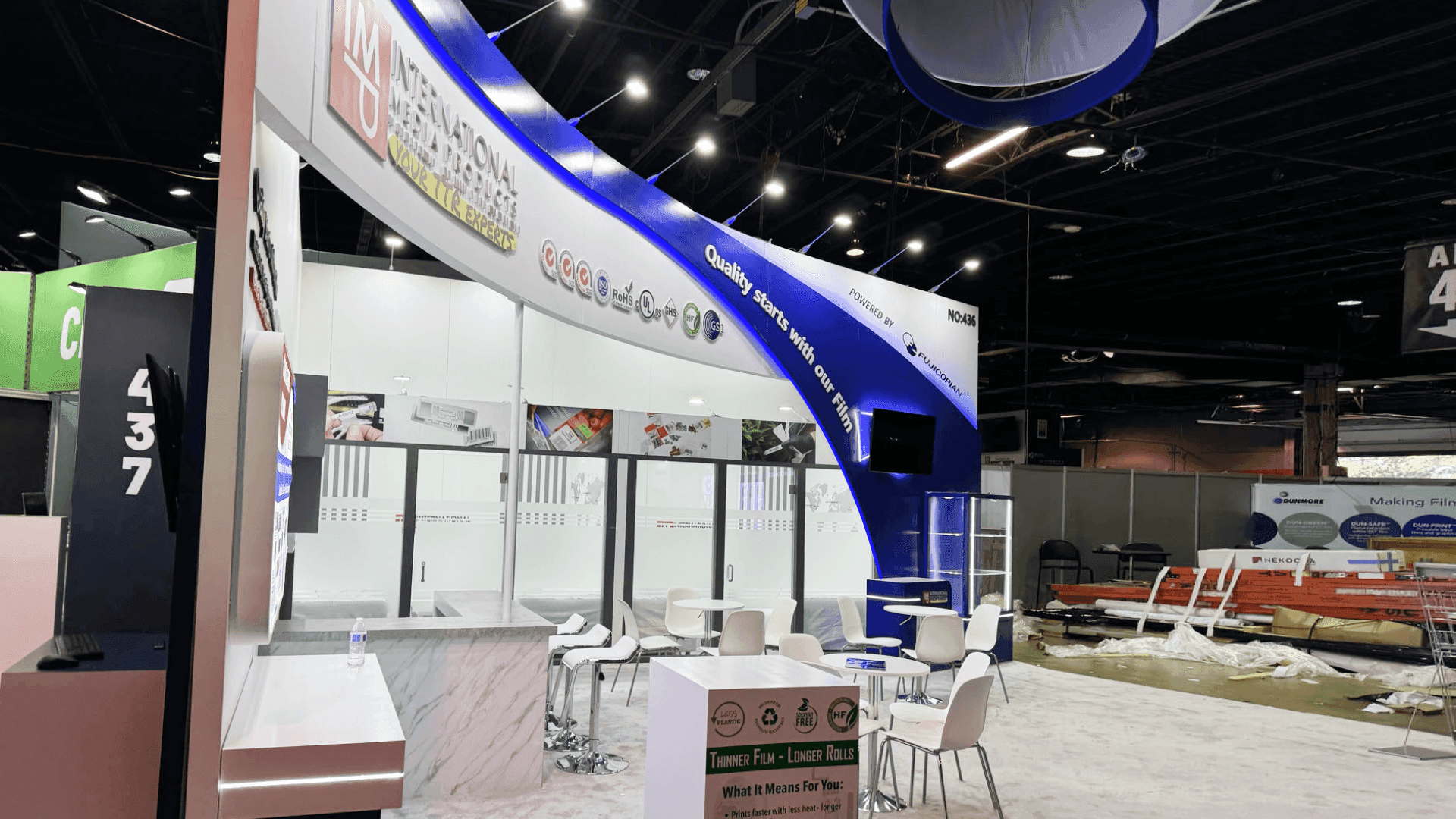
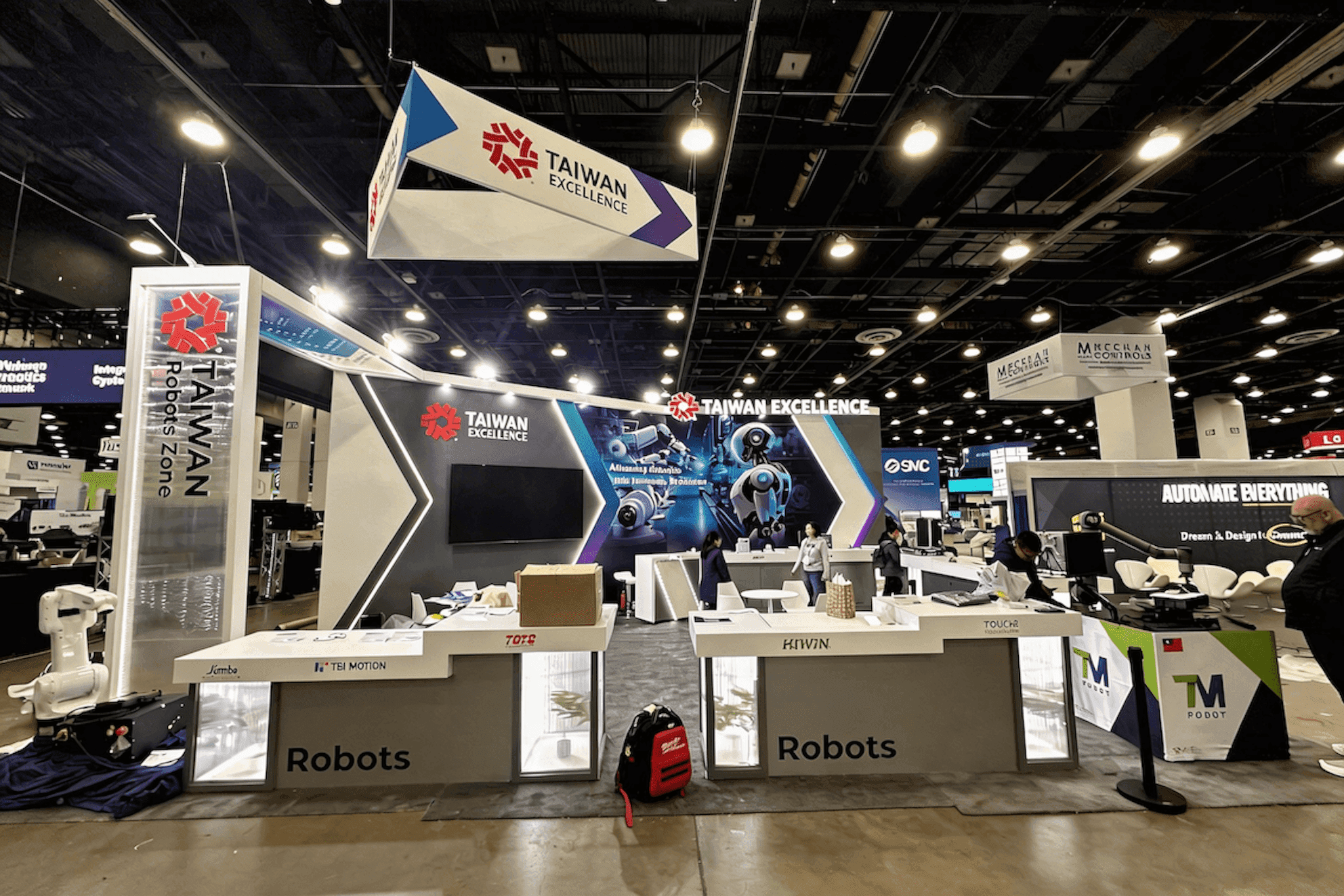
A sample counter helps buyers hold, compare, and discuss packaging samples before moving into a more detailed product or sourcing conversation.
Let Graphics Support the Product Range
For flexible packaging exhibitors, graphics should make the booth easier to read. They should not compete with the samples.
Booth graphics can help buyers understand packaging format, product application, material category, finish type, sustainability message, brand positioning, sample grouping, and buyer use case.
Clear visual labeling is especially helpful when several packaging formats are displayed in one booth. A simple header, product category label, or application callout can help buyers understand the display faster. For this reason, trade show booth graphics and brand presentation should be planned together with the sample wall and counter layout, not added at the end.
When a 20x30 Booth Makes Sense
A 10x20 booth may work for a narrow product line, and a 20x20 booth can support a focused packaging display. But many flexible packaging exhibitors need more space for product walls, sample counters, storage, and short buyer conversations.
A 20x30 booth often works well when the exhibitor needs a larger packaging product wall, pouch and shrink sleeve display areas, film material or swatch review, a sample counter, screen content or product application visuals, hidden storage, short buyer conversations, and clear staff movement. For exhibitors comparing booth sizes, 20x30 booth planning can be a practical reference because it supports both display volume and buyer interaction without requiring a large island booth.
Flexible Packaging Booth Display Checklist
Before finalizing a LOUPE Americas flexible packaging booth, review these points:
Is the flexible packaging category clear from the aisle?
Are samples grouped by pouch, sleeve, film, application, or finish?
Can buyers compare product formats without crowding the wall?
Is there a counter for hands-on sample review?
Are the strongest samples placed at a natural viewing height?
Do graphics explain product categories clearly?
Is lighting planned for color, finish, and material visibility?
Are storage and backup samples hidden from buyer view?
Can staff answer questions without blocking the display?
Does the booth size support product range, review space, and traffic flow?
For broader event planning, the main LOUPE Americas booth planning page can connect this flexible packaging direction with label printing, finishing equipment, booth size, and show-site setup.
FAQ
What should a flexible packaging booth display first?
A flexible packaging booth should show the clearest product format or application first. That may be pouch samples, shrink sleeves, film materials, or a product wall grouped by market use.
Does a flexible packaging booth need a product wall?
Most flexible packaging booths benefit from a product wall because buyers need to scan product range quickly. The wall should be grouped by format, material, finish, or application instead of showing every sample at the same level.
What booth size works well for flexible packaging exhibitors?
A 20x20 booth can work for a focused sample display. A 20x30 booth is often better when the exhibitor needs a larger product wall, sample counter, storage, screen content, and space for short buyer conversations.
Final Takeaway
A LOUPE Americas flexible packaging booth should not be planned as a product wall alone. The booth needs a clear sample review experience, with pouch displays, shrink sleeves, film materials, sample counters, booth graphics, lighting, storage, and staff flow working together.
Start with how buyers compare packaging samples, then build the layout around product visibility, hands-on review, and practical buyer conversations.