IAAPA Games & Arcade Booth Planning
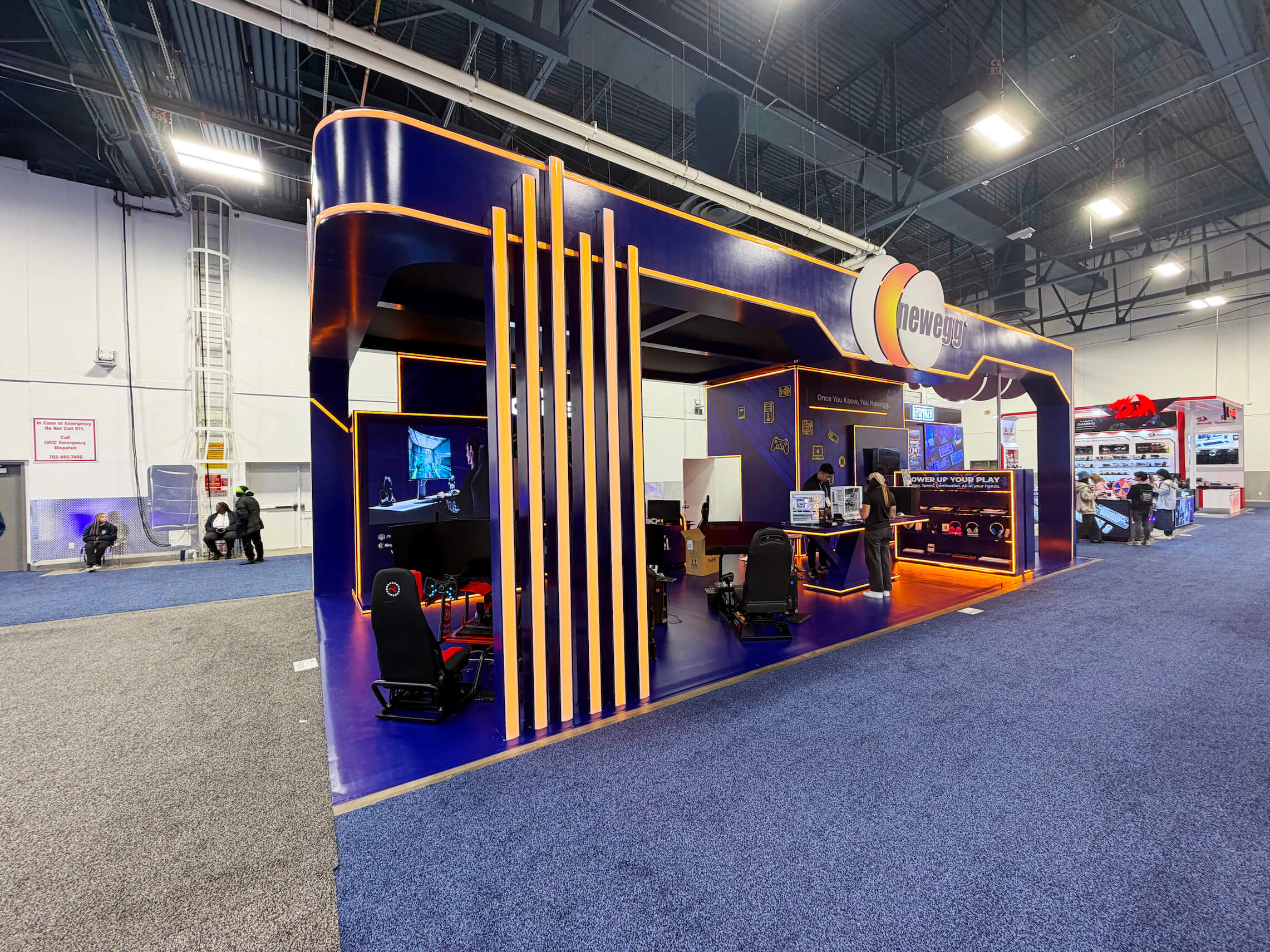
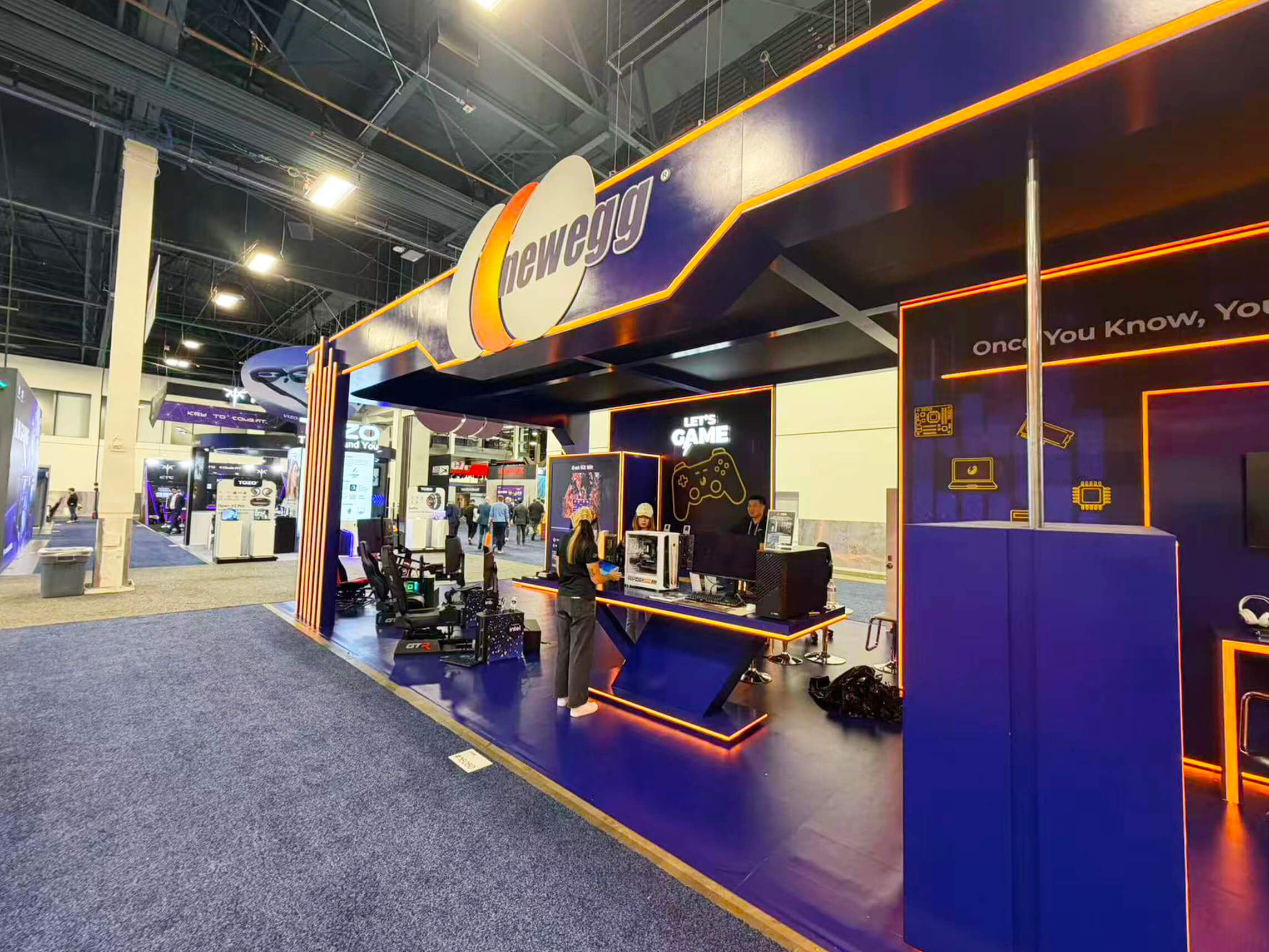
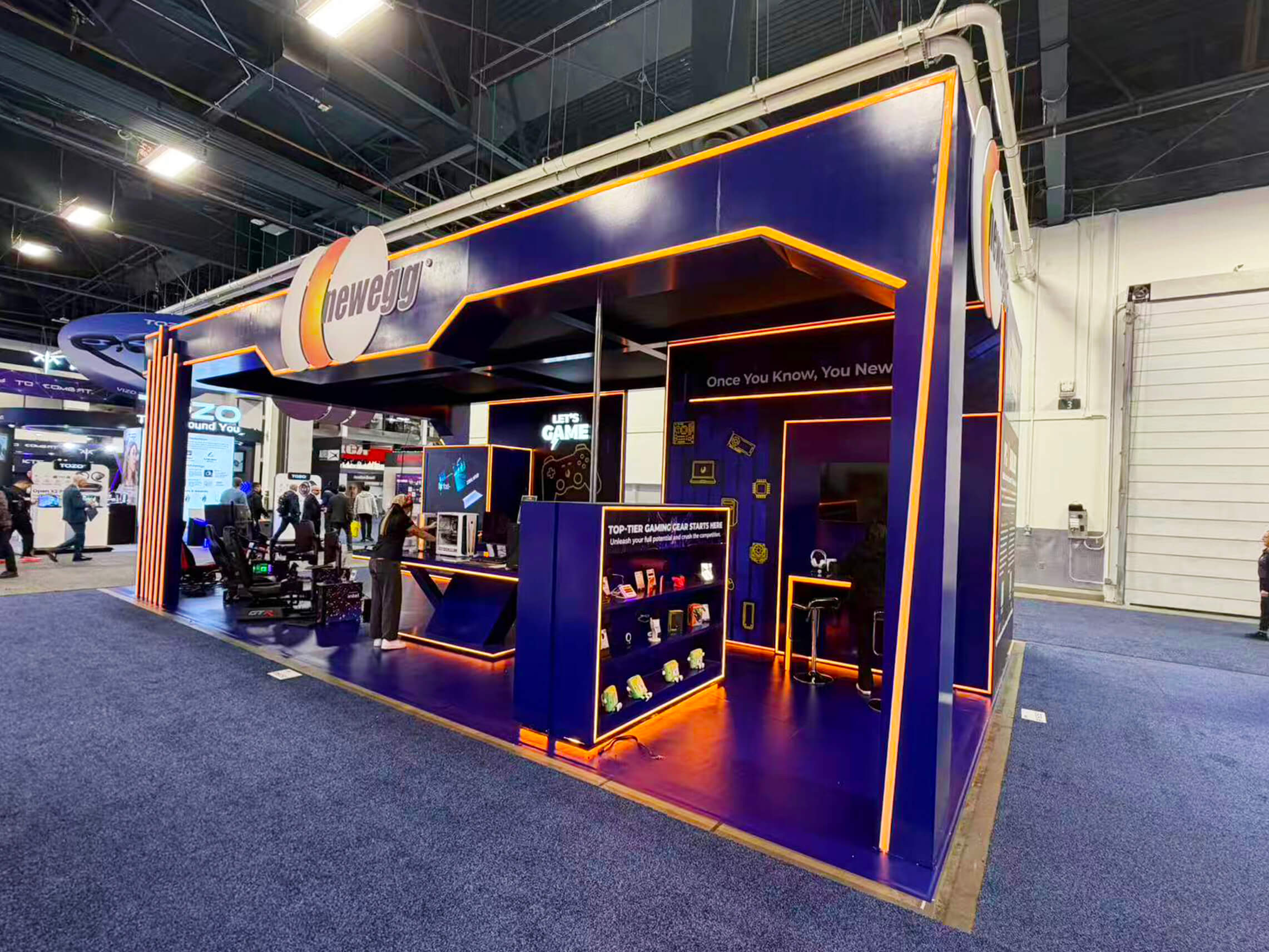

What makes an IAAPA games and arcade booth work for live play?
An IAAPA games and arcade booth should make the game understandable, playable, and easy to watch. Arrange the cabinet, controls, player, spectators, and staff as one working station, then allow room for the next player and reset. Power, sound, prize storage, and technical access should support that cycle within the assigned booth.
Buyers often want to see a game in use before discussing specifications or pricing. At IAAPA Expo, a cabinet, redemption game, VR station, or interactive product needs a recognizable player position and room to watch. The presentation should explain the game while keeping players, spectators, and staff within the exhibit.
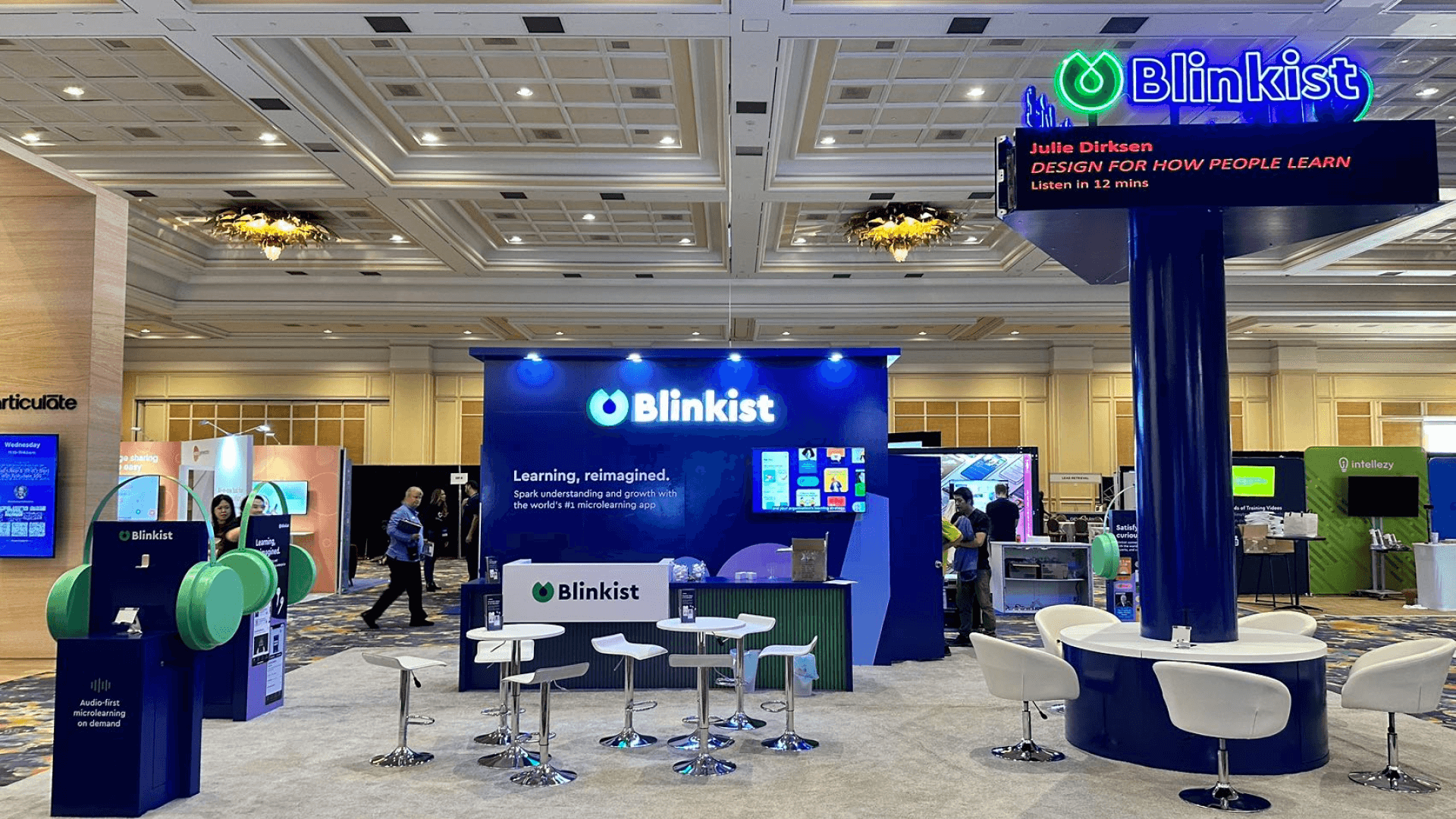
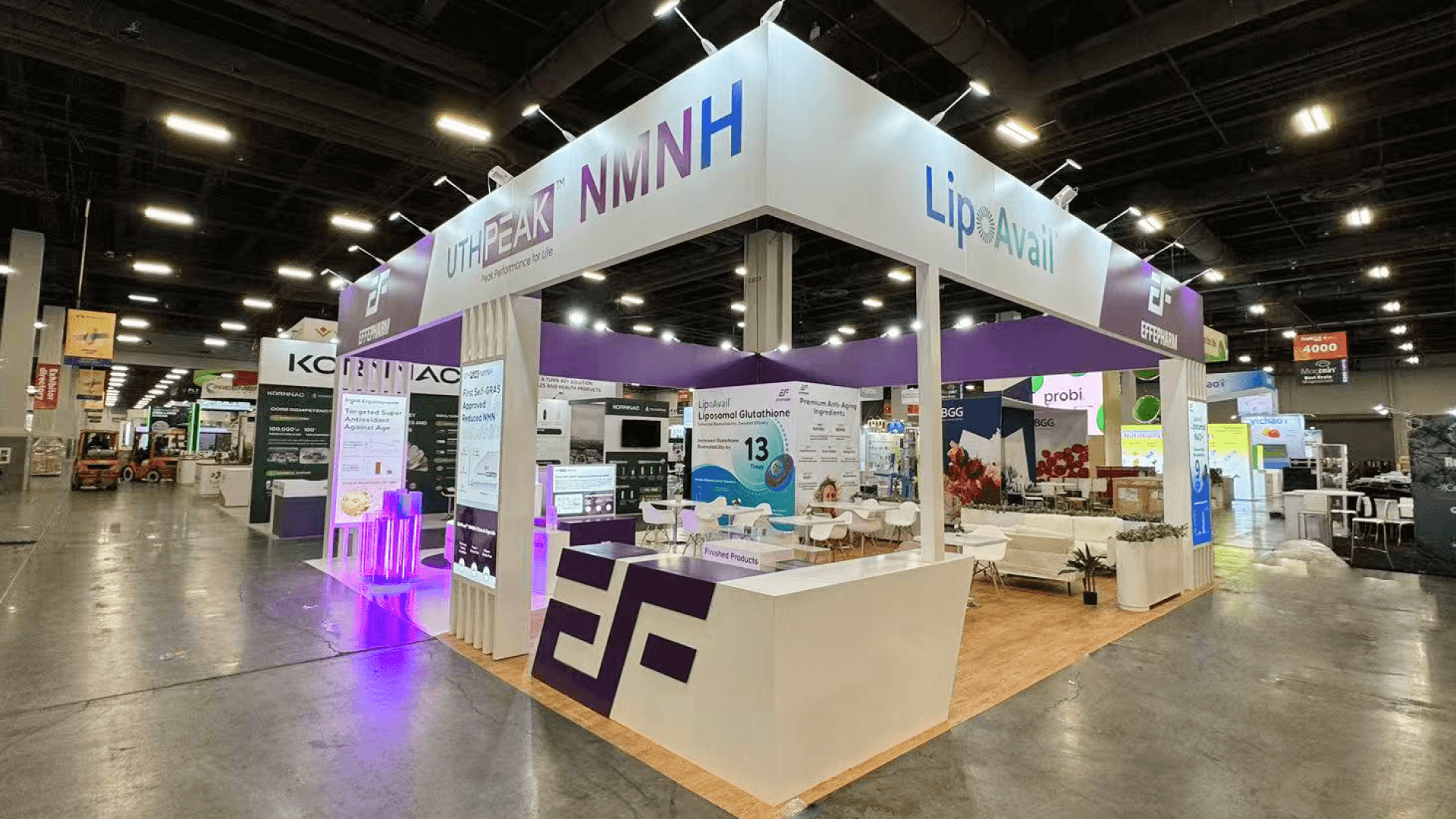
Use a 20x20 game demonstration layout to compare the playable station with spectator space, prize displays, storage, and a discussion point. A 10x20 arrangement may suit one focused example; a 20x30 allocation may separate concurrent games. Include the actual play area and reset access before deciding how many stations to bring.
Sound, screens, controls, and power need to work together in the assigned Orange County Convention Center space. Rehearse a complete play and reset cycle with the installed equipment. If a waiting player or longer conversation blocks that cycle, revise the station positions before adding more display furniture.
Why Exhibitors Choose Circle Exhibit
Clear scope, transparent quote review, nationwide booth support, and efficient setup planning for qualified rental and custom exhibit projects.
48hr
Setup Window
10+
Years Since 2014
U.S.
Trade Show Support
Real
Booth Project Proof
Count the space used during play, watching, waiting, and reset, as well as the cabinet itself. Compare complete stations within the assigned booth before selecting the number of games.
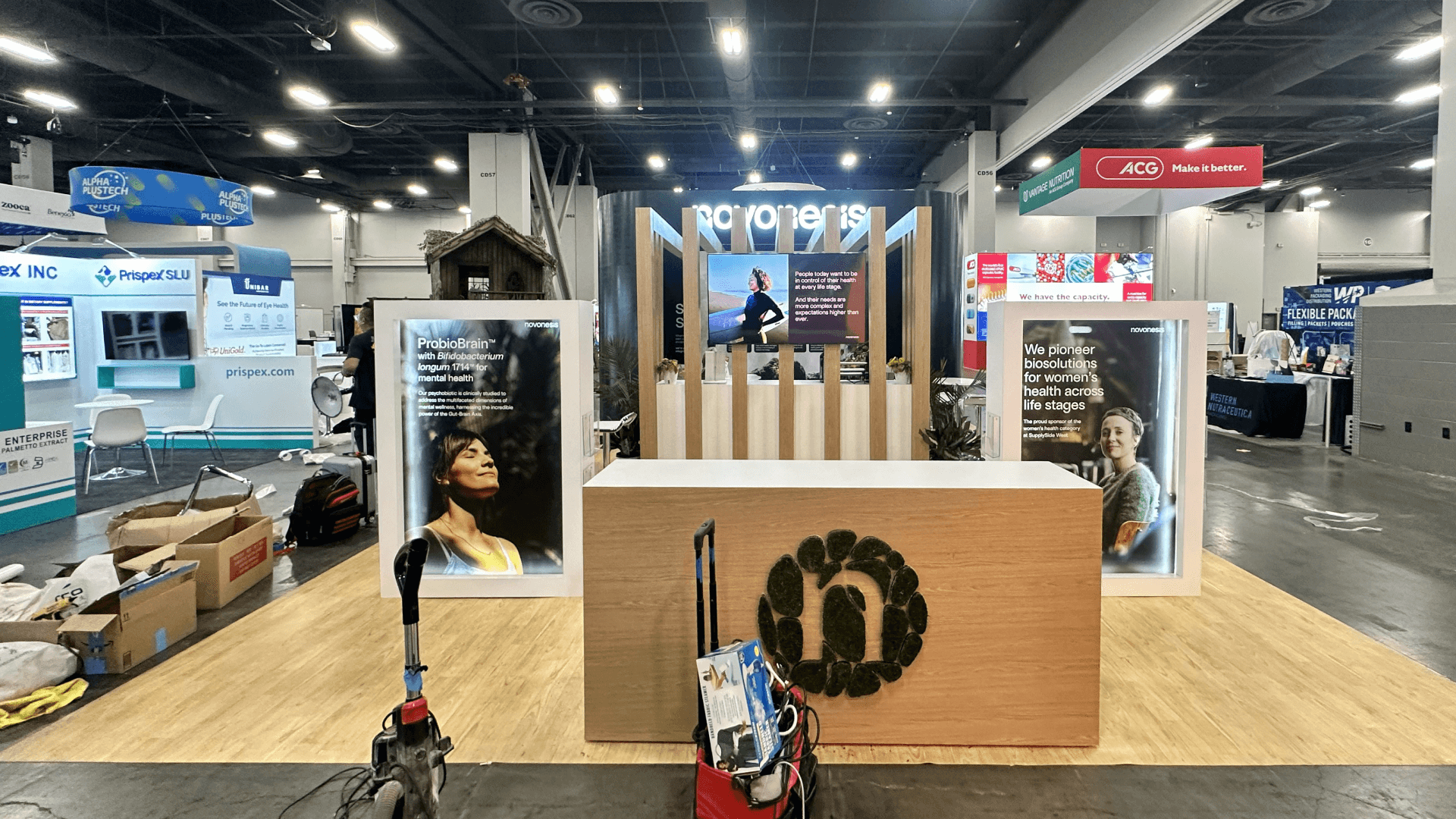
For a 10x10 game display, compare the product dimensions with the player, staff, and viewing positions. A compact cabinet or screen presentation still needs its required working access within the footprint.
A 20x20 interactive booth plan can separate a working game from spectators and buyer discussion. Keep prize displays, spare materials, and staff access outside the player’s approach and exit route.
Test a 10x20 game booth layout with the cabinet, player approach, presenter, and compact storage. Include the next participant and service access before assuming space remains for another game.
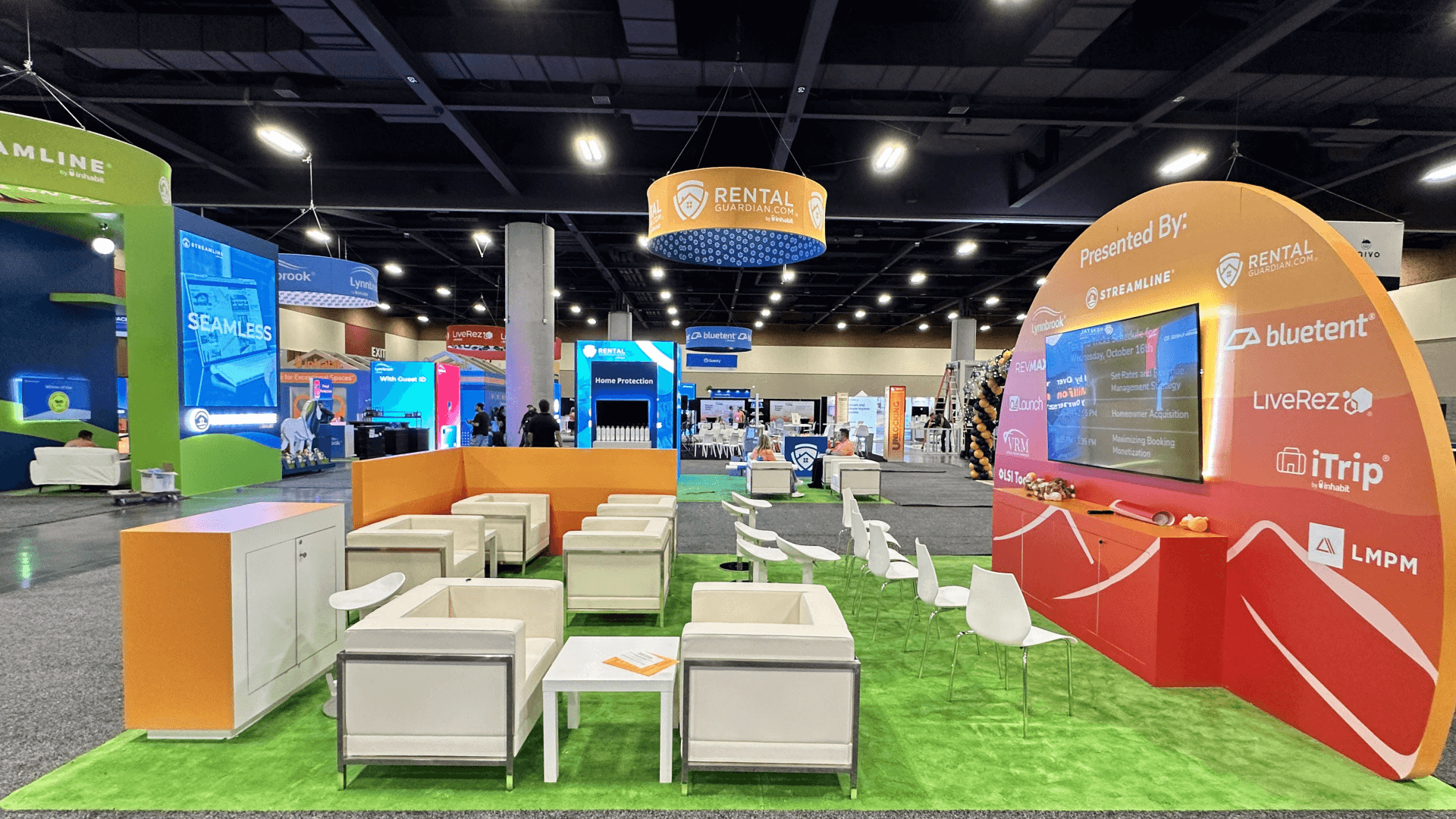
Compare a 20x30 multi-game layout when several stations need to operate together. Give each one its player and viewer positions, with shared storage and discussion placed beyond the active play areas.
The guide to IAAPA demonstrations and buyer flow develops the transition from playing or watching to a product conversation. Use its interaction and reset principles to test the complete station before fixing cabinet positions and presentation graphics.
The game needs to remain visible while one person plays and another waits or asks a question. Screens, controls, prize stock, staff access, and sound should support that demonstration cycle.
Show the game title and the first action where the next player can read them. Keep the main point of difference visible for buyers who are watching the demonstration.
Orient the cabinet and supporting displays for both the player and nearby viewers. Check the action, scores, and presentation lighting with people standing where they will use the station.
Give participants an obvious way to reach and leave the controls. Keep the waiting position, spectator area, and buyer discussion from occupying the same route around the game.
Place spare materials, prize stock, and technical supplies within staff reach. Cabinet doors, connections, and controls should remain accessible when all the proposed stations and furniture are in position.
Games and arcade exhibitors present cabinets, redemption products, interactive attractions, and entertainment technology. Buyers can watch or try selected products before discussing their application and operating requirements.
These displays form part of the IAAPA Expo show floor, open November 17–20, 2026, at Orange County Convention Center in Orlando. Use the current floor plan for the assigned location.
The 2027 show floor runs November 16–19; education runs November 15–18. Confirm the 2027 building assignment, booth location, and execution instructions separately from the current edition.
Not Sure Which Booth Size You Need?
Not every exhibitor knows whether a 10x20, 20x20, 20x30, or larger booth is the right fit. Circle Exhibit can help review your event goals, product display needs, demo areas, meeting space, storage, budget scope, and setup timeline before you choose a booth size.
Players and Spectators in the Same Space
Screens Hidden During Play
1
Choose the Lead Playable Product
2
3
4
Rental Around Standard Game Stations
Consider Orlando rental booths for game demonstrations when standard graphics, counters, and storage can frame the cabinets. Check the player positions, equipment access, and supporting furniture together before choosing the components.
Custom Fixtures for Unusual Stations
Fitted platforms, device supports, or an integrated environment may be useful when the game cannot work with standard components. Base the fabrication on the equipment and demonstration requirements for that station.
Hybrid for a Changing Game Lineup
A reusable structure with fitted stations can support a game lineup that changes between events. Retain the shared counters and storage while adapting the parts needed for each playable product.
Check the installed cabinet orientation and access to service doors before surrounding furniture is placed. Keep the screen view, player approach, and staff working positions available throughout the finished station.
Test the controls, screens, lighting, connections, and restart process using the installed equipment and services. Resolve any setup issue before visitors begin using the playable stations on the show floor.
Run the games together and listen from the player and discussion positions. Set the demonstration audio within the current organizer conditions while keeping staff explanations and neighboring displays in mind.
Restore the intended starting state, replenish required stock, and check the controls between sessions. Keep reset tasks and technical supplies within the booth so the next player has a clear approach.
Rental Booths for IAAPA Game Demonstrations
Share the game lineup, cabinet dimensions, player positions, power needs, and reset routine. Compare Orlando rental counters, graphics, screens, and storage around those stations, with any fitted supports or integrated environments defined as part of the proposed scope.
What should buyers understand before they play?
Make the game concept, player’s task, and main point of difference clear. Buyers should be able to follow what is happening before they try the controls or ask about operating specifications.
How much room does each playable station need?
Where should waiting players and spectators stand?
How should several games share sound in one booth?
When does a game display need custom components?
READY TO PLAN YOUR NEXT BOOTH?
Let’s Build a Booth That Fits Your Event
Share your event name, booth size, city, timeline, product display needs, and design references. Circle Exhibit will review your project direction and help you choose a rental-friendly or custom exhibit path.
3000+
Booth Projects Supported
50+
U.S. Event Cities
Transparent
Quote Review
Use the FEC planning page when buyers need to understand how the game fits with other attractions, guest services, staffing, or operating tools in a complete entertainment venue.
Prepare the opening instructions, product message, scores, and supporting graphics so the player can begin and watching buyers can understand the action from the intended viewing position.
Turn cabinet dimensions, controls, player movement, spectators, and working access into a layout that identifies the furniture and any fitted components needed around the actual game demonstration.
Coordinate cabinet positioning, screen supports, cable access, counters, and storage so the finished stations retain their intended play areas and remain accessible for routine service and dismantle.
Bring the cabinets, controllers, prize materials, spare devices, and structural components into the delivery plan, with the destination and sequence needed to assemble and test each playable station.