Florida Restaurant Show Food & Beverage Sampling Booth Planning


How should exhibitors plan a Florida Restaurant Show sampling booth?
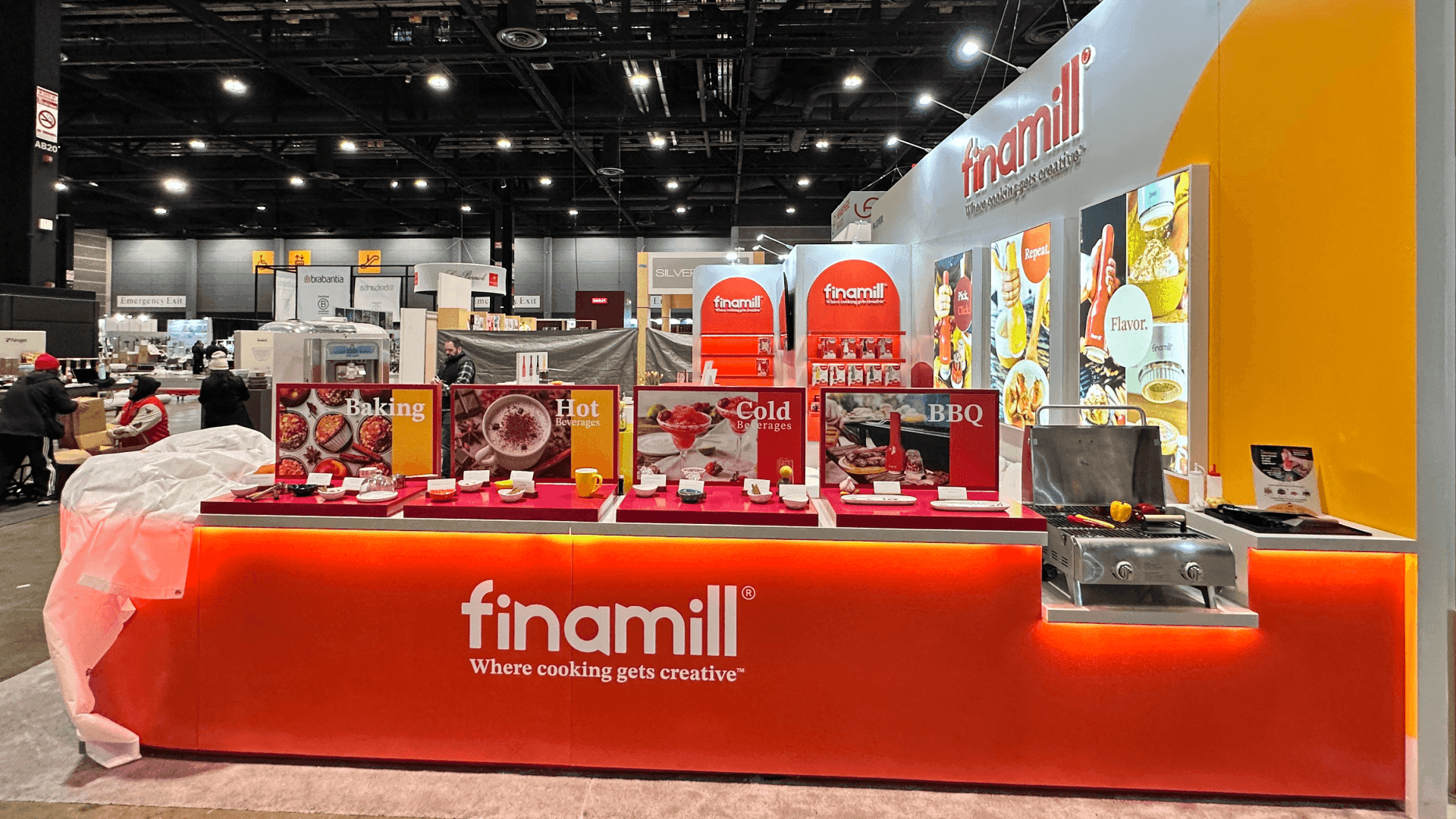
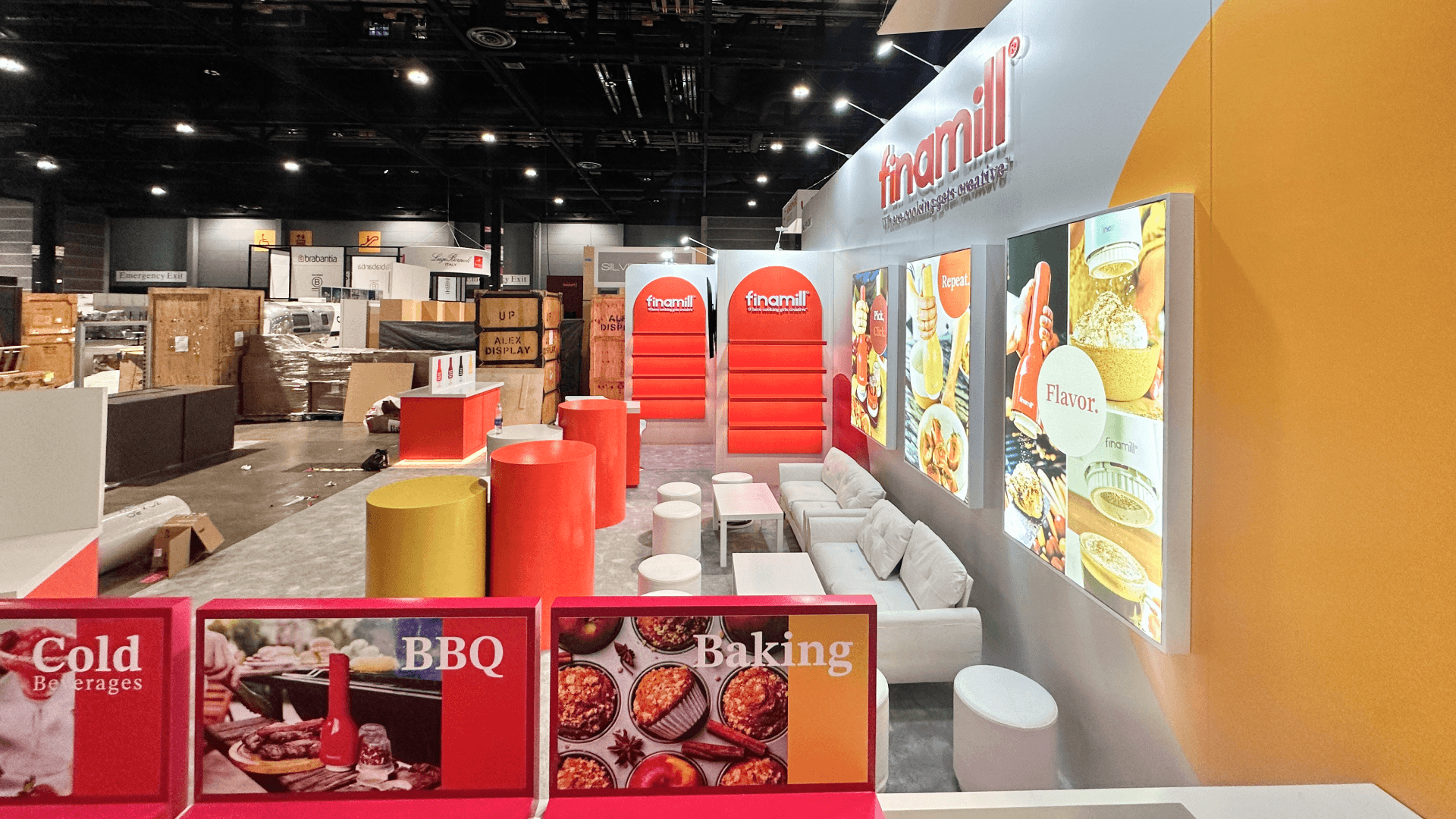
Treat sampling as a live booth operation rather than a counter feature. The space needs to handle sample pickup, tasting, buyer questions, staff handoff, backstock, replenishment, waste, and reset without forcing every visitor or staff member through the same path.
A sampling booth can look simple before the show opens and become difficult to operate once product starts moving. Staff need to serve samples, keep reserve stock close, clear used materials, answer buyer questions, and replenish the station without repeatedly crossing the visitor path. This page focuses on the sampling operation. For overall booth size, layout, and display decisions, start with Florida Restaurant Show booth planning.
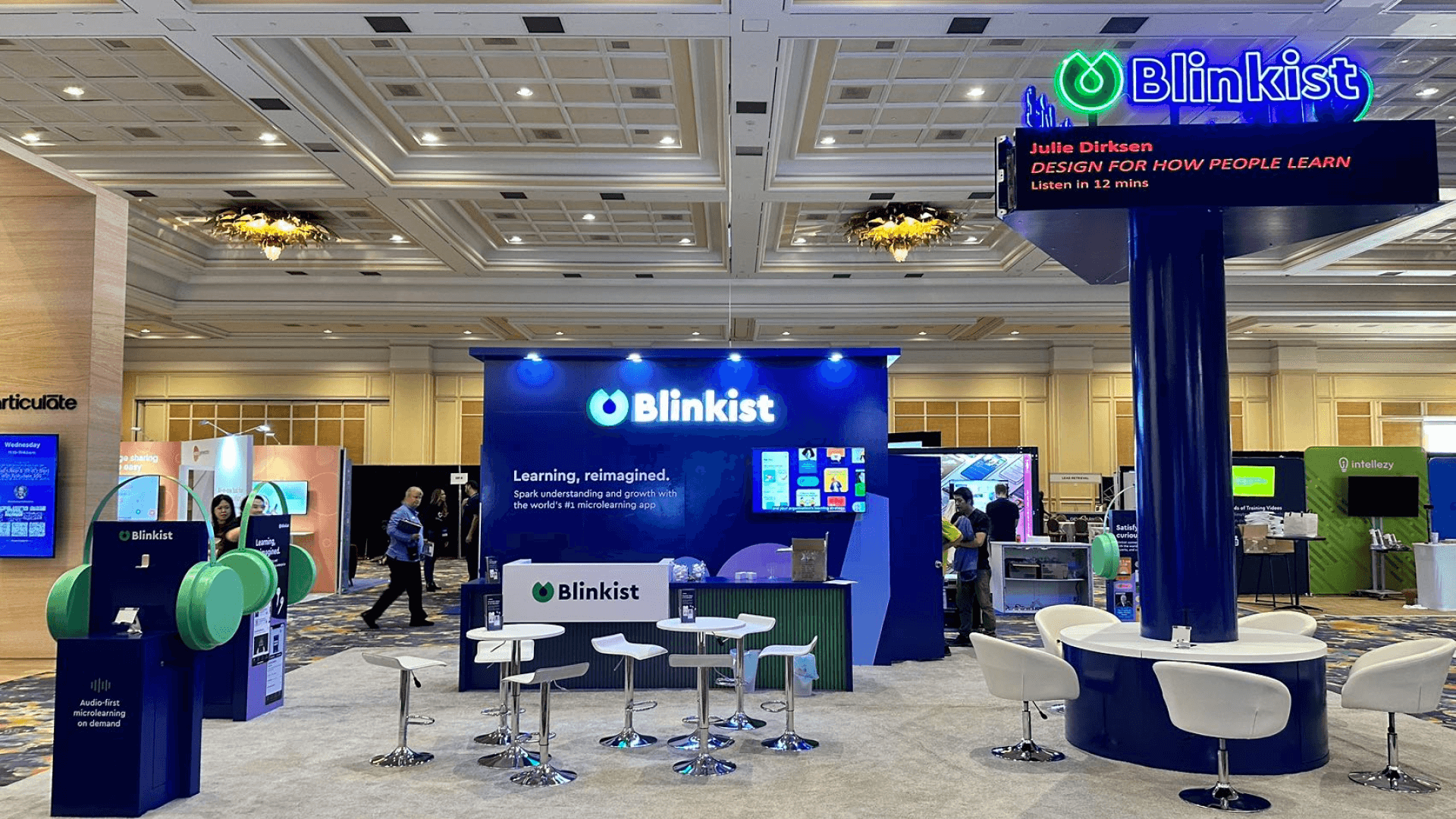
Booth size should follow how much product is being served, how often stock needs to be replenished, and how much room buyers need after tasting. A 10x10 can work for one compact tasting program, while a 10x20 booth gives the team more room to separate serving, backstock, and a short buyer conversation. A 20x20 becomes more practical when several products, multiple approach points, or deeper storage need to operate at the same time.
Refrigeration, electrical service, water, serving equipment, and waste handling can all affect counter placement and storage access. Those requirements should be confirmed with the current show rules and Orange County Convention Center service requirements before the sampling layout is finalized.
Why Exhibitors Choose Circle Exhibit
Clear scope, transparent quote review, nationwide booth support, and efficient setup planning for qualified rental and custom exhibit projects.
48hr
Setup Window
10+
Years Since 2014
U.S.
Trade Show Support
Real
Booth Project Proof
The right footprint depends on serving volume, number of products, reserve stock, replenishment frequency, staff movement, and whether tasting leads into a separate buyer conversation.
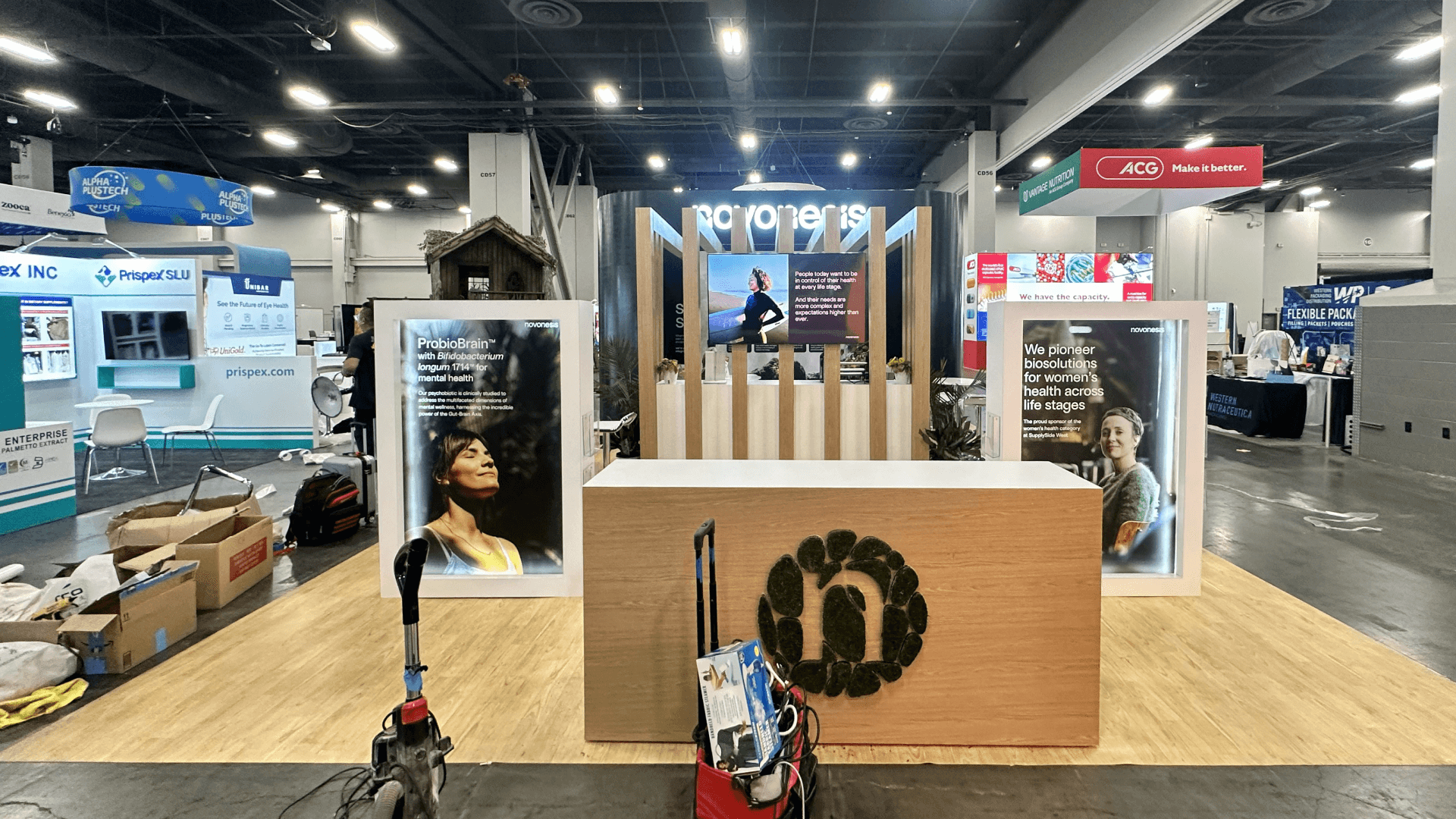
A 10x10 booth can work when one focused product line, one serving point, light backstock, and a small team can operate without creating a queue inside the space.
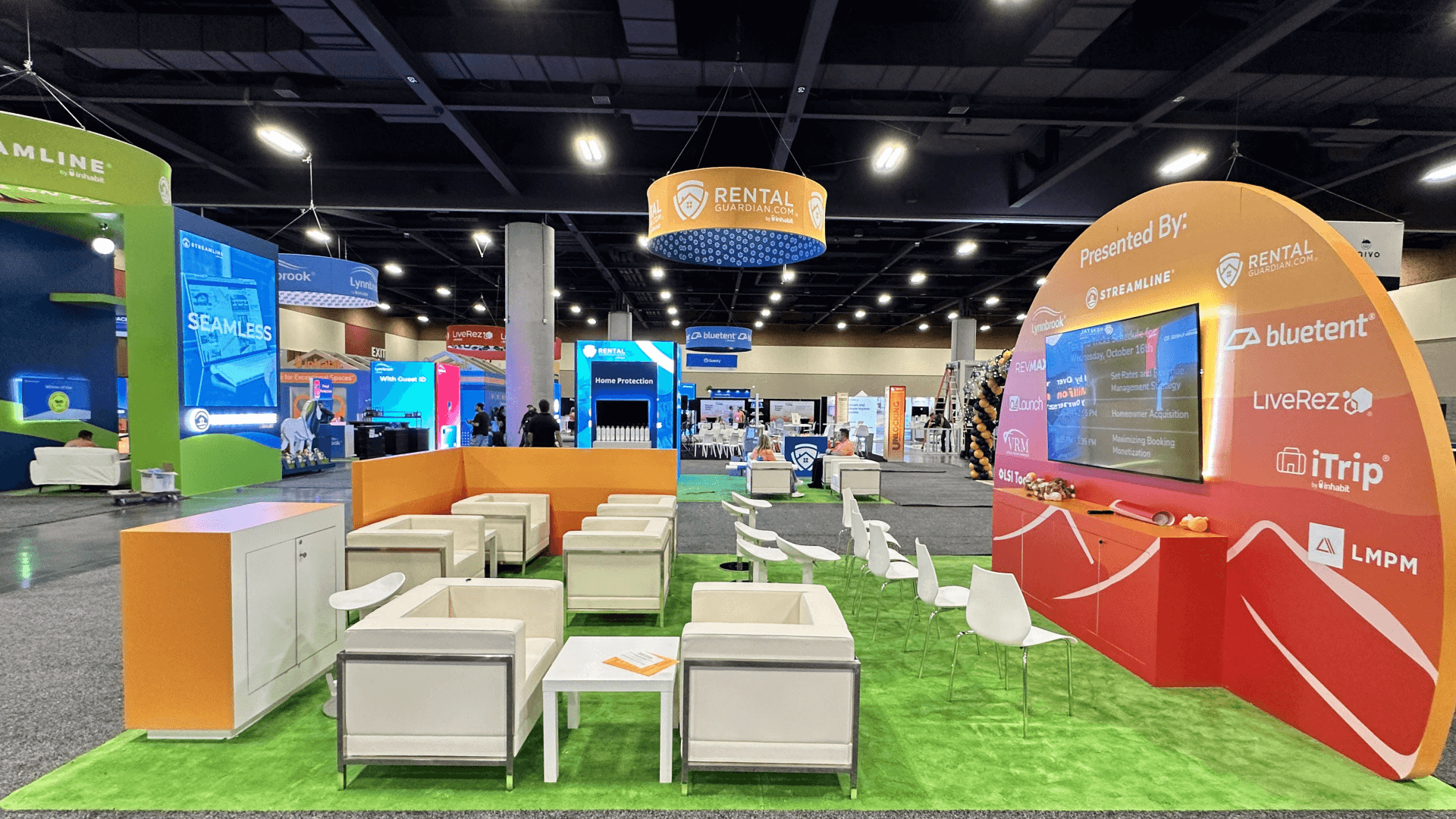
A 20x20 booth becomes useful when buyers approach from several sides, more than one product is being served, or the team needs deeper storage and a defined discussion area.
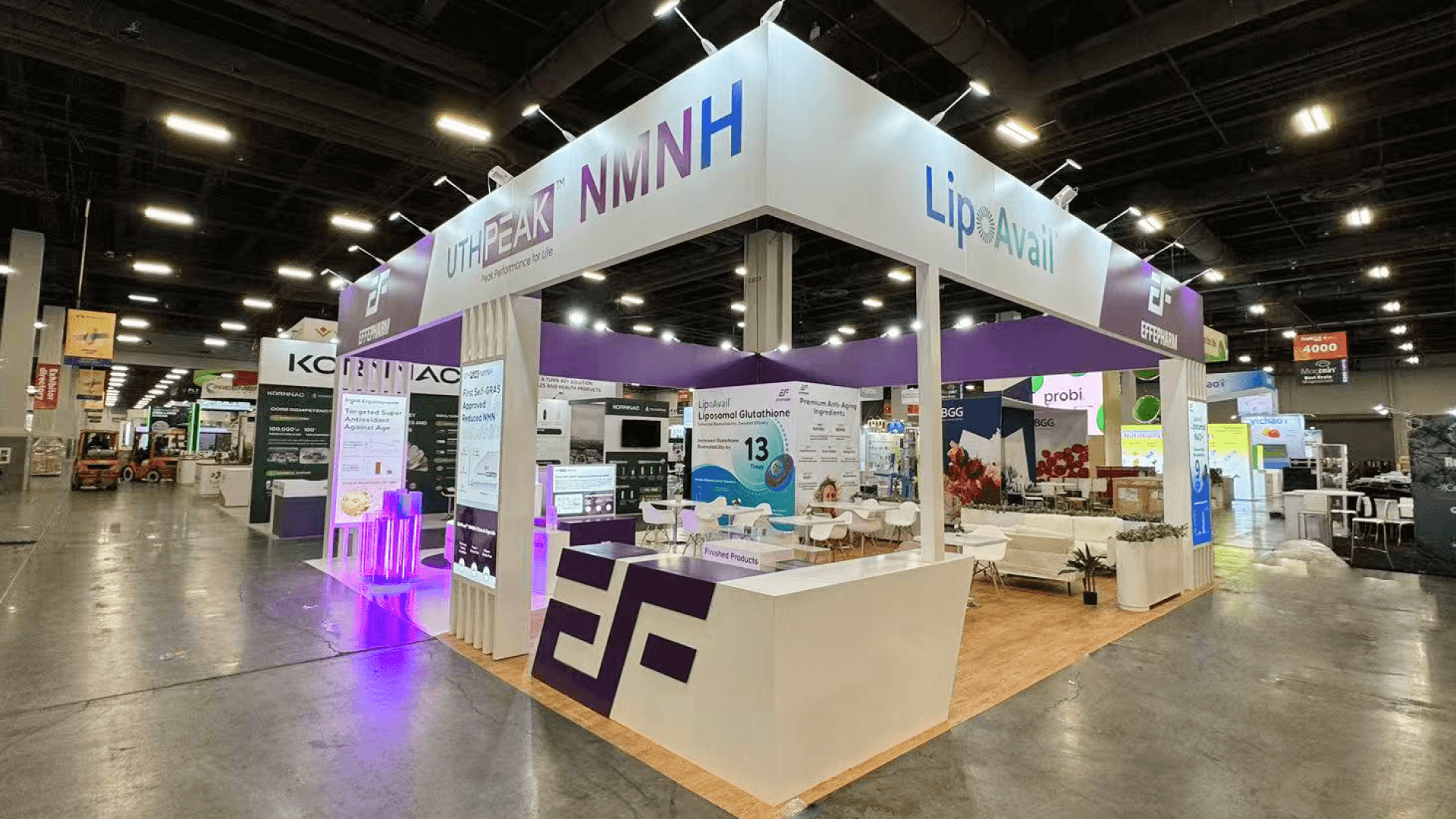
A 10x20 booth gives the team enough depth to move reserve stock away from the serving edge and create a short conversation point for buyers who want more than a taste.
A 20x30 booth is more practical when multiple serving points, larger backstock, separate product categories, and longer buyer conversations all need to run at once.
A tasting station may be operationally simple, but the sample still needs to prove the right product use to the right buyer. When a food or beverage product has both restaurant and pizza applications, booth messaging for the Florida Restaurant Show and Pizza Tomorrow Summit audience can help determine which application should lead before secondary uses are introduced.
For exhibitors using sampling to introduce a new product, the tasting experience also needs to match what buyers were promised before they arrived. The Florida Restaurant Show new product launch guide explains how Customer Invitations, show promotion, and the on-floor product experience can support the same launch rather than competing with one another.
The booth needs to keep the product visible and easy to understand while supporting a serving operation that can replenish, clean, reset, and hand qualified buyers to the sales team.
The serving point should be easy to find without turning the whole front edge into a queue. Counter equipment, trays, and staff positions should support one clear handoff.
Buyers should be able to identify the product, restaurant application, packaging, or menu use before staff need to explain everything verbally.
Reserve product and serving materials should stay out of view but close enough to replenish without cutting through the main buyer path.
Interested buyers need somewhere to ask about sourcing, distribution, packaging, menu use, or follow-up without blocking people who are only stopping for a sample.
Food and beverage exhibitors use tasting to let restaurant buyers try the product, understand its menu or operational use, and move into questions about sourcing, packaging, or distribution.
Florida Restaurant Show 2026 takes place October 25–27 at Orange County Convention Center, North Hall B, in Orlando.
Restaurant operators, chefs, F&B teams, and purchasing buyers may compare samples, ask how products fit their menus or operations, and continue with suppliers that match their sourcing needs.
Not Sure Which Booth Size You Need?
Not every exhibitor knows whether a 10x20, 20x20, 20x30, or larger booth is the right fit. Circle Exhibit can help review your event goals, product display needs, demo areas, meeting space, storage, budget scope, and setup timeline before you choose a booth size.
Restock Without Crossing the Visitor Path
Give Quick Tasters and Serious Buyers Different Paths
1
Walk Through One Sample From Start to Finish
2
3
4
Use Rental When the Sampling Station Is Standard
If the booth mainly needs counters, backstock, graphics, and a clear serving path, an Orlando booth rental can usually be configured around that workflow.
The Layout Needs More Customization When Service Equipment Takes Over
Specialty refrigeration, built-in sinks, unusual serving fixtures, preparation equipment, or product-specific handling can begin to dictate counter depth, storage access, and staff movement. At that point, the booth should be designed around the service hardware rather than forcing the operation into standard components.
Judge the System by How Easily the Team Can Reset It
For exhibitors sampling at several foodservice shows, the useful question is whether the counters, storage, and working areas can be reused while product graphics, serving equipment, and inventory requirements change. A repeatable sampling operation is usually more valuable than a one-show visual treatment.
Check the latest Florida Restaurant Show and OCCC requirements before deciding sample format, serving equipment, or product quantities.
Cold storage, electrical service, water, and other equipment can determine counter and storage positions before production begins.
Separate display product, serving stock, reserve inventory, packaging, utensils, and cleaning materials so staff can find each category quickly.
Check sample stock, counter cleanliness, waste handling, storage access, product visibility, staff positions, and lead-capture materials before traffic increases.
What booth size works for food sampling at Florida Restaurant Show?
A compact tasting program may fit 10x10, while 10x20 or 20x20 gives more room for backstock, replenishment, staff movement, and buyer conversations. Larger programs may need 20x30 or more.
How much storage does a sampling booth need?
How should sampling traffic be managed?
Should refrigeration and utilities be planned before booth design?
Can a rental booth support food and beverage sampling?
READY TO PLAN YOUR NEXT BOOTH?
Let’s Build a Booth That Fits Your Event
Share your event name, booth size, city, timeline, product display needs, and design references. Circle Exhibit will review your project direction and help you choose a rental-friendly or custom exhibit path.
3000+
Booth Projects Supported
50+
U.S. Event Cities
Transparent
Quote Review
The parent planning hub for booth decisions beyond sampling.
Venue context for utilities, service conditions, freight, and installation.
A footprint reference when serving, working stock, and buyer conversation need separate positions.
Planning guidance for multiple approach points, deeper storage, and a separate buyer conversation area.
Rental configurations for counters, storage, graphics, product display, and sampling flow.