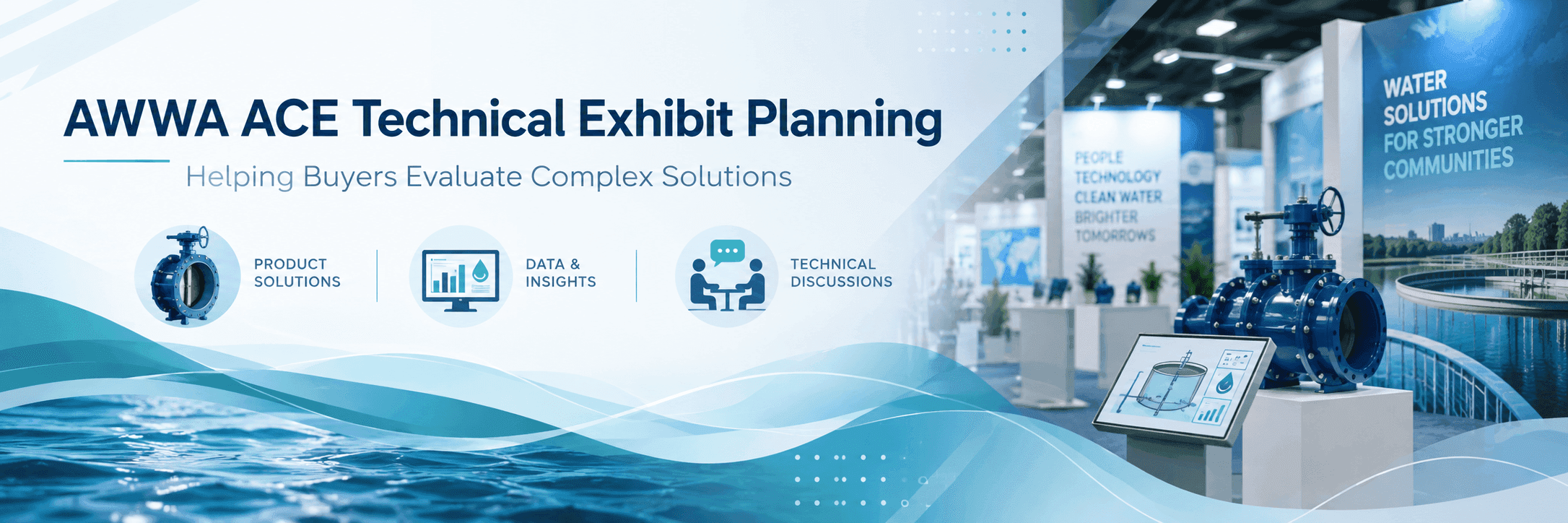
AWWA ACE Physical Water Equipment Display & Inspection Booth Planning


How should exhibitors plan a water equipment display booth at AWWA ACE?
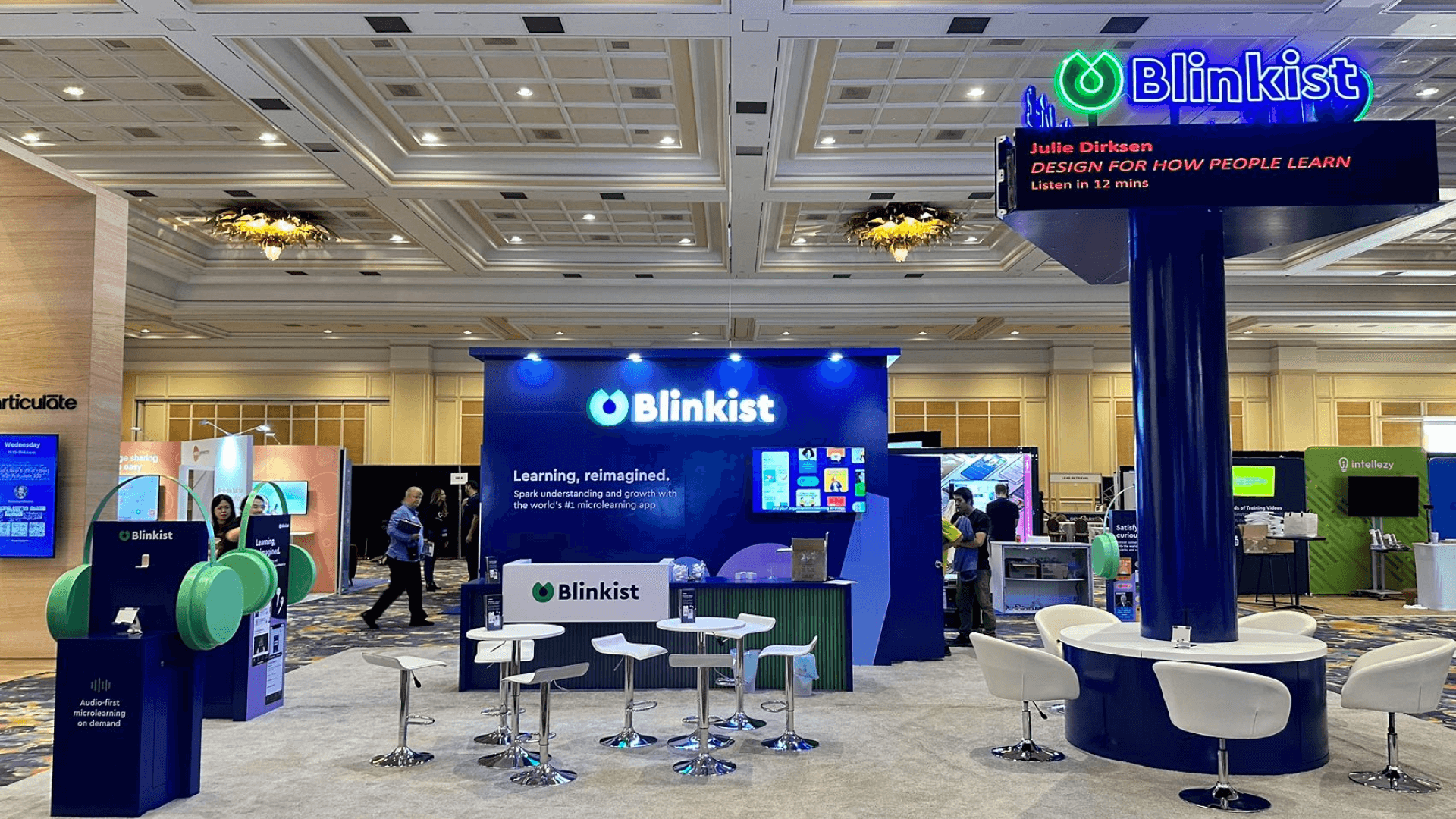
An AWWA ACE equipment booth should give utility buyers access to the parts they need to inspect. Place valves, pumps, or pipe assemblies so critical connections and components remain visible. Use cutaways where a full-size product hides important details, and keep engineering information close to the equipment. Reserve room for technical discussions, then verify structural support, demonstration safety, and freight requirements.
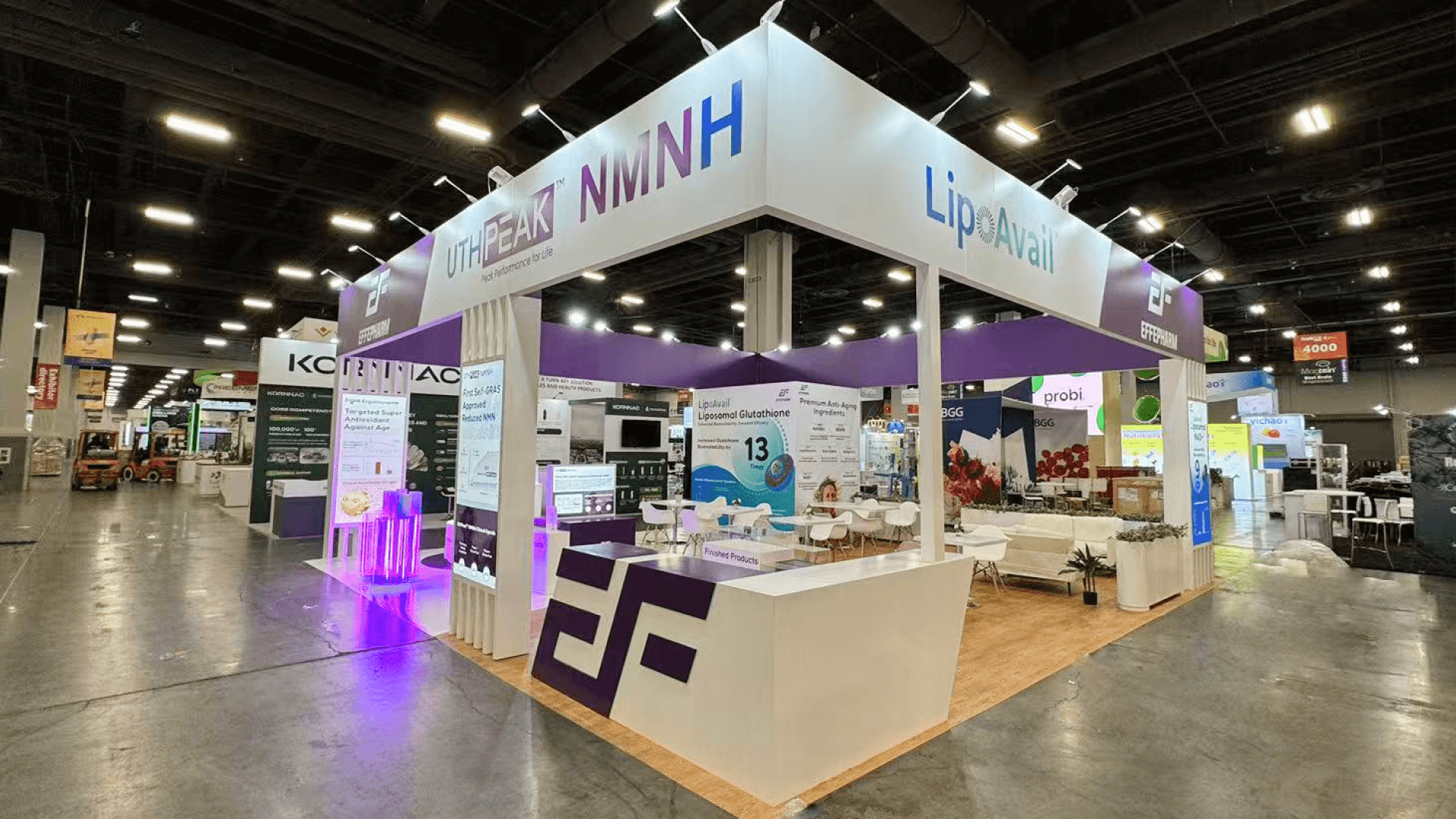
A utility engineer examining a valve may need to compare flange connections, inspect internal components, or review maintenance access. A front-facing product display does not always support those evaluation needs. A 20x20 booth may give buyers access to multiple sides of an assembly, while a 20x30 layout can help separate different equipment displays and their technical discussions. A compact 10x20 layout is often better suited for manageable products, component samples, or carefully selected sectional displays.
A full-size assembly communicates scale and installation geometry, while a cutaway can reveal details that would otherwise remain hidden. Exhibitors should decide which product evidence matters most before positioning the equipment. Technical drawings should stay close to the features they explain, while longer engineering discussions should happen outside the main inspection path. When planning the full exhibit program, factors such as buyer goals, display priorities, and booth functions should be considered together through the AWWA ACE booth planning process.
At the San Diego Convention Center, equipment dimensions, packaging, handling requirements, and installation sequence can directly affect the final display approach. AWWA's previously published terms also address demonstration boundaries and machinery safety. The actual equipment requirements and current ACE27 guidelines should guide the exhibit design and engineering review before fabrication.
Why Exhibitors Choose Circle Exhibit
Clear scope, transparent quote review, nationwide booth support, and efficient setup planning for qualified rental and custom exhibit projects.
48hr
Setup Window
10+
Years Since 2014
U.S.
Trade Show Support
Real
Booth Project Proof
The product's footprint is only the starting point. Access to connections, staff positions, technical explanations, and safe movement all affect the usable display area. A larger booth is worthwhile when those requirements cannot be met through a different product orientation or display format.
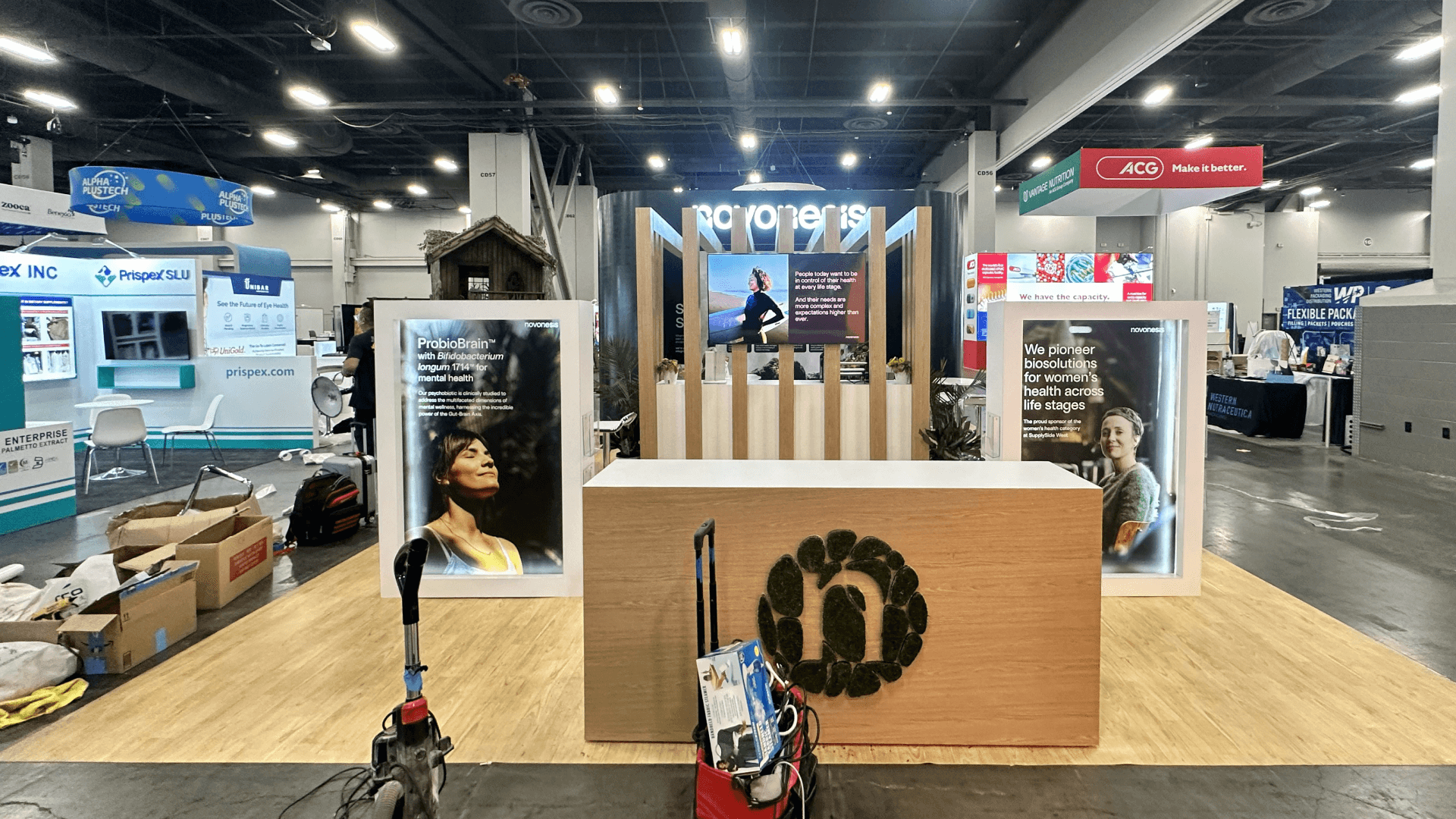
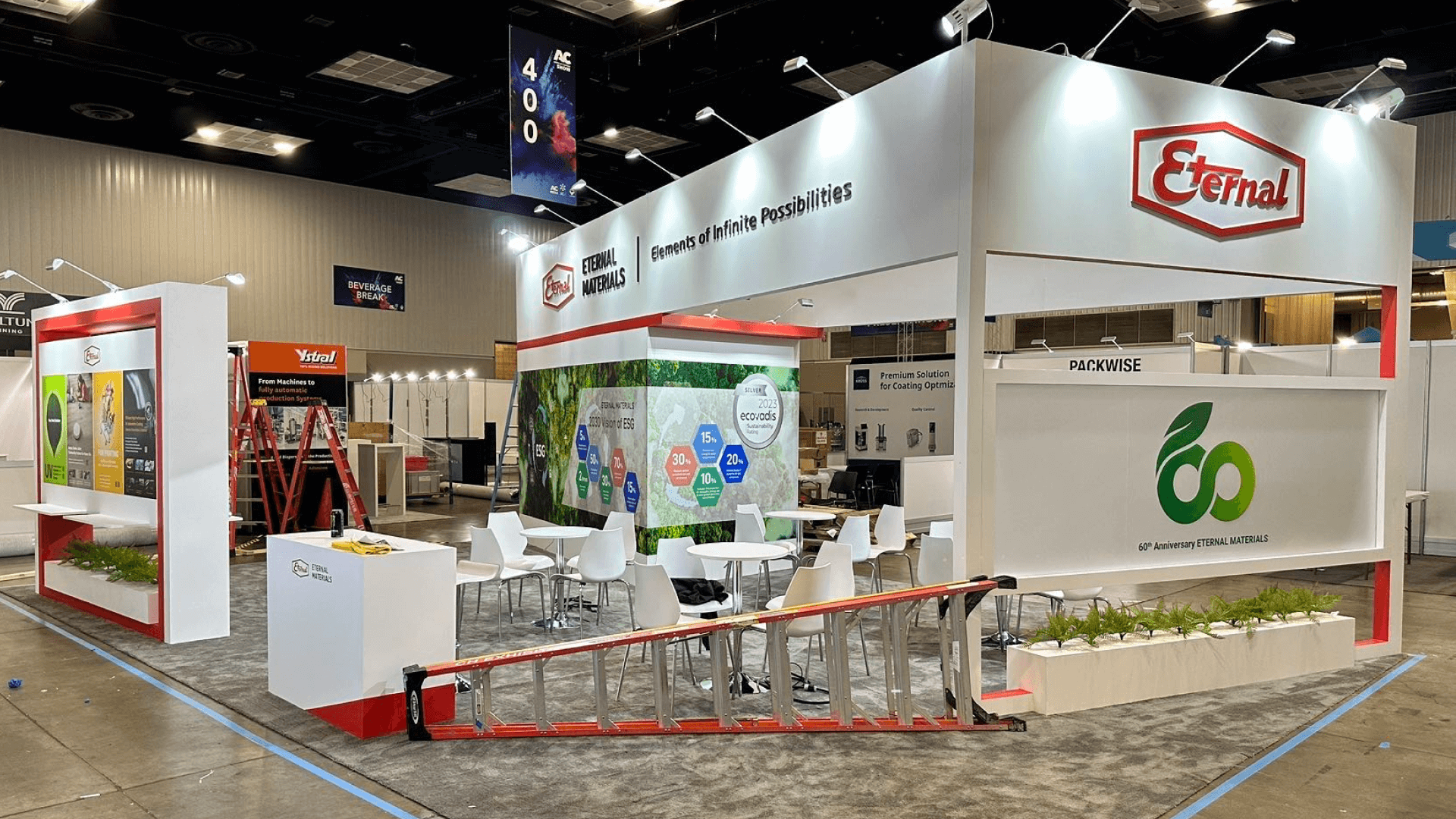
A 10x20 booth may suit selected valve components, fittings, or a sectional model. If buyers need access around a large assembly, reduce the display scope rather than crowding the inline space.
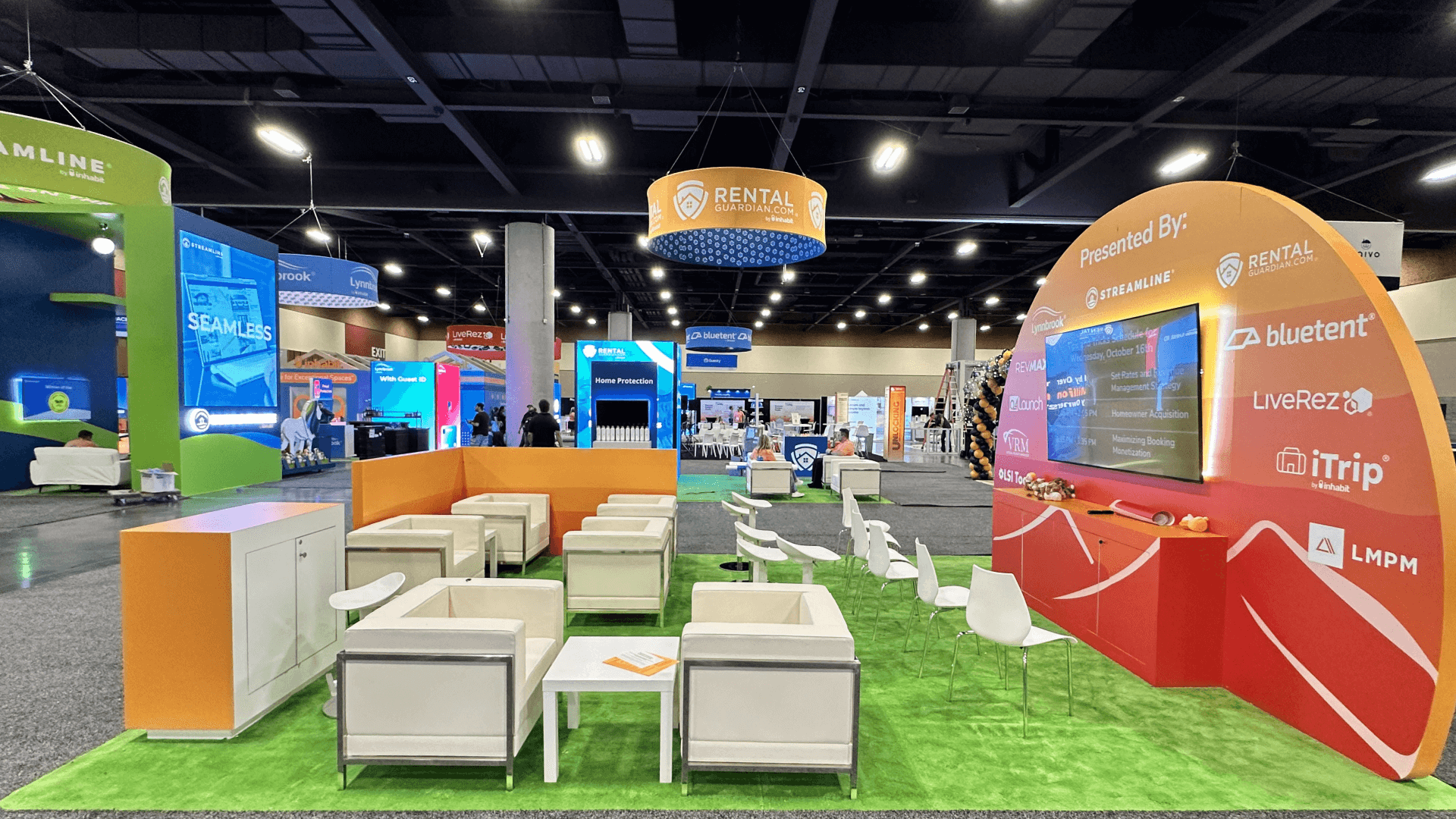
A 20x30 booth plan may accommodate two assemblies or an equipment-and-cutaway comparison. Maintain a clear inspection route; additional products should not hide connections or reduce access.
A 20x20 booth layout can provide room for one principal product, relevant viewing faces, and engineering discussions. Check the equipment envelope and available booth opening before approving the arrangement.
Oversized products may require more floor area or specialized installation. Before committing, confirm the assembly dimensions, delivery route, support conditions, and whether a scaled display would communicate the same evidence.
Physical equipment displays need to provide more than product visibility. Utility buyers may need to inspect components, review technical details, and discuss application requirements before making decisions. A well-planned water equipment display creates space for inspection, technical conversations, and meaningful buyer interaction.
The physical product should lead the explanation. Each supporting display element must help buyers inspect its construction, understand the specifications, or continue a relevant engineering discussion.
Orient valves, fittings, and other assemblies so the connections and service points buyers need to examine remain visible and accessible.
Use sectional samples to explain internal construction. Keep them close to the related full-size product so the two can be compared.
Place material information, dimensions, connection drawings, and relevant performance details where visitors can relate them to the correct component.
Provide a nearby counter or meeting point for drawings and project questions without occupying the equipment viewing area.
This display scenario covers valves, pumps, hydrants, pipe assemblies, and components that utility buyers may need to inspect.
The parent ACE event runs June 13–16, 2027, at the San Diego Convention Center.
Buyers may examine connections, internal components, maintenance access, and installation requirements before discussing project fit.
Not Sure Which Booth Size You Need?
Not every exhibitor knows whether a 10x20, 20x20, 20x30, or larger booth is the right fit. Circle Exhibit can help review your event goals, product display needs, demo areas, meeting space, storage, budget scope, and setup timeline before you choose a booth size.
Connections That Cannot Be Inspected
Product Weight Restricting Placement
1
Gather the Equipment Specifications
2
3
4
Rental Around Independently Supported Equipment
A rental booth can provide graphics, lighting, storage, and discussion space around equipment with an approved independent base. Explore San Diego booth rental options after verifying the product support requirements.
Custom for Equipment-Specific Supports
Custom fixtures may be needed for unusual mounting, specialized platforms, or integrated assemblies. Confirm the product loads, support details, and installation method before approving fabrication.
Hybrid with Dedicated Product Fixtures
A modular booth can be paired with engineered mounts, cutaways, or presentation fixtures. Define which components belong to the rental system and which need separate handling.
Match product dimensions, packaging, handling needs, and delivery instructions to the current ACE27 freight plan. Verify that each assembly can reach its assigned position.
Some equipment must be placed before nearby walls, counters, or graphics are installed. Set that order before crews begin assembling the surrounding booth.
Review equipment stability, display fixtures, staff access, and safeguards for moving or potentially hazardous parts. Apply the current event rules and qualified technical assessment.
Record how products, supports, and samples will be disconnected, protected, packed, and handed over after the authorized dismantle period begins.
Can a Rental Booth Support Your Water Equipment Display?
A rental booth can provide branded displays, technical graphics, and meeting space around independently supported equipment. Share your product dimensions, weight, and inspection requirements to assess whether a modular layout works or dedicated fixtures are needed.
What if a full-size water product takes up too much space?
Keep the features buyers need to inspect and consider a cutaway or smaller component display for the rest. More room is not always the better solution.
Can heavy equipment sit on a standard rental platform?
How can buyers inspect connections on several sides?
What if the equipment cannot be operated safely at the show?
What does the exhibit designer need from the equipment team?
READY TO PLAN YOUR NEXT BOOTH?
Let’s Build a Booth That Fits Your Event
Share your event name, booth size, city, timeline, product display needs, and design references. Circle Exhibit will review your project direction and help you choose a rental-friendly or custom exhibit path.
3000+
Booth Projects Supported
50+
U.S. Event Cities
Transparent
Quote Review
Review equipment fixtures, structural requirements, inspection access, and technical presentation details.
Assess the space around one principal assembly, including viewing access and engineering discussions.
Match product packaging and arrival requirements to the freight and installation plan.
Coordinate product positioning, surrounding structures, equipment protection, and dismantling.
Review relevant venue services before confirming equipment delivery and setup responsibilities.