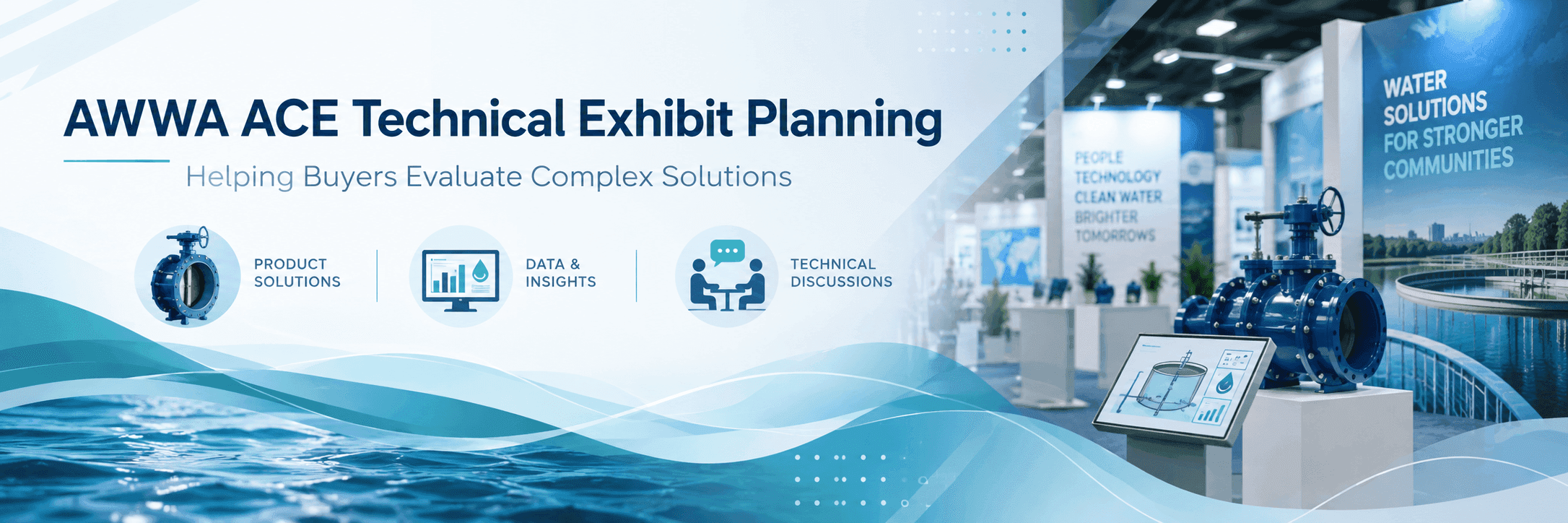
Technical Buyers Need Evidence, Not Just Product Displays
Technical buyers at AWWA ACE are not only looking at what a product is—they are evaluating whether it can solve a specific operational challenge. A product display may attract attention, but buyers need enough information to understand how the solution works, where it fits, and whether it can support their requirements.
Clear product details, technical explanations, and relevant application examples help visitors move from initial interest to a more informed evaluation. The goal is to create an environment where buyers can understand the solution, ask better questions, and determine whether it fits their operational needs.
These considerations should align with the overall AWWA ACE booth planning strategy, where exhibit layout and visitor interaction are planned together.
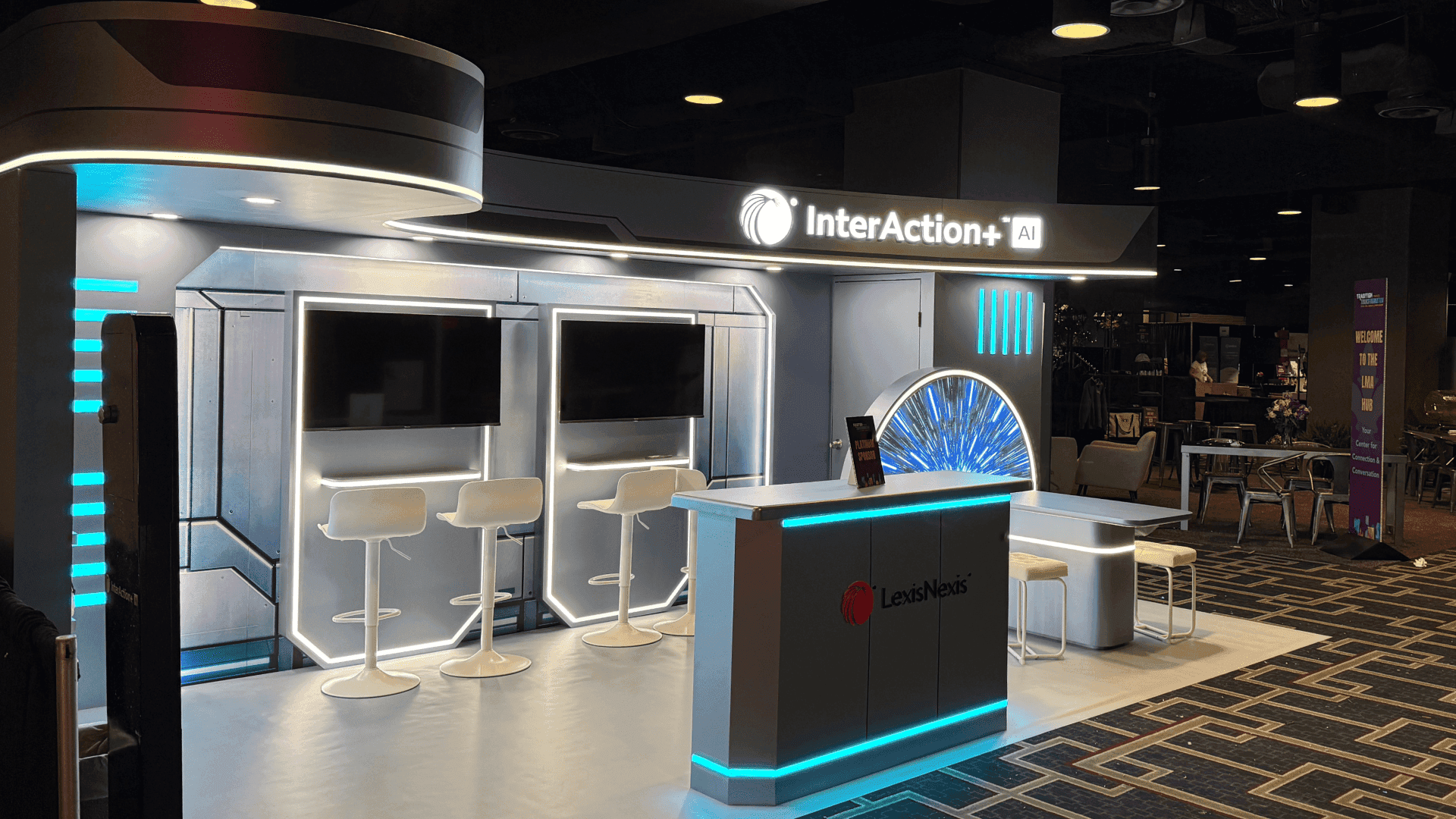
Digital demonstrations are more effective when buyers can follow the connection between data, system responses, and operational decisions.
Planning Physical Product Evaluation Areas
Physical equipment exhibits need to support how technical buyers evaluate a solution, not just how the product is displayed. At AWWA ACE, utility professionals may need to approach the equipment, review important details, and discuss how the solution fits their operational requirements.
Product Access
Buyers need enough room to approach the product, review key features, and understand important components without creating congestion around the display.
Inspection Path
A clear inspection path allows visitors to view the product from different angles, compare details, and continue discussions without interrupting other exhibit activities.
Technical Discussion
Product evaluation often leads to technical questions. Space for follow-up conversations allows engineers and decision makers to review requirements, discuss applications, and continue the conversation after the initial inspection.
For exhibitors with physical water infrastructure solutions, water equipment display planning can help align equipment access, product presentation, and technical evaluation within the exhibit space.
Designing Digital Demonstrations Around Buyer Workflows
Digital solutions require a different type of demonstration because buyers need to understand how information becomes action, not simply view a screen or feature list. The goal is not to present every software capability, but to focus on a clear workflow that helps buyers understand the practical value of the solution and how it applies to their operational needs.
A strong digital demonstration follows the buyer workflow:
Sensor → Data → Alert → Operational Decision
Sensor
Show where information originates and how the system captures relevant conditions.
Data
Explain how collected information is organized and interpreted.
Alert
Demonstrate how changes, issues, or opportunities are identified.
Operational Decision
Connect the workflow to practical actions and operational outcomes.
For exhibitors presenting connected water technologies, smart water monitoring demo planning can support workflow explanation, technical discussions, and buyer understanding.
Creating Space for Technical Conversations
A technical demonstration is often the beginning of a buyer conversation, not the final step. After reviewing a solution, utility buyers may need to discuss technical requirements, project considerations, and implementation questions with the exhibitor team. The booth layout should support these conversations through dedicated meeting areas, clear staff handoff, and enough separation between demonstrations and deeper discussions.
This creates a smoother transition from product interest to project-level discussion. For exhibitors with complex products, demonstrations, or integrated display requirements, exhibit design and engineeringsupport can help align booth structure, functional areas, and visitor flow before production begins.

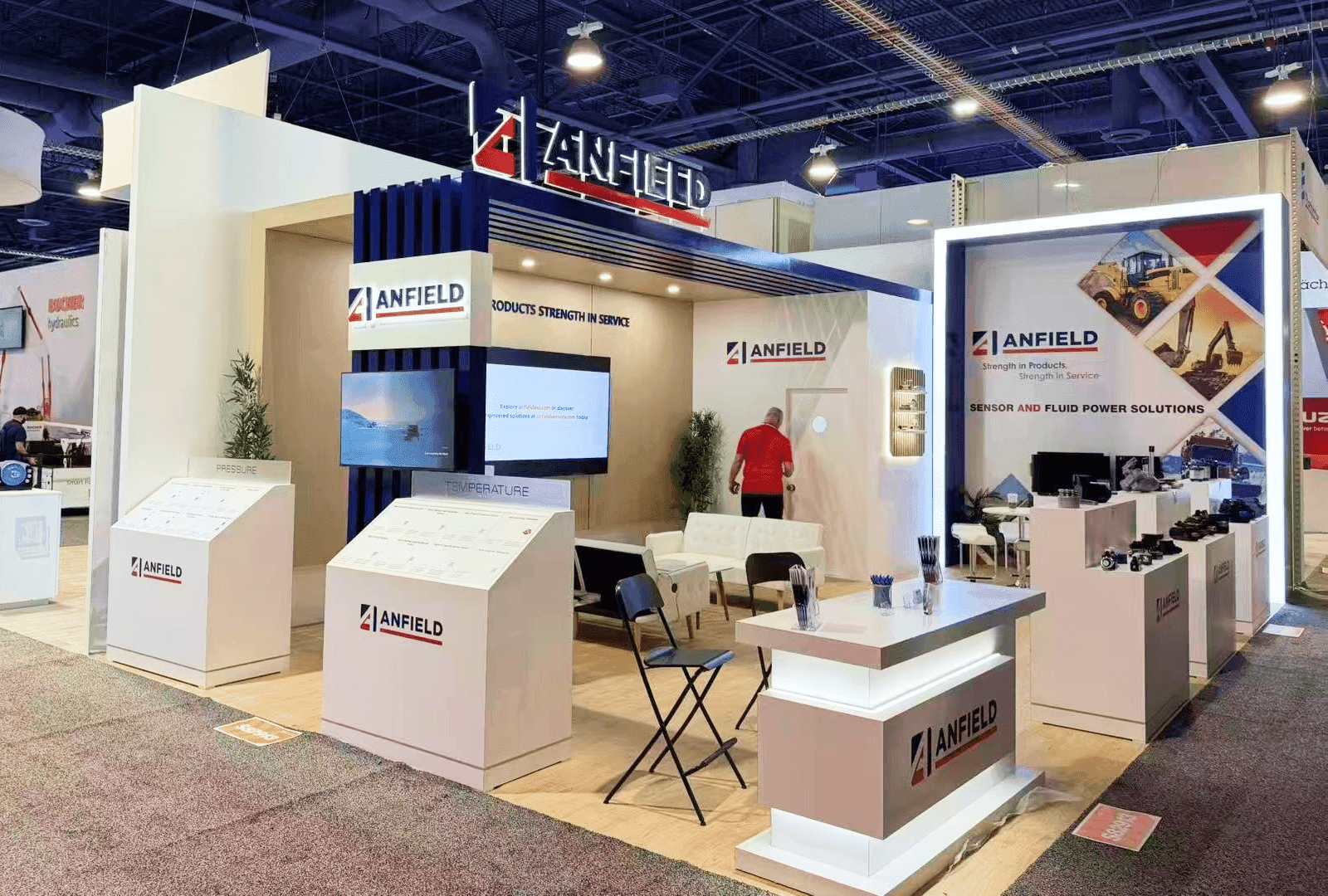
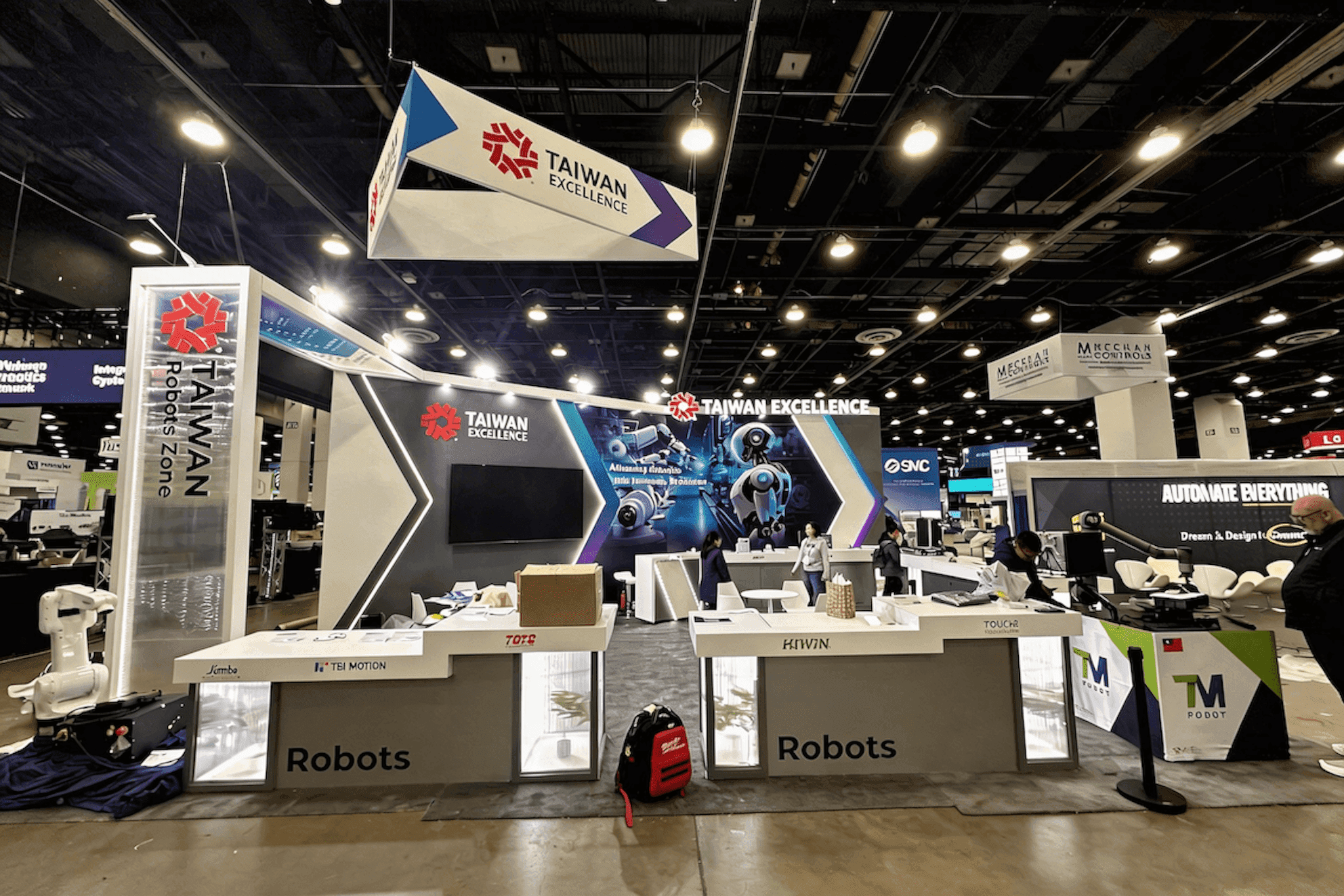
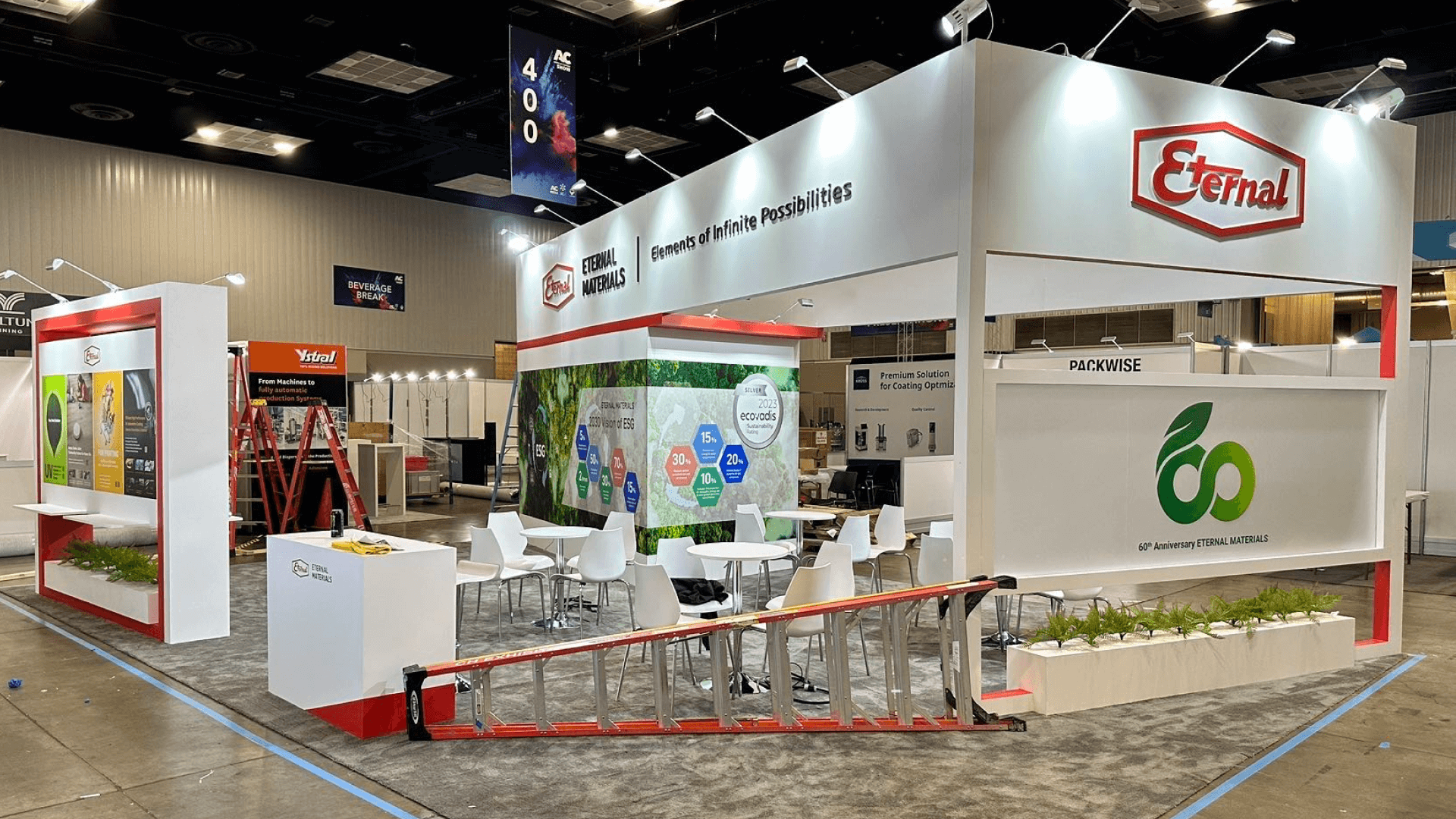
Physical equipment exhibits should support product inspection, technical review, and conversations between utility buyers and exhibitors.
Choosing Rental or Custom for Technical Exhibits
The right exhibit approach depends on how buyers need to interact with the solution and what level of flexibility the display requires.
Rental
A rental approach works well when exhibitors need flexible displays, screens, counters, and adaptable layouts without requiring a fully customized structure. It can provide an efficient foundation for demonstrations, product presentations, and technical discussions.
For exhibitors looking for flexible exhibit solutions, San Diego trade show booth rental options can support technical presentations, meeting areas, and branded environments.
Custom
Custom design becomes more valuable when exhibitors require specialized fixtures, equipment integration, or unique display structures that standard configurations cannot support.
For more complex technical exhibits, custom exhibit design can help align product presentation, visitor experience, and functional requirements.
The decision between rental and custom should be based on how buyers need to evaluate the solution, not only the appearance of the booth.
FAQ
What makes a technical exhibit effective at AWWA ACE?
An effective technical exhibit helps utility buyers understand, evaluate, and discuss a solution. The strongest exhibits combine clear product information, practical demonstrations, technical explanations, and space for meaningful conversations with engineering and decision-making teams.
Should technical products use physical or digital demonstrations?
The right approach depends on what buyers need to evaluate. Physical demonstrations work well when visitors need to inspect equipment, components, or installation details, while digital demonstrations are useful for explaining workflows, system responses, and operational outcomes.
When does a technical exhibit require custom design?
A technical exhibit may require custom design when standard configurations cannot support the product, demonstration, or interaction requirements. Custom solutions are often considered for specialized fixtures, equipment integration, unique display structures, or more complex buyer experiences.