Booth Space Should Follow Buyer Activities, Not Product Quantity
A larger booth does not automatically create a better exhibit. The most effective booth size is the one that supports the actions buyers need to complete during their visit.
At AWWA ACE, buyer interactions usually fall into three areas:
Product Evaluation
Physical products often require more than aisle visibility. Buyers may need to examine key features, review technical information, and discuss how a solution fits their application. The booth layout should provide enough access for evaluation without creating congestion around the display.
Demonstration Viewing
Technical demonstrations require enough space for visitors to follow the explanation, understand the workflow, and ask relevant questions without interrupting other conversations. Screen placement, presenter position, and visitor movement all influence how effectively the solution is communicated.
Technical Discussion
Many ACE conversations continue after the initial product introduction. Engineers and project stakeholders may need space to review specifications, operating conditions, or implementation requirements with the exhibitor team.
These buyer activities should be defined early in the AWWA ACE booth planning process before the booth footprint is selected.
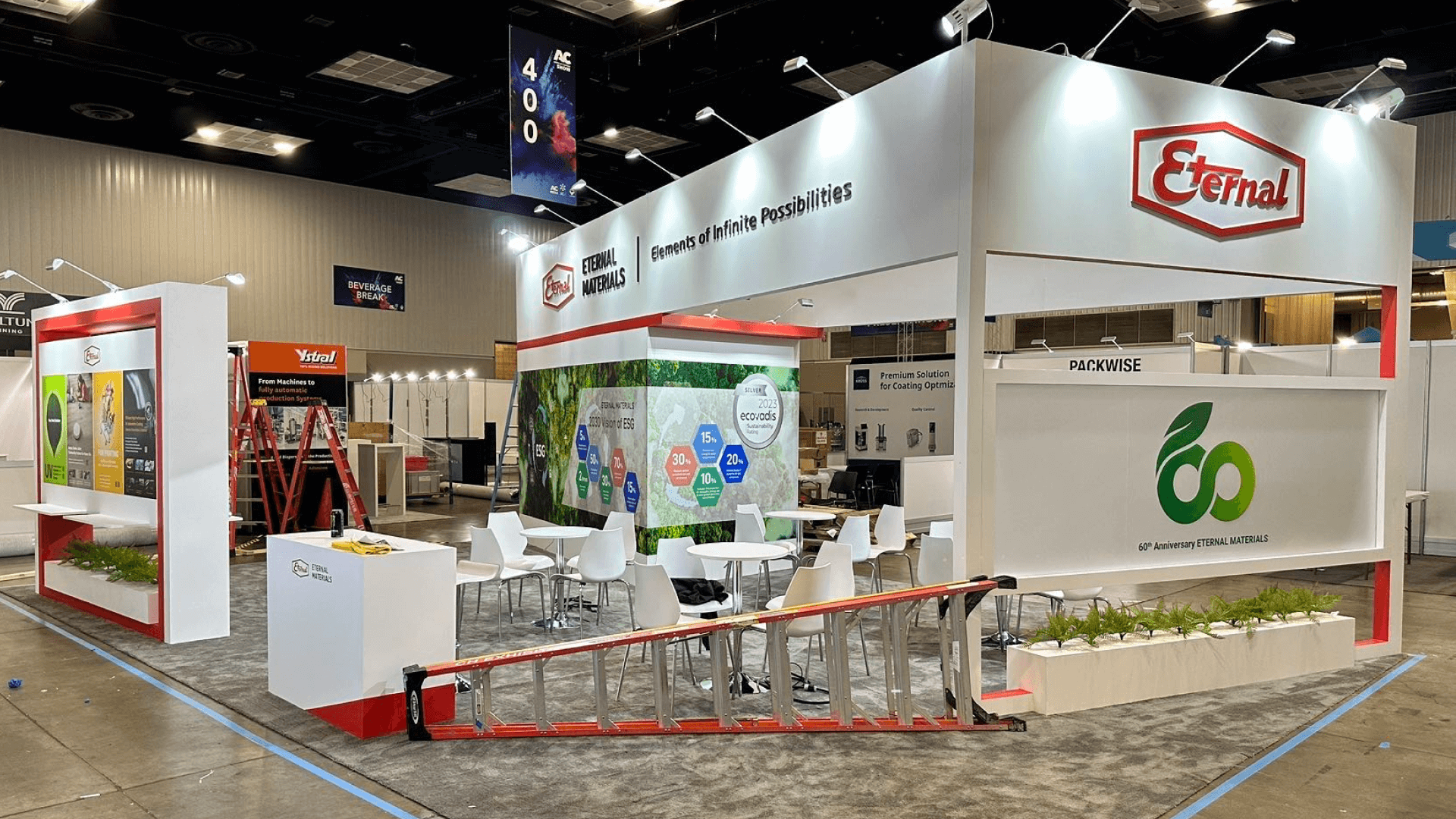
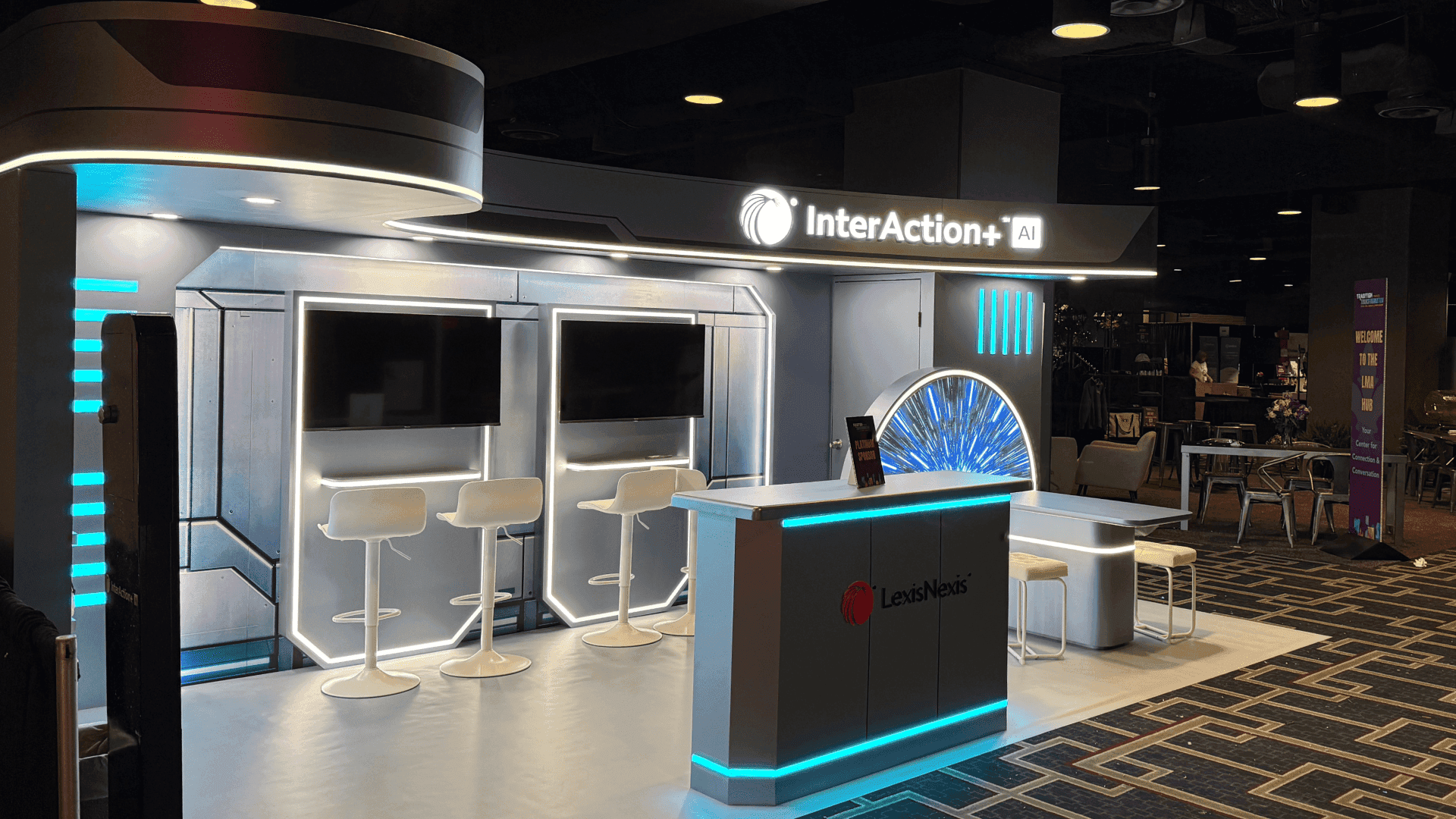
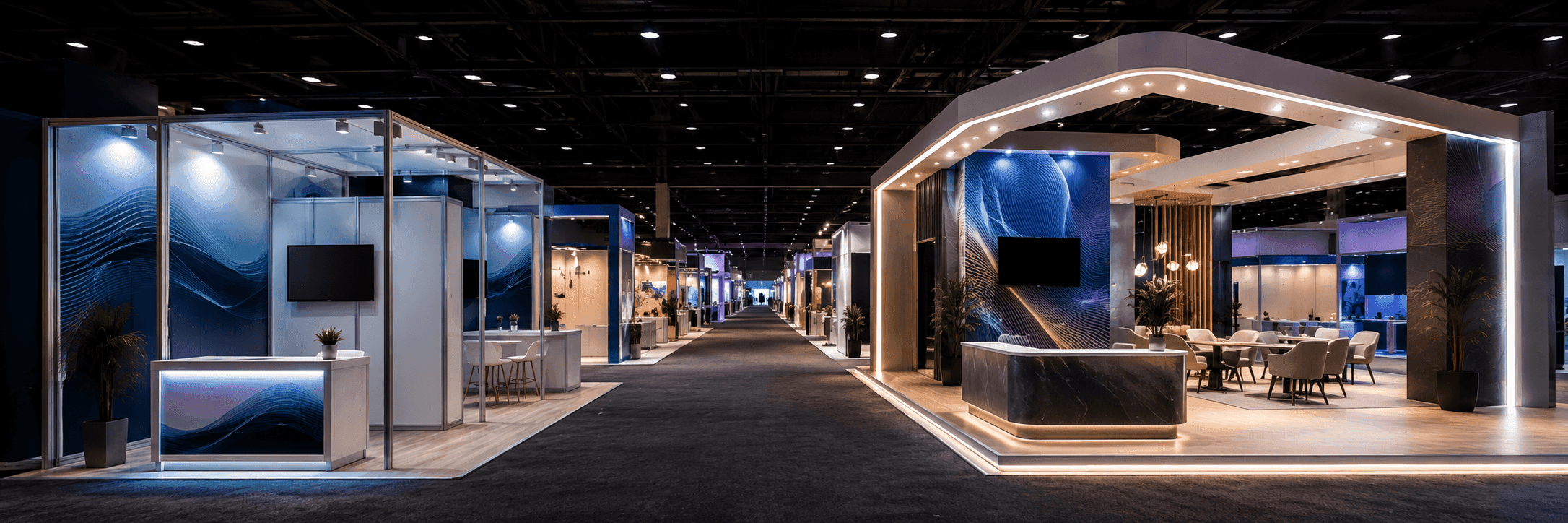
Booth footprint decisions should match buyer activities, from focused product presentations to larger technical demonstrations and conversations.
How Exhibit Activities Change Space Requirements
Different exhibit activities require different types of usable space. The product itself is only one factor; the way buyers evaluate the solution often determines the footprint needed.
Physical Equipment Displays
Physical product displays often require additional space when buyers need to approach the product, review technical details, or continue discussions nearby. The layout should support inspection access and conversation without interrupting other visitor activities.
Exhibitors with water infrastructure products can explore water equipment display when equipment access and technical evaluation are important parts of the exhibit plan.
Technical Demonstrations
Technical demonstrations require enough room for visitors to follow the explanation, view the presentation clearly, and ask questions without interrupting the next conversation. Screen visibility, presenter position, and visitor movement should work together as part of the demonstration area.
Companies presenting connected water technologies can review smart water monitoring demo when workflow explanation and technical discussions need to happen together.
Choosing Booth Footprint Based on Exhibit Activities
Booth size should be selected according to the activities the space needs to support. The following footprints represent different levels of buyer interaction rather than simple size upgrades.
Booth Footprint | Best For | Buyer Activities Supported |
|---|---|---|
10x20 Booth | Focused product or single workflow | Product introductions, short demonstrations, focused conversations |
20x20 Booth | Product evaluation with technical discussion | Equipment review, demonstrations, engineering conversations |
20x30 Booth | Multiple exhibit activities | Separate displays, multiple visitor groups, extended technical discussions |
10x20 Booth
A 10x20 booth works best when the exhibitor has one primary message, one product focus, or one controlled demonstration. It supports focused presentations and shorter conversations without requiring multiple activity zones. A compact 10x20 booth layout can help exhibitors organize essential displays, graphics, and visitor interactions within a focused footprint.
20x20 Booth
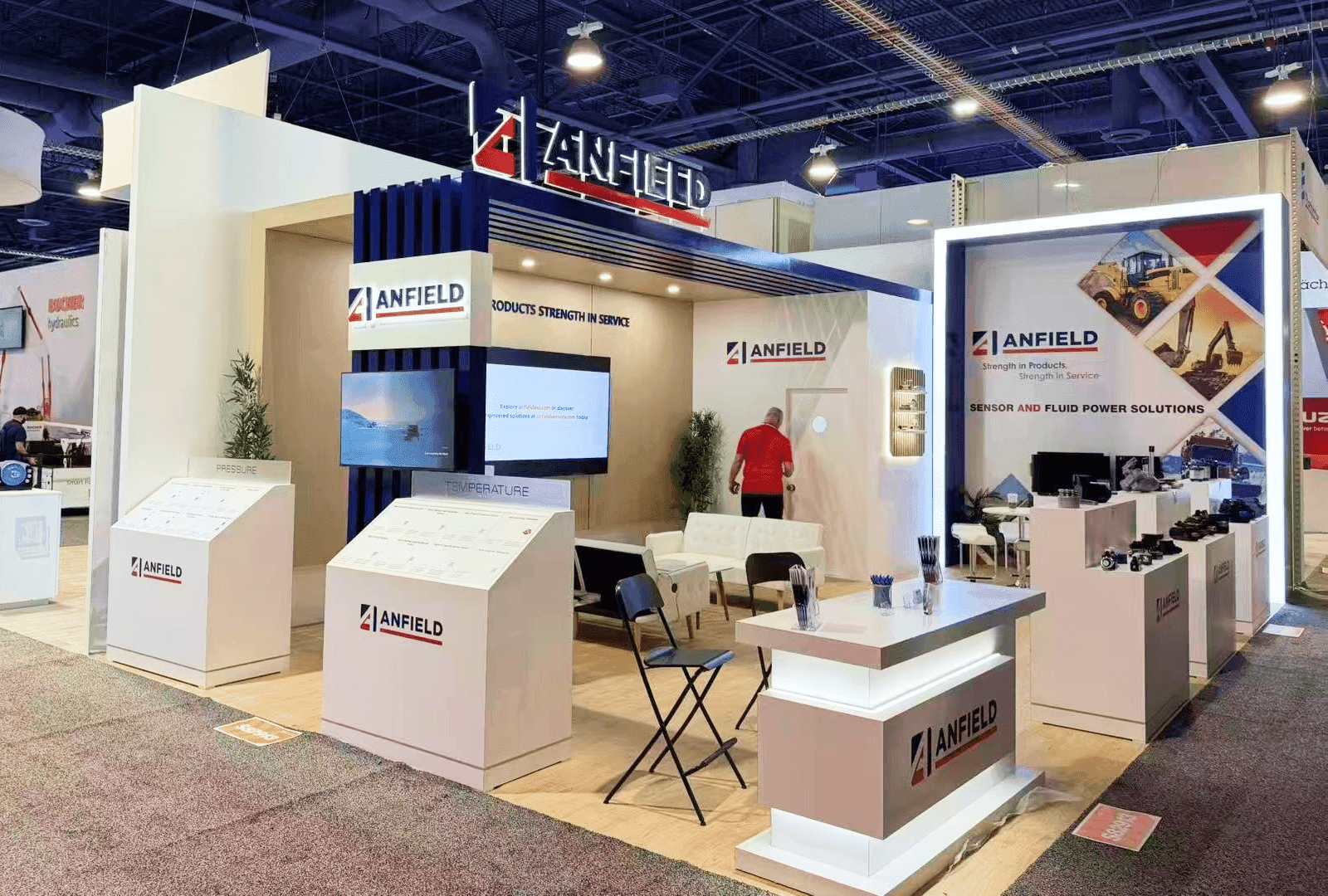
A 20x20 booth becomes more practical when exhibitors need to combine product evaluation, demonstrations, and technical discussions within the same footprint. The additional space can help separate visitor activities and create a smoother conversation flow. A 20x20 booth layout provides more flexibility when demonstrations and technical conversations need to happen alongside product evaluation.
20x30 Booth
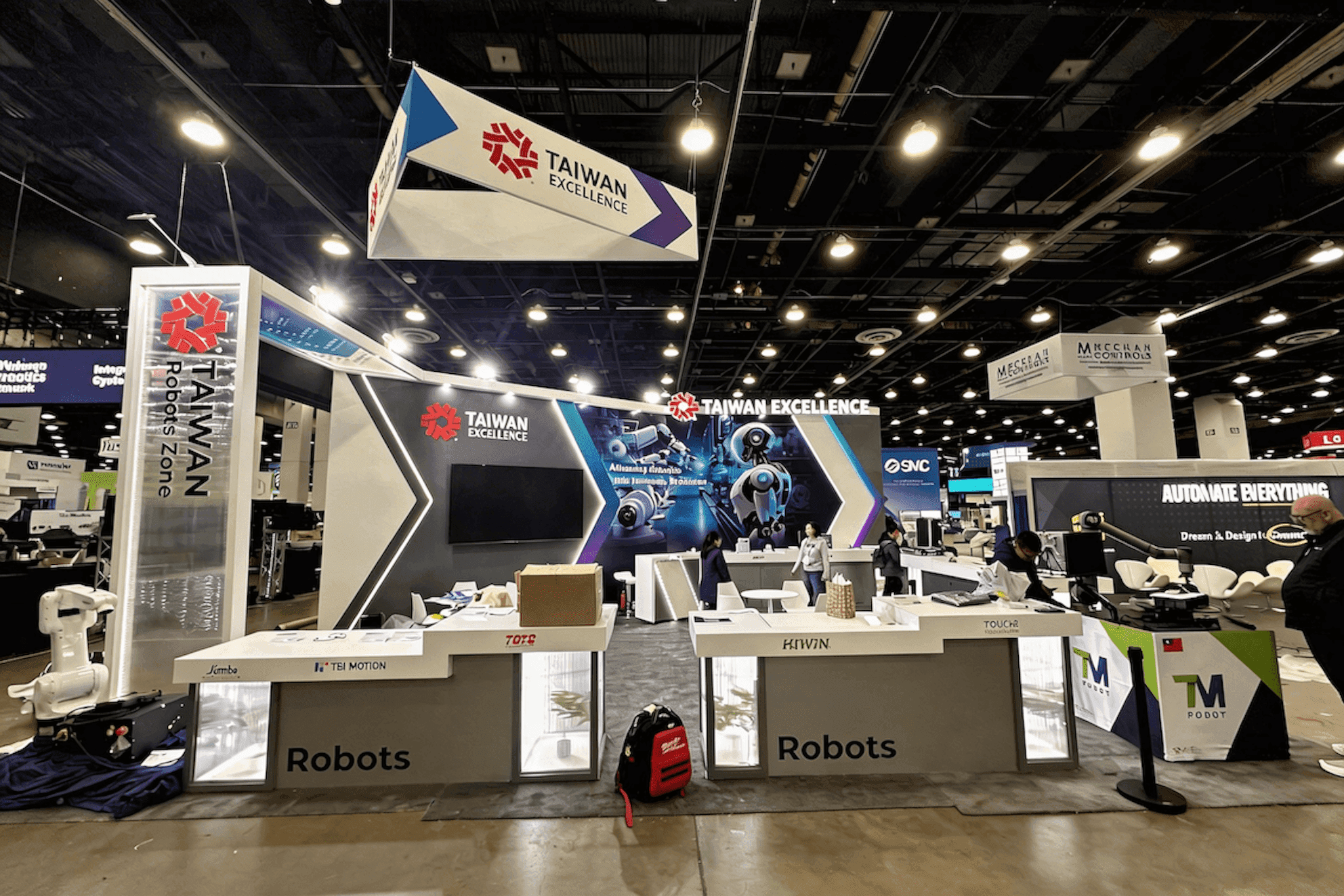
A 20x30 booth is useful when exhibitors need separate display areas, multiple visitor paths, or simultaneous conversations that cannot comfortably happen in a smaller space. A larger 20x30 booth layout can support more complex exhibit functions when multiple activities need to operate at the same time.

Technical exhibits require space for product evaluation, demonstrations, and discussions with utility operators and engineering teams.
When a Larger Booth Does Not Create a Better Exhibit
A larger booth cannot solve unclear messaging, excessive product information, or poor visitor flow. Additional space only creates value when it supports a specific buyer activity; otherwise, a bigger footprint may simply create more areas for visitors to navigate without a clearer reason to engage.
Exhibitors sometimes try to display every product, feature, or solution within a larger space. However, too many competing messages can make it harder for buyers to identify the information most relevant to their needs.
Space should solve a specific exhibit challenge, not compensate for an unclear exhibit strategy. The goal is not to maximize booth size, but to create the right environment for buyers to understand and evaluate the solution.
From Booth Space Selection to Exhibit Execution
Once the booth footprint is defined, exhibitors can move from space planning into layout decisions, display requirements, and production planning. The final exhibit approach should support product displays, demonstrations, meetings, graphics, and visitor movement within the available space.
Some exhibitors may benefit from flexible rental structures that support branded displays, meeting areas, and demonstration zones. Others may require additional engineering for specialized equipment, custom fixtures, or integrated exhibit elements.
After the booth requirements are clear, exhibitors can explore San Diego trade show booth rental options or work with an exhibit design and engineering team to develop a layout that fits their requirements.
FAQ
What booth size is best for AWWA ACE technical exhibitors?
The best booth size depends on what buyers need to see, evaluate, and discuss. A 10x20 booth may work well for a focused product display or single demonstration, while larger layouts become more practical when exhibitors need equipment evaluation space, technical discussions, or multiple visitor activities.
Does a larger booth always create a better exhibit experience?
No. A larger booth only creates value when the additional space supports meaningful activities such as product evaluation, demonstrations, meetings, or improved visitor flow. More space cannot replace a clear message and a well-planned exhibit strategy.
How should exhibitors decide between a 10x20, 20x20, and 20x30 booth?
Exhibitors should choose based on the activities happening inside the booth rather than size alone. A 10x20 booth suits focused presentations, while 20x20 and 20x30 layouts are better when exhibitors need additional areas for demonstrations, technical conversations, equipment displays, or multiple buyer interactions.