ASD Market Week Retail Product Display Booth Planning


How should exhibitors plan an ASD Market Week retail product display booth?
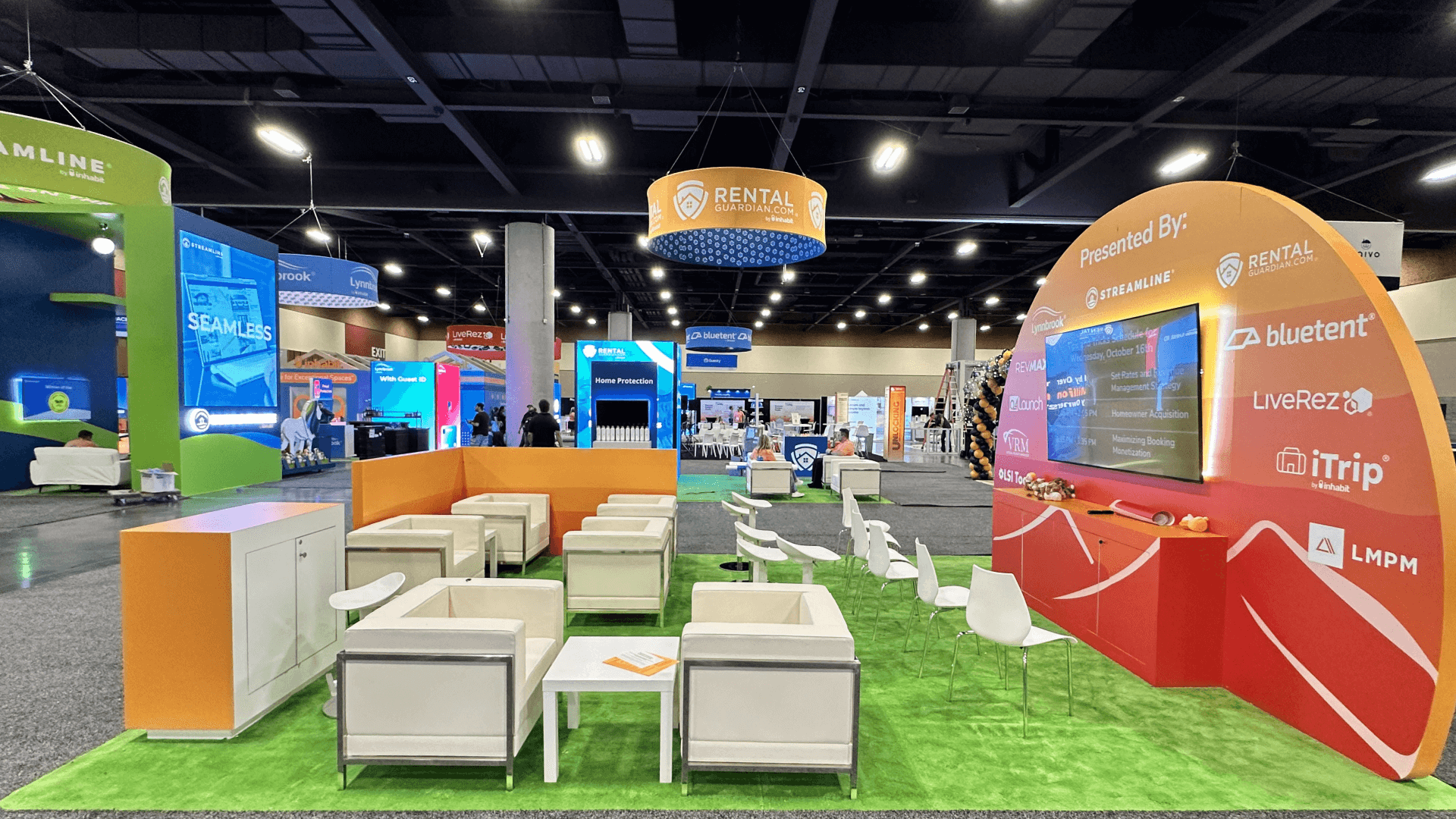
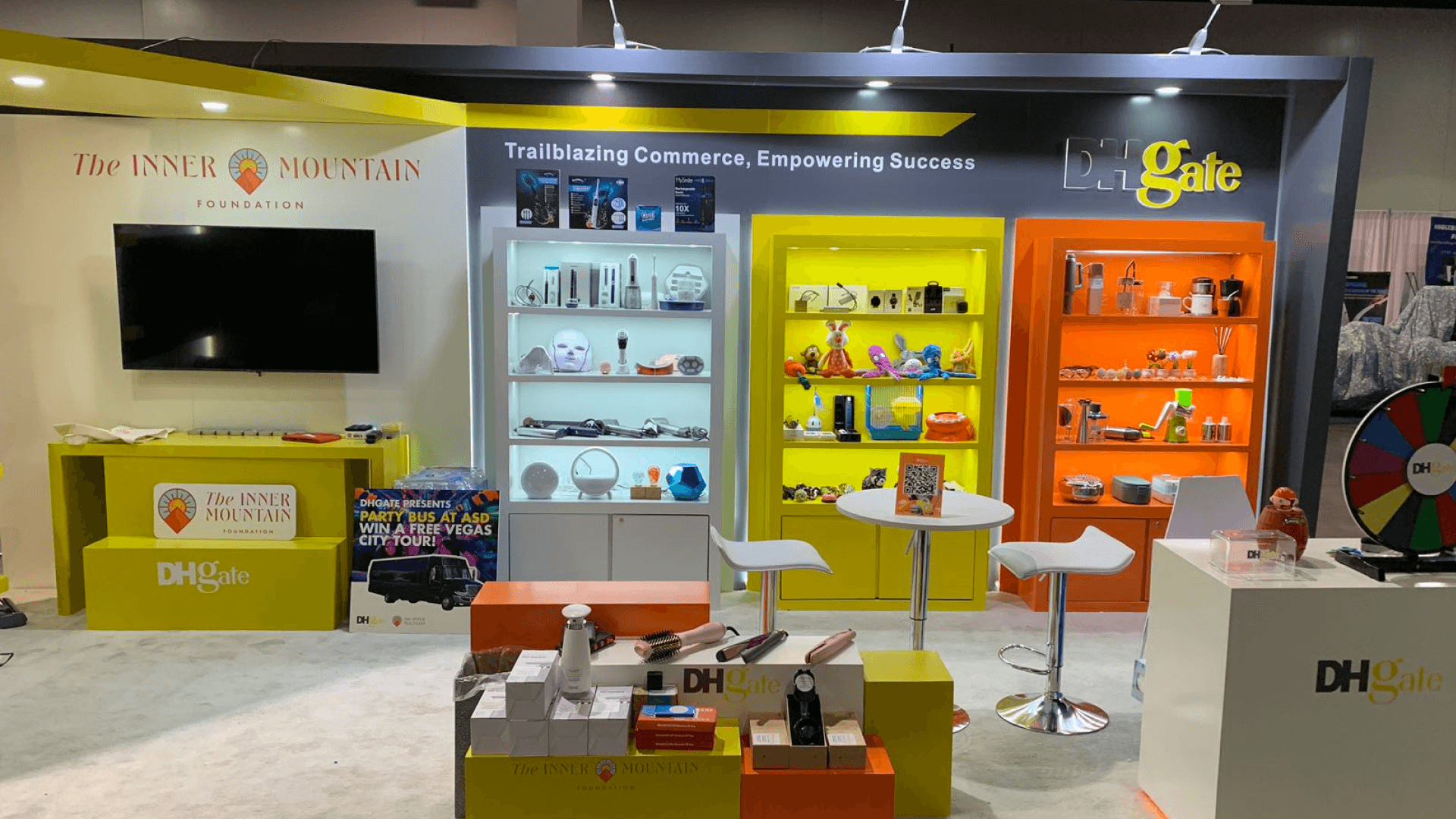
An ASD Market Week retail product display booth should be planned around product visibility, category organization, shelf displays, product walls, counters, buyer browsing flow, storage, staff conversations, graphics, and LVCC setup. The booth should help buyers scan product groups quickly, compare merchandise, handle samples when needed, and move into sourcing or follow-up conversations without making the booth feel crowded.
An ASD Market Week retail product display booth should make wholesale merchandise easy to see, compare, and discuss. Buyers often move through many product categories in a short time, so the booth needs clear category signs, product walls, shelf displays, counter space, sample handling areas, storage, and a simple path from browsing to staff conversation.
For exhibitors showing gift products, home goods, fashion accessories, beauty items, general merchandise, convenience products, private label samples, or multi-category retail lines, the booth should help buyers understand the product offer before they ask for details. Working with Las Vegas trade show booth builders can help connect booth structure, product display, graphics, storage, logistics, and installation into one practical ASD exhibit plan.
This page focuses on ASD Market Week retail product display booth planning, wholesale merchandise display, product wall organization, shelf display layout, counter placement, buyer browsing flow, storage, graphics, and LVCC setup. For broader show planning, booth rental direction, and event context, use ASD Market Week booth planning. For product labels, category signs, aisle-facing messages, and shelf display graphics, review graphics and brand presentation.
Why Exhibitors Choose Circle Exhibit
Clear scope, transparent quote review, nationwide booth support, and efficient setup planning for qualified rental and custom exhibit projects.
48hr
Setup Window
10+
Years Since 2014
U.S.
Trade Show Support
Real
Booth Project Proof
ASD retail product display booth size should be chosen around product category count, shelf display needs, counter space, buyer browsing flow, sample handling, staff coverage, storage, and whether the booth needs space for sourcing conversations or order follow-up.
A 10x20 ASD product display booth can work when the exhibitor needs one focused product category, a compact shelf display, one counter, light storage, and quick buyer conversations. This layout should make the product offer simple to understand from the aisle. For general inline size guidance, review 10x20 booth planning.
A product wall or shelf display booth is useful when buyers need to compare multiple merchandise groups quickly. Product categories, shelf height, aisle-facing signs, counter space, and sample handling should be planned together so the booth reads like a clean retail display instead of a crowded stock table. For size-specific ASD layouts, compare ASD Market Week 10x20 booth planning and ASD Market Week 20x20 booth planning.
A 20x20 ASD retail product display booth gives more room for product walls, category signs, counters, sample review, storage, lead capture, and short sourcing conversations. This footprint works well when the exhibitor needs a more open retail merchandise presentation. For general size guidance, review 20x20 trade show booth planning.
A custom ASD product showcase booth is stronger when the exhibit needs built-in product walls, custom shelving, secured sample areas, specialty counters, hidden storage, lighting, branded category zones, or a more controlled buyer sourcing path. In these cases, booth fabrication and show-site execution should be planned before production, freight, and installation details are finalized.
These supporting articles help ASD Market Week exhibitors plan retail product displays, category signs, product walls, shelf displays, counters, buyer browsing flow, rental structure, graphics, storage, and LVCC setup before the booth layout is finalized. Start with ASD Market Week retail display design services, which supports retail product display strategy, category organization, booth graphics, and smarter product presentation planning. Exhibitors planning a compact inline display can review 10x20 Booth Layout Ideas for ASD Market Week Exhibitors, while teams comparing a larger product display footprint can use 20x20 Booth Planning for ASD Market Week Product Exhibitors. For rental-based execution, What Is Included in a Customizable Trade Show Booth Rental in Las Vegas helps connect booth structure, branded graphics, counters, storage, and show-site setup. For broader event context, use ASD Market Week booth planning, and for supplier sample or private label layouts, review SourceDirect at ASD booth planning.
ASD retail product display booths need to help buyers scan merchandise quickly. The booth should make product categories, sample areas, shelf displays, counters, storage, and staff conversations easy to understand without crowding the buyer path.
Product walls and shelves should be organized by category, collection, buyer type, price point, or merchandising use. Clear product grouping helps buyers understand the booth faster and decide which items deserve a deeper conversation.
Counters should support sample review, product comparison, wholesale questions, and staff explanation. The booth should make featured items easy to access without turning every surface into a crowded product table.
ASD buyers may want to browse quickly, compare product groups, discuss pricing or minimums, request samples, or move into follow-up. The booth should create a simple path from product discovery to staff conversation, lead capture, or sourcing discussion.
Graphics should make product groups, category names, featured merchandise, and brand message easier to understand from the aisle. Strong graphics and brand presentation helps buyers read the booth before staff begins the conversation.
ASD Market Week brings wholesale retail merchandise exhibitors and buyers into a large sourcing environment. Retail product display booths need to make product groups, shelf displays, counters, samples, and buyer conversations easy to understand.
Many visitors are retail buyers, store owners, distributors, importers, online sellers, or category managers. A retail product display booth should help them browse quickly, compare products, ask wholesale questions, and move into a clear follow-up or sourcing conversation.
ASD retail product display booths depend on product staging, shelf displays, counters, sample areas, graphics, storage, packaging materials, backup products, and final setup checks. These details should be organized before the booth opens so the display stays clean during show hours.
Not Sure Which Booth Size You Need?
Not every exhibitor knows whether a 10x20, 20x20, 20x30, or larger booth is the right fit. Circle Exhibit can help review your event goals, product display needs, demo areas, meeting space, storage, budget scope, and setup timeline before you choose a booth size.
Making Categories Clear from the Aisle
Balancing Browsing Space and Product Density
1
Define the Main Product Display Strategy
2
3
4
Rental Booth Option for Focused Retail Product Displays
A rental-based booth can work when the exhibitor needs branded graphics, product counters, shelf displays, light storage, lead capture, and a practical LVCC setup path. This option is best when the product story is focused and does not require complex built-in display structures. For this direction, review Las Vegas trade show booth rental.
Custom Build Support for Product Walls and Shelving
Custom build support is stronger when the booth needs built-in product walls, shelf systems, secured sample areas, custom counters, lighting, storage integration, or a more polished merchandising path. In these cases, booth fabrication and show-site execution helps keep the retail product display booth consistent from design to installation.
Choosing Based on Product Variety and Buyer Flow
Choose based on how many product categories need to be shown and how buyers should move through the booth. For compact inline display, review ASD Market Week 10x20 booth planning. For larger retail product presentation, review ASD Market Week 20x20 booth planning.
Products, samples, display shelves, counters, labels, packaging, and backup materials should be prepared before setup begins. Staff should know which items are for display, buyer handling, storage, or follow-up conversations.
Counters should support product review without blocking booth entry or aisle visibility. Product display areas, lead capture points, and staff positions should leave enough room for buyers to pause, compare merchandise, and move forward.
An ASD retail product booth needs storage for sample boxes, extra products, packaging, printed materials, order support items, staff supplies, and backup display pieces. Storage should stay close enough for staff access but outside the main buyer path.
Before opening, the team should check product placement, shelf displays, counters, graphics, category labels, storage access, lead capture, staff positions, and buyer flow. [**Logistics and pre-show coordination**](/services/logistics-pre-show-coordination) helps keep these ASD booth details aligned before opening.
For exhibitors planning an ASD Market Week retail product display booth, these related pages help separate product display planning from other ASD booth needs: ASD Market Week booth planning for the main event hub, SourceDirect at ASD booth planning for private label and supplier sample displays, ASD Market Week 10x20 booth planning for compact inline product displays, ASD Market Week 20x20 booth planning for larger retail merchandise layouts, and booth fabrication and show-site execution for custom build and installation support.
Need a Flexible ASD Retail Product Display Booth Rental?
A rental-based booth can work when an ASD Market Week retail product display booth needs branded graphics, product walls, shelf displays, counters, light storage, lead capture, and a practical LVCC setup path. This option is best when the product display is focused and the booth does not require custom-built shelving, secured sample areas, or complex integrated merchandising structures.
What is an ASD Market Week retail product display booth?
An ASD Market Week retail product display booth is planned around product visibility, category organization, shelf displays, counters, storage, buyer browsing flow, lead capture, and staff conversations. The goal is to help buyers understand product groups quickly and move into a clear sourcing or follow-up conversation.
What should an ASD retail product display booth include?
Is a 10x20 booth enough for ASD product exhibitors?
How should graphics support an ASD retail display booth?
How should exhibitors compare ASD retail display, 10x20, and 20x20 booth planning?
READY TO PLAN YOUR NEXT BOOTH?
Let’s Build a Booth That Fits Your Event
Share your event name, booth size, city, timeline, product display needs, and design references. Circle Exhibit will review your project direction and help you choose a rental-friendly or custom exhibit path.
3000+
Booth Projects Supported
50+
U.S. Event Cities
Transparent
Quote Review
Use the main ASD Market Week event page for broader booth planning, booth rental options, LVCC setup notes, booth size selection, and ASD project references.
For exhibitors planning supplier sample displays, private label product conversations, catalog counters, sourcing meetings, and manufacturer-focused booth layouts.
For exhibitors that need booth structure, built-in product walls, custom shelving, counters, graphics, logistics, installation, and show-site execution support for ASD Market Week.