What Is a Retail Product Display Booth at ASD Market Week?
A retail product display booth at ASD Market Week is a booth designed around product browsing, sample handling, buyer questions, and short sales conversations. It should not be planned only as a decorative exhibit.
This article supports ASD Market Week retail product display booth planning. It does not replace the main ASD Market Week booth planning page. The focus here is narrower: product walls, sample counters, booth graphics, storage, and buyer browsing flow.
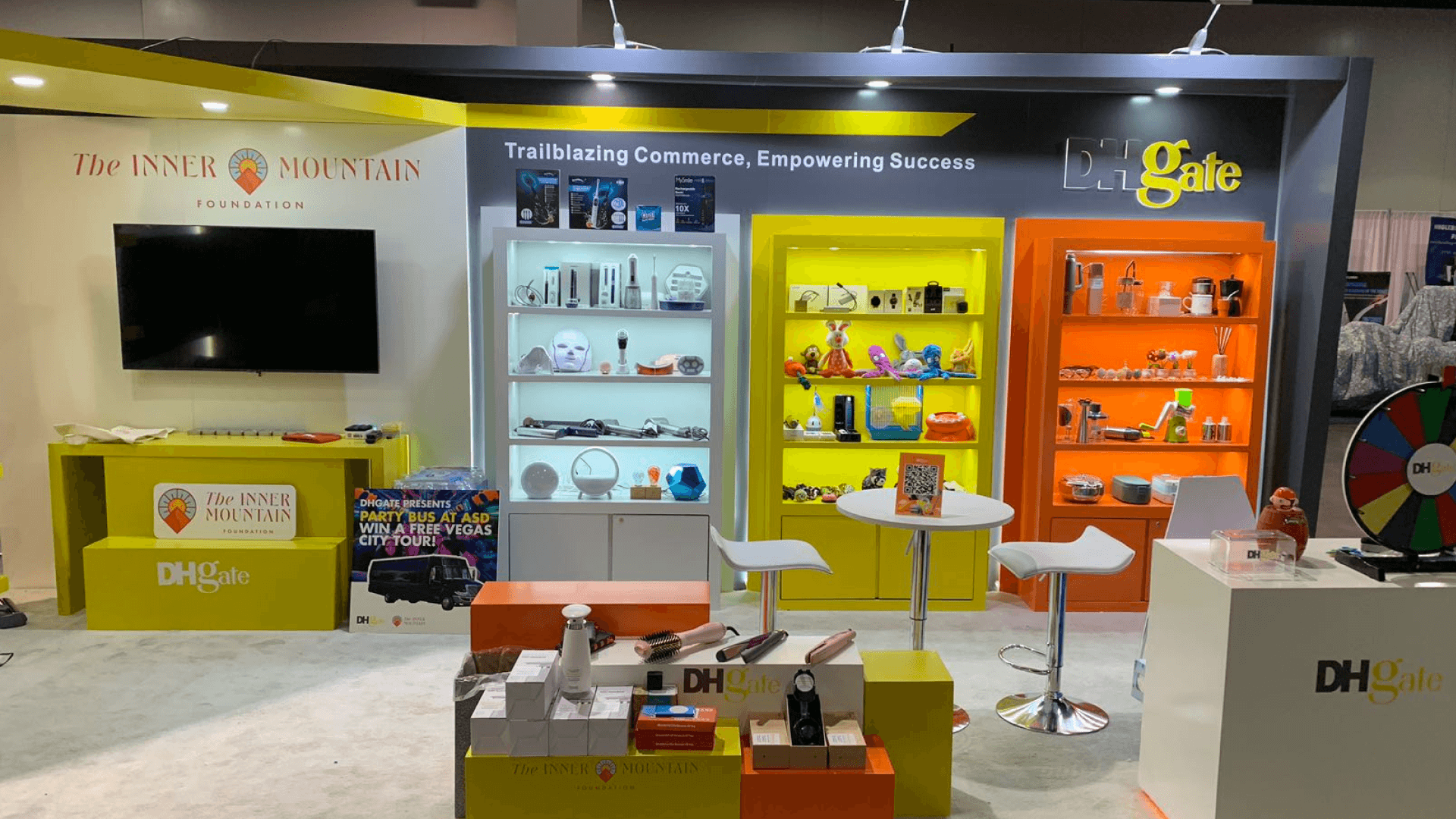
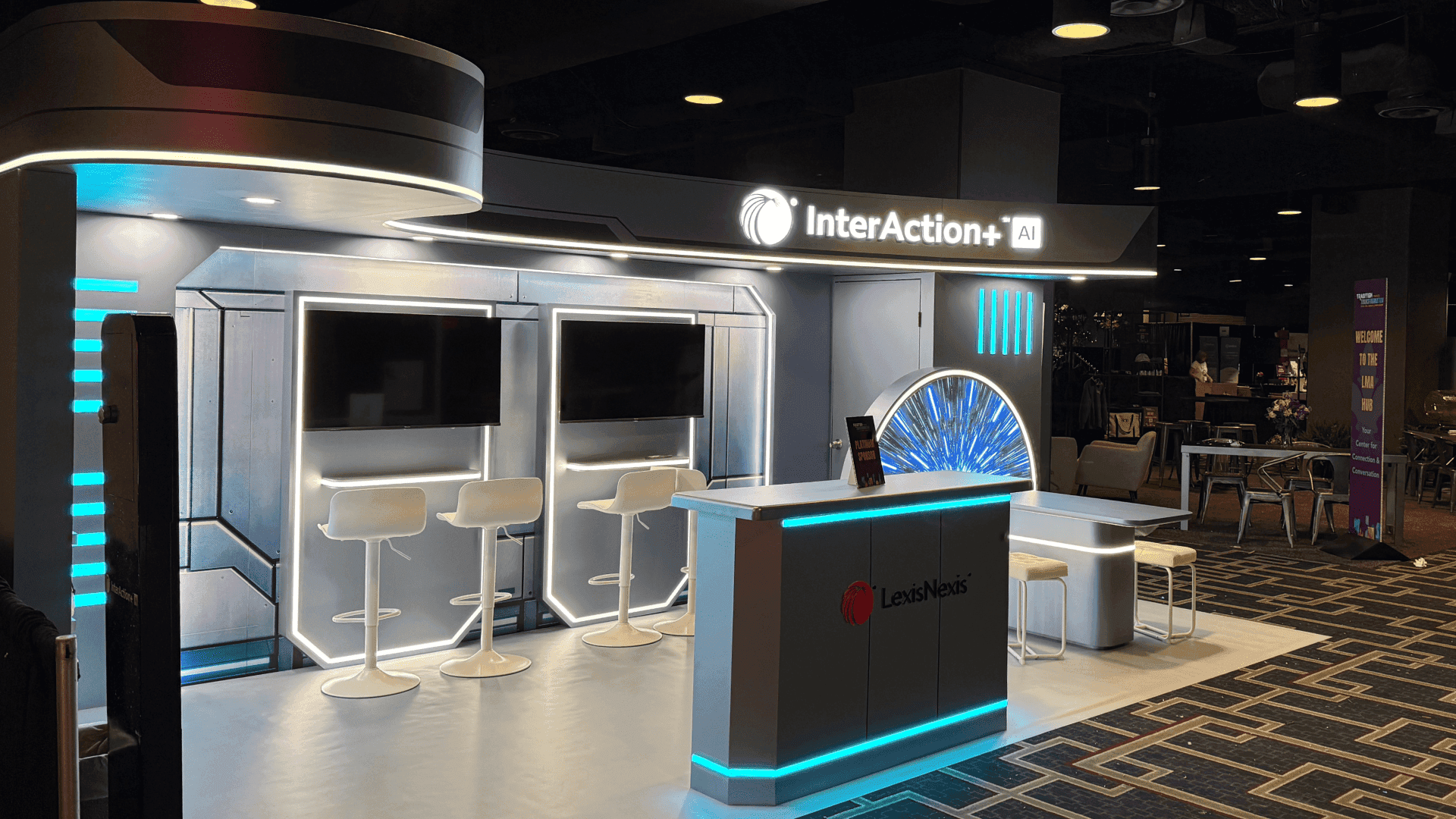
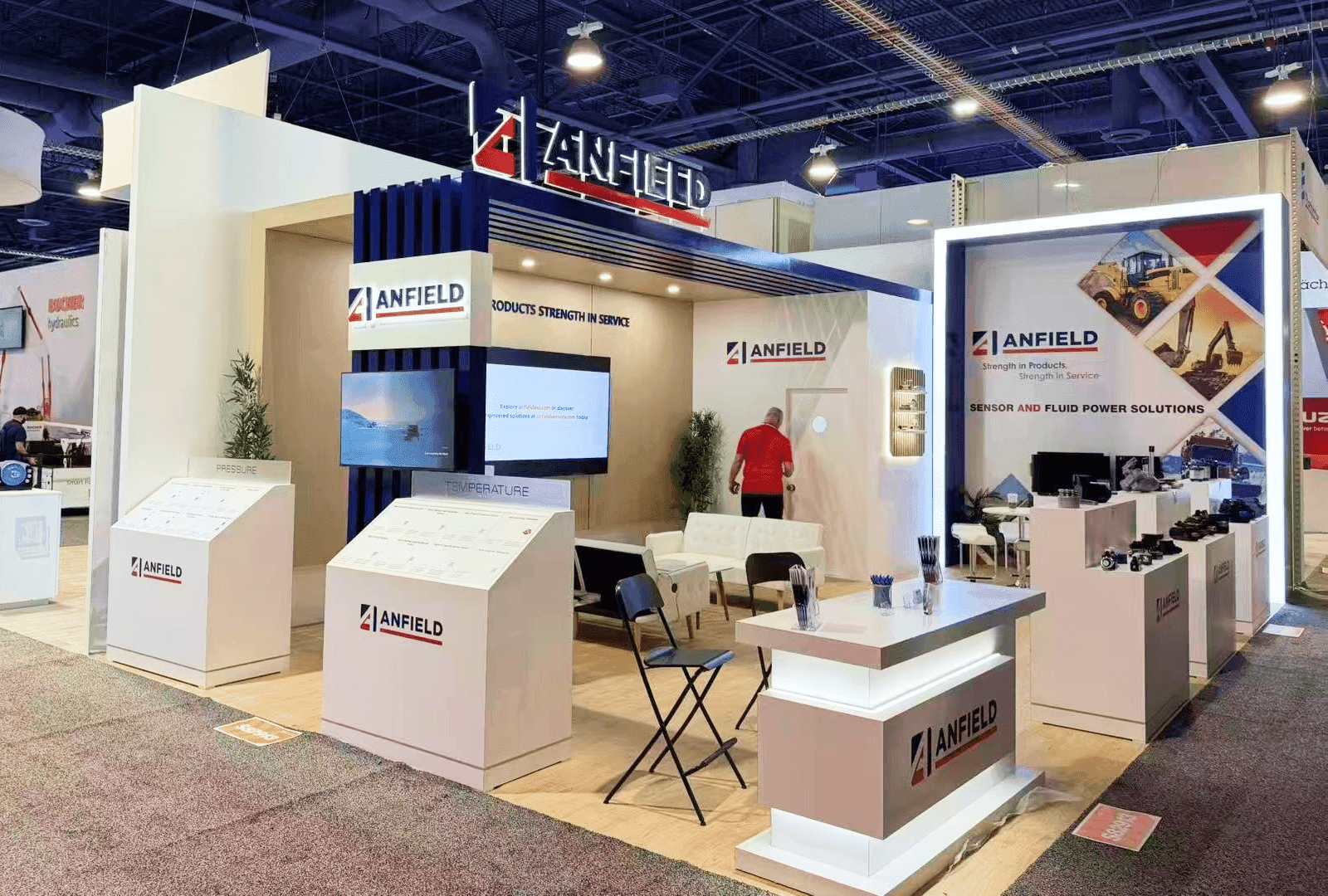
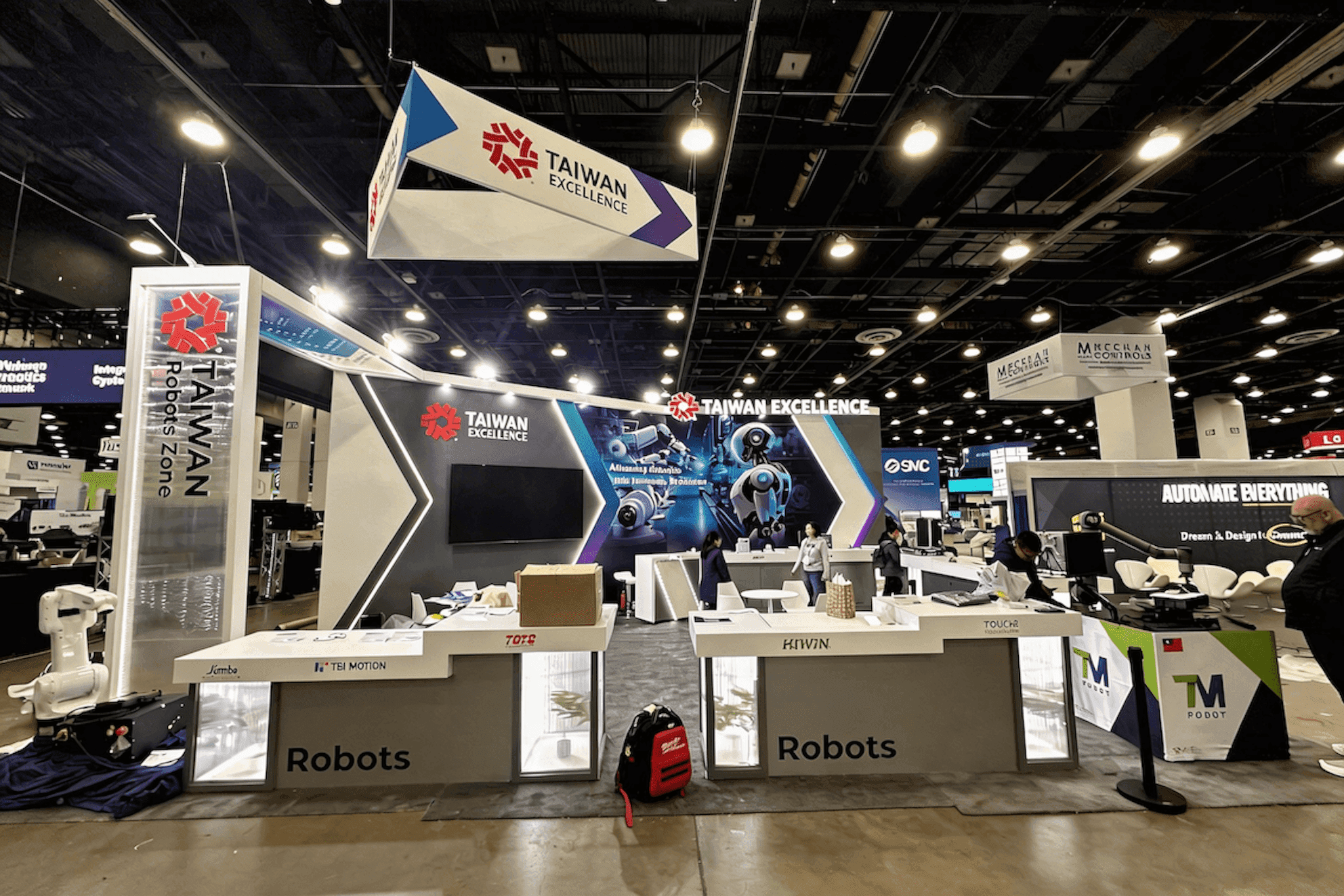
An ASD retail product display booth should make the main product category easy to understand from the aisle through a clear product wall, sample counter, and open buyer browsing space.
Start With Product Visibility
For ASD exhibitors, the first question is simple: can buyers understand the product category from the aisle?
If the product is not clear at first glance, the booth may look finished but still feel hard to browse. A strong retail product display booth usually needs:
a main product wall
sample display counters
product grouping by category
short booth graphics
clear aisle-facing messaging
enough room for buyers to stop and compare products
The product display should answer basic questions before staff begins the conversation.
Product Walls and Sample Counters Need Different Jobs
A product wall and a sample counter should not do the same work. The wall helps buyers understand the product range. The counter supports closer browsing, sample handling, and short staff conversations.
Booth element | Best role |
|---|---|
Product wall | Product range, category grouping, first visual impression |
Sample counter | Product handling, quick questions, lead capture |
Feature display | New product, best seller, or product family |
Category signs | Clear product grouping and buyer direction |
Hidden storage | Catalogs, backup samples, bags, tools, packaging |
When every part has a role, the booth feels easier to browse and easier for staff to manage.
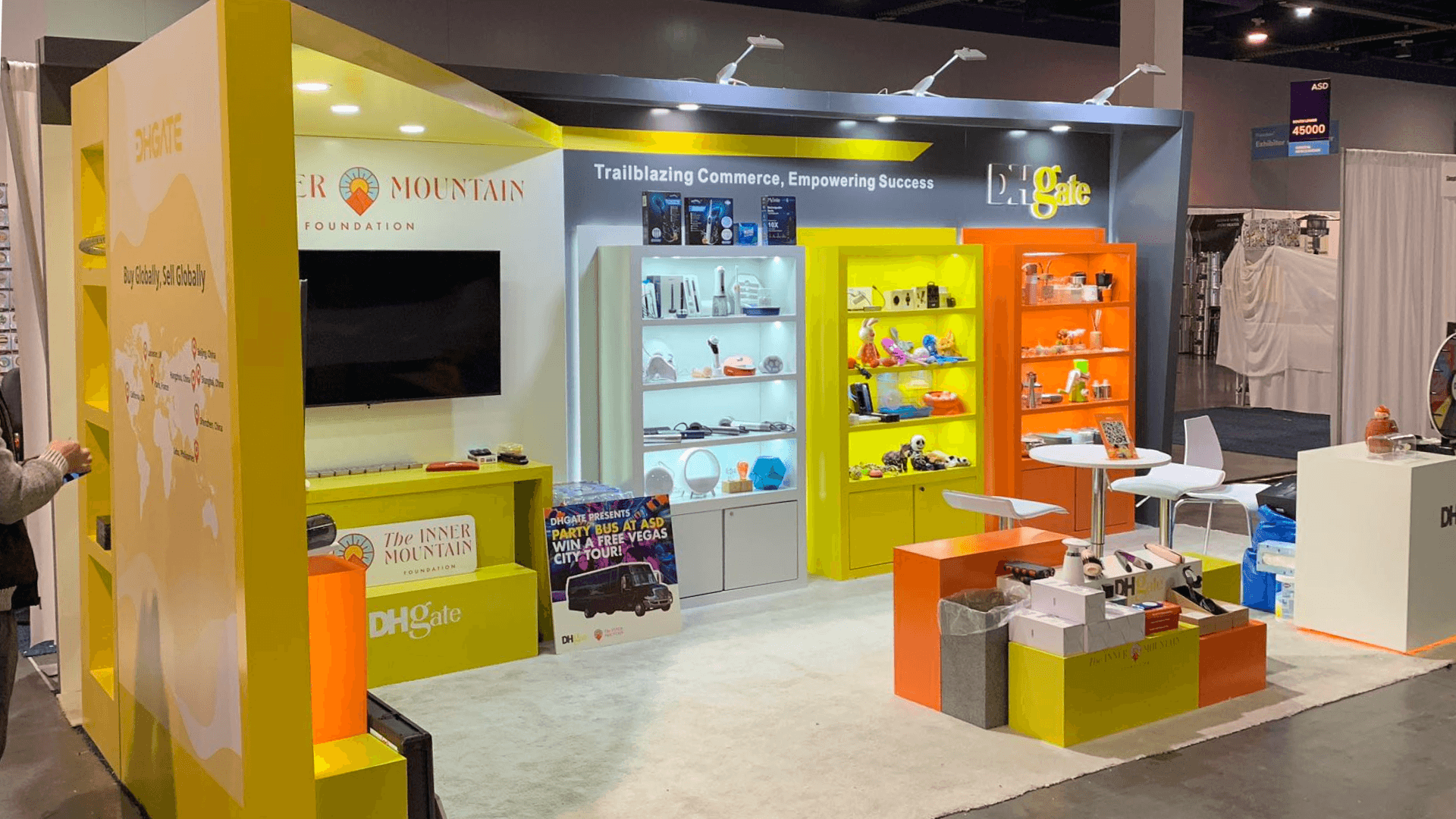
Product walls and sample counters should have different roles: the wall explains the product range, while the counter supports sample handling, quick questions, and buyer conversations.
Booth Graphics Should Support Product Categories
Booth graphics should make the product easier to understand. They should not compete with shelves, packaging, or samples.
For ASD exhibitors, graphics and brand presentation support should focus on message hierarchy. Useful graphics may include:
one clear brand statement
product category messages
backwall product visuals
counter graphics
shelf-backed graphics
simple product callouts
Good booth graphics do not need to explain everything. They should help buyers know where to look first.
Plan the Buyer Browsing Flow
A retail product display booth should guide buyers through a simple path.
A practical buyer flow can work like this:
Buyer sees the main product category from the aisle.
Buyer stops at the product wall or sample counter.
Staff gives a short product explanation.
Buyer compares samples, packaging, or product details.
Qualified buyer moves into a deeper sales conversation.
The booth should avoid putting too many products at the front edge. If the counter becomes crowded, buyers cannot browse and staff cannot move naturally.
Storage and Staff Access Still Matter
Storage is easy to overlook, but it affects how clean the booth feels during the show. Staff may need space for catalogs, backup samples, packaging, bags, chargers, tools, and small operating items.
Storage should be hidden from public view but close enough for staff to use during busy hours. A clean booth keeps attention on the products, not on operating clutter.
Staff also need room to greet buyers, answer questions, reach samples, and continue conversations without blocking the main display.
Where Eco-Friendly Choices Still Fit
Eco-friendly planning can still fit into an ASD booth, but it should not become the main message unless it is central to the brand.
For most retail product display booths, sustainable choices are most useful when they support:
reusable booth structure
lighter display components
reusable graphics planning
efficient storage and transport
cleaner material planning
less waste between shows
In other words, eco-friendly choices should support booth function, reuse, and setup efficiency. They should not distract from product visibility and buyer flow.
When a Rental Booth Makes Sense
A Las Vegas trade show booth rental can work well for ASD exhibitors who need a branded retail product display without building a fully custom exhibit from scratch.
A rental booth can support:
product walls
sample display counters
booth graphics
hidden storage
reusable structure
faster planning
cleaner Las Vegas show-site setup
The rental booth should still feel planned. It should not look like a generic backwall with products added at the last minute.
A rental booth can work well for ASD exhibitors when product walls, booth graphics, sample counters, hidden storage, and buyer browsing flow are planned together.
Retail Product Display Booth Checklist
Before approving an ASD retail product display booth, check:
Can buyers understand the product category from the aisle?
Is the product wall organized clearly?
Does the sample counter have a clear role?
Are booth graphics easy to read?
Is there enough room for buyers to browse?
Can staff answer questions without blocking products?
Is storage hidden but accessible?
Are samples and packaging easy to see?
Does the layout support quick buyer conversations?
Has the booth been reviewed from the buyer’s point of view?
This checklist keeps the booth focused on show-floor use, not only the rendering.
FAQ
What should an ASD retail product display booth include?
An ASD retail product display booth should include a product wall, sample display counter, booth graphics, category signs, hidden storage, buyer browsing space, and staff conversation points.
How should products be arranged in an ASD booth?
Products should be grouped by category, product family, buyer priority, packaging type, or featured item. The most important product category should be visible from the aisle.
Are booth graphics important for retail product display?
Yes. Booth graphics help buyers understand the product category, brand message, and display structure. They should support the products instead of overpowering them.
Should eco-friendly exhibit solutions still be mentioned?
Yes, but only as a supporting detail. Reusable structures, lighter materials, and reusable graphics planning can help, but the main focus should stay on product display and buyer flow.
What is the biggest mistake in retail display booth planning?
The biggest mistake is showing too many products without a clear display structure. A crowded booth can make the product line harder to understand and reduce buyer conversations.
Final Takeaway
An ASD Market Week retail product display booth should make products easy to see, compare, and discuss. The strongest booth is not the one with the most products. It is the one where product walls, sample counters, booth graphics, storage, staff access, and buyer browsing flow work together clearly.